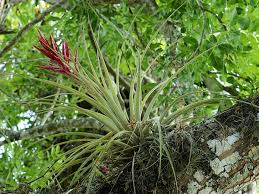
Tillandsia, A plant with herbal roots. From Public Domain
Once, on a dark snowy day in a strange land,
I metamorphosed to an air plant.
First, I lost my tongue; then I lost my limbs;
My brown trunk swirled into itself.
A crusty mossy green veneer over my fern-like body.
I lay still, a green cocoon– I am going back.


  This chip based plastic card is my DNA barcode.
  It lets the rootless ausländer reside in this land,
  to breathe it's AQI certified perfect-for-a walk air
  for these exact contractual work years.
  It keeps me safe -- a new sample specimen,
  well preserved in a laboratory bell jar.
  A permit -- a hermit immersed in nirvana liquid.
  I gaze outside through the transparent glass --
  everything magnified, everything distorted.
  An enticing pool of sunlight at the far end of the lab,
  beyond the windows, there are patches of green.
  I look for familiar faces, long lost cousins and neighbours --
  Is that the rabbit-ear-leafed* herb?
  (the long wanderings on monsoon mornings to cure the little one’s cough)
  the small-flowery-leafed* one?
  (the herbal decoction for feverish nights)
  the crawl-on-the-ground-palm* and down-the-stream-gooseberry*?
  (a folk song, a ritual, the cure for yellow-fever)
  The patches of green remained as aloof as they were.
  They denied my identification procedure –
  “Wir bist nicht deine ‘name-place-animal-thing’,
   we are google lens-approved rational scientific botanic beings,
   we were featured in Systema Naturae and
   we are alien to your wobble-gobble”.

I swayed away and stared at the supermarket herbs section for hours.
Familiar fragrances -- dried and powdered and renamed.
And the authentic all-rounder -- “Indische Curry-Englisch style”
Black pepper from my backyard would disown me for this affair.
I reside, breathe in and breathe out the AQI verified air.
I reside, observe and wait, in this permitted residence of mine.
To live -- to live and thrive one should go back or grow roots.
(And then, herbs are no longer a supermarket section
they are an image of your soul in green,
a fibrous embrace that warms your blood.)

*Literal translations of medicinal herbs from author’s mother tongue
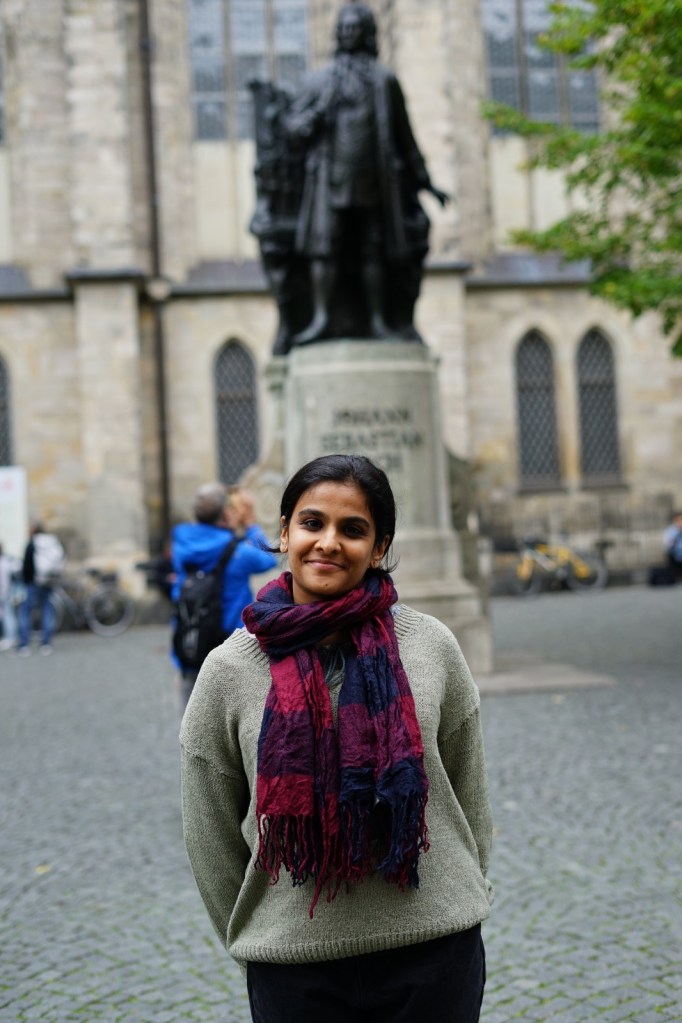
Lakshmi Chithra is a PhD student at the University of Augsburg, Germany. When academic life allows she welcomes her writer-ego to take over. She is from Kerala and is a lover of the monsoon, the Arabian Sea and Chai.
.
PLEASE NOTE: ARTICLES CAN ONLY BE REPRODUCED IN OTHER SITES WITH DUE ACKNOWLEDGEMENT TO BORDERLESS JOURNAL
I’m a rough tongued kitty.
Many blades, many languages.
I’ve licked the globe like it’s my very own
Catnip filled toy --
Yet forever remained an alien, exotic breed.
“You speak meow so well,”
Say the domestics.
“It doesn’t fit.”
I’m a sharp-clawed kitty.
Declawed, I’m defenceless.
Where beauty remains the ultimate weapon -- do I fit?
Do I fit -- among these manicured personas
Moulded into the shapes of patriarchal desire?
My feral femininity,
My felinity
Trying to go hand in paw --
But it doesn’t fit.
Arshi Mortuza was made in Bangladesh but moulded in the U.K, U.S.A, Sweden, China, Thailand and Canada. Many of her poems explore the theme of alienation, drawn from her experiences of being raised in multiple countries. You can find her on instagram as @poetessarshi
.
PLEASE NOTE: ARTICLES CAN ONLY BE REPRODUCED IN OTHER SITES WITH DUE ACKNOWLEDGEMENT TO BORDERLESS JOURNAL
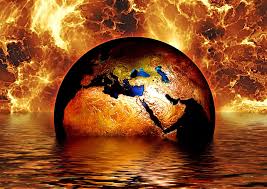
It's over a hundred. Trees droop close to melting. Air-conditioners whirr and whine. The electrical grid sputters close to blackout.
Air is slow to get around and some climate skeptic in a row house on Broadway wipes his brow, unpeels his shirt, thinks maybe this really is the hottest it's ever been.
In my house, with every window open, I imagine a crystal blue stream cascading down from mountains. Even in my mind, it turns to steam in an instant.
LET ME TELL YOU ABOUT THE MOUNTAIN
It was gold up there and my head could see clear to the next state and to the people I knew in childhood.
Forget the wind and the soughing boughs and the cold rocks and the clotted dry grass -- there were sounds like bells ringing and steps that penetrated clouds.
It was like a table set for me. And lit by one candle, one sun.
I approached gods fit to worship and they thanked me for my kind words but then directed me to deities even greater.
When I reached the peak, the sky was a wide blue altar. I climbed so high just so I could drop to my knees.
John Grey is an Australian poet, US resident, recently published in New World Writing, North Dakota Quarterlyand Lost Pilots. His latest books are Between Two Fires, Covert and Memory Outside The Head are available through Amazon.
.
PLEASE NOTE: ARTICLES CAN ONLY BE REPRODUCED IN OTHER SITES WITH DUE ACKNOWLEDGEMENT TO BORDERLESS JOURNAL
In Conversation with Suzanne Kamata about Cinnamon Beach, published by Wyatt Mackenzie Publishing, and a brief introduction to her new novel.
Suzanne Kamata
Cinnamon beach by Suzanne Kamata seems to be ostensibly a normal romantic novel but there is an aspect that makes it unique. It glues all colours of humanity together. Almost all the families in her narrative are of mixed heritage or multiracial. She has stepped beyond the veneer of race and nationality to highlight that all humanity has the same needs— for love, acceptance and kindness, irrespective of colour and creed, a gentle reminder in a world that is moving towards polarisation in terms of constructs made by human laws.
Set against the backdrop of the Cinnamon Beach, the narrative shuttles through two countries that she has called home — Japan and USA. There are autobiographical elements woven into the narrative but perhaps, they halt in becoming lived experiences. The protagonist, upcoming writer, Olivia Hamada, an American married to a Japanese, has lost both her job and finds her marriage in doldrums when she visits her sister-in-law, Parisa. Parisa is a renowned fashion designer, daughter of an immigrant Indian and has lost her husband, Ted, Olivia’s elder brother. It is a poignant story with Olivia and her deaf daughter, Sophie, falling in love with a star, Devon, and his son, Dante respectively — both persons of colour. Devon’s ancestors were brought in from Africa. So how mixed are the races – Sophie is half Japanese-half American and Dante is part African-part American!
The narrative start simply and gains nuances as it progresses. There are comments and conversations that introduce twists and turns to explore attitudes and prejudices.
At a point Kamata tells us: “She’d heard, several years ago, of a revolt at a liberal college cafeteria in protest of its serving sushi. And there was that dust-up over a reality TV star using the name ‘kimono’ for her new line of shapewear. Perhaps she had been wrong to ever go to Japan in the first place. But she had done it and she had gone and written a collection of short stories heavily inspired by events in her real life, and now, here she was.” The bias against Japan that led to the destruction of Hiroshima and Nagasaki are hinted at conversationally – world events that conspired more than eighty years ago. Why do such biases still exist today when we have moved forward so much technologically?
When Olivia asks Devon why he never liked to talk race or indulge in activism, he tells her, “It’s just that I would rather build bridges than burn them.”
And he explains further, “Sometimes taking a stand on issues creates more division.”
Religious observances seem to be unboxed too with Buddhist, Hindu and Christian customs intermingled. All festivals become a celebration of love and acceptance. Her world is idyllic when it comes to interactions between the lead characters. Living in a city like Singapore, that does not seem an impossibility as many are of mixed origins.
One would hope that the whole world will eventually learn that all these differences are only the colours of the rainbow, as shown in Kamata’s novel. The novel ends on a note of hope — hope for a new beginning and for love and for a multiracial relationship.
Kamata’s style is fluid. The situations and events are so much a part of the lived reality that you can almost feel and see the characters come to life. Anyone can enjoy the novel, whether as a light read or to find the nuances that explore the need for the redefinition of societal norms. With her smooth and untroubled storytelling, Kamata leaves it to the reader to decide what they want to find in her storytelling. Nothing is coerced or made incomprehensible.
With a number of novels, short stories and poetry collections under her belt, as an award-winning storyteller, Kamata guides us through her world skilfully leaving us with a feeling of having made new friends and gained deeper insight into myriad colours of humanity. In this interview, she talks about her writing, her novel and beyond.
Tell us when you started writing? And how?
I have been writing since I was a child. I loved reading, so perhaps it was natural that I would start to make up my own stories. I got a lot of encouragement from my teachers and parents, which inspired me to continue.
How many novels have you written in all? And which has been your favourite?
I have written seven, including young adult novels and one for middle grade readers. At the moment, Cinnamon Beach is my favourite, maybe because it’s shiny and new.
You do stories for children too and poetry. Tell us a bit about those.
I subscribed to a magazine called Ladybug for my children when they were young. I decided to try writing a story and submitting it to the magazine, and it was accepted. Other stories, inspired by my children, followed. For example, my son requested a baseball story. My middle grade novel, Pop Flies, Robo-pets and Other Disasters is the result of that.
What is your favourite genre to read and to write?
I prefer to read and write realistic fiction. The age level doesn’t really matter. I personally read everything from picture books to middle grade novels to adult novels.
How did Cinnamon Beach come about? How long did it take you to write the novel?
This was my pandemic book. I wrote most of it within a year, which is unusual for me. It usually takes me about four years to finish something. But I had a lot of free time during the pandemic, when I was alone in my office, and I wrote. I was kind of obsessed with what was happening in the United States, where things were much, much worse than where I live in Japan. I actually made a visit to the US at the height of COVID-19 because my father broke his hip. So, my thoughts were turned toward South Carolina, where my parents and sister-in-law live. Also, I had been thinking about writing a multicultural beach novel for some time. I enjoy reading novels set at the beach, but they usually feature only white people. My family is very diverse, so when we go to the beach together there is a very interesting mix of cultures. I wanted the book to reflect that.
What kind of research went into it?
As I mention above, I did visit South Carolina during the pandemic. I also talked about it with my sister-in-law, who is Indian American. She gave me some ideas and commented on the final draft. Other than that, I went for a lot of walks on a nearby beach here in Japan.
In Cinnamon Beach, you have woven in autobiographical elements. Tell us how much of it is from your lived experiences.
A lot of it starts with something true and then leaps into “what if”? I did lose my brother, but not during the pandemic. He died in 2019, and I attended his funeral, but what if he had died a year later, when travel restrictions were in place? Also, I did have a work experience similar to Olivia’s. I brought my story to a newspaper, but I found a new job before the story was published, and I asked that it not appear in print after all. But what if I had allowed it to be published? My daughter is deaf and she uses an app to communicate with non-Japanese users. As far as I know, she doesn’t have a secret boyfriend, but what if she did?
You have written of nepotism in a Japanese University. Is that based on your experiences, facts or is it fiction?
Olivia’s experiences at a Japanese university are based on mine. People often get jobs through connections in Japan.
Having been married to a Japanese for a number of decades, what are the cultural differences? How do you bridge them? Is that woven into your narrative?
There are so many! There are a lot of little ones, such as my husband’s expectation for homemade soup with every meal (which I find troublesome to prepare), and my expectation for some sort of celebration on my birthday (which is rarely met). And there are many greater differences. For example, I feel that people don’t take gender harassment as seriously in Japan as they do in my native country, or that they are unaware of what it means. Also, Americans are very forthcoming about mental health issues, whereas it seems more secret and shameful to talk about them in Japan. I don’t know that my husband and I have necessarily bridged our cultural differences, but I have accepted that we think differently about many things. Olivia is divorced, so she and her Japanese husband did not bridge them very well.
Are mixed marriages more common in Japan or America? Please elaborate.
Mixed marriages are much more common in the United States than in Japan. Marriages between Japanese men and Western women are quite rare. According to Diane Nagatomo’s Identity, Gender, and Teaching English in Japan, in 2013, less than 2 percent of the 21,488 marriages registered in Japan between a Japanese and foreign national were between Japanese men and American women. I doubt that those numbers have changed much.
Do such families — with Western, Japanese, Indian and black, exist outside your fiction? Please elaborate.
Certainly. The ethnic mix of the family in Cinnamon Beach is based on that of my own family. As another example, Nikki Haley, the former governor of South Carolina, is an Indian American married to a white man. Their daughter married a black man. Many children of my Western friends who are married to Japanese have partners who are of other cultures (neither Japanese, nor Western). I think Third Culture Kids tend to be very open to people from other cultures.
What books, stories, music impact your writing and how?
In the case of Cinnamon Beach, having read beach novels by authors such as Elin Hilderbrand, Dorothea Benton Frank, Mary Alice Monroe, Patti Callahan Henry, Kristy Woodson Harvey and Sunny Hostin made me want to write my own beach novel. I don’t know that music influences my writing, because I write in silence, but it was fun to come up with a playlist of songs that related to the book.
Having said that, I love music and I have known people in bands. The music world is fascinating to me, and I have created musician or music-adjacent characters in other books as well. The character Devon was inspired by the Black American Country and Western singer Darius Rucker. I knew him a bit in college, because he and his then-band sometimes practiced in the house next to mine.
What are your future plans? What other books can we look forward to from you soon?
Next up in a short story collection, River of Dolls and Other Stories, which will be published in November by Penguin Random House SEA. And I also have an essay collection (mostly travel narratives) in the works. Will keep you posted!
Thank you for giving us a lovely novel and your time.
(The online interview has been conducted through emails and the review written by Mitali Chakravarty.)
Translated from Bengali by Debali Mookerjea-Leonard
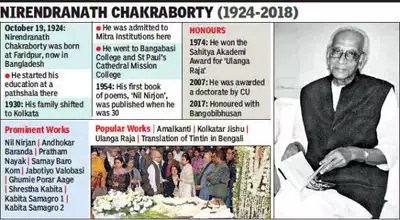
Nirendranath Chakraborty (1924 – 2018) was born in united Bengal. A poet, translator and novelist, he was awarded the Sahitya Akademi Award for his poem based on the Emperor’s New Clothes in 1974, voicing the need to reacquaint with the innocence of childhood. The same year he was also awarded the Ananda Puraskar. Nirendranth Chakraborty translated Hergé’s comics into Bengali. Calcutta University bestowed on him an honorary Doctor of Literature degree. Amalkanti is one of his well-known poems, again critiquing societal trends.
AMALKANTI*

Amalkanti is my friend,
We had been at school together.
He came late to class every day, lessons unprepared.
When asked verb-declensions,
He gazed at the window in such amazement,
That we felt sorry for him.

Some of us aspired to be teachers, some, doctors, others, lawyers.
Amalkanti didn’t want any of that.
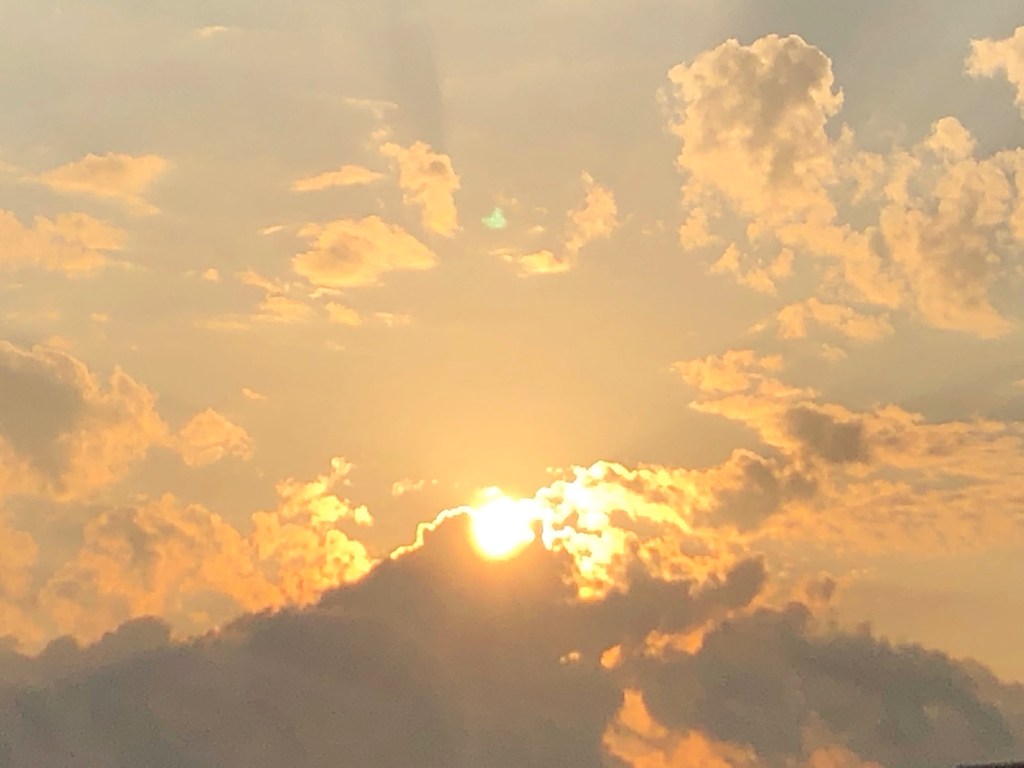
He aspired to be sunshine.
The blushing sunshine after the rains, in the late-afternoon of cawing crows,
Sunshine that lingers on the leaves of the rose-apple and bell fruit
Like a momentary smile.

Some of us became teachers, some, doctors, others, lawyers.
Amalkanti couldn’t become sunshine.
Today, he works in a dark printing press.
And he visits me from time to time;
Drinks a cup of tea, chats a little, then he says, “I’ll be off.”
I see him to the door.

The one among us who is a teacher today,
Could easily have been a doctor,
The one who aspired to be a doctor,
Would have also done well as a lawyer.
Somehow, we all got our wishes, all except Amalkanti.
Amalkanti couldn’t become sunshine.
Musing and musing, musing and musing
Upon the sun’s unflawed radiance,
He had once aspired to become sunshine.

*(lit. “unflawed radiance”; also used as a name)
A Bengali recitation of Amalakanti by Shamshuzzoha, a poem by Nirendranth Chakraborty.
Debali Mookerjea-Leonard is the Roop Distinguished Professor of English at James Madison University. Together with research and teaching, she also translates Bengali poetry and fiction. Debali has the permission to publish this translation.
.
PLEASE NOTE: ARTICLES CAN ONLY BE REPRODUCED IN OTHER SITES WITH DUE ACKNOWLEDGEMENT TO BORDERLESS JOURNAL
The sun moves through the sky as if it were pulling a plough, turning up clouds like dust. In the moonlight the river shines like a silver chain, with no relation to reality. The sudden cry of a dove might mean a plea for love, or a sound of grief. Truth is deceiving, if you don’t know what it means. A crow circles the sky. His harsh screams mock me. There’s more to life, he says to me, than what you choose to see.
George Freek’s poetry has recently appeared in The Ottawa Arts Review, Acumen, The Lake, The Whimsical Poet, Triggerfish and Torrid Literature.
PLEASE NOTE: ARTICLES CAN ONLY BE REPRODUCED IN OTHER SITES WITH DUE ACKNOWLEDGEMENT TO BORDERLESS JOURNAL
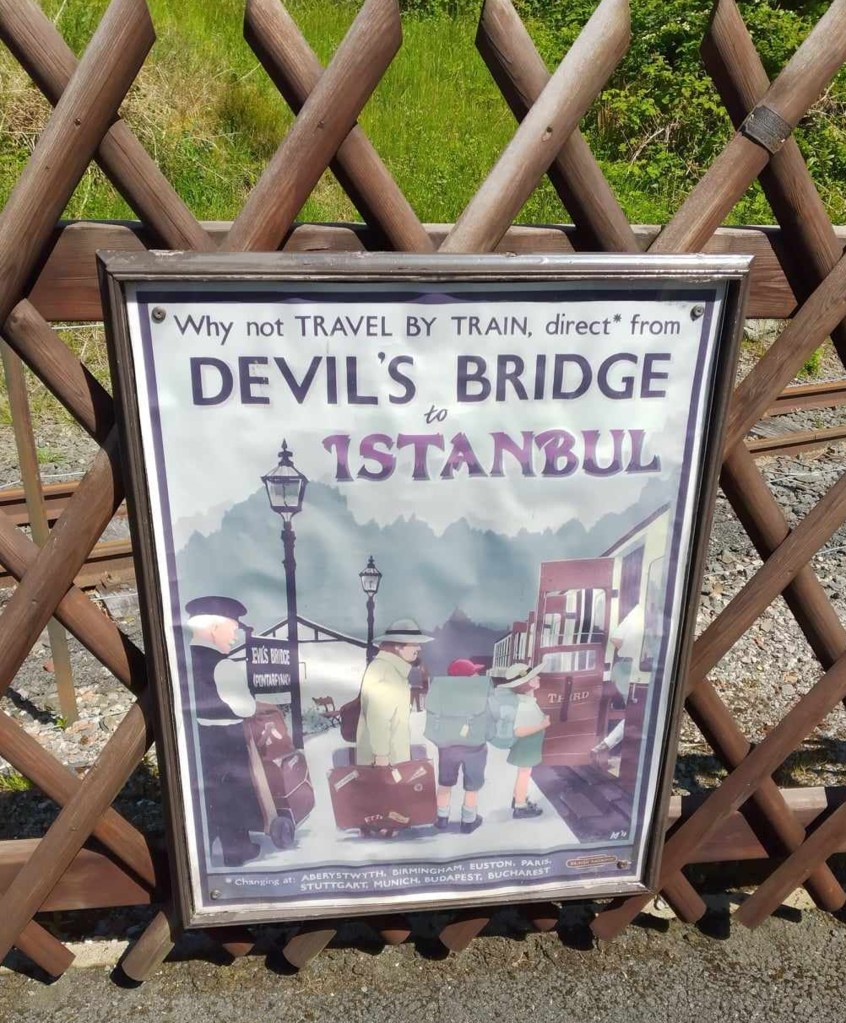
Why not travel by train direct
from Devil’s Bridge
to Istanbul? What makes you
so reluctant?

Is it because the journey along
the infernal ridge
strikes you as a little too risky?

And maybe the frisky insects,
the midges and mites
that bite the passengers during
the night, the driver too,
dissuade you from the exploit?

What if they bite his nose,
and he sneezes and loses control
and the train is wrecked
and spills its coals,
setting the world on fire?

Better to make the voyage
curled up tight
on a flying carpet,
fast asleep over the deeps
of the ocean,
the gentle rocking motion
more soothing
than a locomotive’s lurch.

On your magical perch
you will be safer
than a wafer in an ice cream.
I know this for certain
because I did my research,
making the trip
using the train at first,
and then in reverse
on a levitating curtain
which is almost
the same as a mystic rug.

Chug, chug, went the train,
flap, flap, went the drapes.
The latter was occasionally
harassed by seagulls,
the former attacked by apes.

But I know which I prefer:
the creatures
that have no fur.
If I really must be assailed
by beasts on the route
from Devil’s Bridge
to Istanbul, I’m not a fool.
Gulls can be placated
with bread, but apes prefer
to bite your head.

In fact my head still hurts.
But I guess it could
have been much worse:
we passed a cyclops
on the way. He was eating
a vehicle from a dish
on a tray, cursing
while slurping, and I saw
it was a hearse,
full of moaning bones
and telephones.

How horrible!
But we left him behind
soon enough
and apart from harpies,
ghosts, ghouls,
flying demon fish,
and one gigantic snake,
the rest of the
voyage was nightmarish
hardly at all.

I quaked just once
or twice or thrice
from that moment on.
I shut my eyes
for the sake of my sanity,
not out of vanity,
although my lids
have been called attractive
(and so have my toes)
by the denizens
of active volcanoes.

Yes, I can’t honestly
recommend travelling
by train direct
from Devil’s Bridge
to Istanbul.
It’s unlikely you will
survive the ordeal
without your mind
unravelling.

It’s spooky, perilous
and unwise,
the ticket inspectors
are strident
with mesmeric eyes.
The luggage racks
are never free
of spare forked tails
and tridents.

So I say:
find another way.
Please yourself
but for the sake
of your health
find another way!
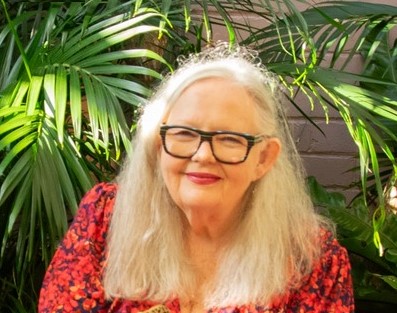
Rhys Hughes has lived in many countries. He graduated as an engineer but currently works as a tutor of mathematics. Since his first book was published in 1995 he has had fifty other books published and his work has been translated into ten languages.
.
PLEASE NOTE: ARTICLES CAN ONLY BE REPRODUCED IN OTHER SITES WITH DUE ACKNOWLEDGEMENT TO BORDERLESS JOURNAL
hot dry summers are the norm for Australians whether they understand climatology or not – hot dry summers are for beach going swimming partying skylarking drinking – families friends holidays Christmas and New Year – festive meals of prawns and beer champagne and pavlova
hot dry summers now with more frequent extreme heat for longer periods extended harsher droughts empty dams and creeks and rivers – thirsty starving stock with bony carcasses and fish floating dead from lack of oxygen in muddy river pools
in hotter drier summers vegetation is easily burnt trees explode into infernos – burning embers fly far on fire-generated winds – extreme heat rising creates fire tornados pyro cumulus clouds generate dry lightning and more fire
in this dry year their habitats in flames about eight thousand koalas died – the population decimated no-one will ever know how many they move too slowly to escape the greedy flames – a billion mammals birds and reptiles perished – trees shrubs plants and grasses – ash – Gondwana rainforest reserves surviving since the dinosaurs half now burned
this hot dry year fires started different ways mainly dry lightning strikes – once a tree falling on power lines not so much arsonists or discarded cigarettes sparks from farm equipment or bored teens wasting their lives endangering others though all above were lit
this hot dry summer three firefighters already dead others burnt so bad they lie in city hospitals’ intensive care – first responders struggle with PTSD – unknown numbers of homeowners injured burnt bereft defending homes and livelihoods – those in evacuation centres who lost everything bar clothes they wore that morning struggle to imagine their next steps
this hot dry year survivors recount the unholy roar the palpable fear the wall of flame – spot fires embers ash – exigent heat burning exposed skin – smoke searing breath – the horror of dark red sky – the gates of hell opened wide so they say that even atheists prayed to save the souls of the dead
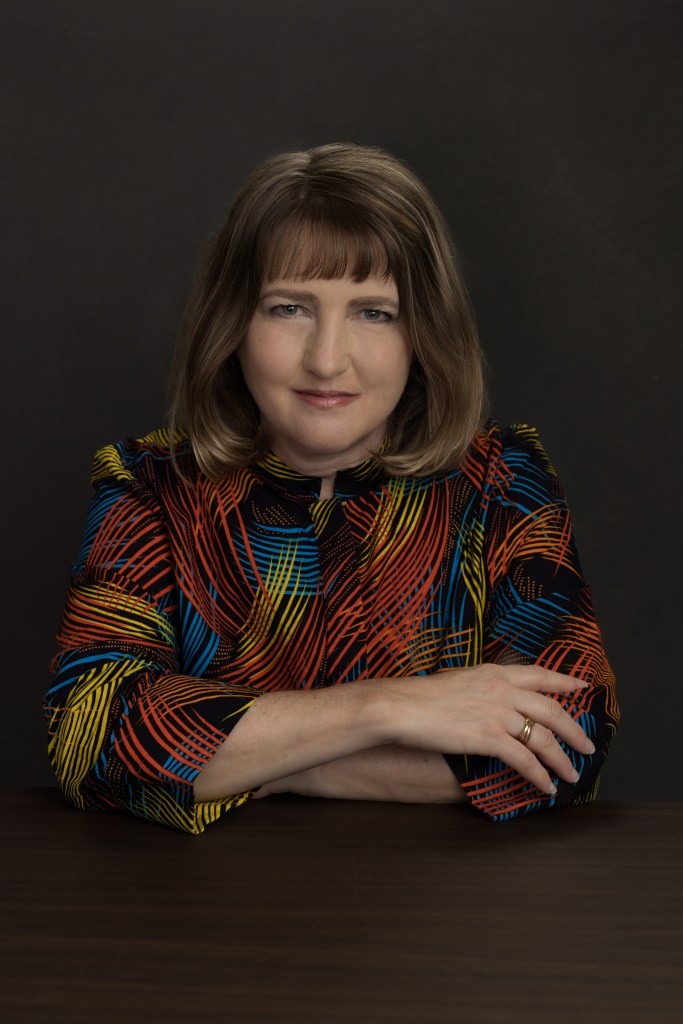
Lizzie Packer is an experienced freelance writer, and an emerging poet. At Adelaide College of Arts, Lizzie established the online creative writing program and led it for over a decade.
.
PLEASE NOTE: ARTICLES CAN ONLY BE REPRODUCED IN OTHER SITES WITH DUE ACKNOWLEDGEMENT TO BORDERLESS JOURNAL
As the newspaper forecasts rain,
and a dozen weather applications
predict a shower,
I cancel my plan to visit an expensive
cafe and reminisce about the June
rains from two decades ago
The afternoon gets a dusky look,
Swallows the sun and belches out clouds,
Transforms the hot loo into a cool breeze
I find myself waiting expectantly for
The rain that will hopefully wash away
the burdens brought by an early summer,
A summer that stole a blissful winter,
From children who wouldn’t know much
about leather jackets and warm gloves
The wilted flowers look like they would
never bloom again with vibrant hues
The tenderness of rain passes by swiftly
with soft pressed feet, and I don’t even
notice it amidst the tangles of a busy day
Unforgiving glare of the sun cuts through
the curtains, and I realise that this month
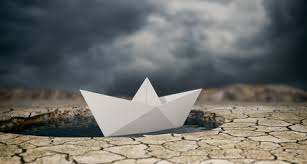
too, the paper boats of hope may not sail
Mitra Samal is a writer and IT Consultant with a passion for both Technology and Literature. She mostly writes poems and short stories. Her works have been published in Poetry Society (India), Muse India, Borderless Journal, Madras Courier, The Chakkar, and Kitaab among others. She is also an avid reader and a Toastmaster who loves to speak her heart out. She can be found as @am_mitrasamal on Instagram.
PLEASE NOTE: ARTICLES CAN ONLY BE REPRODUCED IN OTHER SITES WITH DUE ACKNOWLEDGEMENT TO BORDERLESS JOURNAL
I knew this woman, a girl really.
Kept painting her apartment different colours.

Her unhappiness with herself externalized
and splashed over all those walls.

A new colour every other week.

As though a change of colour would change
her circumstances, her life.

But nothing ever changed except the paint.
Barely a chance to dry, before she was at it again.

Maybe all that painting kept her busy.
So she wouldn’t have to sit in silence.
With the terrible truth of herself.
Ryan Quinn Flanagan is a Canadian-born author residing in Elliot Lake, Ontario, Canada with his wife and many bears that rifle through his garbage. His work can be found both in print and online in such places as: Evergreen Review, The New York Quarterly, Borderless Journal, GloMag, Red Fez, and Lothlorien Poetry Journal.
PLEASE NOTE: ARTICLES CAN ONLY BE REPRODUCED IN OTHER SITES WITH DUE ACKNOWLEDGEMENT TO BORDERLESS JOURNAL



 Borderless