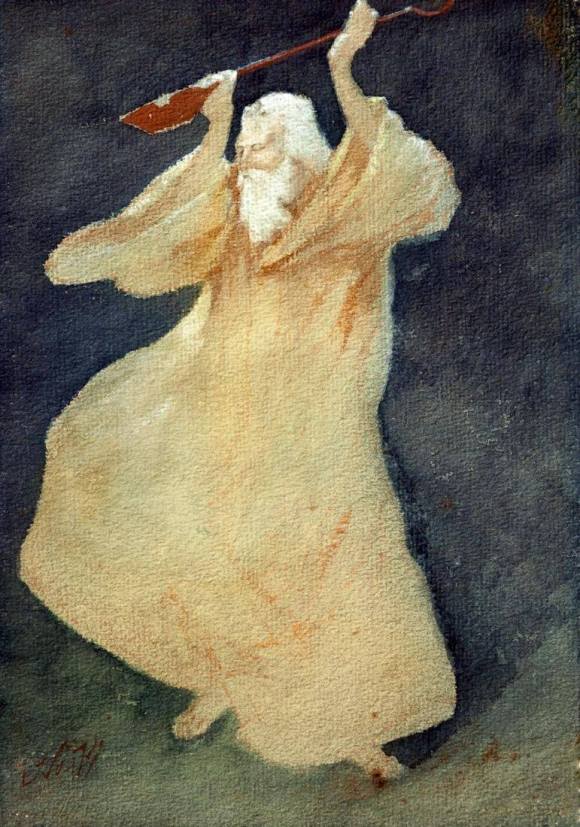
On May 7th 1861, or Pochishe Boisakh of the Bengali year 1268, Rabindranth Tagore was born in Jorsanko, Calcutta. That time, there was one subcontinent. Borders were fluid though the concept of countries had already started making inroads with the onset of colonials more than a couple of centuries ago. Rabindranath Tagore — a man who rejected the academia and earned no degrees — set the world aflame with his words and ideals. Many of his works hope to inspire people out of miseries by getting them in touch with their own strength. He created Santiniketan and Sriniketan to train young minds, to close social and economic gaps, to override the stigma of walls that continue to box and divide humanity to this date. Subsequently, his works, especially his writings, have become subjects of much academic discourse as well as part of popular cultural lore.
Tagore celebrated his own birthdays with poetry on Pochishe Boishakh. Pochishe Boisakh falls between 7-9 May on the Gregorian calendar. We start our celebrations with translations of his birthday songs and poems. The song translated by Aruna Chakravarti was the last he wrote, and based on a long poem he had written in 1922, also featured here. We also have the first birthday song he composed in 1899. In prose, we bring to you works that showcase his call for change and reform. Fakrul Alam has translated a powerful play by him, Red Oleanders, which strongly seems to reflect the machinations of the current world and ends on a note of hope. We can only carry an excerpt from this long play but it will be a powerful read when published in full. Somdatta Mandal shares a translations of an essay in which Tagore airs his views on the need for change in social norms — the strange thing is it would still seem relevant today. And Himadri Lahiri rendered an essay from Bengali to English on his views about the British Raj. We also have a story about a woman who changed social norms and her religion, translated by Chakravarti.
Birthday Poems & Lyrics
Hey Nutan or Oh ever new has been translated by Aruna Chakravarti in Daughters of Jorasanko. This was the last birthday song he wrote in 1941, a few months before he died. It was based on the long birthday poem he had written in 1922. Click here to read.
Pochishe Boisakh Cholechhe (The twenty fifth of Boisakh draws close…), a birthday poem written in 1935, seems to be a sad reminder of mortality and dreams left unfinished. Click here to read.
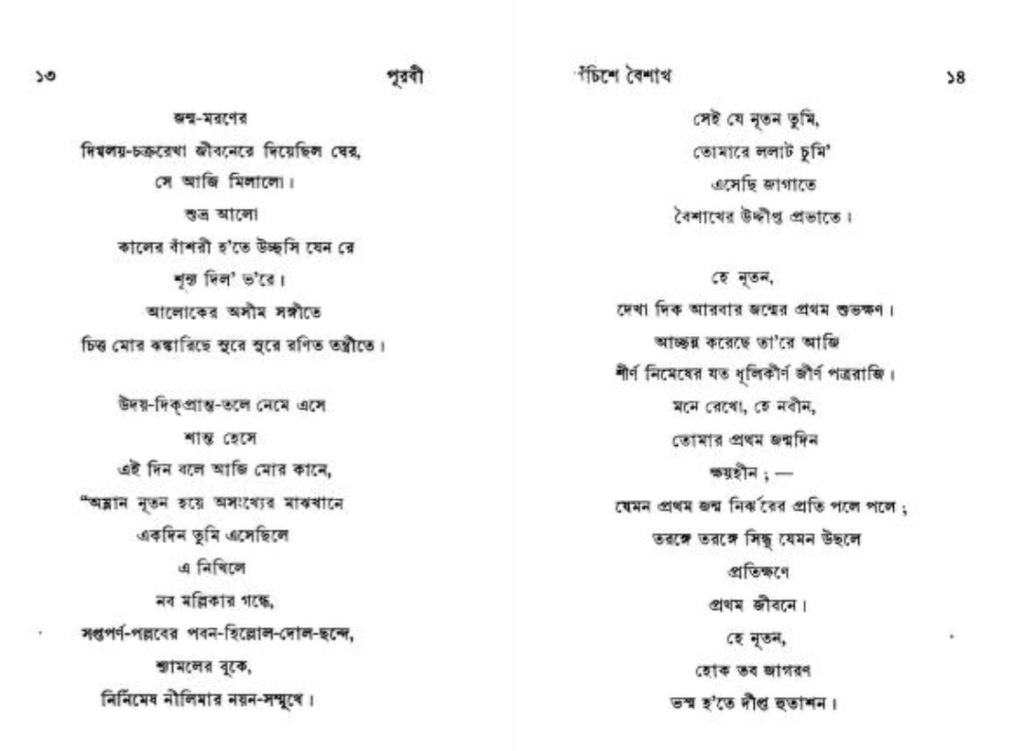
Pochishe Boisakh (25th of Baisakh) is a birthday poem Tagore wrote in 1922 and the poem from which he derived the lyrics of his last birthday song written in 1941. Click here to read.
Jonmodiner Gaan or Birthday Song by Tagore was written in 1899 and later sung as Bhoye Hote Tobo Abhayemajhe ( Amidst Fears, May Fearlessness). Click here to read the translation.
Prose
An excerpt from Tagore’s long play, Roktokorobi or Red Oleanders, has been translated by Professor Fakrul Alam. Click here to read.
Tagore’s essay, Classifications in Society, has been translated by Somdatta Mandal. Click here to read.
Raja O Praja or The King and His Subjects, an essay by Tagore, has been translated by Himadri Lahiri. Click here to read.
Musalmanir Galpa (A Muslim Woman’s Story), a story by Tagore, has been translated by Aruna Chakravarti. Click here to read.





 Borderless