Categories
Tribute

The Thrice Born

Commemorating fifty years of Bangladesh which struggled for the right to freedom from oppression and succeeded finally on 16th December, 1971
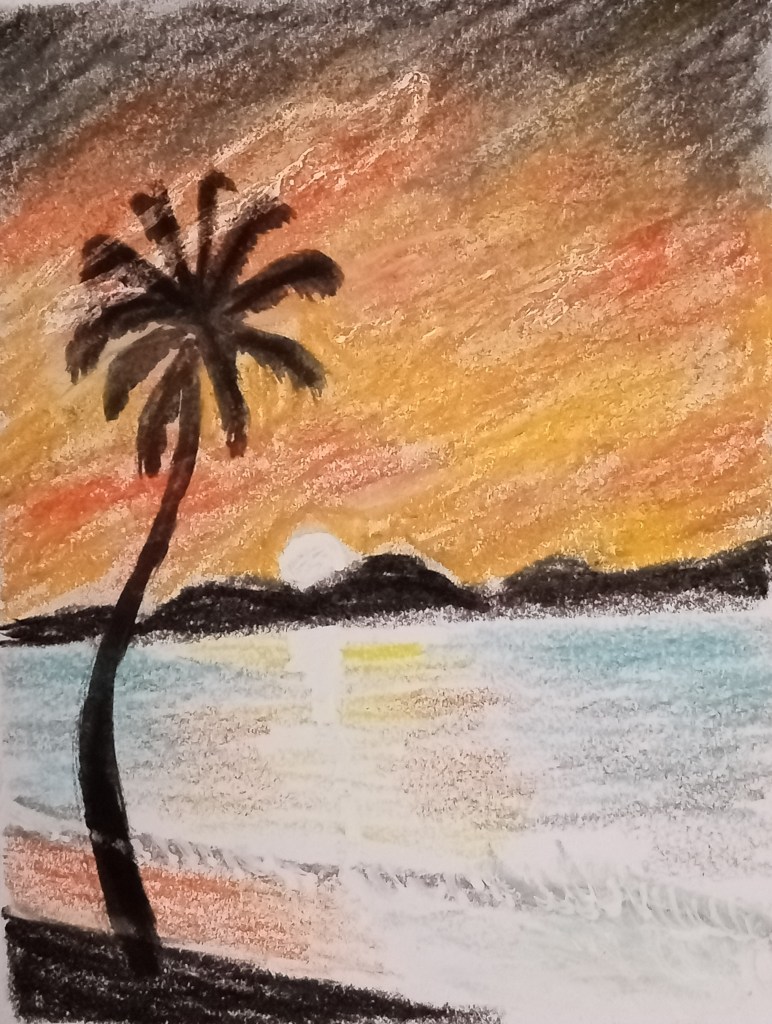
Landscape in Bengal. Painting by Sohana Manzoor

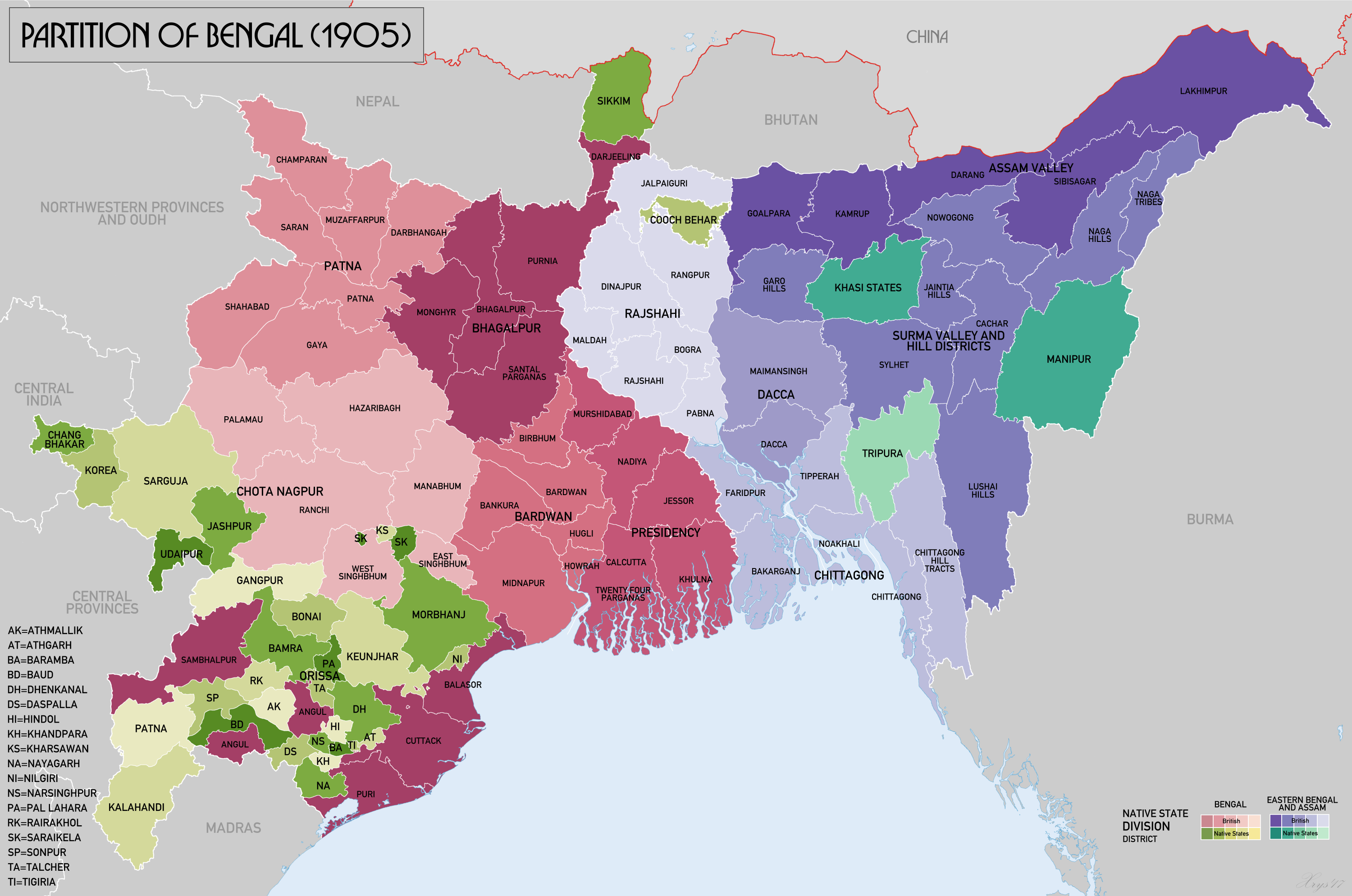
Bengal went through three Partitions, the final one being in 1971, when Bangladesh came to be its own entity. The first Partition of Bengal was in 1905, when Lord Curzon sliced it along the lines of faith, which as Ratnottama Sengupta points out in her musing was the result of the colonial policy of divide and rule implemented along religious lines for earlier when Hindus and Muslims had combined forces against colonials, it took a year to quell the revolt of 1857. Due to opposition from many, including Tagore, the colonials were forced to revoke the Partition in 1911.
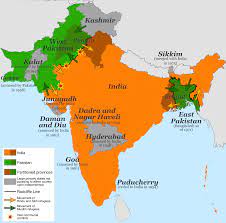
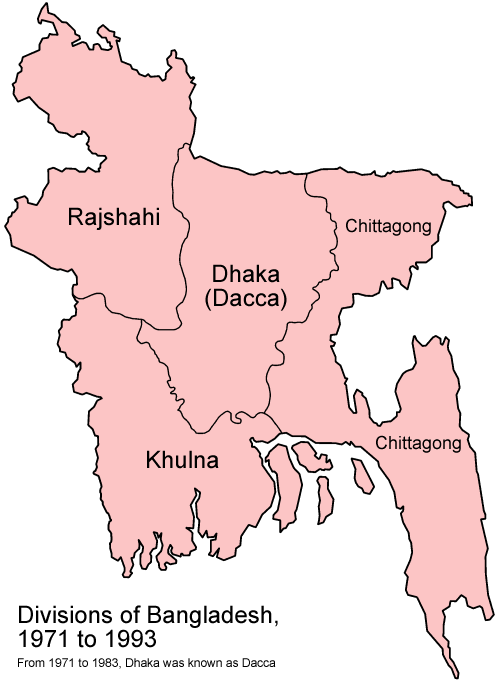
In 1947, the subcontinent was again divided along religious lines. So, technically, there was Pakistan and India. Pakistan included East (Bengal) and West. As Fakrul Alam tells us in his essay, the Bengalis resented the imposition of Urdu by Pakistan. After a struggle of three decades, and a war in which India supported East Pakistan and America supported West Pakistan, Bangladesh gained complete independence in 1971 with Sheikh Mujibur Rahman, the founding father of the country, at its helm.

We present to you a glimpse of this part of history as told by various contributors on our forum.

Interview

Professor Fakrul Alam, the translator of Bongobondhu (friend of Bengal) Mujibur Rahman’s autobiography, to takes us on a journey to the inception of Bangladesh and beyond. Click here to read the interview.

Translations

Poetry & Prose of Nazrul extolls the union of all faiths. Known as the ‘rebel’, now the national poet of Bangladesh, he has been translated by Fakrul Alam, Sohana Manzoor and Shahriyer Hossain Shetu. Click here to read.

Prose

The Birth of Bangladesh & the University of Dhaka

Professor Fakrul Alam takes us through the three Partitions of Bengal which ultimately led to the creation of Bangladesh, with focus on the role of Dhaka University. Click here to read.

Joy Bangla: Memories of 1971

Ratnottama Sengupta recaptures vignettes from her past, from across the border where the same language was spoken, some in voices of refugees from East Pakistan to India. Click here to read.

The Voice that Sings Hope through Suffering…

Rakibul Hasan Khan pays a tribute with a twist to a recently deceased Bangladeshi writer, Hasan Azizul Huq, a writer who wrote of the Partition victims. Click here to read.

Golden Bangladesh at 50: Book Review by Aruna Chakravarti

Aruna Chakravarti reviews Golden Bangladesh at 50: Contemporary Stories & Poems edited by Shazia Omar, bringing to focus the Partition between 1905-1911. She also explains the story of the creation of Aamar Shonar Bangla (My Golden Bengal, the Bangladesh National Anthem) by Tagore around this period. Click here to read.

Flash Fiction: In Search of a New Home

Marzia Rahman shares a short narrative about refugees in Bangladesh. Click here to read.

House of the Dead

Sohana Manzoor gives us a glimpse of contemporary Bangladesh in a poignant short story. Click here to read.
Categories
celebrations

Homecoming Festivals

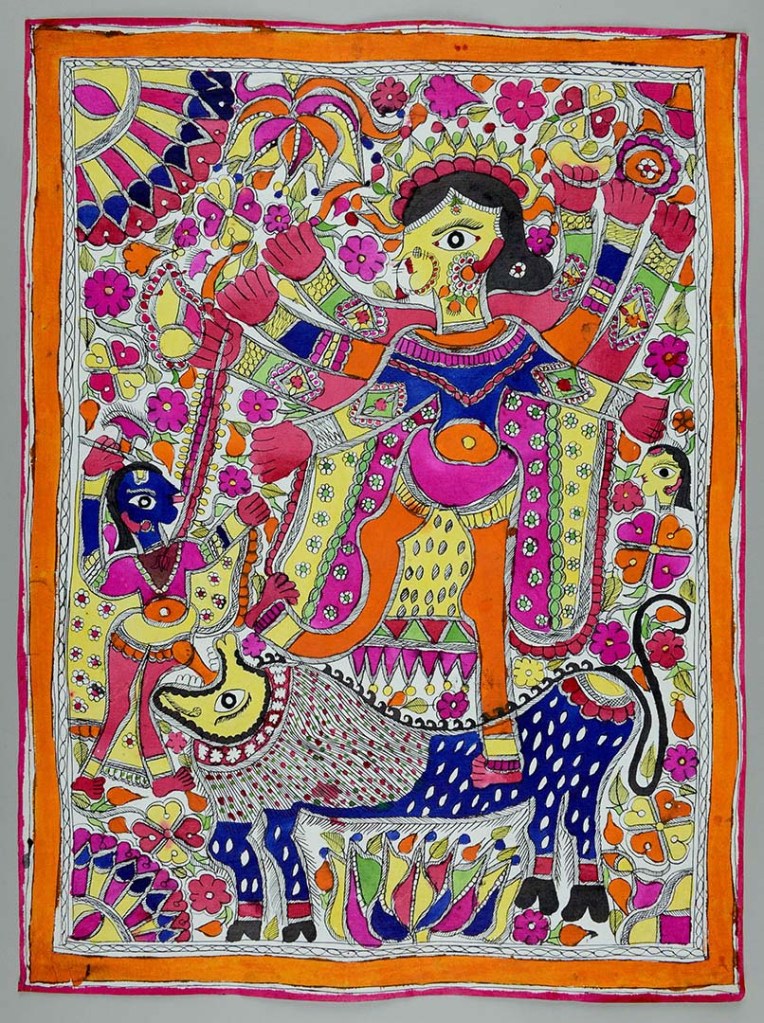
As the year stretches towards the next one, festivals welcome the delights of autumn. Though our celebrations have been restricted by the ongoing pandemic, human spirit continues to revel with music, words and more. Festivals are a part of this jubilation — a refulgent celebration of our existence across the globe. Some of these occasions jubilate the commencement of our journey home and some of the arrival of Gods and Goddesses, who other than killing demons, are shown to like being with their families too. For those who abstain from worshipping forms, a festival could be just visiting and meeting with families to express their thanks. Autumn is a time when tradition had many headed home to celebrate these events with their near and dear ones.

During Durga Puja, a festival which celebrates the home coming of the Goddess along with that of her devotees, we had a cultural splurge — music, dancing, theatre and special magazines featuring writing that moves to unite people in the spirit of love and harmony. Concerts of songs by bauls or traveling minstrels, Kazi Nazrul Islam and Tagore — both of who believed differently from Hindus — are a part of the celebrations. Writings by many, irrespective of their religious preferences, featured in the special editions of journals around literary and non-literary issues. Often these issues were coveted for being exquisite melanges, showcasing the most flavourful writers.

The cultural mingling despite being attached to a religious observance transcended narrow barriers imposed on faith. It continued inclusive in its celebrations, with food and embracing all cultures. Anyone could attend the festivities, even the British in colonial India. Taking a page off that, Borderless celebrates with writings across all boundaries.

Poetry

The Quest for Home

Nazrul’s Kon Kule Aaj Bhirlo Tori translated from Bengali by Professor Fakrul Alam explores the theme of spiritual homecoming . Click here to read.

The Song of Advent by Tagore

Tagore’s Amaar Nayano Bhulano Ele describes early autumn when the advent of the Goddess, translated from Bengali by Mitali Chakravarty. Click here to read.

Prose

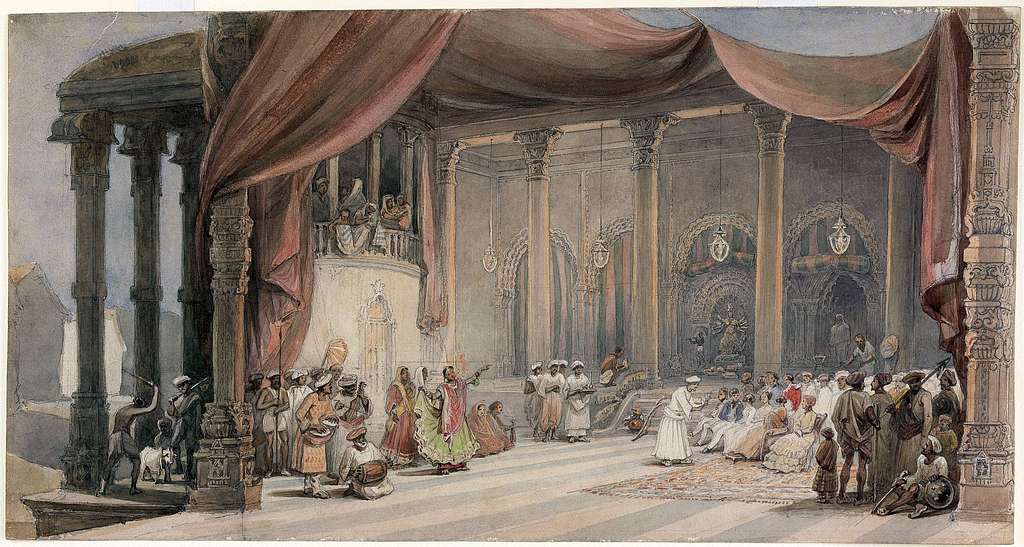
An excerpt from Shakti Ghoshal’s The Chronicler of the Hooghly & Other Stories describes the historic evolution of the Durga Puja around the eighteenth century as a social occasion where the colonials and the nabobs mingled. Click here to read.

Meenakshi Malhotra through autumnal folk songs around Durga Puja explores homecoming in Season of Magical Mellow Wistfulness. Click here to read.

Somdatta Mandal translates from Bengali Travels & Holidays: Humour from Rabindranath. Both the essay and letters are around travel, a favourite past time among Bengalis, especially during this festival. Click here to read.

An excerpt of In a Land Far From Home: A Bengali in Afghanistan by Syed Mujtaba Ali, translated from Bengali by Nazes Afroz. Syed Mujtaba Ali was a popular writer who often featured in such journals. Click here to read.

Bhaskar Parichha reviews Mohona Kanjilal’s A Taste of Time: A Food History of Calcutta. Exploring food has always been a part of festivities. Hope you find some good hints here. Click here to read.

Aruna Chakravarti reviews Golden Bangladesh at 50: Contemporary Stories & Poems edited by Shazia Omar. Click here to read.


A depiction of celebrations inside a house during Durga Puja in  Calcutta (around 1830-40), West Bengal, India, where Europeans are being entertained, water colour by William Prinsep(1794–1874), a merchant with the Calcutta firm of Palmer & Company. Courtesy: Creative Commons