Categories
Poetry

Three poems by Michael Brockley

By Michael Brockley

An Incomplete History of the Colours That Never Became Red

								                                                                      (from Western Motel, Edward Hopper)

Mrs. Hopper waits for me in the Burgundy Room of the Western Motel. She will greet me while sitting on the corner at the foot of the bed, her satchel filled with Rorschach test manuals unpacked beside the front door. Her sleeveless maroon dress remains the same as the one she has worn for our past encounters in America’s automats and hotel lobbies. We have found fleeting havens in a bar beneath a Phillies cigar sign, in a tall house by a railroad track and, once, in a room by the sea. Tears of sweat bead her shoulders and upper arms. She eschews makeup but has dyed her hair from the choices found on the fool’s gold spectrum. As is our custom, we will pull two chairs to the picture window to witness the sunset. I will speculate on the message hidden among the dusty hieroglyphics that zigzag across the passenger door of the green sedan parked outside our room. An Oldsmobile, its presence as constant as a chaperone. As darkness settles in the desert, she will challenge me to reclaim my spirit creature from the ink blots she spreads across her mattress until I am forced to choose between a coyote and a bear. Mrs. Hopper knows the history of the colours that never became red. Magenta. Plum. Purple. Once she kept an atlas of cities named for the shades that are not quite red in her traveling bags. Cherryville and Pink. Before the Oldsmobile’s time. Before the ink blot beasts. She prefers that I call her Jo, but in my unguarded moments, I revert to Mrs. Hopper. Or Josephine. She no longer has any interest in knowing what I am called. 

Lois and Rose (Years after You Fled)

Years after you fled from my Zittenstein monster into the dead-end alley behind Schlichte’s grocery store, I dream of Rose’s rag doll. I’m a hermit in the depths of a pandemic. A disheveled man with a henchman’s beard who hoards kokopeli face masks. As a kid, I played the horrible brother and the bed-wetter son who murdered his mother. What frightened you into that mad dash into a cul de sac? My sour reputation? My horny breath? I skipped out long before our hometown deputy shot his toe off during a mandatory gun-safety convocation at the middle school where your children went after you set aside dolls. But I bought two packs of baseball cards that afternoon. And unwrapped Jimmy Wynn and Leon Wagner. The Toy Cannon and someone’s guardian angel. I lost my baseball cards when my family moved to 7th Street from the country. I had a crush on one of you. That burr-cut freak in a madras shirt who mumbled Rolling Stones lyrics while boys named Stanley and Jerome crooned “Yeah yeah yeah,” to you. Face boys in white chinos and fruit-loop button-downs. Last night at the end of the American plague, one of you drove a pink Mustang past my house. One of you idled at the stop sign while both of you harmonised on Nowhere Man. I was fired from the shambling ogre gig the same day the BMV issued my license. I have until midnight to make up a dream for the wild horses we’ll ride. These days I’m more of a werewolf than a beast of burden.


February Dog Walk with Snow Light

You walk your shih tzu/poodle through the core of the night. All day snow and sleet have dappled the lawn with hibernal shades of white, and, in the darkness, the snow light with its pale mantle guides your dog and you along the paths of the day’s earlier treks. She leaves small scallops in the ghost trails of your past dog walks, stopping by the scents of a pinecone and a windblown wrapper from Taco Bell. Urinates along the fencerow where your neighbours planted tomatoes in June. Around you the snow muffles the short month’s night, much as your deaf dog and your dulled ears cannot hear the leaves and sticks that must crunch beneath your weight. You hear a large dog bark in excitement or alarm across the street but not a dog’s nails clicking on the frozen ground. As the two of you wander past the red maple, you notice for the first time that its roots girdle the maturing tree while your shih tzu/poodle noses the rabbit scat on the south side of the yard. From the rabbit with the lame leg you startle from its shelter behind the compost heap at the end of your morning strolls. Crossing cat and possum tracks, you recognise your passage through the new snow by the way your heels drag through every fourth step. Your dog defecates among the mounds you raised in preparation for a butterfly garden this spring. The shih tzu/poodle takes no notice of the songs you hum, and you cannot hear cars brake at the four-way stop at the corner of your block. You will not hear the songbird’s mating calls of April. It has been another silent winter. The bare silver maple holds a hornet’s nest in its upper branches, but there are no remnants of the swooping presence of robins or finches. Your dog swallows a scattering of rabbit pellets then turns toward the backdoor, eager for her arthritis cookie treat. You have grown familiar with the harbingers of silent springs.

 Michael Brockley is a retired school psychologist who lives in Muncie, Indiana where he is looking for a dog to adopt. His poems have appeared in Pine Cone Review, Parliament Literary Journal, and Visiting Bob: Poems Inspired by the Life and Work of Bob Dylan. Poems are forthcoming in Last Stanza Poetry Journal and Lion and Lilac

.

PLEASE NOTE: ARTICLES CAN ONLY BE REPRODUCED IN OTHER SITES WITH DUE ACKNOWLEDGEMENT TO BORDERLESS JOURNAL
Categories
Musings of a Copywriter

Statue Without Stature

By Devraj Singh Kalsi


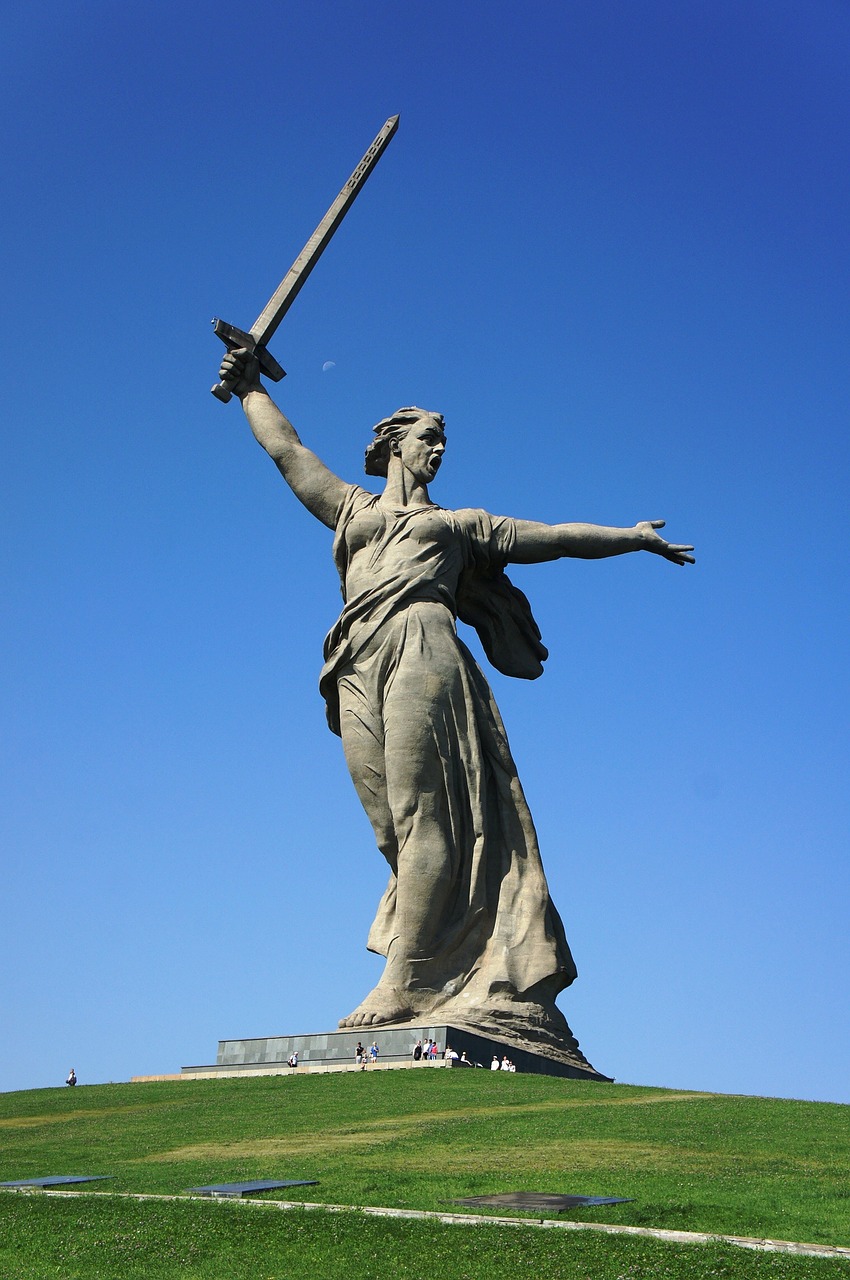
The mere thought of having my statue installed in the locality raised excitement to an unprecedented level. Having seen so many historical giants standing tall in the thoroughfares across the city, with sticks or swords, mounted on horseback or covered with a concrete canopy shaped like an umbrella to stay protected from bird droppings, rain, and sunburn, I have also been inspired to strike a similar pose and occupy a prime position. But the problem is that I do not have anything called achievement to deserve such veneration from people or institutions. 

I am ready to purchase the commercial space and get the statue erected by a dubious local developer who would not probe why an ordinary mortal without any contribution to mankind should occupy that space. Since it is a private initiative and the expenses are borne by an individual, I am glad I am not wasting money from the public exchequer. My royalty and copywriting earnings should fund this venture. 

My brief to the artist was simple and direct. I should look like a man who is determined not to create a legacy. When he suggested I should at least hold a pen since I was a writer and look pensive, I opposed him saying I was a non-serious, humorous, frivolous, and small-time writer. Since the statue is not towering, a tiny accessory will not look good. Besides, I cannot flaunt a giant pen visible from far since mine is not mightier than the sword. I confessed I have not written anything award-worthy to deserve honours or a phone call from Sahitya Akademi or the Swedish Academy.  

 If my identity as a small-time writer is disclosed, achieving demi-god status in the league of small-time writers would be assured. Many aspirants would throng the spot to seek my blessings, to pay obeisance. Adding some inputs about the long, relentless struggle would inspire those who face rejections for years and decades. Offering their bound manuscript to me for blessings would comfort them before submitting it to literary agents and publishers. So go ahead and inspire them with a few lines on the granite marble slab mentioning how 50 rejections later, my first book was finally published. 

I shared the plan with a property dealer who said the price of land in my area had gone up. He suggested there were cheaper localities on the outskirts of the town where he could get me a bigger chunk of land for half the price. I argued nobody knows me there and he said nobody knows me here either. Well, he gave the right description of a non-descript writer. I abandoned the idea of erecting my statue near my home and conducted a recce to check the peripheral areas instead.   

I went with the real estate agent and selected a spot near the fish market. He introduced me to the seller who was safeguarding his land by building makeshift temples – in case a road widening or highway linking project got sanctioned in the future he would get a lucrative deal before eviction. I booked one hundred square feet area and asked the dealer to cordon that off with bricks and foliage, and erect a signboard in my name to ward off trespassers and generate buzz regarding my name.  

The construction process began immediately and the foundation was laid in a month. My grey bust was ready and the black granite slab encapsulated my story through an inscription. Not only the date of birth but the date of my death was also mentioned as it would increase the amount of respect. There was no formal inauguration ceremony since I prefer a low profile. However, some marigold garlands were put on the bust and rose petals made a carpet near the statue.

I began to visit the place every day – to gauge public response and observe their reactions. Curious people flocked and stopped for a while – to bust the secret behind the erection of the statue. I was dressed in traditional, formal clothes, with a mask and goggles to evade identification. Even when I moved around freely, nobody guessed it was my bust. Most of the people felt this was another revolutionary leader. Some felt the bust represented a sidelined social reformer or a low-key educator from the tribal areas. When they read the content in English, they could not recall what I had written. Some wondered where my books were sold: online platforms or brick and mortar bookstores. Some tech-savvy geeks tried to Google my name and the searches threw some odd pages. They found a photograph online and held it close to the statue to detect similarities. Soon, the bust image was shared by many visitors. It went viral within hours. 

The local bookseller reported there was a flurry of queries regarding my books but he could not get a single copy from the distributor since it was out of stock and out of print. He said many readers expressed sadness that I had left behind a treasure of books waiting to be discovered by the next generation. Some reporters from the regional press came to cover it and soon the local TV channel beamed the story of the statue. 

I reached many households including those in my locality. My neighbours approached me and said my statue was installed in a far-flung area. They found it offensive as I was mentioned dead though I was still alive. They suggested I should report this matter to the police and the miscreants should be caught. I said I did not want to get embroiled in any conflict or controversy but they promised to do it on my behalf.  Who can stop pesky neighbours from poking their ugly noses?!

They formed an independent committee to look into the matter. They went to the area to seek further details of the sponsors. When they could not achieve any breakthrough, they came back disappointed but promised to get justice. I said the matter was not worth pursuing as it was just a statue and it should remain there since I am surely going to die one day. It was good that the statue had been raised during my lifetime, to offer me a wonderful opportunity to admire the artwork while I was still around. In fact, I should go and click a selfie to bask in the glory and thank those who took the initiative.     

When I went there the next day, I found the spot vandalised, with my broken statue lying in pieces. I returned with the shattered bust in a shopping bag. I tried to fix it with an adhesive, to be kept as a memento, on the rooftop of my house. Not a bad idea to fill it with mud and plant a sapling, and see it grow. The attempt to immortalise myself in this small town had gone bust. But the remnants of the statue should remind me of the futile exercise to carve a niche in this world instead of winning hearts.   

.

Devraj Singh Kalsi works as a senior copywriter in Kolkata. His short stories and essays have been published in Deccan Herald, Tehelka, Kitaab, Earthen Lamp Journal, Assam Tribune, and The Statesman. Pal Motors is his first novel.  


PLEASE NOTE: ARTICLES CAN ONLY BE REPRODUCED IN OTHER SITES WITH DUE ACKNOWLEDGEMENT TO BORDERLESS JOURNAL. 

Categories
Essay

Poetry by George Freek

I LOOK AT DEATH 
(After Li Shangyin)

An icy wind cracks the trees.
Their once colourful leaves
are buried under deep snow.
I’m suddenly gripped by sadness.
Forever men have felt as I do.
With a sharp, swift blade,
it’s as if my guts were removed,
and I feel the hole it’s made.
I take no interest in combing my hair,
or tying my careworn shoes.
I gaze at the moon and the stars.
In that far off world,
they look safe and blessed.
But I know that they, too,
are fragile at best.  
I watch a solitary sparrow
shiver in a leafless tree.
He’s cold. He hasn’t been fed.
I shake my head, ashamed, 
and return to my comfortable bed.

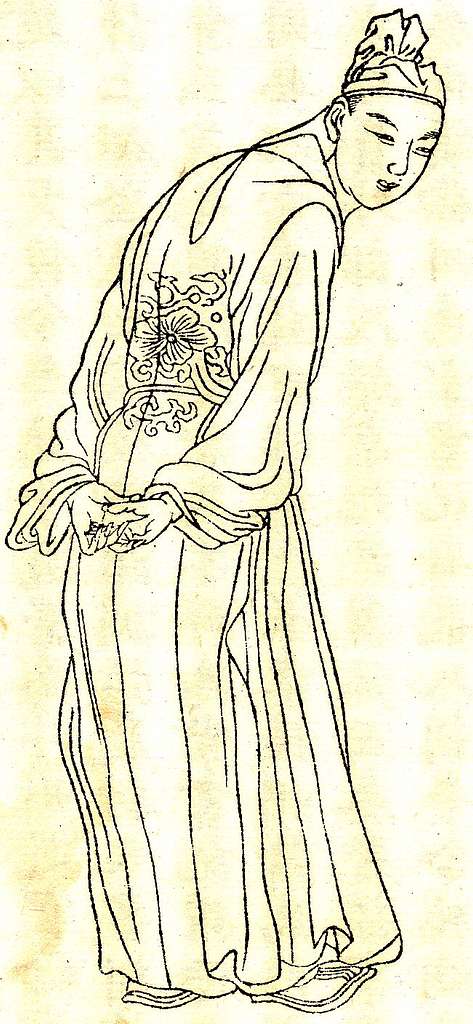
Li Shangyin( 813-858) was a Tang Dynasty poet whose poetry had an imagistic quality. Courtesy: Creative Commons

George Freek’s poetry has recently appeared in The Ottawa Arts Review, Acumen, The Lake, The Whimsical Poet, Triggerfish and Torrid Literature.

.

PLEASE NOTE: ARTICLES CAN ONLY BE REPRODUCED IN OTHER SITES WITH DUE ACKNOWLEDGEMENT TO BORDERLESS JOURNAL

Categories
Nostalgia Slices from Life

A Tale of Two Houses

By P Ravi Shankar

I was extremely upset and howling my head off. My mother struggled to keep me quiet. My parents had just got down at the bus stop and it was raining. It was a short walk to Laksmi Nivas. My mother was dragging me along and I was trying my best to turn around and run back to my paternal grandmother. The bus journey to the village had been miserable. The bus had ploughed through heavy rains and waterlogged roads. There were occasional claps of thunder and the tarpaulin sheets covering the bus windows offered scant protection against the rain. The bus was crowded and leaking. Puddles were forming on the floor.

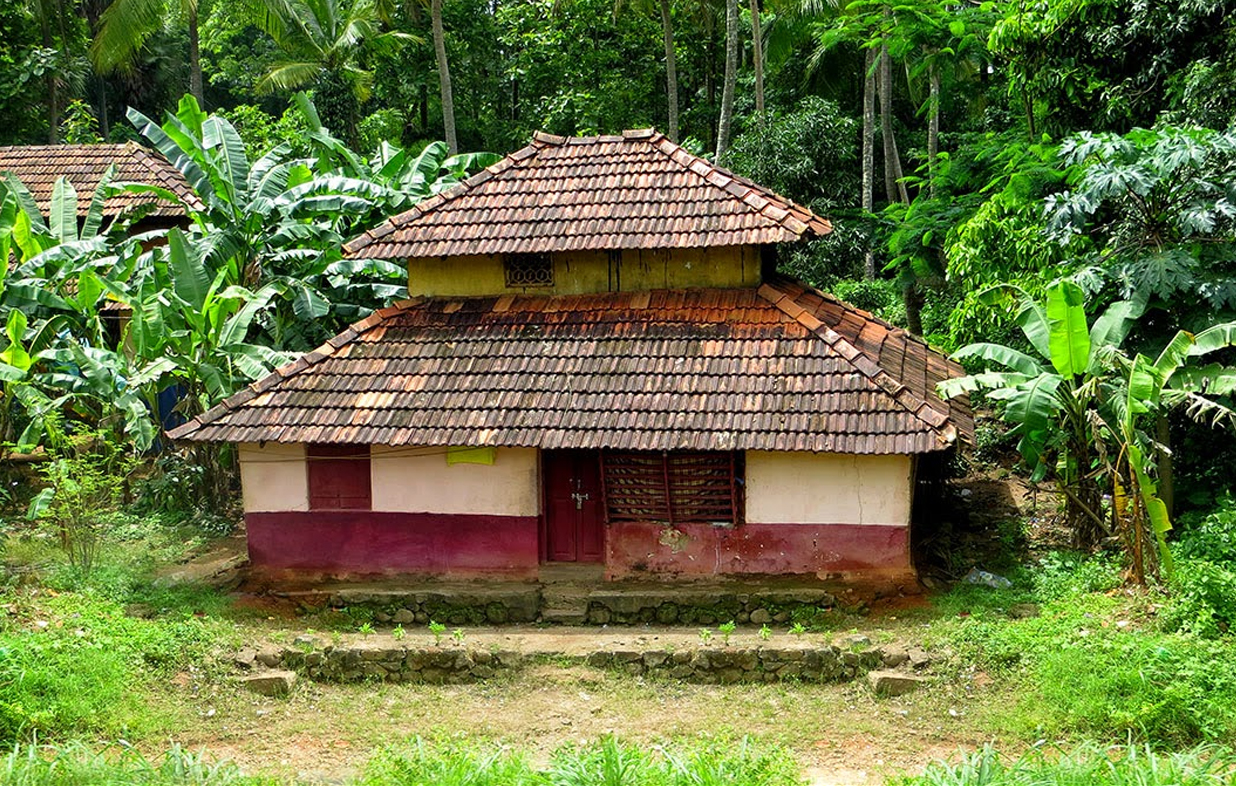
My maternal grandfather’s house was a two-story mansion located in Thiruvazhiad (turn-away-goat could be a literal English translation) village, Palakkad district, Kerala. He had built it in the 1960s and had named it after my grandmother. The house was a combination of living space and granary. There were long passages which were used to store the rice harvest. Wood was prominently used in the construction. The house sat in a huge plot of land. There was a front yard and a huge backyard. The house was large, but the number of rooms were limited. There were only three bedrooms on the ground floor, and they were all dark and scary. There was a traditional dining room and a wood burning kitchen. A well and a huge bathroom completed the amenities.

There were three bedrooms on the top floor and a small attic above that. The rooms on the top floor were small with wooden windows and had excellent views across the backyard to the hills beyond. The rooms opened on to a common corridor in front. This offered excellent views of the road to Nemmara, the main town in that part. Traffic was sparse and our attention was captured by the buses to Palakkad town which ran at hourly intervals during the hot, lazy afternoons and at half-hourly intervals during the morning and evening. The village was situated in a cul de sac, away from the main hustle and bustle.

During the seventies, my grandmother had three to four helpers working in the house. Traditional stones were used to grind dough for idlis and dosas and we had a smaller stone to grind masalas or spices. There was a huge mortar and pestle used to pound grain. Physical labour and strength were important. I do not remember my grandfather (mother’s father) much as he had passed away when I was very young. My grandmother was a religious lady who used to read the Hindu religious epics daily. Later (late seventies and eighties) she was mostly confined to bed and suffered from Parkinson’s disease.

I enjoyed climbing the wooden staircase to the first floor with its curved wooden banister. I believed the darkness of the house and the rooms scared me and contributed to my aversion. As I grew older I grew more adapted to this house. The house was dark but stayed cool during the hot summers. The red tiles on the roof were charming. The windows had no glass panes and once closed they let in very little light. The long corridors encircled the rooms on the ground floor letting in very little light into the inner rooms. The furniture was mostly wooden, locally made, solid and heavy. My grandma’s room had a massive valve radio. Evenings were spent listening to the news and other programs on the radio. Old houses had dark storerooms which both fascinated and scared me.

My father’s house was located inside East Yakkara near to Palakkad town and the holy Manapullikavu temple was nearby. It is believed Brahmins performed yagnas (prayers) on the holy riverbed and the place was named yaga-kara (do yagnas) and eventually came to be known as Yakkara. In the seventies, this was a peaceful place with traditional houses. The narrow winding lanes and the paddy fields lend a rustic charm to the place. My father’s mother had purchased a house after they moved back to India from Malaysia where my grandfather had worked as an estate manager. My grandfather had died when my father was young. The house was renovated and, to my childish eyes, was charming. There were windows with coloured glass panes in the drawing room. The floor was coated with a red oxide powder which had to be reapplied regularly. Pink bougainvillea grew over the welcome arch and the bright yellow front door welcomed visitors.   

The best part of the house were the two rooms in the wing adjoining the kitchen. The house had doors and windows which could be opened only half. This I felt was an ingenious arrangement. Both my mother’s and father’s houses had doorsteps which were massive, and I used to trip on these often. I was not used to them. There was a dark room that did not open to the outside. My cousin would study there. Wood was still the cooking material, took time to catch fire and burn. It was like an astringent to the eyes. I still remember the hot summer afternoons. We had lunch in the hot dining room and by the time we finished I would be soaked in sweat. The rice was hot, the fish curry spicy, the fish fry crispy, and the pickles incendiary. The roof had a few glass tiles to let in the light and I watched fascinated the path of the light beams being made visible by the kitchen smoke.

The rains were my favourite time of the year. In those days it used to pour in Kerala. The rains continued throughout the day, and I enjoyed creating and sending out flotillas of paper boats in the rapidly flowing streams of rainwater. The weather was cool, and the smell of the Earth (petrichor) was mesmerising. I also remember the smell of fresh paint as the windows and doors often would have a fresh coat of paint just before our visits. Now with the national highway (NH47) passing behind the house, the area has changed totally. So many new houses have sprouted. And there are two large apartment complexes.

These two houses had character and solidity. I regret not having the opportunity to interact with my grandfathers (the patriarchs). The houses reflected in many ways the matriarchs living in them. With their illness, being bed ridden and their eventual passing, an era came to an end. These houses no longer hold the same level of fascination they once exerted on my young mind!

.

Dr. P Ravi Shankar is a faculty member at the IMU Centre for Education (ICE), International Medical University, Kuala Lumpur, Malaysia. He enjoys traveling and is a creative writer and photographer.

.

PLEASE NOTE: ARTICLES CAN ONLY BE REPRODUCED IN OTHER SITES WITH DUE ACKNOWLEDGEMENT TO BORDERLESS JOURNAL
Categories
The Literary Fictionist

Walls

By Sunil Sharma

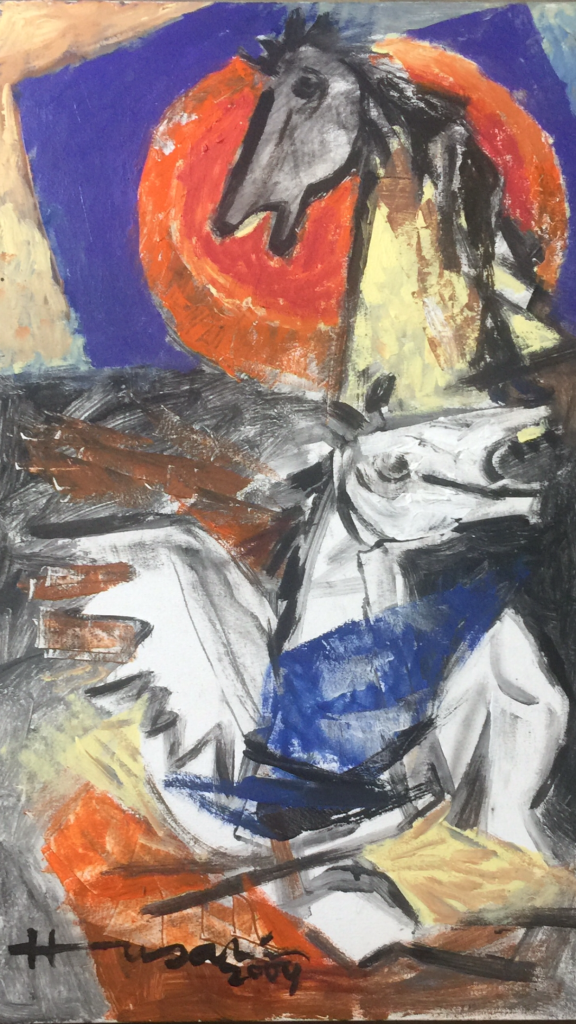
Pegasus in Blue by MF Hussian, 2009. Courtesy: Creative Commons

“There is a man, at the gate, who says he is the brother of Madam Goodman,” the nervous Gurkha announced in a low, soft whisper oozing respect.

“A brother?”

“Yes sir.”

Mr. Goodman turned to his bejewelled short portly wife.

“Do you have a brother…I mean, a real blood brother?”

“Not as far as my human memory can recall,” declared Mrs. Goodman in a cheerful voice, surveying the Saturday-night-party going on in the big hall of exquisite chandeliers and imported Italian tiles.

“But there is a man, at the gate, who claims to be your kin,” persisted Mr. Goodman in a tipsy voice. Young couples, in various stages of drunkenness and fever, were dancing to a loud orchestra. December night of cold foggy winter and a howling wind was knocking the windowpanes of the huge hall. “A who?” demanded Mrs. Goodman, refusing to tear her slightly reddish eyes, from the un-rhythmic crude dance of the fused couples.

“A man,” Mr. Goodman said patiently, his alcoholic eyes surveying a lissome beauty’s body contours, like a hungry caveman attacking the raw flesh of an animal, “Your brother…resurrected from void…wants to see you.”

Mrs. Goodman felt irritated by this unauthorized intrusion of an alien. Her porcelain-white face, with painted cheeks, arched eye-brows distorted in fury, “We demand to see that imposter. Now… in our study.”

The small Gurkha cringed in fear.

The private study was small and comfy. In the tradition of a European or a British manor house. Hard, leather-bound books from the floor to the ceiling- all of them untouched. A leather -bound sofa; a centre glass-topped table; two low stools and a crackling hearth.  A large M.F. Husain– those galloping horses against a featureless background– to lend an ‘ethnic’ touch to essentially the foreign opulence. The man was ushered in, Mrs. Goodman did not like the appearance of this new object: small, medium-height, grizzly; wearing rumpled denim jeans, a brown turtle-neck sweater sitting tight on a protruding belly, a crumpled jacket and tear-shaped bifocals that enlarged his big brown eyes brimming with brotherly love and tenderness; and an imitation crocodile skin brief-case. Mrs. Goodman looked at him and looked hard.

The man, intimidated, said, “How are you, sis…my beloved sister?”

Mrs. Goodman did not register. Incomprehension. The man waited for a response.

“You OK., Leela?”

Mrs. Goodman looked on uncomprehending.

“I am your younger brother…Your little Kabir.”

Mrs. Goodman, a perfect picture of faded aristocracy, said, “I have no brother.”

Thunder rolls and lightning strikes. The little man said, “Have no brother? What do you mean?”

“You heard me.”

“Come on, Leela.”

“Mrs. Goodman,” said the lady sharply, “The wife of a top diamond merchant of South Africa, on a winter vacation in the mystical magical India.”

“Cut the crap…You are Leela…the same old little sis good at play-acting.’

A young man popped in, “Any problems, Ma?”

“How are you, Rajiv? I am your maternal uncle.”

The man smiled and said nothing.

“This little man says he is my brother.”

The young man smiled broadly, “Oh, not again! The rich and famous have carloads of unclaimed relatives.’

Roll of thunder and lightning. “I can prove it,” the little man insisted.

“How? By calling God to the witness stand?” the young man asked.

“Or through genetic study?” enquired the booming voice of Mr. Goodman from the doorway, “Welcome to our private and exclusive little world, Mr.….?”

“Kabir, your little brother-in-law.”

Both the men surveyed each other: the former with open curiosity and the latter with fond remembrance. Mr. Goodman sank in the sofa, whipped out a Havana cigar, lit it, emitted a rich aromatic smoke, “How do you prove your kinship, Mr. Intruder?”

The little man, a bit confused, sat down on the opposite chair of the sofa set.

“I can prove it — if proof were required, although in blood relations no proof is required…blood recognises blood.”

“Ok. Proceed,” says Mr. Goodman, “Make it quick…we have thirty guests on our hands for this champagne- and-dinner party.” The little man fishes out a frayed small pocket-sized family album, opens it on the third page and announces, “Here you are…This picture…see, Leela and I….”

The picture is grabbed greedily by the Goodman family: a sixteen-year-old “Leela” and a ten-year-old Kabir against a railway bungalow with lots of shady trees in the background.

“And this one: When she staged a play…. Ah! King Lear, yeah…at the auditorium of the Railway Officers’ Club…I am third there… And this wedding picture…she and you at the reception…”

The pictures were scrutinised carefully. “And this New-year greeting-card from Leela with her signature from Johannesburg…” Mrs. Goodman seems bored, “My cat, my cat…where is my favourite cat?”

The young man “Rajiv” presses a bell. A male servant puts his face in the doorway.

“Fetch Kohinoor.”

 Within seconds, a beribboned white cat is brought by a liveried maid servant. Mrs. Goodman is all affection, “Come on, sweetie, my precious, my L-O-V-E…”

“Anything else?” demands the merchant of diamonds and orders a large one for him.

“Like?” the little man asked.

“Anything… family trivia…”

“My L-O-V-E,” coos Mrs. Goodman.

“Family trivia? You mean family history?”

“Yeah…sort of…”

“My precious,” sang Mrs. Goodman.

“Well, our father was a station master at Lalitpur…he met your father there who was a personal valet of an English captain Mr. Goodman. Mr. Goodman was a bachelor and very wealthy…he was very fond of your family, especially your mother’s artistic talent…You were young and handsome…. People called you an Englishman.”

“Ha, ha, ha,” The merchant laughed like an Englishman, “He was more than a father to me…. Good.”

“The English captain acted as a matchmaker. He arranged this match between Leela and you. He stayed on in the free India and invested a lot and wisely here and multiplied his wealth. Then, in late 60s he moved on to South Africa along with your family…There he invested a small fortune in the diamond industry and became stinking rich. After his death, you inherited the business.”

“My cuties,” Mrs. Goodman crooned, “what a wonderful creature!”

“Wonderful,” declared Mr. Goodman.

Mrs. Goodman returned her attention to the new object of the study.

“Are you listening?” asked Mr. Goodman.

“Yeah…listening pretty good…So, this interview is now over?” enquired Mrs. Goodman.

“What is the judgment?” Rajiv quipped.

“Well, the photographs can be manipulated, autographs forged, and family trivia can be collected by any good detective. In short, this man is an imposter,” said Mrs. Goodman. Her voice is devoid of any emotion. Like a judge pronouncing death sentence in a cold, impersonal tone.

“And Leela, why should I do that?” asked the devastated little man, Kabir.

“For money, maybe,” ventured Goodman Sr.

“I see,” said Kabir, hurt obvious in the weather-marked, lined face and voice, “I see now…Your whole world revolves around money only…Money, status, parties…You have no idea of emotions and love and beauty.”

“Wrong,” butts in Rajiv. “My Ma and pop love animals, paintings and people. Ask our staff.”

Silence — heavy, awkward. The little man Kabir looks at their well-fed, contented faces. He faces them and asks Leela, “You recognize me?”

“No.”

“You, Mr. Goodman?”

“No.”

“You, Mr. Goodman, Junior?”

“No.”

And he was denied thrice.

“OK! sorry to disturb you. I did not come here to claim money but to claim the affection of my elder sister and her family. I wrote letters for many years and made an occasional call but got no response…Today, I made bold to come over here and reclaim a part of my emotional existence… Now, I find I was wrong in my pursuit.” He paused sadly and looked at them again. No response. He concluded, “If claiming a sister or a brother as your own is a crime, I am a criminal. Goodbye.”

As a courtesy, Goodman Jr, escorted the man to the gates of the spacious, sprawling farmhouse in Delhi. The party was in full swing.

Alcohol, tobacco smoke was in the air. “A parade of obscene wealth,” thought the intruder.

“OK! It was a nice encounter,” said Goodman Jr. ironically, lips pursed.

“Or a non-encounter?” asked the man. They shook hands. When he looked up, he saw his own face mirrored in the face of Goodman Jr.

Mesmerised, he again looked: his own face beamed back at him.

Kabir shuddered at the unreality of the whole situation and resumed a long walk towards the first bus stop.

Sunil Sharma is an academic and writer with 23 books published—some solo and joint. Edits the online monthly journal Setu. 

Sunil Sharma,PhD (English), is a Toronto-based academic, critic, literary editor and author with 23 published books. His poems were published in the prestigious UN project: Happiness: The Delight-Tree: An Anthology of Contemporary International Poetry, in the year 2015. Sunil edits the English section of the monthly bilingual journal Setu published from Pittsburgh, USA:
— https://www.setumag.com/p/setu-home.html  
 For more details, please visit the link:— http://www.drsunilsharma.blogspot.in/

.

PLEASE NOTE: ARTICLES CAN ONLY BE REPRODUCED IN OTHER SITES WITH DUE ACKNOWLEDGEMENT TO BORDERLESS JOURNAL.

Categories
Poetry

Under the Sapphire Sky

By Sangeeta Sharma

Painting by Georges Seurat (1859-1891). Courtesy: Creative commons
Under the Sapphire Sky

Sprawled on the beach chair under the open azure sky
Surrounded with a panoramic enormous expanse of sapphire waters of the Indian Ocean
Absorbed the blue of the skies 
And the turquoise waters
The beautiful verdant foliage
Trying to sink in the utopian state
Of mental and physical wellbeing
Far-off youngsters swim
Making the most of their lives
Some laze in the sun under canopies
Others splash their thighs in the blue seawaters 
And a few pose for selfies 
Soon to be posted on their Whatsapp and FBs
Their wanderlust's evidences…

Dr. Sangeeta Sharma, an associate editor of SETU and an academic, has authored a book on Arthur Miller, a collection of poems, edited six anthologies on poetry, fiction and criticism (solo and joint) and two workbooks on communication. She has free-lanced for The Times of India. A book of hers is used as a reference at the Clayton State University, Georgia, USA.

.

PLEASE NOTE: ARTICLES CAN ONLY BE REPRODUCED IN OTHER SITES WITH DUE ACKNOWLEDGEMENT TO BORDERLESS JOURNAL
Categories
Musings

Kungfu Panda & Matrimony

By Alpana

Ay, you shall be together even in the
silent memory of God.
But let there be spaces in your togetherness,
…
And stand together and yet not too near together:
For the pillars of the temple stand apart,
And the oak tree and the cypress grow not in each other’s shadow

(‘On Marriage’, The Prophet by Khalil Gibran, 1923)

What better way to describe the bond of marriage than through Gibran’s eloquent verses! Being married for over two years, any piece of writing on marriage that seems enlightening catches my attention instantly. Though, nothing substantial really comes out (every marital equation being different and unique) but why miss it when someone else is ranting, expressing, singing or explaining meticulously. Also, any similarity or dissimilarity may bring a cheer or a jeer on my face.

Currently, everyone in the world, irrespective of place, gender, nationality and creed, is struggling to thrive in the pandemic marred times. There is a constant push to remain afloat because “survival of the fittest” has emerged as the bitter truth rearing its head in every nook of the Earth. While headlines emerge as a frightful alarm on screens daily, what remains unreported is all that transpires in a typical household enduring the banters exchanged between spouses.

Being an assistant professor of English literature, I had often received unsolicited advice to marry someone who belonged to my profession. Well, my husband is a judicial officer, and I am glad that we have different fortes. Had it been otherwise, an unwanted competitive spirit might have taken deep hold. Why? Because that’s how marriage is, a never-ending tug of war where no one wins or loses but the game remains on for fun and adventure. In our case, the constant pulling is metaphorical at many levels. There’s a constant attempt by one to pull the other out of a deep trap called procrastination. Often the ‘art’ of procrastination is associated with husbands, but my spouse and I believe in parity in all fields. However, this phase came to a halt when this virus attacked humankind in an unprecedented manner beyond the reaches of all imagination and our country entered the seemingly endless period of lockdown. This is when people, locked into their homes all of a sudden, started digging deep into their inner selves only to come out alive with a slew of Instagram-worthy talents. That’s when some crisp and tangy flavours got accentuated in my marital life too.

When Gibran talks about ‘spaces’ in nuptial life in his work called ‘On Marriage’, one cannot agree more. There are times when we silently crib about being in dire need of a space. Partners often fear being outspoken in delineating such desire or else they get labelled as selfish, narcissist or indifferent. However, in most of the cases, the picture is coloured differently where space is not seen as a necessity. Being partners with different and demanding jobs respectively, it was difficult to erase these ‘spaces’ often standing wide and impermeable between us. However, with the advent of lockdown, we saw new horizons shining bright in variety of hues. During the pre-covid times, life was more work and less play, literally and at times metaphorically. During the pre-pandemic times, our jobs used to scoop out most of the zeal and left us all parched by the end of the day. Breakfast was done in a helter-skelter way; lunch was at workplace, but dinner time offered some respite from the daily grill.

One major reason is that my husband cooks some of the best meals in the world. We ate out frequently, as Gurgaon, the millennium city at the edge of New Delhi, was always briming with new and exotic options. However, the lockdown period unleashed the timid master chef hiding in my husband in all its glory. I am not exaggerating when I write this but after eating “pati ke haath ka khaana’ (food cooked by husband’s hand), I have become averse to the idea of eating out altogether. He creates magic in those woks and pans while I, standing beside him with a smile, just soak in the thrill and awe swaying in our kitchen. The food he prepares is not just a pretentious Instagram post but a key to my happiness and that, dear readers, is a rarity in an age where moments are only captured in pictures or videos. In my home, he captures them in the form of food cooked with love for the loved while I encapsulate them in hand-written letters. This brings me to other examples of how marriage of two different people with disparate interests leads to a household reverberating with diversification.

During our stay at home and work from home spree, we explored a bundle of things about each other which were otherwise not much thought (read, fought) over. They say that marriage is a union of two minds. Easier said than done, I would comment. The list of uncommon interests my husband and I have is a long one. While I am into reading, movies, Instagram and treating shopping as a pacifier, he is not even on social media. Watching romantic movies is a big no, since his profession includes grappling with myriads of clashes, marital disputes being one of them. From misplaced towels, spectacles and other such basic articles to painstakingly agreeing upon one OTT (over the top media service) pick for movie night, the reasons behind every day tussles are umpteen. He is traditional while I run away from family functions imploring me to unveil the true bahu (bride) apparently hidden somewhere in a deep corner inside me. Luckily, he helps me sail through such familial gatherings without any serious damage. He has a mentally exhausting job and to remedy all that fatigue, he talks to me, about our past trips, the movies we both loved, our first meeting, the issues troubling him, etc. I learn how to be a good householder from him, while he, as he puts it, soaks in all the positivity and encouragement my outlook emanates. That’s how our relationship becomes more than that of just marriage, it is a bond of companionship which cherishes being each other’s confidante and being practical and real.

Is it always “sugar and spice and everything nice”? Absolutely not. For days, it is but for the other days, we unleash our cynical sides. Because what is marital life really without a dash of skepticism and sarcasm. Besides being sugary and spice, it turns sour too. In other words, it keeps the palate guessing the mood of the day. It’s an unrepeatable blend of a variety of ingredients only the partners know because it’s their adored secret.

My marriage was an arranged one where the match is approached in probably stone cut objectivities. Days passed and new-found treasures of joys and revelations came to the fore. The pre-marital jitters, unsought opinions about marriage and the consequent chaos were soon left behind to make way for what was new and exciting. Marriage is a box full of surprises popping loudly to see the light of the day. What is important is to find the right time to unlock it and see the magical rollercoaster zip into focus lest the popping fades away. It is definitely not less than a rollercoaster because it will never fail to amaze you or give you the thrill, pun intended, in unimaginable ways. It’s chaotic when the Venn diagrams of each other’s interests find no overlap. It’s a boon when you are understood without uttering anything. It’s messy when one is a sloth while the other is a germophobe. It becomes a godsend when you come home to an appetizing food after a long day at work. It’s a blessing when half of the problem is solved just by sharing and being listened to. It’s therapeutic when your rants and mood swings are endured without any judgement or prejudice. In a nutshell, marriage cannot be put in a definition carrying a fixed set of words. The word ‘fixed’ is amiss in relation to marriage unless addressing the ‘roka’(obstacles), of course. Marriage is ever evolving and in progression with every day adding a new chapter to all that is tangled and sorted in the course of this voyage. It will always be witnessed as brimming with vicissitudes and symmetrical beams of bliss along with few asymmetrical ones.

The fun lies in its unpredictability and at times may feel like a stormy sea. But remember what Master Oogway once told Po, let the waves settle down because only then will the sunshine illuminate the bottom to make the solutions clear.

Alpana is working as an assistant professor at a government college of Gurugram. Besides reading books and clicking pictures, she can also be spotted tickling her infant or recommending movies to her husband which he eventually regrets watching. 

Categories
Pirate Poems

Pirate Blacktarn’s Teeth

By Jay Nicholls

PIRATE BLACKTARN’S TEETH


Pirate Blacktarn had terrible teeth, 
He kept sweets instead of a sword in his sheath,
And he ate so many, his teeth began to rot 
And as for brushing them, he always forgot. 
The inside of his mouth was greenish and grimy 
His teeth were broken and black and slimy. 

“You’re revolting,” said all the crew. 
“We’re not coming too close to you.”
Poor Pirate Blacktarn was quite upset
“What’s the matter with me?” he asked as he ate. 
“You need new teeth,” the crew replied. 
Blacktarn was hurt and went off to hide. 
He sulked in his cabin, all day and all night 
While the stars came out, very shiny and bright.
Out too fell his teeth, dropping one by one, 
Onto the floor till all were gone.

“Oh no,” mumbled Blacktarn, “what shall I do?”
“Serves you right,” said his unkind crew. 
But Blacktarn was angry and ranted and raved 
Till the crew became quite well behaved. 
“If I can’t eat, then neither can you,
Don’t think you’re going to scoff that stew,”
Said Blacktarn crossly as his stomach rumbled. 
“Now what a mess,” his hungry crew grumbled. 

The crew grew thinner and thinner and thinner.
Big Bob the Cook groaned, “We want dinner.”
But toothless Blacktarn was stern and cruel, 
Grumpy and stubborn, as bad as a mule. 
The crew were miserable, bad tempered and sad
Their empty bellies were making them mad. 

But deep in thought sat Stowaway Fay.
“I know how to make things OK,” 
She told the crew one happy day.
“We’ll make him dentures, all clean and smart. 
Come on everyone, let’s make a start.”

They caught a shark, basking close by the ship
And cut out its teeth, snip by snip by snip,
Then stuck them in jelly mould shaped like a grin
And as Blacktarn lay dozing, they popped them in. 
He woke with a start, “My mouth’s full of choppers!”
“So it is,” said the crew, “What great long whoppers.”

“Hey, I can eat,” Blacktarn cried with delight. 
“Quick, let’s have a feast, this very fine night.”
So Big Bob went down to the galley to bake 
And made sausages and stew and cookies and cake. 
Then the starving crew just ate and ate and ate.
“Oh well done Fay,” said Rakesh the mate. 
“Oh yes, well done,” they all agreed.
“Well done, well done, well done indeed.” 

Now long toothed Blacktarn looks sharp and mean 
But he takes out his teeth each night to clean.
He brushes them carefully twice a day,
So his shark’s teeth dentures are here to stay. 

“Come on crew,” he cried with a big white grin
“We’ve got all the Lemon Seas for sailing in.”

Note: The ‘Pirate Blacktarn’ poems were written in the early 1990s but were never submitted anywhere or shown to anyone. By lucky chance they were recently rescued from a floppy disc that had lain in the bottom of a box for almost thirty years. There are twelve poems in the series but no indication as to what order they were written in and the author no longer remembers. However, they seem to work well when read in any order. They all feature the same cast of characters, the eponymous pirate and his crew, including a stowaway and an intelligent parrot. The stories told by the poems are set on a fictional body of water named the Lemon Sea. (Dug up by Rhys Hughes from the bottom of an abandoned treasure chest).

Jay Nicholls was born in England and graduated with a degree in English Literature. She has worked in academia for many years in various student support roles, including counselling and careers. She has written poetry most of her life but has rarely submitted it for publication.

.

PLEASE NOTE: ARTICLES CAN ONLY BE REPRODUCED IN OTHER SITES WITH DUE ACKNOWLEDGEMENT TO BORDERLESS JOURNAL

Categories
Poetry

Reunion

By Sambhu Nath Banerjee

Reunion

They are overjoyed!
For them, it’s once in a lifetime affair.

They spend sleepless night to make the event grand, garlanding the wall, 
and putting decorative painting on the floor.
Dressed in stylish attire, they are ready to welcome the seniors 
one by one with roses, most of whom they have never met before.

The aged and the superiors are swept with great delight
assembling after a long gap, 
and savouring memories is refreshing quite, 
as they are beginning to unwrap.

Watching the younger people reminds me
those golden days.
Myself being youthful and courageous
so much that I could fan the fire to a blaze!

So much love, so many dreams were
hidden within,
that the winter was as romantic as spring 
when I sat on the garden to play the violin.

This holy place of learning has not changed much 
even after so many years.
The classroom, the library, the top floor canteen, 
the picturesque skyline of the city, and 
the renowned alumni who have few peers.

They are agile, they are jovial,
someday this young batch would learn –
The journey to the summit of the Everest
is precarious, and danger lurks at every turn.

Dr. S N Banerjee has a great passion for travelling, photography and writing. His articles have featured in the recent issues of Cafe Dissensus and Muse India.

.

PLEASE NOTE: ARTICLES CAN ONLY BE REPRODUCED IN OTHER SITES WITH DUE ACKNOWLEDGEMENT TO BORDERLESS JOURNAL
Categories
Stories

Floating Free

By Lakshmi Kannan

 Harshavardhini sat on the swing, like a still, motionless figure. The birds were still around, for it was not too late in the evening.  After the revelry  and the din of an entire  day spent in the Disney Land, Harshavardhini needed the quiet space of this community park at Irvine, California. Her friends pulled her into one last trip to Disney Land before she would leave for Delhi. She spent the day taking thrilling rides, watching shows, shaking hands with a friendly Mickey Mouse, eating endlessly, winning games and losing, all the time looking at things through the eyes of her children. She longed for their company. They would’ve doubled her joy.

Perched on the swing, she looked at the children playing around in the park under the watchful eyes of their parents. On the lanes around the edge of the park, people were walking briskly, some were jogging on a steady pace. Harshi, as she was called by most of her family and friends, counted the remaining days she had in Irvine, before she would take her flight back to home in Delhi in four days from now. I should come to this park again before I leave, she told herself, pushing the uncomfortable thoughts about tidying up the apartment before handing it over, packing clothes, books, and things from the final shopping trip.

 She would miss Susan Green, who had not only enrolled for the same course, but also shared Harshi’s nice apartment on the campus. Susan offered to share the rent and  both of them could put the money saved to good use. They each had a room of their own and met only in the living room, the kitchen and dining room in that comfortable, sunny and spacious two-bedroom apartment. Sure enough, Susan spelt her name as Hershey, after the famous chocolate in the US  and justified it by saying it sounds much the same as ‘Harshi’. She became Hershey to everybody else in her course, including the professors. It was a happy surprise to find that Susan was equally earnest in giving her full focus to this rare course on Hermeneutics for which the university had hand-picked a galaxy of faculty from the rest of the US – some of the best minds from Princeton, Harvard, Berkeley, Stanford, Yale and Chicago and a culturally diverse bunch of participants both overseas and American, whose paper publications were the main criteria for selection.

Before the program started, Susan, Harshi and the others were in awe of the professors and their fame. All of them were star academics whose books they had read and admired in print,  and who had influenced their methods of teaching and thinking. Now they were going to see them in flesh and hear them. What would they look like?  And their voice, would it touch them?   

The professors arrived like a proverbial breath of fresh air and put them through a breathless pace of course work. Susan, Harshi and most of the others loved it, every moment of it.

Harshi bought some of the books written by these academics, got them inscribed by the authors and sent them home by surface mail, as most of the books were heavy, hard back editions. It was unlikely that she would find them in the book shops in Delhi. Now she was left with  only a few light paperbacks to pack along with her clothes and the shopping she had done for Siddharth, her husband, and their children. She was anxious to return home and relieve him of all the additional work he had taken on. It was so brave of him to take care of their kids and home in her absence.

 If only her mother had been around, she would’ve been the first one to reach their home to take complete charge of running the house and managing the kids who got along with her very well. But Amma left this world and for the first time in their lives, Siddharth and Harshi had to manage their travels out of the country and other professional contingencies without her. It was tough. As they struggled hard to cope with their work, their home and kids, they realized how much Amma had taken upon herself selflessly, to let the two of them function smoothly and peacefully. Harshi couldn’t have got her Ph.D., made some career moves, pursued creative writing and taken Indian writing to other parts of the world without her. Thanks to Amma, both Siddharth and Harshi could be away from home with a sense of security that their children were looked after by their doting grandmother. 

 Now, there was the reality of the next few days. The apartment had to be thoroughly cleaned before she handed it over, and there was the packing.   

 Let me not think of that, let me just listen to the restful sounds of this evening, thought Harshi, closing her eyes. She continued to sit still on the swing when she heard a faint buzz near her face. Oh God, that was probably a honeybee! It would surely sting! Slowly, she opened her eyes to avert the bee. It was a hummingbird fluttering its delicate wings that had caused the sustained drone. It now hovered very close to her face, almost making eye contact with her.  It can’tharm me, I’m wearing my specs, so that’ll protect my eyes. Rather, I shouldn’t harm this darling little bird by my hard stare. Let me just pretend that it’s not there, even though it’s hovering near my nose now. Let me not scare it away by my jerky movements. I’ll sit absolutely still and just listen.

Harshi froze like a statue. This dainty little bird with tiny feet, it doesn’t seem to sit anywhere to rest, but just hovers around so joyfully. It’s blowing gusts of happiness on my face with its small wings. It’s telling me something.  

She closed her eyes to absorb the beauty of the moment. It was only in California that she got to see the famed humming birds. It was also interesting to read about them. She recalled a legend that was wrapped around this bird. The lines came across as sheer poetry!  

                                             Humming Birds

Legends say that hummingbirds float free of time, carrying our hopes for love, joy and celebration. The hummingbird’s delicate grace reminds us that life is rich, beauty is everywhere, every personal connection has meaning and that laughter is life’s sweetest creation.

 Slowly, Harshi opened her eyes. The bird flew away from her, made a large arc to hover over the flowering plants nearby, and then returned to circle around her face. It  moved close to her ears and was saying something with its flapping wings. Harshi nodded.  

 I know, little bird. I know you’re my Amma who has come back from the other world to talk to me for a while,’ whispered Harshi, her eyes going moist. Amma, I know this is you, flapping within the tender little body of this humming bird. Yes, I hear you clearly. You’re my fragile, underweight Amma with innumerable health issues that were unmatched with your immense reserves of strength.

 “A hummingbird being small, it’s logical that its egg is also small, it’s just the size of a pea,” said an article in National Geographic. But Amma, to everybody’s shock, you gave birth to me, an overweight baby, 4 kg. 536 gms (10 lbs.) at birth,  instead of the usual 3 kg. 175 gms (which is 7 lbs.)! The doctors and the family found it miraculous that a thin, emaciated, undernourished, underweight young woman like you, who never kept well for long, would deliver a baby like me. You told me that the newborn baby dresses that were made for me wouldn’t fit, that new dresses were ordered and that there was a permanent mark of black kohl on my left cheek close to my ear that my grandma had applied, to remove kann drishti.

You raised me without a nanny, although I gave you a tough time. I was naughty, adventurous, but you saw me through all that and more, and those were my foraysinto sports and athletics. You never once forgot to alert me that I shouldn’t slacken in my studies. Your frequent spells of illness, your inability to eat, or retain anything you eat, cast a shadow on our lives. You continued to lose weight, yet your unconditional love for me and for your family throbbed on your little feathered bird breast.

 You gave me a baby brother at great cost to your life and health. The doctors were amazed to note your high pain threshold. My grandparents were furious that you should have risked your life with another pregnancy, but you pacified them by saying your husband and in-laws craved for a male child.

 When the doctors diagnosed a serious malfunction in your small intestine, you had to go through a surgery. I was in primary school then. I would rush to the hospital as soon as I returned from school and you sat up on bed to butter those long, crisp golden hued imported biscuits for me to eat. Eyes shining, you would ask me about my day and if I had played games after school. As if on cue, you would apply butter on one more crisp biscuit and put it on my plate…and one more… until I couldn’t eat any more.

Post- surgery, the doctors put you on a liquid diet that was to continue for the next fifteen years! Naturally, you lost more weight and became this frail packet of indefatigable energy, love and selflessness that astonished all of us. Still, there were some cruel people in our extended family who took you for granted. I seethed with anger, one of the many other spells of anger I was to experience as a growing girl child. Later, I had to learn a lot about anger management, as did my friends. Some of my anger was directed against you as well. “You’ve internalised patriarchy and that’s regressive!” I would argue hotly, while you looked bewildered by my feminist pedagogy, a new burden I carry now, along with my peers. We fought over issues, like mothers and daughters do, until I realised that you too were quietly evolving as a clever feminist-in-the-making, unbeknownst to the family.  Wisely, you didn’t squander any feminist vocabulary on the resistant family. Instead, you used strategies to grow your wings independently, right under their nose!  

What blossomed through all these travails was your stunning talent for painting. You were a natural! Noting this, my grandfather enrolled you in a professional course on painting in a Fine Arts College. He ordered for the branded imported paints, Windsor & Newton, specially flown all the way from England. Their superior quality glows till date in the rich tints behind the glass of your framed paintings. While your diet was liquid,  your output was solid. In a prolific abundance, you did landscapes, still-life, thematic triptych and portraits that won accolade from your teachers and art critics for their intuitive depth. The water colours, charcoal sketches and oil on canvas drew the attention of visitors in art galleries. Your high point was portrait. You were counted as one of the best artists for your haunting portraits of well- known personalities  such as Sri Aurobindo, Sri Ramakrishna Paramahans, his consort Sarada Devi and the lovely Shobhana Samarth. As for Mahatma Gandhi, commissions rained on you for painting his portraits. Art critics were quick to observe that you excelled especially in portraits of elderly people, and made the wrinkles on their face speak eloquently of all they had endured in life. Portraits became your unique selling proposition. To everybody’s utter surprise, you chose to paint me. Why me, a mere frisky ten-year old, an odd misfit in this gallery of ‘the famous’? I sat for you, thrilled beyond belief, while you chided me for fidgeting on my chair. When an artist, a scion of the Tagore family visited our home to buy two of your paintings, you sat demurely in a far corner with a shy smile on your face, and let my father completely monopolise the conversation with the distinguished gentleman.  

 Amma, you were here, there, everywhere, flying around, looking after us and the large extended family selflessly. You were like seven women put together. And when you left, all seven of you went out of our lives on a single day. The world around me shrank to a miserable little size. Something vital went out of my life. And now Amma, you’re back in the body of this small hummingbird that just doesn’t let me go out of its orbit. Like this bird with its tiny legs, you with your small fragile frame, were a strong woman. Ephemeral, yet eternal. You float on time, so I will always wait for you. You’ll come when I need you, I know. You’re untrammeled by body mass or messy emotions that weigh us down. You lived life the simple way – with love, joy, service and acceptance.

 The bird hummed on near Harshi’s ears.    

.

Glossary                                                                                                    kann dhrishti  An Indian belief that one can remove ‘the malevolent eye’ of people by applying a black spot with kohl on the face of a healthy child.  

kohl: Dark substance that people apply around their eyes to make them look attractive.  

.

Lakshmi Kannan, also known by her Tamil pen-name “Kaaveri”, has published twenty-five books till date that include poems, novels, short stories and translations.  Wooden Cow (Translation, 2021) Sipping the Jasmine Moon: Poems (2019) and The Glass Bead Curtain, Novel (2020, c 2016) are her recent publications. For more details, please visit www.lakshmikannan.in  

.

PLEASE NOTE: ARTICLES CAN ONLY BE REPRODUCED IN OTHER SITES WITH DUE ACKNOWLEDGEMENT TO BORDERLESS JOURNAL