Categories
Independence Day Poetry

A False Dawn

By Malachi Edwin Vethamani

A False Dawn

We sang a song of victory.
Raised a new flag. 
Held our heads high.
Shouted new slogans. 

A new nation we said
has risen bursting 
through the dark clouds. 
Malaysia Baru. 

Then came Deceit, 
old Greed reared its ugly head,
murky waters returned
and undid us all.

 Malachi Edwin Vethamani is a Malaysian Indian poet, writer, editor, critic, bibliographer and academic. He is Emeritus Professor with University of Nottingham. More details in: www.malachiedwinvethamani.com 

.

.

PLEASE NOTE: ARTICLES CAN ONLY BE REPRODUCED IN OTHER SITES WITH DUE ACKNOWLEDGEMENT TO BORDERLESS JOURNAL.

Categories
Independence Day Poetry

Akbar Barkzai’s Songs of Freedom

Akbar Barakzai’s poetry translated from Balochi by Fazal Baloch

Freedom

Before liberating the people
Let’s liberate ourselves first
We who are slaves of our centuries’ old feuds and malevolence
Slaves of our follies and sins; malice and greed
How could we liberate the people?

How could we liberate our laborers and peasants
Shepherds and fishermen?
Before liberating the people
Let’s liberate ourselves first!


Who Can Snuff Out the Sun? 
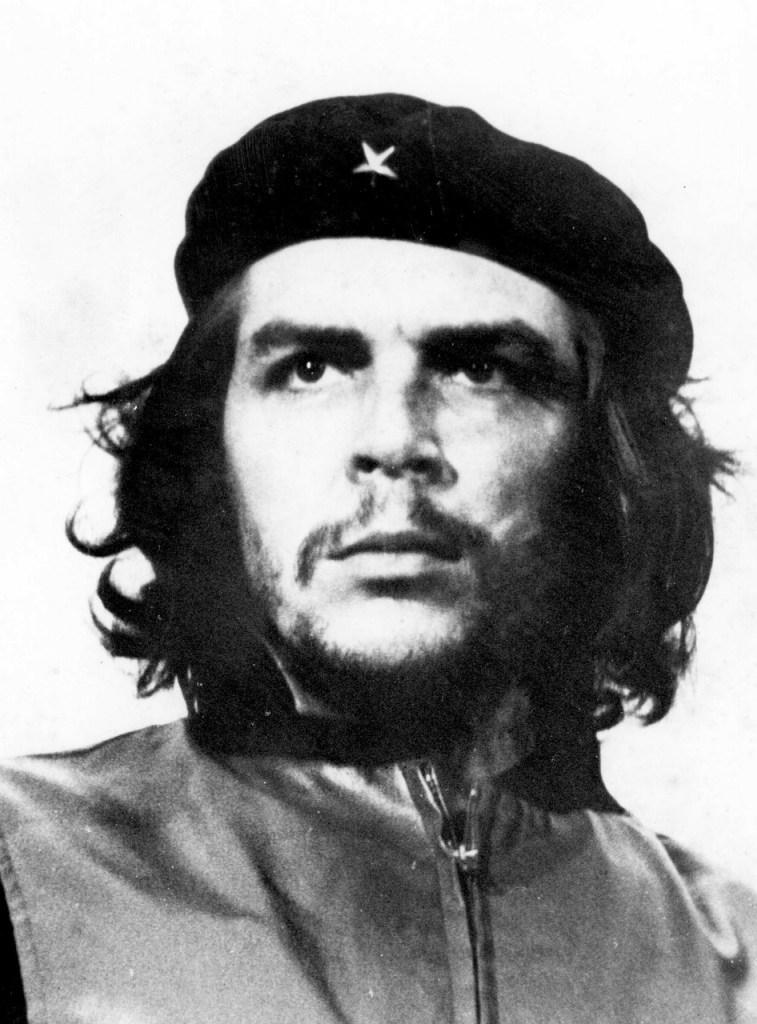
(In Memory of Ernesto "Che" Guevara)

Who can snuff out the sun? 
Who can suppress the light? 

In the realm of the dark night 
The night-birds proclaimed 
To have snuffed out the sun
They rejoiced and revelled in trance
With wine, songs and dance

Without the glorious light 
Without Phoebus Apollo
The primeval source of light, music and poetry
The Heaven and the Earth
The moon, stars and Pleiades
Will lose their way
Into the dark void of nothingness
Without the timeless Phoebus
Life's most handsome knight
Passion will lose its spark
The sea of music will go dry
And the songs of love fall silent
Without the ardent Adonis
Life's Aphrodite wouldn't survive for a moment
Nobody can ever dare to snuff out the sun
Or suppress the light
In the dark wilderness of the night 
The blind night-birds celebrated in vain 
The triumphant sun comes out every day
spreading its radiance trough out the world
Chanting ever so gracefully
"I'm Phoebus Apollo"
"I'm Ernesto Che Guevara"
"I'm Immortal"

Everywhere in the world
It unveils Ernesto's smiling face
With splendor and grace

Who can snuff out the sun? 
Who can suppress the light? 


For How Long?

For how long
Light will languish in captivity
In vales and dales death will roam free?
For how long
Life will remain in utter distress
Handsome youths keep falling to bullets
And mirror like hearts continue to shatter into shards
For how long?
For how long?
Light -- the very essence of freedom
Will not forever remain in prison
Life will not suffer distress
The serpent of tyranny will vanish evermore
The sapling of envy and hatred will wither away
This world of mankind will blossom
Into a garden of paradise
But who knows?
How many more years will it take?
How many more eons will it take?

Akbar Barakzai was born in Shikarpur, Sindh in 1939. He is ranked amongst the proponents of modern Balochi literature. His poetry reflects the objective realities of life. Love for motherland, peace and prosperity and dignity of a man are the recurrent themes of his poetry. His love for human dignity transcends all geographical and cultural frontiers. Barakzai is not a prolific poet. In a literary career which spans over half a century, Barakzai has brought out just two anthologies of poetry, Who can Kill the Sun and The Lamps of Heads, but his poetry has depth and reaches out to human hearts with its profundity. Last year, Barakzai rejected the Pakistan Academy of Letters (PAL) award, quoting  the oppressive policies meted out to his region by the government as the reason.

Fazal Baloch is a Balochi writer and translator. He has translated many Balochi poems and short stories into English. His translations have been featured in Pakistani Literature published by Pakistan Academy of Letters and in the form of books and anthologies. Fazal Baloch has the translation rights to Barakzai’s works and is in the process of bringing them out as a book.

.

PLEASE NOTE: ARTICLES CAN ONLY BE REPRODUCED IN OTHER SITES WITH DUE ACKNOWLEDGEMENT TO BORDERLESS JOURNAL
Categories
Nostalgia Slices from Life

Me and Mr Lowry’s Clown

Mike Smith’s nostalgia about artist Pat Cooke (1935-2000)

When I became a dealer in second-hand books in the mid nineteen eighties, I was briefly a member of the prestigious PBFA, which stands for the Provincial Booksellers Fairs Association, and not, as others have suggested for the alternative (which begins with Pretentious). That led to me standing a bookfair at Knutsford in Cheshire.

Into that fair one morning strolled Brian and Pat Cooke. They were interested in the Crimean War, and luckily, I had a few uncommon titles on that subject. I was a new boy on the block, but they were regular visitors to the fair. They made me welcome. They were, in fact, the sort of people who, even within a few minutes of first meeting, enrich your life. Brian was already working on what would be the first major study of the light railway built to supply the British Army outside Sebastopol during that war, which he went on to publish in two editions, the second benefitting from information flushed out by the first. You can still find copies of The Grand Crimean Central Railway online today.

The couple had joiede vivre that was infectious and heady. The world sprang into colour and movement and light when they were about, and especially Pat. But then, Pat was an artist.

The meeting led to a relationship that like many in the second-hand book trade was as much about friendship as it was about commerce. We sent Pat our regular catalogues, and she put in orders. It was always Pat that wrote, and the orders were neatly scribed in sharp black ink on small cards. They were illustrated with cartoons and sketches, with messages of goodwill to us and our daughter, often with the mention of a gift for the latter: ‘£5 to spend enclosed’.

The Cooke’s moved in elevated circles, compared to us! We were invited to a party at Tatton Hall. Bring some books to sell, I was told. It was a great party! And we sold more books, by value, in an hour than we would normally sell in a month. The toffs and celebs were at them before I could even unpack the boxes, like Whitby seagulls on a chip packet.

Pat Cooke was Mr Lowry’s Clown.

Mr Lowry, as I’m sure you know, was that painter of ‘matchstick men’ that status quo sang about in the nineteen sixties. He painted much more. I can remember walking into a room at the Abbot Hall Art Gallery in Kendal and being overwhelmed by one of his seascapes – the first I had ever seen. Massive and deceptively simple, the horizon line at my eye level it was as if I had been cast into that empty ocean. I didn’t even know it was a Lowry until I read the little card beside it, and when I did know it changed my whole perception of the man. I have a postcard of the painting and years later it still overwhelms and threatens me with extinction.

His friend from 1948 when she was 13 until Lowry’s death, Pat published in 1998 a small paperback of a mere 63 pages in which she recalled that friendship. The book is packed with photographs of Lowry, here and there, with Pat and her husband. It’s packed too with reminiscences of what they said and did together. Interesting by any measure, what strikes me, having recently watched the biopic, Mrs Lowry and Son, is the upbeat picture she paints of that often gloomily depicted artist.

L. S. Lowry(1887-1976) memorial, Greater Manchester. Courtesy: Creative Commons

Sketching or just looking, their jaunts together in the English countryside or at the coast, seem to have ended as often as not with a search for afternoon tea, or as Lowry is quoted: ‘poached eggs on toast, warm scones with strawberry jam… perhaps some sponge cake or brandy snaps…’

My favourite quote is one that could be applied equally to writers, I think, and it is Lowry’s advice to Pat, and other artists: ‘Find out what subjects you like to draw and paint, keep a limited palette, don’t be influenced to change your natural style and then work very hard for at least fifty years.’

The first third of the book gives us the history of Pat herself, and though Lowry is the more famous, I find this a bonus rather than a flaw. We might think she was lucky to have known him, but having met Pat and Brian, I know that he was lucky too.

I searched for the little book online while writing this. It comes up in large numbers, but all of them ‘sold’ or ‘out of stock’. We took a handful, which we passed on over the years to people we thought might like them. We kept the one with the note tucked in, ordering from our October ‘98 catalogue,the one mentioning that fiver. ‘Cheers from the zoo X X’, it’s signed. And on the front endpaper of the book itself, ‘To Freya and her team…Good luck and God bless always…Pat Cooke’.

I think I was blessed already.

Photo Courtesy: Mike Smith

.

Mike Smith lives on the edge of England where he writes occasional plays, poetry, and essays, usually on the short story form in which he writes as Brindley Hallam Dennis. His writing has been published and performed. He blogs at www.Bhdandme.wordpress.com 

.

PLEASE NOTE: ARTICLES CAN ONLY BE REPRODUCED IN OTHER SITES WITH DUE ACKNOWLEDGEMENT TO BORDERLESS JOURNAL
Categories
Poetry

Poetry by John Linwood Grant

John Lintwood Grant
MANSUR, HE IS FEVERED

The light betrays, the dark conceals,
And yet we cannot pause.
Our saddles chafe,
Our bones all ache, and Mansur,
He is fevered.

These are strange horses,
Wilful and thick-necked,
With stranger ways, no desert grace.
And Mithra will not pray, nor
Praying, guide us.

My cold hands cannot grasp my thoughts.
The trees bend low, snow-heavy,
Mute as to our destination.
Harsh pines, no cedar sweetness,
No soft shelter.

More bleak hills loom ahead,
Death on their skirts of scree and tangle,
And so we turn again –
Hungry, slow, and shorn of life – 
For other roads.

That we should come so far
And find so little;
That we should persevere...
It’s been so very long, and Mansur,
He is fevered.

What wastes, unwarned, are these?
A green and pleasant land, they said,
Rich cities, rolling fields, 
Soft valleys and fair towns.
They surely lied.

This England is a bitter place,
Awash with narrow eyes;
Its rain is ice, and all around
Dead centuries
Parade their wares.

But yet if Prophet, Saint, or Djinn
Is to be born, in this grey land,
Then where the choice?
Have centuries not bound
Us to our task?

Do we not ride to each and every star,
Do we not carry wonders in our packs
And sigh each sorry time
That caul and cord are cut, only to weep
And travel on?

Thus North we ride, and West,
We three fools from the East;
Three names which change, 
And changing stay the same
In cheerless hope.

I, Sadasiva, bear my lot,
And urge my pale beast on;
Mithra comes, but will not pray,
And Mansur,
He is fevered.

John Linwood Grant is a writer/editor from Yorkshire, UK, with some seventy short stories and novelettes published during the last five years in venues such as Lackington’s Magazine, Vastarien and Weirdbook, and in several award-winning anthologies. He writes dark contemporary fiction and period supernatural tales. He is the editor of Occult Detective Magazine and various anthologies. His new collection of weird fiction, Where All is Night, and Starless, is out now from Trepidatio.

.

PLEASE NOTE: ARTICLES CAN ONLY BE REPRODUCED IN OTHER SITES WITH DUE ACKNOWLEDGEMENT TO BORDERLESS JOURNAL.

Categories
Stories

Do Not Go!

By Moazzam Sheikh

Pleased, beaming, yum yumming, she finished cooking pasta sauce the way he liked ‒ a bit more garlic and a dash of chilli powder ‒ and turned down the flame real low, the sauce simmering indolently. She was about to reach for a packet of flat spinach noodle to add to the boiling water when she fully realized that he wasn’t home yet. Mid-November and already dark beyond the windows, he could catch a cold, a flu, perhaps pneumonia. Touch wood, she whispered. One could trip, break wrist, hip, summoning visits to the hospital, restricted movement, crutches. A train of thought too frightening, she shook her head and cleared her throat. She set down the pasta on the countertop, unopened, reading the label mindlessly.

He went for his walk in the daylight though sometimes he did step out in the late afternoon. However, as far as she could remember he always returned before sundown. His routine she could depend on for the last two years. He must have misjudged, she shuddered, suddenly feeling hot in the kitchen. Although she breathed deep to calm her nerves, she couldn’t concentrate. The moment she tossed noodles into the water followed by a pinch of salt and half a spoon of olive oil, she regretted it. Pasta didn’t like to be left in water half-cooked. Agitation nudging her fear, she felt she’d have to turn off the stove and go out looking for him if he didn’t return in the next five minutes.

Five minutes passed and she frittered away a few more, paralyzed by indecision, when she cocked her ear to the noise of feet shuffling out in the corridor, nearing the apartment door. It turned out to be a sound conjured by hope. She snapped out, turned off the stove, and grabbing her keys and a light sweater, which Ronny had bought for her on her birthday, exited the building. Encountering the actual darkness which the onset of winter had ushered, despite the street pole lights, her heart sank further.

He could be anywhere, she inferred, and not knowing where that anywhere was, she could be walking in the opposite direction, away from him, lengthening his torment. She took a deep breath, again, and walked to the corner where her avenue intersected the busy street. From there she tried to scan the foot traffic in four directions. Her eyes traveling as deep as a block and beyond, and despite the thinness of the crowd due to the nippy winter air, she failed to spot a lost figure resembling him. She walked eastward unaware of the silent prayers her subconscious mind had been offering with little regard for her resolve throughout her adult life to not rely, as she put it many times, on the crutches of religion. She recognised it and let the prayers continue consoling her heart recalling the distinction she sometimes made between religion and spirituality. The fact that she also didn’t consider herself very spiritual, though nothing wrong with being one, amounted to very little right now. She was most concerned, at the moment, with his safety; her personal problems could wait.

A big sigh of relief! She spotted him outside Fresh Donuts, looking lost as she called out to him from across the street.

“I don’t know what happened. I just couldn’t figure out which way to go,” he explained, embarrassed.

She’d too felt like that many times, she came this close to voicing her thought, mesmerized by the doldrums, juggling personal life, work, moral obligations. As they walked home, she holding him by the arm lest he trip, he said he knew she’d be worried. The more he worried the more he lost his sense of reference. When he thought of asking a stranger for help, he shied away because he couldn’t remember the address or the cross street. He had enough sense to accept that he stood lost on Clement Street. That didn’t help much though, he laughed. She told him she was grateful and impressed he didn’t panic. Help would’ve come sooner or later. Nervous giggles escaped from their mouths as they neared the apartment. A combination of relief and premonition. At home, he went straight to the bathroom to relieve himself and heard her say that the pasta was going to be a little below his standard, not what counts for normal, a little soggy, fluffy perhaps, but the yummy sauce, she promised, would make up for it. She didn’t have to tell him about the tiny bit of rum she’d added to the sauce.

“Don’t worry, honey. Your father is hungry and will eat anything.”

She wanted to say thank god, you’re an easy eater. Not like Ammi, but she bit her tongue. When they sat down to eat, she hesitated but eventually wondered aloud if he remembered her phone number, which to her relief he rattled off without a hitch. Ah, the memory had returned. He said he’d eventually stop a passerby. She felt relieved and the food began to amble down to her stomach with more ease. The sips from her beer soothed her throat. She wished he’d share her beer, relax his strict adherence to the doctor’s advice. Perhaps another time. That night when she went to bed, her mind drifted to her brother struggling to survive in New York, in and out of rehab several times for the last couple of years. He’d already done his bit, taking care of their parents till mother died, mercifully quickly, without a whisper in her sleep. A silent heart attack, they said. Soon after her brother’s life unraveled. He couldn’t take care of father, who then faced a choice of moving back to Lahore or San Francisco.

She avoided sharing with Ronny the episode of father getting lost, but when she saw him a few days later she realized he had the right to know what’s been on her mind. Despite all the good qualities Ronny possessed as a human being, and lover, there was a cold side to him. A person is like a coin, Ronny relished using that metaphor, with two sides, at least. Where she saw his insensitivity, or impatience, towards certain things, he saw drawn boundaries, standing up for what was right, his rights, personal values, spaces, desires, likes and dislikes, cultural or personal baggage and so on. After having dated for more than a year, they were going through the process of exploring the possibility of getting hitched to each other. They both agreed they wouldn’t mind having a child or two. Her eggs were drying up. With a sense of urgency, one day Ronny did ask if she’d consider marrying him first in order to get pregnant. Though he was far from being Mr. Perfect, she’d already weighed the pros and cons of living with her boyfriend Ronald Ngyuen. Their plans got disrupted when Mr. Bhutta — that’s how Ronny preferred to address her father instead of by first name ‒ was brought by her to live in San Francisco. Despite old age, her father would’ve liked to live near his son. Even if that meant moving into a facility for elderly living. He also suggested moving back to Lahore. Neither choice was practical when emotional and economic reasons were taken into consideration.

Kausar initially cheered up to the idea of having father around. His liberal, open-minded side had pleasantly surprised her when he indicated that he considered his children adult now and the fact that they weren’t living in Pakistan anymore, his son and daughter had all the right to lead their lives without any pressure from the parents. Her mother turned out to be a bit more conservative than the children had realised, but she too sided with her husband’s wisdom. The couple tried their best to warm up to whoever their children were dating in college, and when a new partner showed up, they accepted him or her. There was a brief period, before the mother passed away, when the parents wondered if the mess their son had found himself in was, in fact, something do with their hands-off attitude once he went to college. But in their defense, they argued, Why, then, had Kausar turned out fine?

He went missing again. That time she couldn’t find him anywhere in the neighborhood. Blocking off a deep sense of foreboding, she called Ronny, busy assisting with the mounting of his photographs for an exhibition.

“I’d call police,” he suggested coldly. “They’ll spot him soon wandering around, lost.”

“I wondered if you were on your way, we could drive around in your car and look for him,” she said calmly, stifling her panic.

She knew he couldn’t come just like that. His suggestion made sense. Yet her fingers froze recalling the incident, was it somewhere in New Jersey? A cop seriously injured an elderly Indian man on a neighborhood stroll. He’d been visiting his son to help babysit his year-old grandson. A woman called the police about a suspicious looking man wandering around her neighborhood. The man from India, short and effeminate looking, in his mid-fifties, wearing glasses with thick lenses, did not speak English, only Hindi and Gujrati, was admiring neat looking cookie cutter suburban houses, their large fronts, mowed lawns, trimmed hedges. The already irritated cop lost his patience and slammed the visitor to the floor, paralyzing him forever. The jury, comprising of majority of white men, acquitted the cop because the man who’d come to help his son and daughter-in-law had ‒ the defense attorney pointed out ‒ committed a misdemeanor by leaving the house without identification papers. It made sense to people defending the cop. Don’t frustrate a cop; it doesn’t matter whether you pose a threat or not. The burden of failure to communicate is on you. She shook her head. She only hoped the San Francisco cops had more humanity and better training. Tonight!

In the end she dialed 911. Yes, an older man matching his name and description had been reported lost and an ambulance had taken him to General Hospital. Ronny had to stop everything and drive her to the hospital’s emergency ward. Thank god, he’s okay. He smiled sheepishly, his guilty smile although it wasn’t his fault. The old man had blanked out and made the mistake of approaching a passerby, who, unable to help and make father remember Kausar’s address, or phone number, had taken upon himself to call the ambulance. As per their procedure, by law, they had to run all kinds of tests now, check his vitals, to make sure he was fit to leave. It’s going to take a couple of hours. A senior nurse told her she’d have to be patient. Ronny had to return to help with the exhibition but would come back soon to take them home.

“What happened, Abba?” she asked, patting his hand, consoling a worried, defeated father.

She dreaded the moment she would have to contemplate the possibility of dementia snatching him from her. The fact that he actually stood right below her flat but couldn’t recognise it left Kauser stunned. What is he going to forget next? she wondered. As melancholy crept in, she tried to fight it off with positive thoughts. She was going to do everything in her power to make sure he didn’t succumb to the cruel malady without a fight. She admitted she could never have imagined it’d come knocking on her door so soon. She made up her mind to read up on the latest research, borrow or buy books on physical and mental exercises, and foods that help keep memory strong. She wouldn’t let him forget his wife and children’s names.

He didn’t forget their names or the names of his friends, past neighbors, even colleagues. As days went by, she felt relieved seeing him settle down a bit while accepting that he couldn’t venture out alone anymore. He’d never been the stubborn type. He could be feisty but not of late. She relied on Ron and one of her neighbors Doug to give company to her father when she had to go out. Thankfully, she could do most of her work from home. Both Ron and Doug enjoyed conversations with him on topics of mutual interest, especially foreign policy and history. Father’s humility impressed Doug, who besides having a crush on Kauser which he’d hinted at a few times, studied History with a minor in International Relations at Kent, Ohio State. On and off, he’d been reshaping the old man’s worldview crystalized by what he called Eurocentric education, although her father considered himself a political person, having taken part in ending General Ayub’s reign. Even when Bhutto was hanged, he openly criticized the military takeover under General Zia, right around when she left Pakistan. It’s a miracle that he didn’t lose his job at the Mayo Hospital.

“It’s the rigor, intensive studying at medical schools which kill critical analysis among most doctors. It decimates nuanced thinking. Otherwise, they’re very intelligent people,” Doug once said to her after he’d finished a long conversation with father on the topic of African countries and their independence from European powers. Ron and Doug, on the other hand, tolerated each other courteously. Doug saw Ron as a typical Vietnamese American unable to criticize America openly lest someone accused him of ungratefulness. Or worst still, telling him to go back to Vietnam! He found Ron’s critique of modern society, by which Ron meant modern western society, inadequate through his photography. Ron was content with what he’d been doing for the last several years, visiting Vietnamese seniors all over the country, photographing them in black and white, their faces, creased and ageless, eyes nostalgic and confused, capturing the front of their homes and apartments, the interior where east and west adjusted around each other. True, he avoided asking overt political questions, he still considered his work political. Kauser agreed with both.

Without appearing to be overt, Kauser played mind games with Father to see if he forgot important names. She asked him about their childhood, his childhood, when he first saw Ammi-jan, whether he remembered his grandparents, his neighborhood in Ludhiana before Partition. To her surprise his memory was crystal clear. She began to breathe a sigh of relief. What a scare he gave her! She’d hate to part with him, send him to a nursing home or back to live with one of her cousins. Better to be at the mercy of your own children, she insisted, however spoiled they might be, than the nurses or distant relatives.

“But what about your life, Kay?” asked Ronnie rhetorically one afternoon as they sat at a sidewalk table of a bar for happy hours near her apartment. She had set Mr. Bhutta up with munchies and a clean print of a classic of early Hindi cinema which she’d found on Youtube. One certain way to tie him down for two hours, she smiled sadly.

“What about it?” she asked, puzzled.

“I thought we were supposed to try living together . . .”

She picked up where he trailed off, “Get married,” she paused, sighed, “and make a go at having a child.”

Was she smirking or smiling? She couldn’t tell because her face had quickly reverted to appearing placid. Then as she took a sip of her drink, her forehead furrowed a bit.

“Kay, I know you have a lot on your mind and it’s affecting your work,” he waited for her to interrupt him, but she just looked away, far to the end of the block milling with neighbors out shopping. “But I am not sure what your plan is.”

“Plans about what, babe?” she asked without irritation.

“Oh, forget it!” he said, pretending to relax. “This is not the time.”

She fixed him with a stare. He dared her. Her face softened, a crease appearing around the side of her mouth. A beautiful woman, he thought. Still, he didn’t smile back.

“Are you quitting on me, sweetie?”

“No!” he replied. “I’m afraid I might lose you.”

She was tempted to ask how? Instead, she opted for silence. She knew the answer. Both Ronny and she had small apartments, and with rents the way they were, they couldn’t afford to quit their rent-control apartments and risk eviction. She hated to see her father as a burden or a barrier to her happiness. When he looked at her again, she nodded gently, conveying that she understood his apprehension. She placed her hand on his, then squeezed it.

“Me too. We have to trust,” she said.

As they walked back to Kausar’s apartment, they held each other close, her head nudging into his chest despite they almost tripped a few times when their legs bumped into each other. Yet they persisted, mimicking an image from a movie most likely, ignoring the awkwardness his short height had produced, bravely laughing it off. They kissed, outside the building, under the faint glow of streetlights, her ajar eyes catching an anti-Trump sign in a neighboring window.

“I’ll come over soon as he falls asleep,” she said. 

She heard him puttering around in the kitchen when she entered. Had the movie ended? She called out, asking if he needed help with something, as she took off her shoes. He emerged, smiling nervously, like a child caught rummaging through kitchen closets looking for cookies and candies.

“How was the film?” she asked.

“I’d seen it before but had forgotten it. One of Dilip’s best I think,” he said. “His acting so subtle, so controlled.”

“So you enjoyed it. That’s good.”

The screen had been turned off. The plates were still there which she collected now. Only when she went to the kitchen did she notice one of his shirts slung across his shoulders. Was he thinking of changing into a clean shirt? A dress shirt? She observed him quietly. He stood in the living room for a long moment, then turned to the wall and took a step. She couldn’t see him, so she left the kitchen and hid herself from him, beside the door. He was looking at the calendar. She’d forgotten to change the month. Did he know it was the wrong month?

“Why do you have that shirt on your shoulder?” she asked casually.

He noticed the shirt, surprised, held it, examined it, still puzzled, then looked at Kauser for an answer, smiling vulnerably. “Did you put it here?”

“Me? Abba, why would I? You must have done it.”

“Why would I do it? You’re crazy,” he mocked her and put the shirt down on a chair.

She called Ronny a little later and made up an excuse about feeling a little ill. Could be a cold, no, not a flu, she hoped, but rest was probably the best option. He said, okay, he too was feeling tired and ready to hit the sack.

A few days later when she returned from Ronny’s place a little after one in the morning, he was gently snoring away. Relieved, she decided to take a quick shower. His snores had stopped. She changed into her pajamas and crawled under her duvet covers. She’d hoped to fall asleep right away, after a nice time with Ronny, but found herself tossing and turning, questioning if it was the absence of his snores that disquieted her. She zoned out briefly before becoming fully awake. She got out and tiptoed to his room only to be shocked to notice the blanket pushed aside. Not in bed. When did he get up? Is he in the kitchen or living room? Both rooms were unlit, though her eyes by now had adjusted to the dark.

“Abba?” but no response came.

Did he collapse? She rushed through the apartment switching on the lights. He was nowhere. And then she noted the unlocked front door. She almost fainted. It was ten after three in the morning. Oh god! she cried. She chided herself instantly as she recognized her first impulse was to call Ronny.

Standing at the corner, she looked as far as her eyes could see, north, south, east, west, deserted streets with shuttered down shops, a sprinkle of cars parked on either side of the streets. She felt paralyzed. Too scared to cover the neighborhood territory on her own at this time of night. An uncanny fear, a sense of embarrassment, made her resist calling police. What if they arrest her for elderly negligence! What could she have done to stop him from sneaking out like this? Tears began to roll out of her eyes. Who could she wake for help? She dialed her brother’s number with unsteady fingers. It rang and rang with no possibility of leaving a message. Unawares, she shouted into the phone, “Come on, for god’s sake, pick up the phone! Abba’s missing! Again!” She cursed a few times before hanging up.

Taking a deep breath, she dialed 911. A professional, sympathetic voice came on. She was about to offer Father’s description after a standard drill of questions when she heard the front door in her building’s portico opening. She was startled to see Doug and her voice faltered.

“Kay, your father is with me,” he said.

“What? . . . Wait. Officer, I think my neighbor has found him . . . Thank you,” and as she hung up, she asked Doug, “How the hell did he . . .” and she burst out crying.

Doug walked up and held her, escorting her back into the building.

“I’m so afraid of him getting hurt,” she explained through sobs.

“He’s back at your place,” he said. “Lights were on in every room, and I knew you’d gone looking for him. You can always wake me up.”

She thanked him before finding her own balance with her feet searching for the stairs. He followed her down the corridor.

She stopped. “What did he say?”

“I heard the knock. Honestly, I was worried,” he giggled. “I opened the door and there he was, standing, looking confused. He almost didn’t recognise me when I said, ‘What’s wrong Anjum?’ Instead, he said he was hungry.”

“Just three doors down he lost his bearing?” she marveled aloud.

She knew from his expression that the fear in her eyes was clearly discernible. She tried to soften the tension on her face. They now stood outside her apartment, momentarily, lost for words.

“You should get some sleep, Doug,” she said.

“I won’t be able to. I’ll be up if you need me,” he replied before turning.

“I won’t be either,” she paused. “You’re welcome to come in if you like.”

“You sure?”

She nodded before pushing the door. She could hear his snores. Instead of calming her down, the sound made her furious.

Kauser didn’t bring up her father’s encroaching dementia, only found it ironic, when Ronny began talking about his exhibition of photographs of the Vietnamese American diaspora. He found the population of elders divided into half and half, those who had somehow managed to live with or nearby their children and those who either lived alone or in nursing homes.

“I plan on visiting Vietnam after the reception. You wanna come with me?”

Insensitive! was her first reaction, but she rebuked herself for focusing on the negative.

“Is it to see your father?” she asked. “I hope he’s not ill.”

“No, he’s very fit. I just want to visit, not particularly him, but he’ll be there of course. I want to surprise him.”

“You know I can’t. I have to sort out . . .”  she said.

Two weeks passed without an incident, except that once or twice he mixed up Kauser with his wife and his sister. It could be dementia, or it could be just old age. She, too, once called Ronny by her ex’s name John, the bread maker, always called him Johnny, never John.

Ronny flew to Vietnam for a month but left the idea of extending his stay open. Kauser understood now more than ever. He’d mentioned it before, though always wavering, afraid of encountering a father who, after defecting to the North, had abandoned him and his mother, who had no choice but to rely, as she put it, on the help provided by her brother employed by the Americans.

When Ronny, a year old, got sick, and was taken to the hospital, his mother and Ronny were eventually taken care of by an American soldier, a nurse until the Fall of Saigon. Thereafter, they continued with the American. The two younger sisters born in Cotati, California, lived together as a family. That was why it was always difficult to watch Vietnam War movies which portrayed all South Vietnamese women as whores for the pleasure of American soldiers, Ronny had explained it to Kauser and others. Dylan, Ronny’s stepdad died young from heart trouble, overweight, diabetes, and failed kidneys. It was more from grief that his mother, Ronny alleged, cursed Dylan for things which didn’t make sense to him or his sisters, having moved away to different colleges. One of the sisters, the elder, said that Dylan’s death was caused by his memories of American War in Vietnam. Kauser had met the mother and sisters several times and liked them very much, enjoyed getting together with them in Cotati, despite her dislike for similar places, over Thanksgiving and Christmas.

“Dylan was more a Buddhist, than Presbytarian,” intoned Ronny’s mother.

The sisters grew up more or less atheists, even before they moved to Cal, two years apart.

Kauser’s brother had promised to visit soon, said he’d been going clean and things were starting to work out on his end. There was something about the whole conversation which failed to convince her of a probable happy ending. After speaking with him she’d weep a bit. What is he thinking? she wondered. Is he going to take father off her hands? Abba was also becoming less and less conversant, even forgetting the fact that he’d just been fed, getting annoyed or angry that Kauser was depriving him of food.

“That’s elder abuse, Kauser!” he admonished her weakly.

She couldn’t stop laughing and hugged him tight, fearing she was losing her grip on him. She saw him one mid-morning sitting by the window, staring at the foot traffic, and heard a voice in her head whisper, “He’s gone!” She couldn’t help but shout, “Don’t leave me, father!”

He turned and, as if feeling caught, defended himself, “I am not going anywhere. What made you think so?” he pleaded rather than demanded.

Then she heard her own voice in the realm of silence, “No, you are. Abba, you’re already gone,” walking away.

Suddenly, her friend Miriam was back from traveling and offered to help out with being around her father when Kauser needed to step out for work. Doug was there too. Thanks to her supervisor, she could accomplish most of her work from home. Her brother had to postpone his visit for personal reasons, as he said with an added stress, not because of medical reasons.

“I understand. But I need you to sort this out before something happens,” she told him over the phone and regretted it.

In reply, she heard a sigh. She knew once off the phone, he’d weep too. Perhaps she could think about moving there, but the rent situation was untenable.

“I can’t find him, Kay,” he laughed a sarcastic laugh. “They say he just disappeared one day about six months ago.” She was speaking to Ronnie.

She failed to detect any pain in his voice.

“Oh my god!” she cried sympathetically. “What are you going to do? How are you feeling?”

“I don’t know. I have looked around at all the possible suspect places. I can’t do much.”

“Are you taking care of yourself?”

“Yes, I am. How about you?”
 “I’m okay. Are you coming back then?” she asked.

There was a silence that seemed to linger a tad too long.

“Hello?”

“I’m still here,” he paused again. “I think I’m going to stick around a little longer.”

“I see.”

“There’s this guy, a very good photographer; he wants to do a joint project. About the war,” he explained.

She felt terrible, deflated after hanging up. It turned out to be a wise decision to go out on a stroll with her father. They grabbed fresh spring rolls and sesame balls and ate them in the park watching kids run around the play structure, kicking sand, shrieking, tripping, crying.

“You were like him,” he pointed to a little boy who seemed to burst with energy. “Maqsood was the opposite.”

“You mean Qasim!” she corrected him.

“Yes, Qasim,” he seemed startled. “Who’s Maqsood?” he added before he broke down, weeping.

She didn’t comfort him, simply watched him; just let him be, she reasoned. Perhaps that’s all that was needed to cure his dementia! He stopped soon, raised his head ‒ a complete absence of tears. As if he forgot he’d just wept a minute ago. The food preoccupied him now. She struck up light conversation now and then, but she really wasn’t in the mood. Her thoughts wandered. She needed to be in control of her thoughts or else she wouldn’t survive. The way things were, she told herself, she wouldn’t. She saw herself succumbing to mild depression. Or it is anxiety? she asked. She must preoccupy herself with chores to stop bleak thoughts from entering her head. She saw herself walking out of the park to 19th Avenue which turns into a freeway to Golden Gate Bridge, her thumb sticking up offering herself to be hitchhiked to never come back. His, “Look at that brat,” chuckling, brought her back from her reverie.

Next time they spoke she couldn’t share Ronny’s excitement over his trips into the countryside collecting material for his project.

“There are so many stories here to be told,” he said excitedly.

He went on and on. A method of deflection.

“I am reaching a breaking point,” she said.

“Babe, tell Qasim to come and help out,” Ronny advised.

“He’s coming,” she lied. “I’m just tired.”

The real reason Ronny went to Vietnam was to distance himself from her personal problem, she was convinced. Her father’s health had started to affect her work now, not to mention her personal life. Abba’s doctor had brought up the subject of looking into the possibility of admitting him to a senior facility such as Laguna Honda. It sent shivers down her spine. There would be no way to know if the staff abused him. She imagined forgetting to visit, spacing out, forgetting him. Or worst, he not recognising her. Although she let it sink in, those hard choices had to be made, she wished she could just take him to Pakistan, where relatives and neighbours still stepped in. There was no one she could now rely on, she mourned. Abba had not stayed in touch with anyone because he got tired of helping out for his children worked in the US. He also encouraged the children to not stay in touch with their cousins. And now she was on her own. Just last week she overslept and missed an important meeting. Last night, she had to decline an invitation to Sheila’s baby shower, and she already knew, unless she could get Doug or Miriam to be with Abba, she wouldn’t be able to go to Ajit’s party. An old news item resurfaced in her mind, about a middle-aged Indian immigrant in Foster City hitting his eighty-year-old, wheel-chaired father on the head with a hammer, not with the intension of killing him but so, he mistakenly believed, he could be admitted to a nursing home; he couldn’t look after the old man alone. Sick! She shook off the thought. How people could stoop so low in difficult circumstances, she cried silently.

Qasim was back in rehab. His estranged wife, Laurie, called to tell Kauser that she and her kids have washed their hands off. Narcissism, she said, was at the root of all his problems and now no one could help him, let alone expecting help from him. When Laurie enquired about Anjum, Kauser told her how he’d tried to sneak out again. “Thank god, he couldn’t unlatch the door from inside, and the noise alerted me. I can’t even go to the bathroom!” Kauser pretended to laugh. Laurie understood as only another woman could, relating to her own situation while taking care of two very demanding children without her husband. Laurie said she wished she lived nearby. That sentiment touched Kauser deeply. She didn’t want to worry her sister-in-law too much by telling her that his appetite had also dipped. Should she end father’s misery by suffocating him with a pillow? She thought of shocking Laurie but ended up feeling awful.

That night Kauser snapped at her father for the first time in her recent memory when he began about his father serving in the Indian British army on the African front. She told him curtly to stop beating the dead horse. He was taken aback and gave her a look of deep hurt. She felt remorse but allowed that feeling to be overtaken by a surging wave of melancholy. It also didn’t help that Doug and Miriam had hit it off while having dinner at Kauser’s apartment with Miriam going gaga over a dish brought by Doug. Doug knew Ronny wasn’t coming back anytime soon, then, why, Kauser wondered, hadn’t he made a move? She believed she’d given enough hints. Unconsciously, she blamed her father for this snub. Doug, too, had quietly moved on.

She opened a bottle of wine, thinking, bizarrely, of previous lovers and sat down by the window after tuning the radio to a jazz station. A trumpet seemed to be searching, frantically, for the bluest note possible. But only succeeding in finding a red, blazing hot one. She was on her second glass. The music changed. Then on her third glass, she contemplated the sun lowering itself behind trees and rooftops and actually dropping dead, unleashing a snowstorm. She felt an obscure rage darting in and out of her body.

She wondered, worried, though absent-mindedly, if she was on her fifth or sixth glass when she saw the world around her beginning to spin. She knew better not to get up. Just sit there and follow the movements of the shadows she could vaguely discern, pale ghosts tiptoeing across the hardwood floor of the rooms, faces contorted while smiling and angry making a go at grabbing her attention to say something frivolous or important, cackling and some shouting, a few mocking her, one even sticking its tongue out at her. Sitting at the bottom of a sea of stupor a shadow emerged from one room and dissolved beyond the door frame. A click of the doorknob eventually beyond the water ripples pricked up her ears, only mildly, but her body sank back into the chair of its own volition, drained of the will to assert itself. She thought she heard, as she took another sip, her own voice utter the words Do not go . . . into the night! But the memory of her own sound dissolved slowly.

.

Moazzam Sheikh is the author of The Idol Lover and Other Stories and Cafe Le Whore and Other Stories. He has translated across Urdu, Punjabi and English, notably the fiction of Naiyer Masud, Intizar Husain, Ikramullah and Nadir Ali. He is also noted for being the editor of A Letter From India: Contemporary Pakistani Short Stories (Penguin, India) and Chicago Quarterly Review’s special number on South Asian American Issue (2017). He is a librarian in San Francisco and lives with his wife and two sons.

.

PLEASE NOTE: ARTICLES CAN ONLY BE REPRODUCED IN OTHER SITES WITH DUE ACKNOWLEDGEMENT TO BORDERLESS JOURNAL
Categories
Poetry

Imagine

By Joan McNerney

Imagine

Imagine to be a bird
slicing air with wings.

Up, up over that horizon
soaring through clouds
away from solemn earth.

Shining, shimmering  
far above this sphere
into clear blue light. 

Cutting through sky
gliding over oceans
eyes open, all seeing.

Awake all day, all night
brushing rushing 
against the four winds.

Imagine to be a bird.

Joan McNerney’s poetry is found in many literary magazines such as Seven Circle Press, Dinner with the Muse, Poet Warriors, Blueline, and Halcyon DaysFour Bright Hills Press Anthologies, several Poppy Road Journals, and numerous Poets’ Espresso Reviews have accepted her work.  She has four Best of the Net nominations. Her latest titles are The Muse in Miniature and Love Poems for Michael both available on Amazon.com and Cyberwit.net

.

PLEASE NOTE: ARTICLES CAN ONLY BE REPRODUCED IN OTHER SITES WITH DUE ACKNOWLEDGEMENT TO BORDERLESS JOURNAL

Categories
Slices from Life

An August Account of ‘Quit India’


Ratnottama Sengupta translates from Bengali the excerpts recorded by Sandhya Sinha (1928-2016), who witnessed an uprising in the wake of the Quit India Movement, part of India’s struggle against colonial rule

The golden anniversary of the Quit India Movement of 1942 had occasioned another wave of animation. There was an urge to do something spectacular. Newspapers vied with one another to write about it. Leaders exercised their jaws over speeches to ‘inspire’ the masses, eighty percent of whom had not witnessed the sacrifice and unity of the people then and could not feel the passion.

The significance of August 9th 1942, lies in the spontaneous outburst of fury and wrath in the minds of every indignant citizen. It was a peerless uprising that spread like forest fire, engulfing cities and towns, hamlets and provinces, suburbs and mohallas, causing a crack in the very foundation of the British Raj. To control the unarmed citizens the colonial rulers had unleashed armed soldiers in large numbers. Viceroy Linlithgow even issued orders to fire from the air!

There’s a big difference between those days and now. The patriotic values that suffused even the poorest of the poor in the land under foreign rule have not been passed on to independent India. People then equipped themselves physically and emotionally, to rid the land of imperialism. Those mortals had the dedication, will power and courage to sacrifice their lives at the altar of motherland. From a tender age the parents and schools inculcated in them a sense of belonging to the country. And they had inviolable faith in their leaders.

Five decades have lapsed but I can vividly recall the dance of destruction in Patna of August 9 and 11, 1942. I must have been fourteen then, a student of class IX in the Government Girls High School Bankipur. We stayed in No 8 Mangles Road, an endearing spacious government bungalow to the left of the Secretariat. Outside it, a well-pitched road and across it was the vast quadrangle of the Secretariat. The thoroughfare was lined on both sides with rows of banyan and mango, jackfruit and jamun trees. Morning, evening, companies of parrots would flock in.

To the right was Hardinge Road, again with rows of government bungalows with expansive premises. From the intersection of Hardinge and Mangles Road, a smooth road ran up right through the iron gates of the Secretariat. The ambience was stately, solemn, as favoured by the British administration. On August 11, this very road witnessed the daring adventure of unarmed multitudes, awash with the life blood of eighteen young men.

There was no television then, there was only the radio. But there was a wide gulf between what was broadcast and what actually transpired. The pride and hope of every Bengali, Subhash Chandra Bose, had hoodwinked the British government and escaped the country. He was determined in his resolve to overthrow the imperialists with the help of the Japanese. Occasionally we – all of us in the family of gazetted officer Phanindra Nath Mitra – would gather behind closed doors and listen with bated breath to Aami Subhash Bolchhi (I am Subhash speaking), his nightly broadcast from Berlin on Free India Radio which Bose had set up in 1941 with German funds. I was anguished and deeply hurt by the thought that the INA chief’s dream could have come true if all our political elders had joined forces with him.

Sir Stafford Cripps of the Left-wing Labour party (traditionally sympathetic to Indian self-rule), a member of the coalition War Cabinet under Churchill, had come to negotiate an agreement with the nationalist Congress leaders. His Mission was to secure full Indian support for the British efforts in World War II – in exchange of a promise of elections and self-government as a Dominion once the war was over. The mission was unacceptable to both, the Indian leaders and Churchill. No midway was found, the mission failed and on August 9 the country resounded with the war cry of ‘Angrez Bharat Chhodo! British Quit India!’

Gandhiji gave out the historical call of ‘Quit India’ but the responsibility for the success of the movement rested on every single Indian who now vowed, “Karenge ya Marenge! We shall do or die!” The leaders were well aware that the desperate call would lead to incarceration, but the oath armed every Indian with the resolve to carry on the andolan (revolution) if push came to shove. The fear was not unfounded: overnight all the Congress leaders were stuffed into far flung prison cells. This simply set fire to a pile of gunpowder.

On August 9, as usual I took bus no 14 but on the way to school, I noticed people agitatedly assembling in groups or heading for some place with the tri-colour in their hands. The famous Golghar was opposite our school and the Patna Maidan was close by. People were breaking into brief runs to reach the Maidan. There were countless heads right outside the school. With great difficulty the buses manoeuvred their way into the school compound and the enormous iron gates were locked.

Principal Charushila Rosa and a few other teachers stood at the door. The minute we got off the bus they directed us to go to the prayer shed at the back of the school. On the other hand, the seniors, standing with flags on the first-floor veranda, asked everyone to join them. Taradi – Tarkeshwari Sinha, who was elected to the first Lok Sabha at the young age of 26 — normally donned khaddar. That day she was attired in a red border white Khadi sari. Her eyes red and swollen from shedding tears, she was pleading with everyone, “Come on dear, Do or die! We shall force them to quit!”

All of Golghar resounded with the cry of ‘Vande Mataram! Hail Motherland!’ The senior girls echoed the slogan from the first-floor veranda. The minute that reached my ears, a strange motivation drove out every shred of fright or inhibition. We ignored Mrs Rosa and stomped up the stairs. The senior expostulated, “By arresting our leaders the British government has betrayed us. We must avenge this. We do not want the Englishmen to rule over us. Today none of us will attend classes. In the Prayer Hall we shall raise the slogan of Vande Mataram andwe will hoist our tricolor on the flag pole. We must all remain united.”

When the bell sounded, we stood on the first floor upholding the flag, sending out the message that we too were protestors. When the second bell rang, we joined the prayer line where, at the end of every row, one senior girl stood with a rolled flag in her hand. Taradi was a hostel inmate — wonder how they got hold of so many flags! Mrs Rosa, a strict disciplinarian with a temper, looked at us disparagingly, the other teachers also watched anxiously. Moments later, Taradi’s voice rang out, “Angrez Bharat Chhodo! British Quit India! Vande Mataram! We bow to thee, Motherland!”

In a blink the chorus of Vande Mataram filled the air. Mrs Rosa turned red as we walked out in front of her eyes and assembled in the front yard, all the while bellowing ‘Vande Marataram!’ I can’t put into words the emotion that coursed through my being.

Watching our unsuccessful attempt to hoist the tri-colour on the flag post some men tried to jump over the school’s boundary wall. That triggered a bout of screaming and scampering. All of a sudden, the iron gates were opened for armed policemen who mercilessly started thrashing the young men, now flung to the ground. Four trucks of armed police had entered the school compound. Word went out that they were there to arrest some of us led by Taradi. But the teachers demanded police protection to drop us home instead.

So far, we could hear distant noise beyond the compound walls. Now that was pierced by the painful outcry of wounded men. Curious to know what was going on, we rushed back to the first-floor veranda. The sight that met our eyes froze the blood in our veins. White-skinned British mounted policemen! They were wildly thrashing the ocean of human heads, lashing them right and left with iron-laced whips as they strode from one end of the road to the other. The blood-covered men were crashing to the ground, then scrambling back to their feet with raised fist and screaming in choked voices, ‘Vande Mataram! Quit India!’ Later we learnt that this incident at Bankipur Girls School was the first ever charge by the mounted police.

Never before had we witnessed such barbarity. For the first time I also witnessed how the love of motherland makes even unarmed populace lose every fear, even for their lives. We – even Taradi — started howling out of frustration, helplessness, shame, dejection. In that state we were put on the bus. Our teachers explained to us that in view of the circumstances, and in deference to what our parents would be going through, we ought to return home.

The bus moved at snail’s pace, side stepping legions of injured men. Bankipur Maidan was a sea of human heads. Where did so many turn up from? They were not attired for such an ‘outing’ but there was no trace of fear on their visage. At the risk of facing the worst kind of atrocity, thousands of unarmed people were striding forth, towards the Secretariat. We crossed another intersection and witnessed the same sight: clusters of people racing with our bus towards Mangles Road. Repeatedly they were hitting on the glass windows to stop the bus. We panicked when we saw that the Gurkha Regiment of Mounted Police was also galloping towards the city. Until this day we had seen the British only on duty at the Government House: this was the first time they were trotting through Patna’s arteries.

After dropping off Kanak at the Power House, the bus moved slower than an ant but managed to drop Rekha Di and me outside our houses. Our petrified parents were waiting on the verandas for their daughters to come home. Gazetted officers were home for lunch had not returned to their office desk! Father directed us to stay indoors without opening any door or window. But if the men trooped into our compound, we were not to stop them — they might want a drink of water to quench their thirst! And if Ganga Da – Baba’s Hindi speaking adopted son — came home from his hostel, he should stay back: the unrest would surely mount in the school-college areas.

Our pet dog was chained up in the veranda behind the house. The curb on his normal movement was least acceptable to Jack: he let the world know that through ceaseless baying that drove us out of our minds. Next morning his howls rose in pitch as the stream of voices kept rising around the Secretariat. My brothers Nilu, Dilu and I took turns at comforting him. He lapped up all the water in his bowl but since he was not free of his chain, he barked his head off.

There was no news of Ganga Da these three days. We had heard that hordes of people from neighboring regions were streaming into the city. That day, August 11, the air was thick with foreboding. The entire area was packed with people and police. All of a sudden, Jack stopped barking. Through the slatted window I saw him desperately chasing a horse – the whiplashes could not deter him. Impulsively, without a word to anyone at home, I ran out to bring him back and found myself in the thick of the unrest. Near the Secretariat the goras were attacking the protestors with unspeakable aggression. Here and there a horse would neigh loudly and rear on its hind legs — perhaps they were not trained to trample upon live humans! The groans and moans of anguished souls made me tremble. I also saw a few crazed men incredibly holding on to the cracking whips splitting the air with resounding shup-shup!

I managed to grab Jack outside No 5 Mangles Road. Someone had grasped me and pulled me back into the safety of the gap between the trunks of two massive banyans. Holding Jack in a tight embrace I was shivering away. I was stunned to see trepidation in the eyes of the men around me as, hand in hand, an inviolable mass of humans approached the Secretariat, holding aloft the tricolor, ‘Vande Mataram!’ on their lips, head held high.

Their determination showed in their raised fists as the White policemen continually rained their batons to halt them. The Police Commissioner, microphone in hand, commanded, “Stop or you will be shot! Rukk jao, simply halt! Ekdam rukk jao, stop at once!” In response, the human wall came closer. Apparently, Ganga Da was present among them, in the second row, although I did not see him. Again, the snarl: “Rukk jao, halt!!”

Suddenly I saw Durga Prasanna, the 12-year-old motherless son of my private tutor, darting in that direction, ignoring alike the crowds and the mounted police. He simply had to see for himself why all these people had gathered. So, in a jiffy, he climbed up to the topmost branch of the tree closest to the Maidan and perched himself with his feet dangling on either side. Shortly his fear-driven father arrived in search of his only child. He had no time to don his fatua shirt, or tie his dhoti properly, it was scraping the ground.

The human wall was relentlessly tiding ahead. I had no inkling that, at that very moment, seven Gurkhas were waiting in front of the Secretariat with rifles ready to shower bullets. The ageing master must have fathomed the seriousness of the situation. So, the minute he spotted Durga Prasanna atop the tree, he tried to scramble up its trunk.

Again, the microphone roared, “This is the last warning to stop!!” It prompted the human wall to take another step forward. “Fire!” the order flew out, so did the bullets. Eleven young men in the first row kissed the ground – they had been shot in the lower half of their body. Those behind them lunged forward to pick up the injured comrades and ran, crazed, confused, in no particular direction. The rest of the assembled crowds surged ahead.

The second order to ‘Fire!’ triggered simultaneous action on the treetop. To escape his father’s thrashing Durga jumped off his perch. But he did not live to rejoice: a bullet pierced his ribcage and blood gushed out in repeated spurts as the pre-teen body hit the ground. And not just one Durga Prasanna, so many vivacious young lives fell to the bullets. “Durga-a! Durga re!!” – the heart-rending wail was all the old master could let out before losing consciousness. The poor Brahmin’s foolish son had become an unintended martyr.

Had I not witnessed all this with my own eyes, I would never have believed that death can be so instantaneous, and remorseless. Like me, thousand others also did not believe that people on the payroll of the British could fire on their own unarmed countrymen. Two rounds were fired before the fact registered on the dumbfounded lot, driving them crazy. Picking up those groaning in pain, blood flowing like fountain, they carried them to the safety of the bungalows. To provide first aid the grown-ups brought out water, cotton wool, tincture of iodine and rags to bandage the wounds and save lives. Some were tenderly resting the injured in their laps, to infuse warmth in them even as they themselves were bathed in warm blood. All those who had taken the bullets on their chest were students from colleges in and around Patna. So much killing! Such bloodshed! It threw to the winds the last shred of restrain: the frantic crowd went berserk and started hitting the policemen wildly. Again, the rifles roared out in a third round of firing.

With unblinking eyes, I was watching the horrifying turn of events. I was transfixed: the suddenness of the appalling developments had stupefied me. Overcome with fear and fatigue, I stood like a statue on the rocky roots of the banyan. Before my eyes some men were carrying two injured youths with blood spurting out, towards 5 Mangles Road. A streak of red outlined their course on the muddy path. The youths were gasping. I too felt stifled and fell to the ground between the two banyans. In the midst of the mayhem, all around these people were looking for doctors to attend to the dying.

The Gurkhas and the Mounted Police, perhaps daunted by the agitated numbers now blinded with rage, went and stood inside the Secretariat compound. Carloads of local Indian policemen were taking into custody anybody they could lay their hands on. Somewhere a clock hammered three gongs: I realised it was 3 pm and I ought to get back home. I heard people say, “It would serve no purpose to be stuffed into jails, let us get away, run!” They ran helter-skelter cutting through the bungalow courtyards, jumping over the fences. Across the railway line, R-Block Water Tower was chockablock with people. They did not leave their bleeding companions, they carried them even as they fled.

A couple of jeeps with the sirens blazing gave them a chase. Countless shoes, chappals, gamchhas, torn cloth, spectacles, Gandhi topis and caking blood lay on the vast Maidan and Mangles Road to recount the story of debacle.

I have no idea how I reached home – probably the fleeing masses had carried me along. On seeing Maa’s ashen face, I believe I had merely uttered, “Maa, blood!” and then fainted.

That fateful night of August 11 had come to an end but the sacrifice of so many lives desirous of freedom had gone in vain. Fired by hope, we had all started dreaming of living in a golden India free of the yoke of colonialism but only for a brief period. Under the commendable leadership of certain parties a Free Government had temporarily come into force in parts of Bihar, Bengal, UP, Orissa, and Maharashtra. Patna itself had no rule of British law for four-five days. Rebel leader Jaiprakash Narayan had fled to Nepal border and led a guerrilla war from there.

The Quit India Movement of 1942 is the blood splattered tale of outrageous courage of India’s populace, not the ballad of the triumph of a single party. Prior to this, our history had not witnessed such an all-consuming uprising across India’s length and breadth. This was the first instance of a unique wave of emotion overnight seizing the country from one end to the other. In whom does the real power of the land rest? In 1942 people rose above caste and creed and became a force to reckon with. The imperialists realised that Indians can no longer be dominated on the pretext of a World War. Unfortunately, the gains were frittered away. Within months the movement was squashed.

Over the passing decades this date – August 9 – drags me back to the scene of crime. If only all the people and every political party in India had joined hands! Then, in all probability, the history of India would have read different.

The Kranti Memorial Sculpture near the old Secretariat in Patna. The photograph has been provided by Ratnottama Sengupta

Sandhya Sinha (1928-2016) resumed studies 17 years after marriage, completed her Masters in English, embarked on a teaching career and retired as a senior English teacher from a women’s college.Many of her articles were published in the magazine of the Bangiya Sahitya Samaj in Lucknow, of which Sucheta Kripalani was a founder member. At the age of 75, she embarked on a career of authorship, having successfully played the roles of a mother, a social worker, mentor, community leader and spiritual aspirant. 

Ratnottama Senguptaformerly Arts Editor of The Times of India, teaches mass communication and film appreciation, curates film festivals and art exhibitions, and translates and write books. She has been a member of CBFC, served on the National Film Awards jury and has herself won a National Award. Ratnottama Sengupta has the permission of the family to translate and publish this piece.

PLEASE NOTE: ARTICLES CAN ONLY BE REPRODUCED IN OTHER SITES WITH DUE ACKNOWLEDGEMENT TO BORDERLESS JOURNAL

Categories
Poetry

Our Long-Lost Home

By Vandana Sharma

                     Our Long-Lost Home


Lingering whiff of sodden earth,
 sprouting with new blossoms and birth,
  beginnings and endings merging together,
    here life flows on soft feathers.

      
  Shades of fresh leaves and ferns,
   a wishful abode for a heart to return,
    the forests are our long-lost home,
     where our old souls still roam.

Vandana Sharma is a researcher with PhD in Haematology. Her work has appeared in Harvests of New Millennium, Sky Island Journal, Rewrite Sunlight Anthology, VerbalArt, Catharsis Anthology, Bio Patrika (Biology Poems).

.

PLEASE NOTE: ARTICLES CAN ONLY BE REPRODUCED IN OTHER SITES WITH DUE ACKNOWLEDGEMENT TO BORDERLESS JOURNAL

Categories
Musings of a Copywriter

2147 without Borders

By Devraj Singh Kalsi

Almost five years ago, I wrote a short story about India-Pakistan ties. Since then, I wanted to expand it to a full-length novel set in the future – as far as 2147. With two hundred years being sufficient time to regret the misdeeds, to provide the required distance to view things dispassionately.   

Since future gives the freedom to create a destiny of one’s choice, without offending the sentiments of those living in the present times, I chose a different timeline away from the reach of divisive politics, hoping that the readers belonging to the unborn generations will be blessed with the maturity to realise the blunders of the past and support the amicable rectification of what went wrong, without resorting to any blame-game, without repeating the horrors of the Partition.

The strain of thought came from an oral narrative I heard from my mother years ago. My maternal grandfather, an employee with the railways, quit his job and sought refuge in music after the Partition, devoting his remaining years to the playing of musical instruments and singing of devotional songs, to calm his mind, to forget the scenes of bloodshed he had witnessed all around. It was easy to visualise its dreadful impact even on those who did not suffer physical injuries or lose their loved ones.  

Two lovers from ruling political dynasties on both sides of the border begin their campus romance at a foreign university located in a country that split their homeland centuries ago. Two leading characters who pledge to rewrite history and make their love win hearts of the nations at loggerheads. In the creative process, I drew strength from the fact that a hateful phase of five years led to the division of the two countries so it was possible to reverse that with a similar period of sublime love. A brief outline of their intense love story mapped their marital union and the reunification of the two countries happening on the same day. A grand climax heralding a new dawn – a new tryst with destiny.

Instead of divulging the plot, I let readers imagine the trajectory of events. The changes they undergo to bring about the change of heart, the hardships their love story has to face. After 200 years of separation, hatred and bitterness lose the game. The vicious cycle ends. Love triumphs. Honestly speaking, the imaginary world is no less difficult to construct.

Shaping the real world is a humongous task. The military establishment poses hurdles and the powerful nations with vested interests oppose the coming together. There are conspiracies, assassination bids, and foul attempts to stoke communal fires. But this time, the masses are wiser and the political classes cannot divide and rule. The young lovers persuade their belligerent families to make it a bilateral issue and seek public opinion through voting on this issue in their respective countries, with an overwhelming majority on both sides voting in favour of a borderless world, allowing free movement of people and the restoration of full democratic rights without any discrimination. Mutual love and respect bring lovers together and their grand union is celebrated across the borders with pomp and festivity. The spontaneous outburst of emotions sets a global example of how love can conquer hearts of millions, making it appear as if bitterness and enmity never existed. 

Sharing the rubric with some friends who also dream of a new world without borders elicited positive response, a go-ahead to spend years in isolation writing this magnum opus. The support from people indicates this should happen but they do not know how this is going to happen. The idea of love and lovers doing it sounds impossible and they find it pretty immature to expect so much from love. Well, they have seen the power of hatred and violence in wars but the power of love has not been tested on such a big scale. They think big changes happen through bloodshed and not because of love.

I cannot convincingly explain in detail that the people after another century will have to nothing worse to imagine, no solution to expect from war and bloodshed. With such a bloody past behind, they will be aware that it cannot get any worse. They will be fully prepared to reject all forms of hatred. The living folks still have reserves of bitterness and hatred lying in the core. The next hundred years will deplete it further, leaving faint traces. It will be learning through self-realisation that the present generation does not have. It is the reason why they cannot imagine a different world. The future generations – who record more suffering than us over the century – will be dead against enmity and war. They will be naturally inclined to give love and a peace a chance to restore sanity.  

If I write this today, the educated classes will love it. But the masses are perhaps going to find it funny. Writing a book with unborn readers in mind – a target audience that does not exist today – is a risky proposition. Agreed, it is a concept driven work that imagines an ideal world where the old order gets restored. If people do not like to read it, make an offbeat film on this subject. Viewers will find the sheer impossibility very exciting. Raising this issue and bringing it in the public domain is a good beginning. People will think of it from a fresh angle. Lovers from both sides of Punjab will be enamoured and they will crave for its realisation during their lifetime. The power blocks on both sides of the border will also think of lovers ending their hatred.  

Some friends have read the opening chapter and they all suggest I should advance the date. Make it 2047 instead of 2147. I said this is an embryonic idea and it is impossible even for a writer to imagine a drastic change so quickly. A distant era makes me more comfortable to visualise cycling all the way from Amritsar to Lahore.   

.

Devraj Singh Kalsi works as a senior copywriter in Kolkata. His short stories and essays have been published in Deccan Herald, Tehelka, Kitaab, Earthen Lamp Journal, Assam Tribune, and The Statesman. Pal Motors is his first novel.  


PLEASE NOTE: ARTICLES CAN ONLY BE REPRODUCED IN OTHER SITES WITH DUE ACKNOWLEDGEMENT TO BORDERLESS JOURNAL. 

Categories
Excerpt

Our Home in Myanmar – Four years in Yangon

Title: Our Home in Myanmar – Four years in Yangon

Author: Jessica Mudditt

Publisher: Hembury Press, 2021

Prologue

June 2016

The tide was out. But when it came back in, the waves would lap at Daw Myint Shwe’s house. Pointing towards the ocean, she told me the erosion was so bad that she’d been forced to move her bamboo shack four times, but could only ever move it a little further inland. She had lived in the area her entire life and was now in her sixties, but even so, she wished that she could start again in a safer place. The problem was that she didn’t have the money. And every year, the Bay of Bengal crept closer in.

As my translator asked Daw Myint Shwe another question on my behalf, my eyes strained to make out the horizon behind her, so muted were the colours of the landscape. The hazy sky seemed to melt into the taupe mud flats, where shallow pools of water looked like shards of broken glass. Debris was scattered across the soggy sand on which the three of us stood: a ripped blue tarpaulin, cracked ceramic bowls, coconut husks and discarded fishing nets.

The next person the United Nations had lined up for me to interview was U Myint Swe, who lived slightly further inland. Raising his voice to be heard over a noisy gust of wind, he told us that his main worry was for his three young children, who had to cross a river in a small boat to get to school.

‘During the wet season, when the waters are high and rough, U Myint Swe worries that the boat will capsize,’ my translator said. ‘He says that no one in the fishing village can afford life jackets – not even if they all chipped in together to buy them.’

U Myint Swe’s family was stuck in Labutta Township in the southern, low-lying Ayeyarwady Delta: the only jobs were there, near the coast. Even so, he only made about two American dollars a day as a fisherman.

‘Nowadays the weather is often too foul to go out in – and on those days he earns nothing,’ my translator said. ‘But he says he is grateful for the weather warnings that are broadcast through speakers at the local monastery.’

In 2008, there had been no warning before Cyclone Nargis swept through the 115 villages in U Myint Swe’s township and left 85,000 people dead in its wake. He told us several times that he was still haunted by the death and destruction he had seen, and I suspected that his current worries about his children were exacerbated by previous trauma.

But as arresting and poignant as these stories were, I was struggling to focus. My attention kept wandering from the people the United Nations had sent me to interview for a series of articles on climate change to my husband’s visa situation. Sherpa is from Bangladesh and getting a visa for Myanmar – or anywhere, for that matter – had never been straightforward. But in the four years we had been living in Yangon and working as journalists, it had never taken as long as it was taking this time around. He had submitted his passport to the immigration department three months ago, but when his go-between, Aye Chan Wynn, started calling to find out whether the visa was ready, his contact at the department wouldn’t return his calls. I was worried that Sherpa’s passport had been lost, as nothing else seemed to explain the delay.

I spent the next day in a village on an island so remote that accessing it required a two-hour journey by longboat. I was anxiously hoping for an update on the visa, but my phone lost reception soon after we set off through the mangroves. The island had no electricity and supplies of clean water were limited. Stagnant water, however, was abundant: it pooled under the residents’ shacks on stilts, so the mosquitoes bred incessantly. Later, I suspected it was our lunch in the village that gave me a painful and lasting bout of colitis.

While I was on the island, I met a young woman called May Thazin who worked at a prawn farm for fourteen hours a day. The work was seasonal, so she and her husband scavenged for crabs to get by in the off-months. She said that most of her friends had moved several hundred kilometres away to Yangon in search of a better life, but she was deterred by the bad stories she’d heard from those who couldn’t make a go of it and were forced to return. Her only fun was watching Korean soap operas on a solar-powered television.

When I got back to the bare bones guesthouse at dusk, there was still no news on Sherpa’s visa. He said that Aye Chan Wynn would keep trying to make contact and would go to the department in person if he had to. I lay in bed that night with an aching stomach, morosely thinking of my husband’s uncertain visa situation and how vulnerable Myanmar was to climate change. The United Nations was working with the government to boost resilience in places like Labutta Township – including practical courses on what to do in an emergency situation – but I could see that the challenge was immense. Everyone I had met depended on agriculture for a livelihood, and the need to take out high-interest loans to rebuild homes and farmland following a natural disaster trapped them in a continuous cycle of poverty. The UN had hired me as a sort of in-house journalist to draw attention to the need for urgent action.

After doing an interview at a government department in the morning, I farewelled my translator and hopped back in the UN’s oversized 4WD. With my completely silent driver at the wheel, I continued on to the drought-ravaged plains of Magway region in central Myanmar, where I heard harrowing stories of how a particularly terrible flood in 2010 swept entire families away in their beds one night. In the late afternoon, a surprise storm caused flash-flooding that almost made the road impassable on our way out. From there it was only a few hours to the capital city of Nay Pyi Taw, where I was scheduled to interview members of the environment ministry and work from the UN’s office. I was on the tail end of a ten-day mission, and my loneliness was compounded by Nay Pyi Taw being a bizarre place without a heart or soul. A visit there always left me feeling blue.

The junta abruptly moved Myanmar’s capital city to Nay Pyi Taw in 2006 and it was built in secret, possibly using slave labour. Nay Pyi Taw is the only place in Myanmar with 24-hour electricity and decent internet speeds. It is flat, deserted and massive: New York City is just a sixth of its size. But it wasn’t a case of ‘build it and they will come,’ as not even the embassies could be convinced to move to the purpose-built city, which is nothing short of dystopian. It is divided into ‘zones’ for retail, government, hotels and so forth, and it has a zoo that cost a fortune to build but scarcely sees any children pass through its gates. There are also oddities like the restaurant in an aeroplane that is parked out the front of a palatial hotel.

As we sped along an empty twenty-lane highway, my phone pinged with a text message from Sherpa.

‘Hey babe. Great news. My passport is ready to be collected. Aye Chan Wynn will go to the immigration department now to pick it up.’

I was so relieved that I wanted to cheer. We pulled up at an enormous hotel that looked like a wedding cake. I checked in at the vast, empty lobby, then unpacked my things and took a shower, humming all the while.

I’d been enjoying the warm water for a couple of minutes when someone started violently banging on the door of my room.

‘I’m in the—!’ I began to shout, but was drowned out by a deafening roar. It sounded as if artillery was hitting the building, so my first instinct was to crouch. As the ground beneath me gave way, I realised it was an earthquake. I tried to grab the bath rail but missed: my hands were covered in soap suds and wet hair covered my face.

The shaking lasted maybe a minute, and it was the most terrifying minute of my life. When it stopped, I stood there dripping wet and praying that it wouldn’t start again. With trembling hands, I wrapped a towel around me, then I went online and discovered that the epicentre of the 6.8 magnitude earthquake was 250 kilometres away in Magway region, where I’d just been. Photos were appearing on social media of the moment the earthquake struck Bagan’s thousand-year-old temples, leaving dozens of the ancient structures lying in the dust. One person was killed.

Still frightened, I called Sherpa. He listened to me recount the experience and said how sorry he was that he wasn’t there to comfort me. And then he said he had something to tell me. I could tell from his tone that something was amiss.

‘Aye Chan Wynn picked up my passport,’ he said quietly.  ‘There was no visa inside. They wouldn’t say why they didn’t give me one.’

I felt unsteady on my feet all over again.

* * *

Three days later, I was back in Yangon and Sherpa and I were heading to the airport in a taxi through torrential rain. His plan was to get a visa from the embassy in Bangkok, while I would stay put in Yangon with our cat, Butters. But we were worried that he wouldn’t make it out of Myanmar at all – and that he may even be arrested at the airport. Overstaying a visa by several months could be considered a crime under local laws. It didn’t matter that it had been impossible for Sherpa to leave because the immigration department had his passport. We were scared and hadn’t slept.

The taxi ride through the rain seemed to take forever, but we eventually pulled up out the front of the new international terminal. It had opened just the previous week after years of hype about its refurbishment. A small group of taxi drivers in grotty white singlets and longyis, a long sarong tied at the waist, stood out the front and spat red daubs of betel nut onto the freshly laid cement as they waited for a fare. One fanned himself with a newspaper as he stood there shooting the breeze with the others, his gut protruding like a balloon and his singlet rolled up above his nipples. It looked like he was wearing a cut-off sports bra.

Sherpa handed over 6000 kyat to our driver, which was about US$5, and we leapt out of the taxi. He hadn’t any luggage, apart from the small backpack he took to work every day, into which he’d tossed a couple of t-shirts and his shaving gear. If he got out okay, it was only going to be a quickie visa run to Bangkok and back.

I shivered as a shot of icy air met us as we walked inside the terminal. The carpet was a sickly green with mustard-coloured swirls, but there was no denying that the place looked a lot more modern than it used to – the previous incarnation was more of a shed. The airport’s bigger size made it seem emptier than usual, but I took the upgrade as a reassuring sign that Myanmar was eager to be part of the global community after decades of self-imposed isolation. I hoped that perhaps it wouldn’t be heavy-handed in its treatment of outgoing foreigners like my husband.

Please just let him leave.

I squeezed Sherpa’s hand one last time before reluctantly letting go. He looked edgy and unsure of himself, which I knew wouldn’t bode well when he fronted up to the immigration counter. Our eyes locked for a second and we mouthed a quick ‘I love you’ – the most affection it was appropriate to show in the conservative Buddhist country. I wanted to run my hand through his mop of curly black hair but he was already walking away from me.

I crossed both my fingers behind my back and whispered ‘please, please, please’ under my breath as Sherpa approached the counter. Please let luck come our way. After all the time we’d spent in Myanmar, it was probably inevitable that its superstitious ways had rubbed off on me.

I watched on from behind a set of glass doors as Sherpa held up his green passport to the immigration officer, whom he was speaking to deferentially in Burmese. I held my breath. A minute passed, then two. Sherpa had his back to me and I couldn’t read the officer’s unchanging facial expression. He called another officer over. Another couple of minutes passed as they conversed. Just when I couldn’t bear to watch on any longer, I saw Sherpa reach for his wallet to retrieve the wad of US dollars he had ready to pay in overstay fees. As he was waved through to passport control I breathed an enormous sigh of relief. The months of worry were over.

Sherpa turned back to look at me from where I stood in the departures’ hall. His large brown eyes were lit up with happiness. I grinned back and made a stupid thumbs-up gesture, feeling giddy with relief.

I had no idea that this was the last time I’d ever see my husband in Myanmar.

About the Book:

After a whirlwind romance in Bangladesh, Australian journalist Jessica Mudditt and her Bangladeshi husband Sherpa arrive in Yangon in 2012 – just as the military junta is beginning to relax its ironclad grip on power. It is a high-risk atmosphere; a life riddled with chaos and confusion as much as it is with wonder and excitement.

Jessica joins a small team of old-hand expat editors at The Myanmar Times, whose Burmese editor is still languishing in prison. Whether she is covering a speech by Aung San Suu Kyi, getting dangerously close to cobras, directing cover shoots with Burmese models, or scaling Bagan’s thousand-year-old temples, Jessica is entranced and challenged by a country undergoing rapid change.

But as the historic elections of 2015 draw near, it becomes evident that the road to democracy is full of twists, turns and false starts. The couple is blindsided when a rise in militant Buddhism takes a personal turn and challenges their belief that they have found a home in Myanmar. (Read the book review by clicking here.)

About the Author:

Jessica Mudditt is a freelance journalist whose articles have been published by The Economist, BBC, CNN, GQ, The Telegraph and Marie Claire. In the lead up to the general election of 2015, she became the first foreign journalist to be appointed on staff at Myanmar’s state-run newspaper, The Global New Light of Myanmar. She also worked as a consultant for the United Nations and the British Embassy.

.

PLEASE NOTE: ARTICLES CAN ONLY BE REPRODUCED IN OTHER SITES WITH DUE ACKNOWLEDGEMENT TO BORDERLESS JOURNAL.