Categories
Excerpt

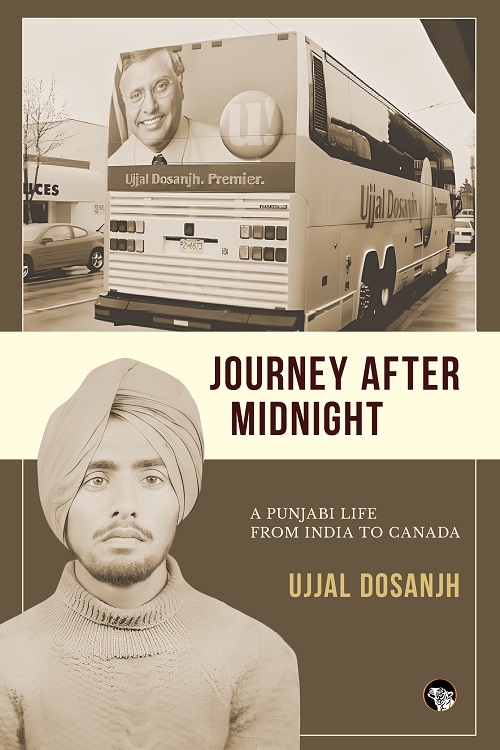
Journey After Midnight

Title: Journey After Midnight: A Punjabi Life from Canada to India

Author: Ujjal Dosanjh

Publisher: Speaking Tiger Books

50

A variation on the common Indian expression “Mullan de daur maseet taeen,” which roughly translates as “An imam’s ultimate refuge is the mosque,” sums up my relationship with the world: India is my maseet. I have lived as a global citizen, but India has been my mandir, my masjid, and my girja: my temple, my mosque, and my church. It has been, too, my gurdwara, my synagogue, and my pagoda. Canada has helped shape me; India is in my soul. Canada has been my abode, providing me with physical comforts and the arena for being an active citizen. India has been my spiritual refuge and my sanctuary. Physically, and in the incessant wanderings of the mind, I have returned to it time and again.

Most immigrants do not admit to living this divided experience. Our lack of candour about our schizophrenic souls is rooted in our fear of being branded disloyal to our adopted lands. I believe Canada, however, is mature enough to withstand the acknowledgement of the duality of immigrant lives. It can only make for a healthier democracy.

Several decades ago, I adopted Gandhi’s creed of achieving change through non-violence as my own. As I ponder the journey ahead, far from India’s partition and the midnight of my birth, there is no avoiding that the world is full of violence. In many parts of the globe, people are being butchered in the name of religion, nationalism and ethnic differences. Whole populations are migrating to Europe for economic reasons or to save themselves from being shot, beheaded or raped in the numerous conflicts in the Middle East and Africa. The reception in Europe for those fleeing mayhem and murder is at times ugly, as is the brutal discrimination faced by the world’s Roma populations. The U.S. faces a similar crisis with migrants from Mexico and other parts of South America fleeing poverty and violence, in some cases that of the drug cartels. Parents and children take the huge risk of being killed en route to their dreamed destinations because they know the deathly dangers of staying. Building walls around rich and peaceful countries won’t keep desperate people away. The only lasting solution is to build a peaceful world.

Human beings are naturally protective of the peace and prosperity within their own countries. A very small number of immigrants and refugees, or their sons and daughters, sometimes threaten the peace of their “host” societies. But regardless of whether the affluent societies of western Europe, Australia, New Zealand and North America like it or not, the pressure to accept the millions of people on the move will only mount as the bloody conflicts continue. Refugees will rightly argue that if the West becomes involved to the extent of bombing groups like ISIS, it must also do much more on the humanitarian front by helping to resettle those forced to flee, be they poverty-driven or refugees under the Geneva Convention. With the pressures of population, poverty and violence compounded by looming environmental catastrophes, the traditional borders of nation states are bound to crumble. If humanity isn’t going to drown in the chaos of its own creation, the leading nations of the world will have to create a new world order, which may involve fewer international boundaries.

In my birthplace, the land of the Mahatma, the forces of the religious right are ascendant, wreaking havoc on the foundational secularism of India’s independence movement. I have never professed religion to be my business except when it invades secular spaces established for the benefit of all. Extremists the world over—the enemies of freedom—would like to erase both the modern and the secular from our lives. Born and bred in secular India, and having lived in secular Britain and Canada, I cherish everyone’s freedom to be what they want to be and to believe what they choose to believe.

I have always been concerned about the ubiquitous financial, moral and ethical corruption in India, and my concern has often landed me in trouble with the rulers there. Corruption’s almost complete stranglehold threatens the future of the country while the ruling elite remain in deep slumber, pretending that the trickle of economic development that escapes corruption’s clutches will make the country great. It will not.

Just as more education in India has not meant less corruption, more economic development won’t result in greater honesty and integrity unless India experiences a cultural revolution of values and ethics. The inequalities of caste, poverty and gender also continue to bedevil India. Two books published in 1990, V.S. Naipaul’s India: A Million Mutinies Now and Arthur Bonner’s Averting the Apocalypse, sum up the ongoing turmoil. A million mutinies, both noble and evil, are boiling in India’s bosom. Unless corruption is confronted, evil tamed, and the yearning for good liberated, an apocalypse will be impossible to avert. It will destroy India and its soul.

On the international level, the world today is missing big aspirational pushes and inspiring leaders. Perhaps I have been spoiled. During my childhood, I witnessed giants like Dr. Saifuddin Kitchlew of the Indian freedom movement take their place in history and even met some of them. As a teenager, I was mesmerized by the likes of Nehru and John F. Kennedy. I closely followed Martin Luther King and Robert Kennedy as they wrestled with difficult issues and transformative ideas. I landed in Canada during the time of Pierre Trudeau, one of our great prime ministers. Great leaders with great ideas are now sadly absent from the world stage.

The last few years have allowed me time for reflection. Writing this autobiography has served as a bridge between the life gone by and what lies ahead. Now that the often mundane demands of elected life no longer claim my energies, I am free to follow my heart. And in my continuing ambition that equality and social justice be realized, it is toward India, the land of my ancestors, that my heart leads me.

Extracted from the revised paperback edition of Journey After Midnight: A Punjabi Life from Canada to India by Ujjal Dosanjh. Published by Speaking Tiger Books, 2023.

About the Book: Born in rural Punjab just months before Indian independence, Ujjal Dosanjh emigrated to the UK, alone, when he was eighteen and spent four years making crayons and shunting trains while he attended night school. Four years later, he moved to Canada, where he worked in a sawmill, eventually earning a law degree, and committed himself to justice for immigrant women and men, farm workers and religious and racial minorities. In 2000, he became the first person of Indian origin to lead a government in the western world when he was elected Premier of British Columbia. Later, he was elected to the Canadian parliament.

Journey After Midnight is the compelling story of a life of rich and varied experience and rare conviction. With fascinating insight, Ujjal Dosanjh writes about life in rural Punjab in the 1950s and early ’60s; the Indian immigrant experience—from the late 19th century to the present day—in the UK and Canada; post-Independence politics in Punjab and the Punjabi diaspora— including the period of Sikh militancy—and the inner workings of the democratic process in Canada, one of the world’s more egalitarian nations.

He also writes with unusual candour about his dual identity as a first-generation immigrant. And he describes how he has felt compelled to campaign against discriminatory policies of his adopted country, even as he has opposed regressive and extremist tendencies within the Punjabi community. His outspoken views against the Khalistan movement in the 1980s led to death threats and a vicious physical assault, and he narrowly escaped becoming a victim of the bombing of Air India Flight 182 in 1985. Yet he has remained steadfast in his defence of democracy, human rights and good governance in the two countries that he calls home—Canada and India. His autobiography is an inspiring book for our times.

About the Author: Ujjal Dosanjh was born in the Jalandhar district of Punjab in 1946. He emigrated to the UK in 1964 and from there to Canada in 1968. He was Premier of British Columbia from 2000 to 2001 and a Liberal Party of Canada Member of Parliament from 2004 to 2011. In 2003 he was awarded the Pravasi Bharatiya Samman, the highest honour conferred by the Government of India on overseas Indians. 

Click here to read the interview with Ujjal Dosanjh

.

PLEASE NOTE: ARTICLES CAN ONLY BE REPRODUCED IN OTHER SITES WITH DUE ACKNOWLEDGEMENT TO BORDERLESS JOURNAL. 

Categories
Stories

The Japanese Maple

By Shivani Shrivastav

Courtesy: Creative Commons

I saw her again. She was wearing dark slacks and a loose top she was blowing leaves off her lawn and into a corner with a blower. I had been seeing her daily for almost six months now, mostly in her front yard or her porch, or sometimes slowly driving to or from her house. She also seemed to be of Indian descent, as I could make out from her features, and as was confirmed when once her Amazon package that was wrongly delivered to our house.  When I had gone to return it, she had been pleasantly surprised, telling me that it was an expensive coffee maker she had ordered, and not everyone would have sought out the rightful owner.

That’s how we got talking. After that, I would always wave to her — when I saw her doing her yard work, on my evening walks or when either of us drove by, on our way to get groceries. In the spring she would plant colourful flower beds, and could often be seen cleaning and watering them. On sunny days, she would be mowing her lawn or talking to the college kids who sometimes came to do her yard work. In autumn, I saw her raking out leaves, putting the garden waste into large brown disposal bags and decorating her porch with colourful wreaths of maple leaves and berries.  Winter saw her blowing fresh snow off her porch and lawn and clearing and salting her driveway, so that the garage pathway would be clear for her to take out her car. She would often be seen driving to and from the local grocery stores, where I met her at times. Gradually, as we got friendlier, she invited me over for tea and then later for potluck lunches and sometimes just for sharing something special she had made that day, or a new recipe she had tried.

I had a hectic schedule, with frequent out of town work trips. She would often tell me, “Tara, you eat very less! You should take care of yourself; you should put on a little weight.” and more along the same lines. My usual replies were, “Mrs. Sen, I can’t cook yummy food like yours!” or “I don’t usually have time to cook!” accompanied by an indulgent smile. Of course, these reasons were true, but there was also the fact that I really did not enjoy cooking. I would much rather spend my time reading a good book or indulging my leisure time activity of writing poetry, than slaving over a hot oven or cooktop! She, on the other hand, was an excellent cook and baker, having picked up various tips and tricks for making the most mouth-watering dishes out of almost the most basic ingredients. She shared these with her book club members in their weekly meetups as well as with some lucky neighbours, me being one of them.

One day, as we sat talking on her porch, surrounded by the sweet smells of the lush lavender growing in one of a flower beds, she shared, “I came to Canada with my husband, after my marriage in 1988. Two years later, my brother and my uncle shifted here to, along with their families. Those early years were beautiful. Although we didn’t have much back then, we were happy, happy to have each other in a new land. Many of us were not fluent in English, coming from rural Indian backgrounds. We practised with each other, to gain confidence in social interactions as gradually we enlarged our social circles. Once everyone started on their  respective jobs, they also shifted to other places. One of my sons is now in California, the older one. The younger one is in Vancouver.”

We were interrupted by the barking of her tiny wire-haired terrier who was fiercely protective of her. Mostly, he was almost like a therapy dog, sitting on her lap, or somewhere near her, where she could reach out and pet him often. Right now, he had seen a delivery guy approaching the house. She took a parcel from him, offered it to Mickey, her tiny self-appointed protector, to sniff and judge okay, for that was her practice, which she said made him feel included in all her day-to-day activities and interactions.

Placing it aside, she thanked the delivery guy with a smile. Sitting down on one of the two cherry red Adirondack chairs on her porch, she told me, “Nowadays I prefer having as much delivered as I can: it’s easier, particularly for the stuff not readily available at Costco or Home Depot.” I could only imagine how difficult it must be for a lady of advanced years living by herself.

“I go to Toronto almost once a week and also to one of the farmer’s markets nearby. If you want, you could come along if you have some work or want to buy something from there. I could even bring it for you if you so wish.”

Although it was not my intention to cause her any kind of pain, what I had said had seemingly touched her, for as she looked up at me, she had tears shining in her eyes. “Thank you, my dear, I can’t tell you how much it means to me. It has been more than five years that I have been by myself now. Usually it’s okay, but some days are just harder. When Sudhakar passed away I lost my best and oldest friend. He used to tell me – Maya, you should make more friends; you should have your own life too.”

I do have friends here, my book club people too, plus some relatives living in Toronto and some other nearby places, but it’s not the same.”

“I understand”, I could only pat her hand helplessly, wishing I could do more. Going with the change of mood, we picked up the tea things as the breeze turned colder and went inside. It was nearly autumn again and the October evenings were getting quite chilly. The red, orange and yellow autumn foliage had its  own grace and beauty, but I would miss the long summer evenings, when I could just sit out on the patio or enjoy working in the backyard garden or water the front lawn barefoot. Not to mention, the beautiful flowers summer brought. Mrs. Sen, or rather, Maya, as she had instructed me to call her, had beautiful gardens, both at the front and back of her house. These she tended meticulously, taking care of her perennials through the change of seasons and making sure to  plant various varieties of seasonal flowers and shrubs. She had two gorgeous Japanese maples in her front yard, and had a beautiful weeping willow in her back yard that fascinated me. The flowerbeds were populated with multiple herbs like lavender, thyme, sage and rosemary, as well as flowers like peonies, roses, pansies, violets, lilies, hydrangea etc. She also had some beautiful shrubs and flowering trees like lilacs and magnolias. It was a veritable dream for the most discerning of botanists, at the very least!

As we entered the house, I realised that this was the first time I had been inside her home. Somehow, most of our conversations till date had been outside, on our patios or in one of our backyards, while one of us worked in the garden. She had successfully transmitted her enthusiasm for flora to me too. This was a first for us. As I placed the tray of biscuits and cookies on the kitchen counter, I noticed the wall next to it filled with lots of pictures — pictures of Tara with her family and of her visits back to India and their travels to various places. I could see pictures in front of the Taj Mahal, the Notre Dame, the Sydney Harbour and more.

“Oh, these are so beautiful! It seems you travelled quite a bit!”

“Oh yes, when the children were young, we travelled during the winter and summer breaks. Mostly to India, sometimes to America and Mexico, sometimes to more exotic places like Egypt, Bulgaria etc. It was only when the children started their own careers and moved away that we stopped our frequent travels.”

She went quiet for a bit, looking off into the distance, reliving the past perhaps.  Maybe a past that brought back bittersweet memories. I felt a little guilty for having asked her about the pictures. Some moments later, I took her leave, wishing her well and promising to meet her soon after having mastered the new biscuit recipe she had shared.

As fall turned to winter and I returned from some work-related travel, I thought of her as soon as I had settled back into my regular routines. I decided to meet her in the evening, but being severely jet-lagged, had to postpone it a little.

I finally went after three days. I noticed that her driveway was freshly shovelled and salted. As I rang the bell, I admired the beautiful wreath on her door, with her trademark red winter berries and green ribbons. I knew that nearer to Christmas, she would add some striped candy canes to it.

I heard some shuffling steps and she came to the door.

“Oh hello Tara!  It’s been quite a while! Were you out of town?”, came her cheerful greeting.

She did seem a little frailer to me, and I noticed her favouring one leg more than the other.

“Hello! Yes, I came back from a ten-day work trip three days ago. Sorry I couldn’t visit earlier. How have you been? Is anything the matter with your leg?”

“Yes, I fell down and hurt myself. There was a patch of black ice in the driveway. Although I had cleared and salted it, there were more flurries that day, followed by some rainfall. When I came back from visiting a friend, who dropped me back to my place, she had to hurry back as she had received a phone call, and I got down from the car and had barely taken a step when I slipped and fell. I hurt my leg and my back. Worse was that after the fall, the ice was so slippery that I couldn’t get back up. I walked like a four-legged animal for a few steps till some neighbours who had seen me fall rushed out and helped me back up and took me inside the house. This was two days ago. Since then I have been resting. Yesterday I got groceries delivered here, once the snow stopped.”

Feeling bad that I had not been there for her at such a time, I escorted her inside and shut the door. I gave her a little Reiki healing and made her a little tea after the session. We sat and chatted for a little while, and then I came back.

As I was on the way back her word echoed in my head, “No one knows what life might bring. I had never thought I’d be alone at this age. Back in India, people say that a lady who has sons is very fortunate. Well, I have two sons. When I called them, they said that they were sorry to hear about my fall, but they would not be able to come till the weekend. For the first two days, during which it snowed heavily, the neighbours who had seen me fall were kind enough to bring food over, two times a day. I am fortunate to have good people around me.”

I reflected on my own situation. I was separated, with no chances or desire of a reconciliation. Having decided that I did not need anyone in my life who had the power to hurt me, I had walled myself off, interacting briefly with people and that too, only to the extent needed. Very rarely did I venture out of my comfort zone;  letting people within my walls was a risk which I could not bear to take. Maya was the first person in the last three years that I had spoken to with such an open heart. Maybe it was because I felt such comfort in her presence and understood subconsciously that she would never hurt me.

When I thought about her, I remembered all her acts of kindness – the food drives for the homeless, the collection drives for clothes for refugees she ran, offering to collect all the donated clothes at her  house and later on sort through them for distribution, her gardening and plantation drives etc. This year, on Canada Day, she had gifted many trees and plants to her neighbours, as per their choice and need. I had received a beautiful Japanese maple, a sapling from her one of her own trees. She had said that the trees were saplings created from the tree that she had planted in her first home in Canada. The sapling she gave me looked very promising and would definitely turn out to be a beautiful and healthy tree, vibrant with its deep red leaves. Whenever I looked at it, I was reminded of Mrs Sen’s spirit and her welcoming smile.

Through the next few days, I kept a regular check on Mrs. Sen. She recovered quite well and was soon back to her usual tasks.

One day as I came to her place to meet her before going away on another work trip, she opened the door with a big smile. I smiled and asked her, “Wow! You are really glowing today! What’s up?”

“I am going to visit my son in California. He is coming over the next week for some work to Canada. After that, I plan to take him to see our beautiful Niagara-on-the-Lake, then I’ll accompany him back to California. I plan to stay there for almost a month.”

“That’s great news! You haven’t meet him for such a long time!”

“Yes! I’m so excited I will get to meet the grandchildren again!”

The rest of my visit passed in discussions of her upcoming trip. I promised to take care of her mail and plants while she was away, then left.

When I came back from my office trip, she had already left for California. I dutifully collected her mail, laying it aside on my hall table to give to her once she was back. I took special care of her two red maples, knowing that  she was especially fond of them. They stood to either side of her driveway, forming a delicate arch over her garage door.

The season changed again and spring blossomed, bringing with it fresh leaves on all the plants. The Japanese maples sprang fresh with vibrant leaves. I liked overseeing her yard work, paying the college students who came to clean it every week from the fund she had left with me when she met the last time.

Sitting there on her porch, reading a book while waiting for the boys to finish, I often looked at the trees, which seemed like two sentient sentinels. Now lush, they merrily waved their branches with their cherry-red leaves in the spring breeze.

“How happy Maya would be when she comes back and looks at them again!” She had shared some photos of her son’s house in California; it was a condo — no garden or even house plants; ‘they didn’t have the time for frivolities’, as her son had said.

“That is the one thing I’m really going to miss when I’m there — my garden. These plans that I choose every year with care and the perennials are like my children too. I love them all — the daisies, the sunflowers, the weeping willow at the other end of my lawn, the many seasonal flowers I like to keep in my window planters, all of them! I’m really going to miss them all!

“Don’t worry, you’re coming back before spring will have passed. You’ll still have your lilacs in bloom when you come back, and your begonias, petunias and lilies would all be in full bloom too.”

She smiled but seemed a little unconvinced.

That day, she was supposed to return. She had been in the habit of brining me warm meals the days I returned from one of my trips, so that I would not have to cook immediately after having journeyed, and also to ensure that I ate well. Taking a leaf out of her book, I thought I would return the favour and cooked a hearty soup, along with some homemade pasta. Balancing the bag with the food, I rang her bell but receiving no reply, thought maybe she was sleeping and came back, thinking that I would try again a little later, or maybe the next day.

The same thing happened the next day and the next; no reply to the doorbell. I had tried calling her cell phone, but it always went to voicemail. The three messages I had sent were delivered but not answered. Now I was truly worried, but there was little I could do except wait. Maybe she had extended her stay, because she certainly didn’t seem to be in the house. Although the lights turned on and off, I knew it was the automated system I had helped her install before leaving, so that the house would not seem empty.

I continued the upkeep of her garden in the meantime, hoping that she would show up any day and  sit blissfully once again, in her lovingly created garden. I missed her more than I thought I would. She had taught me a lot, even without my knowing.

Feeling a little bit like a stalker, I went to her Facebook profile and also the profile on the neighbourhood app, and found her sons’ profiles and dropped them both messages related to the wellbeing of Mrs. Sen. After a week, I still hadn’t received any replies. Almost a month passed. One day, I saw a ‘For Sale’ sign put up in her garden, right in front of one of the maples. Shocked, I called the agent’s number written on the board and was told that her son had made the decision to sell the house. All her stuff would be going to Goodwill as both her sons had no intention of coming back there to live.

I was broken-hearted that they cared so little for the place hey had grown up in, and which was so loved by their mother. She would never again get to see her garden. The flowers were all there; the garden still bloomed, but its creator had gone.

Two days later, I got a letter from her in my mailbox. It was dated a month and a half ago, so as per  my calculations, must have been written mere days before she passed away. In it, she had thanked me for taking such good care of her garden in her absence. Showering me with love and blessings, entreating me to take good care of myself, she ended her letter with something that surprised me. She mentioned that there was a key enclosed; indeed, there was a small but intricate key in one corner of the envelope, that must have slipped back when I pulled out the letter. She had written that it was the key to a post office box in her name. She had said, “If I do not return, please collect whatsoever is there and distribute it to all our neighbours. It is nothing that my sons would value, as I have set aside all else for them, except this mail box and its contents, that I will to my neighbours, who have loved and supported me through my last years.”

With tears in my eyes, I clutched the key to my heart and remembered her love for all her neighbours, sent across the border, across the bounds of life itself.

The next day, I went to the post office to collect the gifts. To my surprise, they were heirloom seeds, along with carefully collected and preserved flower bulbs, both of which she had painstakingly collected over the years. I remembered her getting some from as far as Vancouver and Montreal; some were tulip bulbs from Holland. Coming back home with the precious living gifts, I framed a message to post on the neighbourhood app. Hitting send, I looked out of my window. My beautiful Japanese maple was dancing in the breeze; her blessings and legacy would live on, spreading to the four winds.

.

Shivani Shrivastav is a Reiki Master and Osho sannyasin. By profession she’s a UK CGI Chartered Secretary and a Governance Professional/CS. She loves meditation, photography, writing and French jazz.

PLEASE NOTE: ARTICLES CAN ONLY BE REPRODUCED IN OTHER SITES WITH DUE ACKNOWLEDGEMENT TO BORDERLESS JOURNAL

Click here to access the Borderless anthology, Monalisa No Longer Smiles

Click here to access Monalisa No Longer Smiles on Kindle Amazon International
Categories
Poetry

Three Poems by Luis Cuauhtémoc Berriozábal

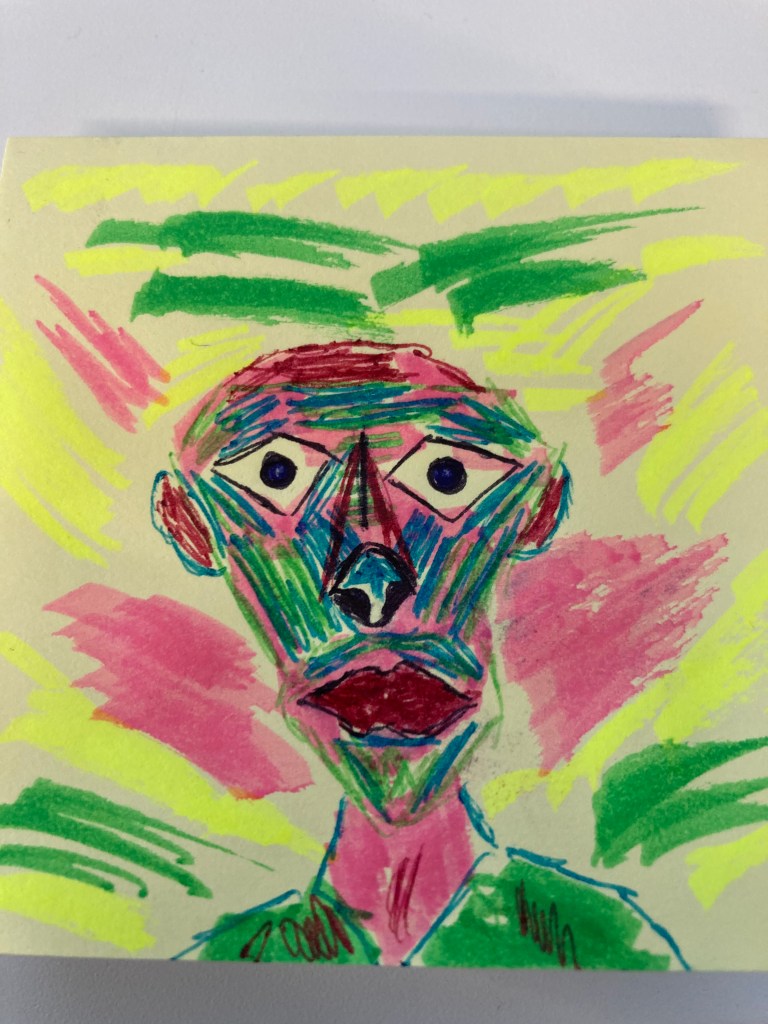
Drawing by Luis Cuauhtémoc Berriozábal
LONG NIGHTS

In their speaking,
long nights
can’t stop weeping,
their sorrow transforms
into song
no man could hum.

The white moon can
hear it
and weeps as well.
The stars shine on in
clear skies
with unseen tears.

Snow falls gently
at night
and in the day.
Time cries and cries.

In their speaking
long nights
can’t stop weeping.


WHEN MY DESIRES BEGIN TO FADE

When my desires begin to fade,
that is when my senses will return.
I will take a small breath, a sigh,
and let the darkness come. I will
listen to the melody of night birds,
and hope my desires do not return.

THE DEAD LIVE IN MY DREAMS

The dead live in my dreams.
They wait for me to fall asleep.
Some are dear to me and
some are diabolical.

Decomposed and frail, they
walk like children taking their first
steps. Some walk with a limp.
I find it disconcerting.

I talk to those I love
again. I ask them to pray for
me. They are always waiting
for my body to tire out.

I listen to their complaints.
I wake up and remember what
they said. Some talk without breath.
Others do not utter a word.

Born in Mexico, Luis Cuauhtémoc Berriozáballives in California and works in the mental health field in Los Angeles, CA.His poetry has been published by Blue Collar Review, Borderless Journal, Escape Into Life, Kendra Steiner Editions, Mad Swirl, SETU, and Unlikely Stories.

PLEASE NOTE: ARTICLES CAN ONLY BE REPRODUCED IN OTHER SITES WITH DUE ACKNOWLEDGEMENT TO BORDERLESS JOURNAL

Click here to access the Borderless anthology, Monalisa No Longer Smiles

Categories
Poetry

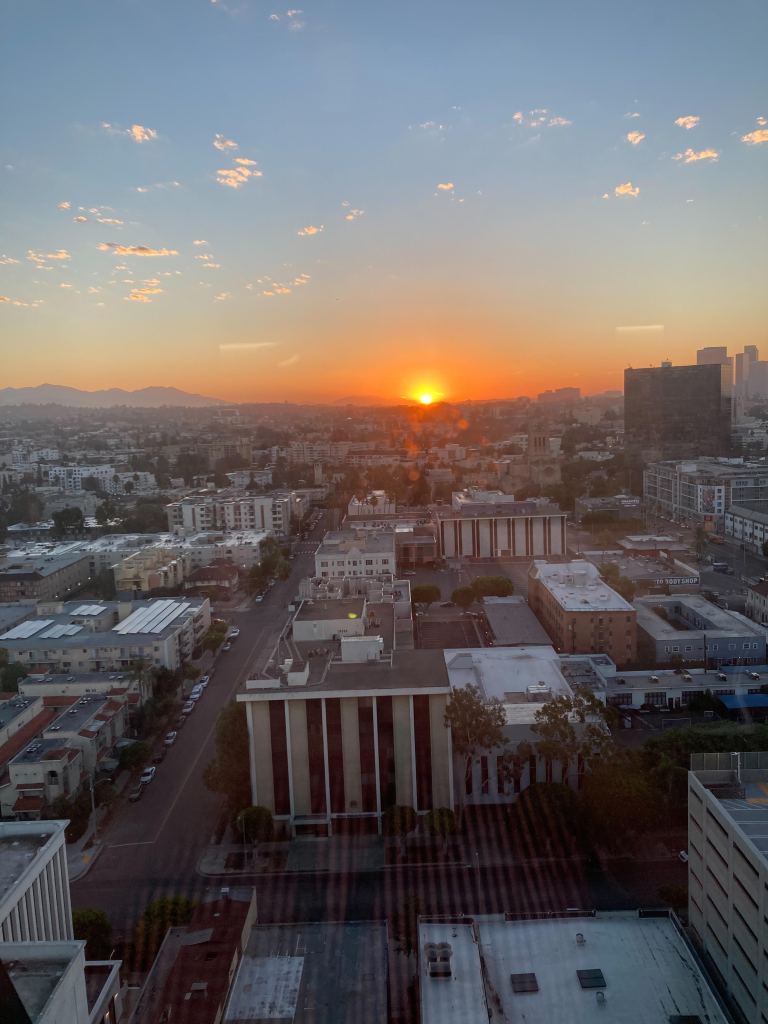
The Light, the Sun, the Stars…

Poetry & Photographs by Luis Cuauhtémoc Berriozábal

THE LIGHT

Who has seen the light?
Who has been blinded by the light?
The stars at night, the sun setting,
do you know it is not to be taken lightly?
Have you felt its significance?
Is the woman you love your light?
How much do you believe that?
You are surrounded by light.
Your head is filled with it.
There is a flash of light that shines on you
as your life is in danger.
You feel it on your skin.
It blinds your eyes, touches your heart.
If it ever goes away,
you will go away.
You must not take the light for granted.


MY LIKENESS

Dear, who are you?
My likeness and enemy.
Weaving false stories.
Who may you be?
Am I to blame?
Soft are your punches.
Almost like words.
You want to kill me.
I love you still.

Born in Mexico, Luis Cuauhtémoc Berriozábal lives in California and works in the mental health field in Los Angeles, CA. His poetry has been published by Blue Collar Review, Borderless Journal, Escape Into Life, KendraSteiner Editions, Mad Swirl, SETU, and Unlikely Stories.

.

PLEASE NOTE: ARTICLES CAN ONLY BE REPRODUCED IN OTHER SITES WITH DUE ACKNOWLEDGEMENT TO BORDERLESS JOURNAL

Click here to access the Borderless anthology, Monalisa No Longer Smiles

Categories
Poetry

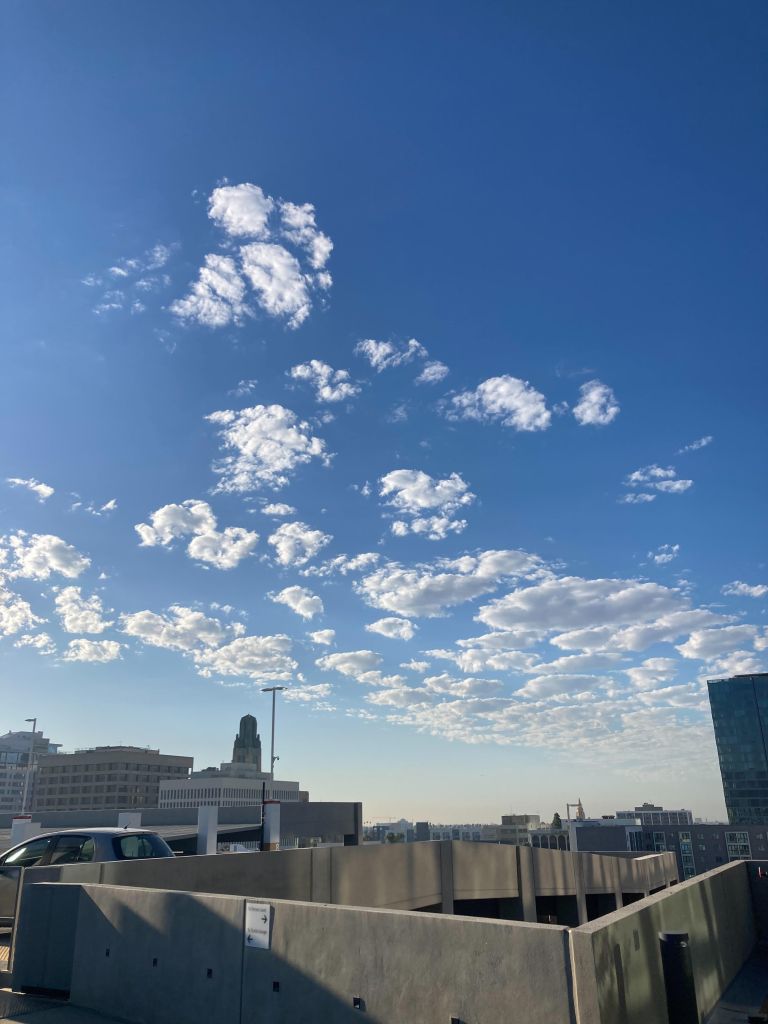
Poems on Clouds & Seas

By Luis Cuauhtémoc Berriozábal

CLOUD MONSTERS

Moon tussles with cloud monsters.
Its shine is halfway showing.
Work traffic is like those cloud monsters.
A half hour drive turns into an hour.

I find an exit and use the streets.
The red lights are not the best
of colours when you are in a hurry.
Green lights are your best friend
when you are running late, tell that
to the cloud monster traffic.

I see green lights for blocks and
no one is moving. I should have
stayed home and declared this a
vacation day and just slept in.

That half-moon light is something
to behold still. It is getting clear
with the sun coming up as well
and the traffic dies down enough
that you just might not be late
to work or a dollar short this time.
The cloud monsters disappear like
a puff of smoke into the abyss.

SHIFT SHAPE CLOUDS

There goes the lasso 
and there goes the headless
horse and the rider is hanging
on for dear life as the clouds
shift their shapes in the sky.

There goes the seahorse
out of its element unless
its sea is the blue horizon
and its white puffiness
will brace its shape shift fall.

There goes the head of the
headless horse and its rider
with its cowboy hat not far
behind, the rest of the horse
is just a round shaped cloud now.

Down below I lift my arms
to the sky and shuffle my feet.
I do a little rain dance but
I just do not have the magic
or power to make it happen.

OPEN THE SEA

Open the sea,
there is agony deep below,
the essence of a shipwreck
that has lost its very soul.

Open the sky,
there is a mourner in space
with a powerful sob
dropping waves of cold rain.

When the warm light
withdraws from the sky, the sun sleeps,
as the night lights appear
for the lost to find their way.

Ready to die,
life’s infirm angels and devils
give time one last breath, and
admonish it for how it betrays.

Born in Mexico, Luis Cuauhtémoc Berriozábal lives in California and works in the mental health field in Los Angeles, CA. His poetry has been published by Blue Collar Review, Borderless Journal, Escape Into Life, KendraSteiner Editions, Mad Swirl, SETU, and Unlikely Stories.

.

PLEASE NOTE: ARTICLES CAN ONLY BE REPRODUCED IN OTHER SITES WITH DUE ACKNOWLEDGEMENT TO BORDERLESS JOURNAL

Categories
The Observant Immigrant

Piano Board Keys

By Candice Louisa Daquin

In 1967 the US Supreme Court decision Loving v. Virginia, ruled that blacks and whites had a legal right to intermarry. Between 2000 and 2010, the number of white and black biracial Americans doubled, while the population of adults with a white and Asian background increased by 87%. (Pew Research) “horizontal hostility” describes black mixed-race experiences of societal black rejection, and how this perception of ‘(in)authenticity’ impacts self-perception and the expression of ethnic identity.

Recently something that happened to me personally that segued into a greater story of biracial identification in America. I have lived in four countries in my life so far and nowhere has racial identity been as contentious as in the USA. When The Queen died, like many others, I did a post saying ‘Rest in Peace’. I am by no means, a Monarchist but serving for 70 years felt like an impressive feat. I was immediately jumped on by a few who felt I was a pro-colonialism and “white privilege oppressor”.

As a psychotherapist, I often bite my tongue and do not express myself when others are insulting or being triggered. I have grown to respect the value of doing this, because too often it inflames things when we say anything to clarify or defend contentious subjects. However as this was posted publicly, I had to clarify. My point is not about what happened to me, but about the assumption that individual made in calling me a “white privileged oppressor.” Likewise, assuming I am white.

If people of colour decide the degree of melanin in another’s skin represents their race and culture, this will only end up emulating what was done to people of colour by white-skinned racists. Two wrongs do not make a right. It is something that comes up a lot as we discuss what it means to be a person of colour. African-American presidential candidate Ben Carson accused President Obama of not being able to understand “the experience of black Americans” because he was “raised white”. It is more common for those mixed-race than a singular race to fail to ‘please’ either side.

Just ask celebrities like singers Mariah Carey or Shakira who have struggled with this their entire lives. Or singer Lenny Kravitz (Black, Jewish, and Native American) who is quoted as saying when he had to fill out the ‘race’ sections on school forms, “My great-grandmother’s Cherokee Indian. My father’s a Russian Jew. My mom’s Bahamian. [I thought], ‘what the hell do I put on this thing?’ The teachers came over and [said], “Black. That’s what you are.” And so, so many parts of your heritage are just squashed. ‘That’s it.” (Huffington Post, 2013). Obviously if you can ‘pass’ then you have that attending privilege. Where I live about 70 percent are Hispanic and only recently there is talk of ‘white’ Hispanics versus ‘brown’ Hispanics, which goes back to the caste system in countries like Mexico, where historically the darker you were, you’d be considered serving class because you were more ‘Indio’ and if you were lighter, you were considered more Spanish. Ultimately these sub-categories seek to further divide people rather than describe them.  

Fortunately, this racist tide is beginning to turn as people understand skin colour should never confer privilege even if historically it was warped to do so. Perhaps like any culture, there is a desire to stand out from the average, so anyone different may be admired more, if you are lighter than average, you may be admired more (or less), and vice versa. Ironically in countries like England, Canada, France, Germany etc., if you are darker skinned, you are considered more attractive and admired for being darker skinned, in countries where everyone is trying to tan and become darker. So, we have two polar opposites, parts of Asia where women may even bleach themselves to be lighter, and parts of Europe (and America) where people may literally die to tan.

In this day and age, so many of us are ‘mutts’ meaning we are so mixed; we carry Black, Asian, European, everything. But we’re still striated into colors because of racism and casteism. They are not the only reasons, it’s also about how we identify and how others identify us.

“Individuals who do not fit monoracial categories may be oppressed on systemic and inter-personal levels because of underlying assumptions and beliefs in singular, discrete racial categories” (Johnston, Marc P, and Kevin L Nadal. 2010. “Multiracial Microaggressions: Exposing Mono-racism in Everyday Life and Clinical Practice.”). I was assumed to be Anglo because I look it, so as far as others were concerned, I cannot understand the experience of being of colour because I don’t have any colour. Even if I were married to a person of colour with children of colour and my parents were of colour, it would be about my individual experience. But the flaw lies in assuming we can have an individual experience. We can’t. We are moulded by our family and our ancestors and whilst some of us may not know where we come from, DNA testing makes it more possible. This should alleviate some of the worst racism, but it hasn’t. Both sides seem further apart than ever before.

Author and activist James Baldwin defined his stance thus: “he was a Negro by choice and by depth of involvement–by experience, in fact.” Meaning, even if someone did not ‘look’ black if they were, and identified as such, they were. The one-drop rule is a long held legal principle of ‘racial classification,’ prominent in the 20th century United States. It asserts any person with even one ancestor of black ancestry (“one drop” of “black blood”) is considered black. Before the American Civil War, free individuals of mixed race (free people of color) were considered legally white if they had less than either one-eighth or one quarter African ancestry (depending on the state). Equally during slavery in America being born to an enslaved mother, made them automatically enslaved from birth. Racial integrity laws have existed throughout time with different groups and are essentially used to oppress a particular group. In theory they could be easier to enact now, given DNA testing.

Ironically, I have more blood of ‘colour’ than many, who if we were in a photograph together, would be assumed to be of colour, whist I would not. Which is understandable, but what is not understandable is when people deny mixed-race individuals their identity in seeking to label them or condemn them for being able to ‘pass’ ethnic groups and racially distinctive groups vary but can also be the same. Respecting someone’s ethnicity and race are necessary in order to avoid becoming as bigoted and discriminatory as the past.

When George Zimmerman fatally shot Treyvon Martin, he was called a ‘White Hispanic’ for three reasons. One he was light skinned. Two his last name was a non-Hispanic name. three, he shot a black child. It was an example of the media manipulating the truth in order to make Zimmerman more of a racist seeming person. Perhaps Zimmerman is just a bad racist, or maybe he would have shot a kid no matter their skin colour, we may never know. We know Martin called Zimmerman racist things like ‘Cracker’, but since society says a person of color cannot be racist then that was not considered. Whist most of us hopefully want violence against young black men to end, we shouldn’t deny that much violence toward young black men is perpetuated by young black men. Lack of opportunities seem to kill young black men as much as racism but maybe the two are the same thing, coming from difference directions.  

What we can say is our society hasn’t given young black men chances and that can lead to increased temptation toward crime or violence. Surely if a young black man is shot for simply walking down a street, nobody should justify it. Just as with Brianna Taylor and so many innocents, killed for the colour of their skin. However, we should be able to make this argument without turning the perpetrator into a white man when he was not. It is a classic example of manipulating the truth in order to make it more about racism than it may have been. Or it was purely about racism, but if two people of colour cannot be racist then how can it be? There are so many issues here what we do know is two wrongs don’t make a right.

Pew Research has found most Americans who are mixed race, identify with one race (61 percent) because they ‘look’ like that race. Which points to how we look as continuing to be the determinant for racial identity even if it’s inaccurate and often leaves people feeling they have lost half of their identity The survey also found that the way people may describe their personal racial background does not always match the way they think others see them. “Six-in-ten Americans with a white and black background (61%) believe they are seen as black; only 19% say they would be seen as multiracial (an additional 7% say they would be perceived as white only). The shift is happening, case in point, Rachel Dolezal, who was the head of the local chapter of the NAACP and identified herself as African-American. But her Montana birth certificate said she was born to two Anglo people. Dolezal earned a master’s degree from the historically black Howard University in Washington, D.C., and was a professor of Africana Studies at Eastern Washington University. Her contemporaries assumed she was African American. It shows that whilst for many years, people with black heritage may have sought to deny it, now some Anglos seek to be black.

One of my best friends had a red-haired white mother and a Jamaican father. She was 70 percent ‘Anglo’ because her Jamaican father was not entirely black but mixed race himself. But she ‘looked’ black and identified as black whist her brother looked white and identified as white. Which are they? Is identity sufficient to say? Or how others perceive us? I can say I’m mixed race but if I tell people I’m a black woman or a Latin woman I might be laughed at because I don’t look like I am. Would it even be right to say so? What is right? It depends upon whom you’re speaking to. These are reductive discussions of identity that parody race and don’t allow individuals to say who they are.

My siblings could look black whilst I could look white, it can leave people feeling like they have racial imposter syndrome where a person feels they are appropriating a culture that actually not their own! If we feel liminal like we drift between cultures but belong to none, isn’t that often because of the stereotyping that goes on even within cultures as much as without cultures?

I’m Jewish but I do not believe in God, nor do I go to Temple, so when I have tried to join Jewish writing groups, I have been shunned as not being Jewish enough. When I worked for a Jewish organisation, I was considered Jewish, but I was the ‘wrong’ kind of Jew because I was Mizrahi and Sephardi rather than Ashkenazi. In other settings, I wasn’t brown enough to be considered a Mizrahi or Sephardi jew. The absurdity of all the micro aggressive ways a person can be catalogued or disqualified wasn’t lost on me. It is worse for some who are more obviously mixed race but don’t possess whatever that group demands for admission but are also racially attacked by other groups. For example, what does ‘you act white’ really mean? That you are not speaking with the right accent, or that you should know another language or wear different clothes or? My other friend is constantly told she is not Latina enough because she has no accent, and her Spanish is perfect rather than Tex-Mex and she likes to eat Indian food. Does one group have more of a ‘claim’ to being of colour?

References:

https://www.pbs.org/wgbh/pages/frontline/shows/jefferson/mixed/onedrop.html

https://www.npr.org/sections/codeswitch/2017/06/08/462395722/racial-impostor-syndrome-here-are-your-stories

https://www.npr.org/2010/12/20/132209189/how-multi-ethnic-people-identify-themselves

https://theconversation.com/who-counts-as-black-71443

https://www.cnn.com/2016/10/10/health/biracial-black-identity https://www.tandfonline.com/doi/full/10.1080/01419870.2019.1642503

.

Candice Louisa Daquin is a Psychotherapist and Editor, having worked in Europe, Canada and the USA. Daquins own work is also published widely, she has written five books of poetry, the last published by Finishing Line Press called Pinch the Lock. Her website is www thefeatheredsleep.com

.

PLEASE NOTE: ARTICLES CAN ONLY BE REPRODUCED IN OTHER SITES WITH DUE ACKNOWLEDGEMENT TO BORDERLESS JOURNAL.

Categories
Slices from Life

Welcoming the Dark Half of the Year

By Candice Louisa Daquin

Halloween is one of the oldest fire festivals in the world, perhaps because it considers the relationship between the living and the dead and that has been a primal theme in all human’s lives. Ancient people were more connected to the changing of seasons because their lives literally depended upon it in a way many of us cannot understand today. Most festivals have their origins in food and seasons for this reason. Ancient observations of the dead exist in nearly every recorded culture. Where I live Dias De Los Muertos is as popular as Halloween because we have a 70 percent Hispanic population. Some (though it’s growing smaller) groups of Christians refuse to celebrate Halloween as they feel they are celebrating something Pagan.

True, the celebrations held on October 31, known to exist as far back as the 5th century, were traditionally a Pagan ancient Celtic festival called Samhain. Samhain was not some Devil worshipping name as was incorrectly assumed, but actually ‘Summers End’ in Celtic. The tradition of “dumb supper” included eating but only after inviting ancestors to join in, giving families a chance to interact with people they knew who had died and returned that night as spirits. Children entertained the dead with games while adults would update those who had passed with news. On that night, doors and windows were left open for the dead to eat cakes that had been left for them.

This night was also when people would light bonfires and wear costumes to ward off ghosts. In many ways sharing the idea of remembering the dead with Dias De Los Muertos. Most ancient cultures bred superstition alongside remembrance into a festival of some kind. If you’ve ever been to New Orleans, you’ll know about All Saints Day (and martyrs) which began during the eighth century when Pope Gregory III decided November 1 would be a time to honour all saints who did not have their own holiday. This Catholic holiday caught on in New Orleans in America and is still celebrated today. Many believe the Christian church was deliberately supplanting Pagan festivals of the dead with Christian ones that emphasised more church-related themes. The evening before All Saints Day (el Dia de los Inocentes in Mexico was day of the children also held on November 1) had been known as All Hallows Eve, and later became Halloween. All Hallows came from Middle English with Alholowmesse meaning All Saints’ Day.

Samhain traditionally marked the end of summer and the beginning of winter, which back then was often associated with human death. Harvest was considered a thriving time, Winter, the dying before Spring. Ancient Celts believed Samhain was a special night where the boundary between the worlds of the living and the dead was closer together and the ghosts of the dead could walk the earth. This is where we retain the fearfulness of subjects like death and ghosts in modern times.

Sacred festivals and rituals were part of many Pagan cultures, and Samhain was no exception. The fearfulness was countered with large bonfires (the name bonfire comes from ‘bone fire’ which related to the slaughter of cattle and burning of their bones at this time of year) and druids warded off evil spirits with sacrifices. As blasphemous as that may seem to some modern religions, it was the way ancient people understood things and brought them a sense of control. Not so different really when all things are considered. It is human nature to observe or remember the dead, it is also our tendency to wish to see them again, which is ideal in this ‘thin time of year’.

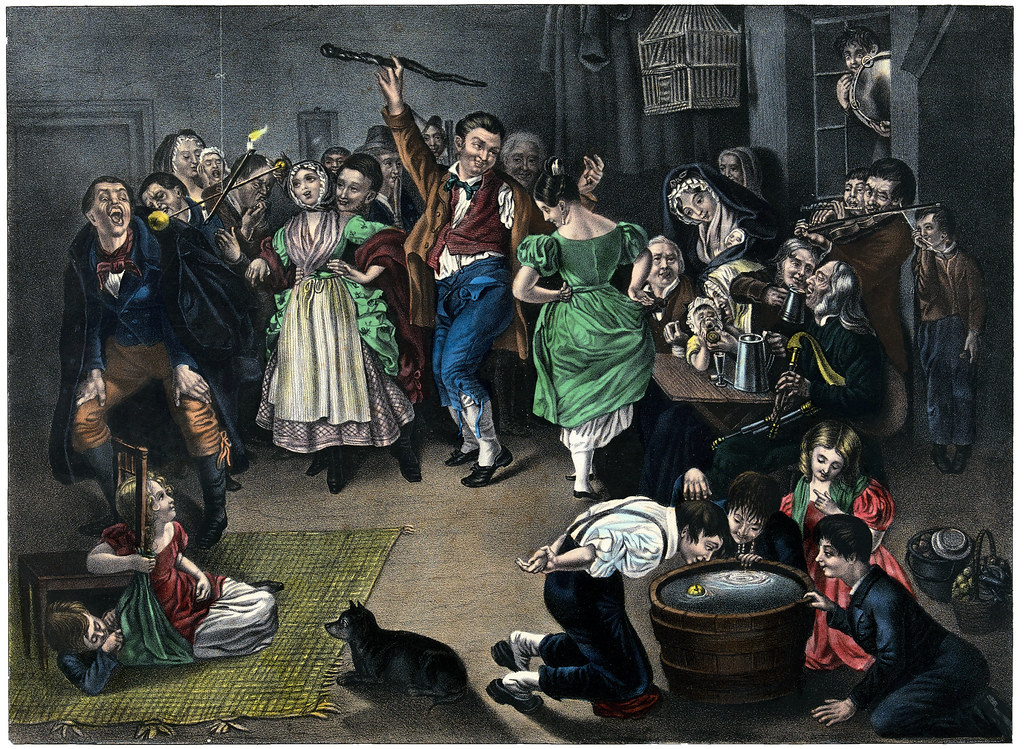
The Roman’s had celebrated Feralia which was traditionally a commemoration of the passing of the dead, Lemuria, placating the restless dead and Parentalia, honoring the spirits of ancestors. Combining these with Pomona who was the Roman Goddess of fruit and trees, they melded their traditional festivals with more Dias De Los Muertos themes and added apples, which we now incorporate with apple bobbing at Halloween. Apples are also historically connected to the ‘otherworld’ throughout history. It’s fascinating to know these extremely ancient practices are still practiced today, even as we may not know why.

Although we think of modern Halloween as originating from America as modern Christmas (Father Christmas and Christmas fir Trees) from Germany, the truth is American’s got many of their Halloween ideas from ancient European traditions, including ‘trick or treating’. But America definitely made those traditions wide-spread and thus, known worldwide. In the end, it was from America the rest of the world got their cue.

Scottish poet Robert Burns’s poem of the same name helped popularize the actual word Halloween in his poem of the same name. The modern name is two words pushed together. “Hallow” — or holy person — refers to the saints celebrated on All Saints’ Day, (November 1) and the “een” is a contraction of “eve” — or evening before. Thus, the evening before All Saints’ Day.

The Puritans of New England, refused to observe any holidays which might be associated with pagan beliefs – including Christmas, Easter and Halloween, but the Irish, who had always celebrated, shifted North America’s idea of Halloween when they arrived in large numbers after the Potato Famine. The jack o’ lantern which became our carved pumpkin originated from the Irish folk tale of Stingy Jack, a drunk and man who fooled the devil into banning him from hell but due to being a sinner could not enter heaven. When he died, he roamed the world carrying a small lantern made of a turnip with a hot ember from hell inside to light his way. People carved pumpkins or similar to ward off the ghost of Stingy Jack.

Halloween today is a giant commercial day, with companies selling more confectionary on Halloween than any other period in the year. Costumes and parties abound and adults now get into Halloween as much as children. Films specifically for this time of year are made and people relish the more secularised version of Halloween that doesn’t stand for anything that would threaten a family’s value system.

‘Trick or treating’ might have come from an English tradition on All Soul’s Day of giving soul cakes to those who promised to pray for the dead. Churches also gave out food, by way of appeasing spirits, and children would visit houses on Halloween and receive food or drink. Perhaps because food and drink were often scarce in the olden days, this was akin to eating pancakes on ‘Fat Tuesday’ before fasting. The value of food cannot be unappreciated and it features in every festival in some way, irrespective of culture.

The wearing of masks was to make oneself unrecognizable to those spirits who might return on Halloween. Originally called ‘guising’ (later, disguising) people used ash and then later, made masks. A disguise would ensure the Aos Sí, (fairies/spirits/ghosts) wouldn’t take you back with them to the ‘otherworld.’ Many cultures offer food to the dead as a way of respecting them or keeping them from taking the lives of the living.

Mumming, was the art of dressing up, often to act in skits to entertain others. Using anything available, people dressed up on Halloween to disguise themselves and ask for food. In later days, both at Halloween and other events, some people spent a lot of money on elaborate costumes. Like with anything, this was a status symbol, though the core remains the same; dressing up for fun. Allhallowtide was the old name for the originally three-day festival where such things occurred. Allhallowtide included All Saints’ Eve, All Saints’ Day, and the subsequent All Souls’ Day.

Black cats are often not sold at Halloween for fear of people purchasing them for sacrifice or mistreatment. The fear of black cats actually goes back to times where those deemed witches were thought to be able to turn themselves into a black cat. It’s a horrible stigma on innocent creatures, who have often found themselves tortured for the colour of their fur.

A revival of Samhain began in the 1980s with the growing popularity of Wicca. Modern Pagan’s and Wiccans today also observe Samhain as part of their faith. Celtic Reconstructionists celebrate by creating an altar for the dead where a feast is held in honour of loved ones who have died. It is not devil worship but far more an observance of an ancient time of transformation and understanding of the relationship between life and death. Samhain was never about worshipping death or evil. It was about the changing of seasons and preparing for the dying and rebirth of nature as the seasons changed. Through time ancient festivals held around this time of year influenced one another until they merged together and modern times developed the theme commercially. It’s a nice idea to imagine when we send our kids out trick or treating, we’re not worshipping Devils but we are remembering ancient rites held thousands of years ago.

Candice Louisa Daquin is a Psychotherapist and Editor, having worked in Europe, Canada and the USA. Daquins own work is also published widely, she has written five books of poetry, the last published by Finishing Line Press called Pinch the Lock. Her website is www thefeatheredsleep.com

.

PLEASE NOTE: ARTICLES CAN ONLY BE REPRODUCED IN OTHER SITES WITH DUE ACKNOWLEDGEMENT TO BORDERLESS JOURNAL

Categories
Essay

Peace: Is it Even Possible?

By Candice Louisa Daquin

We’ve all heard the adage, those who don’t know history are bound to repeat it. Maybe like any good saying, it’s been over-used and we’ve forgotten to consider its core truism. But think about it. If we don’t remember, we tend to repeat former mistakes, because human-beings are very alike in their actions and reactions, and we have a horrible habit of thinking we’re so unique when we’re anything but that. The ego of is young. Occasionally, ignorance shields us from historical realities. When we get older, we sometimes stop caring and leave it to those younger to us. But both approaches have deep flaws. They abdicate the responsibility of living in this world.

What reason could any of us have for truly abdicating responsibility to our grandchildren, and those who will invariably come after we are gone? Is being young an excuse? Is being old? Or are we intrinsically fond of passing the buck, as American’s say, and not believing we’ll make enough of an impact in this world to even bother? I don’t think it’s that. I think it’s apathy and a childish belief someone else will do it for us. Just look at people who drop litter in the ocean, they don’t care that it will cause havoc on sea-life, they are not thinking of the future repercussion, they are thinking only of now. They don’t see how that one act has this deleterious knock-on effect that reverberates throughout our planet.

If you’re rolling your eyes and are about to give up reading, consider this: What is your value? What do you stand for? If you died tomorrow what would have been your legacy? Don’t think wealth or children, but your place in the chain stretching from the beginning of humanity to now. What have you done to help that chain? If you don’t think that is relevant, consider why this isn’t important to you and why being self-interested is justifiable to you when so many suffer, and the world is damaged by those like yourself who don’t care.

Maybe that sounds judgmental because of course, it is. Too often we can look back in time and see these pioneers and campaigners who try to make a change and be swallowed by disinterest on the part of the masses. Literally speaking then, the masses are the problem, because whilst a few good apples stand out and speak to things we need to do, the majority are thinking of just their survival and their immediate gratification. The concept of immediate gratification has taken deep roots in the current times.

Psychologists and thinkers have many ways to explain why the majority do nothing and seem apparently not to feel they have any obligation to improve the world we live in. Some say, it’s about human development; few attain that stage of self-realization where they feel a need to contribute beyond themselves. Others point to the hardship of life, and how when you struggle, you often do not have enough left over to help others. Of course, we all know notable examples of those who despite a hard life, gave in abundance to others.

If we remove religion and its dictate that people should help each other as part of being a good (Christian, Hindu, Muslim, Jew, Buddhist) would we have a lawless approach to giving and caring, that made social concerns null void? I would say it has less to do with dogma and religion and more to do with personal ethics. There are plenty of atheists who do a great deal for others and this planet, without any desire for recompense or a place in heaven. Therefore, it seems to be a deeply personal choice or evolutionary step.

If so, why do some evolve more than others? What do we need to do to achieve that selflessness and why do not many not want to achieve it? Those questions many never be answered, but they are part of a larger picture, that of our place in this world, and what we do to ensure there is a decent world for our progeny. I’ve been told this is a utopian way of thinking and human nature is baser, seeking only to procreate and thrive, sometimes at the expense of others. I am an idealist in that I believe there is intrinsic good in many (not all) people and that’s what gives being alive its deepest worth. Without helping make the world a better place in some way, we are just oxygen users, having too many children, using too many resources and trying to kid ourselves this won’t affect the future.

Growing up I was familiar with the peace sign so popular in the sixties, and we touted many of those symbols without really considering their history or how ‘working toward peace’ had actually played out through history. Maybe like many words, ‘peace’ is over-used and we don’t consider what it means in relation to today’s world. It’s as relevant as ever. If we think we’re not needed to increase peace, we’re living in cloud cuckoo land. Peace is one of the only consistent needs we have, aside food and water. It is the erosion of peace that causes the majority of our concerns, and the dismissal of peace that leads to some of our greatest strife.

So many continue to live in a part of the planet where peace doesn’t ever reign. Let’s stop and really think about that for a moment. Those of us who don’t live in those parts often try not to think about it, because it makes us feel guilty. What can we really do? Yet if we watch the news, almost nightly politicians debate about how best to deal with this issue. Or that’s what we’re led to believe.

What if we’ve been lied to? What if major world governments and thus, the puppet political system, do not wish for peace but thrive on discord because it permits them to do what they really want, which usually has to do with power, domination/control and profit. Think of all the wars since the second World War  America has been involved in. Not one of them has brought peace, not one of them has ensured or guaranteed peace. The money spent is unfathomable and would have been enough to resolve many countries crisis’s forever. The profit is hidden and often in the sole possess of those who really pull the strings and many lives are lost. For what? Peace?

The idea of going to war to promote or guarantee peace is not a new concept. Traditionally however wars were fought for one reason only, one side wanted to conquer the other side to gain something (profit, land, slaves, control) and war was typically a male endeavor and one that seemed to exist in every society where human beings existed. You could say, war was uniquely human. Similar fighting has been witnessed in other primates, and animals, and they often share the occupation or protection of territory as their prime objective, so perhaps it’s an instinctual thing within our animal psyches to go to war. However, wars in the modern sense of the word have not been as basic, and their motivations have increased with the complexity of our societies, to make what we understand by war, a thoroughly human concept.

A complex society, invariably thinks of many more strategies related to war than a simple brawl in the old days, with sharpened rocks. The more complex, the more devastating and wide-reaching and drawn-out wars, think of Rome and their stampede across the world, or Alexander the Great’s conquests. Wars have been the cause of so many negatives, not the least; sexual assault, slavery, subjugation of people’s, famine, destruction of land and property and livelihood, physical and mental suffering and the collection of extreme wealth by the minority. Does that begin to sound modern to you? It does to me.

Today’s wars are all about the optics, the phantom, the illusion. Countries go to war to act out their own strength to ensure other countries don’t forget how mighty they are. The people who get caught in these, die or suffer terribly, the displaced cause huge economic fallouts and a minority get rich. It sounds a lot like a pyramid scheme to me. I began to think of the military machine as a pyramid scheme when I began studying the wars America has been in since WW2. One could argue without America half of Europe would be speaking German now. I personally don’t believe this is true, but it’s a common myth that thanks to America, Europe wasn’t destroyed. It might be worthwhile considering how WW2 began, what part America had in it, and the specific strategies employed, because it’s never as simple as it seems, not least this repeated thirst for groups to condemn and persecute other groups. Everyone involved has an agenda, few are as civic minded as they appear, and so a war is, as I said, more complicated.

What we do know is this: The World Wars (which sadly are being phased out of being taught at schools throughout the world, begging the question, if future generations don’t know what happened and why, how can we avoid a repeat?) was a consortium of countries, spearheaded by Germany, seeking to over-run vast parts of the world, and to promote a new ideology. I can resolutely say this needed stopping and at any cost because within that, were persecutions towards groups that led to mass slaughter. This is true in most wars but the difference is, this was on a larger scale (comparatively speaking with the then-populations) and anything less than involvement would have brought disaster.

What’s different about the wars since?

World Wars one and two were world wars, they involved nearly everyone, aside from Switzerland who decided in their neutrality they could make a tidy profit, and Spain, who were having their own civil war, and made a deal to be left out of it. When everyone is involved in a war that involves everyone, we can argue, this is a war that cannot be avoided, defused or worsened by involvement.

Can the same be said of Vietnam? Were the involvements of France and then America beneficial? Could the war have been avoided? Was it necessary?

The same can be said for many other so-called necessary wars, from the smaller (Falkland’s and the UK) to larger Korean or Afghanistan. In every situation, the involvement of other countries that were not directly affected, only worsened the war and suffering, the involvement was not simply to ‘help’ others, that was never the intention, the involvement had many motivations, and only one was a true sense of ‘aid’ with a view to peace. So why is it, when we see the soldiers leaving out, or the declaration of war, we also hear the word ‘peace’ bandied around? Why do people truly believe ‘going to war’ will ensue peace when history tells us, this is rarely the case?

Too often I have heard that people have to go to war for peace, or that peace-keepers will be sent in. I find it hard to find any war that has led to peace and even then, everyone involved would agree, if it could have been avoided, that would have been a better strategy altogether. In truth, WW1 and 2 could have been avoided, if you consider what really caused them. The feelings of helplessness and loss of face, led the German population for example, to vote for candidates who promised them a better future. Nobody knew how bad this would become, but the feelings of resentment and despair were the fuel for why extremism won the vote. In that sense, it’s very much a domino effect.

If then, most modern war begins with issues that can be resolved if identified, isn’t true peace keeping, to deal with those issues, before a war begins, rather than after that? Of course, those people are called diplomats and to be fair to them, many have thwarted worse outcomes through diplomacy, but just as diplomats can be successful, they are also used as pawns in a bigger system, that of the war machine. Certain countries wish to go to war almost at any cost. Consider the war between Pakistan and India and how culpable the English were for their interference with both countries as ‘peace keeper’ when in reality it was all about subjugation, control and imperialism. If we think this is an old-fashioned term, consider the patronizing tone of Western societies when ‘peace keeping’ in other countries, taking the paternalistic approach instead of considering what got them there in the first place. Years of exploitation aren’t easy to undo.

While this is never acknowledged and is hidden behind rhetoric about trying to protect others and ensure peace, we should bear in mind the true motivation. This doesn’t make us conspiracy theorists or negative thinkers, so much as realists who see history and its repetition of such wars and quiet conquests. The homogenization of the media has seemed on the surface, a good thing, but if the ‘facts’ are controlled then it’s more of an illusion of information, although preferable to the situation in those countries where international news is altogether restricted. When I moved to America, I was surprised at how little international news was on nightly TV and of that, how they only glossed over the most salient points. But it seems the rest of the world has followed suit, with the once immutable BBC now expressing opinion rather than fact, it seems they’re all spurred on by the rush to entertain rather than inform.

The outcome of exploitation is today greater than ever. It is the reason why so many refugees seek refuge in countries overburdened with too many asylums for their fragile infrastructures. A no win situation, begun after WW2 where Jews were not permitted asylum and the Geneva Convention acted to prevent this ever occurring again, to displaced peoples, yet countries who do not possess the jobs or social infrastructure like Spain, could not realistically take in the numbers arriving.  War is not always the sole determinant for asylum seeking, but it remains the main reasons. Small wars unreported on daily newscasts, prevail in areas ravaged by gangs and corrupt governments. The West might consider themselves far advanced from this desperation but if we consider how many times the West has been implicated (or should have been) in foreign affairs that led to wars, it’s definitely a fully fledged partner in the root cause.

Take the South and Central American refugees streaming into Mexico as I write, seeking asylum in America as a prime example. Thanks in part to years of American meddling in local politics. We can wash our hands of it and say: This is their war! But we should be mindful of what led to the war. It’s never as simple as it seems. Years of erosion, weaponization and drug sales that would not exist if wealthy countries were not buyers, there are so many factors to consider, many of which originate outside of the actual country in question. When civil or border wars begin, they are rarely unprovoked and locally generated, but the result of years of exploitation and meddling from foreign interests.

Maybe we don’t want to admit that. And many times, that’s what politicians do, they simply refuse to see what history proves is true. By stating categorically, ‘this is not our fault or problem’ they tap into those people who desperately want to hear that, rather than take responsibility for something they feel they had no part in. Sometimes they genuinely didn’t have a part in it, but oftentimes we are a part of the problem, even if we aren’t willing to admit it. Every time we buy deeply discounted goods from other countries, we condone through our purchase, the maquiladoras where underaged women work for pittance, displaced from their home towns because NAFTA (North American Free Trade Agreement) created a bigger market and eroded the traditional farmers. They now make our Levi’s jeans which we want at a good price, and therein is our part in the exploitation cycle.

True, we don’t have to admit this. We can turn away from the oceans filled with debris cast off from giant containers routinely sunk poisoning the sea and sea life, even as those containers give us the affordable middle-class existence, we feel we are owed. We can turn away from child labour, gunrunning, drug-crimes, all related to things we set in motion from influential countries. We can say if we specifically didn’t sell Mexico a US gun, we’re not responsible for kids being shot; if we didn’t smoke a joint at college, we can’t be responsible for the drug-trade and its fall out; but the situation is far more insidious. No one trade is in isolation, they are all linked. So, when you smoke a joint from weed coming out of Mexico, you’re not just supporting the drug-trade, you’re supporting the heroin trade, the smack trade, the child-prostitute trade etc.

None of us want to own that kind of legacy, so it’s easier to just say: I have nothing to do with it. I find myself thinking that when I want to buy a cheap dress from a chain store that makes things in China, I should be thinking of the worker who made it and how little they were paid. I feel it when I go for a cheap taco for lunch or expect a Mexican local lawn cutter to charge less for their services, there are so-called levels of ‘innocent’ subjugation we permit because they’re enshrined into our system and only the most moral will ever have the strength to protest them. With regard to peace, we also turn a blind eye, instead of holding people responsible, perhaps because we don’t know how to, we condone non-peaceful interventions throughout the world, in the ‘name’ of peace all the time.

With 9/11 the outrage in the US was at an all-time high. It was the perfect timing for launching a war that in any other setting would have been pronounced doomed, foolish and already tried and failed many times. Yet based on emotion and rhetoric that’s exactly what America did and few protested, because fear, fearmongering and inaccurate emotive rhetoric rules the day. Now with social media, this tendency has run amok and very little fact exists so much as knee-jerk reactions, immediate- gratification and social outrage which is more false outrage than accurate. We feel good if we speak out about injustice as we perceive it, cherry picked by social media as the dish du jour and we don’t ever question how much social media manipulates us.

I find those who are not on social media have the vantage point of not being susceptible to this invariable bias. When we go back and check our ‘facts’ as we perceive them, we run into mine fields of websites littered with inaccuracies and who has the time to truly fact check? Today, the media en mass is less accurate, more reactive, more immediacy-based, and we’re junkies of the like button and click bait more than ever before. In fact, I just finished watching a documentary about how social media is specifically set up to emulate the impulses you have when gambling, with one example being that tempting ‘ding’ we receive when getting a message and how hard it is not to check. This is all psychological programming, and it’s deliberate, but who ever considers that and its far-reaching consequence on truth?

As long as we have our new iPhone (criminally expensive), we’re all good. The modern world keeps us too tired and busy to really muster lasting outrage about anything. In fact, we’re gaslighted if we do. Unless of course it’s the sanctioned ‘approved outrage’ that’s flavour of the week. We’re controlled in our responses more than ever before but believe we are freer than we’ve ever been. What a fallacy and what a stellar job those who control us have done. And before you say, “I’m not controlled!” Think about it – really think about it.

So how can we live in a peaceful world if our very notion of peace is perverted by the long-standing agendas of those who really set the schedule? How do we as individuals have any power for change?  If we send our cousin off to war with misgivings and we’re told we’re not patriotic if we question his/her service, how can we ever expose the lies behind the notion of ‘peace keeping’ and what modern-notions of peace really mean? Just like Missionaries who originally might have had good intentions but essentially forced their way into cultures and demanded they adhere to a foreign God, we’re going into countries that have problems, possibly historically caused by the West, and thinking we know best. But there is absolutely no proof we do.

In fact, there is ample proof we don’t and we don’t learn. Of course, there are worse offenders. Iran’s shameful human-rights legacy, their determination to build a nuclear weapon are terrifying. But on the flip side, whilst I will never condone their punishment tactics or human-rights violations, I can see why they would wish to have access to a nuclear weapon if others have. What makes one country have the right to be weaponized and not another? Personally, I wouldn’t want Iran to have nuclear weapons but I also think it’s wrong of countries like America, the only country to have used (and some would argue, abused) a nuclear weapon, to dictate which countries can have access. It’s also wrong when you consider it is the very countries with weapons and power who often have sold those weapons to the countries, they then sanction for trying to build said weapons.

Ultimately as a peace striving person, I would wish NO country had nuclear weapons but how realistic is that nowadays? I think it’s like the Smallpox scenario. We can all agree to get rid of our Smallpox because we have eradicated Smallpox but what if one country keeps theirs and then has the upper hand over the rest? Can we ever trust other countries? Ideals aside, history tells us human nature is such, we rarely can trust even those closer, even our own governments. So perhaps skepticism and mistrust aren’t so much a peace-breaker as a natural response?

I’ve never felt there could be an ideal of total peace. I don’t think it’s within our purview as humans to achieve that. I hope I’m wrong and I hope the day comes that’s proven. Meanwhile, with America and Russia acting like stupid cold-war frien-amies again, I pause before I trust any country totally, not least my own. As such, we invariably have weapons of mass destruction to act as ‘deterrents’ as a stale-mate to prevent out-and-out war. Whether this will be our undoing, remains to be seen. It only takes one nuclear accident to prove anything nuclear wasn’t such a hot idea. Surely, we’ve learnt this? I would argue the younger generations haven’t because it’s not being taught and it takes me back to the idea of those who don’t know history are doomed to repeat it. If you believe your generation is ‘better’ and won’t make that mistake, consider how many generations had the same (wrong-headed) concept and the consequences thereafter.

Is there really an answer? I don’t have it But I think if we all stop hiding from reality and try to figure things out, we have a greater chance. Certainly, having a pie-in-the-sky approach doesn’t work anymore than being too reactionary does. At the moment, America is stymied by its polarization of thought and its reluctance to think. Until those change, we’re just a bunch of fussy children wishing bad things didn’t happen. I believe we can be more than that. Even if we don’t attain total peace, we can get closer.

 .

Candice Louisa Daquin is a Psychotherapist and Editor, having worked in Europe, Canada and the USA. Daquins own work is also published widely, she has written five books of poetry, the last published by Finishing Line Press called Pinch the Lock. Her website is www thefeatheredsleep.com

.

PLEASE NOTE: ARTICLES CAN ONLY BE REPRODUCED IN OTHER SITES WITH DUE ACKNOWLEDGEMENT TO BORDERLESS JOURNAL.