Every night, beneath the veil of stars, I feel your love, mother, As vast as the ocean, Its depths whispering calm paradise.
Your eyes, golden pools of tenderness, Once held my fears, Turned tears into sweetness, And wrapped my heart in peace.
Though time has drawn you away, I find you in the quiet, In the light that lingers on the horizon, In the bosom of memories woven into my soul.
You are the warmth beneath the cold, The golden thread binding my days, The eternal whisper of love That lives within me, Undimmed by the passage of time.
In this stillness, I carry you, Guardian of my heart, A light that will never fade, A love that even the night cannot steal.
Pramod Rastogi is an Emeritus Professor at the EPFL, Switzerland. He is a poet, academician, researcher, author of nine scientific books, and a former Editor-in-chief (1999-2019) of the international scientific journal “Optics and Lasers in Engineering”. He was an honorary Professor at the IIT Delhi between 2000 and 2004. He was a guest Professor at the IIT Gandhinagar between 2019 and 2023. He is presently an honorary adjunct Professor at the IIT Jammu.
.
PLEASE NOTE: ARTICLES CAN ONLY BE REPRODUCED IN OTHER SITES WITH DUE ACKNOWLEDGEMENT TO BORDERLESS JOURNAL.
Ratnottama Sengupta introduces and converses with a photographer who works at the intersection of art and social issues, Vijay S Jodha
S Vijay JodhaLines, Shapes & Forms – Vijay S. Jodha’s group show is on view at Museo Camera Gurgaon till May 26, 2025Photo Courtesy: Vijay S Jodha
Vijay S Jodha was yet to become one of India’s leading lens-based artists at the intersection of art and social issues. Back then, in the 1990s, he had no inkling that 30 years later he would be the chairperson of UGC-CEC[1] jury for selecting the best educational films made in India. Or that he would be the national selector and trainer in photography for the National Abilympics Association of India.
When I first met him, he was mounting a collaborative exhibition of his work with the elderly, their contribution to society and the care they deserve. Little did I know that the entire bent of this journalist-turned documentary filmmaker-turned photo artist would go on to focus on subjects ranging from mob violence, riot victims, farmers’ suicide, 75 years of Indian constitution to Joys of Christmas and the Bus Art of Tamil Nadu.
Photo Courtesy: Vijay S Jodha
Not surprising that the International Confederation of NGOs has honoured Vijay with the Media Citizen Award for using media to drive social change. And it is only one among hundreds of honours he has received in two dozen countries. These include awards and grants, from Swiss Development Agency to Ford Foundation and Bill & Melinda Gates Foundation. Screening of his films on 75 channels worldwide and in 250 festivals in 60 countries.
These seem tedious details? So, interestingly, two public showings of his work have been vandalised. And a false police case against him took eight years to be thrown out by India’s courts!
Conversation
Vijay how did you come into photography?
I’m a trained filmmaker – I mastered in film production – and have been making films for two decades. My films have shown on 75 stations including Discovery, CNN, BBC. But training in photography I have none. All my photography is non-fiction work. Actually my films are also non-fiction or reality based work. I just find still photography very relaxing because, unlike films where a director is responsible for so many things, here I’m on my own. But there’s no production deadline. No huge budget is needed. I can address any subject that catches my fancy and pursue it over several years, without any worry. Otherwise it’s the same: photos or films, you’re storytelling around substantial issues that interest you, in a manner that does justice to those issues, and — hopefully — engaging to the viewers.
So who was your inspiration?
In photography it is obviously the greats who defined the grammar of the medium itself such as Robert Frank[2] and Cartier Bresson[3]. They’ve inspired us all in some manner. I’m fortunate that, as a part time journalist in New York decades ago, I got to meet and interview top filmmakers and photographers like Gordon Parks and Richard Avedon.
I once did a course at New York’s School of Visual Arts where they honoured Mary Ellen Mark and she had come across. As a journalist, I covered Sebastião Salgado’s launch of his workers’ project that put him on the map (of photography). I met Raghubir Singh while doing a project on Ayodhya in India, and again in New York where we put up the same exhibition. He also photographed some of us – myself, Siddharth Varadarajan, the editor-publisher of The Wire who was then a student at Columbia University, and other Indian students — were protesting some human rights issue.
I’m also fortunate to have our finest photo-journalists and lens-based artists as friends. I can take across my work to get a feedback or pick their brains. This beats the best photo schools in the world. In fact years ago I did a book which had photos from all of them! This was the biggest photo project on the Tiranga[4] as listed in the Limca Book of Records. They have all done many books on their own but this is the only one where all these masters appear in a single volume, their works united thematically. Apart from Raghu Rai, Ram Rahman, Prashant Panjiar, Dayanita Singh, T Narayan, and the late TS Satyan, I’d also interviewed people across India, from the then Prime Minister Vajpayee to those selling flags at traffic lights for a few meagre rupees.
You did not go to any international school to train in the art or the technology aspect. So what prompted your PhD?
Three decades back when I decided to go into mass communication as a career there were few computers, no internet, no private TV channels, or mobile phones. Sorry if that makes me seem Jurassic but it was a world with very few media opportunities. Post college, I had got admissions into a trainee programme with a newspaper as well as in the MA programme in International Relations at India’s premier Jawaharlal Nehru University. My father felt that a masters and exposure at JNU would be a better investment for journalism – probably the single best advice I’ve got in my entire career — and I followed that.
Then for some time I worked in print media: I freelanced for newspapers, edited and published a journal for a business house, scripted for a film and worked on a book with one of my journalism heroes – late Kuldip Nayar. But in the pre-internet era newspaper articles had a very short life, so I felt the need to produce something that would last longer such as film. So I decided to get a degree in Film. It also encompassed all my interests, from writing to art to music, travel and photography.
You’ve not been a photo-journalist working for any journal or newspaper. Yet you felt inclined to do projects on environment, elder care, survivors of riots and mob violence, farmer suicide, art that travels. Was it inevitable, given your father’s background?
Actually I’ve done a bit of photo journalism too. During my film school days at NYU I was a writer-photographer for their student-run newspaper, Washington Square News. I’ve also been a stringer for mainstream dailies including The Economic Times where I shot images parallel to my writing. I did stills for Mira Nair’s Monsoon Wedding and of course stills for my own film projects. So I’ve a lot of published images in papers worldwide though my main gig has been films.
Frankly I don’t see much difference between these mediums. Be it words, stills or moving images; an academic paper, photo books, or films, short or long – all this is story telling. I’m a story teller.
And subjects? I’ve filmed every possible subject except wildlife: I just don’t have the patience for that. Otherwise everything, from artist biopics — on Paritosh Sen and Prokash Karmakar, whose inaugural screening you also attended in Calcutta years ago — to films on environment. My The Weeping Apple Tree (2005) was among the first ones on climate change in India. It won the UK Environment Film Fellowship Award 2005 and had multiple screenings on Discovery, with an introduction by Sir Mark Tully.
At that time, few knew about climate change. So Delhi govt organised a special screening for their MLAs and officers of water, electricity and sanitation departments. It was screened at UNEP headquarters in Nairobi and in various festivals. UNIDO and other grassroots level NGOs used it to create awareness. Some years back an IFS {Indian Forest Service} officer told me that Himachal government uses it to train their forest officers.
My film on gender, Pedalling to Freedom (2007) revisited an old initiative in one of the poorest parts of the world. It traced the life-changing impact of teaching 100,000 women to ride the bicycle. That film is in the US Library of Congress. It was also chosen for archiving at OSA Budapest, world’s premier repository of materials dealing with human rights.
Then there are films that get food on the table. Training films. Corporate films. I once did a ‘funeral film’ on a well-known personality whose passing received a lot of press coverage in India but the NRI son could not come for the funeral.
What motivates you Vijay — money, international honour, or the possibility of social change?
Well, all this is livelihood so the money part is important. But doing work that gets recognised far and wide, that is substantial, to hold good for a long time – that’s a huge motivator.
I have a slightly spiritual take towards this. I feel that regardless of our profession we are all bound by a dharmic or sacred duty. A teacher’s duty is to teach and a doctor’s is to heal. For those in the business of storytelling — including photographers — the sacred duty is to document, bear witness, push things forward. And believe you me, this has little connect with means or accessibility.
To give you an extreme example: After the Nazis lost the war and Berlin fell, soldiers from the victorious allies army raped virtually every woman in Berlin. Few rapists were taken to task and to top it, despite all the extensive coverage of the allies victory by forgotten photographers as well as superstars like Margaret Bourke-White (known to us through her famous Gandhiji with charkha portrait) or Robert Capa (regarded as the greatest war photographer of all time), there was no coverage of this mass outrage in Berlin by anyone be it in photo essays in Life Magazine, or World War photo books. It appears in no Hollywood film or TV series.
Likewise, fifty years ago, when India came under the draconian Emergency, our courts also endorsed the robbing of our Constitutional rights. Nobody documented, then or since, the forced sterilisation of 6,000,000 who were stripped of their reproductive rights. We, as photographers and filmmakers, failed on this front.
The First Witnesses is my project around farmer suicides. It is not an unheard issue nor something hard to get access. But how many have found it worth their while to document the issue? How many are documenting a disappearing art form or livelihood? Or our urban heritage being torn down? Our movie theatres once represented cinema as an inexpensive and readily accessible mass culture. Now they are being torn down even in smaller towns. Each had a unique character. Is anyone documenting that?
I documented Durga Puja in Kolkata 20 years ago when I was working with painters there. Durga astride a tiger, slaying the demonic Mahisasur emerging out of a buffalo: these elements get interpreted in hundreds of ways across the city each year. Each pandal has a different aesthetic interpretation, inside and outside. The religious aspect is no less important. But these are also like site-specific installation art works shaped by the imagination of so many talented people but designed for impermanence. How many books of photos exist around this work now recognised by UNESCO as Intangible Cultural Heritage of Humanity?
How successful have you been in achieving this?
The merit of my work is for others to judge. I’m happy that, though India doesn’t have many foundations or support for non-commercial oriented art, I’ve been able to do at least a few things that are genuinely pathbreaking, substantial and have gone around the world. To be invited to UNESCO headquarters in Paris to screen a film and address delegates from 193 countries, or be honoured by our President for India’s best ever performed at Abilympics — these are certainly my career highlights.
Vijay S Jodha at UNESCO introducing his film. Photo provided by Vijay S Jodha
My work has received over a hundred honours across 24 countries, but what truly motivates me is when people I look up to, my heroes, appreciate what I do. That kind of recognition carries a different weight. For instance, Magsaysay awardee P Sainath, whose ground-breaking reportage has long inspired me, saw my farmers project when it was exhibited alongside his photographic work at the Chennai Photo Biennale 2019. We hadn’t met before, so when he praised my effort, it felt like receiving a medal.
Another moment that has stayed with me was post my time at NYU. My professor, George Stoney, referred to as the father of public access television and mentioned in history books on documentary cinema, mentored Oscar-winning directors like Oliver Stone, Martin Scorsese, Spike Lee, and Ang Lee. When he watched The Weeping Apple Tree, he said, “Vijay, this is better than Al Gore’s An Inconvenient Truth. That was a glorified PowerPoint by comparison.” That one comment meant more to me than most awards ever could.
As a photo artist what is the biggest moment of joy for you — technical hurray or the joy of the subjects?
As I just said, recognition and praise of my heroes gives the maximum joy. There are other honours. Two photo projects listed in Limca Book of Records for being the biggest and path breaking. The first was on ageing that I did over eight years with my brother Samar Jodha – he did the images while I did the concept research, writing and interviews. The other was the aforementioned Tiranga. My film Poop on Poverty (2012) won a Peabody award, the oldest honour for documentary films, and more international honours than any non-fiction film produced out of India.
After landmark exhibitions in Hong Kong and New York I donated two complete sets of The First Witnesses, my farming crisis project, to two farmer unions including our oldest and biggest All India Kisan Sabha (AIKS). They are using it for awareness raising across villages. That’s a real high as a photographer.
Then there’s high coming from those we pass down our expertise to. Among those I’ve taught or mentored is a highly talented though physically challenged youngster from Vijayawada with missing digits and motoring issues. His family runs a Kirana shop. When he started school, they sent him back saying he cannot even hold a pencil. He won a bronze medal in photography for India at the last Abilympics in France. Another student has himself become a photography teacher in a school for hearing impaired. This is the kind of stuff that gets me very excited.
Thirty years ago as a volunteer writer and researcher I helped Sanskriti Foundation set up India’s first international artist retreat. That novel venture raised crores in grants and set up three museums. Today it is being scaled back as its founder O P Jain is in his 90s. But that idea caught on and you have scores of artist retreats across India.
How has digital technology influenced photography as an art form? Has it done more harm? Or widened its spread?
Digital has been a mixed experience. It democratised the process of production and dissemination — be it still images or movies. This is a fantastic thing. But it killed a lot of the processes and livelihoods such as the printing labs, film production and processing facilities. It has also killed an art form like print making. It’s a specialised skill in itself, so a lot of artistry, understanding, appreciation and sustenance of it has got compromised.
The emergence of deep fake images and piracy of work is bad news too. But it has allowed more people to become story tellers. They now bear witness, as filmmakers and photographers, of issues and events that was earlier impossible.
I can cite examples from my work. I’m National Selector and Trainer in photography for National Abilympics Association of India (NAAI) and my students are in different parts of India. Two are hearing impaired, two others have motoring issues and physical challenges. Thanks to digital tools, we’re running long distance classes every week. NAAI provides me sign language interpreter but I can send and receive digital files, use zoom to conduct classes, use google translate to send instructions in Tamil, English and Marathi to my students. Now one student, despite hearing challenge, is running a photo studio. The student who has issues with his leg also works as wedding photographer. Workshops with institutions and festivals, within and outside India, are now easy and inexpensive thanks to these digital tools and communication modes.
Has selfies on mobile camera shortened the life of portraiture?
It has certainly democratised the process while the average person’s patience to study or appreciate any art work — portrait or landscape photo — is shrinking by the minute. Of course, good portraiture requires some skill to make as well as appreciate – that cultural literacy is a challenge everywhere, not just in photo medium. As a seasoned art critic you would have noticed that in the world of painting and sculpture too. Sadly we don’t have that education in our schools.
You have continued with still images even after doing many documentaries. What is the joy in either case?
I’m doing still photography and movies parallel to each other. Last month I had a book on public policy, as I mentioned. Also launched last month – by our defence minister –was my film on our Armed Forces Medical Corps – it’s one of the oldest divisions in the world, going back 260 years. I’m working on a project on the Indian Constitution and a biopic on Amitabh Sen Gupta, the artist whose retrospective exhibition this year is organised by Artworld Chennai. My still photography project on the farmers crisis is also going on for the past 7-8 years.
All projects are joyous and offer their own challenges. It’s like bringing children into the world. You do the best you can, hope they’ll do well and go far, but you don’t know which one will. Regardless of their line of work you feel happy with each of them and what they achieve.
What is the future of Arriflex, Mitchell, Kodak Brownie? And that of Yashica, Nikon, Canon, Leica, Olympus…?
Some old camera brands like Konica and Minolta have merged, or evolved into digital Avatars like Arriflex. Others, like Kodak, have faded into history. Interestingly, a small Indian company has licensed their name to market TVs under Kodak brand name now. For those of us from the analogue generation, it’s a bittersweet feeling. When a beloved brand disappears, it feels like saying goodbye to an old friend. But such is the nature of change.
My friend Aditya Arya, one of India’s eminent photographers and a passionate camera collector, has created a remarkable space to preserve this legacy. He established the Museo Camera in Gurgaon, a non-profit centre promoting photographic art, which has become not only a camera museum but also a leading art and culture hub in the Delhi national capital region. If you’re an old time photographer passing through Delhi, it’s a wonderful place to revisit these “old friends.”
[1]University Grants Commission-Consortium for Educational Communication
[2] Robert Frank (1924-2019) was a photographer and documentary filmmaker.
[3] Henri Cartier-Bresson (1908-2004) was a humanist photographer, a master of candid photography, and an early user of 35mm film. One of the founding members of Magnum Photos in 1947, he pioneered the genre of street photography, and viewed photography as capturing a decisive moment.
Ratnottama Sengupta, formerly Arts Editor of The Times of India, teaches mass communication and film appreciation, curates film festivals and art exhibitions, and translates and writes books. She has been a member of CBFC, served on the National Film Awards jury and has herself won a National Award.
.
PLEASE NOTE: ARTICLES CAN ONLY BE REPRODUCED IN OTHER SITES WITH DUE ACKNOWLEDGEMENT TO BORDERLESS JOURNAL
For 50 years now Ratnottama Sengupta has seen Haren Thakur adroitly create art from the humdrum of tribal life. And his stylised abstract of the dark-toned humans still makes her sit up and take note.
Haren Thakur with his painting. Photo provided by Ratnottama Sengupta
A dark, stick-like outline encompasses a human of the male species. A triangle, an oblong, a rectangle. A white patch in the midst of a sepia-green landscape. A drummer. A mother with a child holding aloft a balloon. Two women bathing in a primitive pond. A quizzical duck. A wriggling worm. Trees hills fish pigs cows fox… And, yes! A train zigzagging its way through a vast expanse of meadows. As we view the watercolours of Haren Thakur from Ranchi, you might think of the rice-white art of the Warli tribals characterised by geometric shapes that depict the rituals of everyday life. I might be inclined to revisit the painted layers on the 100,000-year laterite at the prehistoric rock shelters of Bhimbetka in the foothills of the Vindhyas in Madhya Pradesh. Another viewer might think of the ancient Sauras and the adornment of their walls in their adobe huts in Odisha. The artist himself might have recollections of the animated Santhal pats he saw being created during his student years in Tagore’s Santiniketan. However, none of Haren’s figures are simplistic. They are all stylised. And so adroitly that you are bound to sit up and take note of them no matter how many times you have come across the theme.
Art by Haren Thakur. Photos provided by Ratnottama Sengupta
Form and content come seamlessly together in the paintings that Haren Thakur will exhibit in Delhi’s Habitat Centre from April 15. The artist who mastered Art at Santiniketan — home to Santhals, the native dwellers of Bengal and Odisha — then made his living in Jharkhand, which is home to 32 tribes… Indeed, from his very beginning, the beauty in the dark skin-tone of the men and women going about their chores was the most natural rhythm of life in the bazaars and streets of Bankura Bishnupur, where his family hailed from, or in Purulia, where his father made his home.
Beyond doubt, Rabindranath’s deep affection for the Santhals and the Bauls reinforced this love. Much like Gurudev, Haren finds poetry in their tilling of the earth. In their mono-toned songs and the repetitive steps of their dance. In the fulfilment they find in the primeval life and archetypal love. And when, following in the footsteps of the Universal Poet, Haren finds beauty in a grain of sand, the everyday life ceases to be an essay in deprivation and rises to the level of art.
*
And his colour palette? That too came off the walls of his hostel in Santiniketan, from the frescoes and murals by Binode Behari Mukherjee. From the brick-toned ‘canvas’ that is the prehistoric rock painting of Bhimbetka. The pigment on Haren’s brush and tubes is never loud then, never grating. It is always muted, always mellow. And the impact is heightened by Haren’s utilisation of rice paper, and Chinese ink, on watercolour.
The Nepali rice paper became his signature in 1974. Prior to that he would work the rice paper in the tempera process that was ‘Master Moshai’ Nandalal Bose’s gharana, school – or Indian shaili, style. But in that process of painting layer by layer, the rice paper would lose its original character and serve merely as a background surface.
Then, in his fourth year, for a scholarship test of the Visva Bharati University, Haren experimented by soaking the rice paper in water. It became so pliant that he could spread it out like a piece of cloth. “And its texture!” It won him the scholarship — and immense appreciation from his teachers, Dinkar Kaushik and Somnath Hore. “They said, ‘Go ahead and explore this medium and this process further. It adds a dimension that has immense possibility.”
Art by Haren Thakur. Photos provided by Ratnottama Sengupta
Fifty years have gone by since, but Haren has not given it up. Sometimes, when painting on canvas, he does apply acrylic directly on its surface. But at times, even here, he pastes rice paper on the canvas, primes it with watercolour, then inks in the forms. However he adds, “when I paint on rice paper mounted on board, I do not – cannot – use acrylic. It simply doesn’t have the capacity to be absorbed by the rice paper the way watercolour gets absorbed.” So, in such cases Haren uses transparent watercolour.
Clearly the chemistry between rice paper and watercolour is amazing. Unique.
*
Circling back to the content: Haren’s understated pitch was reinforced by the Zen worldview of a teacher like Somnath Hore. The master minimalist’s use of the white, barely scratched by the red of a wound, spoke volumes — and it made Haren introspect. Once, while exhibiting the Wound series, Somnath Da had said, “I discovered such depth of emotion in the reticence of tones!” This soliloquy got deeply etched in Haren’s unconscious. And eventually it came to express itself in the rusty red of the iron oxide rich Birbhum soil; the roasted brown of Purulia’s rocky earth; the weathered green of the Bauls; the soothing blue of the open sky high above the woolly white of floating clouds.
Art by Haren Thakur. Photos provided by Ratnottama Sengupta
Flattened figures. Non-realistic features. Do you see a hint of Husain – or perhaps Paul Klee – in the abstraction of the human world? I notice a reflection of the figures encountered on Egyptian papyrus. Or the African world. Haren, on his part, reiterates his original inclination: the attraction towards the lack of artifice in Adivasi life. How else would the tribals go about their daily humdrum with a baby knotted to their back? Or float in an open pool under the sun-kissed sky? To the city-bred mind, this would be unthinkable — until Haren captions it ‘Nature’s Bathtub’!
But, notwithstanding my references, the art traditions of the indigenous people over the world have never influenced Haren. “Their art tradition is so rooted in their environment – be it of Jharkhand or of any other.” Even their pigments, brush, and surface are integral to their life. But he certainly derives inspiration from the lifestyle of the original inhabitants, he affirms.
“I have always admired their direct application, the spontaneity of their form,” Haren further explains. “But I am influenced rather by the uncomplicated lives they lead. Since I was in Santiniketan I have admired the way they connect with nature in everything they do. Their intimacy with animals is incredible – they seem to be in dialogue with the animals they domesticate! This became a part of my visual world, especially when I came to live in Ranchi. The same reality imbues the lives of the natives – Oraon, Munda, Ho, Sabar, Bedia, Lohar… They rest under the tree unconcerned about how the ‘civilised’ world looks at them. They speak with the hills, with clouds in the sky, with cattle and kids, trees and waters, rivers and streams!”
Art by Haren Thakur. Photos provided by Ratnottama Sengupta
This they do with no inhibition. Because this routine is a reality they have inherited from their ancients. “That is why I believe there is nothing more ‘Contemporary’ than this,” Haren asserts. This innate natural life, and the Santiniketan grooming, combined to forge his vocabulary, his visual language.
So, in the exhibits, you encounter an abundance of water bodies. Pools and ponds. Rivers and waterfalls. Lotus and lily. Big fish. Many small fish in its tummy. Ducks and kingfishers. Hyacinth and hayfield. All this is a natural part of the countryside that has made Haren theirs.
Interestingly there is also this play with size. In one of the frames an elephant walks down the road – and at every footfall he is greeted by a number of… ants?! Look closely and you will decipher that they are dogs!
Haren is giving you a worm’s eye view. And, in addition to the proportion, he is picturing the Hindi proverb Haathi chaley bazar, kutta bhaukey hazaar/ when an elephant walks to the market, a thousand dogs will bark! Political comment? You said it!
Stay tuned to the song of the Adivasi earth, Haren.
.
Ratnottama Sengupta, formerly Arts Editor of The Times of India, teaches mass communication and film appreciation, curates film festivals and art exhibitions, and translates and writes books. She has been a member of CBFC, served on the National Film Awards jury and has herself won a National Award.
.
PLEASE NOTE: ARTICLES CAN ONLY BE REPRODUCED IN OTHER SITES WITH DUE ACKNOWLEDGEMENT TO BORDERLESS JOURNAL
Wake, my cherished daughter,
And see who waits at your door.
Step forward, welcome it warmly --
This dawn, a guest meant for your heart.

Dawn is a dense foliage, alive with its flame.
Look how it rushes to embrace you.
Pluck it from the sky, let its glow
Fill the vase of your waiting soul.

Inhale the sacred scent it offers,
A divine aroma to ease your sorrow.
Exhale your grief into the morning light,
For your heart -- steadfast and jewelled -- endures.

Through every shadow, my love remains,
A constant light to ease your pain.
No trial too heavy, no wound too deep,
My arms are here, your fears to keep.

Fairy tales are not birthed in heaven.
They do not spring from the void.
Remember, they are our creation,
And you, my dear, bring them to life.

Your father held you once in his arms,
Steadying you to explore new paths.
Be not despondent; time will mend the scars.
Dreams with edges are dreams that endure.
Pramod Rastogi is an Emeritus Professor at the EPFL, Switzerland. He is a poet, academician, researcher, author of nine scientific books, and a former Editor-in-chief (1999-2019) of the international scientific journal “Optics and Lasers in Engineering”. He was an honorary Professor at the IIT Delhi between 2000 and 2004. He was a guest Professor at the IIT Gandhinagar between 2019 and 2023. He is presently an honorary adjunct Professor at the IIT Jammu.
.
PLEASE NOTE: ARTICLES CAN ONLY BE REPRODUCED IN OTHER SITES WITH DUE ACKNOWLEDGEMENT TO BORDERLESS JOURNAL
Tuberose, a perennial species of the asparagus family and a native of Mexico has somehow found a home in India too. It blooms at night, which makes sense as in Hindi, it’s a compound of two words – ‘Rajni’ means night, and ‘gandh’ is the smell. It exudes the intense smell of the night, and the long, slender stems supporting the white waxy flowers at the top reinforces its nocturnal beauty. In the world of perfumery, tuberose is a prime source of scent production.
shaam kī ḳhāmosh rah par
vo koī asrār pahne chal rahī hai
rajnī-gandhā kī mahak bikhrī huī hai
duur peḌoñ meñ chhupī dargāh tak

(In the silence of the evening
She is wearing a mystery
The aroma of rajnigandha is scattered
As far as the hidden shrine among the distant trees)


-- Dhoop Ka Libaas (The Robes of the Sun) by Yameen( 1286-1368)
Like the aforementioned nazm, the perfume of tuberoses seem emanate from Basu Chatterji[2]’s 1974 film Rajnigandha too, a movie based on Mannu Bhandari’s story Yahi Sach Hai (This is the Truth). Deepa, played by Vidya Sinha, is the protagonist of the film who struts across the road, waits at a bus stop, with her saree pallu[3] resting on her right shoulder, and is annoyed at Sanjay’s constant tardiness. Sanjay, portrayed by Amol Palekar, is a freewheeling man with a chronic urge to converse excessively and forgets almost everything he was supposed to do. But when she looks at the bunch of Rajnigandha he brings for her, she forgets all her qualms about him. Rajnigandha phool tumhare yunhi mahke jeevan mein (May the fragrance of your tuberose keep blossoming in life), the verse from the film’s song, likewise, is Deepa’s prayer for life.
Deepa, a headstrong woman living in the Delhi of the 1970s, is in the final stages of writing her PhD thesis and is on a job hunt. Sanjay, on the other hand is a more laid back fellow with “just a BA” working in a firm, and fortunately does not suffer from a fragile male ego which feels threatened by a more qualified female partner. A job interview entails Deepa traveling to Mumbai where she meets her former flame, Navin (played by Dinesh Thakur). Seeing him again rekindles her feelings for him. Navin is a go-getter living the fast life of Mumbai, whose advertising job made his way into the party life of the city. Navin’s personality symbolises thrill and adventure, whereas Sanjay on the other hand perhaps defines stability, if not standstill, in life. Deepa is thrown into the dilemma of who should she choose, Navin or Sanjay, much like the film’s song, Kai Baar Yunhi Dekha Hai (Often, I have Seen), which essentially is the musical expression of Deepa’s situation, that says “Kisko Preet Banau? Kiski Preet Bhulau?” (‘whose love shall I accept, whose love shall I forget?’). While Navin does notice Deepa’s appearance, manages to be on time, he is also the one who broke her heart in college. Sanjay, on the other hand, who is hardly on time, forgets the film tickets he was supposed to bring, fails to notice what saree Deepa was wearing, and annoys her to the core, would probably never go as far as breaking her heart.
“Crafting Sanjay—a loquacious character who never explicitly expresses love but conveys it through his eyes—without making him seem selfish, was a challenge,” writes Amol Palekar in his memoir, Viewfinder. Both men however, had one similarity – the zeal for protesting, for unionising against injustice in their respective positions, a virtue that presumably was not surprising for the people belonging to the first generation of young independent Indians. The Deepa that Mannu Bhandari writes about appears firmer and bolder in her stances than the one Basu Chatterji crafted on screen, who is more shy, more reticent and even more confused.
While India did get its first and only woman Prime Minister by the 1970s, in Bollywood, it was the era of the ‘Angry Young Men’ that defined the careers of actors like Dharmendra, Amitabh Bachchan, and Rajesh Khanna, who embodied the larger-than-life character of the ‘hero’ in Hindi cinema and received a cult following as well. On a parallel but divergent plane, there emerged a different kind of male protagonist: he was the guy next door, a middle-class, urban, white collar office goer, who travelled in public transport and spoke no flashy dialogues. A point to be noted here is, that the said definition of the character also included that they were primarily English-educated and from a comparatively well-off background — compounding to the ‘middle-class’ phenomenon in urban India. This was the characterisation that Amol Palekar adopted with films like Rajnigandha, Chhoti Si Baat (A small Matter, 1975) and Baaton Baaton Mein (Between Conversations, 1979). Basu Chatterji’s films underscored this portrayal of the ordinary, urban middle class milieu which was often absent from the mainstream commercial Bollywood films from that time.
With no surprises, the men in these films, like Sanjay in Rajnigandha, are not perfect feminist characters. From a snapshot in the film, Sanjay tells Deepa to keep her money to herself after marriage because the household shall be run with “his” money. Ideally, in an equal household, if both partners have a source of income, the expenses should be shared by both of them, which defines the ‘partnership’ in a relationship in the most literal sense of the term. Considering the time and space of when the film was made, it appears that while Chatterji, consciously or not, did try to incorporate modern ideas of women’s financial independence, he also at the same time, could not completely erase how a conventional ‘man’ from a patriarchal ethos would react — by still upholding the status quo of hierarchy between the two sexes.
Despite these few shortcomings in the film, Deepa’s character contains a multitude of complexities, unlike many films of the seventies where female characters are often reduced to archetypes as that of the demure, submissive wife, the sacrificing mother or the unattainable love interest. She is not an overtly assertive individual but is also neither a passive receiver of love nor a woman who blindly conforms to patriarchal conventions; rather, she is someone who constantly engages with her emotions, doubts, and desires. Her emotional conflict—to choose between thrill and stability, novelty and convention—reflects the larger question of female autonomy in a culture where women were often expected to follow predetermined roles. Although Deepa’s predicament is not a radical departure from typical romance plots, her internal journey is far more introspective and self-aware than the majority of female characters in the films belonging to that era. She is not a mere object of male desire or a meek heroine waiting to be ‘saved’ by a male hero. She is an individual in her own right, capable of making difficult choices that reflect the evolving understanding of herself.
Deepa’s decision-making isn’t straightforward or even particularly idealistic, but not once does she lose her individual agency to feel for herself and the emotional depth in her character offers a fresh perspective on the representation of women in Hindi cinema, portraying them as individuals with competing needs and aspirations, rather than as mere props for male narratives. Maeve Wiley, the protagonist from the Netflix show, Sex Education, calls “complex female characters” her “thing.” Well, this author’s proposition would be to include Rajnigandha’s Deepa as well into this list.
In its subtle critique of the pressure on women to conform to the traditional idea of womanhood, this film however does not provide any revolutionary discourse to the existing social and cultural norms surrounding women’s roles. It still runs on the same old conventional path that expects a woman’s happiness and worth to be defined by her relationship with a man. But it nevertheless has been able to depict a self-reliant woman whose existence itself is an act of revolution in male dominating spaces such as that of earning a doctorate in the 1970s.
Basu Chatterji, known for his ‘middle-of-the-road’ cinema was part of the Film Society Movement. According to historian Rochona Majumdar, the Film Society activists grappled with the definition of a “good” film. Was it’s primary goal to improve the lives of the Indian people, a goal that mainstream (profit-driven) “commercial” cinema had failed to accomplish? Or was it just to “mirror the aspirations of common people” through cinema, as one early film society activist put it? In line with the same thought, this film with no dramatic plot twist or a visible antagonist per se, stands out as a celebration of the ordinary, an ordinary man, an ordinary woman, travelling in public transport, with ordinary aspirations. Not to mention, this ‘ordinariness’ had a certain class and religious position as well.
The tuberoses could also perhaps be taken as an allegory of the ordinary. While conventionally, a rose is sought to be the flower connoted with love and romance, with countless romantic poems mentioning it, the tuberose in comparison appears to mundane. When one buys a bouquet, two-three tuberose stems are often seen given the geographical and seasonal context, but just as a supplement to the more prominent flowers wrapped in it. So, does this flower in the film symbolise a sense of yearning or through it, is it an attempt to tell an ‘ordinary’ love story?
The film’s title Rajnigandha does not just symbolise love or longing but aptly reflects the emotional tone of the film. Just as the flower blooms at night, Deepa’s journey towards self-realisation and emotional clarity unfolds in the quiet, introspective passages in the story, rather than in conspicuous expressions of passion or drama. Her feelings and relations are complex, layered, and occasionally challenging to describe, much like the flower’s euphoric yet elusive nature.
It won the Filmfare Critics Award for Best Movie, with two songs penned by the Hindi lyricist Yogesh, bagging Mukesh[4] the National Award for Best Male Playback Singer, and no distributor willing to buy the film initially, Rajnigandha also passes the Bechdel Test which examines how women are represented in films with distinction. This to me is its greatest triumph. Its delicate yet profound meditation on love, choices, and identity, is a masterwork of Indian cinema that contemplates on the silent, unpronounced qualms of daily life by fusing realism with emotional profundity. An honest depiction of human emotions, tastefully rendered in a small, intimate canvas, is what all works of Basu Chatterji (not just the film in question) deliver as a welcome diversion in an age of exaggerated melodrama and action. And Rajnigandha is a film that reminds people to value the nuances of human relationships and the elegance of slow, quiet cinema, making it a timeless classic.
[4] Mukesh Chand Mathur (1923-1976), playback singer in films
Bibliography:
MAJUMDAR, ROCHONA. “Debating Radical Cinema: A History of the Film Society Movement in India.” Modern Asian Studies 46, no. 3 (2012): 731–67. http://www.jstor.org/stable/41478328.
Tomorrow we will see
When my solitude barks
And dances, the gift I’ll give,
To my awaited self.

It’ll be a small bouquet
Of tears stitched with a string,
Wrapped in the world’s eye.

Without your insisting, we will
See the house in which,
Next to memory’s sparrows,
Someday I will die.

Today, inside me the pigeons
Are dying, and I wonder
Who will gather their bones,
For the ultimate doomsday?

Between today’s dying
And tomorrow’s death we will
Watch the grand comedy,
On life’s psychiatric screen.

We will hear the laughter
To claim the evanescent tragedy,
And bury our unblinking,
Eyes in our hands.
Dr. Owais Farooq is an aspiring writer from Kashmir currently based in Delhi. He has done his PhD on the poems of Agha Shahid Ali from the University of Delhi.
PLEASE NOTE: ARTICLES CAN ONLY BE REPRODUCED IN OTHER SITES WITH DUE ACKNOWLEDGEMENT TO BORDERLESS JOURNAL
MF Husain at the opening of the exhibition “A Tree In My LIfe” in 1995. With him are Dolly Narang (who conceptualised the show) and others. Fifty one artists from all over the country were invited to participate. The exhibition included M.F. Husain, Raza, Ganesh Pyne, Paritosh Sen, Arpana Caur, Vivan Sundaram along with promising and emerging artists. Photo provided by Dolly Narang
It was 1989 when I turned my passion for art into reality by opening The Village Gallery. My experience from conceptualising till the launch of my new initiative, as I negotiated unchartered waters, brought me in contact with artists and the art world. And I had some interesting experiences as I began to fathom the nuances of this unique field.
Growing up, I was a dreamer living in my own world of happy make believe. Enveloped by the warmth and attention of my joint family I was the cherished firstborn of my parents and my grandfather, Bauji[1]. Their adoration wrapped me in a cocoon sheltering me from the outside world. I grew up safe, protected and loved in our home in East Patel Nagar in West Delhi.
My mother laid claim to my creative spark. She revealed one day that while she was in the serene hills of Shimla with her parents as she carried me, she was learning how to paint. My mother proudly attributed my artistic side was all because of the genes passed on from her. Her creativity much later matured into fashion design and she became a successful fashion designer in the 1960s opening a high fashion boutique catering to New Delhi’s expat and diplomatic community. Her design skills were honed. She was much ahead of her time.
My Naniji[2] embroidered sequins and beads (maternal grandmother) on small evening clutch bags as gifts. That was her passion as it helped to overcome the grief of the loss of my grandfather who passed away suddenly in his mid 40s following the Partition and the trauma of 1947, when the Indian subcontinent was split into two. My Uncle, my father’s youngest sibling, unleashed his photographic skills to capture my childhood. He won a prize for one of these photographs.
I remember as a child being fascinated by Bauji making decorative paper lanterns. He used fragile kite paper of vibrant green, pink and yellow, slowly and meticulously applying glue on the paper to paste them onto thin bamboo sticks. I must have been four or five years old. The memory is so clearly embedded in my consciousness. He was a banker with a hectic work schedule involving travel. Our family had been uprooted during the Partition from Lyallpur in 1947 and we were in the throes of resettling ourselves. Yet, he found time to follow his creative calling.
As a child, I was fascinated by art and spent hours by myself doodling and drawing. Growing up, I have fond memories of my art class when I was in 7th or 8th grade in school. This was my happy space. My art teacher, Mrs. Dorothy Rahman, I remember was helped me to nurture my creativity with kindness and patience. She gave me special permission to work in art class during lunch hour. I loved working with my hands. Feeling the clay between my hands was exhilarating so clay was my chosen medium. Mrs. Rahman gave me a piece of soapstone a soft material and chiselling tools to chisel. This new medium opened up thrilling moments of more exploration.
My class had some students who were naturally gifted. Their effortless creativity left me feeling somewhat inadequate. At the same time, this pushed me to work harder to hone my skills. The confluence of my family’s creative influences and the circumstances unfolding before me led me to dream of starting an art gallery and I did do exactly that.
I nurtured a desire to start my gallery with the art of the famed MF Husain. Though it seemed an impossible dream, it happened. I went ahead and I shared my idea with Arpana Caur, my childhood playmate and college mate who had made a niche for herself in the art world and received recognition as a painter of great talent and promise. Caur encouraged me to chase my dreams. The first one person show at my newborn gallery was of Husain serigraphs and lithographs. It was a coup of sorts if I may say so myself for a new and unknown gallery and it stirred some excitement.
When I tried to contact him, Husain Sahib finally answered the phone. The conversation was polite and formal. He gave me appointment at his Canning Lane residence in Delhi, a charming colonial style government accommodation.
I had been warned of his proclivity for not arriving on time or not showing up at all. I reached his house expecting in all probability not to find him there.
His single storey home lay in a verdant environment. I was seated in a simple and well-appointed living room surrounded by vibrant colors of his paintings adorning the walls. Without keeping me waiting, a towering, calm and dignified figure emerged from the adjoining room. I introduced myself somewhat timorously trying to read his expression as I spoke. I remember saying, “Husain Sahib, I am planning to open a gallery in a new location, Hauz Khas Village. I would like to have a show of your limited-edition prints. I won’t be able to buy your works though. I was wondering if it would be feasible to pay for the prints once they are sold at the exhibition.”
This was the general tone of my brief monologue as he listened politely and patiently. I waited anxiously for his response. There was none.
Our meeting must have lasted fifteen minutes with mostly me muttering something to prove my credentials and at the same time trying to gauge his reaction as I continued with my monologue.
Once I finished talking, he stood up and walked into a room attached to the living room where we were sitting. I waited, confused by his disappearance. Soon he emerged with a thick roll of black sheets and handed it to me saying you can have a show of these prints. I accepted it in complete disbelief. Thanked him and left. I thought later that I did not give my contact details and neither did he ask for them. This was my first meeting with MF Husain.
Once the gallery interiors were ready I requested Husain Sahib if he could come to see the new space and give his suggestions before the inauguration. He arrived on the appointed day accompanied by his son Mustafa, a tall and dignified young man who came with a camera slung around his neck.
Both father and son walked around the gallery silently. It had a raw rustic interior with a cement floor and lime washed walls. I waited for their reaction, not quite sure how they would respond to the raw rusticity of the environment both internal and external. To make matters worse, a buffalo belonging to a villager put its head through the entrance door and snorted loudly. ‘This is all I need,’ I thought, ‘especially when I am trying to make an impression.’ Just as I was going to apologize, to my surprise Husain Sahib smiled and softly said, “That’s nice.”
Mustafa added: “My father loves the rustic environment”. Both lingered for a while enjoying the peaceful and unpretentious village setting as Mustafa took photographs.
While planning the execution for the show of his graphics, I had the opportunity to interact more frequently with Husain Sahib. He wanted the show to have the title ‘Husain Graphis 89’. “The word graphics to be spelt without a ‘c’, as it is spelled in French,” he said. Cards were printed announcing the exhibition of “Husain Graphis 89”. As the exhibition cards were delivered to their addressees, I was inundated with calls advising me that the word “graphics” had been misspelled in the card. I had a lot of explaining to do in call after call.
Photo provided by Dolly Narang
The prints were up on the gallery walls. A few days before the opening of Husain Graphis ‘89, the artist himself visited the gallery. As he made himself comfortable in the midst of his serigraphs and lithographs, he said something that has stayed with me as a source of guidance ever since. He waved his hands gently across the wall and said: “Make the walls of your gallery something that every artist will be proud to hang their works on.” These words illuminated my path forward as I was inspired to conceptualise a series of shows which went onto make history.
The inauguration of Graphis’ 89 was done by SK Misra, the Secretary of Tourism at the time and a close friend of Husain Sahib’s. He had wanted him to inaugurate the show. Husain Sahib flew off to Bombay the same evening so was not present at the inauguration. Of course, we were all disappointed. The inauguration was on schedule with Misra painting a lamp on a canvas. This unique idea was suggested by the eminent scenographer, Rajeev Sethi. Misra was caught off guard when asked to paint a lamp instead of lighting it. However, he painted with the flourish of a seasoned artist.
There was a self portrait of Husain on display in Graphis’89 exhibition which had a thick red line running down the face. It generated much curiosity and many queries from viewers who wanted to know the deeper meaning behind the red line, expecting a profound philosophical response about the artist’s thoughts or his life experience behind this. During a visit to the gallery, I mentioned to Husain Sahib that I was being asked repeatedly by visitors what was the meaning behind this thick and bright red line. He simply said: “I liked it and I painted it.”
The next exhibition that I curated in 1989 was ‘Self Portraits’. Twenty-four artists, from masters to beginners, were invited to showcase self-portraits in this exhibition held in October 1989. Husain Sahib loaned his self-portrait, an oil on canvas. Fortunately, Husain Sahib was in Delhi for the opening. He arrived walking barefeet down the kuccha[3] path leading to the gallery. Just a few feet ahead of the gallery he saw the Choudhry[4] of the village reclined on his charpai[5] smoking his hookah. Husain Sahib was so excited by this sight that he requested for the charpai to be shifted outside the gallery. I conveyed his request to Choudhry Sahib who immediately agreed and pulled his charpai over. Both Husain Sahib and Choudhry Sahib sat together on the charpai savoring the experience.
The guests at the opening, several of them old friends of Husain Sahib were surprised to catch him here. There was rambunctious camaraderie and backslapping in full public view on this village street. It occurred to him that he wanted to have his good friend and gallerist DV Chawla there. He requested that I send the car to pick him up from the Oberoi Hotel where his gallery was located. Delhi being free from the dense traffic that the city is afflicted with today, he arrived soon enough.
As Mr Chawla arrived, there was more lively celebration of old friendships. they all enjoyed the exhibition. The self-portraits were replete with humor or marked by self-mockery. Some were self-effacing while others, thought provoking
Husain Sahib joked that the real Husain was in the painting hung on the wall of the gallery and the flesh and blood sitting outside was fake.
The exhibition of self-portraits was followed by ‘The Other Ray’ in 1990, an exhibition of the graphic design, children’s drawings, and film sketches, set design drawings, film posters by Satyajit Ray. Together, we selected the works for the exhibition. In the process Ray was surprised to see all the work that he had created compelling him to remark: “I had forgotten I had done all this work.”
Husain at the Village Gallery. MF Husain liked walking bare-feet. Photographs provided by Dolly Narang
The opening was in October 1990. I met Husain Sahib to invite him for the preview. When he heard of ‘The Other Ray’ exhibition he asked me where the works were lying as he wanted to see them. I told him that they were lying at home and suggested it would be better to view them once they are properly hung in the gallery. But he was insistent on seeing them right away and didn’t want to wait for the opening. So, we drove to my house from AIFACs. He was overwhelmed to see the works and started to reminisce of his association with Ray. Unfortunately, I did not have a tape recorder at the time to record his thoughts but fortunately The Illustrated Weekly carried these reminiscences as an article in an issue. It’s a truly poignant piece filled with precious memories.
We got into the car to drive him home and had driven away for just a few minutes. All this while it was churning in my mind. Should I, should I not. But finally plucked up courage to tell him that it was my birthday a few days later and could I request him for a drawing.
He asked the driver to turn back to the house. He asked for sketch paper. And resting the paper on the bonnet of the car made a drawing.
These are some of the memories I am penning down here. There are many more…
The sketch made by Maqbool Fida Husain for Dolly Narang on her birthday: Husian signed himself McBull, a humorous take on his first name, Maqbool. He was known to sign his name in various ways. Photo provided by Dolly Narang
.
[1] respectful address for an elder patriarch of the family
Dolly Narang , a gallerist, has conceptualised innovative pathbreaking exhibitions. A recent student of sculpture, she has the satisfaction of experiencing both personal and spiritual evolution as a Pranic healer and as a grandmother.
.
PLEASE NOTE: ARTICLES CAN ONLY BE REPRODUCED IN OTHER SITES WITH DUE ACKNOWLEDGEMENT TO BORDERLESS JOURNAL
Based on an interview with the Amitabh Prashar, the maker of a BBC documentary on female infanticide, Aparna Vats shares a spine-chilling narrative about crimes that were accepted in the past but are now under reform.
Aparna Vats
The Female Infanticide Protection Act was enacted in India 1870, 154 years ago. However, female infanticides continued to haunt some areas of Bihar well into 1990s. The number given out by a government of India report for 2019 is 36 in the whole year, with none reported in Bihar. A journalist called Amitabh Prashar came out with a new BBC documentary on this issue in 2024 after investigations carried out over thirty years in Bihar, called The Midwife’s Confession. Prashar, wrote in a BBC article of a 1995 report: “If the report’s estimates are accurate, more than 1,000 baby girls were being murdered every year in one district, by just 35 midwives. According to the report, Bihar at the time had more than half a million midwives. And infanticide was not limited to Bihar.”
Basing his coverage on the confession by dais or midwives, this film unveils the terrifying practise of female infanticide in Bihar. The documentary begins by screening the confession video of Dharmi Devi who stoically confesses to how many children she and her accomplice had killed and buried in the forest.
Prashar started his investigations when he read of a case of female infanticide near his village in Purnia, Kathiaar district. In the documentary, he explained how a news clip that came out in the Hindustan Times of Purnia, a village in Bihar, motivated him. It was a report of a father choking his infant daughter to death and was recorded as the first case of infanticide in the area. He had visited Bihar for the sake of the story as the father had been arrested and the mother was under societal pressure to withdraw the case. Through his interactions with a Non-Governmental Organisation (NGO) working in the area and the midwives in 1995-96, he realised that the occurrence was not an isolated case. Unmarried and a novice in this field, Parashar said he took the risk to return to Delhi and rent a camera at Rs 4500 per day to start his exploration.
He admitted getting the midwives them confess was a major struggle but an understanding of the interviewee’s personal lives helped him understand their society and circumstances better. Certain key findings were that the infants were killed by the midwives, as the families considered the girl-child a financial liability, especially for arranging dowries. The midwives were themselves struggling to arrange dowries for their own daughters.
In the documentary, Hakiya, a midwife, was the first to confess how post birth, the men of the family used to threaten the midwives with sticks and offer money to them to kill the child as the cost of care, that was primarily dowry (‘Tilak-Pratha’) for them, weighed heavier than the barbarism of this sin. Filing a police report was out of the question. The repetition of this crime had forced these women to accept this carnage. Siro Devi, a midwive who Prashar had been in touch with from 1996, confessed: “Dekhiye sir, aurat ke haath mein marna, aurat ke haath mein jeewan dena (Sir, it is in the hands of women to kill or to give birth).”
Prashar set out to uncover more. He interviewed Anila Kumari, the owner of an NGO who worked with these midwives. Bihar suffered a state of economic crisis in the 1990s when the per capita income was growing at a mere 0.12%. The sheer state of economic desolation and social oppression coerced these women to kill more than 1000 girls in a year in Kathiaar alone, claimed Prashar.
Prashar explained this story is not exhaustive in its list of injustices. Often the sole earners post-marriage, these midwives were recruited sometimes at the young age of ten. It was a customary practice passed on from generation to generation. Their remuneration was conditional to the happiness felt by the families when the child was born which was estimated as per the sex. Unsurprisingly, a girl-child rendered lesser payment.
Kumari started working with the midwives to stop the practice of female infanticide. Families trusted midwives more than doctors. The rescued children were brought to the NGO in life-threatening states and were either registered for adoption or raised by them. One of the adopted girls called Monica was put in focus in the documentary.
Prashar said in the interview that the midwives were from the backward castes and extremely poor. A deeper analysis of the inter-community relations reveal that they were themselves victimised. They also felt guilty for their actions. Rani, a midwife, who was not featured in the documentary due to time related constraints, was such a person. She was herself struggling to get her daughters married while languishing in the guilt of having killed other’s daughters. Some of the midwives were arrested. Parashar said he visited Bihar a few days prior to the release of the arrested midwives to ensure that they did not get into legal hurdles or come under societal pressure.
Mr. Parashar confessed he was but a commoner for the people and visited Purnia at least twice a year for reasons that were unrelated to the documentary. After some initial interactions, the villagers lost interest in his activities and for a documentarian, that was the best scenario. “When characters start to ignore, that is the best thing a director can think of,” he said. He self-funded his project in which shots stretched 200 hours.
The documentary starts with joggers rescuing an abandoned girl child. And then, it plunges exploring darker aspects of this attitude that sees the girl child as a burden leading not only to abandonments but also to female infanticides brought to light by the midwives. The film concludes with a heartwarming interview with the adoptive parents of the girl child rescued by the joggers and their happy eight-month-old ward.
Reference:
Aparna Vats is a student from Bangalore.
.
PLEASE NOTE: ARTICLES CAN ONLY BE REPRODUCED IN OTHER SITES WITH DUE ACKNOWLEDGEMENT TO BORDERLESS JOURNAL
Disclaimer: The opinions expressed are solely that of the author and not of Borderless Journal.
As a curator, Ratnottama Sengupta writes about the long trajectory of films by artists, beginning with Husain’s Berlinale winner, down to the intrepid band she screened at the just concluded 30th Kolkata International Film Festival
Gaja Gamini: Painting by MF Hussain Gaja Gamini (An elephant’s walk) Movie by MF Hussain
When Maqbool Fida Husain won the Golden Bear in the 17th edition of the Berlin Film Festival, the year was 1967. I, in my pre-teen years, knew little about painting. But growing up in a family of filmmakers I was already conversant with the art of looking through the camera. So I was disoriented that the film critics of the time were baffled by what had impressed the international jury.
Royalty, tigers, ruins, hawks, school children, anklets, on the river bank – all these images moving only to music, not a word uttered. The jury at Berlinale were astounded by the richness of the artist’s idiom that had breathed life into a Rajasthan that is rich in architecture as it is in painting, in costume as in music.
This dawned on me years later, when I curated the exhibition, 3 Dimensions, forthe All India Fine Arts and Crafts Society in New Delhi. It featured paintings, sculpture and graphic art or drawings by artists from Husain, Satish Gujral, Ghulam Mohammad Sheikh, Jatin Das to Sanjay Bhattacharya, Paresh Maity, Mimi Radhakrishnan, Shadab Hussain, among others.
A unique feature of this exhibition was that all the participating artists had interest in another expression of art. So every evening of that week had seen a Ram Kumar and Mimi read their short stories; a Narendra Pal Singh and Jatin Das read their poems; a Sanjay Bhattacharya render Tagore songs of and a Shruti Gupta Chandra perform Kathak. Ratnabali Kant had staged a Performance Art in the presence of Prime Minister V P Singh who had inaugurated the week-long exhibition by reading his poems. And, on the closing day, I had screened Through a Painter’s Eyes. That’s when it dawned on me: it was the originality of vision captured by the 7-minute short film had won over Berlin as also Melbourne and our very own National Awards too.
Subsequently Husain, who had started out from the tenements of Bombay by painting oversized hoardings of Hindi films on the sleeping tramlines at the dead of night, had at the ripe age of 84 made Gaja Gamini (2000) with stars such as Madhuri Dixit, and Minaxi — A Tale of Three Cities (2004) with Tabu and Naseeruddin Shah. Ironically these films baffled the critics just as much as the earlier short film had. However the dazzling visuals of vibrant figures and colourful structuring of the (non)-narrative had found acceptance in the Marche du Film section of Cannes 2004.
*
I have since then tried to fathom what drives artists who are skilled at painting with oil or watercolour, or sculpting wood or stone, metal or clay, or creating graphic images on paper or linoleum, to wield the megaphone. Now, instead of holding the camera or editing the celluloid strips with their hands, they use their mind, their mind’s eyes, their creative imagination.
Some other contemporaries of Husain too had, after attaining glory in the plastic arts, turned to experimenting with the new, ever evolving, ever contemporary art form — cinema. In 1970, Tyeb Mehta, who had briefly worked as an editor, made Koodal, meaning ‘Meeting Ground’ on the Bandra station of Mumbai’s Western Railway. The synthesis of images of humans and animals had won him the Filmfare Critics Award.
Cartoonist Abu — born Attupurathu Mathew Abraham — was a journalist and author who had worked for Punch, Tribune and The Observer in London before returning to work with The Indian Express. He was given a special award by the British Film Institute for the short animation No Ark, clearly a cryptic message deriving from the Biblical tale of Noah’s Ark.
Equally engrossing is the story of Syzygy, also produced by Films Division, and directed by Akbar Padamsee. This 16-minute short, premiered at a UNESCO screening in Paris 1969, had no narrative, no sound, or even colour. It only had lines evoking shapes typically used to refer to the alignment of celestial bodies. Only one man had stayed back till the end of the screening — and he had said to Padamsee, “Most people could not understand your film — it’s a masterpiece.”
Reportedly that man had gone on to become the programming director at Cinematheque Francaise – world’s largest film archive. That’s where Indian filmmaker found Ashim Ahluwalia found a copy of Events in a Cloud Chamber, Padamsee’s second film that was sent for screening at the Delhi Art Expo — never to be returned to the artist. The lost-in-transit film has now been professionally reinterpreted by Ahluwalia.
NB: All these films were supported by filmmaking bodies, and though often baffled, cineastes realised theirs was a new way of seeing the visual expression that goes under the arching umbrella of cinema.
*
This desire to understand, adapt, and get under the skin of a modern medium had driven Tagore, a century ago from today, to paint expressionistic forms and also to film Natir Pujo (1931). And today we find a band of artists from Delhi, Mumbai, Kerala and Baroda making films that bridge disciplines from landscape and abstraction to mimetic movement and drama.
What are the notable features of these films that are mostly made on video? They too have little need for dialogue. Instead, their sight is supported by music of natural sound. If the objects they capture through the lens are arresting forms, vacant spaces can be just as inviting. When they have humans as their protagonists, they are keen to capture body language rather than drama. Colourful palette is not a foregone conclusion – monochromes and black and white can be more poignant. Because? Their visuals are but vehicles for commenting on social reality and for communicating philosophic content.
Legends or veterans, seasoned or sprouting, this intrepid band of adventurers includes Vivan Sundaram, Ranbir Kaleka, Gopi Gajwani, Rameshwar Broota, Bharti Kapadia, Babu Eshwar Prasad, Gigi Scaria, Protul Dash, and Sanjay Roy. They are a continuum of the spirit of experimentation that had driven Husain and Tyeb, Abu Abraham and Akbar Padamsee.
Films by Artists at KIFF*

1 *Disclaimer* 2016/ 9:40 min
By *Gigi Scaria* focuses on the sleight of hands by a magician
2 *On the Road* 2021/ 5:7 min
By *Babu Eshwar Prasad* is a nostalgic look at road movies that are part documentary, part adventure.
3 *Sabash Beta* 3 min
By *Rameshwar Broota* with Vasundhara Tewari applauds the galloping of a fleighty horse.
4 *Leaves Like Hands of Flame* 2010/ 5:34 min
By *Veer Munshi* likens the fallen chinar leaves to the autumn in the lives of uprooted Kashmiris.
5 *L for…* 2019/ 13:14 min
By *Bharti Kapadia* plays with the sight and - surprisingly - the sound of the alphabet.
6 *Fruits Ripen and Rot* 2022/ 4:21 min
By *Sanjay Roy* is a surrealistic look at the divergent responses to food that is central to everyman's existence.
7 *How Far…?* 2023/ 12:37 min
By *Ranveer Kaleka* is an elegy, a dirge, mourning the losses wrought to Planet Earth by human destruction such as war.
8 *Burning Angel* 2024/ 4:37 min
By *Pratul Dash*  is an abstract story of the same destruction.
9 *Turning 2008/ 11 min
By Vivan Sundaram is a silent, colourful comment on the waste created by consumerist civilization.
10 *Time* 1974/13 min
By *Gopi Gajwani* is a riveting tale of how relative a minute is to one in mourning, one waiting, and for one in love.


*Kolkata International Film Festival
.
Ratnottama Sengupta, formerly Arts Editor of The Times of India, teaches mass communication and film appreciation, curates film festivals and art exhibitions, and translates and write books. She has been a member of CBFC, served on the National Film Awards jury and has herself won a National Award.
.
PLEASE NOTE: ARTICLES CAN ONLY BE REPRODUCED IN OTHER SITES WITH DUE ACKNOWLEDGEMENT TO BORDERLESS JOURNAL
Mists in Shillong. Photo Courtesy: Luke Rimmo Lego
There’s something about Shillong that clings to you long after you leave. Perhaps it’s the way the mist rolls down from the hills, soft and heavy, wrapping everything in a cool, damp embrace. Or perhaps it’s the scent of pine that seems to seep into your very bones, mingling with the smell of wet earth and firewood. Well, for me, it’s the scent of the hot-dog cart right across my school gate. Needless to say, Shillong is the kind of place that stays with you, even when you’re miles away, even when the bustling streets of a big city like Delhi try to drown out the echoes of your childhood.
I always find myself thinking about Shillong on quiet afternoons, especially when the weather here in Delhi turns cold, but never quite cold enough to feel like home. Shillong was never just a place; it was a feeling—a mix of crisp mountain air, the distant sound of school bells ringing through the fog, and the soft, rhythmic drizzle of rain that seemed to fall endlessly. It’s funny how places like that can stay with you, like a song stuck in your head or a scent that reminds you of something just out of reach.
I still recall that day vividly — we were in fourth or fifth grade then. She always arrived early outside my school, waiting for her younger brother, who studied at my school too. Her school was right across the street, an all-girls convent nestled among the hills, its blue-tiled roof barely visible through the trees. She used to sit on those giant stone slabs by the gate, her feet barely touching the ground, swinging back and forth as she hummed some tune only she knew. At first, we didn’t speak much—just exchanged glances, maybe a shy smile here or there. But one day, she was the one who broke the silence.
“Do you think the clouds ever touch the ground?” she asked out of nowhere, her voice soft and curious, as though the mist around us might hold the answer.
I blinked, caught off guard. “What?”
“The clouds,” she repeated, pointing up at the sky, where the gray-white mist hung low, almost grazing the tops of the trees. “Do you think they ever come down all the way?”
I laughed, not really knowing how to answer. “I guess they do sometimes. It feels like it, doesn’t it?”
That was all it took. From then on, those quiet afternoons outside the school turned into our own little world. We would sit on the cold, rough slabs, waiting for our parents to come pick us up, talking about everything and nothing. The clouds became our constant companions, always there, floating lazily through the hills, sometimes so close that it felt like we could reach out and touch them. We talked about school, the weird things our teachers said, the dreams we had of growing up and leaving this tiny town behind.
But even then, I think we both knew that Shillong had a way of holding onto you. No matter how far we went, it would always be there, waiting in the mist.
Shillong was unlike any other place. It wasn’t just the scenery, though the hills were beautiful—lush green peaks rolling in every direction, cradling the city in their embrace. It wasn’t just the weather either, though the cool air that always smelled faintly of rain and pine was unforgettable. It was something deeper, something that I cannot just say by words, it’s what wraps around you like the mist that never quite cleared.
I remember the streets vividly, even now. Narrow and winding, they seemed to have no real direction, just curling their way through the hills, bordered by little shops and homes that clung to the slopes like they were a part of the landscape. Shillong wasn’t loud or hurried. It was the kind of city where the mornings started slowly, with the sound of crows echoing through the fog and the soft clatter of people sweeping their front steps. And in the evenings, the world seemed to settle into itself, as the clouds rolled in, draping everything in a thick, quiet blanket.
The air tasted clean, with a sharp, cold bite that felt refreshing after the endless humidity of summer. You could hear everything in Shillong—the chirping of birds, the rustling of leaves as the wind whispered through the pine trees, the distant clink of cowbells as farmers led their herds down the narrow roads. The town had a rhythm, a steady hum of life that moved at its own pace, never in a rush.
And there was always the mist. It was as much a part of Shillong as the people themselves, thick and ever-present, curling around the hills and streets, softening the edges of everything. It made the town feel like it existed in its own little bubble, a place suspended in time, where the rest of the world seemed far away and unimportant.
Sitting on those slabs, she’d lean back, watching the clouds drift by, her hair frizzing in the damp air. We’d talk about all sorts of things—small things, big things, things that made sense only to us. Sometimes, I’d bring a bag of pinecones I’d collected from the hill behind our house, and we’d throw them into the road, seeing who could roll theirs the farthest down the slope. We made up little games, shared snacks, and every now and then, we’d make pinky promises about things we both knew we could never control.
“Promise me you’ll always remember this, no matter where you go,” she said one evening, holding out her pinky with a serious expression on her face.
I grinned, hooking my pinky around hers. “I promise.”
Then, I left. My family moved to Delhi when I was in the sixth grade, and suddenly, those afternoons on the stone slabs were gone. Delhi was everything Shillong wasn’t—loud, chaotic, hot. The streets were wide and crowded, filled with the constant honking of cars and the clamour of people always in a hurry. The air was thick with dust and petrol, and the clouds, when they appeared, were just smudges of grey against the relentless silver sky.
I missed Shillong terribly. I missed the mist and the cool air, the way the town felt like a hidden secret tucked away in the hills. I missed the slow mornings, the smell of rain-soaked earth, and the way everything seemed softer there, quieter. I missed her too—her laughter, her teasing bets, the way she’d swing her feet just above the ground, like she was waiting for something.
Years passed, and I settled into life in Delhi. But Shillong never really left me. Every now and then, something would remind me of it—a particularly cool breeze, the distant smell of wet leaves, or the sight of a tree-lined street disappearing into fog. And in those moments, I’d find myself back there, sitting on the stone slabs, talking about clouds and pinky promises, as if no time had passed at all.
Then one day, as I sat in Nehru Park—one of the few places in Delhi that felt quiet, even peaceful—I heard a familiar voice.
“I thought you said you’d always remember Shillong.”
I looked up, and there she was. The same grin, the same frizz in her hair from the humidity, the same spark in her eyes that I remembered from all those years ago. For a moment, I couldn’t speak, couldn’t move, as if the fog from Shillong had somehow followed her to Delhi, wrapping us both in the memory of that little town in the hills.
“I promised, didn’t I?” I finally managed to say, standing up to meet her.
We laughed, and suddenly, it was like nothing had changed. We spent the rest of the afternoon walking through the park, talking about everything and nothing, just like we used to on those stone slabs. But this time, the air was warm, and the clouds were nowhere to be seen. Still, in some strange way, it felt like we were back in Shillong, as if the mist and the pine trees had followed us, whispering their secrets in the wind.
And as we walked, I realised something—no matter how far you go, some places never really leave you. Shillong was one of those places. It was the smell of pinecones, the feel of cool stone beneath your hands, the sound of laughter carried on the wind. It was the town that lived in the clouds, a place of pinky promises and afternoons spent waiting for something that never came but always felt just within reach.
I never really left Shillong. And neither did she.
.
Luke Rimmo Minkeng Lego is a biomedical engineering student passionate about Biomimetics, CRISPR, language preservation, and research. He enjoys leaf collecting, reading, biking, badminton, Tottenham, and debating diverse topics.
.
PLEASE NOTE: ARTICLES CAN ONLY BE REPRODUCED IN OTHER SITES WITH DUE ACKNOWLEDGEMENT TO BORDERLESS JOURNAL

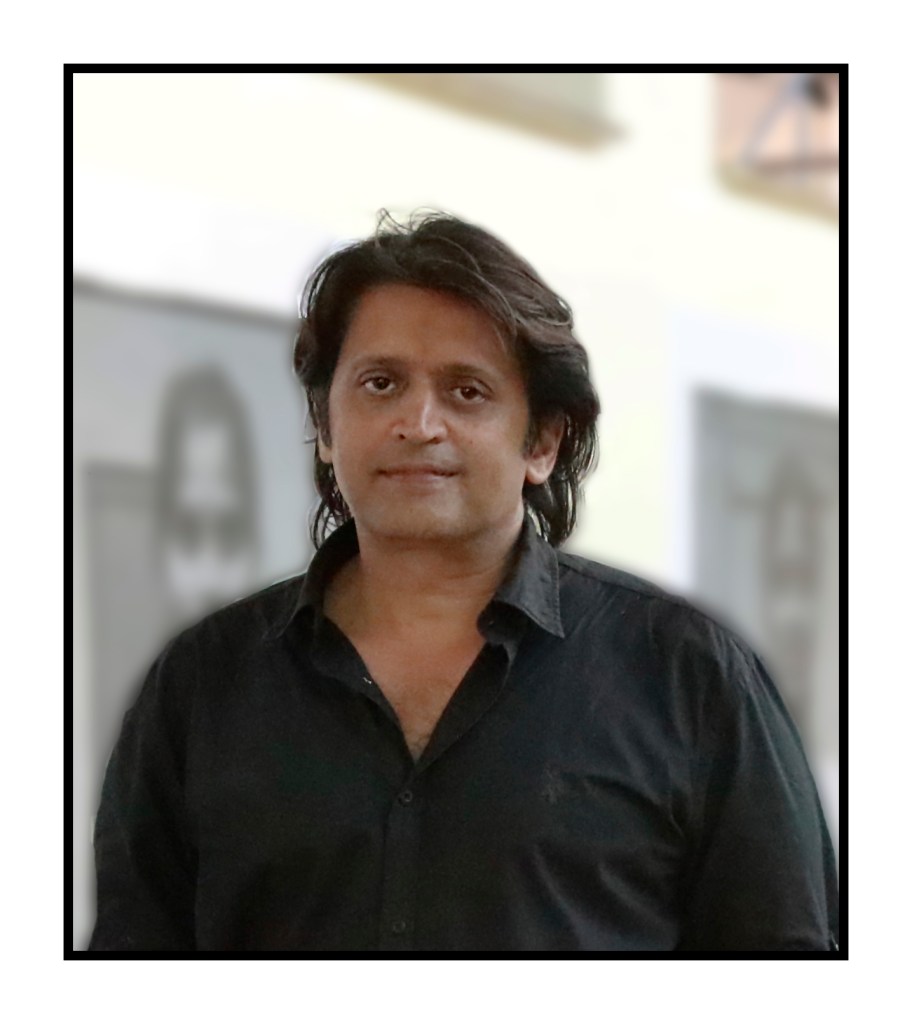
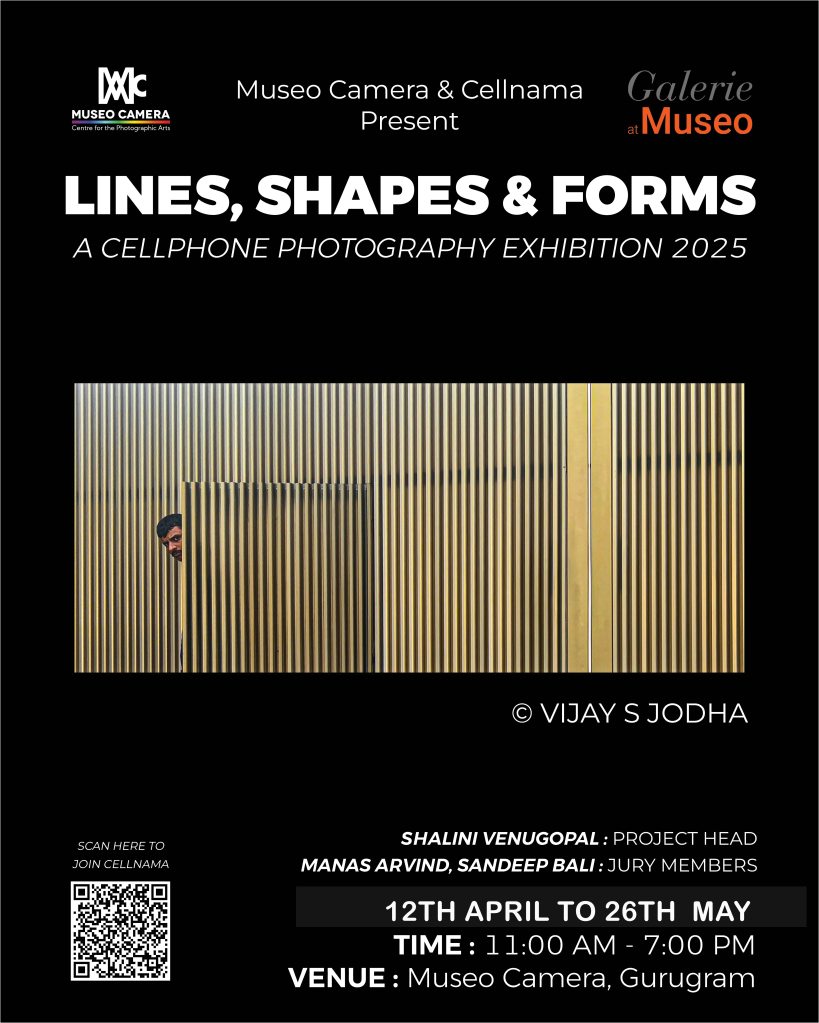
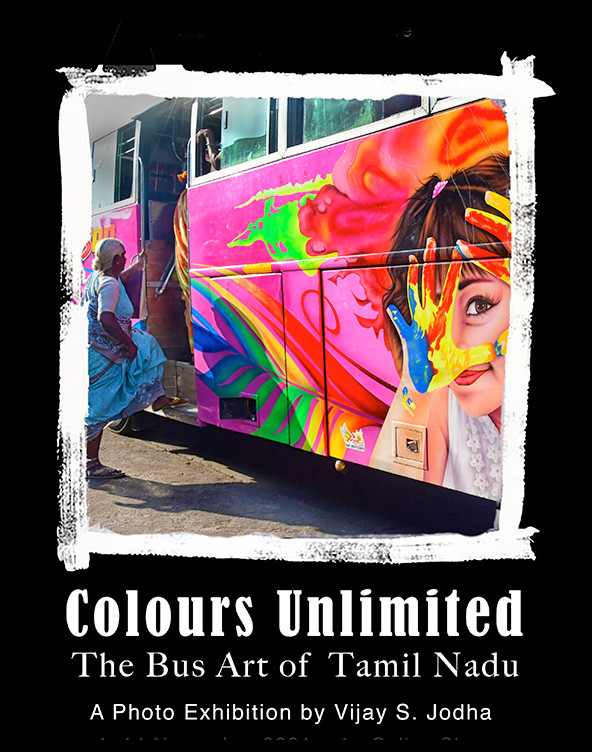
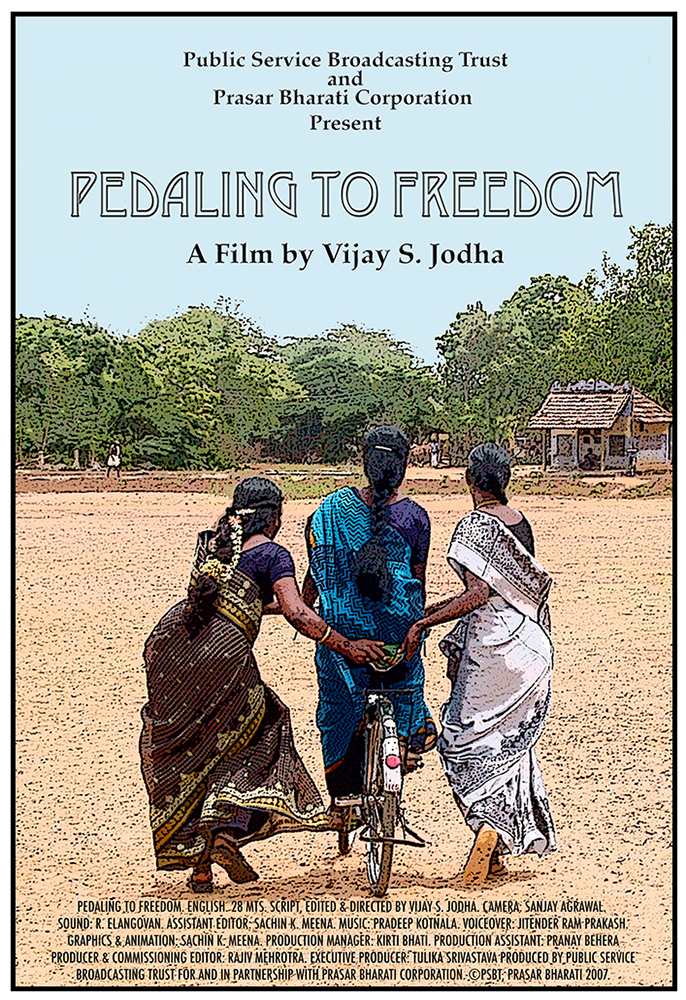
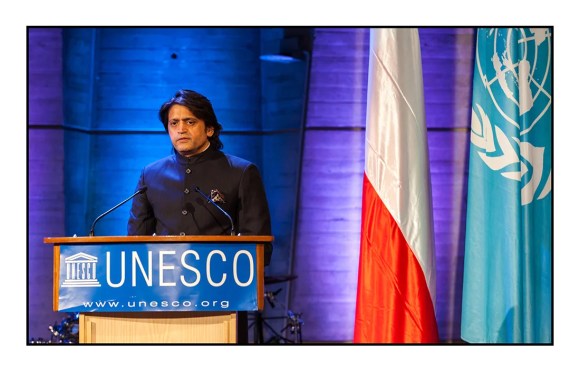
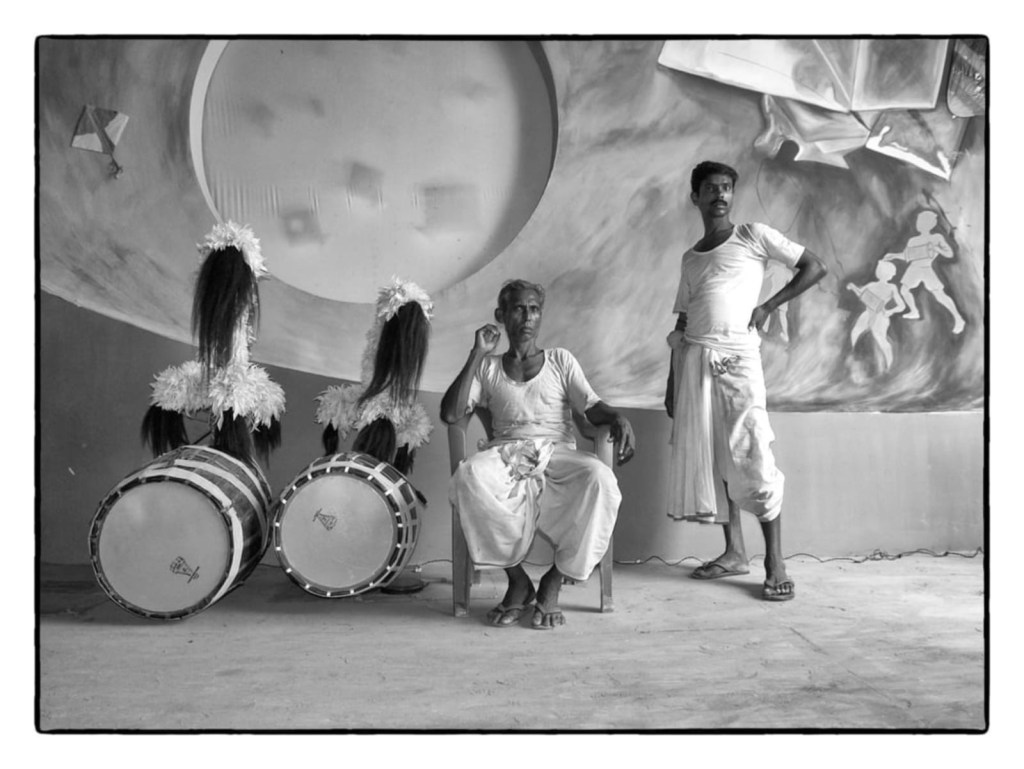
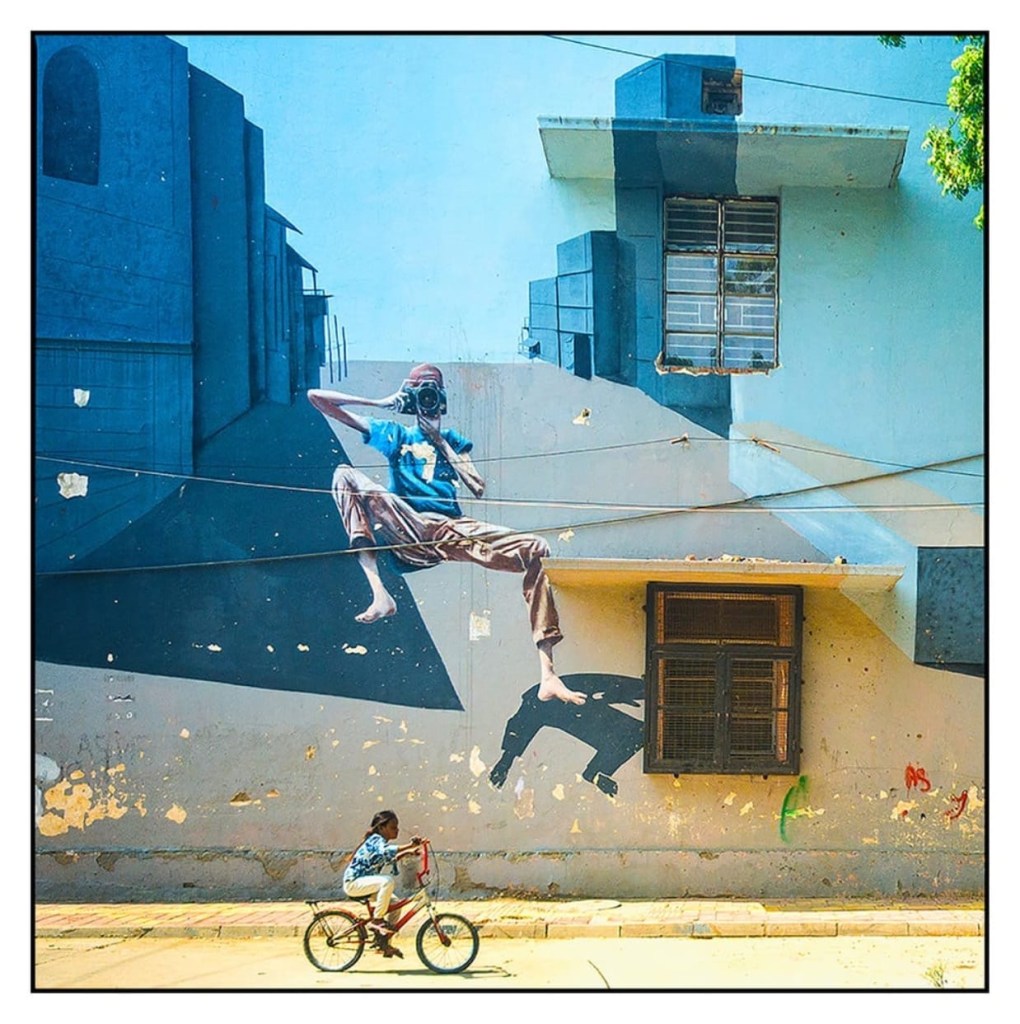
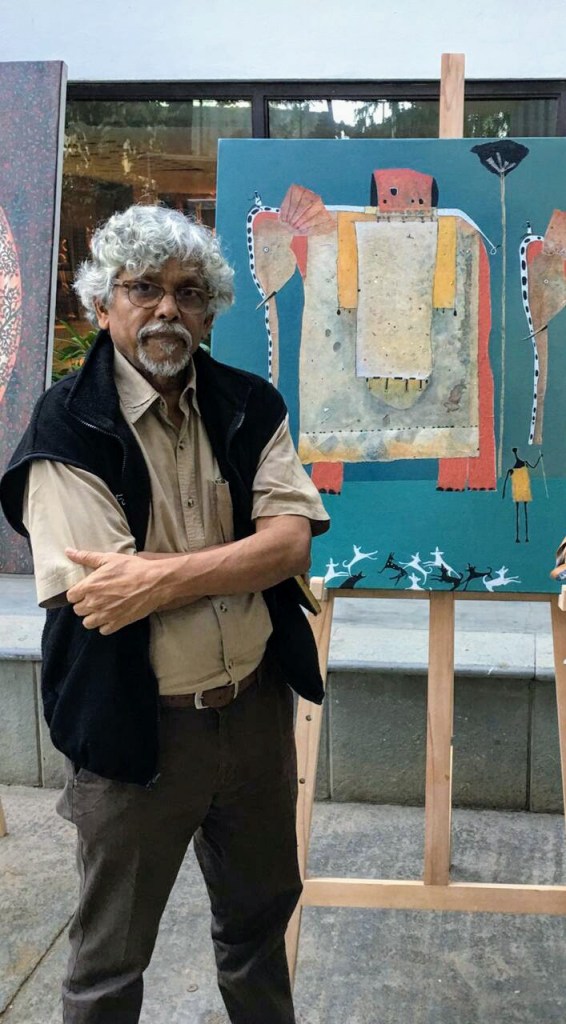
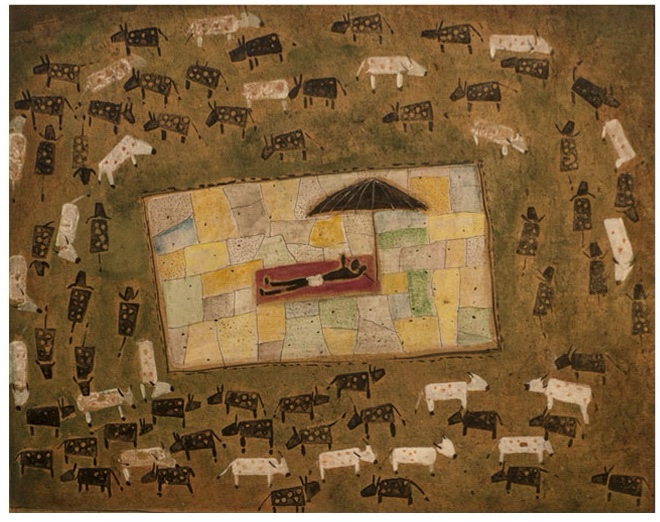
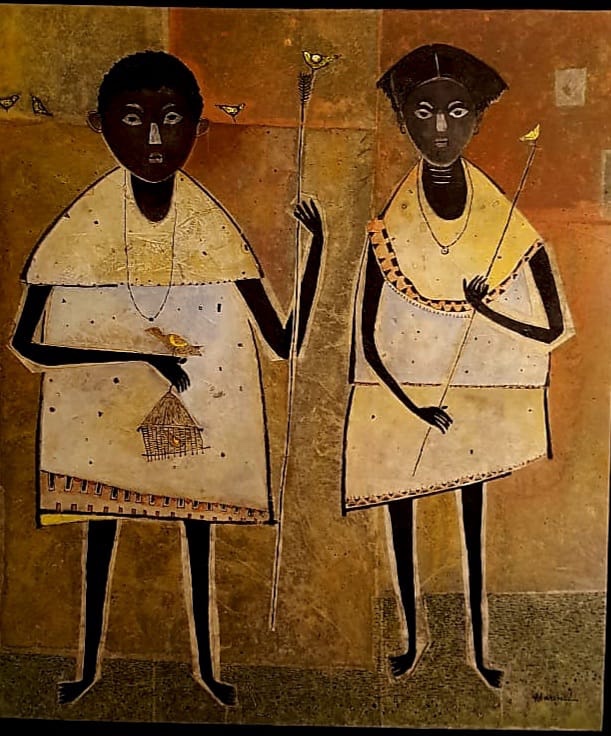
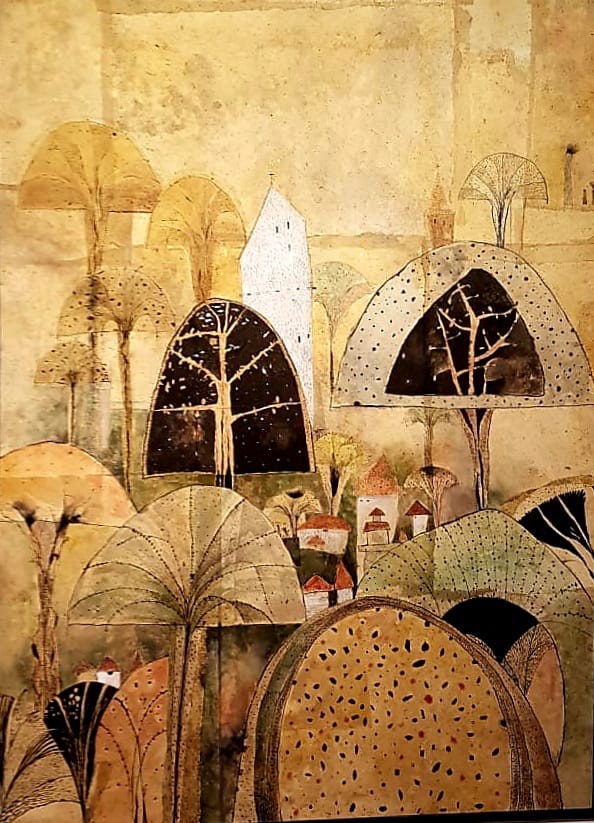
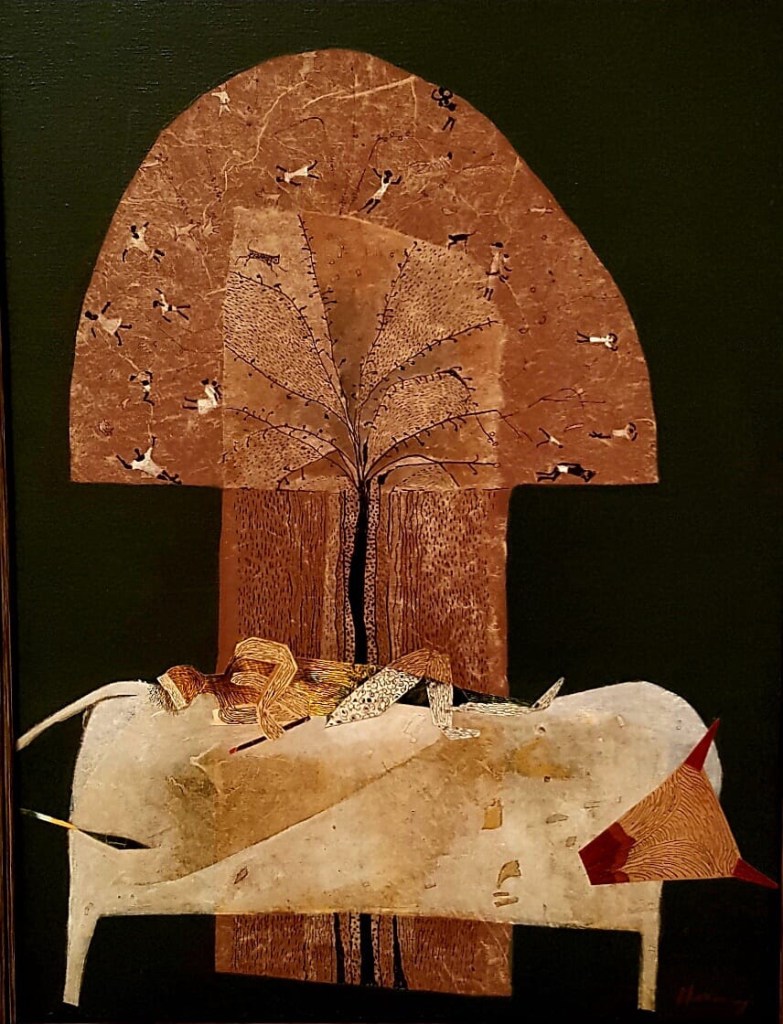
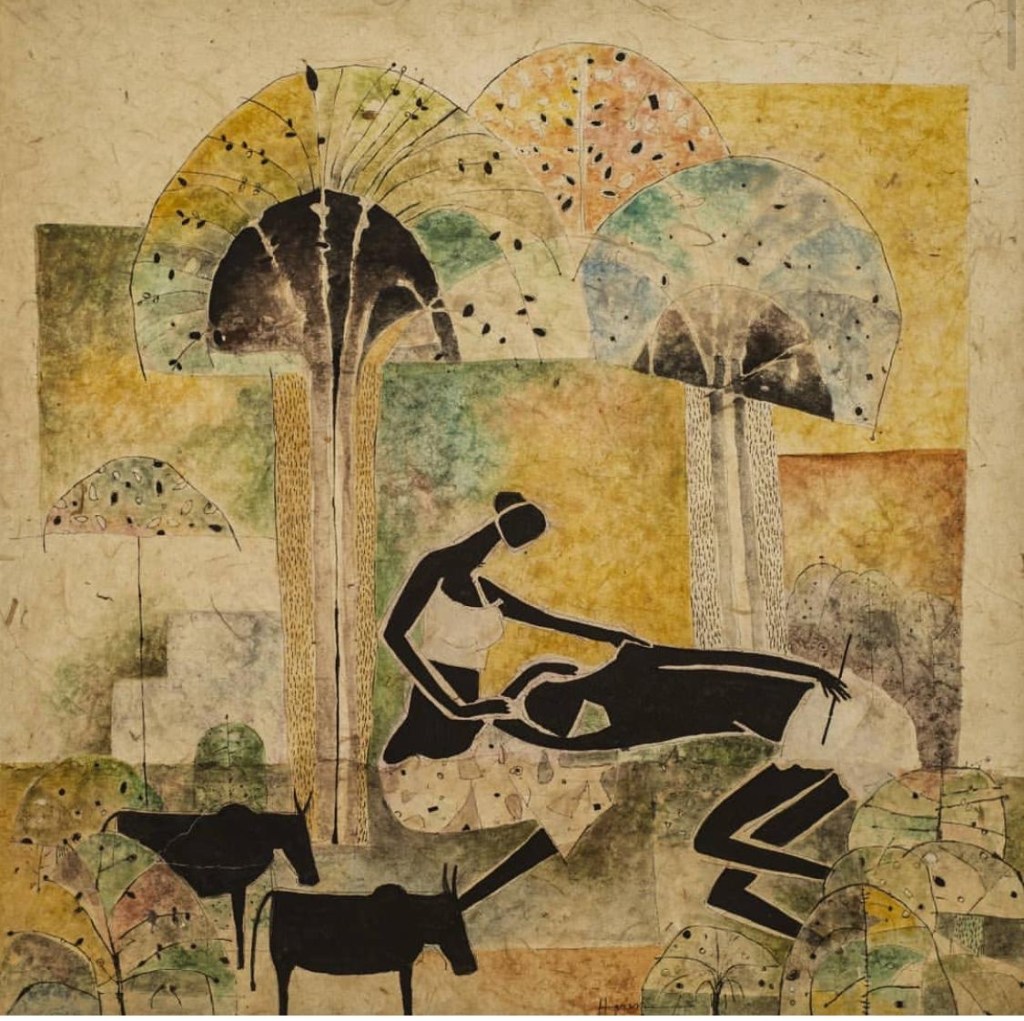
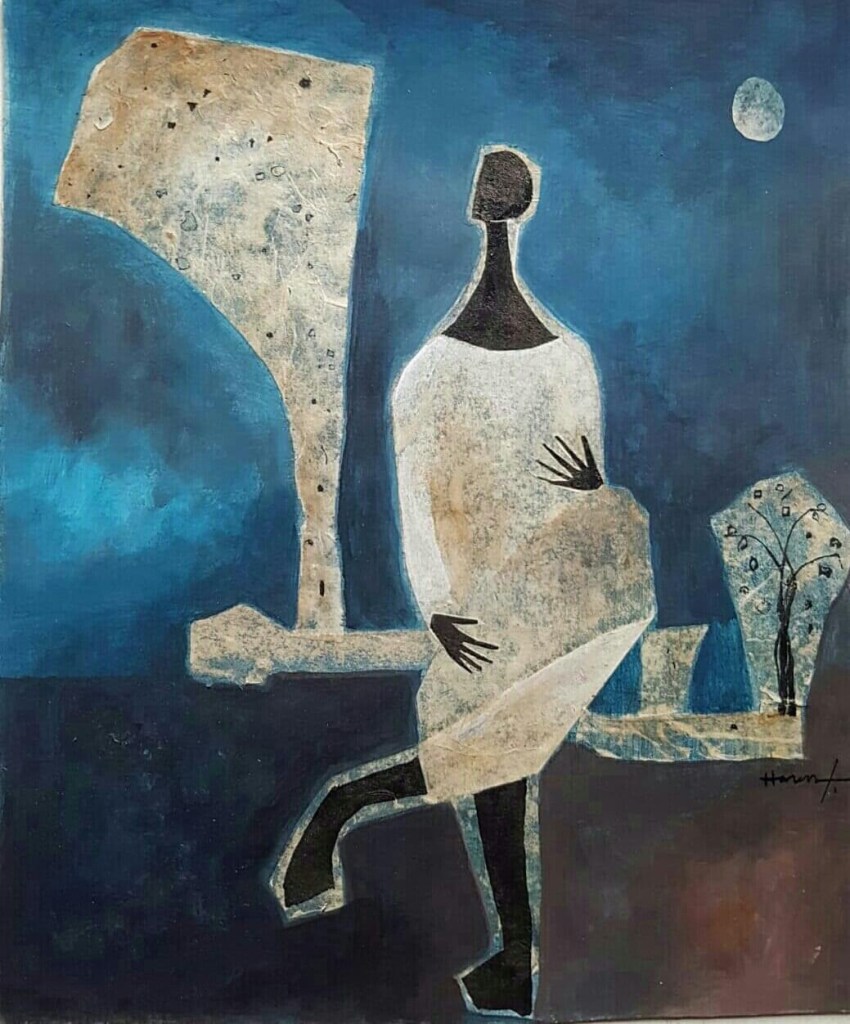
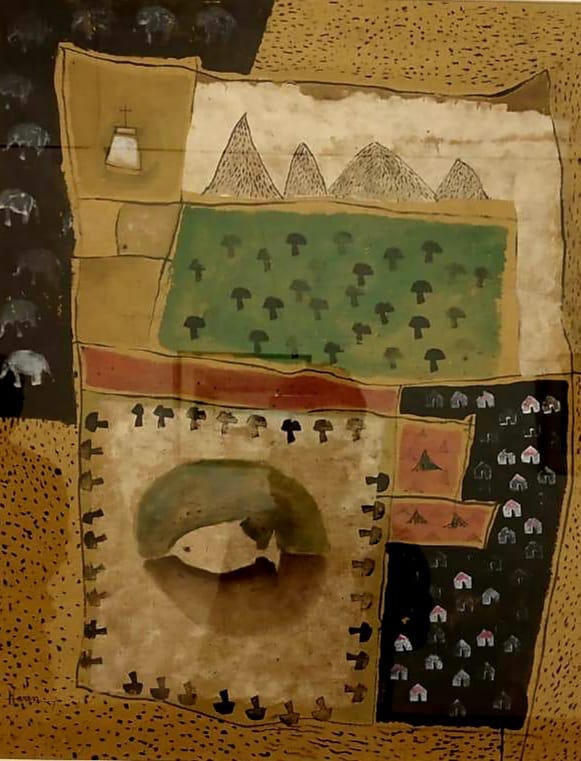
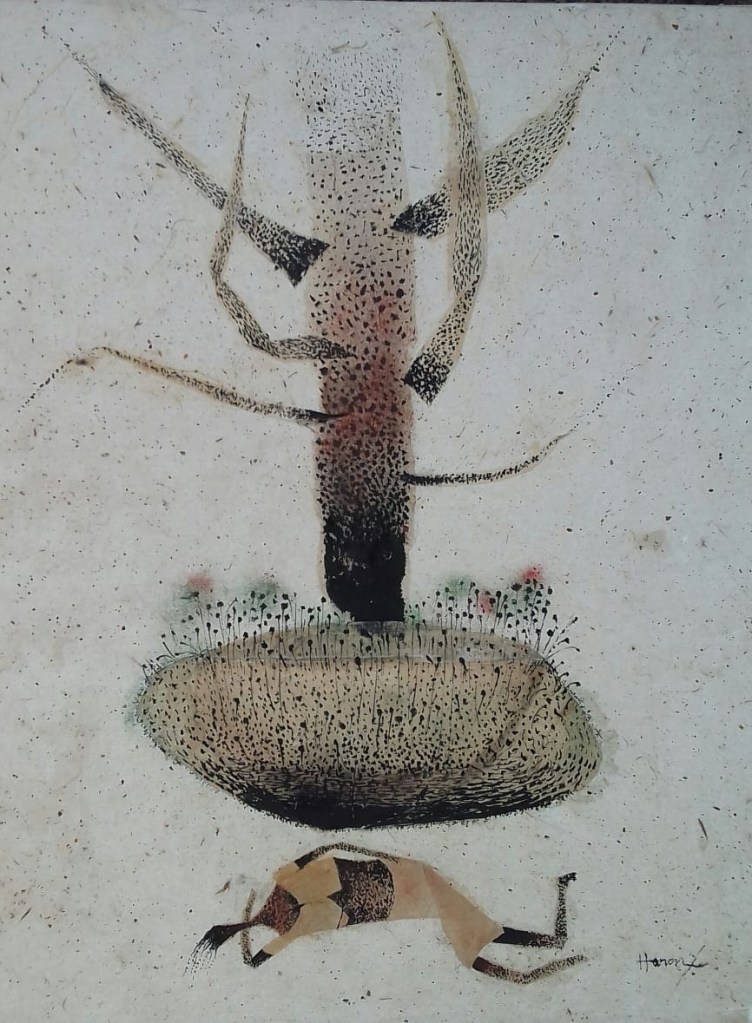


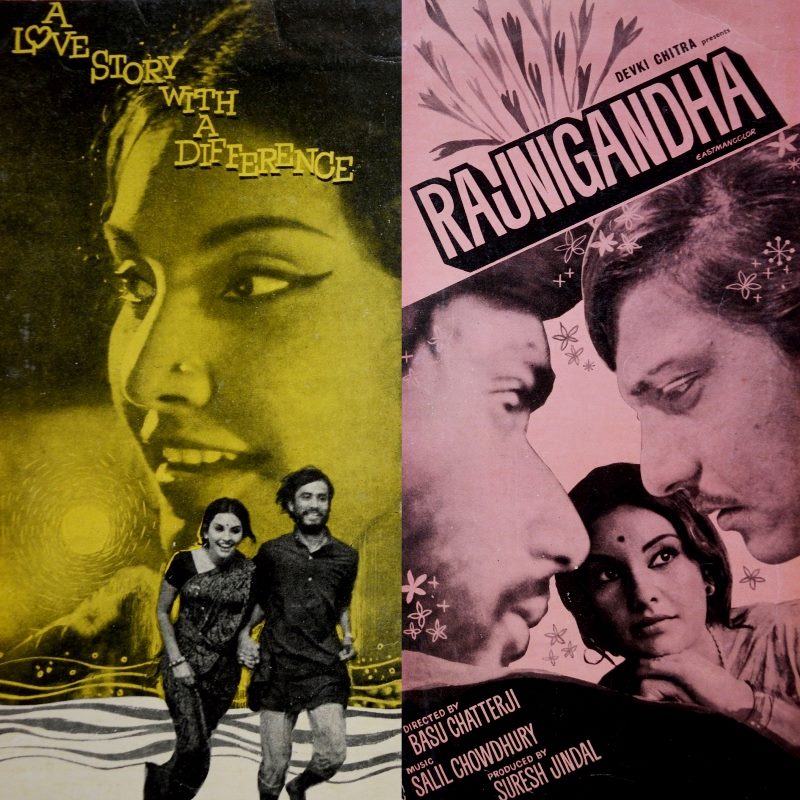
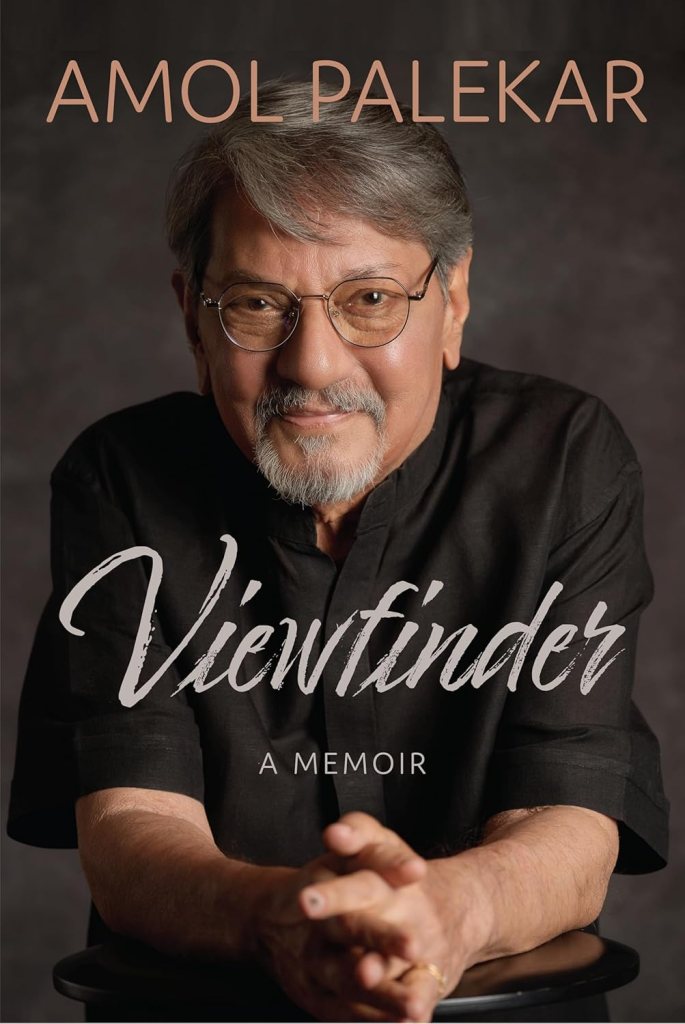

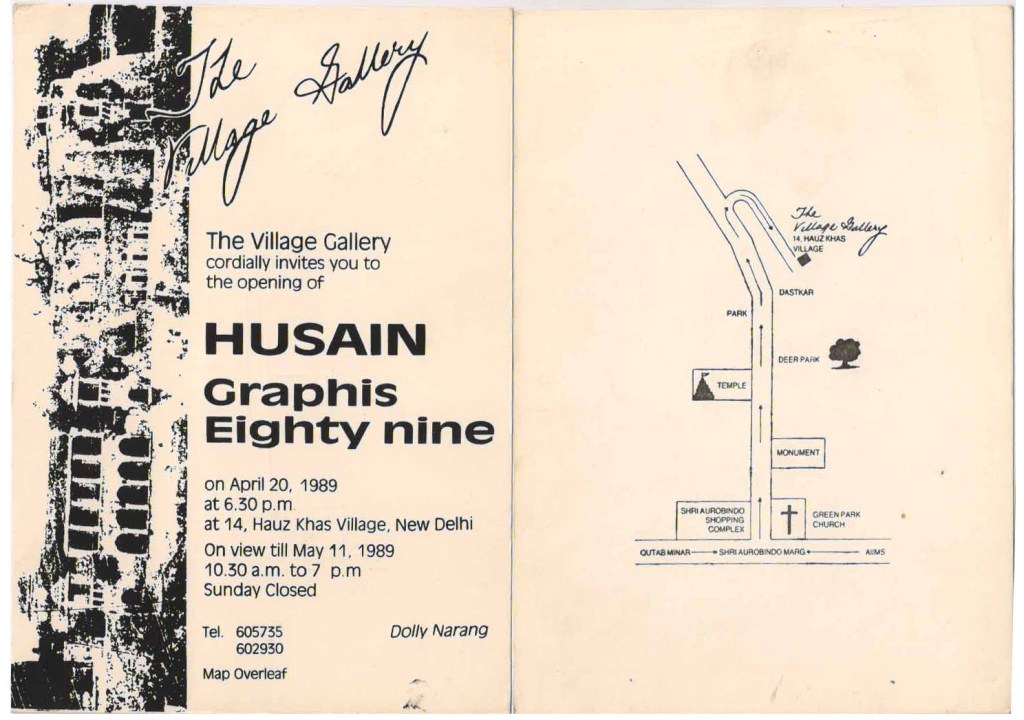
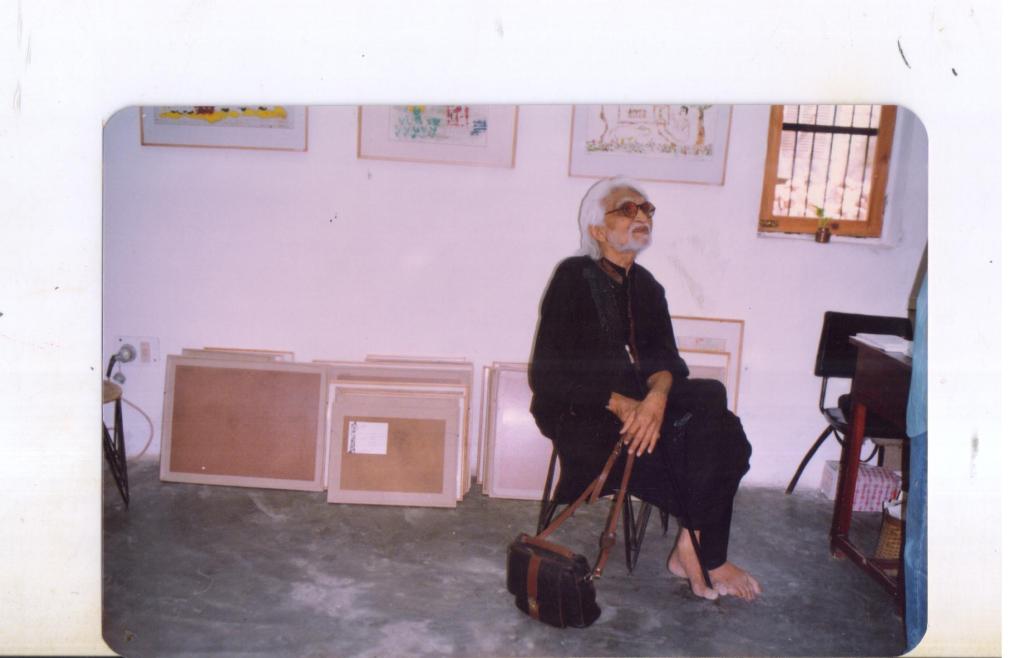
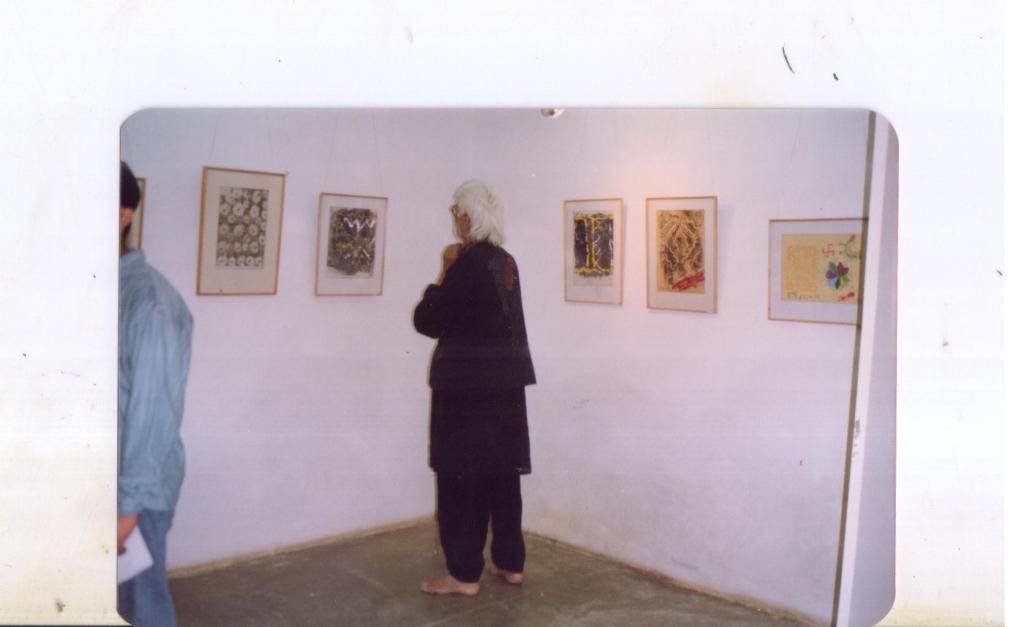
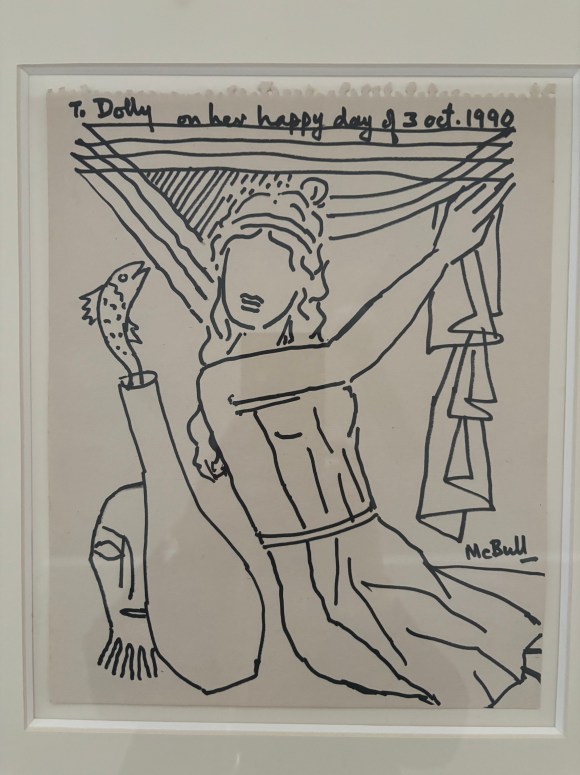
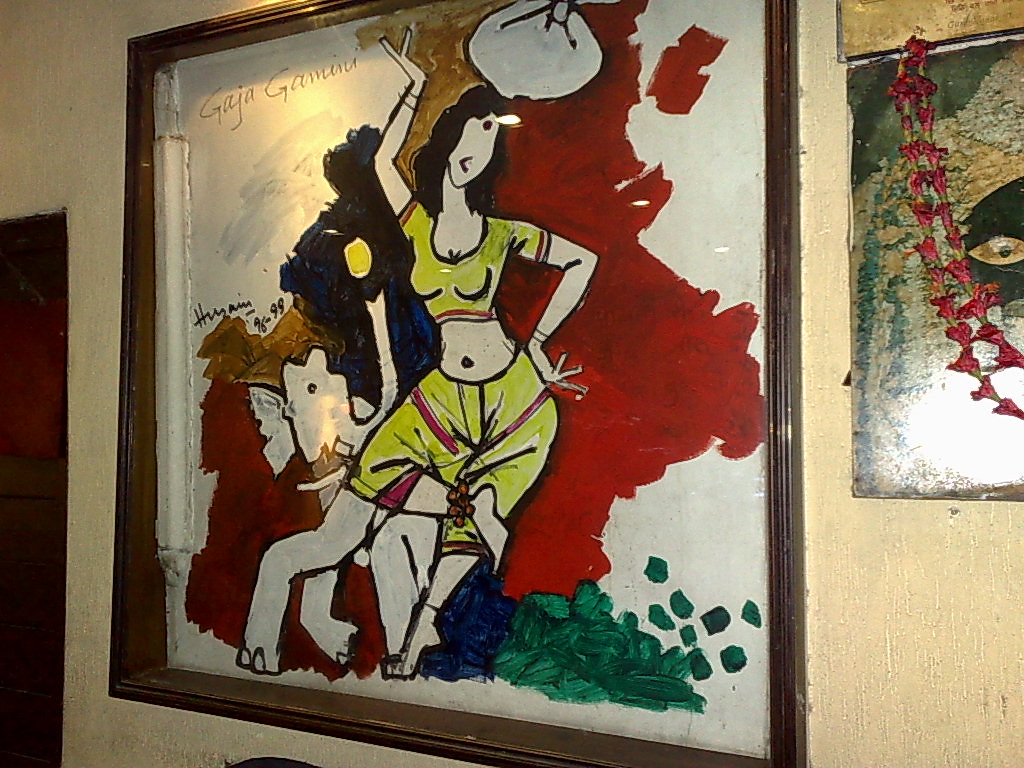
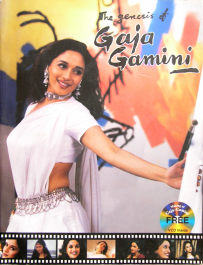
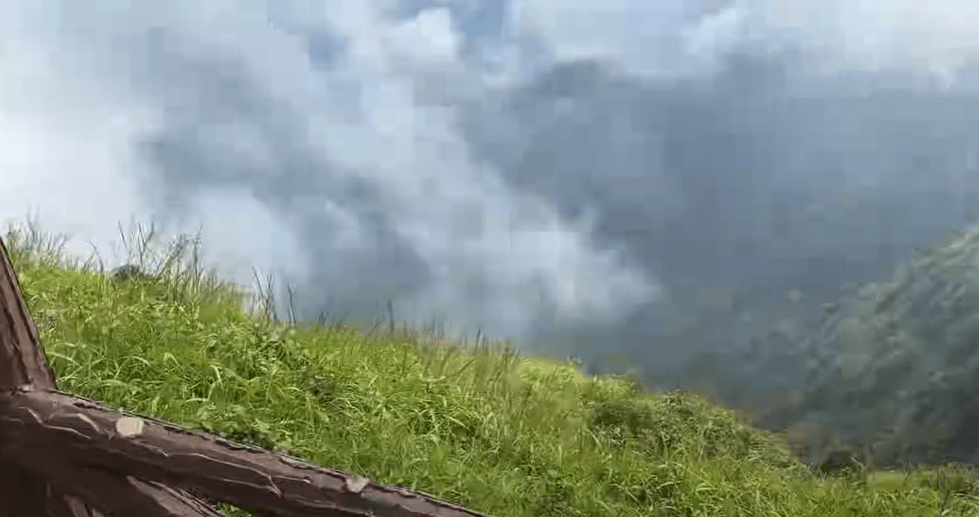
 Borderless