Categories
Poetry

Alcove and the Theory of Time

By Saranyan BV

At the fourth level, there is an alcove hidden from other human beings. 
(I didn’t know fourth level existed.)
From here a slope moving down in the form of roof,
Looks over another slope, again a roof.
If I can’t see the people, neither can they me!
The pane at this level has a small crack
To allow the air I require to breeze in. Thank you, Lord.
The space in the alcove allows me to stretch,
Allows me the freedom to assume a foetal posture.
The alcove keeps me cold, keeps me warm.
It gives the creepy feeling I might fall off or roll down.
It gives the assurance I am safe.
Here shadows spill light, nights shine darkness.
The whole thing is about the mind.
There is always the whistle, the thoughts about sex,
When it’s not about the sex, it’s about Gods,
About men travelling in trains, men running for cover to hide nakedness.
I am always missing my trains, waiting to find the station’s rest rooms,
Waiting in front of restrooms for the restrooms to be free.
Here people don’t acknowledge truth, the media doesn’t.
The Caxton phenomenon* is dead, all channels whore.
And then there is the sky, the big clear sky like a slice of cake.
The big sky out there where the birds fly, birds make the clouds wait for another day.
How little I feel, how little.
I speak to the feathers to share the alcove.
I speak to feathers because, reasons can’t speak to anyone else in this high alter of solitude.
I impress upon them to share the alcove
Because times are not shareable.

*Caxton phenomenon refers to the impact William Caxton had on English literature and language when he introduced the printing press to England in 1476
From Public Domain

Saranyan BV is poet and short-story writer, now based out of Bangalore. He came into the realm of literature by mistake, but he loves being there. His works have been published in many Indian and Asian journals. He loves the works of Raymond Carver.

.

PLEASE NOTE: ARTICLES CAN ONLY BE REPRODUCED IN OTHER SITES WITH DUE ACKNOWLEDGEMENT TO BORDERLESS JOURNAL. 

Click here to access the Borderless anthology, Monalisa No Longer Smiles

Click here to access Monalisa No Longer Smiles on Kindle Amazon International

Categories
Poetry

In the Train of Time

By Saranyan BV

Sujay Bose happened to read my poems 
somewhere online.

He asked, “Why do you often write about death?
Why don’t you write about wandering among the clouds
And things like that -- beautiful things?”

I was least offended. I replied,
“Only upon death can I wander among clouds\ …
Beautiful clouds, if you prefer.
In death you can choose the clouds.
They’d be so near.”

In a week’s time, I heard of
Sujay Bose’s demise.
I searched for Sujay sitting in my terrace
With hot tea in hand, served in steel tumbler.
The spongy white clouds look beautiful
Moving in the train of time.

Saranyan BV is poet and short-story writer, now based out of Bangalore. He came into the realm of literature by mistake, but he loves being there. His works have been published in many Indian and Asian journals. He loves the works of Raymond Carver.

.

PLEASE NOTE: ARTICLES CAN ONLY BE REPRODUCED IN OTHER SITES WITH DUE ACKNOWLEDGEMENT TO BORDERLESS JOURNAL

Click here to access the Borderless anthology, Monalisa No Longer Smiles

Click here to access Monalisa No Longer Smiles on Kindle Amazon International

Categories
Poetry

Dinosaurs Peeping over Prison Walls

 By Saranyan BV

From Public Domain
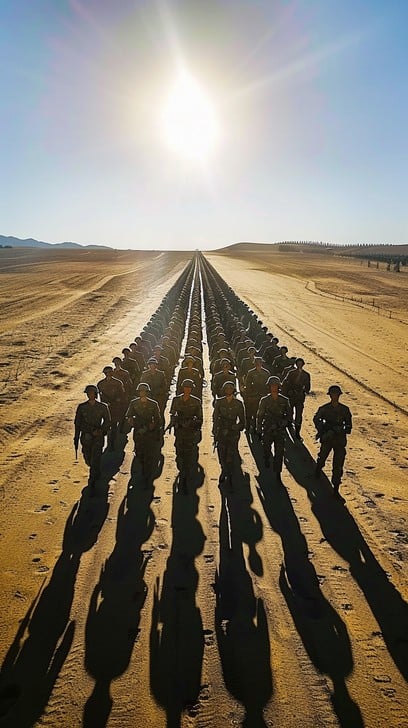
I don’t have to pinch myself to check if I  am alive   --                                                                                             Together we tread this ochre path in a convoy of mortuary vans.
We have no issues over stopping at the gas stations now and then for refuelling.
Most of us rush to the rest rooms, a wise guy buys sachets of glucose at the counter --orange flavour,
He tucks the stuff into his backpack and settles down in his black van, the sachets come with plastic straws which do not decay.
I button up my trousers and board mine.
The map on dash board shows the route,
The blue line does not show the destination though.
I get this funny feeling the place is pretty close, not more than few months.
It would be a calm place, a camp cot kind of thing,
Or at least a hard-surfaced concrete bench
And a place to wash with tap water.
The needlessness for God is now clear in the glare of evening twilight
Like fish spread on the beach sand of truth.
Fish cannot close eyes, God seem to have made them that way.
There is some kind of curiosity left on arc of their eyes.
It makes me wonder what have I lived for?
I gloat over my prayers, the rituals I performed day in and day out,
The images trail like ocean clouds in the river of blue sky.
My piety seem unreal at this point of time, all my piety
The vans stop at the toll gate following sombre lane discipline,
The wise old man’s van too stops, CO2 from it spews next to mine.
He lifts and shows one of the sachets,
Takes a small sip from it and explains over the window,
“Time and energy is all misspent”, then takes a large sip,
His eyes squint to see where the straw enters the small hole.
I see his Adam’s apple rising and levelling, “Piety is of no use after we pass brother, it always come to that, all things in our life.”

“Belief in afterlife is stupid”, I tell the old man to keep the conversation going.
“I never had a chance to ask dinosaurs how it came into extinction.”
He likes the way I speak with perennial eyes, offers me a sachet through the window and expresses alignment,
“True, the last of the dinosaurs died 65 million years ago. You know if the dinosaur had souls, those too would have died.”
This way he tries to prove souls hang around though eventually they die.
I think he invests in the concept of soul to prolong his own life after death.
His ticketing is done, the van starts ahead.
My soul died at birth, the inevitability of death sticks on the wall
Like residue of the gums left by Bollywood posters,
Snatched and eaten by the city bovines.
My mom told me that the only protein city cows get is from the glue,
She also kept telling that milk of the city cows smell of the wheat adhesive.
Mom is gone and she won’t be watching, all that she has taught too is gone.
It is not about God or religion or even atheism,
It’s about us, the dinosaurs peeping over the prison walls.

Saranyan BV is poet and short-story writer, now based out of Bangalore. He came into the realm of literature by mistake, but he loves being there. His works have been published in many Indian and Asian journals. He loves the works of Raymond Carver.

.

PLEASE NOTE: ARTICLES CAN ONLY BE REPRODUCED IN OTHER SITES WITH DUE ACKNOWLEDGEMENT TO BORDERLESS JOURNAL

Click here to access the Borderless anthology, Monalisa No Longer Smiles

Click here to access Monalisa No Longer Smiles on Kindle Amazon International
Categories
Poetry

The Years I Still Have

Poem by Saranyan BV

From Public Domain

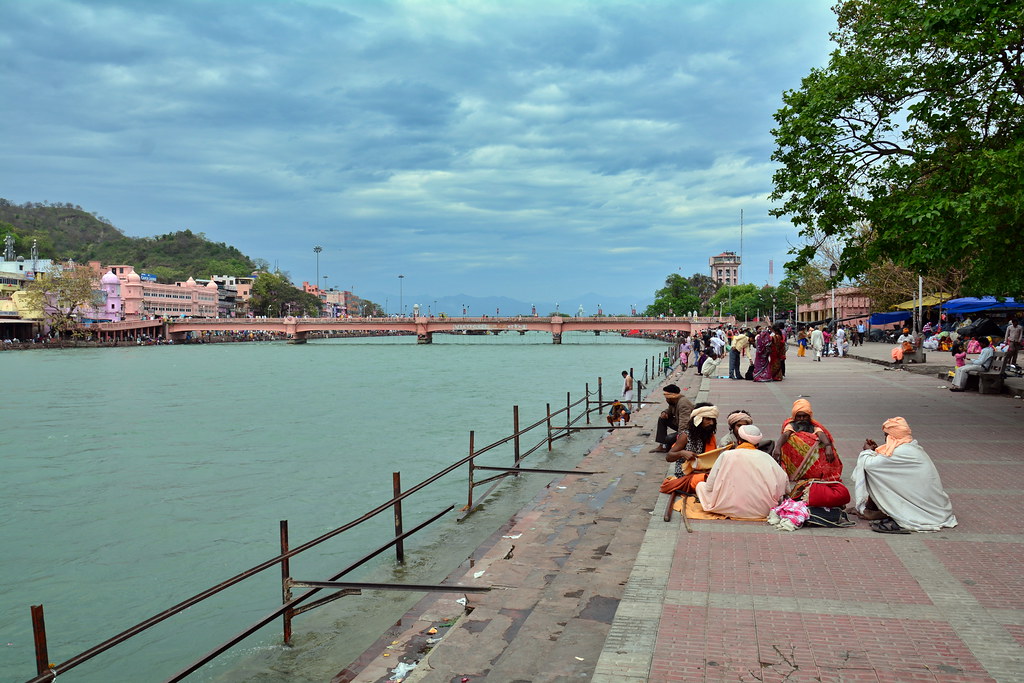
I am in Haridwar. Haridwar is a holy town where people wash sins in the Ganges.
I watch the waves touch my feet, then tumble over the cobblestones, take the curve and veer off.
I watch the horizon dissolve, vanish into the darkness of the night.
These kind acts of nature are reminders of the years I still have.
There is absolute uniformity in the sound from conch-shells.
The blower has no control over the notes of appeasement.
The blower is dressed like a sage. I cannot vouch if he is one.
I hear the cow-bells shake off satisfaction,
I envy the bovines heading home for a regular meal from the wife of the herdsman.
The cows have before them a whole night of masticating after the day-long grazing is done.
The river or horizons or even the cows and their sweet moos are mere physical things.
An angel comes in my dream and proclaims that we are products of time.
Though men often wish not to ponder over this labyrinth of metaphysics --
Nothing is truer than death, death is real, it is the only truth --
The angel doesn’t explain in so many words, simply leaves the footpath of left over life ahead.
I sit on a stone to study the footprints left by the muster of crows,
What made them descend to the ground although they have wings?
What did they forage?
Oh angel, you are evanescent as are my dreams. Do not go away. I long for you. I have no power to criticise or doubt.
I will even drink for your presence -- though I stopped drinking long ago.
There, let us join! Young monks prepare for the aarti* of mother Ganges!
The lights from the aarti act as beacons for the dingy boats of sins,
Are there labs to check the density of sins or instruments to measure the river’s purity?
A horde of pelicans fill the wintry sky with rosy feathers and fade out
Giving the sky back it’s blue.
Nothing is permanent -- everything seems good, everything –
And that’s why I’d feel secure when I close my eyes later in the night.

*Offerings accompanying prayers
Religious offerings on Ganges. From Public Domian

Saranyan BV is poet and short-story writer, now based out of Bangalore. He came into the realm of literature by mistake, but he loves being there. His works have been published in many Indian and Asian journals. He loves the works of Raymond Carver.

.

PLEASE NOTE: ARTICLES CAN ONLY BE REPRODUCED IN OTHER SITES WITH DUE ACKNOWLEDGEMENT TO BORDERLESS JOURNAL

Click here to access the Borderless anthology, Monalisa No Longer Smiles

Click here to access Monalisa No Longer Smiles on Kindle Amazon International
Categories
Poetry

The Clock that Cuckoos

By Saranyan BV

As I was fast asleep in my bed of roses,
Someone silently moved
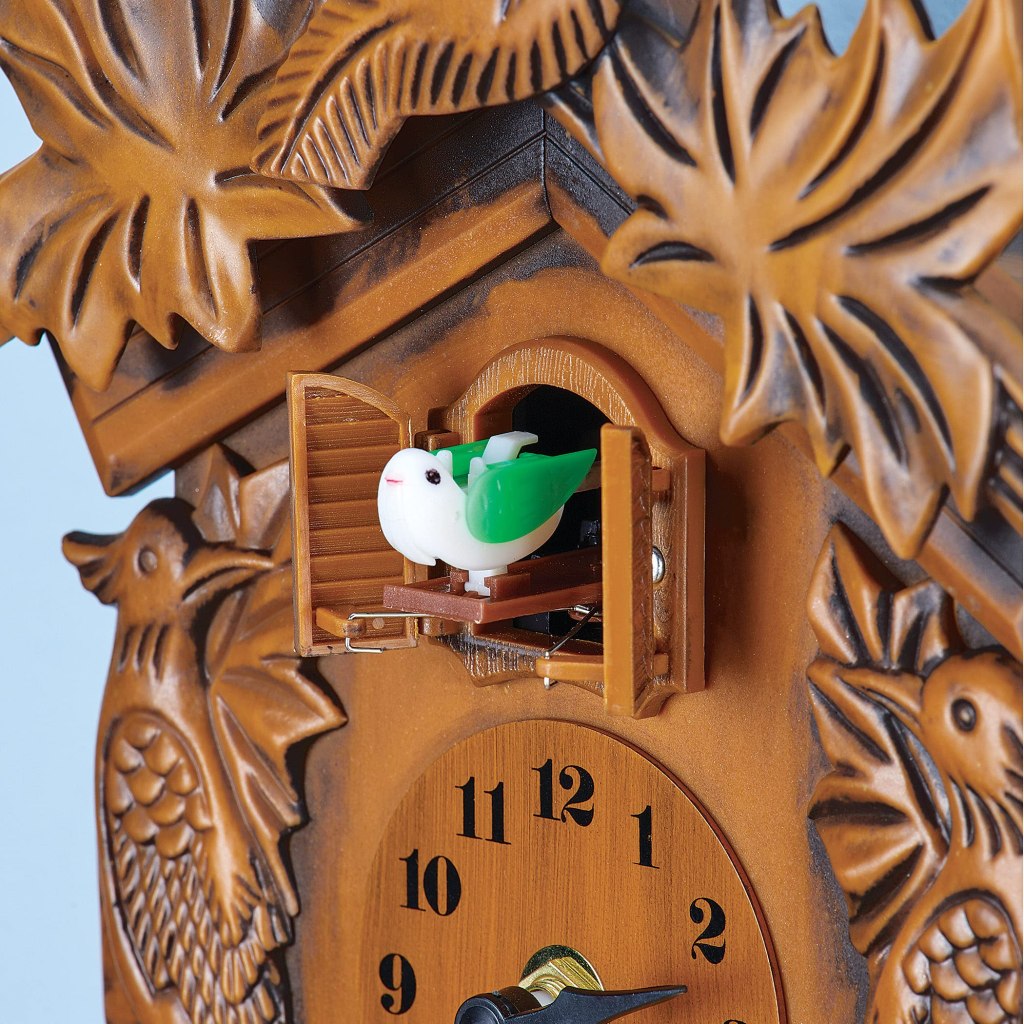
The cuckoo clock standing against the eastern wall
And hung it next to the awning through which I watch sunset.

As I sleep on my bed of roses,
The cuckoo comes out of the darkness every hour.
The cuckoo's breast is brown, like the pile of wood stacked on funeral pyres.
The cuckoo would look at the unencumbered nail sticking out,
And blow its honest heart out,
‘It’s not about death I am afraid, It’s about living’ –
It’s time I hang a picture of the churchyard symmetry
Where my father, my mother and my friend have gone before, sleep.
I sleep past my bed of roses.
I do not draw conclusion from the waxing of or waning of the moon
The moon passes through the window over the beads of raindrops
All night,
The good old cuckoo clock minds
‘Cuckoo…, cuckoo…’.
From Public Domain

Saranyan BV is poet and short-story writer, now based out of Bangalore. He came into the realm of literature by mistake, but he loves being there. His works have been published in many Indian and Asian journals. He loves the works of Raymond Carver.

.

PLEASE NOTE: ARTICLES CAN ONLY BE REPRODUCED IN OTHER SITES WITH DUE ACKNOWLEDGEMENT TO BORDERLESS JOURNAL

Click here to access the Borderless anthology, Monalisa No Longer Smiles

Click here to access Monalisa No Longer Smiles on Kindle Amazon International
Categories
Poetry

Learning to Listen to Silence

By Saranyan BV

Our friendship overcomes the distance between the balconies.

At first the extent seems long, gaping like the head of a ship-mast sailing beyond the horizon.

We could connect only with our eyes. We do not have access to each other.

Otherwise, she is companionable, very bubbly. She is petite,

I guess she feels lost being alone. She demands I remain in the balcony all the time.

And I would, a book of poems on my lap.

My neighbours often leave her alone,

go roaming, to play or to munch popcorns in movie malls,

She would express her stress by barking through the morning,

or whining the rest of the day. I learn not to be troubled by her tantrums.

She would jump with joy upon seeing me, let me know how happy she felt using the tail.

I never reason any other purpose for that appendage.

It makes me feel inadequate, the absence of it.

In that period of love we forge our clandestine kinship by panting like mountaineers doing high altitude trek.

I learn to return her love.

I would lean over the balustrade and pretend to hug.

She taught my eyes to ooze oxytocin, which she channels into her wide-eyed ardour.

And then her folks move away to another apartment, taking her along.

She is not aware of the plan to move, she has not been told, she goes without saying goodbye.

I still have the book on my lap, the book of poems, open and face down.

The silence is not adequate to replace the ligature of our bond

or to teach me how to bear her absence with quietude.

Saranyan BV is poet and short-story writer, now based out of Bangalore. He came into the realm of literature by mistake, but he loves being there. His works have been published in many Indian and Asian journals. He loves the works of Raymond Carver.

.

PLEASE NOTE: ARTICLES CAN ONLY BE REPRODUCED IN OTHER SITES WITH DUE ACKNOWLEDGEMENT TO BORDERLESS JOURNAL

Click here to access the Borderless anthology, Monalisa No Longer Smiles

Click here to access Monalisa No Longer Smiles on Kindle Amazon International
Categories
Poetry

Poetry by Saranyan BV

Standing in the Expanse Under the Neem Tree Cluster

I wait with a bundle of tinder logs rolled in a hessian sack.
It’s raining, the air humid, the dust in the air settled.
I wait for the pilgrims to pass, the coast town is overfilled.
I wait for today’s angels to avail my service,
Angels who arrive with spices and groceries,
They never bring the firewood. I cook their food with love.

I stand waiting at the crossroad with a jerrycan of petrol,
The fuel’s brown looking like gold, no sediments in there,
No decisions to be made by the private car users,
Except to notice the quality of my fuel,
And ask me if I could take over the wheels.
I drive with love. Whatever I do, I do with love.

All this waiting is about being and the essence of being
And finding means to make ends meet;
When the need stops, you would no longer find me
Standing in the expanse under the neem tree cluster;
The hessian sack or the jerrycan would continue
In the hands of another good person, waiting to learn.

Saranyan BV is poet and short-story writer, now based out of Bangalore. He came into the realm of literature by mistake, but he loves being there. His works have been published in many Indian and Asian journals. He loves the works of Raymond Carver.

.

PLEASE NOTE: ARTICLES CAN ONLY BE REPRODUCED IN OTHER SITES WITH DUE ACKNOWLEDGEMENT TO BORDERLESS JOURNAL

Click here to access the Borderless anthology, Monalisa No Longer Smiles

Click here to access Monalisa No Longer Smiles on Kindle Amazon International

Categories
Poetry

Poetry by Saranyan BV

Not Knowing What to do with What is Left


I sat in the railway station leaning on a chair.
The evening was pleasant with orange-violet cotton clouds.
The chairs were meant for the passengers waiting for the 5.45 pm shuttle.
The passengers carried veggies and sweetmeats in yellow bags to take home.

Most of the passengers were old and capable of coughing the phlegm of life.
One or two well-to-do walked up the refreshment stall and slurped the hot brew.
I never went to that side because it reeked of sour milk.
Aroma of guavas rented the air where I was seated. It is the season, though late.

The bill advertising the tabloid press said,
‘An engineer from the public works department was found dead in the reservoir.’
I have seen only fishes in those turbid waters, big and small ones snapping their tails.
Sometimes pachyderms appeared from the thick groove on the banks for a drink.

Doubts were raised if the engineer committed suicide, or was it a murder?
A crow wearing a grey collar flew under the roof. It pecked at crumbs fallen off
The potato wafers people bought, ate from polythene bags to kill hunger
While the wait pounded blue vessels and produced dreariness.

The fritters would be swept away before sunset
By the station cleaning staff enveloped in bellow-like overalls.
These particles would soon be part and parcel of the purple carboys in which garbage collects.
The crow has to make a quick dash for its supper. It did not pause to read the bill.


The news of the engineer’s death did worry the crow or anyone. We were not like the crow with the grey collar.
We sat craning our necks and knitting brows, not knowing what to do with what is left.
One of us returned and said the post-mortem is done. The pyre is lit without a trace.

Saranyan BV is poet and short-story writer, now based out of Bangalore. He came into the realm of literature by mistake, but he loves being there. His works have been published in many Indian and Asian journals. He loves the works of Raymond Carver.

.

PLEASE NOTE: ARTICLES CAN ONLY BE REPRODUCED IN OTHER SITES WITH DUE ACKNOWLEDGEMENT TO BORDERLESS JOURNAL

Click here to access the Borderless anthology, Monalisa No Longer Smiles

Click here to access Monalisa No Longer Smiles on Kindle Amazon International

Categories
Poetry

Final Chapter in the History of Atonement

By Saranyan BV

Courtesy: Creative Commons
Imagine a situation, 

where Earth instructs the gravitational force
to stop wasting its energy
holding together earthlings…
Earth is not God,
yet it speaks against God’s own subjects.
The earthlings comprised of us --
we always come as primary --
then the animals, the flora
-- the trees, plants the shrubs --
and the pale green cloud of fungus,
the water, the seas, the oceans,
the rivers, the lakes with or without bunds,
dams, reservoirs, dead tree-trunks sprouting from under,
the loose sand, the tight sand, the clay, the quartz, rocks
tnd the angry embryo of core --
the magma, anything in that or any other order.

Imagine a situation,
where the gravitational force decides
to stop wasting energy…
We would all be flying -- away from one another,
trying to wrest air in our lungs, those of us living beings,
try and find happiness for the left-over period of our life --
which is the primary purpose of everything,
of being alive, of breathing and of being. In that short time,

we delight in listing our achievements,
listing them as pinnacles to the sun,
to the moon and to that God, who has no ear for trivia,
and to God’s keeper of records,
who watches earthlings disintegrate. Some atone, atone and atone--
atoning for everything, in no particular order,
for the fear of truth behind some halfwits propounding
that death would place us at the crossroad,
between hell and paradise in which we no longer have a say.

Saranyan BV is poet and short-story writer, now based out of Bangalore. He came into the realm of literature by mistake, but he loves being there. His works have been published in many Indian and Asian journals. He loves the works of Raymond Carver.

.

PLEASE NOTE: ARTICLES CAN ONLY BE REPRODUCED IN OTHER SITES WITH DUE ACKNOWLEDGEMENT TO BORDERLESS JOURNAL

Click here to access the Borderless anthology, Monalisa No Longer Smiles

Click here to access Monalisa No Longer Smiles on Kindle Amazon International

Categories
Stories

Getting Old is like Climbing a Mountain

By Saranyan BV

Courtesy: Creative Commons
Getting old is like climbing a mountain, you get a little out of breath 
but the view is much better!
                                                                     - Ingrid Bergman, actress

He arrived in the morning. He was carrying a small bag but enough to contain things to stay for three to four days. His visit was unannounced. Although he was cordial, I didn’t inquire into the purpose of his visit. I invited him inside and showed him the spare room where he could rest a while. He was seventy-nine years and could do with some rest. His body language showed he was grateful, yet he didn’t offer a reason for his presence in the morning. I went inside the kitchen so that I could prepare a cup of coffee for him. I heard him move inside his room, the footsteps of an old man. I could hear him take things out from the bag and push some back. After a while, the sounds stopped. The house turned silent. It sounded silent and silence sounds like death. My eyes roved over the kitchen table to check on the things available to make a decent breakfast for uncle. He was in need. He looked famished.

I pushed open the door leading to the backyard, in the kitchen garden, the plants were unkempt. It was a messy area of about forty-four square feet. I plucked brinjals and tomatoes to make the sambar respectable and to add on to the coconut chutney which was already done. There was also coriander, not ready for plucking, but at times like this it could be useful. I heard the sound of the cistern flush, the water drained without giving inkling of anger. I handed him the cup, he took it and kept looking at the floor. He drew an arc with the toe of his right foot. I could not understand what the act meant except he was disturbed. There would be time later to get to know. For the time being I let him feel at home. He didn’t inquire about my husband’s whereabouts. My husband was his nephew. Uncle might have assumed Shyam has gone to office. Actually, Shyam has gone to handover his Renault Kwid for the first unpaid service. He would be late today. Shyam too would have to have his breakfast before starting for work. Maybe they could have it together. We all could.

I hoped uncle would spruce himself and be ready before Shyam returned. I was not going to rush him.

Shyam would be in a terrible hurry. He could catch up with his uncle while he is pushing the idlis[1] down his throat. I have to keep requesting Shyam time and again to eat slowly. Food is meant to be enjoyed and not be dealt with as if it is a task to be completed. Breakfast is the only meal Shyam has at the dining table. He took his lunch in the office canteen and the night meal was invariably at the bar he frequented. I had rehearsals for the coming play at Ranga Shankara in Jayanagar. Most evenings, I was out. I think he ate only fritters and no proper dinner. I never questioned him about his activities. He found that convenient.

I went past the room in which the uncle was lodged. I pretended to go out under some pretext. The garbage collector had entered the street. The garbage needed to be in cans outside the gate. I peered in. The door was open. Uncle was seated on the mattress leaning back on his hands. He was looking up at the ceiling fan, at his own reflection on the chromium plated hub-cap. He had not switched the fan on, the weather was fine. I collected the compost bag and kept tossing handfuls on the potted plants in the courtyard. That was my weekly routine. The plants responded to the manure but the moment the plants shoot buds, insects destroyed them. I tried to give uncle some privacy by remaining in the garden. He looked rather pulled down. If he wanted to make some calls in my absence, I’d rather facilitate it; but he didn’t.

Uncle lived in Hebagoddi with his only son, his house overlooking the wholesale fruit market. Whenever we visited, I found him standing on the open terrace upstairs and watching the trucks loading and unloading. Ajay resigned his job in Hosur and had left to take up new assignment in Abu Dhabi. He told us he wanted to move with his family to Abu Dhabi. I wondered if he could take his father as well. Maybe that was what made uncle preoccupied – the thought of being left alone without his son, who was also his caregiver.  Uncle had a handsome pension as a retired school master. He was not dependent monetarily, but he needed someone to assure him everything was going to be fine. An old man required assistance and supervision. My dad’s brother had dementia from being lonely they said.  since He had no one to talk to. He was a bachelor with lots of money but dementia doesn’t check the wallet before setting in.

I went back to the kitchen. The decoction had filtered down. I mixed the coffee and took it along with two Marie biscuits. He took it and placed it on the table. His hand shook. He said, “Thanks.” He wasn’t curious about Shyam’s absence. I was surprised he did not inquire.  He was Shyam’s uncle not mine.

I told him, “Shyam would be back shortly, I will serve breakfast when he comes.”

“That’s nice”, he said. “In that case I will have the coffee after breakfast. I took Pantacid just now. Let the medicine do the job.” He took the two biscuits, placed them on the paper napkin and returned the cup.

I said, “Fine.” I lifted my chin to scrutinize his face.

“Its difficult to live with Ajay’s wife,” he said. Uncle moved towards the window turning face away from me. The top two panes of the window were open. They overlooked the vegetable garden I was ambitious about curating. Beyond that was a small 30 feet road. I did not attempt to mollify him. I left the job to Shyam. He was Shyam’s his uncle.

Uncle said, “I can grow enough vegetables in my house in the terrace, I mean in Ajay’s house. People these days grow vegetables in plastic grow-bags you know. I can grow enough for the family or even more. She wouldn’t allow.” He meant Ajay’s wife. Growing vegetables is my passion. My conviction is one should try to grow food in lifetime instead of only consuming. It’s my desire to grow at least one kilo of rice with my bare hands at least once in my life, I told this to uncle in order to keep him cheerful until Shyam returned.

“We should find a place in our village and try doing growing the rice there. Being in city, you can’t”, he said and curbed his instinct say more. The conversation cheered him and I believed took his mind away from Ajay wanting to shift his family to Abu Dhabi. I was not sure if Ajay was planning to take his dad there. It may not have been a workable proposition.

I said, “Its good to try, to think on those lines. I guess Shyam would agree to the idea post his retirement. As of now I have this theatre group which pegs me here.”

A car entered the lane, the sound of its engine was echoing from the between the compound walls. The colony would have looked more impressive without the compound walls. The car stopped in front. The driver’s face seemed familiar but I could not place him. Shyam got down from the other side. He thanked the driver and entered. The car sped away, it was an old red-coloured Punto. The driver smiled on seeing I was trying to place him.

I was not sure if I should inform Shyam about the unannounced guest or leave him to find out for himself. Maybe he knew of the arrival and had forgotten to inform me.

Shyam said, “I must rush, Sundar has promised to pick me on the way. Can’t make Sundar wait.” He went straight into the washroom. He was the type who would expect his wife to keep his clothes ready when he came out of the bath. Before that, he would want the towel. I did that part of the chore, returned to the living room from where I could see uncle. He was not affronted by Shyam’s behavior. He seemed to understand. He smiled sympathetically upon seeing my distress.

“Let me set the table for breakfast,” I told him and went about doing so. I wanted to tell Shyam to eat slowly — to get up only when uncle finished. Uncle came out of the room for the first time. He sat quietly in front of the dining table where Shyam sat normally. He leaned using his elbows on the table. He saw me arranging the plates. He opened the lid where idli was stacked. He smiled again. There was plenty. I too sat pretending to remove the speck on my plate.

“I have to find an old age home,”he said nodding his head.

 “It would do you good. you can be all by yourself,” I said.

“You don’t understand the point Kamala,” he said. I could hear Shyam coming out of the bathroom. He started dressing. He dressed himself first before using the hair drier and combing his hair. I knew as soon as he finished, he would head for the dining table. I waited for the sound of the drier being switched off. I had not informed Shyam about uncle’s presence as yet. Waiting at the breakfast table, I was not sure I should make the effort. He obviously was not expecting to find uncle. I hoped he would be polite to his uncle.

Shyam came in. He had heard our voices, if not the subject of our conversation. He was pleased perceptibly to see his uncle, he went behind him, put his hand over uncle’s shoulders and gave him a hug from behind. He said, “What a surprise! How is Ajay doing? Is he really liking it out there, it is a dangerous country, not meant for one with his kind of temperament.” Shyam rushed with his words, he wanted to convey whatever he wanted quickly without giving scope for his uncle to respond. He looked at me and said, “I promised uncle that I would find him a comfortable old age home. Better that Ajay takes his family quickly to Abu Dhabi. He has the knack of getting into trouble if left alone.”

Uncle didn’t want to prolong the conversation about his son. He said, “Something that fits my pension, not a paise more, I don’t want to take help from Ajay though he may be earning in Dinars now.”

He craned his neck to see when I would start serving. Shyam pulled the chair away from the table to sit, the chair made a grating noise on the floor. I switched the fan on and started serving. The three of us ate quietly. Shyam kept stuffing idlies as was his habit. He choked a bit but managed to swallow without any issues. I had only one idli. I got up to prepare coffee. Sundaram could arrive any moment, though Shyam had not stated the time of his arrival. Shyam took his uncle to the verandah in front. I could hear them talking, though I could not make out what they discussed. It sounded like they wanted to keep me out.

Uncle left our house after three days. He never went back to Ajay’s house. He went straight to the old age home. I felt sad. Shyam had arranged accommodation where uncle could stay in relative comfort. That’s what Shyam told me the previous night.

Whatever the comfort and care the old age home offered, such homes for the aged could not offer hope. Inmates kept falling sick, became invalids and sunk to death slowly. Besides they all had their own tales of woe which each would share, deepening the shadows in others lives. A home could not offer hope.

Shyam said the three days stay with us had restored uncle’s faith in humanity. It was a tall statement, though I suspected it was true. We tend to seek our own space in the kingdom of self-righteousness, we feed on such feelings. During the afternoons we had watched movies together on Netflix or Prime Video. Uncle made the selection. He always chose a crime thriller or science fiction, avoided movies focused on family relationships.

He took me into confidence and confessed on the last day. Shyam was to drop him at an old-age home named after Mother Theresa the next day. Uncle told me almost in whispers after the movie, as if he didn’t believe what he said, “Ajay’s wife is very loving, I can’t say she was wanting in that faculty.” I wanted to believe uncle.

When uncle left, there were tears in his eyes. He didn’t try to mask his feelings. I could not figure if it was on account of a feeling of gratefulness or of grief. He sprayed the insecticide on the rose plants in the courtyard while Shyam was loading his things in the car. I had presented him warm blanket in case the home didn’t provide one. Shyam promised to visit him often, though he did not specify how often.

Ajay’s family had left. He sent uncle photos of their new home. I had half a mind to tell uncle to stay with us, though I didn’t. He was not a bother, was really not a bother. He would have helped with the kitchen and courtyard garden as well as the proposed one in the terrace upstairs. During his brief stay, he helped to water the plants, folded the laundry, cut vegetables for cooking, he cut such perfect cubes. He enjoyed peeling garlic pods. He loved it. One day when the daily maid absented herself, I even found him doing the dishes quietly without letting me know. I had closeted myself in our room to memorise lines and cues of a new play.  

Uncle could have stayed with us if it was not too long. Life looks interminable if we don’t know how long. We didn’t know how long all this would go on had he stayed. He looked healthy though he was seventy-nine. You never know. Love without willingness to take on the responsibility was an aborted child, that much I knew.

.

[1] Steamed, savoury rice cake

.

Saranyan BV is Bangalore based poet and short-story writer. His works are being published in Indian and Asian journals regularly. He came to the realm of English by mistake but loves being there. He is a big fan of Raymond Carver and Charles Bukowski. He thinks that the genre short story is going to rule literature in the days to come, if the writers are ready to take up the challenge.  

.

PLEASE NOTE: ARTICLES CAN ONLY BE REPRODUCED IN OTHER SITES WITH DUE ACKNOWLEDGEMENT TO BORDERLESS JOURNAL

Click here to access the Borderless anthology, Monalisa No Longer Smiles

Click here to access Monalisa No Longer Smiles on Kindle Amazon International