Categories
poetry of Jibanananda Das

Given the Boon of Eternity…

Jibananada Das’s poem translated from Bengali by Professor Fakrul Alam
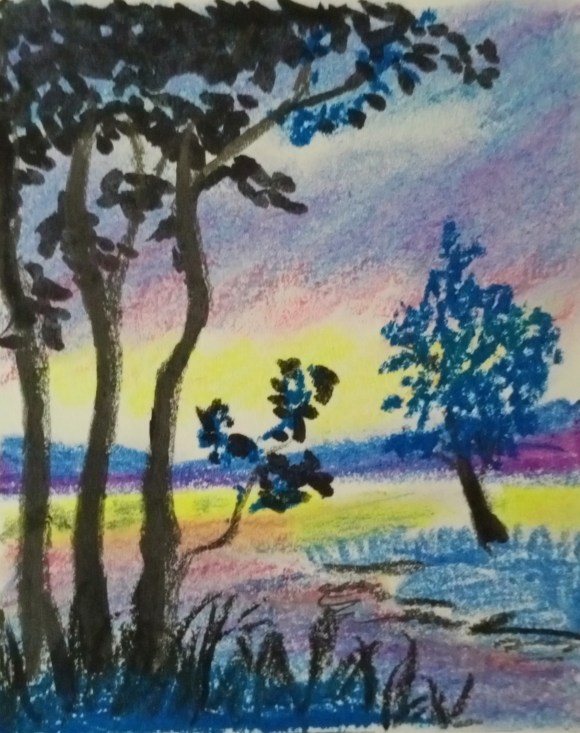
GIVEN THE BOON OF ETERNITY 

Given the boon of eternity, I would walk the ways of the world eternally.
All, all alone — what if I would see lush green grass in full bloom then?
And what if I beheld the yellowing grass withering away— And view
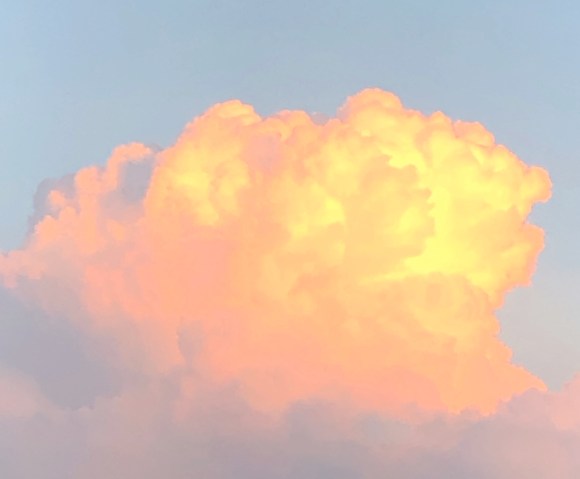
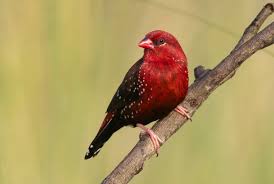
The sky full of wan white clouds at dawn? Like a tattered munia bird
Blood reddened breast in the evening — I would see the stars repeatedly;
I would see an unknown woman’s hair drifting away from a loosened bun;
A woman who would leave — with a face bereft of the evening sun’s glow.

Art by Jamini Roy

Jibanananda Das (1899-1954) was a Bengali writer, who now is named as one of the greats. In his lifetime, he wrote beautiful poetry, novels, essays and more. He believed: “Poetry and life are two different outpouring of the same thing; life as we usually conceive it contains what we normally accept as reality, but the spectacle of this incoherent and disorderly life can satisfy neither the poet’s talent nor the reader’s imagination … poetry does not contain a complete reconstruction of what we call reality; we have entered a new world.”

.

Fakrul Alam is an academic, translator and writer from Bangladesh. He has translated works of Jibanananda Das and Rabindranath Tagore into English and is the recipient of Bangla Academy Literary Award (2012) for translation and SAARC Literary Award (2012).

.

PLEASE NOTE: ARTICLES CAN ONLY BE REPRODUCED IN OTHER SITES WITH DUE ACKNOWLEDGEMENT TO BORDERLESS JOURNAL

Click here to access the Borderless anthology, Monalisa No Longer Smiles

Click here to access Monalisa No Longer Smiles on Amazon International
Categories
poetry of Jibanananda Das

‘The Great War is over/And yet there is left its vast gloom…’

Jibananada Das’s poems translated from Bengali by Professor Fakrul Alam

THE GREAT WAR IS OVER 

The Great War is over
And yet there is left its vast gloom
Our skies, light and society’s soul have been overcast
One has to intuit whatever light there is every day
The sky is dark; society vacuous; Existence
Disgraced; love dead; blood flowing fountain-like;
Knowledge becoming the bearer of an immense load of corpses
And of its own self as well!

A NOBODY
A nobody wanted to walk down the path as always.
How then could those closest to him get lost forever,
And disappear in some underground world?

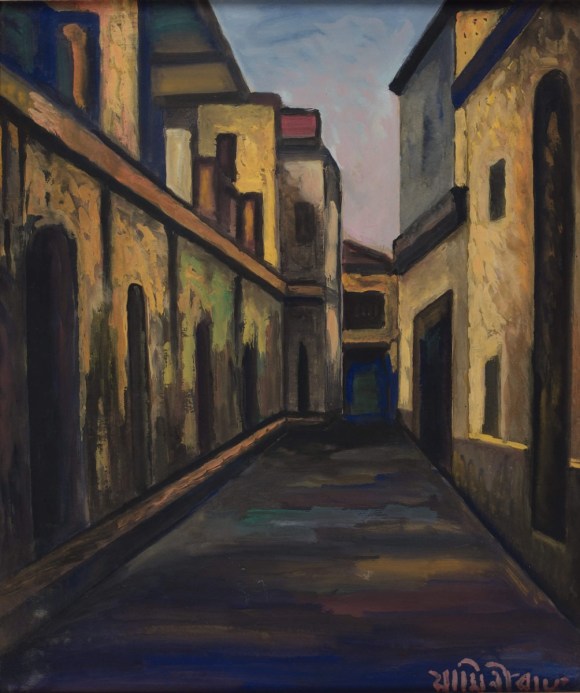
Painting By Jamini Ray (1887-1972)

Jibanananda Das (1899-1954) was a Bengali writer, who now is named as one of the greats. In his lifetime, he wrote beautiful poetry, novels, essays and more. He believed: “Poetry and life are two different outpouring of the same thing; life as we usually conceive it contains what we normally accept as reality, but the spectacle of this incoherent and disorderly life can satisfy neither the poet’s talent nor the reader’s imagination … poetry does not contain a complete reconstruction of what we call reality; we have entered a new world.”

.

Fakrul Alam is an academic, translator and writer from Bangladesh. He has translated works of Jibanananda Das and Rabindranath Tagore into English and is the recipient of Bangla Academy Literary Award (2012) for translation and SAARC Literary Award (2012).

.

PLEASE NOTE: ARTICLES CAN ONLY BE REPRODUCED IN OTHER SITES WITH DUE ACKNOWLEDGEMENT TO BORDERLESS JOURNAL

Click here to access the Borderless anthology, Monalisa No Longer Smiles

Click here to access Monalisa No Longer Smiles on Amazon International
Categories
poetry of Jibanananda Das

Poems of Longing by Jibanananda Das

Translated from Bengali by Professor Fakrul Alam

Art by Jamini Roy (1887-1972). From Public Domain
If I Get to Live Forever
(Ananta Jebon Pai Jodi)

If I get to live forever — then forever, I’ll be all alone —
If I return to the paths of the world, I’ll see green grass
Sprouting — will see yellow grass scattering — the sky
Whitening in the morning — like a tattered munia bird,
Breast blood - stained in the evening — again and again I’ll see stars
And view a strange woman untying braided hair and leaving
Alas, her face devoid of traces of the setting sun’s soft glow

If I get to live forever — forever, I’ll walk the ways of the world
All alone. If I ever return to the world’s pathways, I’ll see
Trams, buses, dust. Innumerable slums and, broken bowls too —
Dark and dirty lanes; fights, people swearing; squinted eyes
Rotten prawns; I’ll see a whole lot of things interminably
And yet all this time I won’t get to meet you again — for eternity!

If I have eternal Life
( Anante Jebon Jodi)

Given the boon of eternity, I would walk the ways of the world eternally.
All, all alone — what if I would see lush green grass in full bloom then?
And what if I beheld the yellowing grass withering away — And view
The sky full of wan white clouds at dawn? Like a tattered munia bird
Blood reddened breast in the evening — I would see the stars repeatedly;
I would see an unknown woman’s hair drifting away from a loosened bun;
A woman who would leave — with a face bereft of the evening sun’s glow.

Jibanananda Das (1899-1954) was a Bengali writer, who now is named as one of the greats. In his lifetime, he wrote beautiful poetry, novels, essays and more. He believed: “Poetry and life are two different outpouring of the same thing; life as we usually conceive it contains what we normally accept as reality, but the spectacle of this incoherent and disorderly life can satisfy neither the poet’s talent nor the reader’s imagination … poetry does not contain a complete reconstruction of what we call reality; we have entered a new world.”

.

Fakrul Alam is an academic, translator and writer from Bangladesh. He has translated works of Jibanananda Das and Rabindranath Tagore into English and is the recipient of Bangla Academy Literary Award (2012) for translation and SAARC Literary Award (2012).

.

PLEASE NOTE: ARTICLES CAN ONLY BE REPRODUCED IN OTHER SITES WITH DUE ACKNOWLEDGEMENT TO BORDERLESS JOURNAL

Click here to access the Borderless anthology, Monalisa No Longer Smiles

Click here to access Monalisa No Longer Smiles on Amazon International
Categories
Poetry of Jibananda Das

Jibananada’s Poetry on War & Humanity

A translation of three Bengali poems of Jibananda Das by Professor Fakrul Alam

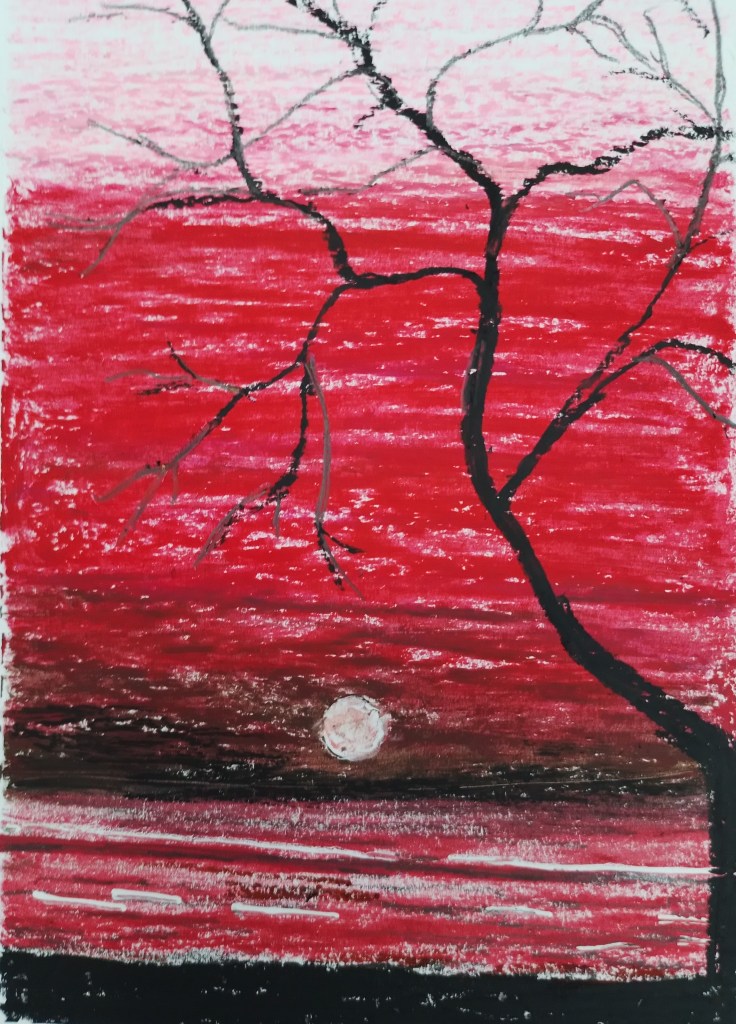
Painting by Sohana Manzoor
THE GREAT WAR IS OVER 

The Great War is over
And yet there is left its vast gloom
Our skies, light and society’s soul have been overcast
One has to intuit whatever light there is every day
The sky is dark; society vacuous; Existence
Disgraced; love dead; blood flowing fountain-like;
Knowledge becoming the bearer of an immense load of corpses
And of its own self as well!


GAFUR

“Gafur” I called out to him silently, and yet—
What sticks to my ears—wordless outbursts
Aren’t really artificial—incongruous—frosty –
“Where have your oxen wandered ?”
“They died a long time ago!”
It’s as if someone had lost a twin brother,
Or as if Hanifa was no more—didn’t seem to be
Anything anywhere anymore.
Gafur’s mouth returned to its normal shape silently,
As if a vast expanse of land had been walled off!


A NOBODY WALKS…

A nobody wanted to walk down the path as always.
How then could those closest to him get lost forever,
And disappear in some underground World?

Jibananada Das (1899-1954) was a Bengali writer, who now is named as one of the greats. In his lifetime, he wrote beautiful poetry, novels, essays and more. He believed: “Poetry and life are two different outpouring of the same thing; life as we usually conceive it contains what we normally accept as reality, but the spectacle of this incoherent and disorderly life can satisfy neither the poet’s talent nor the reader’s imagination … poetry does not contain a complete reconstruction of what we call reality; we have entered a new world.”

.

Fakrul Alam is an academic, translator and writer from Bangladesh. He has translated works of Jibanananda Das and Rabindranath Tagore into English and is the recipient of Bangla Academy Literary Award (2012) for translation and SAARC Literary Award (2012).

.

PLEASE NOTE: ARTICLES CAN ONLY BE REPRODUCED IN OTHER SITES WITH DUE ACKNOWLEDGEMENT TO BORDERLESS JOURNAL

Click here to access the Borderless anthology, Monalisa No Longer Smiles

Click here to access Monalisa No Longer Smiles on Amazon International

Categories
Poetry of Jibananda Das

‘All My Songs Will Still Only be for You’

Tumi to Janona Kichu (You seem to know nothing) from Jibananda Das’s poetry collection, Ruposhi Bangla (1934), has been translated from Bengali by Professor Fakrul Alam.

From Public Domain
You seem to know nothing, and it won’t matter if you don’t—
All my songs will still only be for you.
When Hemonto’s* early winter storms have gone away
Will you shed and lie down on my bosom
Like fallen leaves on a pathway?
Will your mind be content
To be overtaken by sleep?
Will the sharpness you display now
Loose its edge by that dawn?
Did you really want only the dew
That gathered on my bosom that night?
Will only its taste
Satiate you?
Though I’ll shed, with all my life
I’ll cling to you as long as I am alive
All my songs will still only be for you!

*Autumn

Jibananada Das (1899-1954) was a Bengali writer, who now is named as one of the greats. In his lifetime, he wrote beautiful poetry, novels, essays and more. He believed: “Poetry and life are two different outpouring of the same thing; life as we usually conceive it contains what we normally accept as reality, but the spectacle of this incoherent and disorderly life can satisfy neither the poet’s talent nor the reader’s imagination … poetry does not contain a complete reconstruction of what we call reality; we have entered a new world.”

.

Fakrul Alam is an academic, translator and writer from Bangladesh. He has translated works of Jibanananda Das and Rabindranath Tagore into English and is the recipient of Bangla Academy Literary Award (2012) for translation and SAARC Literary Award (2012).

.

PLEASE NOTE: ARTICLES CAN ONLY BE REPRODUCED IN OTHER SITES WITH DUE ACKNOWLEDGEMENT TO BORDERLESS JOURNAL

Click here to access the Borderless anthology, Monalisa No Longer Smiles

Click here to access Monalisa No Longer Smiles on Amazon International

Categories
Poetry of Jibananda Das

“New Festivals… will Replace the Old”

‘Ghumiye Poribe Aami’ (I’ll fall asleep) from Jibananda Das’s poetry collection, Ruposhi Bangla (1934), has been translated from Bengali by Professor Fakrul Alam.

From Public Domain
I’ll fall asleep one day on one of your star-studded nights.
Perhaps youth will still stick to my soul —- perhaps
I’ll be in my prime then —- that will be so nice! But sleep
Overwhelms me now—Bengal’s grassy green bed lies beneath.
Eyelids shut. Tucked within mango tree leaves, Kach insects doze.
I too will doze off like them in this grassy land I love—- in silence!
The stories stored in my soul will eventually fade. New ones —-
New festivals -— will replace the old —- in life’s honey-tinged slight.

In your forever busy minds -— when finally, you, youthful ones,
Will be done tearing grassy stems and leaves -— when Manikmala
Will come here to pick up crimson-red bat and kamranga fruits
On some mellow autumnal morning -- when yellow shefali flowers
fall on this grass as shaliks and wagtails fly far, far away,
I’ll feel the sun -- the clouds —- lying down in death-like stupor!

Jibananada Das (1899-1954) was a Bengali writer, who now is named as one of the greats. In his lifetime, he wrote beautiful poetry, novels, essays and more. He believed: “Poetry and life are two different outpouring of the same thing; life as we usually conceive it contains what we normally accept as reality, but the spectacle of this incoherent and disorderly life can satisfy neither the poet’s talent nor the reader’s imagination … poetry does not contain a complete reconstruction of what we call reality; we have entered a new world.”

.

Fakrul Alam is an academic, translator and writer from Bangladesh. He has translated works of Jibanananda Das and Rabindranath Tagore into English and is the recipient of Bangla Academy Literary Award (2012) for translation and SAARC Literary Award (2012).

.

PLEASE NOTE: ARTICLES CAN ONLY BE REPRODUCED IN OTHER SITES WITH DUE ACKNOWLEDGEMENT TO BORDERLESS JOURNAL

Click here to access the Borderless anthology, Monalisa No Longer Smiles

Click here to access Monalisa No Longer Smiles on Amazon International

Categories
Poetry of Jibananda Das

I Have seen the Dark …

A translation of Jibananada Das’s Andhar Dekhecche, Tobu Ache (I have seen the dark and yet there is another) from Bengali by Professor Fakrul Alam

Art by Sohana Manzoor
I have seen the dark and yet there is another, greater dark
I have known death and yet there is another death awaiting
Behind is a whole history existing, but not accessible yet
Is that grand narrative—one to whom the plot has another meaning;
And to whom the sea sings another tune, and there is a different stirring
Of the heart and of issues—and where the mind is illumined uniquely.

Fire, wind, water—primeval gods burst out laughing
Spent—once spent—does one end up as pork?
Ha! Ha! I burst out laughing—
It was as if amidst the loud laughter,
The carcass of a huge whale had suddenly surfaced in a dark ocean
Making the entire earth become as overpowering as a whale carcass’s stench.

I had thought humans would progress steadily in history’s lap;
Instead of playing with machines they had mastered
They would mature from accumulated successes.
And yet it is the machine that has become a power to reckon with
It is Love that has been punctured and power that has prospered
With the nuclear bomb—was the increase in knowledge
Supposed to result in such a split?

The wisdom that we had gathered over time in life
Just isn’t there—what we have is stasis—senility;
Surrounded by all sorts of fears, we only have
Fatigue and depression. We’ve become self-centered
And have enclosed ourselves in shells. We’re too scared
To break them and avoid unclean sexual exchanges
Carried out in the dark. Oceanic, airy, sunlight soaked,
Blood-drenched, death-touched words come and dance
Like frightening witches—we are frightened---hide in caves—
We would rather disappear—dissolve—disappear in Brahma’s
Word. Our two thousand years of learning is thus much!


We keep ourselves busy with commissions—build bases—love the city
and the port’s bustle
The grass below our boots we consider only grass—nothing else alas—
we’ve made the motorcar our prized possession
Why do wagtails dance then—fingas and bulbulis flit from forest to forest?

Jibananada Das (1899-1954) was a Bengali writer, who now is named as one of the greats. In his lifetime, he wrote beautiful poetry, novels, essays and more. He believed: “Poetry and life are two different outpouring of the same thing; life as we usually conceive it contains what we normally accept as reality, but the spectacle of this incoherent and disorderly life can satisfy neither the poet’s talent nor the reader’s imagination … poetry does not contain a complete reconstruction of what we call reality; we have entered a new world.”

.

Fakrul Alam is an academic, translator and writer from Bangladesh. He has translated works of Jibonananda Das and Rabindranath Tagore into English and is the recipient of Bangla Academy Literary Award (2012) for translation and SAARC Literary Award (2012).

.

PLEASE NOTE: ARTICLES CAN ONLY BE REPRODUCED IN OTHER SITES WITH DUE ACKNOWLEDGEMENT TO BORDERLESS JOURNAL

Click here to access the Borderless anthology, Monalisa No Longer Smiles

Click here to access Monalisa No Longer Smiles on Amazon International
Categories
Poetry of Jibananda Das

Shorter Poems of Jibananda Das

Translated from Bengali by Professor Fakrul Alam

TO A PAINED ONE

Now late at night you have a bed,
A quiet and dark room,
Placidity and silence.
Think of nothing more.
Listen to no one speaking,
Just wipe your bloodied heart clean
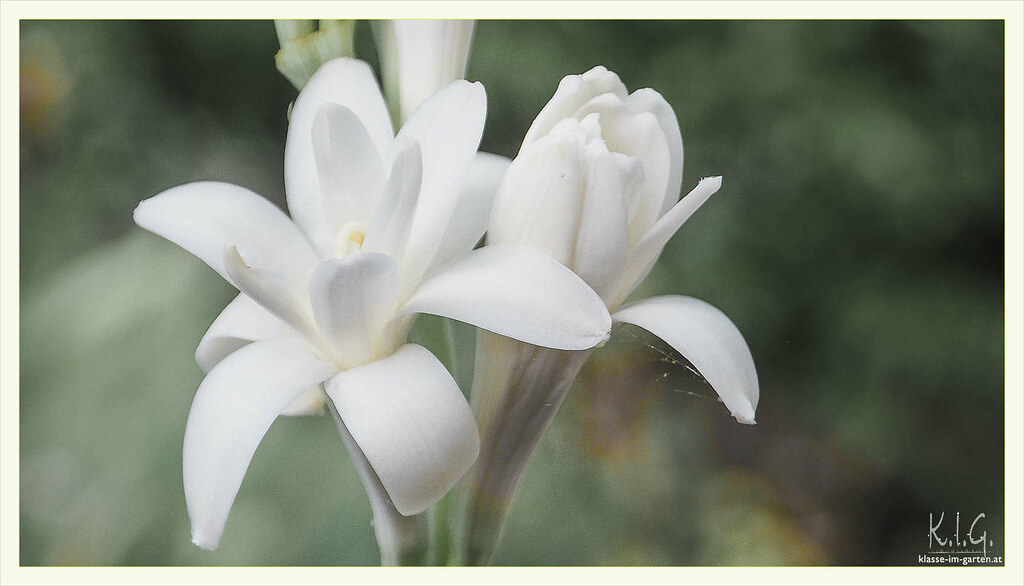
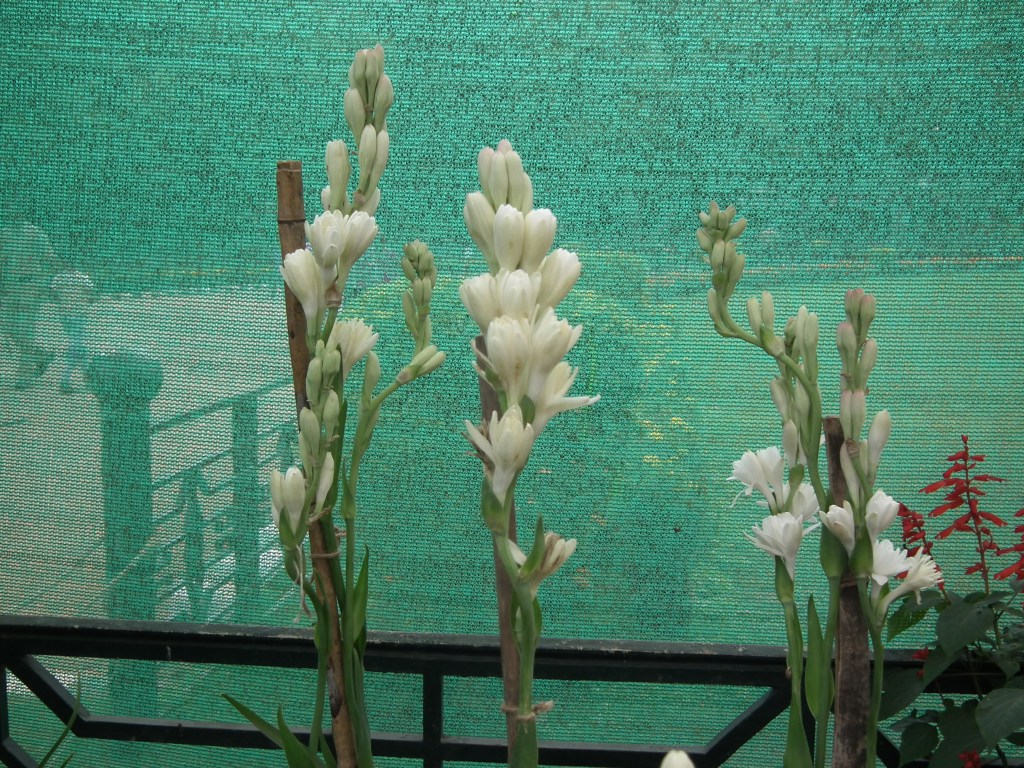
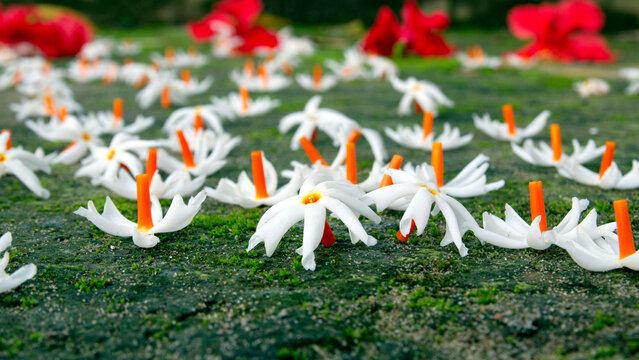
And tucked like the tuberose,
Go to sleep. 
   
CITIES

My heart, you’ve seen many big cities
Cities whose bricks and stones
Accents, affairs, hopes, frustrations and terrifying deprivations
Have turned into ashes in the cauldron of my mind.
Nevertheless, I’ve seen the sun amidst thick clouds in a corner of a city
I’ve seen the sun on the other side of the river of a port city
Like a love-struck farmer, he bears his burden in the tangerine-cloud coloured fields of the sky;
Over the city’s gaslights and tall minarets, I’ve also seen—stars—
Like flocks of wild geese heading towards some southern city.

DAYS AND NIGHTS

The whole day went purposelessly.
The whole night will pass miserably.
Full of frustrations and failures,
Day in, day out, life is drudgery
To be wasted away.
And yet the phanimansha’s thorns we see 
Daubing the dew delightfully; not one bird in the sky
All knowingly guilty birds in their nests now lie.

(These translations are from Jibanananda Das: Selected Poems with an Introduction, Chronology and Glossary, translated by Fakrul Alam, published by The University Press Limited, Dhaka, 1999. Republished with permission from the original publisher.)

Jibananada Das (1899-1954) was a Bengali writer, who now is named as one of the greats. During his life he wrote beautiful poetry, novels, essays and more. He believed: “Poetry and life are two different outpouring of the same thing; life as we usually conceive it contains what we normally accept as reality, but the spectacle of this incoherent and disorderly life can satisfy neither the poet’s talent nor the reader’s imagination … poetry does not contain a complete reconstruction of what we call reality; we have entered a new world.”

Fakrul Alam is an academic, translator and writer from Bangladesh. He has translated works of Jibanananda Das and Rabindranath Tagore into English and is the recipient of Bangla Academy Literary Award (2012) for translation and SAARC Literary Award (2012).

.

PLEASE NOTE: ARTICLES CAN ONLY BE REPRODUCED IN OTHER SITES WITH DUE ACKNOWLEDGEMENT TO BORDERLESS JOURNAL

Categories
Poetry of Jibananda Das

All Afternoon Long

Poetry of Jibananda Das, translated by Fakrul Alam

ALL AFTERNOON LONG
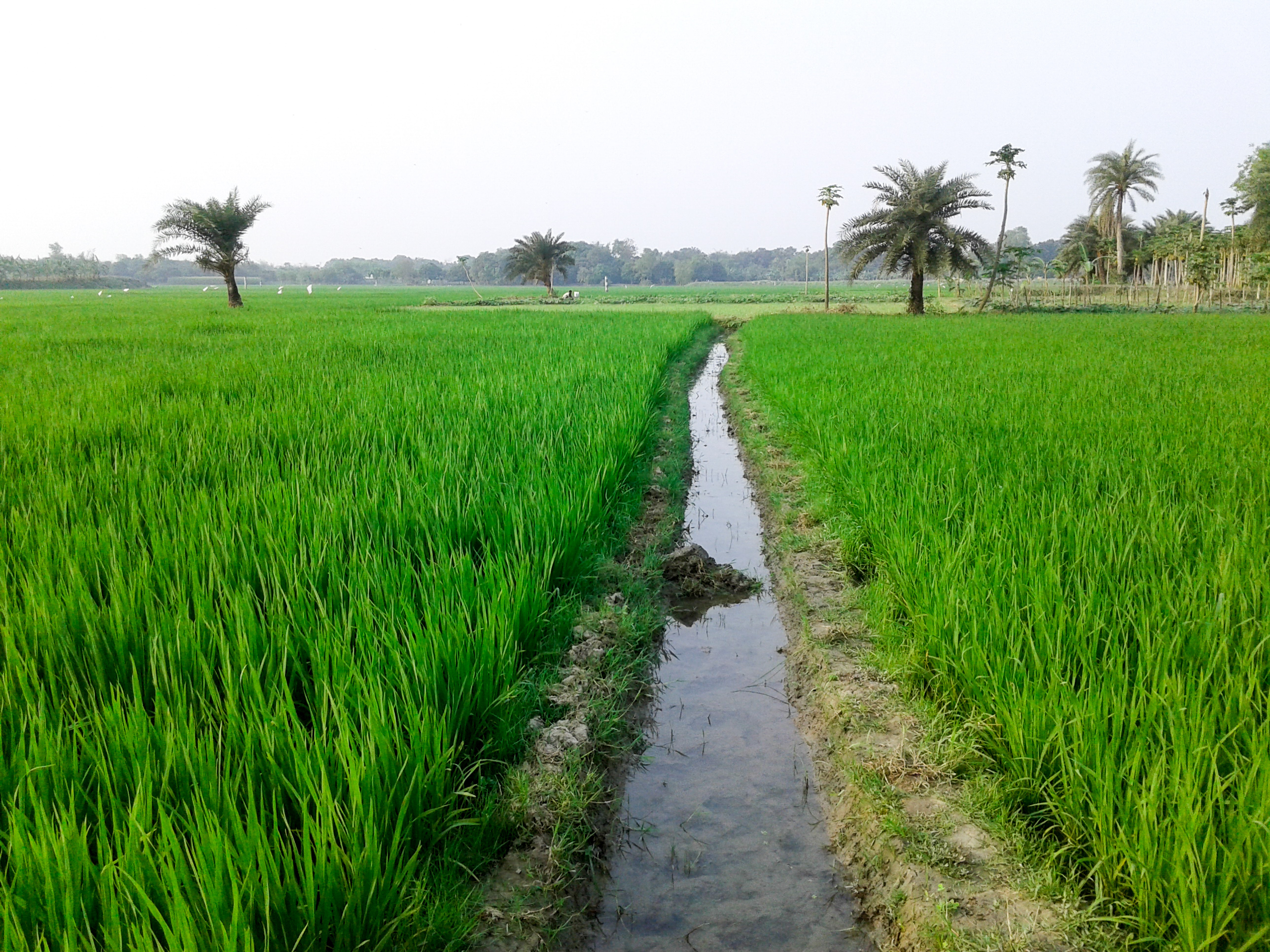
All afternoon long I saw Bashir inside the paddy field.
All through the afternoon the skeleton of that three-storied red brick building
Besides the paddy field was being set up.
				(Everything is turning urban!)
Who owns that building? Why is it being built?  
	In the minds of the birds perched on this shore in fading evening light, 
		Or unlike the birds, or the boatmen in the boats plying here or the other shore
With their usual outcries,
The blue sky looked on impassively, its mind vacant. 
	In my dream at night, I saw Kolkata’s tram company getting ready to be here as well.
		Bashir’s bullocks twain out in this day’s sun look for a break  
As domesticated quadrupeds of the world will.
		Which country’s what animals’ and which tribes’ sketches will they resemble
		In becoming museum tales for the high-born and in being immortalised?
						The truths about them will be lost steadily!
			And yet in this land of museums, in the soundless but open room of one of them,
Could it be they would go up in flames without making civilisation any poorer
				Despite its stupendous piston?
Here the only story everyone still knows is of the jackdaw and the fairy tale princess, Shankhamala!
There are innumerable bird, nests and eggs on treetops here but still they haven’t been able to build
 this day a scientific poultry shop!   

(These translations are from Jibanananda Das: Selected Poems with an Introduction, Chronology and Glossary, translated by Fakrul Alam, published by The University Press Limited, Dhaka, 1999. Republished with permission from the original publisher.)

Jibonanada Das (1899-1954) was a Bengali writer, who now is named as one of the greats. During his life he wrote beautiful poetry, novels, essays and more. He believed: “Poetry and life are two different outpouring of the same thing; life as we usually conceive it contains what we normally accept as reality, but the spectacle of this incoherent and disorderly life can satisfy neither the poet’s talent nor the reader’s imagination … poetry does not contain a complete reconstruction of what we call reality; we have entered a new world.”

Fakrul Alam is an academic, translator and writer from Bangladesh. He has translated works of Jibanananda Das and Rabindranath Tagore into English and is the recipient of Bangla Academy Literary Award (2012) for translation and SAARC Literary Award (2012).

.

PLEASE NOTE: ARTICLES CAN ONLY BE REPRODUCED IN OTHER SITES WITH DUE ACKNOWLEDGEMENT TO BORDERLESS JOURNAL

Categories
Poetry of Jibananda Das

Leaving the World behind

Poetry of Jibananda Das translated by Fakrul Alam

Painting by Sohana Manzoor
Where Have All These Birds Gone	

Where have all those birds gone now—and those horses --
		And the women in those white houses?
Wet with the fragrance of acacias-tinged with golden sunlight
Those birds—and those horses--have left our world behind;
My heart, tell me where -- where have they all gone now?
		Darkness, like that dead pomegranate—silence.


On the Pathways for Long…
(Prithbir Pothe Aami Bohu Din from Ruposhi Bangla)

Having lived in the world’s pathways for a long, long time
I know many stressful, hidden tales of the heart now.
In forests, branches and leaves sway -- as if
Djinns and fairies conversing! On greying evenings
I’ve seen on their bodies a drop or two of rain dripping down.
Like parched paddy will. White specks of dust soften in rainwater.
A faint scent suffuses farmlands. From frail bodies of Gubur insects
Indistinct, melancholy sounds dip into the dark river water;

I’ve seen them all -- have seen the river immerse in the sloping dark;
Shapmashis fly away; In Asuth tree nests, ravens flutter their wings
Incessantly; someone seems to be standing in the lonely, fog-filled field.
Farther off, one or two straw-roofed houses lie scattered.
Why do the frogs croak on in Nolkhagra forests? Can’t they not stop?
Freshly laid crow eggs slip and slide into the Sheora bushes. 

(These translations are from Jibanananda Das: Selected Poems with an Introduction, Chronology and Glossary, translated by Fakrul Alam, published by The University Press Limited, Dhaka, 1999. Republished with permission from the original publisher.)

Jibonanada Das (1899-1954) was a Bengali writer, who now is named as one of the greats. During his life he wrote beautiful poetry, novels, essays and more. He believed: “Poetry and life are two different outpouring of the same thing; life as we usually conceive it contains what we normally accept as reality, but the spectacle of this incoherent and disorderly life can satisfy neither the poet’s talent nor the reader’s imagination … poetry does not contain a complete reconstruction of what we call reality; we have entered a new world.”

Fakrul Alam is an academic, translator and writer from Bangladesh. He has translated works of Jibanananda Das and Rabindranath Tagore into English and is the recipient of Bangla Academy Literary Award (2012) for translation and SAARC Literary Award (2012).

.

PLEASE NOTE: ARTICLES CAN ONLY BE REPRODUCED IN OTHER SITES WITH DUE ACKNOWLEDGEMENT TO BORDERLESS JOURNAL