Categories
Notes from Japan

Finding Inspiration in Shikoku’s Iya Valley

Photographs and narrative by Suzanne Kamata

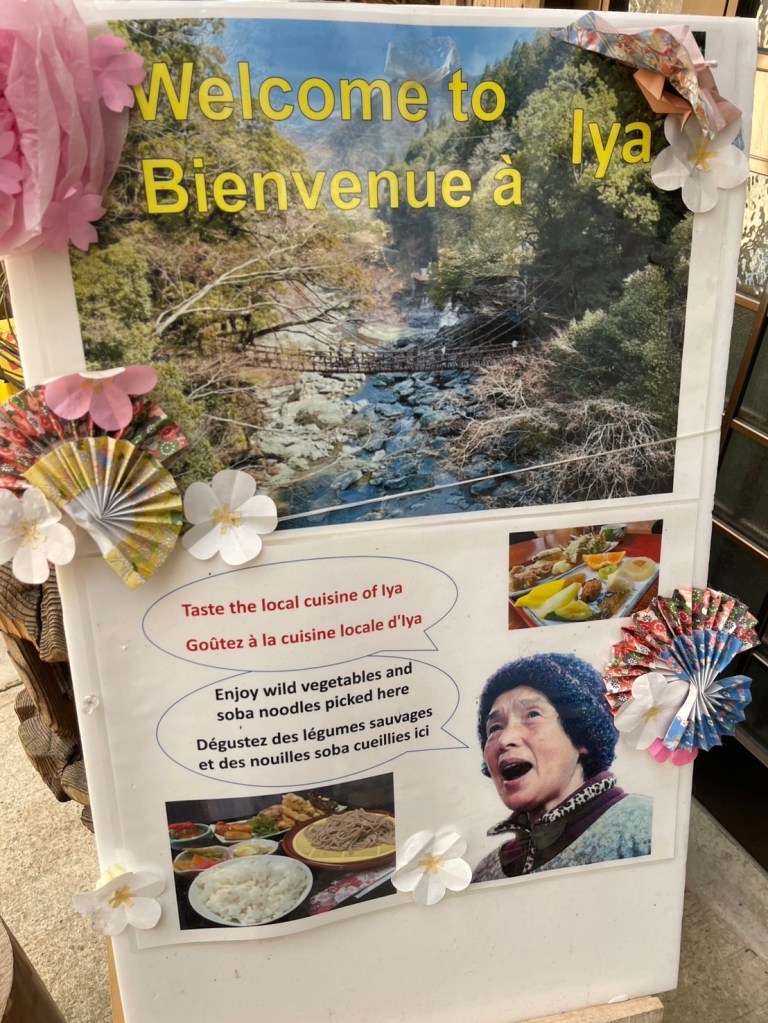
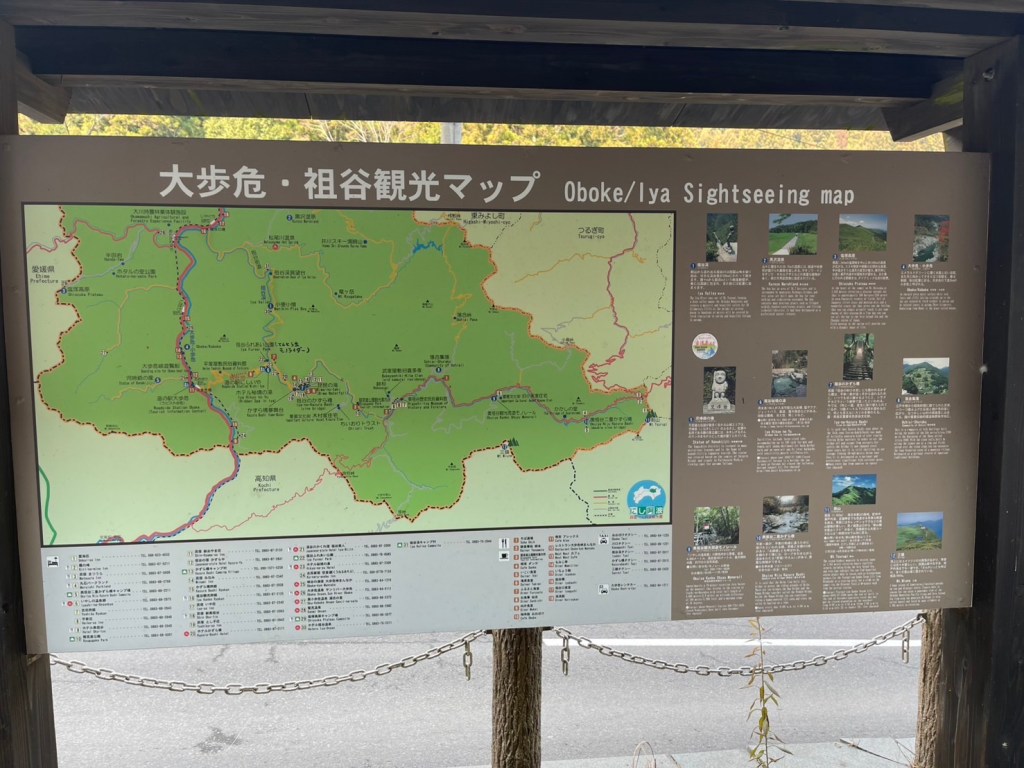
When I first arrived in Japan over thirty-five years ago, one of the first places that I visited was the Iya Valley, deep in the interior of Tokushima Prefecture. It wasn’t easy to get there then, and it’s not easy now. From Tokushima, there are no trains – only very occasional buses, or you can brave the narrow, twisty mountain roads sans guardrails and drive on your own. At the time I visited, I recall no restaurants or hotels, but apparently some abandoned houses have been refurbished as high-end inns.

The Iya Valley attracts adventurous travelers who are up for white-water rafting on the river that cuts through the Oboke Gorge. Another thrill that can be had is crossing Iya Kazurabashi, the swaying vine bridge that spans the gorge. I crossed the bridge on that first visit years ago, and I remember clinging to the rope railings while taking careful steps, my heart hammering all the while.

The vine bridge is periodically reconstructed, but the original was said to have been created by aristocrats who had fled the capital of Kyoto. The Heike clan, who have been immortalised in the Japanese literary classic Heike Monogatari, were defeated by the Minamoto clan in the Genpei War (1180–1185) at the end of the Heian Period. They found the wilds of Shikoku to be the perfect hideout. Their descendants continue to live in the area.

I found this story incredibly fascinating. As a university student, I had been captivated by descriptions of Heian court life – the ladies-in-waiting in their layered brocade kimono, lover’s messages exchanged in the form of poetry. As anyone who has seen the recent miniseries Shogun has noted, ancient Japan was filled with aesthetic delights. Imagine going from a wooden house with fragrant tatami mats, sliding paper doors, and an ornamental garden to an untamed mountain, probably teeming with wild boar and monkeys.

I was inspired by this place to write the short story “Down the Mountain,” which appears in my newly published collection River of Dolls and Other Stories. I blended ancient history with the Japanese folktale “Kaguyahime,” or “The Moon Princess.” I was also influenced by reports that I had read of the forced sterilisation of Japanese women who were mentally ill. The story begins like this:

You say that you want to leave this mountain, daughter, and I know that your will is strong. For you, there is not enough of life in selling fish-on-a-stick or serving noodles to strangers. You look at the swaying vine bridge and see a magnet for tourists, those busloads of people who come up from the city, filling the valley with sounds of laughter and loud voices. I will not stand in your way, but before you go, there are some things that you must know.

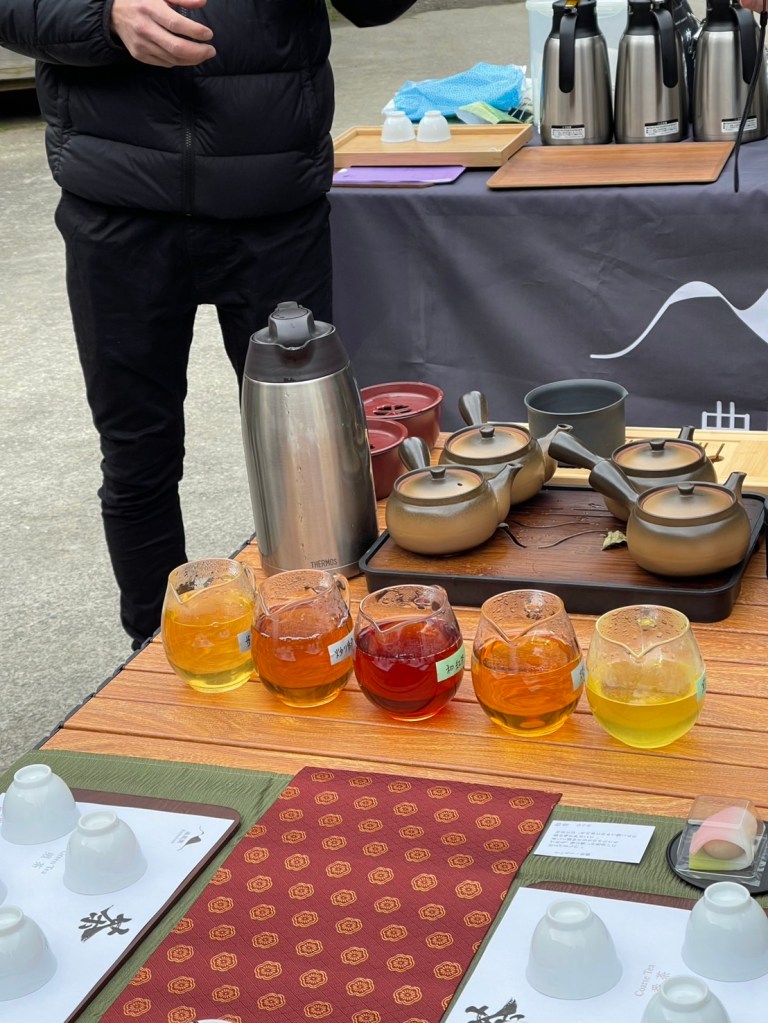
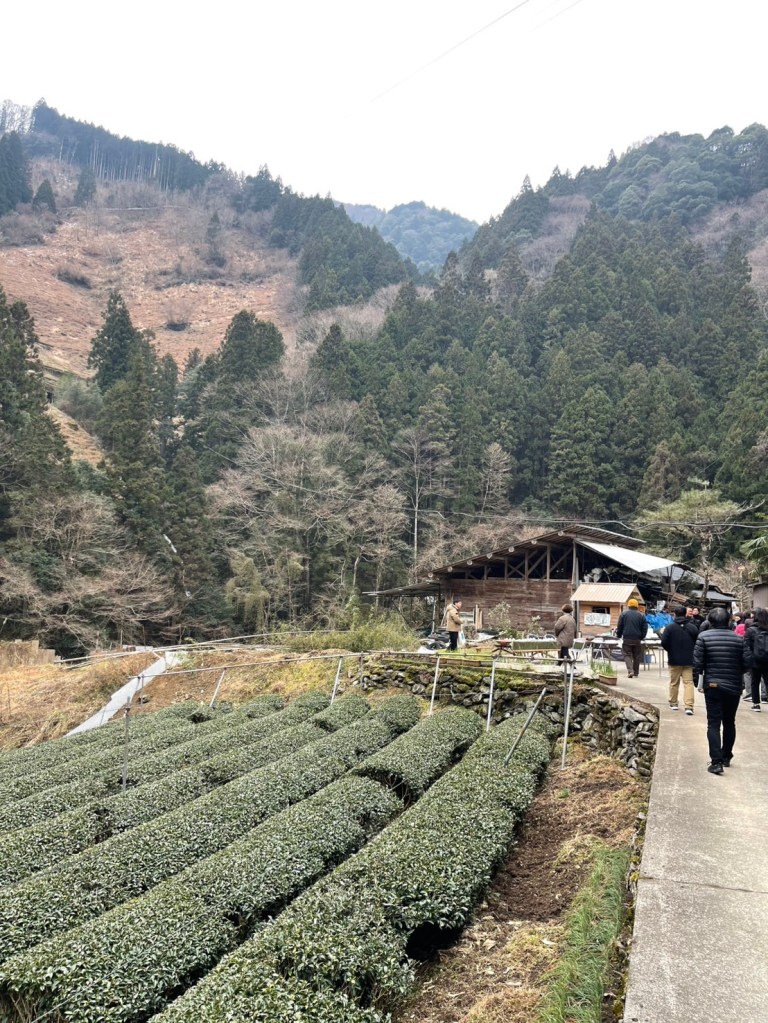
Last week my husband, who is newly retired, took a trip to the Iya Valley as a tour-guide-in-training. While I was at work, he crossed the bridge and was treated to thick udon noodles in broth and a sampling of teas grown on the mountain. A local woman sang a traditional song to the group of visitors.

“Have you ever been to Iya?” he asked me when he’d returned home.

“Yes,” I told him. “Long ago. As a matter of fact, I even wrote a story about it.”

Suzanne Kamata was born and raised in Grand Haven, Michigan. She now lives in Japan with her husband and two children. Her short stories, essays, articles and book reviews have appeared in over 100 publications. Her work has been nominated for the Pushcart Prize five times, and received a Special Mention in 2006. She is also a two-time winner of the All Nippon Airways/Wingspan Fiction Contest, winner of the Paris Book Festival, and winner of a SCBWI Magazine Merit Award.

PLEASE NOTE: ARTICLES CAN ONLY BE REPRODUCED IN OTHER SITES WITH DUE ACKNOWLEDGEMENT TO BORDERLESS JOURNAL

Click here to access the Borderless anthology, Monalisa No Longer Smiles

Click here to access Monalisa No Longer Smiles on Amazon International
Categories
Notes from Japan

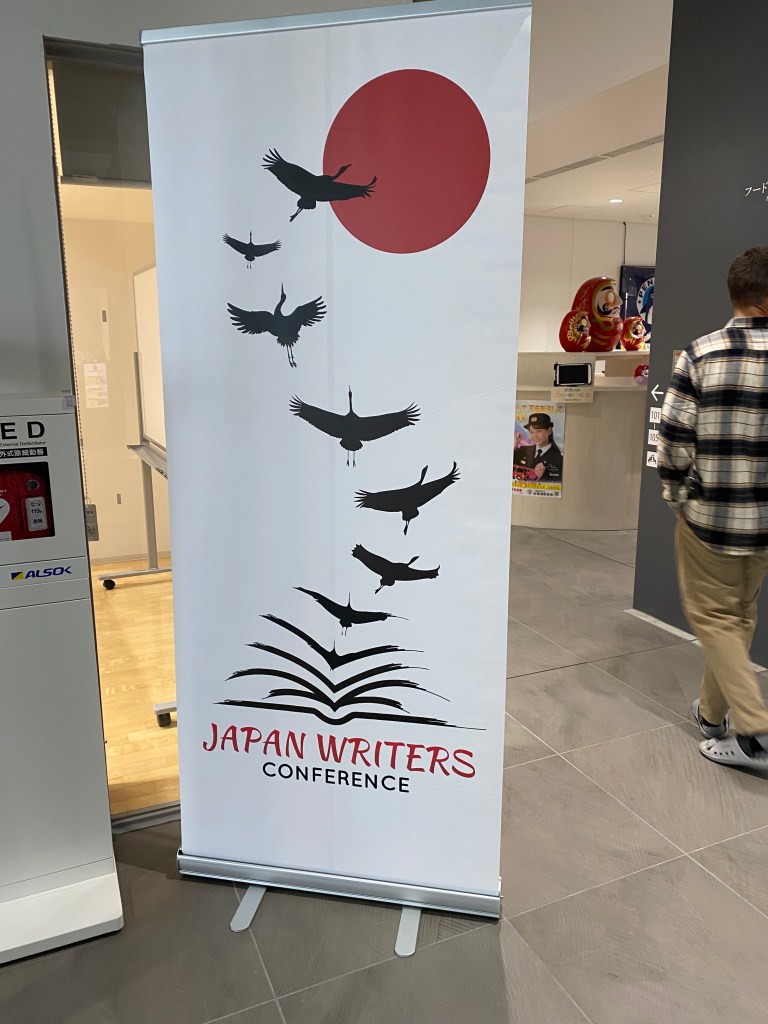
Weekend in Futaba at the Japan Writers Conference

Narrative and photographs by Suzanne Kamata 

Many years ago, when my children were small and I was working on my first-to-be-published novel Losing Kei, I joined an online writing group made up of members of the Association of Foreign Wives of Japanese. Since I live off the beaten track, on the island of Shikoku, this group was a godsend for me. Not only was I able to connect with non-Japanese women raising biracial kids in a supposedly homogenous country, but I could also connect with others writing in English. 

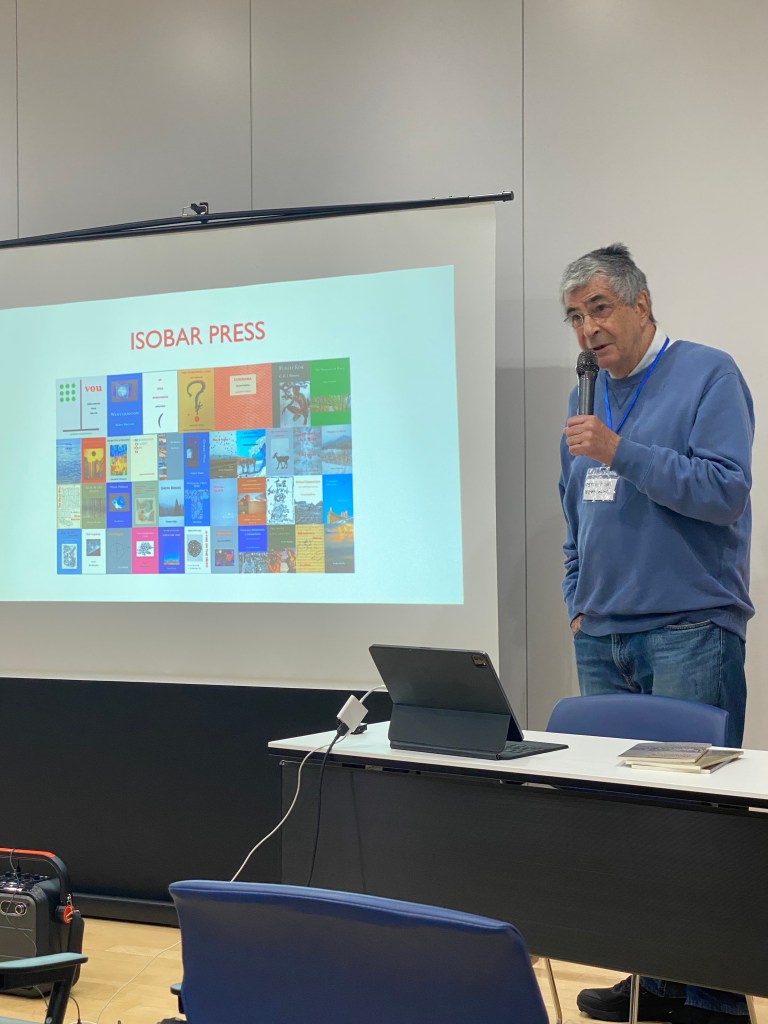
I ultimately finished my novel. I was not the only member of this group who went on to publish books. In addition to writing and publishing, another wonderful thing that came out of this now defunct virtual community was the Japan Writers Conference, which was first held in 2008. One of the members, poet and writer Jane Joritz-Nakagawa, whose most recent book is the searing LUNA (Isobar Press, 2024), proposed a grassroot gathering of writers in Japan. There would be no keynote speaker, no fees for participants, and no payments for presenters. We would just get together and share our writing and our expertise. 

Another member, Diane Hawley Nagatomo, who recently published her second novel, Finding Naomi (Black Rose Writing, 2024) after an illustrious career in academia, volunteered to host the initial conference at her university. Chanoyu University, in Tokyo, is famously the institution attached to the kindergarten attended by the Japanese royal family. It was also the site of the first Japan Writers Conference. 

Since then, the conference has been held at various universities and colleges around the country, including in Okinawa, Hokkaido, Kyoto, Iwate, and at Tokushima University, hosted by me in 2016. Over the years, many notable speakers have appeared, such as Vikas Swarup, whose novel Q & A became the film Slumdog Millionaire, popular American mystery writer Naomi Hirahara, and Eric Selland, poet and translator of The New York Times bestseller The Guest Cat by Takashi Hiraide. The list goes on and on. 

This past year, the conference was held not at a university, but at the Futaba Business Incubation and Community Centre. 

When I told my husband that I was going to Futaba, he looked it up on a map. 

“That’s in the exclusionary zone,” he said, somewhat alarmed. 

Indeed, the conference would be held on the coast in Fukushima Prefecture, not too far from the site of the nuclear power plant which was hit by a tsunami in 2011. For years, there have been concerns about radiation, however the area is staging a comeback. The host of this year’s conference would be the Futaba Area Tourism Research Association, an organisation committed to “promoting tourism and land operations, inviting people to rediscover the charms of Fukushima’s coastal areas. The company’s mission is to bring people worldwide to this unique place that has recovered from a nuclear disaster.” 

“I don’t think they would hold the conference there if it wasn’t safe,” I told him.  

The JWC website reported that although the town had been evacuated after the 2011 Great East Japan Earthquake and the meltdown at the Fukushima Daiichi Nuclear Power Station, evacuation orders had been lifted for about 10% of the town on August 30, 2022.  Decontamination efforts are still underway. New homes are being built, new businesses are emerging, and the annual festival Daruma-Ichi resumed in 2023. The areas hosting the JWC had been deemed safe, “with radiation levels regularly monitored and within acceptable limits.” I reserved a room at the on-site ARM Hotel and went ahead with my plans. 

Getting to Futaba from my home in Tokushima took all day. I got up before the sun and took a bus, a plane, then a succession of trains. As I got closer to my destination, I noted the absence of buildings along the coast. I tried to imagine the houses that might have been there before the grasses had gone wild. Later, the appearance of earth-moving equipment suggested future development.   

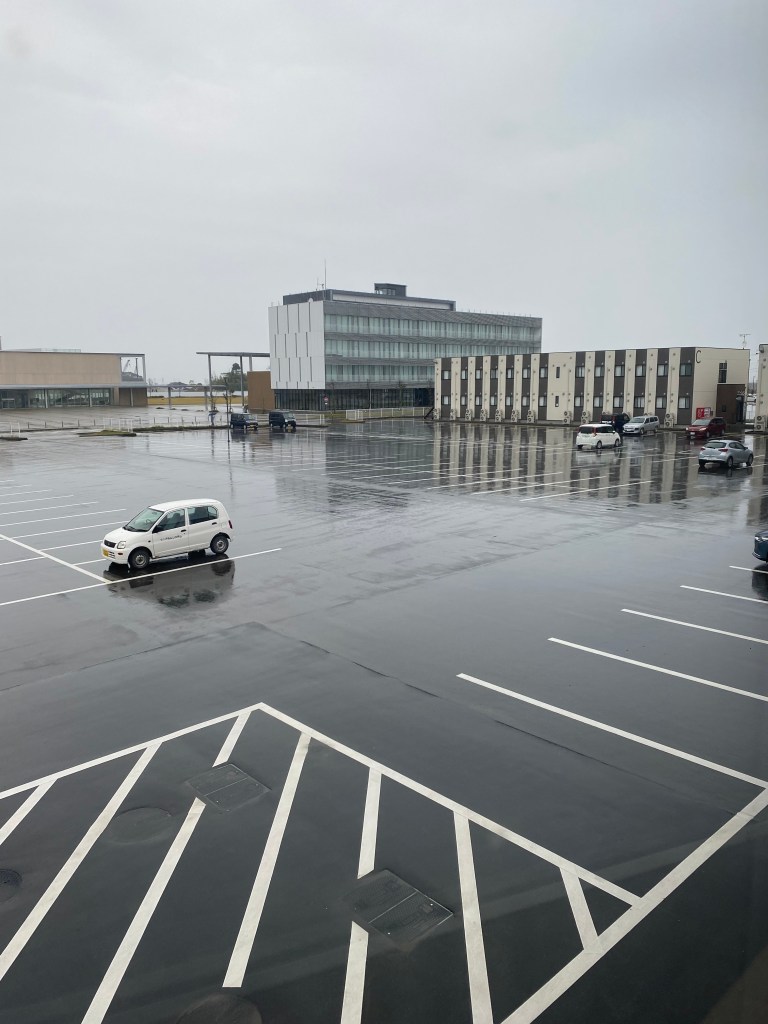
From the nearly deserted train station, I took a bus, and then lugged my suitcase to the hotel’s registration desk. There was nothing around besides the convention center and the hotel. I saw a very tall breakwater, blocking my view of the ocean. I felt as if I were on the edge of the world. 

The evening before the conference began, I had dinner at the hotel restaurant, where I met up with some writers I had gotten to know at past conferences. Ordinarily, we might have moved on to a bar to continue our literary discussions, but after the restaurant closed at eight, there was nowhere else to go. There was some talk of going to the beach. A few of us went out into the night and sat on the seawall, sipping Scotch from paper cups, and talking under the stars. At one point, we contemplated the waves below, all those who were washed out to sea and remained missing. 

The conference began the following morning. I was amazed that, in spite of the effort that it had taken to get there, presenters had come from all over the world – a Syrian poet who was based in Canada, a poet from Great Britain, a Japanese writer and translator who lived in Germany, a Tunisian writer and motivational speaker who’d flown in from UAE. 

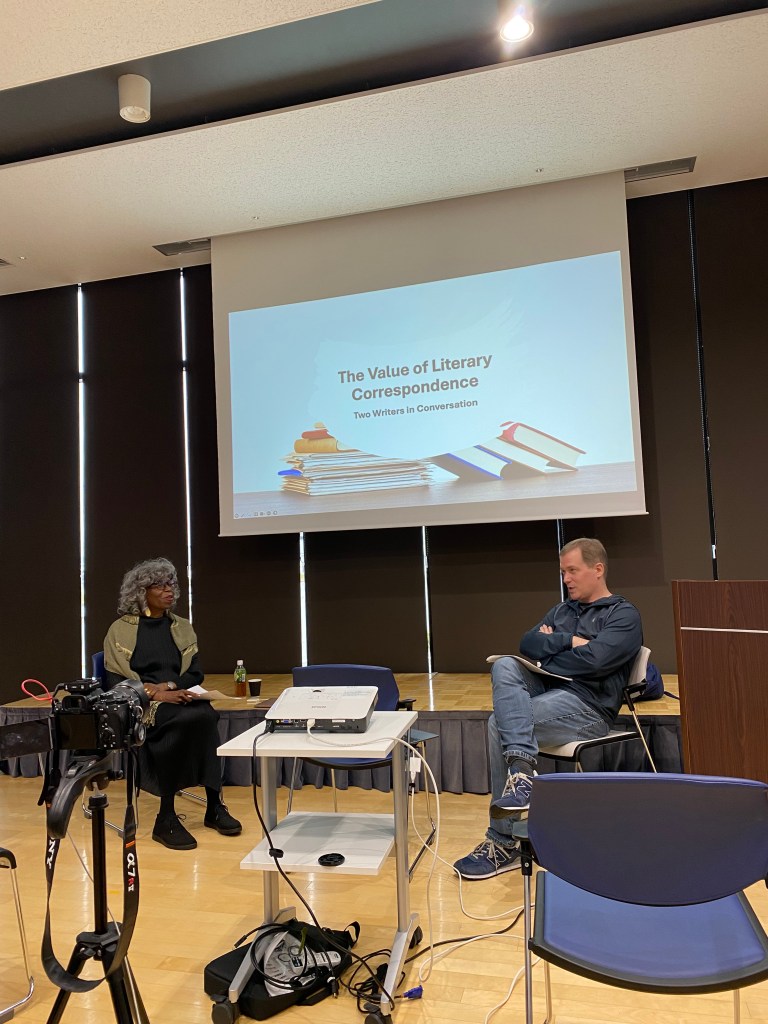
I gave a presentation on writing for language learners and shared my haiku in another session. Others presented on a variety of topics including literary correspondence, storytelling and tourism, climate fiction, and writing the zuihitsu[1]. In between sessions, I caught up with old friends and met new ones. On Saturday night, there was a banquet with bentos featuring delicacies such as smoked duck, mushroom rice, and salad with Hokkigai clams. 

In retrospect, it was especially meaningful to attend the conference in Futaba, and to feel that we were able to play some small part in the rejuvenation of the area. It was also exciting to interact with writers who came from so far away. Although it’s still very much a grassroots event, it has become truly international. 

(To find out about the next Japan Writers Conference and sign up for the mailing list, go to https://japanwritersconference.org/

[1] A loose collection of personal essays

Suzanne Kamata was born and raised in Grand Haven, Michigan. She now lives in Japan with her husband and two children. Her short stories, essays, articles and book reviews have appeared in over 100 publications. Her work has been nominated for the Pushcart Prize five times, and received a Special Mention in 2006. She is also a two-time winner of the All Nippon Airways/Wingspan Fiction Contest, winner of the Paris Book Festival, and winner of a SCBWI Magazine Merit Award.

PLEASE NOTE: ARTICLES CAN ONLY BE REPRODUCED IN OTHER SITES WITH DUE ACKNOWLEDGEMENT TO BORDERLESS JOURNAL

Click here to access the Borderless anthology, Monalisa No Longer Smiles

Click here to access Monalisa No Longer Smiles on Amazon International

Categories
Notes from Japan

Educating for Peace in Rwanda

By Suzanne Kamata

In late September, I visited Rwanda with a professor of Naruto University of Education in Japan and two Japanese graduate students. We traveled from Kigali, the capital city, to the Kayonza District, a rural area, to learn about the 1994 Genocide against Tutsi which necessitated peace education in Rwanda. In one month, around a million Tutsis and their sympathisers were systematically and viciously slaughtered by members of the Hutu ethnic group following government directives. This “final solution” was enacted via machetes and spears, often by classmates, co-workers, and neighbors. Just about everyone in Rwanda was affected by the horror in some way. Our driver told us that his father, sister, and brother were murdered at that time. Our interpreter, Claude Mugabe, was also a genocide survivor. He had been eight years old at the time, and he said that he remembered everything.

The animosity between two ethnic groups may be traced to the colonial period, when Belgians favoured the Tutsi, who typically had tall, slender bodies, high foreheads, and narrow features, for prestigious positions and privileges. Periodic violence against the Tutsis began in the 1950s and continues to this day, but Rwandans have made great efforts to ensure that the events of 1994 never occur again. We learned that Rwandan citizens are no longer required to carry identity cards indicating their ethnicity.

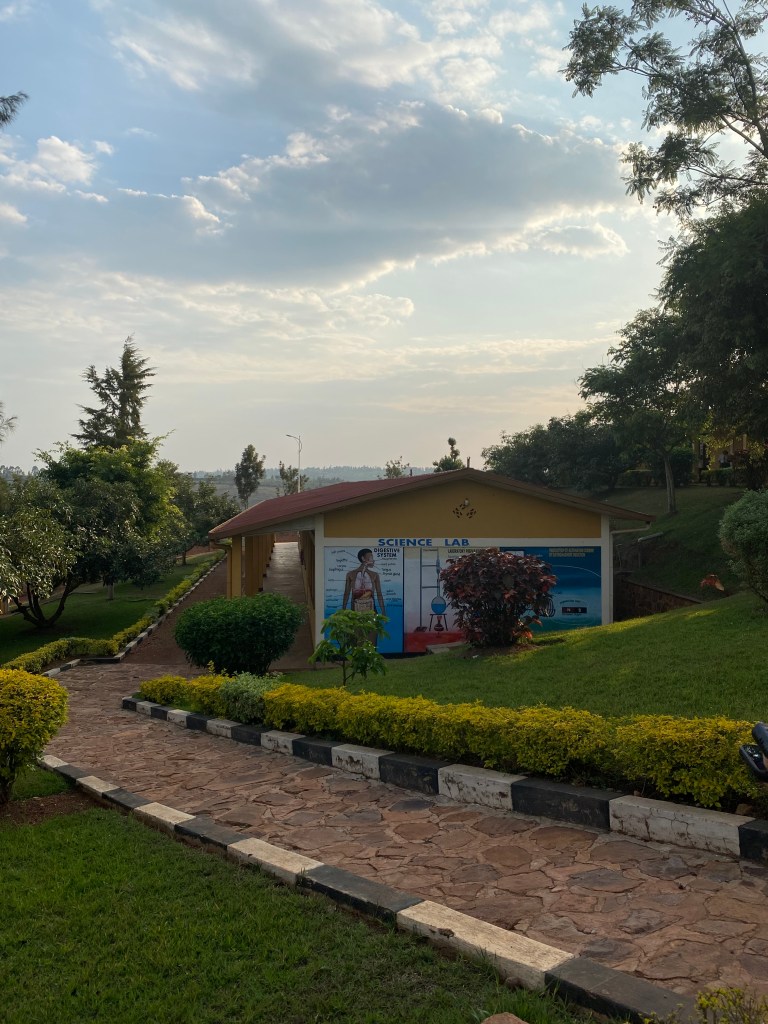
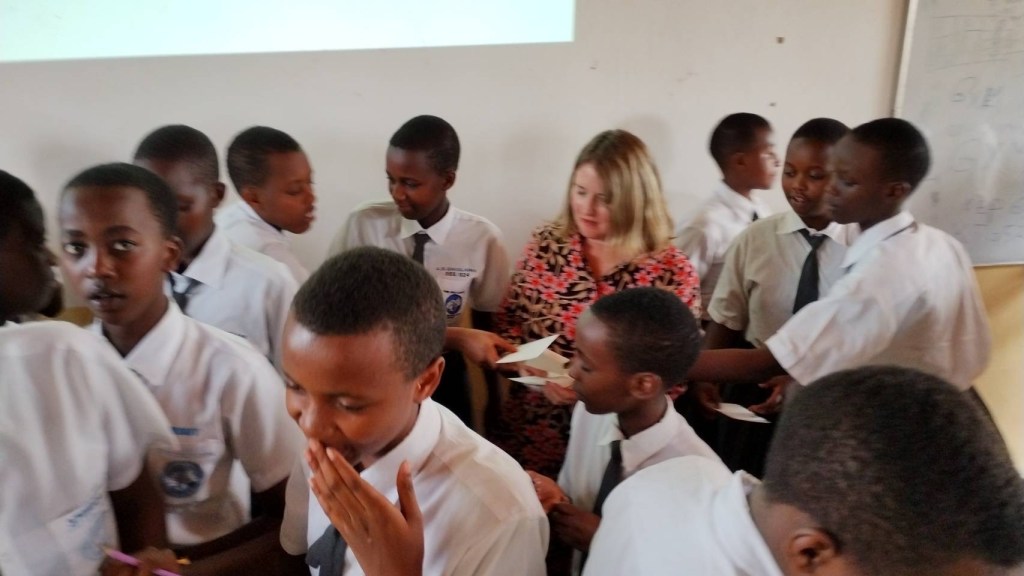
We visited a center which is a part of the Peace Education Initiative Rwanda. The three pillars of their program are peacebuilding and reconciliation, youth empowerment, and social economic development. We first gathered in tent where some photos of the massacre were displayed. Some community members, including those who had been alive at the time of the genocide and high school students, were gathered to share their thoughts and experiences with us.

Photograph by Suzanne Kamata

As birds sang and chickens squawked in the background, Mugabe explained some ways in which the people of his community have sought reconciliation, including sharing goats, building together, and working alongside one another. He emphasised that it’s important that everyone have their basic needs met. To this end, the community members fight against malnutrition, which can lead to diseases, through gardening vegetables and rearing animals such as goats and chickens, which provide milk and eggs.

Another important part of reconciliation, as we learned, is forgiveness. We heard moving –and often shocking – testimonies from both a victim and a perpetrator. We first heard from a woman who was a victim. She told us how she was harassed by her teachers after they learned that she was a Tutsi, and ultimately forced to drop out of school. She said that she spent some days and nights hiding in the bush. Her house was burned, and nothing remained. On April 9, she left her hiding place and sought refuge in the Catholic church. It was full, however, so she went to the cinema. On April 14, the Hutus attacked the church. Although the woman lost her sight, she said that she later received health insurance, and “Today we’re living in peace and harmony.”

Next, we heard from a man who was 30 years old, with a wife and two children, at the time of the genocide. He admitted that he had critical thinking ability, but he participated in the attack on the church, anyway, along with other civilians and members of the military. They were armed with machetes, guns, and grenades, and given thirty minutes to exterminate everyone in the church. They surrounded the church and opened fire, but they “succeeded” in killing only thirteen people the first day. He did not return the second day because his wife was sick. Later, he fled to Tanzania, but after being repatriated to Rwanda, he, like many others, was arrested and sent to prison. “I internalized what I did,” he said through the interpreter. He was filled with remorse. When he was released, he bought a cow for the victims, and asked for forgiveness. In the beginning, only 12 people were involved, but now almost 3,000 participate in peace education in the village.

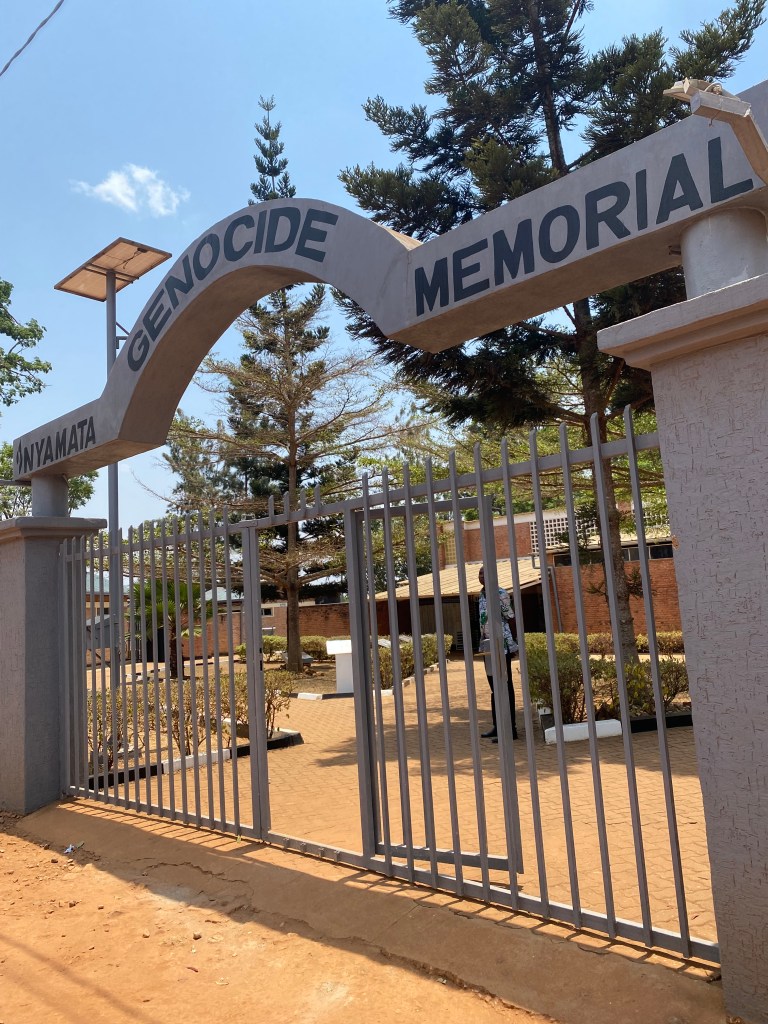
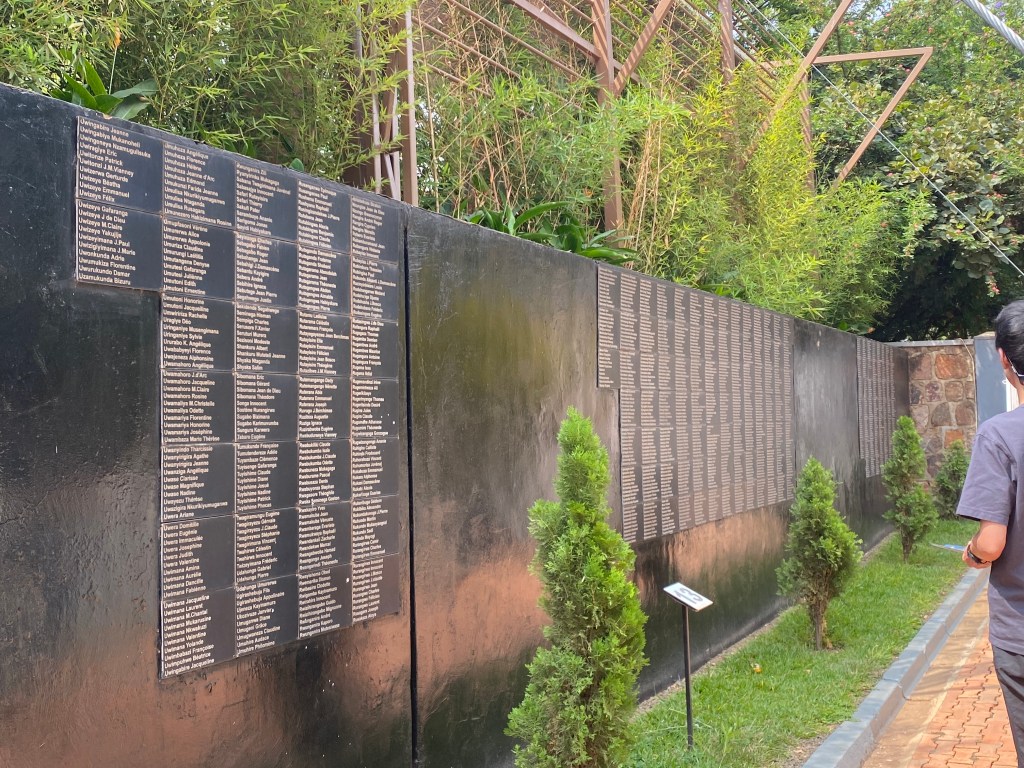
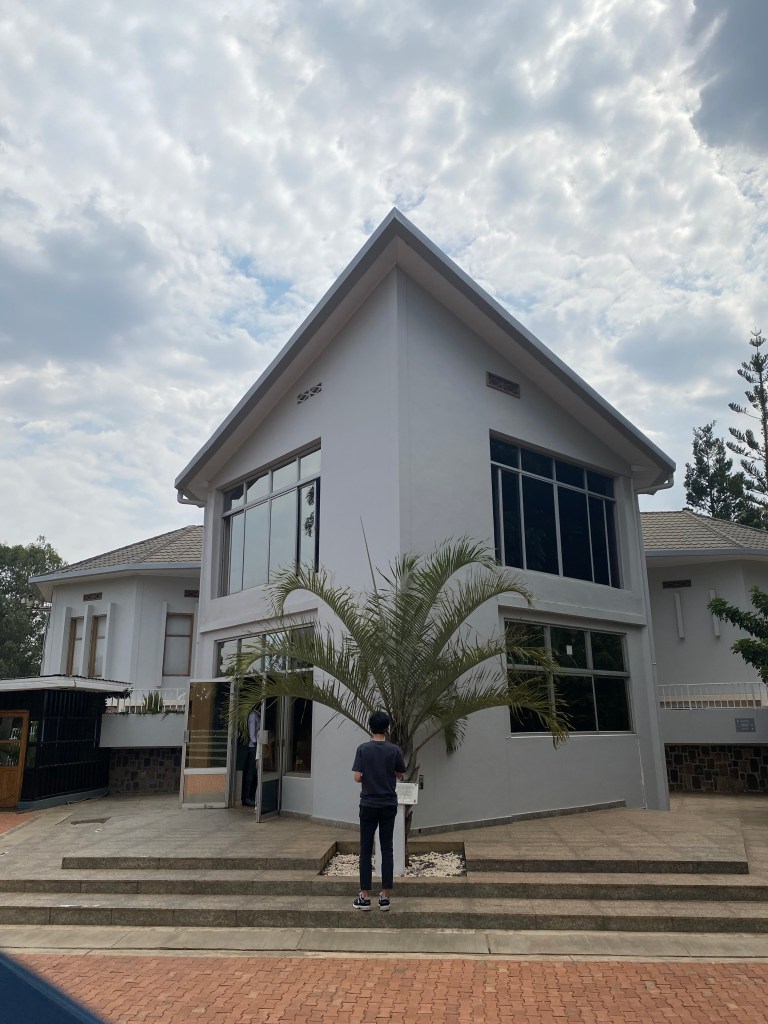
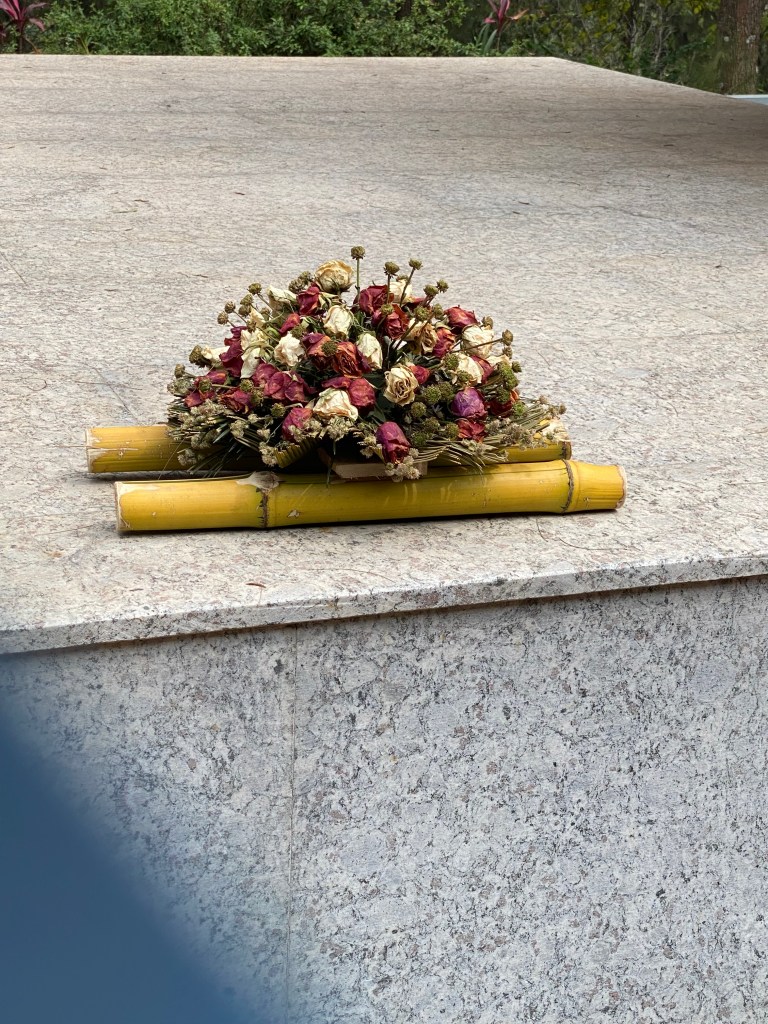
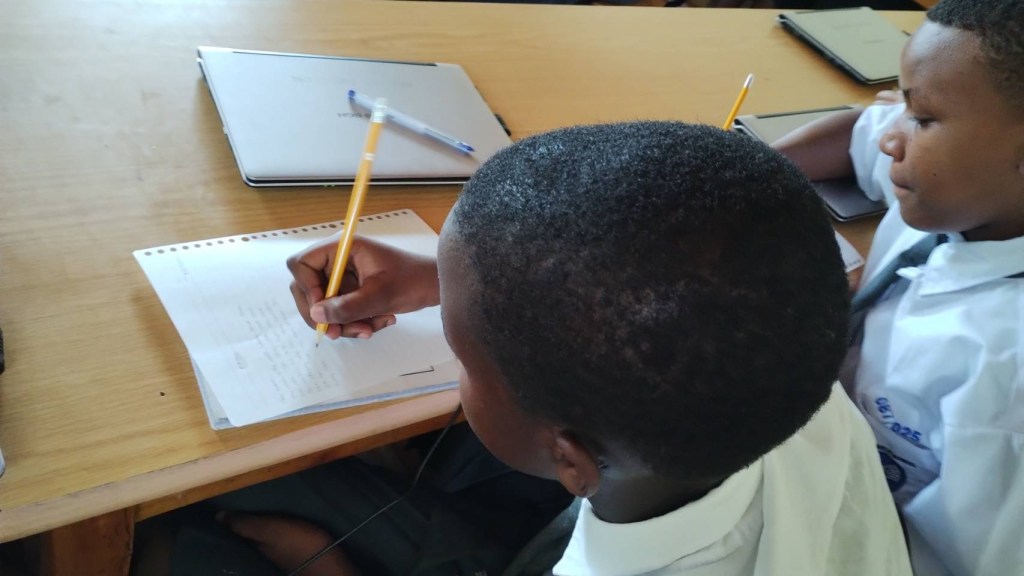
In addition to these community activities, peace education is an important part of the school curriculum in Rwanda. As in Japan, where students go on field trips to Hiroshima and Nagasaki to learn about the atomic bombing of those cities, Rwandan students visit sites related to the genocide, such as churches which now serve as memorials to those who died. We visited two such memorials. In one, the blood-stained clothing of the murdered was stacked on the church pews, while their photos were displayed on the wall. There were glass cases full of skulls, some with bullet holes, or larger gashes caused by clubs or machetes, as well as coffins full of bones. Though graphic and disturbing, these exhibits gave us an understanding of this particular tragic event and of the horrors of war in general.

As I thought about the divisions among people in my own country, the United States, all of the hate-filled rhetoric spewing from the mouths of politicians, and the move to silence voices from outside the mainstream, I couldn’t help thinking that some of these measures might be applied there, as well. What if we truly acknowledged that past? What if we shared our bounty? What if we asked for forgiveness? For now, I will remember what I learned in Rwanda. I will cling fast to hope. 

Suzanne Kamata was born and raised in Grand Haven, Michigan. She now lives in Japan with her husband and two children. Her short stories, essays, articles and book reviews have appeared in over 100 publications. Her work has been nominated for the Pushcart Prize five times, and received a Special Mention in 2006. She is also a two-time winner of the All Nippon Airways/Wingspan Fiction Contest, winner of the Paris Book Festival, and winner of a SCBWI Magazine Merit Award.

PLEASE NOTE: ARTICLES CAN ONLY BE REPRODUCED IN OTHER SITES WITH DUE ACKNOWLEDGEMENT TO BORDERLESS JOURNAL

Click here to access the Borderless anthology, Monalisa No Longer Smiles

Click here to access Monalisa No Longer Smiles on Amazon International
Categories
Notes from Japan

Among Ghosts in the Land of a Thousand Hills

Suzanne Kamata writes from Rwanda

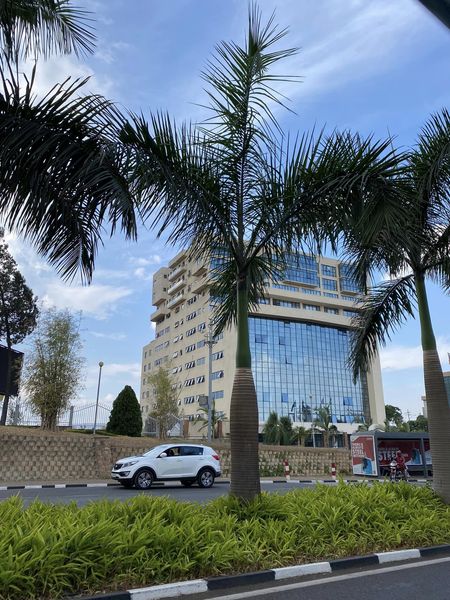
As we exit Kigali International Airport, the first thing I see are trees festooned with bright pink blossoms alongside the walkway. Everything is tidy; not a speck of litter in sight.

My companions and I – one other professor from the small teacher’s college in Japan where I work, and two graduate students – are met by Eugene, the Rwandan driver hired for this trip. He and my colleague exchange greetings, and we climb into the black Toyota Prado already parked at the curb.

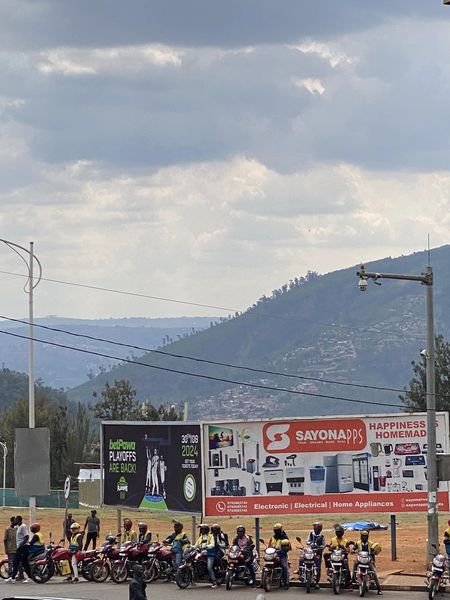
As we head for the city, I can’t help noticing the many motorcycles zooming through the streets. Eugene tells us that they are moto-taxis. Apparently, you can hop on the back and get a ride somewhere for about a dollar. I notice that the passengers don’t put their arms around the waist of the driver, but carefully balance themselves on the back of the bikes.

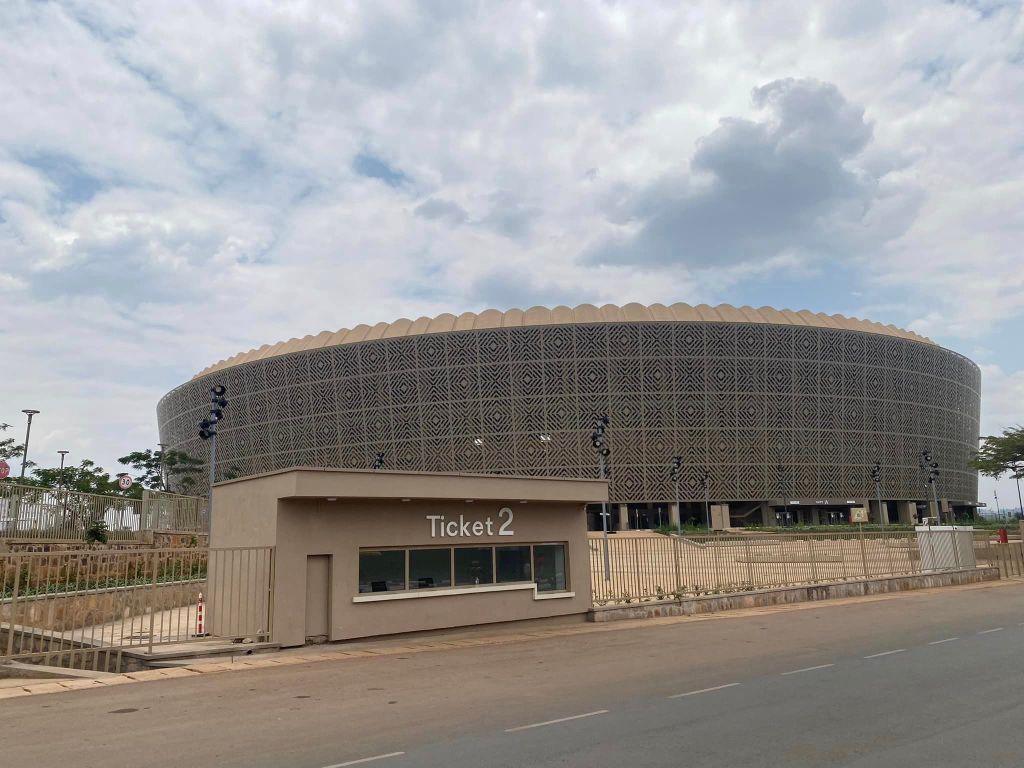
Eugene points out various sites along the way, including a new soccer stadium, various international banks, and a convention center styled like a traditional Rwandan dwelling. In addition to the modern, attractive buildings, greenery is everywhere.

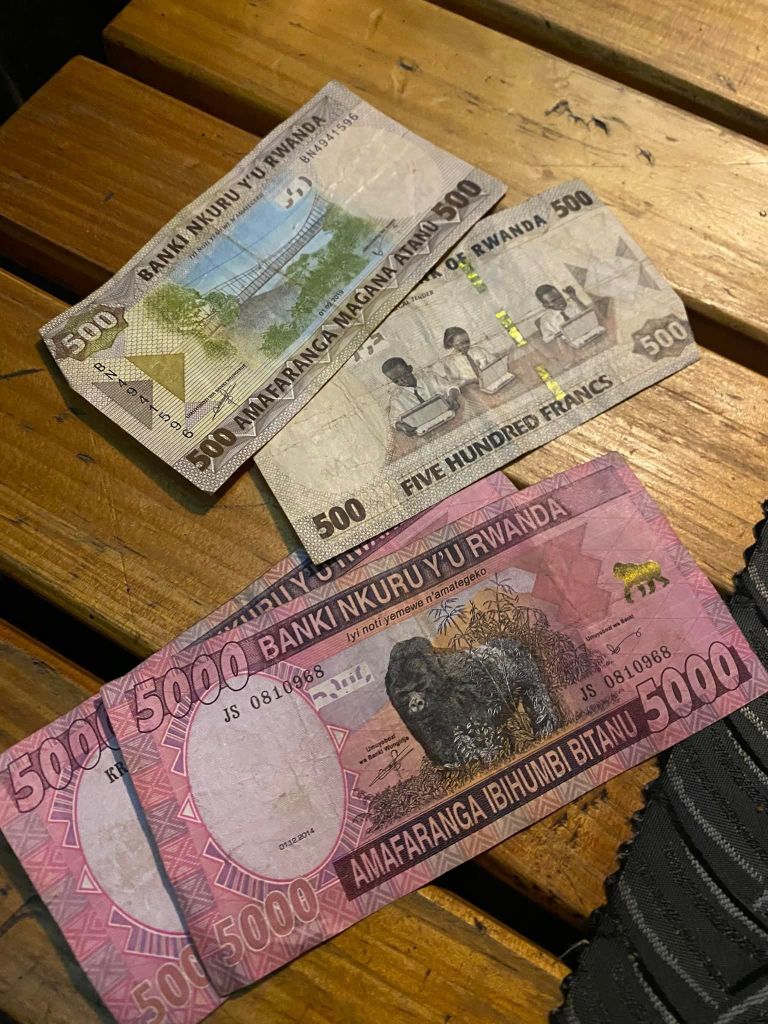
We make a couple of stops to change American dollars into Rwandan francs, and to get Sim cards for phones, and then go to lunch.

I’ve been wondering what we will eat in Rwanda. In the memoirs and stories of native daughter, Scholastique Mukasonga[1], people are always drinking banana beer and eating sorghum and mealie meal. However, once we settle into our seats at the Umut Café, I find none of these things on the menu. Instead, we are offered hamburgers, wraps, and pizza margherita. The most African-sounding item listed is a peanut butter smoothie. I order a chicken wrap as the latest Billie Eilish song pours out of the sound system’s speakers.

We are here in the Land of a Thousand Hills for a one-week research trip during which we will visit schools in rural areas and learn about the 1994 genocide. In one month, around a million Tutsis and their sympathisers were systematically and viciously slaughtered by members of the Hutu ethnic group following government directives. This “final solution” was not enacted in gas chambers away from the eyes of ordinary citizens as in Nazi Germany, but via machetes and spears, often by classmates and neighbours. Just about everyone in Rwanda was affected by the horror in some way. Our driver will tell me later that his father, sister, and brother were murdered at that time.

The animosity between two ethnic groups may be traced to the colonial period, when Belgians favoured the Tutsi, who typically had tall, slender bodies, high foreheads, and narrow features, for prestigious positions and privileges. Periodic violence against the Tutsis began in the 1950s and continues to this day, but Rwandans have made great efforts to insure that the events of 1994 never occur again. Peace education is an important part of the curriculum in Rwanda, as in Japan, where students go on field trips to Hiroshima and Nagasaki to learn about the atomic bombing of those cities. On the following day, we are going to hear from members of one of many rural communities where Tutsis were gathered in a Catholic church and then killed.

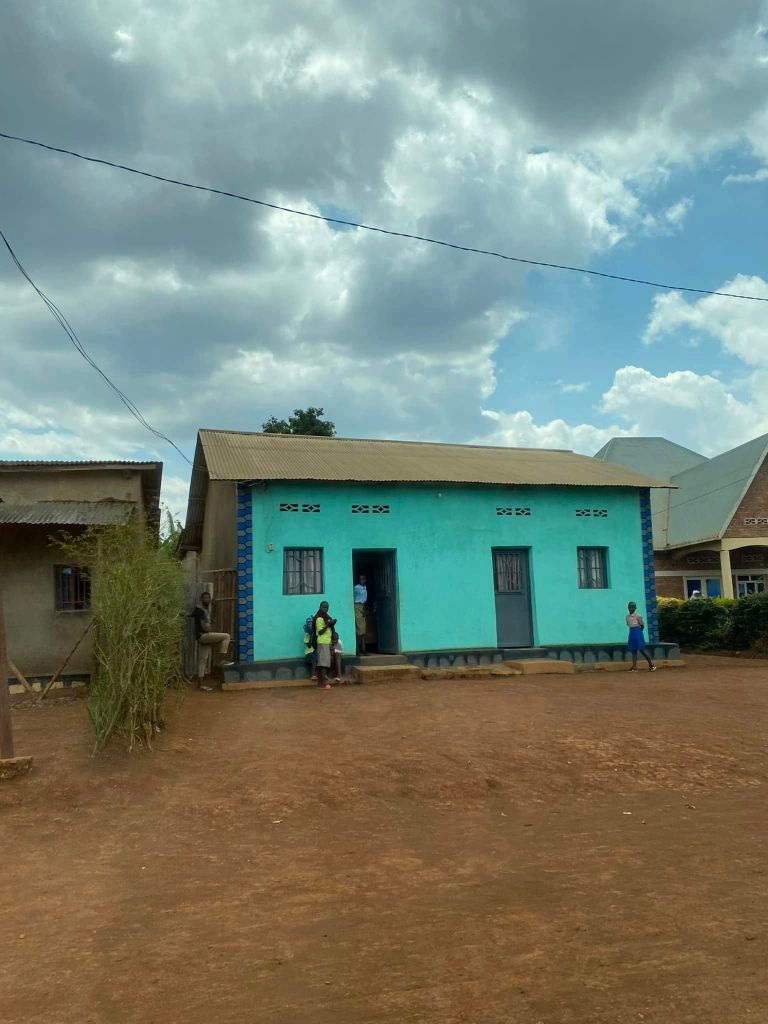
After our late lunch, we climb back into the Prado for the two-hour drive to the Kayonza District in Eastern Rwanda. Outside the window is a blur of banana trees, goats, cows, and red dirt. Many of the houses have intricately-paned windows. It’s a Sunday, and as we get farther and farther from the capital city, we see people in fine clothes, often made of brilliantly patterned kitenge cloth, walking home from church. People lug plastic yellow jerry cans to the river for water, others push bicycles laden with bunches of green bananas. Some are working in the fields with nothing but hands and hoes. As I take in the scenery, I can’t help thinking, this is where it happened; up in those forested hills is where people ran to hide.

We finally arrive at the Eastern Country Hotel, which seems to be run entirely by women. Two come out to welcome us on arrival including a pretty young woman in a pink shirt and a retainer. An older woman takes command of my heavy suitcase and leads me to the desk for check-in, where I write my details by hand in a notebook. She then shows me to my room, which is on the second floor. I hand her a tip, but I have no idea if it is enough. She recites the Wi-Fi password, and I scribble it on a piece of paper.

Pink Flower… Hibiscus. Photo Courtesy: Suzanne Kamata

The room is clean, simple: a bed with a mosquito net, a small desk, a TV. From the window, I can see a garden with palm trees, pink flowers, and shrubs trimmed into vase-like shapes.

A little while later, when I am towelling my hair after my shower, there is a knock on the door. The young woman in the pink shirt brings me a lamp to deter mosquitoes. She returns again several minutes later with the breakfast menu. I ask about an unfamiliar item on the menu. She tells me that it’s African, but I can’t figure out what it’s made of, so I order the omelet and chapatis, and “just a little bit” of the agatogo[2].

The sun is setting, and after our long journey from Tokushima via Tokyo, Seoul, and Addis Ababa, I am exhausted and ready for bed. I drape the netting around me and climb under the covers.

As I wait for sleep to come, I can hear frogs, or maybe crickets. Boisterous voices float from outside, perhaps from the wedding celebration we passed on the way here, or the boarding school on the other side of the road. There is laughter, but at times, it sounds like another kind of ruckus. Sometimes, I think I hear people screaming.

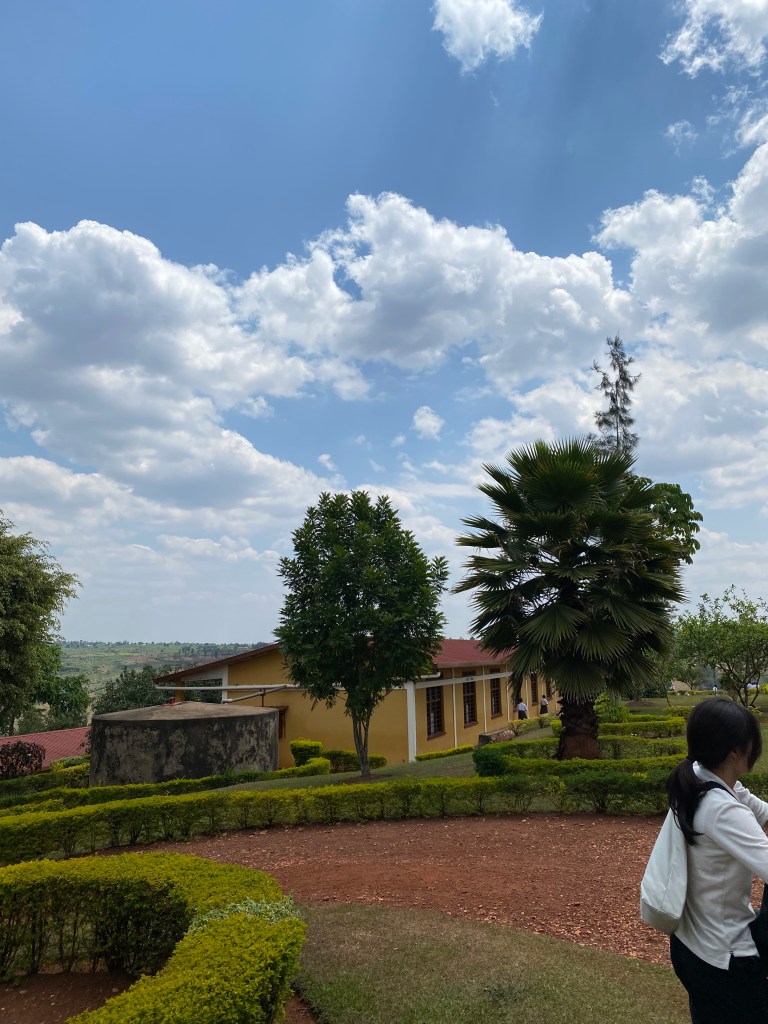
Red dirt road in Kayonza. Photo Courtesy: Suzanne Kamata

[1] A French Rwandan author

[2] A Rwandan dish with plantain, meat and spices

Suzanne Kamata was born and raised in Grand Haven, Michigan. She now lives in Japan with her husband and two children. Her short stories, essays, articles and book reviews have appeared in over 100 publications. Her work has been nominated for the Pushcart Prize five times, and received a Special Mention in 2006. She is also a two-time winner of the All Nippon Airways/Wingspan Fiction Contest, winner of the Paris Book Festival, and winner of a SCBWI Magazine Merit Award.

PLEASE NOTE: ARTICLES CAN ONLY BE REPRODUCED IN OTHER SITES WITH DUE ACKNOWLEDGEMENT TO BORDERLESS JOURNAL

Click here to access the Borderless anthology, Monalisa No Longer Smiles

Click here to access Monalisa No Longer Smiles on Amazon International
Categories
Notes from Japan

Sneaky Sneakers

By Suzanne Kamata

So there I was, jacket zipped, MP3 player charged and loaded, sneakers laced and tied. Just as I was about to go out the door to embark on my power walk, I realised that I’d left the keys on the table in the other room. No one else was in the house. What a bother!

I considered my options. One, I could go out and leave the house unlocked, but I didn’t want to do that. Two, I could try to crawl on my hands and knees to the table without letting my feet touch the floor. Three, I could take off my jacket, lay it down like a carpet, and step on that instead of the bare wooden floor. Four, I could untie, unlace, and step out of my shoes and, in my socks, go get the keys.

I’ve lived in Japan for over 20 years, so I know better than to wear shoes in the house. After all this time, I can’t bring myself to wear shoes indoors in the United States, either, though I was brought up treading on carpet while shod. Most of my footwear is of the slip-on variety—clogs, flip-flops, pumps, loafers—but I still prefer lace-up athletic shoes for exercise.

On this day, I managed to walk on my knees to the table, grab the keys, and get back to the entryway, all without letting my soles touch the floor.

Shortly after that, I was again standing in an entryway while visiting an American friend in Kamakura. My shoes were laced and tied. She had just pulled on her boots and zipped them when she discovered that she had forgotten something. I was prepared to commiserate with her about the nuisance of taking off one’s shoes when, to my surprise, she re-entered the house with her boots on, to retrieve the forgotten bag.

My jaw dropped. This friend had also lived in Japan for a very long time. “You go into your house with your shoes on?” I asked.

She shrugged. “Sometimes. It’s too much trouble to take them off.”

Perhaps this was common. Maybe all over Japan, people were secretly stepping onto the floors of their homes in spike-heeled sandals and hiking boots, and who knows what else!

Curious to know, I asked a Japanese friend—an older woman, with grown children—if she’d ever done such a thing.

“Well,” she said, leaning close, “sometimes in winter, when I’ve already got my boots on, I quickly step inside and hope no one’s watching.”

Again, my jaw dropped. “And what about your children?”

“If they did it, I would scold them,” she assured me. “We’re not supposed to wear shoes in the house.”

Suzanne Kamata was born and raised in Grand Haven, Michigan. She now lives in Japan with her husband and two children. Her short stories, essays, articles and book reviews have appeared in over 100 publications. Her work has been nominated for the Pushcart Prize five times, and received a Special Mention in 2006. She is also a two-time winner of the All Nippon Airways/Wingspan Fiction Contest, winner of the Paris Book Festival, and winner of a SCBWI Magazine Merit Award.

PLEASE NOTE: ARTICLES CAN ONLY BE REPRODUCED IN OTHER SITES WITH DUE ACKNOWLEDGEMENT TO BORDERLESS JOURNAL

Click here to access the Borderless anthology, Monalisa No Longer Smiles

Click here to access Monalisa No Longer Smiles on Amazon International
Categories
Notes from Japan

In Praise of Parasols

A classic way to keep cool

By Suzanne Kamata

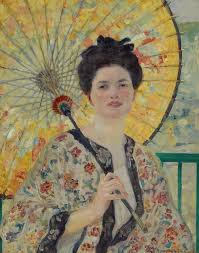
Painting by Georges Seurat(1859-1891). From the Public Domain.

Parasols? Seriously? Such were my thoughts when I first arrived in Japan one summer over twenty years ago. How quaint, I thought. How old fashioned! If a lady was worried about preserving her lily-white complexion, why not just slather on sunscreen and wear a hat?

In South Carolina, where I’d just come from, the only time I ever saw women wielding parasols was when I visited antebellum mansions. There, tour guides flounced around plantations in hoopskirts, twirling parasols as part of their period costumes. In real life, no one used them.

Back then, many of my friends spent hours laying out in the sun, in pursuit of the perfect tan. In the United States, people found my skin to be too pale, but in Japan women wore long white gloves and smeared their faces with whitening cream. And they carried parasols to ward off the sun.

Parasols have actually been in use in the Middle East and Asia for a very long time. They are depicted in ancient art in India, Egypt, Mesopotamia, and Greece, and are mentioned in a divination book from the Chinese Song Dynasty printed in 1270. Although alternative uses have been discovered for the parasol – for example, in 1902, ladies were advised by The Daily Mirror to use their parasols to fend off ruffians — the basic design is much the same as that of first century China.

A postcard from the turn of the 20th century. From the Public Domain

The only parasol I’d ever owned was a bright red one made of paper, bought from a souvenir shop in Southeast Asia, which I displayed in a corner as an ethnic accent to my home décor. I never thought of using it outside.

Parasols were fussy and cumbersome, I thought. How could you do anything with your hands if you were holding one? They were a nuisance, and yet when I went to a baseball game with my mother-in-law in mid-summer, and the hot sun beat down upon us, I was grateful to share the shade of her black umbrella.

Ever conscious of my carbon footprint, I walk to the neighbourhood store with my eco-bags. One sweltering day last summer, I started to reach for my hat on my way out the door, but grabbed an umbrella instead. It really was cooler underneath! And carrying a parasol helps cut down on the new freckles. Today I browsed online for a new parasol. A number of new vendors have popped up in the West offering a variety of designs – Battenburg Lace for outdoor weddings, solid team colours for stadium sports, and more. Could it be that the parasol is about to come into fashion again in my native country? Here in Japan, it has never gone out of style. 

Suzanne Kamata was born and raised in Grand Haven, Michigan. She now lives in Japan with her husband and two children. Her short stories, essays, articles and book reviews have appeared in over 100 publications. Her work has been nominated for the Pushcart Prize five times, and received a Special Mention in 2006. She is also a two-time winner of the All Nippon Airways/Wingspan Fiction Contest, winner of the Paris Book Festival, and winner of a SCBWI Magazine Merit Award.

PLEASE NOTE: ARTICLES CAN ONLY BE REPRODUCED IN OTHER SITES WITH DUE ACKNOWLEDGEMENT TO BORDERLESS JOURNAL

Click here to access the Borderless anthology, Monalisa No Longer Smiles

Click here to access Monalisa No Longer Smiles on Amazon International
Categories
Notes from Japan

A Day with Dinosaurs

Photographs and Narrative by Suzanne Kamata

My day job is “associate professor,” so I sometimes attend academic conferences. When I learned of an upcoming conference on language teaching in Fukui Prefecture, which I had never been to, I was eager to sign up. Sure, I wanted to hear all the cutting-edge theories about teaching English to language learners – how to motivate my students to write haiku, how to use AI, and so on – but my primary reason was to see the dinosaur bones.

Although at one time it seems that dinosaurs pretty much roamed the whole world, fossils of dinosaur bones weren’t discovered in Japan until 1989. Those bones were found in Katsuyama City, Fukui Prefecture. Since then, even more bones have been discovered, and a museum ̶ Fukui Prefectural Dinosaur Museum ̶ opened in 2000. As part of the pre-conference activities, the host university had arranged for a trip to the museum. A free shuttle but would depart at 11:30am.

I consulted an app on my smartphone and determined that it would take me about five hours to reach Fukui Station from my home in Tokushima Prefecture on the island of Shikoku. I would have to take a bus, a train, another train, and the high-speed bullet train. After a recent trip to Tokyo, I had learned how to use an electronic transit card, which was basically an app on my phone. This app could be used to breeze through ticket gates at train stations, as well as on buses and subways.

I got up at 5:30am on the day of the museum tour. My husband dropped me off at the bus station. I got on the bus and got off in Osaka. Then I took a train to Kyoto, which was mobbed with travelers. Although I thought I could get on the next train, the so-called Thunderbird, with my app, I discovered that I needed to have a reservation. I suppose I could have made one on my smartphone while standing in line, but I was confused. I left the platform and queued up to buy a reserved ticket from the vending machine, which disrupted my tight schedule and meant I would not be able to make it to Fukui in time for the free shuttle bus.

The Thunderbird goes straight from Kyoto to Fukui with few stops in between. The scenery is mostly composed of rice fields and squat mountains. The monotonous view was calming. About an hour later, the train pulled into Tsuruga where I had to switch to the brand-new Hokuriku Shinkansen for the last seventeen minutes of my journey. In my rush to finish my business at the vending machine in Kyoto, I had inadvertently booked a seat in the most luxurious car. I was the only one there.

I texted a friend who was also attending the conference. She had already arrived. I told her that I would be late, and that I wouldn’t be able to ride the bus with her. This was Japan, where everything was always on time! However, the organisers were Americans, and they were willing to wait for me. Hooray!

As soon as I got to Fukui Station, with its moving animatronic raptor keeping guard out front, I hopped into a taxi and finally arrived at the university, where the bus was indeed waiting. I sprinted onboard, apologised to my fellow passengers, and thanked the organiser profusely.

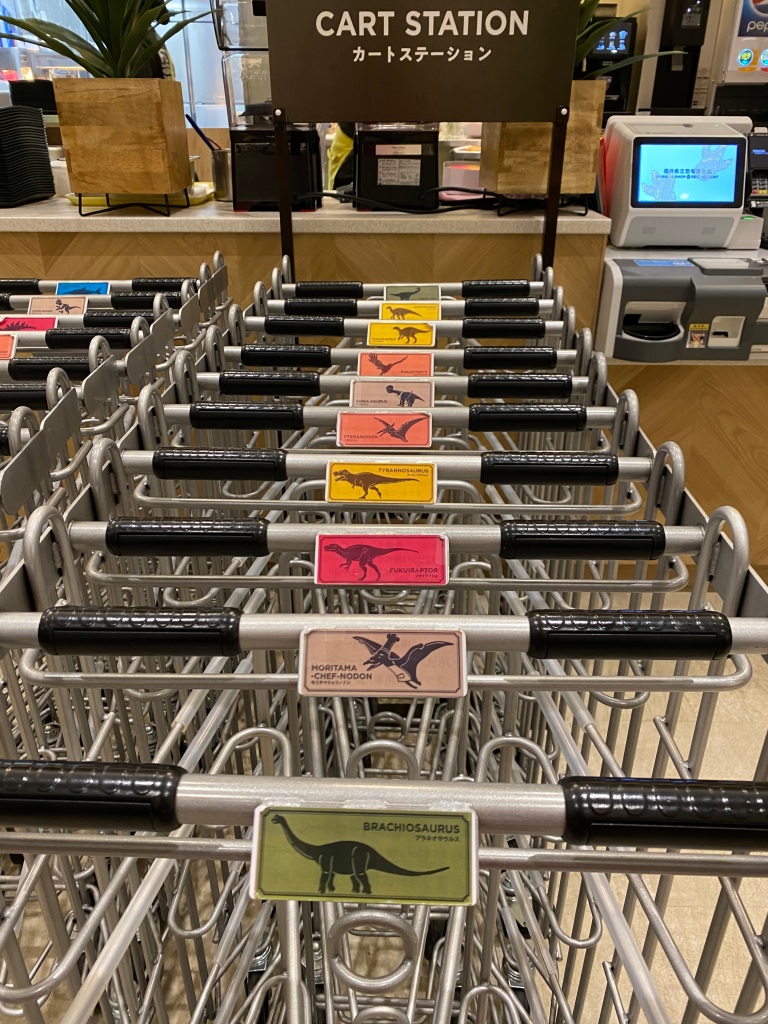
The museum was impressive, as advertised. Replicas of dinosaurs discovered in such far-flung locales as Morocco and Mongolia were on display. There were, of course, also exhibits of the five dinosaurs and one bird species discovered in Fukui, including the long-necked stubby-legged Fukuititan, the herbivorous Fukuisaurus, and the Fukuiraptor. Although the museum offers an excavation experience where visitors can pretend to dig and discover fossils, my friend and I just walked around looking at all of the cool rocks and bones.

Having gone through my son’s dinosaur obsession when he was young, I could remember some of the dinosaur’s names – the Ankylosaurus with its bumpy back, the Stegosaurus, and Pterodactyl. When we were ready to take a break, my friend and I made our way to the cafeteria for dino-themed snacks.

While many famous destinations in Japan are struggling with over-tourism, Fukui, while slightly off the beaten track, has a pleasantly relaxing vibe. Things may change with the new bullet train, but for now, I recommend it as a fascinating horde-free place to visit.

Suzanne Kamata was born and raised in Grand Haven, Michigan. She now lives in Japan with her husband and two children. Her short stories, essays, articles and book reviews have appeared in over 100 publications. Her work has been nominated for the Pushcart Prize five times, and received a Special Mention in 2006. She is also a two-time winner of the All Nippon Airways/Wingspan Fiction Contest, winner of the Paris Book Festival, and winner of a SCBWI Magazine Merit Award.

PLEASE NOTE: ARTICLES CAN ONLY BE REPRODUCED IN OTHER SITES WITH DUE ACKNOWLEDGEMENT TO BORDERLESS JOURNAL

Click here to access the Borderless anthology, Monalisa No Longer Smiles

Click here to access Monalisa No Longer Smiles on Amazon International
Categories
Notes from Japan

A Golden Memory of Green Day in Japan

By Suzanne Kamata

At the end of April and the beginning of May, several Japanese holidays fall close together. This special time of year is called Golden Week. Often, a few work/school days fall between the holidays, however many people take advantage of the break and travel. I have a hard time remembering which days are which holidays, however I do remember that one of them is Midori-no-hi, or Green Day (which falls on the Showa Emperor’s birthday, May 4).

Not long after I graduated from college, I came to Japan to work as an assistant English teacher. I was assigned to a high school in Naruto, a city in Shikoku, southeast of Osaka, noted for its tasty seaweed and huge, natural whirlpools.

The principal of the high school was very friendly and often invited me to drink tea and chat with him, so I was none too surprised when he called me to his office one April afternoon. This, however, wouldn’t turn out to be a typical encounter.

The principal began to tell me about the annual Midori-no-hi (Green Day) ceremony. Each year, it’s held in a different prefecture, and that year it was Tokushima’s turn. The Emperor and Empress are always in attendance. Only a select group of people would be invited to attend the proceedings, the principal told me, and I had been chosen to participate.

How could I refuse? I imagined meeting the Emperor and Empress and telling them about my hometown in America. Maybe we’d sip green tea together from the locally-crafted pottery cups.

A full rehearsal was scheduled a couple of weeks in advance of the actual event. I boarded a bus at 5 a.m. along with a group of high school band members who would be performing during the ceremony.

As we approached the park settled in the mountains of Tokushima, I noticed that the formerly rough road had been paved. The roadside was lined with marigolds which had been freshly planted in anticipation of the imperial couple’s visit.

At the park, we all practiced our separate parts. Mine would be quite simple. Two other young women — a Brazilian of Japanese descent and an Australian who’d just arrived in the country — and I would be escorted to a spot in front of the Emperor and Empress. We would then bow, accept a sapling from the governor, and plant it in the ground with the help of boy scouts.

As the Emperor would be there and the entire ceremony would be broadcast on national television, everything had to be perfect. We practiced bowing many times with our backs straight and our hands primly layered.

Finally, Midori-no-hi arrived. The day was cloudy and occasional rain drops spotted my silk dress. Everyone hoped that the weather would not ruin the proceedings.

Marching bands, an orchestra, and a choir made up of students from various local high schools and colleges filled the morning with music. Instead of the sun, we had the bright brass of trombones, trumpets and cymbals.

Modern dancers in green leotards enacted the growth of trees. Later, expatriate children from Canada, France, Peru and other countries announced “I love green” in their native languages. This was followed by the release of hundreds of red, blue and yellow balloons into the grey sky. A hillside of aging local dignitaries were on hand to view the pageantry.

About mid-way through the ceremony, the Emperor and Empress arrived. They followed the red carpet laid out to the specially-constructed wooden dais, the Empress a few steps behind her husband as protocol demanded, to “Pomp and Circumstance”. The rustle of Japanese flags waved enthusiastically in the air threatened to drown out the orchestra.

After many solemn addresses and much bowing, the Emperor and Empress stepped down to “plant” trees. His Highness pushed some dirt around the base of a cedar sapling with a wooden hoe. His pink-suited consort did the same while balancing on high heels. The placement of the trees was only for show. Later, everything would be transplanted to a more suitable location.

At last, it was my turn. The other young women and I were led to the grass stage to the accompaniment of a harpist. I accepted my tree and buried its roots in the ground. The tree was a sudachi, which bears small green citrus fruit and is the official tree of Tokushima Prefecture.

The music and majesty of the occasion made me feel like I was doing something important on Earth. I was adding to the verdure of the world, enabling Nature. I felt a sense of awe.

When all of us were finished planting, we bowed in unison to the Emperor and Empress, then filed off the field. Afterwards, there was a mass-gardening session as all of the attendants on the hillside began planting prepared saplings.

I didn’t get to meet the royal couple after all. Although they passed by within a few meters of where I was standing, there were no handshakes, no pleasantries, not even any eye contact.

What I did get was a big bag of souvenirs — a cap, a small wooden folding chair, commemorative stamps, a flag, sudachi juice, and a book of photos so that I could always remember that misty day, that baby tree.

Suzanne Kamata was born and raised in Grand Haven, Michigan. She now lives in Japan with her husband and two children. Her short stories, essays, articles and book reviews have appeared in over 100 publications. Her work has been nominated for the Pushcart Prize five times, and received a Special Mention in 2006. She is also a two-time winner of the All Nippon Airways/Wingspan Fiction Contest, winner of the Paris Book Festival, and winner of a SCBWI Magazine Merit Award.

PLEASE NOTE: ARTICLES CAN ONLY BE REPRODUCED IN OTHER SITES WITH DUE ACKNOWLEDGEMENT TO BORDERLESS JOURNAL

Click here to access the Borderless anthology, Monalisa No Longer Smiles

Click here to access Monalisa No Longer Smiles on Amazon International
Categories
Notes from Japan

Of Peace and Cheese

By Suzanne Kamata

Here is my son, as a toddler, an ice cream cone in one hand, the other signing “peace.” Here is my daughter at five, posing in front of the Inland Sea, two fingers held up in the air. Here is my son, aged ten, sitting on a park bench in Charleston, South Carolina. Peace!

From pretty much the time that my Japanese-born children learned to say “cheese,” whenever they’ve found themselves in the presence of a camera, they stuck up two fingers in a “V.” Pick up any family photo from our children’s first ten years, and you’ll find someone making this gesture.

It drove my American parents crazy. “Be natural,” they’d say. “Don’t do that!” Candid shots were nearly impossible because as soon as my kids realised they were about to be photographed, those two fingers went up in the air.

My children were not exceptions, of course. I first noticed this practice when I arrived in Japan over thirty years ago. I have a drawer full of photos of myself and various Japanese kids making the sign. Me, I sometimes did it ironically. For Japanese youth, it seemed to be a Pavlovian response.

It hadn’t always been this way. An older Japanese woman friend told me that when she was a child, no one made a “V” when having their picture taken. She lamented that her own children had picked up the same habit, that her daughter signed “peace” even in her wedding photos. When I asked her how it all got started, she couldn’t tell me. However, theories abound.

According to one source, the trend originated in a baseball manga. A character made the “V” for Victory sign in imitation of Winston Churchill. The gesture caught on, and remains.

One of my foreign friends, hoping to break her kids of the tendency, refused to take their picture if they were making the sign. I was not quite so strict. The peace sign may, in fact, be the Japanese equivalent of the smile. In the United States, whenever someone has their picture taken, the photographer tries to get a grin out of them. I’m sure that many of us have faked a smile in order to comply with custom. I certainly have.

Here in Japan, however, smiling for the camera is relatively new. Back in the day, only the very vulgar would show their teeth. In school and other formal photos, gravitas is seemingly required. Thus, in the group portrait taken at my own wedding, the Japanese guests wear poker faces, better suited to a court date. My American relatives are all smiles, though their posed grins may be frozen in place. No one, I might add, is making the peace sign. My husband and I got married in Hawaii, so everyone’s hands are raised with pinkie and thumb extended, a gesture that means “hang loose” in the islands. Shaka shaka.

These days, thanks to the influence of K-pop artists in Japan, people posing for photos are likely to use another gesture. At a recent party celebrating graduating students at the university where I teach, we all got into formation.

“What should we do?” one professor asked. “Peace signs?”

“How about K-pop hearts?” I suggested. The others agreed. We touched our thumbs and index fingers, forming hearts. The picture was taken.

Suzanne Kamata was born and raised in Grand Haven, Michigan. She now lives in Japan with her husband and two children. Her short stories, essays, articles and book reviews have appeared in over 100 publications. Her work has been nominated for the Pushcart Prize five times, and received a Special Mention in 2006. She is also a two-time winner of the All Nippon Airways/Wingspan Fiction Contest, winner of the Paris Book Festival, and winner of a SCBWI Magazine Merit Award.

PLEASE NOTE: ARTICLES CAN ONLY BE REPRODUCED IN OTHER SITES WITH DUE ACKNOWLEDGEMENT TO BORDERLESS JOURNAL

Click here to access the Borderless anthology, Monalisa No Longer Smiles

Click here to access Monalisa No Longer Smiles on Amazon International

Categories
Notes from Japan

The Cherry Blossom Forecast

Photographs and Narrative by Suzanne Kamata

Nothing says “Japan” quite like cherry blossoms.

As I write this, the cherry trees on the campus of the university where I work are adorned with deep pink blossoms. There are several varieties of sakura, which bloom at different times. The earliest are the Kawazukura-zakura, which blossom as early as February in some parts of Japan. In a couple of weeks, the more commonly known frothy pale pink flowers of the Somei Yoshino will be seen. Usually, this timed to perfectly coincide with graduation ceremonies, and opening ceremonies welcoming new students. Every speech seems to begin with a mention of the ephemeral blooms.

Another kind, the Shidare-zakura (weeping sakura), is often found in traditional Japanese gardens.  There used to be a Shidare-zakura across the street from my house. I enjoyed seeing the flowers, garlands swaying in the breeze, but, unfortunately, the owner of the property cut the tree down

My family and I used to make at least one outing each spring to roam among the cherry blossoms. Now, it’s just my husband and me, but as I previous years, we will probably visit a park or mountainside, transformed into a fairytale landscape, and take selfies while pondering the impermanence of youth and beauty.

Many people will gather on blue tarp spread under boughs to partake of lavish boxed lunches and drink beer. The park surrounding the former grounds of Tokushima Castle will be thronged with merrymakers. During the pandemic, Hanami (cherry-blossom-viewing) was frowned upon. At that time, the park was eerily vacant. I imagine that for many Japanese, not being able to participate in this traditional event was one of the greatest hardships of 2020-22.
In February, TV announcers are newspapers begin to forecast the passage of blossoms across the peninsula. It goes something like this:

In northern Japan, snowflakes flutter and fall. Winter hangs on.

Cherry tree twigs stick out of bare branches like witchy fingers.

Every year meteorologists predict the appearance of cherry blossoms.

How do they know when the buds will release their blooms?

Well, from March, once a day, sometimes twice, someone checks on 58 designated barometer trees. One is near Yasukuni Shrine in Tokyo. Most people don’t know where the rest of the trees are. It’s a secret!

People from all over Japan send in photos of cherry blossom buds. Team cherry blossom examines all the photos and tracks the progress of the trees.

Tightly clenched buds mean it may be another month.

About ten days later, the tips change color – yellow-green.

And then, a deeper darker green, like moss in a forest.

When the tips become pink, get ready for cherry blossom viewing.

After five or six blossoms have appeared, the Meteorological Agency announces the start of the cherry blossom season.

In Kyushu, cherry trees may bloom in March. Gradually, buds open, releasing frothy flowers all the way up to Hokkaido, in a wave of pink and white.

Cherry blossom petals flutter and fall.

Suzanne Kamata was born and raised in Grand Haven, Michigan. She now lives in Japan with her husband and two children. Her short stories, essays, articles and book reviews have appeared in over 100 publications. Her work has been nominated for the Pushcart Prize five times, and received a Special Mention in 2006. She is also a two-time winner of the All Nippon Airways/Wingspan Fiction Contest, winner of the Paris Book Festival, and winner of a SCBWI Magazine Merit Award.

PLEASE NOTE: ARTICLES CAN ONLY BE REPRODUCED IN OTHER SITES WITH DUE ACKNOWLEDGEMENT TO BORDERLESS JOURNAL

Click here to access the Borderless anthology, Monalisa No Longer Smiles

Click here to access Monalisa No Longer Smiles on Amazon International