Categories
Musings of a Copywriter

Crush on Bottles

By Devraj Singh Kalsi

Since the idiomatic expression – hit the bottle – slipped into my word cabinet, I have woken up to the reality that certain words draw stunned silence from people when we falter in the usage because of misinterpretation or their striking closeness to other words or phrases. With my shaky command of the language, I visualised the violent act of hitting the bottle with a bare hand. But the brush with a newspaper article carrying the same headline made me sense its phrasal tipsy turn, prompting me to consult the dictionary.

My attraction for bottles had always been there — except that I do not recall much about the feeding bottle. I suspect I have never been in a dry state of mind since my childhood. There is a natural bonding with bottles from a tender age — irrespective of the labels attached. The glass cabinet displayed bottles with slender shapes and fancy English names like Old Monk or Old Tavern, which expanded the vocabulary of a young learner. I remember asking my father the meaning of the words when I first saw him unboxing these. As the liquid with a golden tinge rapidly flowed into designer-cut glasses and hit the bed of ice cubes, I was brimming over with a strong urge to hold the aesthetic bottle and clink glasses with him and his friends before they struggled to hold themselves after gulping a few pegs.

I do not have pictures capturing those moments of unadulterated joy holding such bottles in my hand. There was just one photograph showing me busy with a bottle of Waterbury’s Compound. Before it gets mistaken as another fancy English name for a heady drink, let me clarify its status as an immunity booster offering relief from cough and common cold. Without a faint idea of its medicinal value, the red label of the bottle attracted me a lot. It was clear from this indulgence that, during my adult years, I would have an intense association with bottles of all shades and trades.

As I grew up, the bottles soon became conspicuous by their absence. The usual places of stocking them wore a deserted look, and perfume bottles replaced them. The small imported bottles continued to allure me for their sleek design, colour and looks. But I missed the earlier appeal of wine bottles. Perhaps, my parents grew aware of the possibility of my tasting liquor in their absence or smuggling the bottles out of the house for my friends. The steady disappearance of the cocktail cabinet made me fond of standing in front of wine shops in the neighbourhood – to admire the variety of bottles on the shelves. The fear of being seen by a familiar face dampened my enthusiasm as it would earn me the tag of a teenage drinker. Nobody would believe I was eyeing them with an artistic bent of mind. I would never be able to scotch the rumour that I was damaging the reputation of the family by queuing up in front of wine shops if some archrivist or detractor got the chance to tarnish my image with the liberty of distorting the reality by taking me to the wine counter, with outstretched hands for a pint.

The sight of newspaper advertisements flashing liquor was another source of vicarious excitement. The bottle was the real hero and not the couple in the advertisement. For me, the satisfaction of drinking cannot surpass the joy and thrill of admiring the art of wine bottles. Drinking fine wine has an aristocratic and classy appeal, but the art of looking at fine wine bottles drew me closer to advertising while in school. The catchy lines written next to the visual always made me think of penning similar lines that would intoxicate readers. When I fumbled and stumbled into advertising with the desire to view fresh images of wine bottles and craft copies, the ban on liquor ads dashed my hopes, leaving me high and dry. Not a single line for a surrogate soda or mineral water ads from any liquor brands to date is how the reality stands pegged. 

There was a keen urge to hold a bottle and drink from it, but it was limited to aerated drinks. I indulged in heavy drinking of the soft variant until the intestinal walls revolted against the toxic overflow. When it was time to repair the damage, I preferred to go for syrup bottles instead of pills and capsules. Flaunting a shelf of syrup bottles of various shapes with varied tastes helped alleviate my suffering. During a bout of cough, cold, or allergy, I demanded syrup. If there was a need to boost vitamin levels, I chose syrup. Whenever the liver or any other dysfunctional organ needed care or relief, I would request the doctor, as much as possible, to provide me with the scope to drink syrup, preferably with a fruity taste. Sometimes, the kind doctor added a syrup bottle to the prescription to address flatulence when I disclosed my regular preference for oil-rich, deep-fried intake. Having syrup made me feel less sick. It was more of an energy drink that gave a feeling of stamina and wellness.

Though nothing in life generates the feeling of purity like a bottle of fresh, toned milk – the only bottle that reminds me of my childhood compulsion to gulp down its contents as it arrived from the nearby booth. Spotting the flavoured milk bottles in shopping malls generates a similar scary feeling even today. But I see health-conscious young people drinking chocolate and strawberry-flavoured milkshakes, holding a cigarette in the other hand to balance tradition and modernity as opposed to those days when something needed to be added to the milk to ensure children did not complain.

With the arrival of non-alcoholic beverage bottles made of dark coloured glass, bearing close resemblance to beer bottles, the style factor has gathered fizz. Aping young folks standing outside large-format stores, leaning against decorative lamp posts, with a bottle in hand, I also went in for a similar drink that would charge me like a bull, ready to attack the sight of anything red. A taxi driver waving his red cleaning cloth – perhaps to suggest the breakdown of his vehicle or alert pedestrians to any danger like potholes on the road – was not worth reacting to in anger. Holding the empty bottle in search of an empty bin, I walked up to his yellow cab briskly, and asked him politely, “Sealdah chaloge1?” Before I could get his reply, a stray dog came rushing my way, making me run and jump the railing for safety.

.

  1. “Will you go the Sealdah?” Sealdah is a neighbourhood in Kolkata ↩︎

Devraj Singh Kalsi works as a senior copywriter in Kolkata. His short stories and essays have been published in Deccan Herald, Tehelka, Kitaab, Earthen Lamp Journal, Assam Tribune, and The Statesman. Pal Motors is his first novel.  


PLEASE NOTE: ARTICLES CAN ONLY BE REPRODUCED IN OTHER SITES WITH DUE ACKNOWLEDGEMENT TO BORDERLESS JOURNAL

Click here to access the Borderless anthology, Monalisa No Longer Smiles

Click here to access Monalisa No Longer Smiles on Kindle Amazon International

Categories
Stories

The Tender Butcher

By Devraj Singh Kalsi

The butcher had written many poems without any dream of compiling those for a book. His shop assistant, a college-student, did a part-time job to fund his education. Being a reluctant bachelor, the butcher nurtured his romantic side through poetry and managed to convey a fairly youthful visage of his personality rarely found in men following his métier. 

Mohsin independently handled the job of dealing with pesky customers haggling over price and quantity without displeasing them while Yunus sat in a corner, propped against a cushion, lost in the universe of verses, oblivious of what transpired around him unless he was called out to tender the change to any customer. Whether Yunus managed to create something valuable when Mohsin did the chopping and grinding mincemeat hovered in the realm of doubt. His trance-like state seemed to suggest he was engrossed in a creative exercise that ordinary mortals would never associate with a meat-seller.

“Sahib, your poems stab the heart. Honestly saying so – what will I get by flattering you…” Mohsin repeated this sentence like mantra at least twice every day. Though Yunus did not accept it with a smile, Mohsin knew his quick rise as an employee was on account of the litany of praises sung in favour of the blossoming poet well past his prime. With years of experience and loyalty piling up in favour of Mohsin, he was given further responsibilities to shoulder. Managing cash and transactions empowered him and delivered greater freedom to Yunus to pursue his art with singular focus and minimum distractions.

Whenever Yunus was mired in doubt regarding the finesse of what he had written, he sought feedback from Mohsin. Before he could complete the couplet, Mohsin broke into applause that made Yunus suspect a ring of fake appreciation.

Deewar ki kya haisiyat, dooriyaan toh pehle se thi [1],” Yunus began with promise.

As the din of wah-wah[2]rent the air, Yunus looked disgruntled with the premature reaction of Mohsin, and repeated his two cents on suitable behaviour of admirers, “A sincere listener should have the patience to hear the whole thing first.”

Being an educated youth, Mohsin qualified as the ideal audience who measured the impact of words flowing from Yunus’s pen. It was tested on young listeners to find emotional connection. Unfortunately, the growing disenchantment with Mohsin disheartened Yunus who sometimes felt he was not getting what he was expecting from Mohsin even though he had been generous to give him more than what he deserved. On the other hand, Mohsin hesitated to be candid and did not speak his mind as he was scared of earning his boss’s displeasure. This part-time job was crucial for his education and he had do idea whether he would be kept employed if he did not eulogise the poetic renditions of his employer.  

Sensing a losing battle, Mohsin pumped up his self-confidence with a meaty response, “You felt offended for no reason, Sahib. I wanted you to have full faith in your words. Too much modesty is never good for talent,” Mohsin rallied forth as a rabid admirer who stuck to his assertion that he never doled out fake acclaim.

Mohsin sounded firm and decisive. Yunus specified non-existence of spite in what he explained. As a conciliatory move to validate the observations made by Mohsin, Yunus said wholeheartedly, without rising from his seat, “Okay then, let us hold a small gathering at my residence – where I read out some recent works. You can bring in some of your friends to comment on my work.”

Mohsin accepted the invitation with an enthusiastic, ingratiating smile, confident that his friends would happily tag along for an evening of poetic ambrosia.

Leading a group of friends with literary taste, Mohsin arrived before time to make the necessary arrangements. When Yunus opened the hall door, he was delighted to see a beautiful college girl in the group. Perhaps they were expecting a younger poet without the protruding belly and shades of pepper in the beard. Yunus ordered Mohsin to arrange snacks and serve drinks to the guests. Mohsin rose from his seat and tapped the shoulder of the girl next to him, without hesitation, asking her to assist him in the kitchen chore. 

Despite knowing that his friends already knew what he did, Yunus explained he was a butcher by profession and dabbled in poetry for solace.  Arriving with a tray full of munchies, Mohsin did the rest of the introduction in front of Yunus, raising a thundering applause from his friends who valued the existence of contrast in his personality. 

The befitting introductions were soon over. Yunus also praised Mohsin in front of his friends. Then he took a seat on the diwan covered with a satin sheet and began to select verses from his diary. Mohsin urged him to recite love-related couplets on separation and heartbreak. Just once Yunus had briefly disclosed how he lost his beloved partner to another man who showed promise of a better future than what a butcher could provide. The positive outcome of this setback was that he did not turn into an alcoholic but channelised his frustrations into poetic outbursts.

After listening to some of his couplets, the young group celebrated in collective euphoria, as if they had discovered a remarkable poet in the most unlikely place. When a friend of Mohsin egged him to quit the profession and embrace poetry full-time, Mohsin shot back in defence of Yunus: “A job is a job after all. Nothing is less dignified. He is not a terrorist killing innocent people in the name of faith. I also work in the same place, and I am your friend. How does it matter or change our relationship?”  

“What you are saying is true, but don’t you think if he has to read out in a mushaira or a large, diverse gathering of poets from all over India, he will find it difficult to explain he is a butcher? No introduction would ensure better reception of his work as the snob poets, who associate creativity as the preserve of the privileged few, would baulk at such a background,” his friend added, looking straight into the eyes of Yunus who mustered the courage to ask for her name.

“You are Madam…,” Yunus managed these words hoping quick completion of the sentence from her.

Ji[3], Saira, final year literature student.”

Choosing to defend Saira, Yunus confronted Mohsin, “I think Saira ji is right. She has a valid point regard the background factor. I have been through this experience for years and I fully agree with her. I should avoid any introduction that shocks them.”

Mohsin had silenced most of his friends before the humble submission of Yunus came forth. The brief exchange enabled emotional investment in Saira and Yunus. When he resumed his recitation, his eyes focused on Saira with whom he had established some familiarity. Holding forth like a seasoned poet who had been through many renditions, Yunus read out his works on love and angst, on conflict and subtle violence in relationships.

When Mohsin disclosed that Yunus would like to bring out a collection of poems some day, though he had never expressed the desire in all these years, he was generalising the trend and did not expect Saira would be the first to react. Her response surpassed what others in the group came up with later. This put pressure on Yunus who felt he had to get the stuff published by leading publishers or face ridicule for grand declarations that never saw the light of the day. A believer that art should spread its own fragrance was now exploring ways to push his art through, to reach out to audiences. This made him somewhat uncomfortable with himself – a self-loving poet craving for recognition. 

Mohsin was entrusted the job of sifting the best poems and he outsourced the task to Saira who had a very good ear.  When Yunus handed over the diaries to Mohsin, he expected Saira to come forward and receive it as a custodian of his creative wealth.  

Saira suggested the name of some leading publications. Before Yunus could frame a reply, Mohsin said, “Yunus bhai[4] is ready to invest in getting his poems published. These have potential and must reach out to young readers. What do you say, Saira?”

Saira looked blank for a while and then gathered herself to utter a few words of encouragement. “Yes, it should not be allowed to rot because of the lack of publishers who are money driven these days.”

“Once he reaches out with his work globally – nowadays it is easy to be heard, seen and read via digital platform. We can make an online push on various platforms and see him through,” Mohsin chipped in with his strategy.

“You are suggesting pay and publish. I would never do that,” Yunus said firmly in front of the group. 

Friends disappeared after hearing the stern refusal. Mohsin and Saira were disappointed that he would not cave in with ease. A good amount of persuasion would do the trick. After a month of peace, Yunus delivered a surprise by agreeing to the proposal and asked Mohsin to rope in Saira to manage his launch.

Mohsin quickly agreed to whatever Yunus had said – before he underwent another change of heart that would disappoint. There was a growing circle of young, local admirers who heard from Mohsin that Yunus was an entertaining poet. 

Mohsin got back with another offer. Saira knew a publisher who launched talented poets and did everything for them, for a nominal fee of one lakh rupees. Saira would work in tandem with the team to ensure a successful break for Yunus. Without asking for details, Yunus agreed to shell out the full amount within a week. He asked Mohsin to withdraw cash from his account and pay the publisher and get the book released before his next birthday.

“Actually, Saira’s friend’s father runs the printing press, and I would personally request for an upfront discount,” Mohsin proposed.

The mere mention of Saira gave Yunus assurance that he was in safe hands. 

“Make sure everything happens on time, without delays,” Yunus stressed, resisting the urge to suggest him to take Saira’s help in the execution of the project.

For a quirky launch, the approved idea was to launch it in the meat shop as it would gather attention and stir curiosity. Meat and books – unusual companions though they have a lot to do with flesh.

Some 20-odd people turned up for the launch, mostly Mohsin’s friends. The space could accommodate around fifty people like any small bookshop. The smell of meat was hanging in the air even though rose perfume spray was used a lot. The gritty reality of the setting was something they could not let go of.

The poet was dressed in traditional casuals. Mohsin updated him that one hundred copies had been ordered online, and some free copies were also given to friends to write positive reviews. The entire print run of 500 copies would get sold out within a month was what Saira’s friend had promised.

Yunus was hoping the launch would be covered by leading newspapers, but he was not aware he was expected to pay for that as well. On the dais to launch the book were Saira and Yunus. The poet held a small portion of the book with his chubby fingertips while Saira clutched the rest of it firmly.

Mohsin clicked pictures of the poet alone, and left Saira, looking gorgeous in sequined turquoise, out of the frame except the solo snap. In that, she had uncovered the wrapped book and showed it to the cheering crowd that included some old friends of Yunus, who were expecting nice announcements to follow, some declaration that the two would marry. It was disappointing when nothing of that sort happened on stage, and they had to leave with a packet of sweets for the launch along with a complimentary copy of the book. 

Yunus displayed some copies of his poetry book inside his meat shop, on a tall, wooden rack that was visible to meat buyers. Within a month of answering queries regarding the book, Mohsin stopped reporting for work. For some days, Yunus waited for him to come back. But when he did not turn up or receive his phone calls, he suspected something fishy.

Now Yunus had to serve customers, pack meat and do everything that Mohsin used to do. Poetry took a backseat as the whole day he was busy with this job. He understood how valuable the guy was to him after he left. Late one evening, a message popped in from Mohsin, saying he was quitting the job on health grounds, and he should look for a replacement. It was a confirmation that he was never going to turn up. 

Yunus messaged him with the promise of a salary hike, but the bait did not work. He hoped to get a chance to allure him with some perks. Since poor health was not a convincing reason to leave the job, Yunus thought he had secured better opportunities. But this abrupt end to their five-year relationship was not the proper way to wrap it up. He did deserve some better explanation of this sudden disappearance – given the fact that he had been quite good to Mohsin all these years, treating him like a brother instead of an employee.

Hoping he would build a loyal base of readers, Yunus distributed the copies he had in stock, absolutely free, to those who showed interest in reading his work or those who bought a kilo of mutton. His strategy did not achieve the goal as nobody came back to give reviews. Some of them stopped patronising his meat shop altogether.

Yunus pondered why he lost loyal meat buyers when he tried to convert them into lovers of poetry. Perhaps they felt guilty that the state of art had been reduced to such a pitiable state or they felt bad that a poet of his worth had to sell meat to survive. He had inflated the hope that his tender poetry would win praise like his tender meat. The only good outcome was that the stock of books came to an end.

The departure of Mohsin intrigued him at times. He wondered what had happened was beyond the realm of his imagination. It was perhaps the handiwork of Saira or maybe Mohsin sensed his growing attraction for Saira had to be curtailed as he could soon try to get closer to her. Negative thoughts exploded within, and he wished to unravel the truth although there was no way for him to trace the fellow or seek answers from his band of friends.

Six months passed. One or two customers who had stopped coming now reappeared with praise for his work, urging him to read more classics and write more about society and relationships. He received their feedback with humility and disclosed his career as a poet was short-lived as the book did not get traction or positive response from critics. The middle-aged gentleman was direct in advice and urged him to write about the plight of Muslims. Yunus kept quiet as he was not a radical fellow. Fearing misinterpretation of his silence, he answered in a roundabout way without mentioning the names of the countries, “We are better off as a community here. I thank my forefathers for not going there.” 

The customer was persistent. “Many did not go because they didn’t want to, but many were not allowed in there as they could not feed them all. Also, there was no meaning in creating a poor homeland.”

This was a critical observation. Yunus preferred to conclude the conversation without a rejoinder. The meat was packed and handed over. While making the payment, he repeated the advice of writing politically charged poems, to awaken the masses. The incendiary content could foment trouble between the communities. He was cautious of his words inflaming passions on either side. As a sensitive poet who operated in the orbit of love and heartbreak, this dangerous territory could prove counter productive.

A few weeks later, when a mob lynching episode was reported in the media, he felt like pouring forth his emotional turmoil on humanitarian grounds. He imagined he was a potential candidate to be delivered similar treatment by fanatics. Out of sensitivity for the lynched person, he wrote a few lines but did not muster the strength to put it out in the public domain. The growing trend of persecution made him an advocate of peace on both sides.

Yunus felt charged by the power of his own voice and somehow managed to overpower the urge he felt to vent it out and reach out to the masses. He was drawn to the idea of making a transition to the political fray through poetry of rebellion, making it a point to give an outlet to his hurt sentiments.

The desire to showcase his new poems to Mohsin and Saira bothered him. He imagined they would summarily disapprove of the switch from romance to politics. The mass media overdid it so there were not going to be takers for his poetic take. Mohsin was not there to speak his mind and his absence meant a deep personal loss. Unable to recover from it, Yunus was ready to mount a full-fledged attack through his feisty, no-holds barred pen.

His tendency to be sensitive was challenged as he suffered twin blows. Even though Saira had not been a part of his life, he felt her absence deeply, no less than how much he missed Mohsin. The bitterness within was in some way inextricably linked to their cold disposition. When the sight of bloodshed fails to rouse people, poetry cannot be expected to perform miracles. Youth have a deep, intense connection with romance in literature. As they keep falling in love, they need new voices and expressions to relate to and communicate their feelings instead of recycling the treasures of the past with waning impact.  

One afternoon, Yunus received an invitation to attend a mushaira in front of a strong crowd of five thousand people. The nominal fee of Rs 1000 did not matter as he had spent many times more in the past without any gains. The temptation of a sizeable crowd was high, and it was a formal invite. The names of the organisers were listed but he did not know any of them personally, so he believed it was the result of his hard work put into his previous collection that had finally got noticed and he was being given the chance to read in front of a large gathering based on his literary worth alone.

Yunus loved this idea more than anything else and he started rehearsing for it. He bought a microphone to practice in front of it – to hold it and know how much distance was ideal so he wouldn’t fumble during the reading session. He got a Sherwani[5] with special zari[6] stitched from the tailor for the event as he wanted to flaunt a royal look where nobody would identify him as a butcher. He did riyaaz[7] to make sure he did not forget the lines and shortlisted some of his best works. From love to separation to intimacy to politics to culture, the potpourri was nothing less than a heady cocktail.

On the day of performance, Yunus reached the stage and was surprised to find Mohsin and Saira seated in the front row. As he established eye contact with Saira first, he smiled, but she looked the other way, leaning heavily on Mohsin’s shoulder. As he read out a new one on betrayal, Mohsin was the first to clap and soon there was a climax of resounding claps, including Saira putting her hennaed hands together to applaud Yunus the poet. 

For a while Yunus was lost in the maze of questions related to their disappearance but he composed himself thinking this was the best opportunity to perform well before the large crowd who could breathe life into his lifeless career that was close to the last stage. Having been a failed lover all his life, he resorted to his pet theme with the fond hope of impressing the crowd. Despite the mehndi in his hair and beard, he managed to set young hearts ablaze with his bass voice and choice of words.

As the cheering rose and reached a crescendo, Yunus was encouraged to recite his political poems. After fifteen minutes of holding the audience spellbound, there was a sudden outbreak of violence inside the hall, with a stampede-like situation developing fast. People of another community had barged in with lathis to stop the mushaira that was streamed live on social media channels.

Mohsin rushed to the stage to save Yunus from the angry crowd. The mixing of unruly elements to create mischief had vitiated the atmosphere. Yunus embraced Mohsin and had a volley of questions that Mohsin promised to answer later after managing a safe exit from the troubled spot. Saira also escorted him out from the backstage, through the VIP exit gate and made Yunus sit in their tinted car. 

“Why did you read out political poems here? It earned you the wrath of the other community. Yunus, you have gambled everything for fifteen minutes of fame. See how thirsty they are to butcher you now. The mob, I mean. Your session has gone viral, and they are baying for your blood. Lakhs have already seen it and it has fomented trouble for the administration. Why do poets need to be politically vocal? Stay restricted to the tender subjects,” Mohsin went hammer and tongs like never before. 

“Why should I be afraid of the mob? I am a poet applauded by listeners here. Invited to read out,” Yunus justified his right to express his political views with full freedom.

You mean thousands of admirers? Let me correct you – thousands of enemies you have created. And yes, let me clear your confusion. Saira insisted we should invite you through a friend. Her father organised the mushaira this time after returning from abroad. Anyway, we are dropping you by car to the railway station and from there you board a train. We are not responsible for your safety during the journey and thereafter,” Mohsin said with final authority.   

“Why are you doing so much for me? Let me die here – throw me in front of the crowds baying for my blood. Let them butcher me, lynch me right here.”

“You helped me when I was in need. When I was courting Saira and waiting for her yes to my offer of a relationship. Then she agreed and we got married. She belongs to a rich family and wanted me to look after her family business. So I had to leave your job. There is nothing bad in progress and selfishness. But Saira did not want you to know this –she felt you were beginning to have a soft corner for her, and this news would break your heart.”

“Lucky fellow indeed – succeeded in love in the first attempt and made it big, unlike me who always failed in love,” Yunus sulked in the back seat of the car while the couple in the front glanced at his expression in the mirror.  

“You have spoken a lot, just tell me one more thing. Why did you want me to be a poet? I was happy as a butcher, writing for myself, why you wanted to bring my works to the world? Did you really think my voice matters?” Yunus asked without much hope of a satisfactory reply in the presence of Saira. 

Before he could say a word, Saira answered on his behalf in a firm voice. “NO – let me break this illusion. What you write is entertainment and not poetry in the league of great poets. You do not have anything immortal to offer. But it is a good hobby for a person who does a ruthless, brutal job, to nurture the sensitive side. That is why I liked your efforts and praised it. That’s it. For the youth, anything with a touch of romance sparks interest. The same applies to poetry.”

It was heartbreaking for Yunus to hear these words from a lady who had launched his only book, the lady he liked to treat as his muse. The clapping audience, he was told, had been tutored to do so, since most of them were employees of the company owned by Saira’s family.

At the railway station they looked around to see whether there was any person following them. Yunus was safe from the irate mob. He boarded the train to his hometown and was seen off by the couple from the over bridge. Yunus waved through the window as the train inched out of the platform, but they had already left. He felt he was leading a meaningless life, and he should cut it short by jumping off the moving train.  

When he reached his destination early morning, he took an auto-rickshaw to his meat shop. He was greeted by the sight of ruin. There was no tender meat shop as everything was gutted. The house behind his shop was also torched. It was punishment meted out for being a political poet who needed to be silenced in this fashion.

An old neighbour walked up to him, to console him and rested his frail hand on the shoulder. He played on his smartphone the poetry Yunus had read out yesterday and waited for its completion before praising him: “You said it very well, Yunus. Speaking the truth makes one pay a heavy price. May Allah grant you the strength to rebuild your life.”

Yunus controlled his tears and moved inside the shop where half-burnt pages of his poems lay scattered on the dismantled Yunus Meat Shop signboard. Observing all this wreckage worsened his grief as he could not avoid thinking of Mohsin and Saira and their savage words. How they had teamed up and flourished while he touched the lowest ebb, chasing a dream that was a mirage for a man of modest talent. His copious tears were apparently flowing to regret the loss of property, but nobody here would ever know the other big loss he had suffered that left him heartbroken.  


[1] What can walls do, the distances were there earlier itself

[2] Praise

[3] A respectful way of addressing an elder

[4] Brother, a friendly address

[5] Long coat

[6] Gold or silver lace

[7] Practice

.

Devraj Singh Kalsi works as a senior copywriter in Kolkata. His short stories and essays have been published in Deccan Herald, Tehelka, Kitaab, Earthen Lamp Journal, Assam Tribune, and The Statesman. Pal Motors is his first novel.  


PLEASE NOTE: ARTICLES CAN ONLY BE REPRODUCED IN OTHER SITES WITH DUE ACKNOWLEDGEMENT TO BORDERLESS JOURNAL

Click here to access the Borderless anthology, Monalisa No Longer Smiles

Click here to access Monalisa No Longer Smiles on Kindle Amazon International
Categories
Musings of a Copywriter

Red Carpet Welcome

By Devraj Singh Kalsi

Even if it has nothing to do with Cannes or any other star-studded celebrity jamboree or political protocol, walking the red carpet is a dream come true for those attending marriage receptions. The red carpet is laid out right from the entrance gate to the podium where the newlywed couple remain ensconced in plush royal chairs to receive guests trudging with gifts and bouquets. The kick one gets when one walks on it is indescribable, as real-life experiences of such episodes remain fresh and permanently etched on my memory. It is the closest to what ordinary mortals can ever experience of celebrity status.

Have you ever wondered about the source of confidence in those who are sure of getting a red-carpet welcome in life? Perhaps it is faith in destiny or God or contacts or their talent. But for those who have none of the above factors skewed in their favour, it is the art of making the commonplace look uncommon and turning the massy into something of a bit classy that makes them celebrate ordinariness through elevation and derive pleasure in some measure to satiate their hunger of being dubbed as important folks that have walked on this planet. Even if there are no worthy guests on the list, the red carpet makes them all special in a democratic fashion. 

Ever since the realisation dawned that the surest way to downgrade the value of the red carpet is to make it so obvious or ubiquitous that there is no iota of status attached to those walking on it wearing anything from sandals to stilettos, I have contributed my fair bit by walking on the carpet wearing flip-flops and shorts. That was considered nothing less than a sacrilege.

Although a little hesitant about socialising, the idea of walking the red carpet without the tuxedo has never set my mind ablaze like a forest fire. I am more than cool to walk the red carpet wearing a sherwani[1] from the local tailoring unit or a pair of straight jeans from the retailer next door. I have relished the sight of those wearing dhotis[2] and walking the red carpet with a sense of pride over our remarkable strength to localise it. The white chappals with socks raised high to cover the varicose veins make it camera worthy. Visitors who do not feel intimidated by the veneer of superiority of the red carpet are the truly evolved ones who have successfully turned the special welcome into something quite mundane.

Women decked up in salwar kameez and posing for cameras to click their grand entry is a delectable sight. When their expectations are razed to the ground as the cameras show scant interest in the red carpet and focus more on those gorging on delicacies and gobbling up like gluttons, their family members freeze the moment of reckoning as well as their glam look while strutting the red carpet for social media posts only to be pushed aside by another jostling, impatient couple usurping the space for shutterbugs to randomly click them for their profile feeds before their makeup begins to melt under the harsh glare. With all the guests having staged their presence on the red carpet, there is a sense of contentment that they have finally done what their idol celebrities do with panache.    

The burgeoning middle class, thanks to marriage halls, has used the red carpet as a mandatory sign of affluence to pose as arriviste, making it a democratic exercise like the right to vote for all those who often feel they are going to miss the red carpet welcome in life due to their non-achiever status. Though the aspirational value of the red carpet welcome has, perhaps, waned a bit in recent times.

While the majority celebrates the red carpet becoming a reality for all, there are some who still detest at the idea of loss of exclusivity. Many families spread a red carpet in their homes and give an enthusing welcome to their guests every day. Even though they have done nothing to deserve it, they are happy with the fulfilment of luxury in a smart affordable manner. The trend of using the red carpet to flaunt status and deliver status to other people has become an everyday practice.

Imagine an entire family walking the red carpet with hands on the waist, posing for cameras even if the pictures do not appear in tabloids. Their social media handles garner likes, and the sharing of images makes them feel like a celebrity in their limited circle. Even after attending several such events and walking the red carpet multiple times, taming of desire remains a challenge. While it is easier to be rich and more difficult to earn fame, celebrity status redefines itself to widen the circle of pseudo-celebrities getting high after walking the red carpet as an antidote to assuage their bloated sentiments of undiminished narcissism.

.

[1] Long coat worn for formal occasions in South Asia

[2] A garment worn in lieu of trousers

.

Devraj Singh Kalsi works as a senior copywriter in Kolkata. His short stories and essays have been published in Deccan Herald, Tehelka, Kitaab, Earthen Lamp Journal, Assam Tribune, and The Statesman. Pal Motors is his first novel.  


PLEASE NOTE: ARTICLES CAN ONLY BE REPRODUCED IN OTHER SITES WITH DUE ACKNOWLEDGEMENT TO BORDERLESS JOURNAL

Click here to access the Borderless anthology, Monalisa No Longer Smiles

Click here to access Monalisa No Longer Smiles on Kindle Amazon International

Categories
Musings of a Copywriter

Hair or There: Party on My Head

By Devraj Singh Kalsi

Uncomfortable with my political views aired unexpectedly inside his salon, the savvy barber, swinging in his fifties, swung into rapid action by making a flower bloom on my head. A cadre of fierce loyalty, he chose to operate without showing a hostile reaction. His hands got together for an act of mischief, with the party symbol taking shape in the back of my head. His fiendish attempt to groom me as a party worker fetched partial success as he fumbled to get his floral designing right. The final shape he managed to accord was such that it was impossible to identify the flower, with several political outfits with floral symbols competing for political aggrandisement in the local town. The remote resemblance still made me think why I couldn’t gauge what he was up to, why I let this happen after surrendering my head in good faith to him while rambling on the rumble and tumble of politics. In hindsight, I should derive consolation from the fact that the rabid supporter, with scissors in hand, could have shown a much worse violent streak and I was lucky to have escaped unhurt. 

Earlier, when I roamed around freely, nobody dared to call me a party worker. But now my teashop friends would be keen to excavate details of my allegiance, which party I swore allegiance to. It was better to let confusion prevail or else I would be stereotyped as a political aspirant though the truth remains that nobody in our family or dynasty has ever contested, leave aside won any election for generations.   

During my next hop to the salon, I had queries lined up for the barber, but he was busy with his loyal customers. A few people waiting around stared at my face and head with the designed cut. Finally, when I had the chance to ask the barber why he had experimented with a design on my head, he sounded evasive and denied having any such nasty intention. He defended his innocent act by blaming me for being unsteady and shaky. When I tried to make him recall the details and his intent, he started a sudden conversation with another customer to deflect attention, asking him what to do with his goatee. When I sounded hell-bent on seeking an explanation, he cleared it was not a party symbol he intended. He fished out his camera phone, zoomed in, clicked my head and warned me to stay away from his shop or else he would be compelled to post the picture of my head on social media channels tagging local heavyweight politicians, though that was the last thing on his mind. 

Becoming an object of ridicule was unacceptable so I chose to disappear from his shop without further discussion. A fanatic supporter could stir any controversy to gain mileage. It was safer to forget the entire episode as the worst nightmare of my life. I had no intention to air political views with a haircut which announced to all kinds of people a political opinion towards which I was indifferent. My best friend also warned me of the ramifications and urged me to go bald right away, to avoid escalation of political conflict. Perhaps it was genuine advice to save me. The next day, I stepped into a branded unisex salon for a neat, nifty job of turning my head into a cleared space. He quoted a hefty price for tonsuring my head, but it was much less than what I would have to cough up in case I was caught in the political crossfire.  

Identity matters are crucial both in terms of flaunting and hiding – depending on which community one belongs to. Since both parties were active in the area, I had the fear of being roughed up by the cadre of either party and asked to clarify which party I belonged to. Since I am apolitical by choice — evident from my reluctance to vote for any political dispensation — the safest option would be to cover my head with a cap or hat to avoid any question about why I went for a bald look or what a tonsured head signified in the heat of elections. There would be discomfiting scenes when the neighbours started throwing the odd question. Maybe someone would find the look quirky enough and post it on a social media platform as a classic case of a fence-sitter or a rank opportunist would give it the final shape after seeing who wins, which flower blooms – the turncoat types waiting to lap up the right opportunity. In my case, the housemaid was the first to notice the change and sympathised: “Your bouncy hair is all gone, a terrible experiment that raises concerns.”    

The new avatar was the outcome of my quick visit to the reputed hair stylist who egged me to avail of tattoo and beard trimming services though I was well past my prime to sport any of these. Business targets compelled him to pitch these services to all kinds of customers and persuade them. Despite a handlebar moustache as a fearsome icon, I caved into the suggestion, and he then proceeded to snip it. After doodling a small rosebud on the nape right below the collar, he suggested I should remove dark circles from under my eyes using their special serum. I agreed reluctantly to buy a golden facial grooming session to improve the overall look.

The entire package pinched my pocket, but the makeover did give a facelift to my personality and erased the fears of becoming a victim of a political bash-up. I took a selfie and posted it as a profile photo but the response to my glow was unusually slow and the makeover got fewer likes than earlier for some strange reason. The brazen attempt to look younger and dapper, and being fairly successful at having gained the look,  was perhaps the reason that stoked jealousy in my peers. The tattoo of a rosebud was a romantic add-on when I should have ideally gone in for something like a lizard or snake as my venomous tongue unleashing spite was notorious all around. Even a cult icon would have suited my age, but not these teeny-bopper love symbols though these were safer than party symbols.

When the elections were over, none of the floral symbols won, but a newly formed party swept the polls. I was relieved I was rendered safe and went to the barber to see how he sulked now. I was surprised to see he had switched loyalty. The new party colours were spread all over the salon with posters. As I was about to take potshots, the barber did admit belatedly he had intended to draw a party symbol on my head the last time but could not do it perfectly well. His new party had a very simple symbol, and it was easy to draw for any novice. The intended threat was enough to make me beat a hasty retreat as my tonsured head had already raised an abundant harvest of salt and pepper hair within a couple of months.  

Devraj Singh Kalsi works as a senior copywriter in Kolkata. His short stories and essays have been published in Deccan Herald, Tehelka, Kitaab, Earthen Lamp Journal, Assam Tribune, and The Statesman. Pal Motors is his first novel.  


PLEASE NOTE: ARTICLES CAN ONLY BE REPRODUCED IN OTHER SITES WITH DUE ACKNOWLEDGEMENT TO BORDERLESS JOURNAL

Click here to access the Borderless anthology, Monalisa No Longer Smiles

Click here to access Monalisa No Longer Smiles on Kindle Amazon International

Categories
Musings of a Copywriter

The Amateur Professional 

By Devraj Singh Kalsi

I am never too confident about those who label themselves ace professionals. Such grandiose claims, often based on degrees or years of experience, deliver substandard outcomes. A professional photographer near my residence ranks high in the list of pseudo-professionals I have known all these years. As the sole proprietor of SN Studio1, his roster of clients comprises the dead, the alive and the half-dead types like me. He offers a long list of services – as evident from the signage emblazoned with his debonair picture for better brand recall.   

The dead queued for the last click are, perhaps, the coolest customers for him, offering the rare luxury of stillness he seeks from those he photographs. Only the dead can satisfy his need for immobility and dollops of patience. The restlessness of those alive and kicking and seeking to expedite the clicking process annoys him. He often behaves like an artist, as if he is engaged in creating a classic portrait instead of taking a photograph, and the conspiratorial world is just not ready to allow his artistic blooms to create many splendored exhibits. Several customers decline the inventive touch he wants to add, admonishing him for being too tardy to freeze the fleeting moment.

His focus is pretty sharp on capturing the nostrils stuffed with cotton balls from a fresh angle, adding to the frame a member of the family touching the feet. No one notices or appreciates the special touch to bring the picture to life. Urged by those carrying the bier to make haste, he hurriedly clicks. The bier bearers set out for their last journey with the dead before the weather gods turn hostile, leaving our photographer friend with instructions to take only the good prints even though he spends the entire roll to immortalise the departed soul. It is reaffirmed beyond a strain of doubt that he shares an amazing chemistry with the dead. It is true the dead emerge the easiest to click, and he is at his best in the presence of the dead. Although the dead cannot get up to thank him for a great job, their survivors often do so by placing further orders for portraits.

He always clicks close-up pictures of the face and those weeping inconsolably and embracing the corpse while including strong, irreverent relatives wearing bright shades on sad occasions to suggest their undying spirit to live. Clicking their sons and daughters reflecting grief is what to him is a prize-winning candid shot that unfortunately escapes attention and admiration. He includes one such picture in his portfolio to remind himself of his professional acumen that remains untapped.   

Some people who started patronising him for passport-size photographs – much before the digital era arrived – often fail to obey his instructions. The make-up he applies makes them look strange. The talcum powder on his dressing unit is of the popular Dreamflower brand, and the brushes and puffs bring him closer to a moody make-up stylist. Under the harsh lights of the camera, beads of sweat appear on the forehead as the inexorable wait makes even the most saintly folks restless. By the time he takes a snap after tilting the head or lifting the chin for the perfect pose, I feel sapped. Like a film photographer with characteristic disdain, he makes bombastic pronouncements but falls short of meeting the expectation pitched high. Most of the passport-size pictures were meant for the dossiers such as identity card, library card, passport, or any other form-filling exercise where affixing a passport-size photo was mandatory.

Many of those who got clicked for matrimonial purposes remained unmarried for a long time. The reason behind the lacklustre response is understood quite late – more than a year. He frames what he considers to be beautiful shots and showcases them on the display board behind his counter. Applying for jobs with such pictures creates a bad impression on recruiters. Once upon a time, getting a chance to be auditioned for a TV serial excited me. I asked him to prepare two classy pictures to be sent for the competition. He made me wear goggles and then applied gel to my hair. I thought it was an audition for a hero’s role but my look impressed the selectors to shortlist me for a villain’s role. When he asked me whether I was chosen for the role a month later, I had nothing much to say. Before I could frame a reply, he sounded confident that the pictures were fabulous for the role of an anti-hero. I said I did not accept the role offered as the terms and conditions were exploitative. I said I was ready to wait for the right opportunity, for a bigger gig though it was not convincing enough as a newcomer is normally desperate to grab whatever comes his way.

I said I would be getting my portfolio made by a leading photographer. But I knew within myself, I would never again venture along this path. Some weeks later, I went to his studio and noticed my pictures pinned on the board. Sensing that I was about to object to this public display, he pacified me by saying some girls took an interest and sought my contact details. Hoping that this news would create a flurry of excitement in my heart, he offered to arrange a meeting with them at the studio. Smelling something fishy, I chose not to show any interest and stayed out of the trap. His offer of help to get me hitched was ditched and he was perhaps pricked beyond imagination that his selfless moves were scuttled in this dry, thankless manner.  

During those days he was scouting for a chance to film a Punjabi wedding for his portfolio. I did what he was expecting from me. I invited him to photograph my wedding. He was roped in with a clear clause mentioning that his photography during the Ladies Sangeet and the Mehndi ceremonies would decide whether he would qualify to cover the marriage and reception. During the Ladies Sangeet function, I sneaked in along with him. He was busy enjoying the performance so much that he forgot to click for half-an-hour. He got poor, dark, hazy, long shots, without any close-ups as he did not have the temerity to go nearer and click. He stayed away from the inner circle for fear of being snubbed. When asked why he did so, he explained timidly that the opportunity to create memories took centre stage and his mind was busy soaking in the gyrations forever. It seemed to be more of his desire to be present during an ostentatious Punjabi wedding for his entertainment than anything else.

The resultant effect was I declared that I would never patronise him for any occasion or event. As his client list thinned with the digital wave setting in, he did try to stage a comeback in a new avatar, by converting the studio into a photographer’s institute where he conducted highly affordable short-term courses and taught amateurs all about professional photography in various categories.

Devraj Singh Kalsi works as a senior copywriter in Kolkata. His short stories and essays have been published in Deccan Herald, Tehelka, Kitaab, Earthen Lamp Journal, Assam Tribune, and The Statesman. Pal Motors is his first novel.  


PLEASE NOTE: ARTICLES CAN ONLY BE REPRODUCED IN OTHER SITES WITH DUE ACKNOWLEDGEMENT TO BORDERLESS JOURNAL

Click here to access the Borderless anthology, Monalisa No Longer Smiles

Click here to access Monalisa No Longer Smiles on Kindle Amazon International

  1. Make-believe name ↩︎
Categories
Musings of a Copywriter

The Lost Garden 

By Devraj Singh Kalsi

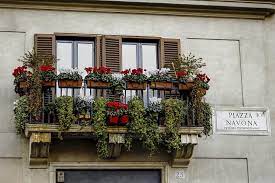
A balcony teeming with plants showcases the best efforts put in by flat owners to keep alive their connection with nature. Unlike those living in sprawling houses with plenty of open space to make a garden, flat residents have to live with a space crunch that makes them think of buying space-saving furniture all the time. It does not really matter whether the densely potted varieties in the balcony supply oxygen for an hour or not. The plants merely convey that the inmates carry a genuine love for nature, but the constraints of space in the cities prevent them from creating a full-fledged garden.

The other vital truth is that the miniature garden helps them assuage the guilt of causing environmental damage before the World Environment Day posters deliver ‘Save the Planet’ message every year. The air conditioner jutting out of the window next to the balcony garden proves they are equally culpable for impacting the planet’s health. But every inch of the balcony dotted with plants is the best frame that provides the opportunity to post candid pictures on social media and gather hundreds of likes for having green fingers despite the CFC generated by most air conditioners.  

In my ancestral home, I used to observe my father turn the soil every morning. As he worked with his garden tools, I took an interest in his hobby, thinking I would inherit his passion for the same. He created small beds, raised mounds of soil around tender plants to offer better support and strength, and watered them with a sprinkler with patience, making sure they were not too wet.

With the onset of winter, the saplings would be ready to deliver iridescent blooms and surprise us with their vibrant beauty. Pansies, dahlias, zinnias, carnations, roses, and petunias were some of the awesome floral feasts that occupied much of our garden beds though there were many others that were less popular and with scientific names that have elude my meory. As the first buds appeared, my parents would admire the lush garden and ask me to sit in front of those budding flowers with well-combed hair to strike a pose while my father clicked a series of random photographs.  

While I never found ample time to take up gardening, I made it a habit to water the plants in the evenings on alternate days after my tutorials. Slaking the thirst of others – whether humans, animals, birds or plants, gives the same kind of satisfaction. I was careful not to keep them thirsty for long and maintained a strict timeline for that – otherwise I would feel guilty and sleepless at night. If I would be absent for a few days, I would assign the duty to some other person. Along with plants, I was learning to be sensitive to others needs.

The blooming flowers generated the desire to possess beauty. I was told I should not pluck them but learn to admire them. It was another key lesson – to indulge in the appreciation of beauty instead of being ruthless about possessing the beautiful. Any piece of beauty, in any form, gets the same treatment. Admire instead of turning desperate to possess it or call it your own. Such treasure-worthy lessons last a lifetime. It is true nature teaches a lot many things to lead a good life. A garden full of colours of all varieties looked rich and tempting. My mother never plucked any of the flowers, never put them in a vase in the living room to make a statement. Such restraint amazed me. 

I was encouraged to plant some on my own – before the advent of the floral season. My initial reluctance petered out when I read many celebrities were pursuing it. The ones I planted were lucky if they survived. I felt sad and low when they did not survive. But when some of them bloomed well, negativity perished.

The first bloom made me glad and confident, encouraging me to look forward to planting more varieties the next year. The ones that perished were soon forgotten and my focus shifted to the survivors, wondering whether they found it easy to grow in their beds or if there was something I could have done better to ease their growth in the lush garden. 

My parents gave a nod of approval and okayed my efforts. It was deemed a good exercise to raise a garden, add manure or spray something and water them all.

After my father’s death, my mother brought saplings from the nearby nursery, expecting me to do what my father did. She would sit near the verandah and oversee the entire process. Her supervision continued and she derived satisfaction that she had managed to raise a child who was growing close to nature with each passing year. She was always the first person to spot the buds and had the habit of predicting the colours of the flowers before they bloomed. She conducted a tour of the garden every morning and would foretell which one would turn out to be yellow, red, or white. Most of the time, her guesses were right. It appeared I was under an expert. When the flowers bloomed, she would say such impeccable beauty is for the soul, as it makes you happy deep within.  

Blooming is so relevant a need for every creative person: to bloom with ideas that are fresh, appealing to the senses and fragrant. Tucking a flower in the vase in front of the writing desk is a serious effort to bring in visual freshness, and to feel positive. With creepers growing around, you feel the spread of ideas surround you, trying to reach higher and higher just like you keep trying to elevate your thoughts and consciousness. Even if the apartment does not offer a grand view of thirty feet-high Ashoka trees lined up outside my window, the mind’s eye still retains and cherishes its beauty while trying to find inspiration from the balcony garden, a poor substitute for the grandeur of the landed garden.

While living in an apartment does not offer a natural view, the truth is I am still writing and have yet to break up with nature. Whether memory continues to feed the imagination or the fear of writing without nature’s support leads to a premature loss of an intimate connection with nature will pan out in the coming years. Sometimes the loss agonises so much that one feels like writing tragedies especially if it is the death of loved ones. It remains to be seen what the permanent loss of a vast garden from my life brings forth. 

.

Devraj Singh Kalsi works as a senior copywriter in Kolkata. His short stories and essays have been published in Deccan Herald, Tehelka, Kitaab, Earthen Lamp Journal, Assam Tribune, and The Statesman. Pal Motors is his first novel.  


PLEASE NOTE: ARTICLES CAN ONLY BE REPRODUCED IN OTHER SITES WITH DUE ACKNOWLEDGEMENT TO BORDERLESS JOURNAL

Click here to access the Borderless anthology, Monalisa No Longer Smiles

Click here to access Monalisa No Longer Smiles on Kindle Amazon International

Categories
Musings of a Copywriter

Trees from My Childhood

By Devraj Singh Kalsi

Returning from school, dumping my school bag on the sofa, and rushing out to climb the litchi tree in the garden without changing out of my school uniform, was an everyday affair during the summer. The scenes flash in a carousel of slides before my eyes whenever I purchase a bunch of litchis from local fruit vendors. I cannot resist regaling them with lively tales of my adventures and expeditions during those fruit-bearing seasons that remain refreshing and fresh even after decades. 

While holding and admiring the colour and texture of litchis, I am prone to draw comparisons, celebrating the genetic superiority of the litchi tree from my past. Succulent nostalgia is inevitable as the litchis in my patch were rich in pulp, bereft of white worms creeping out during the peel-off process. 

Paying for the leaves and the litchis makes me lose my cool. The fruit vendors contend they do not sell litchis without leaves as their profit margin goes south. The delicate fruit has a low shelf life, which makes it worse for them. Keeping quiet, I pull off one litchi from the dangling bunch and peel it off in a single roll to show my expertise.  

I remember the long bamboo stick I used to twist the neck of a thick bunch to pull it in my direction, and the litchis fell on the white plastic sheet spread wide on the ground. I collected them all in a plastic tumbler and took them inside, inviting my parents to join me in the litchi feast. We sat on the red cemented floor and started peeling in silence. Although I never counted how many kilos I consumed, I am sure I gobbled up almost half the quantity within an hour. My parents never stopped me from having as much as I liked. Litchi was the first fruit that established my true love for fruits. I boasted in front of friends regarding my litchi consumption capacity. Some of them believed it, and some said it was untrue. Those who came over were surprised I was enjoying the bounty while they could only imagine such a royal privilege. 

People slot litchi based on region. For me, the litchi of my ancestral house in Bengal was the best variant though I never tried to find its origin or roots so long as it stood there. All that mattered was the bountiful harvest every year, and we distributed it in the neighbourhood. The leaves often crossed borders, and the branches spread out in several directions. The neighbours were kind enough to tolerate the intrusion and the extra chore of cleaning the fallen leaves as they loved getting bagfuls of litchis from us every season. They never complained, and we never objected if they plucked litchis from the branches spread out in their area across the boundary wall. The fruit cemented friendly ties as visitors and guests were gifted baskets full of litchis. We never sold the litchi fruit but distributed it as tokens of friendship. 

Making sacrifices for education is quite common. In my case, the litchi tree made the ultimate sacrifice. Axed to construct a study room for me. Today, when I have to buy litchis, I feel the curse of the litchi tree has befallen me. A study room built on the grave of a litchi tree is how it plays out in my mind. The episode haunts me. The insensitive axe that killed it now frightens me like the rising prices of the litchi fruit, reminding me of the best things I enjoyed for free. 

Another tree that played a stellar role in my early years was the mango tree planted on the day I was born. My father was in the process of planting the sapling when the news of my arrival reached him. It was nurtured well, like me, as if we were twins. He ensured the tree grew up well in the environment and the roots went deep, just as he wanted the cultural roots and the roots of decent upbringing to grow deeper in me. 

While mine was a doubtful case, the tree seemed happy in its place and grew up strong and tall very fast. During my childhood years, I sat beneath the cool shade and enjoyed the breeze. It started bearing fruit early, and my parents praised its qualities more than mine. Before the fruit-bearing season, I drew water from the hand pump and watered it. But I was told I should water it throughout the year. A good deed should not be limited to a selfish motive. To enjoy good fruit, I must nurture it around the year. Yes, the lesson was profound. The mango tree enabled me to catch it early in life. Whatever you do, work to achieve the goal with consistent efforts. 

The pressure to be result-driven was on me. It also generated a streak of jealousy. I did want to taste the home-grown mangoes and preferred the ones from the bazaar. When asked why I avoided the mango tree, I could not explain anything. But I began to accept its fruit with expressions that still did not indicate full approval. My critical views on the taste factor were forthcoming now and then. The mango tree perhaps heard the complaints and decided to improve its quality. With each passing year, the output became richer and tastier. I had nothing to complain about but render compliments. Soon bitterness made exit and I started plucking mangoes, storing them in boxes covered with hay to ensure quick ripening. 

The process of sharing it with neighbours gathered speed, just like in the case of the litchi tree. People began to compliment the taste. It was a matter of pride for my father who planted it. When asked, he did not specify the low-profile name of the variant. It was not the usual type available in the market like Himsagar or Langda, but it came with a rich taste and juicy pulp from some deeper pockets of a remote northern India town. 

While my grades left the scope for complaints and improvement in Science and Maths, the mango tree was the clear winner. I promised to beat the mango tree in performance without knowing the area of competition. Repeated failures came my way. I was disillusioned. But one truth stood out. My love of fruits was strong, and the mango tree drew me closer to nature.  

I started spending more time sitting and wondering about its journey into the future. The mango tree gave me the fruit I enjoyed aside from being the architect of my creative world. It gave me the idea of seed and its importance in writing. The seed of imagination grew. I began to learn valuable lessons outside the classroom. I began to search for the seed, to nurture it and develop it into a proper shape. My love for my writing got its first seed from the mango tree. I wrote my maiden short piece, a creative essay fashioned along those lines. I was inspired to add pulp and flesh out the idea well. The skin of the city as a character portrayed. Besides, adding a layer was also borrowed from the mango tree. The fruit imparted pleasure to the taste buds. I wanted to create something to deliver immense joy to those reading my creations and renditions.   

The mango tree and I found some common ground to compete. We were creating something beautiful for the taste buds and hoping consumers would relish the product — both the fruit of imagination and the mango fruit. Doing well in their ways. My writings drew praise from teachers and friends. The circle began to widen. I hoped my writing would become tasty like the mango relished by so many people worldwide.

While it was ambitious to find a large following of readers, I had found a purpose and direction to follow. I wanted my words to taste good as the mangoes in my garden. While the mango tree found early success, it has been a long, lonely struggle to find acceptance for my words – with natural sweetness added to the creative output. The lesson from the mango tree is to be rich like its fruit and have the same qualities in the writing output. Hopefully, one day my words will come closer to the sweet, rich, juicy taste of the mangoes that grew in my backyard.  

Devraj Singh Kalsi works as a senior copywriter in Kolkata. His short stories and essays have been published in Deccan Herald, Tehelka, Kitaab, Earthen Lamp Journal, Assam Tribune, and The Statesman. Pal Motors is his first novel.  


PLEASE NOTE: ARTICLES CAN ONLY BE REPRODUCED IN OTHER SITES WITH DUE ACKNOWLEDGEMENT TO BORDERLESS JOURNAL

Click here to access the Borderless anthology, Monalisa No Longer Smiles

Click here to access Monalisa No Longer Smiles on Kindle Amazon International

Categories
Musings of a Copywriter

The Reader

By Devraj Singh Kalsi

Courtesy: Creative Commons

A schoolmate was fond of creating a big impression of being an avid reader. He knew there were benefits of reading that were largely unknown to genuine book lovers. He fell in love with the idea of reading as he wanted someone to fall in love with him because of this good habit he cultivated. On the way to school, whether inside the bus or train, he always sat with a storybook, trying to cast a furtive glance and observe the bevy of girls noticing him engaged in this pedantic pursuit. He had faith that some girls would become curious and smitten very soon. 

With the fond hope of a conversation with them someday, he kept doing the same thing. The book covers kept changing. As he became desperate, he picked up a romantic novel to send the signal. When he did not have a storybook, he fished out a textbook. The compulsion to have some reading material in front of his eyes helped raise a façade of erudition. He wanted to be seen as a reader whenever girls were pottering around.    

The impact of reading was severe for him. He was classified and identified as a bookworm. The bespectacled first-rank holder in our class never read so much. Much to his disappointment, girls did not take an interest in him or his reading. It was scary for the fun-loving types. The guys who boarded a moving train at the last minute or disembarked from a speeding bus were heroes to them.  

Driven by fatigue for the first time, he was ready to flirt with other options. When he realised books were futile in winning fans or praise, he switched his strategy to something that involved more daring. He went and stood near the entrance door. Ignoring the warning sign ‘DO NOT LEAN OUT’ crafted capitals and in red, he put almost half of his body out of the train compartment, suspending his weight with the support of the hand railing above his head, hoping to be noticed by girls for his bravado.

Before he could realise what had happened, he was hit on the head and rushed to the nearest hospital at the next station halt. He underwent multiple stitches and survived a life-threatening experience. When he regained consciousness, no girls were waiting with bouquets and get-well-soon notes outside his cabin. He found just a few of us with fruit baskets. Such a misadventure, though unintended, did not elicit any wave of sympathy, but he ended up being famous as a silly boy who could not keep himself safe.   

Some girls enquired how he was after he rejoined, but it was a formal query devoid of affection. The one he had a soft corner for did not seek any update. The poor fellow failed miserably in reading as well as heroism. Now he was always made to sit inside the coach, never allowed to stand near the door. Some of us cracked jokes, but he often lost his temper after this brain injury. We read it as a change of personality traits. He sat with a bandaged head for some days expecting sensitive queries, but he had stopped being an object of curiosity or pity for the entire class.  

Inside the school, during the recess hour, he stopped playing indoor games like chess. He changed his strategy by approaching a lady teacher with suggestions for his reading list during lunch break. He went to the library and got some uncommon books issued, expecting that lady teachers would gauge him better, unlike the carefree girls. Inside the classroom, he raised irrelevant questions and drifted our attention to storybooks, making other students grumble as the lessons were incomplete.

When the copies arrived checked, he performed below average. Soon, the new English teacher understood his ulterior motive. He used difficult words to flaunt his vocabulary and to impress the woman English teacher. Most of us did not know the meaning of the words he used. He derived wicked pleasure as we were shown as ignoramous despite scoring better in English. He loved the idea that he was advanced in reading. He firmly believed someone would appreciate him better and attune themselves to his wavelength. Turning bespectacled before eighteen was a plus point for him as he thought readers looked like that. But the truth was that some vitamin deficiency had led to his poor eyesight.    

Most of us saw him spending time in the library scanning books. He would ask us the names of the author on his list. He recalled many names and titles unheard of as his memory appeared sharpened after the head injury. Since we failed to answer, he was pleased to find us ignorant. He mentioned some names to enlighten us. Most of us thought he would become a writer one day since he was discussing what we never bothered to know in such depth. Perhaps the system of education was not doing justice to him.

When we reached high school, a creative writing contest was organised in which the toppers took part. He was asked why he had stayed out of it. He was quiet for a while and then replied the teachers who were judging had not written anything in life, so he would not insult himself by writing for them and submitting to them for assessment. We did not know whether it was his arrogance, or his statement had an iota of truth attached to it. 

Years later, it was shocking for him to know I was dabbling in writing. He was still trapped in the world of books, as it appeared from the pictures he sent me of the sprawling library at his residence, and his various poses with books. I asked him what he was doing when Google did not list his name in the top five pages. He said he was doing a regular job for a living that gave him ample time and freedom to read and write. He also said he was the president of the local literary club for youth and a part-time social worker. Although he was eager to know what I wrote, he did not ask me anything as he feared being asked what he wrote all these years, I guess. I told him what I read, and he said he had finished reading those authors a long time ago – pretty advanced, as usual.

He mentioned without radiance that he wrote love poems in his mother tongue using a pen name. It must be for the girl he liked – who qualified as a doctor. Maybe, he still went around her old house on his bicycle to feel her presence though she had moved overseas to another country long ago. His unreciprocated love had many shades, and he kept it alive through poetry.

He forwarded me pictures of reading in the garden, terrace, recliner, et al. In this age of emojis, if you are seen reading, you get hundreds of likes. But in those days, you did not get a single like. These likes – for the book or his reading nook – would have made him confident then. The well-crafted image of being a pretentious reader he remains stuck with – despite no rewards. Possibly, these likes warm the cockles of his sad heart.  

I realised I owed him a few likes and pressed the love icon for some of his social media posts as an act of repentance. Being a friend, he deserved likes from me. He messaged me saying one like during those school days would have worked. Even though I praised him today, he understood I was faking like many others. True, I was always a miser when it came to showering praise.

Devraj Singh Kalsi works as a senior copywriter in Kolkata. His short stories and essays have been published in Deccan Herald, Tehelka, Kitaab, Earthen Lamp Journal, Assam Tribune, and The Statesman. Pal Motors is his first novel.  


PLEASE NOTE: ARTICLES CAN ONLY BE REPRODUCED IN OTHER SITES WITH DUE ACKNOWLEDGEMENT TO BORDERLESS JOURNAL

Click here to access the Borderless anthology, Monalisa No Longer Smiles

Click here to access Monalisa No Longer Smiles on Kindle Amazon International

Categories
Musings of a Copywriter

To be or Not to Be…

By Devraj Singh Kalsi

Courtesy: Creative Commons

Reading the nutrition chart on labels of packaged foods becomes the favourite pastime through your bifocals or progressive lens once you turn health-conscious after reaching a certain age. Those carefree days of feasting on anything in any quantity are gone. Anxiety shoots up after you gobble a gulab jamun. The glucometer starts ticking in your mind. You are smitten by guilt even if you are pre-diabetic. One gulab jamun pronounced the culprit for the imaginary spike in the sugar level.

It has become a successful business strategy to combine healthy with unhealthy these days. Restaurants and other eateries sell paneer roll but you know it is fried in oil. Since it has cottage cheese inside, you are told it is a good source of protein for your body to stay healthy. And you end up ordering a double paneer roll, ignoring the fact that oil is not good for the heart. Those big chunks of paneer allure you in the ads – and the visual treat tempts you for gastronomical excesses. Gradually, you convince yourself that cottage cheese is indeed good for the bones, and you need a good quantity of calcium from a vegetarian source to ensure they do not crack up under pressure from detractors. Expectedly, the frequency goes up as the paneer roll becomes your favourite ‘heaathy’ snack.

Having rummaged through articles on good sources of protein, you know the vegetarian diet has glaring deficiencies in this regard. Being a committed vegetarian, you do not try out animal sources. But the fear of protein deficiency haunts you, compelling you to dig up other vegetarian sources. If you need confidence to flex muscles in front of big bullies in your locality, you must have brawny biceps – not radish-shaped arms fit only to lift bathroom buckets. Protein shake becomes your predictable supplementary choice before you hit the gym floor.

Vegetarians often compromise when it comes to health though they hesitate to admit that. I have seen them almost puke at the sight of their vegetable chops being fried alongside fish cutlets in the same oil and pan. Such buddyhood is incompatible, intolerable and revolting for fanatics. But the same vegetarian folks pop cod liver oil capsules for stamina and justify it as a valid medical option to stay healthy. Likewise, animal fat is avoided but Omega-3 capsules are eagerly popped every day after lunch to keep mind and body in sound health.

Even though they know all about walnuts and their Omega content, they call it a hard nut to crack, preferring the cheaper alternative of medical supplements marked with a non-vegetarian symbol. Ask them why they are okay with that, and they are super quick to respond by saying their frail bodies need these. If the word goes around that non-vegetarian food is the ultimate secret behind longevity, will there be a sharp decline in the number of vegetarian folks? 

Take the case of those who do not consume eggs, but they love pastries and cakes with eggs even though eggless variants have flooded the bakeries. As the form of egg has changed in the preparation process, they do not feel it is a cardinal sin to try out this option. While there are many who eat vegetarian stuff at home, they are very fond of non-vegetarian stuff outside. Striking the perfect balance between vegetarian and non-vegetarian food keeps them healthy though this truth is rarely spoken in this fashion.

The population of vegetarian people also includes those who have eaten non-vegetarian food before their retirement from carnivore fare. Some give up give up their favourite fish, egg, and meat for spiritual succor. While they need applause for showing the strength to resist, they think they have done the right thing as their organs cannot take in rich food after a certain age. To prevent digestive problems, it is better to have a vegetarian diet. Once again it boils down to convenience. The desire to stay healthy governs this decision – just as they chose to eat non-vegetarian food more for strength rather than taste. 

There is perhaps another category of people who have switched from vegetarian fold to non-vegetarian diet in their old age. They say they have been quite cautious and avoided non-vegetarian food during their younger days but in old age they need solid strength that comes from animal sources alone. So, their decision to turn non-vegetarian after reaching sixty is right. Here, too, the desire to live healthy is the prime reason for the switch past their prime.  

The other day I was reading the health benefits of chia seeds, flax seeds, watermelon seeds, and fox nuts along with their nutritional value. Items not tried before also become the focus as the age sets in to get familiar with the best sources of staying healthy in mind and body, along with keeping a glowing, radiant skin. The search for super foods continues and the health freak seeks the daily dose of multi-vitamins to remind himself that he will remain healthy because he consumes it regularly now. Even if one consumes the most powerful sources of health, one has one’s own health challenges setting in due to aging. The fascination with reversing age inflates the budget and leads to growing stress instead of delivering effective results despite consumption of healthy items on a regular basis. 

Consuming fruits and vegetables is seen as a frail attempt to maintain health, but the tendency to strike out sweet fruits leads to explore other choices that are not well-balanced. A lifetime of rich diet based on vegetables and fruits should deliver the satisfaction of leading a healthy life but the presence of random fast food intake offsets the long-term benefits.  

So, it is perhaps, best to keep oneself undefined as a vegetarian or non-vegetarian because the need to stay healthy always decides what you prefer and for how long. In a lifetime there are several stages and there are several stages of being a pure vegetarian, a pure non-vegetarian and a mix of both based on convenience.

Devraj Singh Kalsi works as a senior copywriter in Kolkata. His short stories and essays have been published in Deccan Herald, Tehelka, Kitaab, Earthen Lamp Journal, Assam Tribune, and The Statesman. Pal Motors is his first novel.  


PLEASE NOTE: ARTICLES CAN ONLY BE REPRODUCED IN OTHER SITES WITH DUE ACKNOWLEDGEMENT TO BORDERLESS JOURNAL

Click here to access the Borderless anthology, Monalisa No Longer Smiles

Click here to access Monalisa No Longer Smiles on Kindle Amazon International

Categories
Musings of a Copywriter

Simian Surprises

By Devraj Singh Kalsi

Courtesy: Creative Commons

It is often said that monkeys do not like to see their face in the mirror. They tend to screech with explicit dental intimidation if they happen to find themselves in front of one. Whether it is outright abhorrence for narcissistic indulgences that eggs the simians to adopt such a stance or anything else remains unknown, but my litany of encounters with a few specimens illustrate that exceptions also prevail here as everywhere else. 

One sunny afternoon, a monkey sneaked in through the door left open by the domestic help who had stepped out to pick up woollens from the clothesline. Sensing positive vibes in the air, he proceeded into the living room and stood on his hind legs in front of a large full-length mirror, striking a confident, self-assured, and dignified pose to assess the overall look. When I lifted the curtain to have a full view of his antics, it was an invasion on his privacy and the facial expression of self-love melted into cheeky defiance. Before I could guess what would happen next, the monkey bared his clenched yellow teeth and raised a palm and gave a resounding slap that made a perfect landing on my face. 

As luck would have it, something more interesting caught his attention. The domestic help had just stepped in to discover my strange predicament. She genuflected at the threshold to pay obeisance to the unwanted guest. With such devotion on display, his mood changed from anger to happiness. While the monkey and my help gazed at each other, I quickly disappeared from the scene to arm myself with a stick for self-defence. When I returned, I found the monkey missing while my help was still lying prostrate. I had to bang the stick on the door to alert her and inform her that the monkey had left. She got up and looked around to check if he had gone out and concluded that the peaceful departure meant good luck for the house.

I said she was lucky he did not trample over her while exiting. I had missed his exit. I did not know whether the monkey swished his tail or made a quiet, unceremonious exit. The life-threatening experience was life changing as well. The domestic help kept on showering praise on the auspicious visit that would change my fortune soon. Perhaps the visit was too short – or it was the lack of gastronomic delight for the guest that deprived me of good luck. I should have served lemonade or cookies at least.

We were destined to meet again. On another afternoon, around the same time, I was caught unawares by the presence of another simian walking gracefully out of the open kitchen with a plastic jar of biscuits clutched firmly in one arm. I had just come out after having a bath when this scene exploded in front of my eyes. Though I was fully dressed to keep my assets safe, I was jolted by this free movement inside the house. What I could figure out without my spectacles was that this simian looked more feminine than the previous trespasser. Perhaps this was the companion, and she knew that this house had easy access and was worth visiting and exploring. While moving out, this one also made no rushed effort, as if familiar with the route. Was her memory sharper than mine? Honestly speaking, I often jumble up between exit and entry doors.

As soon as the monkey went out, some other of her flock descended from the roof and flanked her. She was quite skilled at pulling the lid off just like us. In no time, several hands took turns picking up digestive biscuits. Perhaps this good bonding has kept my clothes safe from any direct attack. Even if they are left out to dry, none of them make any mischief by pulling them off from the clothesline whenever they hop around in the compound in gay abandon. Before I could shout at any family member for this negligence, I was reminded there was no one else at home. I had been careless enough to have kept the door open when the courier arrived an hour ago. 

They had been to the living room and the dining space – also to the kitchen. The bedroom and the study escaped their notice till then. I was dusting my books. The door had been left ajar. It was the perfect occasion for another visitor to fall in love with reading. While I was busy shuffling and stacking up on the upper shelves, I turned around to see one monkey sitting in front of the computer, fiddling with the mouse and the wire. I was about to jump off the small ladder to save my gadget when the simian tapped on the woofer, identifying the source of soothing music. I descended quickly to pick up some fluffy cushions from the settee to hurl at his face and started to chase him away by making whoosh-whoosh noises. The monkey felt offended, lost interest in the gadgets and rose suddenly, hitting the keyboard with his behind, toppling it along with the music discs kept at the edge of the table. Once he left without creating a ruckus, I was relieved and hoped such an encounter would not occur again though this household was familiar territory for them. However, if surprises are in store, you cannot avoid them. 

On another day, when the puja ceremony for the vehicle was about to begin, a monkey came down from the parapet, picked up a coconut from the tray, and broke it into two right in front of our eyes. While he did the honours, the priest stood shell-shocked to witness the simian intervention that was timely, prompt, voluntary and intelligent to deserve a video reel that would go viral within hours. Wondering if he was trained for such impossible acts, he kept quiet. Sadly, not being prepared for this surprise deprived me of the opportunity to shoot a video.  I had to convince him that the monkey chose to do so out of his free will. We must appreciate his decision to help us during the auspicious occasion with active participation, to make ordinary mortals realise that they can also perform feats that humanity world thinks is only the human forte.

They still had the instinct to help though we have forgotten to help fellow humans and other creatures of this planet. It was a timely reminder that we need to wake up and start working towards making this world a better place again. On that sombre note, we concluded the brief ceremony and enriched our minds with a broader outlook. The priest would remember this all his life. As expected, the news of a monkey breaking the coconut bought many people to my gate, who came looking for darshan[1] of the trained resident monkey perched somewhere on the roof or a tree top.

[1] Holy vision

Devraj Singh Kalsi works as a senior copywriter in Kolkata. His short stories and essays have been published in Deccan Herald, Tehelka, Kitaab, Earthen Lamp Journal, Assam Tribune, and The Statesman. Pal Motors is his first novel.  


PLEASE NOTE: ARTICLES CAN ONLY BE REPRODUCED IN OTHER SITES WITH DUE ACKNOWLEDGEMENT TO BORDERLESS JOURNAL

Click here to access the Borderless anthology, Monalisa No Longer Smiles