Book Review by Bhaskar Parichha

Title: My Palestine: An Impossible Exile
Author: Mohammad Tarbush
Publisher: Speaking Tiger Books
“The theme of this book is Palestine and its history, and the displacement and exile of its people. But it is, above all, a human story… My father’s story makes the basic point that, like all people, the Palestinians are made of flesh and blood and their children feel the agony of pain as strongly as they enjoy the warmth of happiness.”
—Nada Tarbush (Son of Mohammed Tarbush) in the ‘Foreword’.
Mohammad Tarbush was born in Beit Nattif, located in proximity to Jerusalem. In 1988, he assumed the role of managing director at Deutsche Bank, subsequently moving to UBS. He has authored multiple books, including Reflections of a Palestinian. His articles concerning Palestine have been published in various esteemed outlets, such as the International Herald Tribune, The Guardian, and the Financial Times among others.
As a child, he and his family were compelled to leave their village along with the entire community following the Zionist victory that resulted in the formation of the State of Israel. This upheaval marked a profound turning point in their lives, as they were forced to abandon their homes, their memories, and the land that had been their ancestral heritage for generations. The trauma of displacement was palpable, as families were torn apart and communities fragmented, leaving behind a deep sense of loss and longing.
Subsequently, as displaced refugees in the West Bank, the family fell into a state of poverty. The harsh realities of refugee life were stark — they struggled to find adequate shelter, access to education, and basic necessities. The once vibrant community they had known was replaced by a life of uncertainty and hardship, where every day was a battle for survival. The children, including him, were often caught in the crossfire of political tensions, their dreams overshadowed by the weight of their circumstances. Yet, amidst the adversity, a resilient spirit emerged, fostering a sense of solidarity among the displaced families.
During his teenage years, Tarbush departed from home, ostensibly to visit relatives in Jordan; however, he embarked on a year-long hitchhiking adventure across Europe. This journey was not merely a quest for adventure but a profound exploration of identity and purpose.
As he traversed the diverse landscapes of Europe, he encountered a myriad of cultures, ideas, and perspectives that broadened his worldview. Each hitchhike brought new experiences, from the bustling streets of Paris to the serene countryside of Italy, and he absorbed the lessons of resilience and ambition that he witnessed in the lives of others.
Ultimately, he achieved great success as an international banker, navigating the complex world of finance with skill and acumen. His rise in the banking sector was marked by a blend of hard work, strategic thinking, and an innate ability to connect with people from various backgrounds.
Despite his professional accomplishments, he remained deeply aware of his roots and the struggles of his people. He became a significant, albeit discreet, advocate for the Palestinian cause, using his influence and resources to raise awareness and support for those who continued to suffer from the consequences of displacement and conflict.
Through his advocacy, Tarbush sought to bridge the gap between his successful life in the West and the harsh realities faced by his community back home. He understood that his journey was not just about personal achievement but also about giving voice to the voiceless and fighting for justice. His story became a testament to resilience.
In My Palestine, Mohammad Tarbush intertwines a moving personal narrative with sharp political and economic analysis, reflecting on the significant events that have influenced the history of Israel, Palestine, and the contemporary Middle East.
The sturdy book offers a profound exploration of the Palestinian experience, capturing the essence of resilience that defines a people who have faced immense challenges and adversities. Through a lens of deep empathy and insight, the narrative delves into the multifaceted struggles and triumphs of the Palestinian community, illustrating how they navigate the calamities that have profoundly impacted their lives.
At its core, the narrative serves as a heartfelt and poignant testament to the ingenuity of the human spirit. It highlights not only the hardships endured but also the remarkable ways in which individuals and communities adapt, innovate, and find strength in the face of overwhelming odds. The stories woven throughout the narrative reflect a rich tapestry of cultural heritage, personal sacrifice, and unwavering hope, showcasing how the Palestinian people maintain their identity and dignity despite the challenges they encounter.
The book chronicles the everyday realities of those living in a region marked by conflict and uncertainty. It emphasises the importance of storytelling as a means of preserving history and fostering understanding, allowing the voices of the Palestinian people to resonate with authenticity and depth.
Through vivid imagery and compelling accounts, the narrative underscores the resilience that is not merely a response to adversity but a fundamental aspect of the Palestinian identity.
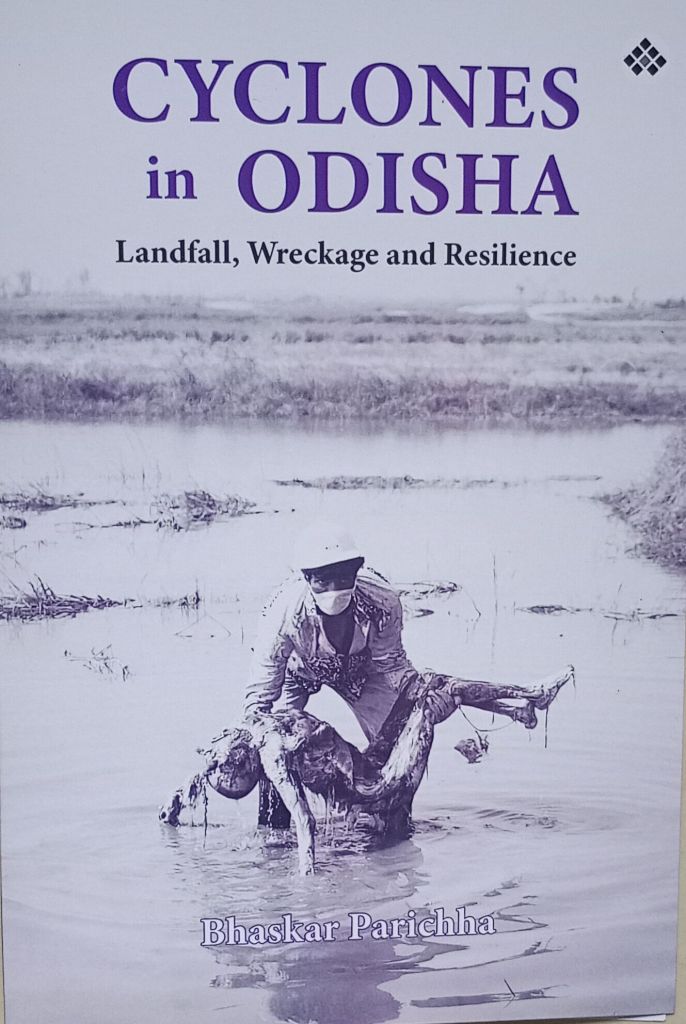
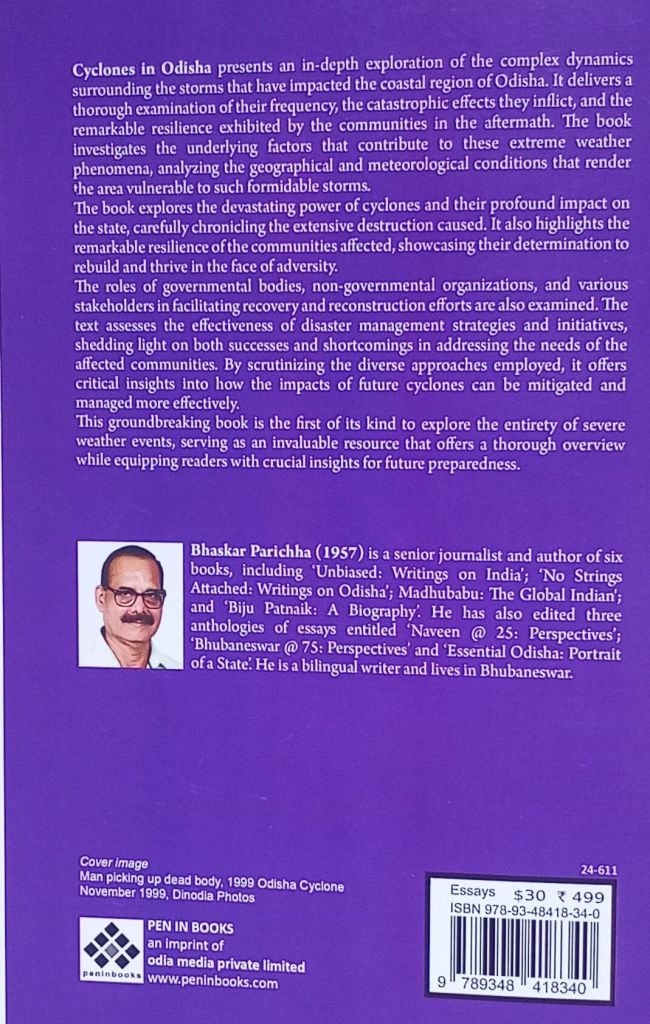
Bhaskar Parichha is a journalist and author of Cyclones in Odisha: Landfall, Wreckage and Resilience, Unbiased, No Strings Attached: Writings on Odisha and Biju Patnaik – A Political Biography. He lives in Bhubaneswar and writes bilingually. Besides writing for newspapers, he also reviews books on various media platforms.
.
PLEASE NOTE: ARTICLES CAN ONLY BE REPRODUCED IN OTHER SITES WITH DUE ACKNOWLEDGEMENT TO BORDERLESS JOURNAL
Click here to access the Borderless anthology, Monalisa No Longer Smiles
Click here to access Monalisa No Longer Smiles on Amazon International
 Borderless