Categories
Stories

How Madhu was ‘Cured’ of Laziness

By Naramsetti Umamaheswararao

From Public Domain

In the town of Seethanagar lived Ramayya and Seethamma with their son Madhu. Though Madhu was twenty-five years old, he did not work at all. He spent his days lazily, eating well three times a day and sleeping soundly, without caring about anything else. His parents were tired of advising him again and again. Sometimes they scolded him out of anger, but Madhu remained indifferent and idle.

One day, Ramayya and Seethamma decided to teach him a lesson. They said firmly, “We will give you food only if you work. Otherwise, you will not get anything from us.” Not liking this condition, Madhu left home secretly.

He went to a nearby town and decided to beg for a living. Sitting on the temple steps, he planned to live on people’s charity and the offerings of the temple priest. To gain sympathy, he wrapped his left leg with a bandage from foot to knee and smeared it with red color to look like blood. He stretched that leg forward and begged from the devotees, pretending to be injured.

One day, a rich man named Subbayya came out of the temple after worship. Seeing Madhu, he stopped and said, “Why have you wrapped your leg? You are young and healthy. Don’t you feel ashamed to sit and beg instead of working?”

Madhu lied, “Sir, my leg is diseased. It always bleeds, and I have no money to get it treated. That is why I am begging here.” 

Feeling sorry for him, Subbayya said, “Come with me. I will feed you and take you to a doctor.” Madhu followed him, limping and rejoicing secretly that he had found an easy way to live comfortably without work.

That day, Subbayya served him a full meal and asked him to rest. In the evening, he called his family doctor to examine Madhu. The doctor carefully checked Madhu’s leg and realized he was pretending. He told Subbayya that Madhu’s leg was perfectly fine and that his laziness must have made him act this way. 

Subbayya then requested the doctor to teach the lazy boy a serious lesson.

Following Subbayya’s advice, the doctor returned to Madhu and pretended to examine him again. As Subbayya entered the room, the doctor said loudly, “This disease is very strange. It cannot be cured easily.”

Hearing that, Madhu felt happy. He thought he could stay in Subbayya’s house forever without doing any work. 

Then the doctor added, “There is only one solution ….  surgery. If we remove the leg, the disease will be cured completely.” 

Subbayya replied, “If that’s the case, go ahead. Do the operation tomorrow. I will bear all the expenses.” 

The doctor said, “But if we remove his leg, how will he live?” 

Subbayya answered, “Anyway, he is used to begging near the temple. That’s his habit. People who refuse to work for their living can survive like that.” 

The doctor said, “Alright, then tomorrow itself, I’ll remove his leg. Till then, don’t give him any food.” 

Madhu overheard their entire conversation. His heart sank. His deception could cost him much. Out of fear, he could not sleep. After deep thought, he understood that no one feeds a lazy person for free. If he could do some work at home, he would never need to struggle like this. Leaving home was a mistake.

That night itself, he quietly slipped out of the house and ran away. By dawn, he reached his village. He met his parents and said, “My laziness is gone. I promise to obey you. From tomorrow, I will work sincerely as you say.” His parents were overjoyed.

From that day onward, Madhu gave up his idleness and began to enjoy the happiness that comes from honest hard work.

Naramsetti Umamaheswararao has written more than a thousand stories, songs, and novels for children over 42 years. he has published 32 books. His novel, Anandalokam, received the Central Sahitya Akademi Award for children’s literature. He has received numerous awards and honours, including the Andhra Pradesh Government’s Distinguished Telugu Language Award and the Pratibha Award from Potti Sreeramulu Telugu University. He established the Naramshetty Children’s Literature Foundation and has been actively promoting children’s literature as its president.

.

PLEASE NOTE: ARTICLES CAN ONLY BE REPRODUCED IN OTHER SITES WITH DUE ACKNOWLEDGEMENT TO BORDERLESS JOURNAL

Click here to access the Borderless anthology, Monalisa No Longer Smiles

Click here to access Monalisa No Longer Smiles on Amazon International

Categories
Stories

The Anger of a Good Man

By Naramsetti Umamaheswararao

A wealthy man named Dharmayya hired a carpenter to do the woodwork for his newly constructed house. He handed over the timber required for doors and windows and asked him to begin the work.

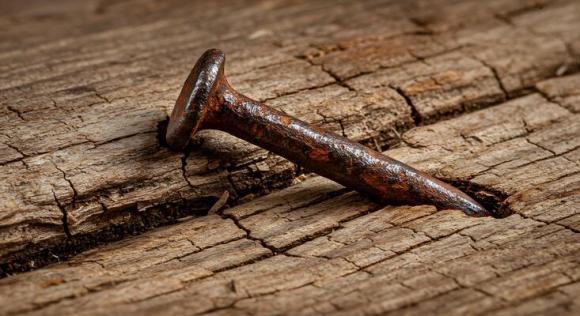
The carpenter brought his tools and started working. By the end of the week, the doors and windows were nearly ready. He used nails extensively to join and shape the wooden pieces.

One day, when the carpenter said he ran out of nails, Dharmayya immediately went to the market and bought some more. Showing them to the carpenter, he said, “The price of iron has gone up, so nails are expensive now. Still, I didn’t compromise on quality. Strong nails ensure durability. One shouldn’t hesitate to spend for lasting quality.”

One of the nails overheard these words — a particularly arrogant one — and it swelled with pride. It already had a haughty nature, and now hearing the owner’s praise, it became even more boastful.

Using every opportunity, it began to taunt the wood: “You’re nothing without us! Your strength and durability come only because of us. If you’ve earned any reputation, it’s because of the nails like me!”

But the wood didn’t mind. It calmly replied, “No one can survive alone. If I stand strong today because of you, I’m grateful.”

The nail didn’t like this response. The other nails and tools added, “Don’t say that. In a way, it’s because of you that we have any purpose.”

The arrogant nail was not pleased to hear even the other nails side with the wood. It glared at the wood and muttered, “Just wait. The moment I get a chance to tear through you, I’ll make you cry!”

Two days later, the carpenter happened to pick up that same nail. He placed it on the wood and struck it with a hammer. But the nail refused to go in. Seeing this, the carpenter struck it harder on the head with the hammer. The nail bent sideways. Trying to straighten it, he placed it on a stone and hit it again. This time, the blow landed badly and broke the nail’s head off.

Now useless, the carpenter tossed it into a corner and continued his work with a new nail.

The arrogant nail was shaken by the incident. It had never imagined such an end. Not knowing what to do, it sat there, broken, and wept.

As dusk fell, the carpenter packed up and left, leaving behind the wood, tools, and materials.

Seeing the nail lying sadly in a corner, the saw said, “So, miss high-and-mighty, look what happened to you! You thought the wood’s strength came from you? You mocked the very material that patiently endures our harsh cuts, believing that we are helping it become stronger. You couldn’t recognize its silent strength and goodness.

“When the carpenter hurts the wood while crafting a beautiful home, the wood endures it in silence. We are only tools used temporarily. But the wood is not weak. After being used once, who thinks about nails like you again? You wanted to hurt the wood but ended up ruining yourself. By morning, you’ll be swept away and tossed in the trash. Your life now has no purpose.”

The nail was finally enlightened. “I misunderstood the wood’s kindness as weakness and spoke arrogantly. It’s true — when good people get angry, they leave no trace of those who cross them.”

The truth is, the wood refused to let that nail in — not because it was weak, but to teach a lesson to that arrogant nail. Its resistance came from strength. It proved that the truly strong remain silent and fulfill their purpose without pride.

From Public Domain

.

Naramsetti Umamaheswararao has written more than a thousand stories, songs, and novels for children over 42 years. he has published 32 books. His novel, Anandalokam, received the Central Sahitya Akademi Award for children’s literature. He has received numerous awards and honours, including the Andhra Pradesh Government’s Distinguished Telugu Language Award and the Pratibha Award from Potti Sreeramulu Telugu University. He established the Naramshetty Children’s Literature Foundation and has been actively promoting children’s literature as its president.

.

PLEASE NOTE: ARTICLES CAN ONLY BE REPRODUCED IN OTHER SITES WITH DUE ACKNOWLEDGEMENT TO BORDERLESS JOURNAL

Click here to access the Borderless anthology, Monalisa No Longer Smiles

Click here to access Monalisa No Longer Smiles on Amazon International

Categories
Stories

The Gift

 By Naramsetti Umamaheswararao

It was a science class for the 9th grade. All the students were listening attentively as the teacher was explaining the lesson. Just as there were 15 minutes left for the bell to ring, the attendent walked in with the notice register.

After sending him away, the teacher looked at the class. He noticed Ramu and Gopi sitting at the back and talking to each other.

“Children! Are you all listening?” the teacher asked aloud.

All the students except Ramu and Gopi raised their hands to show they were paying attention.

The teacher felt that Ramu and Gopi were talking about something more important than the class. Curious, he quietly walked over to them.

At that moment, Ramu was saying, “Mohan’s gift wasn’t liked by anyone at our home.”

“I thought it would be something valuable because he told me he would give a special gift,” replied Gopi.

“You didn’t come to our new housewarming ceremony, so you don’t know. Honestly, I feel a bit embarrassed to talk about it,” Ramu said sadly.

Hearing Mohan’s name in their conversation, the teacher felt it was something worth discussing. He gently tapped their desk with a stick and asked them to explain what they were talking about.

Mohan was a smart and well-behaved student, so the teacher was surprised to hear any complaints about him.

“Ramu had invited his friends for the housewarming a few days ago. I couldn’t go,” said Gopi. “But we were just talking about how the gift Mohan gave wasn’t good when you came, sir.”

“I see… what kind of gifts did the other students give?” asked the teacher.

“They gave useful household items,” replied Ramu.

“And what did Mohan give you?” asked the teacher.

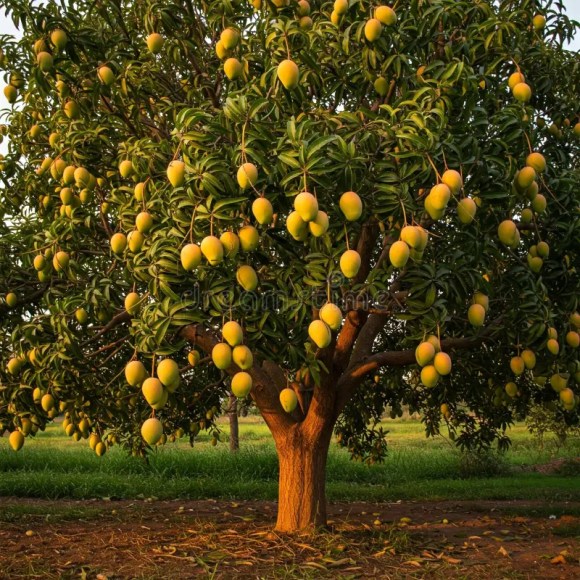
“A mango plant,” said Ramu with a laugh.

The whole class burst out laughing. The teacher looked at Mohan, who bowed his head in embarrassment.

The teacher scolded the students and asked, “How can you say that a plant is not a good gift?”

Ramu replied, “To grow a plant, you need space. You have to water it every day. If it grows into a tree, its leaves will fall everywhere. Cleaning up is hard. It would have been better if he gave something else.”

“So, is that all you know about plants?” asked the teacher.

“Growing and maintaining a plant is difficult,” said Ramu again.

The teacher turned to the class and asked, “Is Ramu right?” The students nodded.

Then the teacher told Mohan to stand up and asked, “You said you would give a valuable gift, but you gave a plant. Why?”

Mohan answered, “The other gifts may break or become useless after a while. But a plant won’t. That’s why I chose it.”

“Tell us more about why you think it’s valuable,” the teacher encouraged him.

Mohan began to explain: “When a plant grows into a tree, it gives us many benefits. It absorbs the carbon dioxide we breathe out and gives us oxygen in return. Trees give us clean air to live. Their branches and leaves spread out to give us shade. People rest under trees to cool down. That’s why trees are important.

“If this mango plant becomes a tree, it can give us mangoes. Raw mangoes can be used for pickles and other dishes. Ripe mangoes are tasty fruits. A tree can give fruits worth thousands of rupees in its lifetime. We can eat the fruits or share them with relatives. The branches can be used as firewood. Even the dried leaves can be used to cook food. There are so many benefits. That’s why I gave a plant. I hoped Ramu would understand.”

“Is that all? Most people know these things. Tell us what science says about plants,” said the teacher, encouraging him further.

Mohan continued: “Cutting trees reduces forests. Because of that, rainfall is not coming on time. Pollution is increasing. Holes are forming in the ozone layer, and the Earth is becoming hotter. If we give plants as gifts and grow more trees, it helps society. If every citizen does this, we can enjoy green nature. It also reduces air pollution caused by too many vehicles. People will become healthier.”

“Well said! You explained it beautifully. I’m proud to say you’re my student,” said the teacher, clapping.

The class clapped too, just as the bell rang.

Looking at Ramu, the teacher asked, “Now tell me, was Mohan’s gift a good one?”

Ramu replied, “I couldn’t understand the value of the gift before. I behaved wrongly. Mohan’s gift is truly valuable.”

The teacher concluded, “Children, be wise. If you want to give a gift to someone, give them a book… or a plant!”

“Yes, sir!” the whole class replied loudly.

At that moment, the next class bell rang.

From Public Domain

.

Naramsetti Umamaheswararao has written more than a thousand stories, songs, and novels for children over 42 years. he has published 32 books. His novel, Anandalokam, received the Central Sahitya Akademi Award for children’s literature. He has received numerous awards and honours, including the Andhra Pradesh Government’s Distinguished Telugu Language Award and the Pratibha Award from Potti Sreeramulu Telugu University. He established the Naramshetty Children’s Literature Foundation and has been actively promoting children’s literature as its president.

.

PLEASE NOTE: ARTICLES CAN ONLY BE REPRODUCED IN OTHER SITES WITH DUE ACKNOWLEDGEMENT TO BORDERLESS JOURNAL

Click here to access the Borderless anthology, Monalisa No Longer Smiles

Click here to access Monalisa No Longer Smiles on Amazon International

Categories
Stories

The Bequest

By Naramsetti Umamaheswararao

From Public Domain

Sundaram and Sumathi lived in Nagur. They had only one son named Shiva. They raised him with love and care. At that time, Shiva was studying in sixth grade. Every day, he went to school obediently and studied attentively. In his free time, he would play with other kids on the school ground.

When Shiva came home from school each day, his mother Sumathi would prepare some snacks for him. He liked to take the plate and sit on the stone bench outside their house, enjoying his snacks.

As he ate, he liked watching the puppies running around the courtyard, the birds perched on the tree in front of the neighbour’s house, the chickens pecking at grains, and the cows chewing fresh grass in the shed next door.

One day, when Shiva came home from school, Sumathi gave him sesame seed balls made with jaggery. As usual, he sat outside on the stone bench and began eating them.

Just then, Shankar, a boy from the same street, came by.

Standing in front of Shiva, he asked, “Hey! Will you give me one?”

Shankar’s father worked as a laborer in an onion shop, and his mother worked in the fields.

“Nope… I won’t give you one,” replied Shiva.

“Come on… just one! Next time I get some, I’ll share with you,” pleaded Shankar.

“I won’t give. Go ask your mom,” Shiva said.

Sumathi, who was inside, overheard their conversation.

She immediately came to the doorstep and said, “Shiva, give one to Shankar.”

“Why should I give? Tell him to ask his mom!” replied Shiva.

“You shouldn’t eat without sharing with others. Give one to Shankar,” insisted Sumathi.

“Instead of telling me, you could just take one from the jar and give it to him,” grumbled Shiva.

“I told you to give it to him so that you learn the joy of sharing. If you give one to Shankar, I’ll give you two more,” she promised.

Hearing that, Shiva cheerfully said, “Here, take this,” and handed one sesame ball to Shankar.

Sumathi smiled with satisfaction, seeing the sparkle on Shankar’s face when he received the treat.

After Shankar left, Sumathi brought two more sesame balls and gave them to Shiva.

Sitting beside him and gently patting his head, she said, “We’re human beings, so we should help others. Shankar’s family doesn’t have much money. His parents can’t always afford treats like we can. That’s why you should share what you have with children like Shankar. If your friends ask for help, you should always be willing to help.”

Just by looking at his face, Sumathi understood that Shiva wasn’t entirely convinced by her words.

“Why should I do what you say? Their parents will buy for them, won’t they?” he asked.

Sumathi believed that good habits and values must be taught from a young age. She paused for a moment, wondering how best to make her son understand.

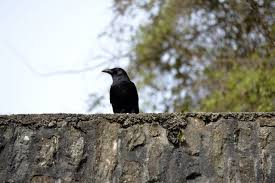
Just then, she noticed a crow sitting on the wall of the house across the street.

She went inside, brought a chapati, and, while watching the crow, tore it into pieces and threw them into the courtyard.

“Shiva, watch what happens now,” she said.

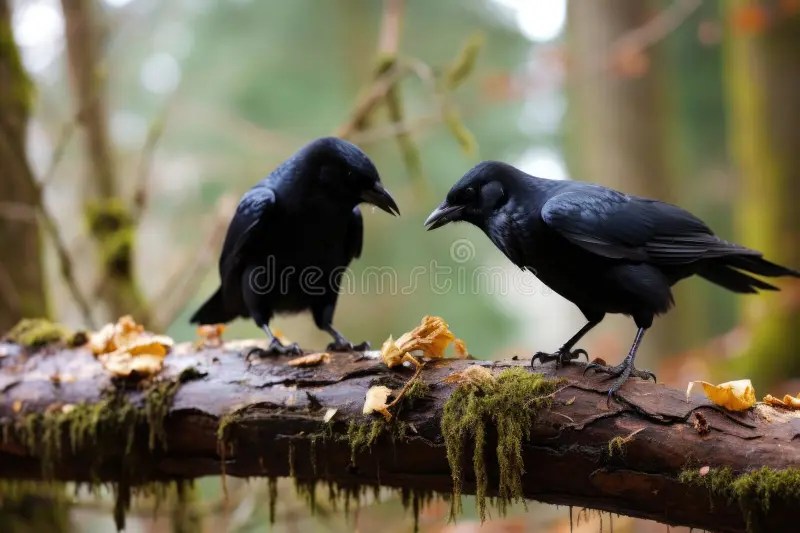
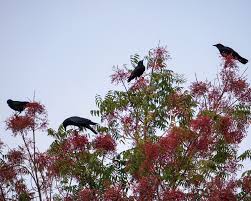
The crow flew down, picked up one piece of chapati, then flew back to the wall and loudly cawed. Hearing its call, other crows from around the area came and picked up the remaining pieces and flew away.

“Did you see how united the crows are? The first crow took only one piece. It didn’t try to hide or hoard more just because there were leftovers. It called its fellow crows and shared the food so that their hunger could be satisfied too. When even birds can think in such a noble way, we, as humans, should do even better. That’s why you must also share with the kids around you and help in whatever way you can,” explained Sumathi.

Shiva nodded, showing he had understood.

“I’ll do what you said,” he replied happily.

Sumathi’s words made a deep impression on Shiva’s mind. From that day on, whatever food his mother gave him, he made it a habit to share some with his friends. Sumathi was overjoyed to see this change in her son.

Naramsetti Umamaheswararao has written more than a thousand stories, songs, and novels for children over 42 years. he has published 32 books. His novel, Anandalokam, received the Central Sahitya Akademi Award for children’s literature. He has received numerous awards and honours, including the Andhra Pradesh Government’s Distinguished Telugu Language Award and the Pratibha Award from Potti Sreeramulu Telugu University. He established the Naramshetty Children’s Literature Foundation and has been actively promoting children’s literature as its president.

.

PLEASE NOTE: ARTICLES CAN ONLY BE REPRODUCED IN OTHER SITES WITH DUE ACKNOWLEDGEMENT TO BORDERLESS JOURNAL

Click here to access the Borderless anthology, Monalisa No Longer Smiles

Click here to access Monalisa No Longer Smiles on Amazon International
Categories
Stories

The Appropriate Punishments

By Naramsetti Umamaheswararao

From Public Domain

In a small forest next to Ramapuram, there lived a crow and a monkey who were friends. They would help each other when needed, but they were mischievous by nature and often looked for opportunities to harass others. Over time, they befriended a cunning jackal, and the three would team up to trouble travelers passing through.

The residents of Ramapuram and nearby villages had to cross this small forest to reach the town. Whenever a traveler passed through the forest with a bag in hand, the monkey would jump from the tree and snatch the bag, hoping to find food inside. It would climb up a tree, rummage through the contents, and if there was anything edible, it would keep it, tossing the rest to the ground. The monkey would then mock the traveler, showing its teeth and laughing at their distress. Once the traveler left, the monkey would share the food with its friends.

The crow, on the other hand, would swoop down and peck at the travelers’ heads with its beak or legs, causing them to flinch. If anyone rested under a tree, the crow would defecate on them and then hide in the branches, laughing at their misery.

The jackal was skilled at imitating the roar of a tiger. It would hide behind a tree and roar like a tiger, scaring the travelers who would then run away in fear, much to the jackal’s delight.

One day, a farmer named Rama from the neighbouring village of Shantipuram was passing through the forest. He was on his way to buy jewelry for his daughter’s wedding, carrying money in his bag. The monkey, mistaking the bag for food, leaped in front of Rama and snatched the bag, quickly climbing a tree. “Oh no, my bag!” cried Rama as he ran after the monkey. But the monkey, sitting on a branch, began searching through the bag. Finding nothing to eat, it became angry and tore the money into pieces, throwing them down.

Seeing this, Rama was filled with both sadness and anger. He spotted a dry branch on the ground and thought of using it to threaten the monkey. But before he could act, the crow swooped down and pecked him on the head. Meanwhile, the jackal, hiding behind a tree, roared like a tiger. Terrified, Rama ran away from the forest.

When he reached his village, Rama told the villagers what had happened. The villagers felt sorry for him and promised to help with his daughter’s wedding expenses.

A young man in the village suggested, “I know a sorcerer. Let’s tell him about this and put an end to these troubles.” So they took Rama to the sorcerer.

After hearing the story, the sorcerer said, “I will secretly observe what’s happening in the forest and punish the culprits.” He kept his promise and observed the mischief of the crow, monkey, and jackal for a few days to understand their behavior completely. Then, he devised a plan and set out for the forest.

When the monkey saw the sorcerer coming with a bag in hand, it followed its usual habit and jumped down to snatch the bag. But the moment its hand touched the bag, it stuck to it. No matter how hard the monkey tried, it couldn’t free itself. The sorcerer had applied strong glue to the bag beforehand, knowing this would happen. The monkey screeched in fear.

Hearing the monkey’s cries, the crow flew down intending to peck the sorcerer. But the sorcerer quickly threw a net over the crow, trapping it.

Meanwhile, the jackal, watching the humiliation of its friends from a distance, tried to roar like a tiger again. It went behind a tree to hide, but the sorcerer’s disciple, who had been waiting there, threw another net over the jackal, capturing it.

Realising that the sorcerer was not an ordinary traveler, the animals pleaded, “Oh, please forgive us. We won’t trouble anyone anymore.”

The sorcerer laughed and asked, “When you were troubling the travelers, where was your sense of right and wrong? Now that you’re in trouble, you suddenly confess and promise to end your mischief? How can you chnge so quickly?”

They replied, “We never expected someone like you would come. Please let us go. We promise to live without bothering anyone.”

The sorcerer, however, was unmoved. “There’s no question of letting you go. I will hand you over to the zoo so that travelers passing through this forest won’t be troubled anymore.”

The animals pleaded once again, “We’ve learned our lesson. Please let us go.”

Even the sorcerer’s disciple requested, “Please forgive them and let them go.”

But the sorcerer responded, “Don’t show mercy on these creatures. The monkey tore up Ramayya’s money. I’ll release the crow, and if it ever causes trouble again, I’ll capture it and starve it to death in a cage. I’ll train the monkey to perform tricks and take it with us for shows. As for the jackal, I’ll hand it over to the zoo.”

And the sorcerer did exactly as he said. He disciplined the three of them and put an end to their mischief. From that day on, travelers passing through the forest were no longer troubled by the crow, monkey, or jackal.

From Public Domain

Naramsetti Umamaheswararao has written more than a thousand stories, songs, and novels for children over 42 years. he has published 32 books. His novel, Anandalokam, received the Central Sahitya Akademi Award for children’s literature. He has received numerous awards and honours, including the Andhra Pradesh Government’s Distinguished Telugu Language Award and the Pratibha Award from Potti Sreeramulu Telugu University. He established the Naramshetty Children’s Literature Foundation and has been actively promoting children’s literature as its president.

.

PLEASE NOTE: ARTICLES CAN ONLY BE REPRODUCED IN OTHER SITES WITH DUE ACKNOWLEDGEMENT TO BORDERLESS JOURNAL

Click here to access the Borderless anthology, Monalisa No Longer Smiles

Click here to access Monalisa No Longer Smiles on Amazon International
Categories
Stories

Naughty Ravi

By Naramsetti Umamaheswararao

Ravi, a fourth-grade boy, could never sit still. His hands were always busy with some mischief. Whenever he found something at home, he would play with it, often damaging valuable items. Despite his mother’s occasional scoldings, Ravi never stopped his antics or playing around.

One morning, while playing with a ball inside the house, Ravi threw it at the television in the hall. The screen cracked, and his furious mother couldn’t hold back her anger. She hit him, but before she could deliver more blows, Ravi’s father intervened, rescuing the boy.

Through tears, Ravi said, “I didn’t mean to, Dad! I promise I’ll never play with a ball inside the house again.” His father calmed him down and persuaded his mother to forgive him.

But Ravi’s mischief didn’t end there. Another day, he saw a bug on the glass-top tea table in the hall. Picking up a cricket bat, he swung at the bug, but it flew away unharmed. Unfortunately, the table shattered under the force of his swing. The sound of breaking glass brought his parents running. They found Ravi holding the bat, standing next to the broken table.

Afraid of another scolding, Ravi glanced nervously at his mother. Before she could say anything, his father stepped in and asked, “Didn’t you promise not to play inside the house? What happened now?”

“I only used the bat to hit a big bug on the table, Dad. It got away,” Ravi explained, gesturing with his hands. His father patiently advised him, “Alright, but remember, no more damaging things at home.” Ravi’s mother, however, remained silent, visibly upset.

Another day, Ravi wanted a storybook from the shelf. Climbing onto a chair to reach it, he accidentally knocked down several books and other items. Hearing the commotion, his mother rushed in to find books and belongings scattered on the floor.

Frustrated, she scolded, “How many times have I told you to be careful? You’re always breaking or dropping something! Now clean this mess up!” Ravi tried to explain that the other items fell when he pulled out one book, but his mother refused to listen. Feeling deeply hurt, Ravi decided to leave the house for a while.

“If I go out, Mom will worry and search for me. She might even cry. That would make her stop scolding me,” he thought.

Ravi walked to the nearby park. Sitting amidst the greenery, he watched people, children playing in the distance, and ducklings swimming in a pond. Slowly, his irritation and sadness faded.

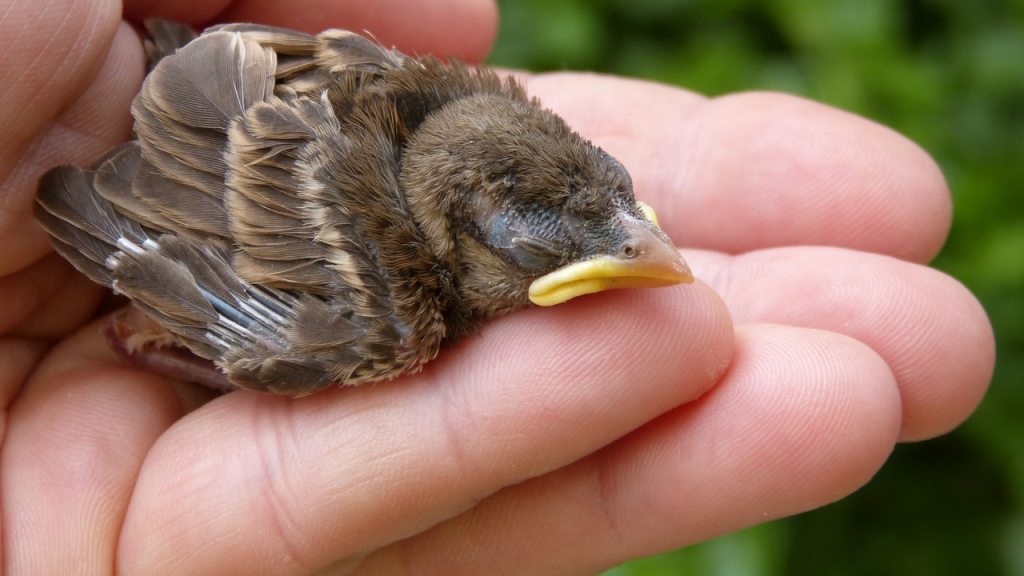
Just then, he noticed a baby bird falling from a nest in a nearby tree. The bird chirped loudly in fear. Ravi quickly ran to the tree and caught the bird in his hands before it could hit the ground. Gently stroking its wings, he calmed the frightened bird.

From Public Domain

Moments later, the mother bird flew down, circling Ravi and chirping anxiously. The baby bird flapped its wings joyfully at the sight of its mother. Ravi placed the baby bird carefully back near its nest. The mother bird covered it lovingly with her wings.

“The mother bird came back to protect her baby. Maybe my mom is already worried about me. I should go home and let her know I’m safe,” Ravi thought.

Ravi rushed back home. The moment his mother saw him, she smiled and said, “Where were you? I made some payasam for you. Come and eat.” Ravi sat down and narrated everything that had happened in the park.

Hearing his story, his mother’s face lit up with pride. She kissed his cheek and said, “You’re my precious little gem. You’re mischievous at home, but outside, you’re so helpful and kind.”

Ravi realised, “Mom scolds me when I do wrong and praises me when I do good. She truly loves me. I should never make her sad or upset again.” From that day on, Ravi started listening to his mother and became more careful both at home and outside.

Naramsetti Umamaheswararao has written more than a thousand stories, songs, and novels for children over 42 years. he has published 32 books. His novel, Anandalokam, received the Central Sahitya Akademi Award for children’s literature. He has received numerous awards and honours, including the Andhra Pradesh Government’s Distinguished Telugu Language Award and the Pratibha Award from Potti Sreeramulu Telugu University. He established the Naramshetty Children’s Literature Foundation and has been actively promoting children’s literature as its president.

.

PLEASE NOTE: ARTICLES CAN ONLY BE REPRODUCED IN OTHER SITES WITH DUE ACKNOWLEDGEMENT TO BORDERLESS JOURNAL

Click here to access the Borderless anthology, Monalisa No Longer Smiles

Click here to access Monalisa No Longer Smiles on Amazon International
Categories
Stories

Significance

By  Naramsetti  Umamaheswararao

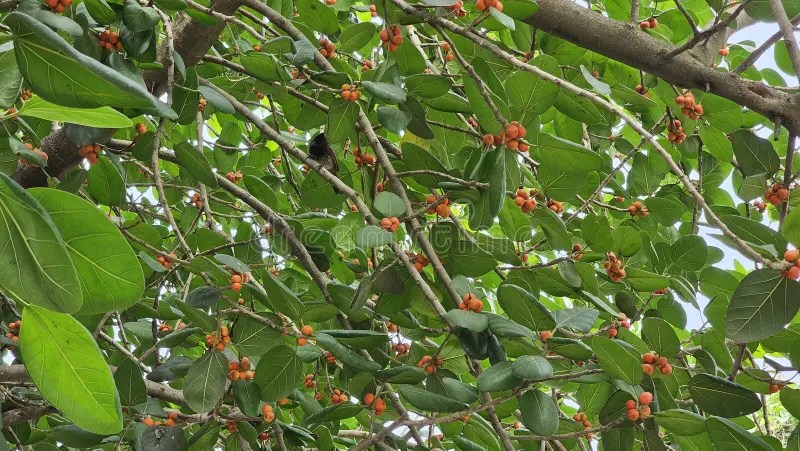
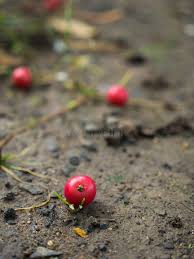
Once, while a bird was searching for food, it spotted a  berry under a banyan tree. As the bird grabbed the berry with its beak and flew, it slipped and fell. The place where the berry landed was a field next to a village. On the same day the berry fell, a strong storm brought rain, causing the soil to cover the berry.

Two days later, the berry rotted, and the seeds inside began to talk to each other.

One seed happily said, “We are alive thanks to our luck! Otherwise, we would have been digested in the bird’s stomach within a week.”

Another seed replied, “That’s true. If we had gone into the bird’s stomach, we would have died. We wouldn’t even have had the chance to talk like this.” The other seeds nodded in agreement.

After two more days, one seed sprouted. The sprouting seed excitedly jumped and said, “Look, everyone! I’ve sprouted!”

Seeing the sprout, the other seeds warned, “Pull that sprout back! If you grow, you will change your form and rise above the ground. You will face many hardships while growing. Sometimes, humans might uproot you. Other times, animals might trample or eat you. You must overcome all this to grow into a plant. If you grow, you need sufficient water. If you don’t get enough water, you will wither and die. You cannot endure all these hardships, so it’s better to remain as we are and enjoy our time together.”

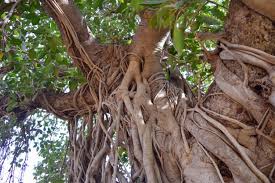
The sprouting seed listened but did not respond or pull back its sprout. After a few days, the banyan plant emerged from the soil and began to grow. Its stem grew straight, branches spread out, and many leaves sprouted. Years passed, and it grew into a large tree.

To escape the heat, farmers and travelers rested in the shade of the banyan tree. Animals found shelter beneath it during the night and when it rained. Birds built nests on its branches. The banyan tree provided refuge to many, making the area lively.

Occasionally, indigenous doctors came to the banyan tree to collect its bark, leaves, and buds for medicinal use. Children played in the field, swinging joyfully on swings hung on the banyan tree. The banyan tree felt happy.

Many years went by. One day, a terrifying storm struck. Strong winds blew, and it rained heavily. Many trees were uprooted by the storm, and the banyan tree was among them. The people were deeply saddened by the fall of the banyan tree. The birds and animals living in its branches mourned silently.

After a few days, when the greenery of the banyan tree faded, villagers used axes to cut its branches and trunk for firewood. Everyone who carried the wood remarked, “It was useful even after it died.”

Meanwhile, the remaining seeds in the ground, which had stayed behind selfishly, felt happy hearing their sibling’s praises but were also ashamed. One seed said, “We all made a grave mistake. We remained as we were and couldn’t help anyone. We didn’t do anything worthy of remembrance. Every life should have significance, but our life has been wasted. Although we had a great opportunity to be born, we squandered it. Our sibling, however, did something good. Even in death, it lives on in the hearts and homes of people. Our sibling’s legacy uncovered the true significance of life.”

Hearing this, another banyan seed replied, “Some people also live cowardly lives. They continue to make the same mistake we did. They waste their lives, not realising that a life dedicated to helping others brings true satisfaction. If we understand that helping others leads to everlasting fame and support one another, it would be much better.”

The banyan seeds lamented, “We cannot bring back what has passed, so this is all we have in this life.”

Banyan Berries: Fom Public Domain

Naramsetti Umamaheswararao has written more than a thousand stories, songs, and novels for children over 42 years. he has published 32 books. His novel, Anandalokam, received the Central Sahitya Akademi Award for children’s literature. He has received numerous awards and honours, including the Andhra Pradesh Government’s Distinguished Telugu Language Award and the Pratibha Award from Potti Sreeramulu Telugu University. He established the Naramshetty Children’s Literature Foundation and has been actively promoting children’s literature as its president.

.

PLEASE NOTE: ARTICLES CAN ONLY BE REPRODUCED IN OTHER SITES WITH DUE ACKNOWLEDGEMENT TO BORDERLESS JOURNAL

Click here to access the Borderless anthology, Monalisa No Longer Smiles

Click here to access Monalisa No Longer Smiles on Amazon International