Categories
Excerpt

A Perpetual Struggle

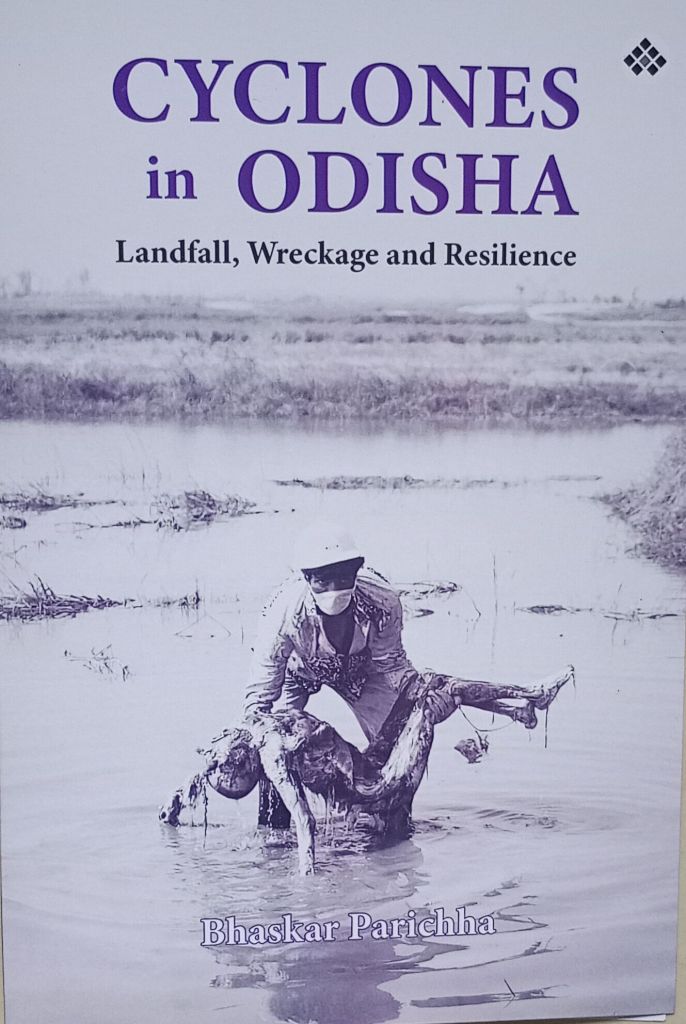
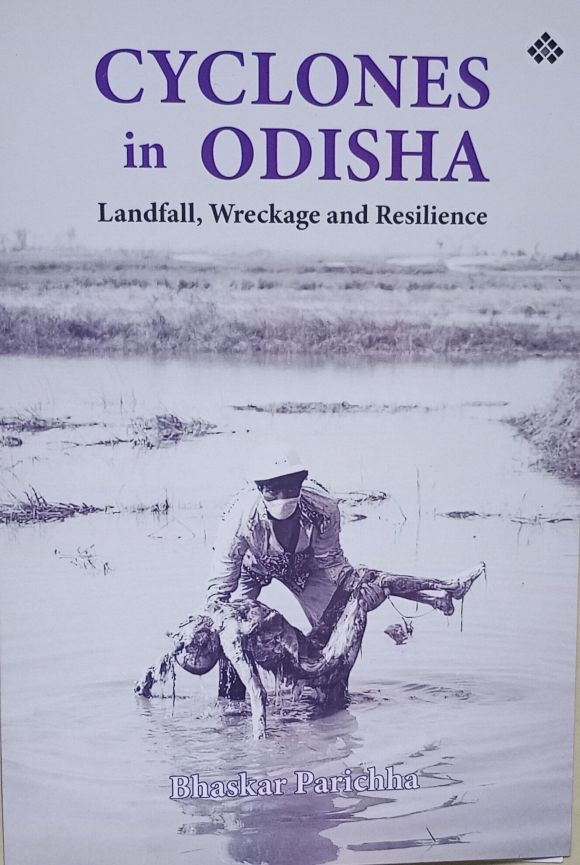
Title: Cyclones in Odisha: Landfall, Wreckage, and Resilience

Author: Bhaskar Parichha

Publisher: Pen In Books

Chapter 10

 A Perpetual Struggle

“Humans and nature can never be friends! Nature will never hesitate to starve you in the drought, drown you in the rain, burn you in the sun, and kill you with an earthquake, a hurricane or a disease; and as such, nature should always be seen as an enemy not a friend.”
― Mouloud Benzadi

 Cyclones exert a significant influence on the economy and agricultural sector of Odisha, leading to considerable disruptions and enduring challenges for the region. Agriculture serves as a fundamental component of Odisha’s economy, accounting for approximately 26% of the Gross State Domestic Product (GSDP) and providing employment for around 85% of the rural populace. The occurrence of cyclones frequently results in severe crop damage, exemplified by the 1999 Super Cyclone, which led to the loss of nearly 2 million tons of rice and devastated approximately 18.43 lakh hectares of farmland. More recent cyclones, such as Fani in 2019, inflicted damage on about 60% of the paddy crop and had a detrimental effect on vegetable production.

The fishing industry, crucial for the livelihoods of local communities, also suffers significant setbacks due to cyclonic events. Damage to fishing infrastructure and interruptions in fishing operations result in decreased catch and income for fishermen, thereby intensifying the economic difficulties faced by coastal populations.

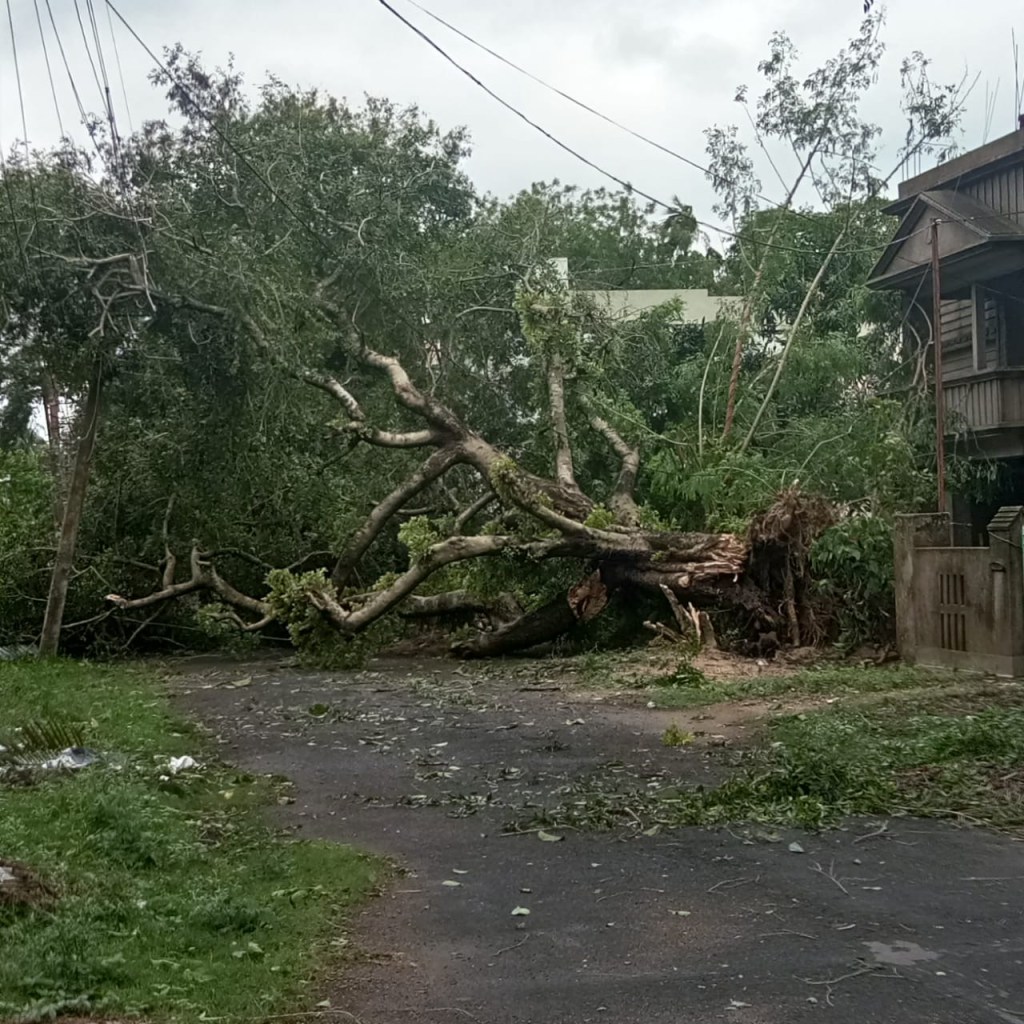
Cyclones inflict extensive damage on infrastructure, including roads, electricity, and housing. This destruction not only affects immediate livelihoods but also obstructs long-term economic recovery. For instance, Cyclone Amphan in 2020 caused widespread infrastructural damage, impacting millions of consumers and resulting in prolonged power outages.

Job Loss

The devastation wrought by cyclones leads to job losses, particularly affecting daily wage laborers and roadside vendors, who are often the most susceptible to economic disruptions. The reduction in employment opportunities further exacerbates poverty levels in a state that is already economically disadvantaged.

Research indicates that cyclones adversely affect local economic growth, with studies revealing a significant decline in the growth rate in the years following such events. For instance, after the catastrophic cyclones of 2013 and 2014, the growth rate plummeted to 1.8% in 2014-15, a stark decrease from 9.3% in the preceding year.

Cyclones result in flooding, soil salinization, and erosion, which significantly undermine agricultural productivity. Coastal areas, where a majority of agricultural activities are concentrated, are especially susceptible to these effects, resulting in diminished crop yields and heightened food insecurity. Farmers are compelled to adjust to the evolving climate and the rising occurrence of cyclones. This adaptation may involve altering planting schedules, implementing multiple cropping strategies, and enhancing irrigation systems to alleviate the impact of cyclones on their livelihoods. The financial challenges associated with recovering from cyclone-related damage can be daunting for farmers, many of whom do not possess sufficient insurance coverage. This economic pressure can perpetuate cycles of poverty and obstruct agricultural advancement in the region.

Ongoing Struggle

The ongoing struggle of the people in Odisha against the backdrop of cyclones is a complex interplay of psychological trauma, economic hardship, and the need for improved disaster management. While strides have been made in preparedness and response, the experiences of survivors underscore the necessity for continued support and infrastructure development to mitigate the impacts of future cyclones.

Resilience to cyclones involves implementing a range of strategies to minimize the impact of these natural disasters on communities and infrastructure. This can include building stronger and more resilient infrastructure, such as storm-resistant buildings and flood barriers, as well as developing early warning systems and evacuation plans. Investing in disaster preparedness and response training for communities can help them cope better with the aftermath of a cyclone. By taking proactive measures to increase resilience to cyclones, communities can reduce the loss of life and property damage caused by these powerful storms.

Incorporating nature-based solutions such as mangrove restoration and coastal vegetation can help absorb the impact of cyclones and reduce erosion. Building codes and regulations can also be updated to ensure that new construction is more resilient to extreme weather events.

 Promoting community engagement and participation in resilience-building efforts can help foster a sense of ownership and responsibility among residents. This can include educating communities on how to prepare for cyclones, providing resources for emergency supplies, and establishing communication networks to disseminate information during a crisis.

Resilience to cyclones requires a multi-faceted approach that involves collaboration between government agencies, non-profit organizations, businesses, and local communities. By working together to implement these strategies, we can better protect vulnerable populations and infrastructure from the devastating impacts of cyclones.

Livelihood Loss

The economic impact of cyclones is profound highlighting the broader economic devastation faced by many in the fishing and agricultural sectors. Initial estimates indicated that thousands of fishing boats were lost, and agricultural land became salt-encrusted, rendering it unusable for years. This dual loss of livelihood and resources has compounded the stress for displaced communities.

Survivors of Cyclone Fani, which struck Odisha in May 2019, have faced severe mental health issues, including stress disorders and depression. Many individuals expressed feelings of despair and anxiety about their future, struggling to cope with the trauma of the cyclone’s destruction. Mental health experts have emphasized the need for immediate interventions to address these issues, as the fear of future cyclones continues to haunt the affected communities.

Mental health professionals have been mobilized to assess the psychological impact of the cyclone. A study conducted a month after Cyclone Fani found that approximately 42.9% of participants exhibited probable PTSD, while 36.7% experienced severe anxiety and 16.5% showed moderately severe depression. Additionally, suicidal thoughts increased by 14% among the affected population. These findings underscore the urgent need for targeted mental health interventions.

Efforts are being made to enhance community-based mental health support. This includes training local volunteers to identify individuals in need of psychological assistance and providing them with referral support. Such grassroots initiatives are crucial for ensuring that mental health care reaches those who may not have access to formal healthcare services.

Despite these interventions, challenges remain. Many survivors continue to experience sleep deprivation and anxiety due to the trauma of the cyclone and the ongoing fear of future disasters. The presence of mosquitoes in temporary shelters has further exacerbated sleep issues, highlighting the need for improved living conditions during recovery.

Moreover, the long-term psychological effects of such disasters necessitate sustained mental health support beyond the immediate aftermath. Historical data from the 1999 supercyclone indicates that without adequate post-disaster psychological support, issues like PTSD can persist for years.

Government’s Role

Cyclones in Odisha lead to devastating impacts on local communities, including loss of life, destruction of homes, and significant economic losses. The recurrent nature of these disasters has resulted in long-term challenges, such as food insecurity and displacement among vulnerable populations. The state government has been working on improving cyclone preparedness and response mechanisms to mitigate these impacts.

Early warning systems play a crucial role in reducing the impact of cyclones on the East Coast of India. These systems involve the use of advanced meteorological technology to track and predict the path and intensity of cyclones, allowing for timely evacuation and preparation. Additionally, coastal defense infrastructure such as seawalls, breakwaters, and mangrove restoration projects can help mitigate the impact of storm surges and erosion caused by cyclones.

Initiatives to prepare and build resilience within the community are also essential in reducing the impact of cyclones. This includes educating the public about cyclone preparedness, conducting drills and simulations, and providing access to emergency supplies and shelters. Building resilient infrastructure, such as cyclone-resistant housing and public buildings, can also help minimize the damage caused by cyclones.

Despite these measures, the East Coast of India remains vulnerable to the devastating impact of cyclones. Continuous research into cyclone behavior, climate change adaptation strategies, and the development of innovative technologies are crucial in improving the effectiveness of measures to reduce disaster risk. Strategic planning at the national and local levels is also necessary to ensure that resources are allocated effectively and that policies are in place to address the long-term impacts of cyclones.

Climate Change

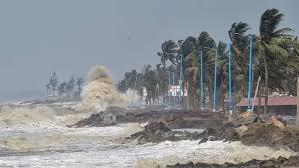
In recent years, there has been a noticeable increase in the frequency and intensity of cyclones in the region. This trend is believed to be linked to climate change, which is causing rising sea levels and warmer ocean temperatures. These changes create more favorable conditions for cyclones to form and intensify, posing a significant threat to the people of Odisha.

Climate change has a profound effect on Odisha’s disaster preparedness plans in a variety of ways. The increasing temperatures and sea levels are contributing to more frequent and severe disasters such as cyclones, floods, droughts, and heat waves. This necessitates more robust and frequent evacuation drills, shelter maintenance, and emergency response planning. The prevalence of water and vector-borne diseases like malaria and dengue fever is worsened by climate change. Consequently, the health sector must incorporate climate change considerations into health policies, enhance disease management, and implement measures to mitigate the impact of heat waves.

Changes in monsoon patterns and more frequent cyclones result in widespread food and nutrition insecurity. Disaster preparedness efforts should prioritize ensuring access to nutritious food and promoting sustainable agricultural practices. The rise in sea levels due to climate change and the increased intensity of storms pose a threat to coastal infrastructure, including cyclone shelters and evacuation routes. Regular maintenance and improvement of these structures are essential to minimize the impact of climate change.

Raising awareness about climate change and being prepared require ongoing community involvement and capacity building. This involves training volunteers, promoting safe migration practices, and increasing media coverage of climate change issues. Climate change can negatively impact economic growth and exacerbate poverty. Disaster preparedness strategies need to address these economic risks by encouraging sustainable industries, renewable energy, and climate-resilient infrastructure.

Given the changing impacts of climate change, Odisha’s disaster preparedness strategies must evolve to ensure effective response and mitigation measures. This requires ongoing investment in disaster preparedness and response measures, as well as efforts to address the underlying causes of climate change. By taking proactive steps to mitigate the impact of cyclones and adapt to changing climatic conditions, Odisha can better protect its coastal region and ensure the safety and well. Financial investment in measures to reduce disaster risk and adapt to climate change is essential for the East Coast of India. This includes funding for the development and maintenance of early warning systems, the construction of resilient infrastructure, and community preparedness initiatives.

Investment in research and development of new technologies and strategies for cyclone mitigation is crucial in building a more resilient and adaptive East Coast community.

As climate change continues to influence weather patterns, the frequency and intensity of cyclones in this region may increase, further highlighting the need for effective disaster management strategies and resilient infrastructure to protect the vulnerable populations of Odisha. In the face of a cyclone, communities must come together to prepare and respond to the impending disaster. Early warning systems and evacuation plans can help to minimize the impact of a cyclone, saving lives and reducing property damage. In the aftermath of a cyclone, communities must work together to rebuild and recover, showing resilience in the face of adversity.

Political Accountability

The impact of cyclones on political dynamics in Odisha has been significant, particularly following the devastating 1999 Super Cyclone. This event not only caused immense human suffering but also reshaped the political landscape and public sentiment towards various parties. The destruction prompted widespread criticism of the government, particularly regarding its preparedness and response to the disaster. Many survivors expressed dissatisfaction with the lack of support and infrastructure improvements in the years following the cyclone, leading to a sense of betrayal among the electorate.

In the years following the cyclone, political parties in Odisha, especially Biju Janata Dal and its leader Naveen Patnaik have faced scrutiny over their handling of disaster relief and infrastructure development. Although the BJD asserts that significant advancements have been made in the reconstruction initiatives, numerous inhabitants of regions impacted by the cyclone have indicated persistent challenges, including insufficient compensation and a shortage of cyclone shelters. This dissatisfaction has affected electoral choices in later elections, as those who survived the disaster frequently perceive a lack of attention from political figures who pledged assistance but did not fulfill their commitments. The political narrative in Odisha has continued to evolve, especially in light of more recent cyclones like Fani and Phailin. The BJD had maintained a significant foothold in the state, leveraging its disaster management initiatives as part of its campaign strategy. Opposition parties have capitalized on public grievances, framing their campaigns around issues of local pride and accountability in disaster management.

NGO’s Role

Non-Governmental Organizations (NGOs) play a crucial role in disaster mitigation and recovery efforts in Odisha. NGOs sensitize local communities about disaster risks and preparedness measures through awareness campaigns, mock drills, and training programs. They build the capacity of communities, especially vulnerable groups like women, children, the elderly, and the disabled, to cope with and recover from disasters. NGOs collaborate with the government in preparing disaster management plans at the district and state levels.

During disasters, NGOs are involved in rescue operations, providing temporary shelters, organizing health camps and setting up communication facilities.  They work closely with the government in relief distribution, ensuring equitable access to food, water, sanitation, and other essential supplies for affected populations. NGOs focus on protecting vulnerable groups and providing special care for pregnant women, lactating mothers, children, elderly, and disabled persons during emergencies.

In the recovery phase, NGOs support the rebuilding of damaged houses and public infrastructure and restoring the livelihoods of affected communities. They promote the use of disaster-resilient construction techniques and make rehabilitation efforts disability-friendly.  NGOs help in reviving local economies by providing livelihood support, forming self-help groups, and establishing market linkages.

NGOs coordinate their efforts with the government through dedicated coordination cells at the state and district levels. They advocate for inclusive and equitable disaster management policies that address the needs of marginalized sections of society. NGOs also collaborate with the private sector through CSR initiatives and public-private partnerships in disaster management.

The Government of Odisha recognizes the critical role of NGOs in building community resilience. The state has involved NGOs in its disaster management framework, leveraging their grassroots presence, flexibility, and innovative approaches to complement government efforts in protecting lives and livelihoods from disasters.

Media Coverage

The historical context of cyclones in Odisha is characterized by significant events, particularly during the late 20th and early 21st centuries. The Super Cyclone of 1999 stands out as one of the most devastating. This disaster prompted substantial reforms in the state’s disaster management approach, leading to the establishment of the “Odisha model” for disaster preparedness.

The evolution of media coverage regarding cyclones in Odisha has been notable, especially in the aftermath of catastrophic occurrences like the Super Cyclone. Reports increasingly focus on the state’s preparedness initiatives, including early warning systems and community-managed cyclone shelters, which have played a crucial role in significantly lowering casualties in recent cyclones compared to earlier incidents.

The relationship between media coverage, public awareness, and government preparedness has been instrumental in shaping Odisha’s response to cyclones. The proactive strategies adopted by the state, along with community engagement, have established a framework for disaster management that reflects a transition from reactive to proactive measures in addressing climate-related challenges.

Public Perception

In the wake of the 1999 disaster, the Odisha government launched a “Zero Casualty” initiative aimed at reducing fatalities in future cyclones. This strategic shift is evident in media narratives, which increasingly highlight the state’s proactive efforts, such as the implementation of early warning systems and community-based disaster preparedness programs. During Cyclone Fani in 2019, for instance, media coverage underscored the successful evacuation of more than 1.2 million people, illustrating the effectiveness of the state’s preparedness strategies and garnering international recognition for its response efforts.

Media narratives have progressively included discussions regarding climate change and its effects on the frequency and severity of cyclones. Reports indicate that climate change is expected to intensify the challenges encountered by Odisha, with predictions of more powerful cyclones in the future. This evolution signifies an increasing recognition of the wider environmental factors associated with cyclonic events and has led to demands for more effective climate adaptation measures.

The public’s perception of cyclones in Odisha has significantly transformed over the years, shaped by a blend of historical experiences, governmental actions, and improvements in disaster management practices.

Changing Paradigm

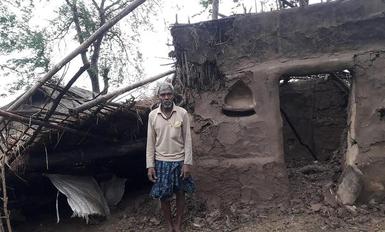
Odisha encounters several significant obstacles in upholding its high standard of disaster preparedness. Despite the establishment of extensive cyclone shelters and evacuation routes, the state’s power, communication, and transportation infrastructure are still at risk. Disruptions of these systems can lead to widespread consequences during disasters. The continuous challenge lies in investing in underground power lines and disaster-resilient infrastructure. A considerable portion of coastal housing in Odisha remains vulnerable to cyclone damage. The transition of at-risk families from straw huts to disaster-resilient homes is an area that demands sustained attention and investment.

The success of Odisha’s disaster preparedness efforts heavily relies on the mobilization of local communities and volunteers. Ensuring the maintenance of this level of preparedness and response capability along the state’s extensive coastline poses an ongoing challenge that necessitates consistent training and drills. With the escalating frequency and intensity of cyclones due to climate change, Odisha must consistently enhance its early warning systems, evacuation strategies, and disaster management approaches to proactively address evolving threats.

Despite the significant progress made by Odisha, disaster preparedness is a continuous process that demands unwavering commitment, innovation, and allocation of resources to tackle emerging challenges effectively. Sustaining the state’s prominent position in global leadership in this domain remains a persistent priority.

Odisha’s disaster management paradigm has evolved from a relief-centric model to a comprehensive, proactive, and integrated framework that emphasizes risk reduction, community participation, and efficient response mechanisms.

About the Book

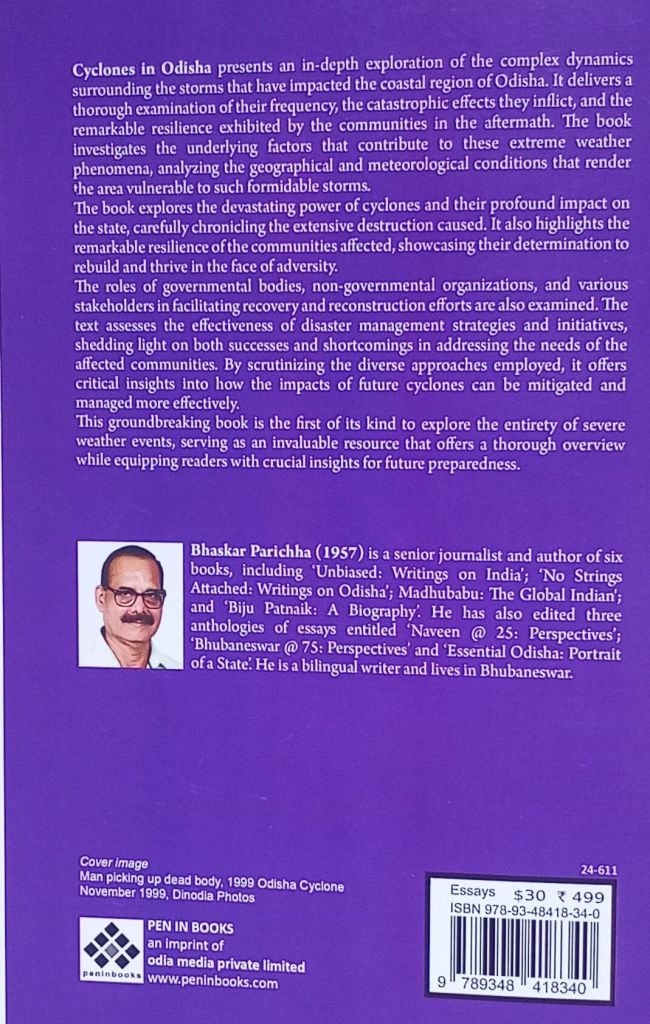
Cyclones in Odisha presents an in-depth exploration of the complex dynamics surrounding the storms that have impacted the coastal region of Odisha. It delivers a thorough examination of their frequency, the catastrophic effects they inflict, and the remarkable resilience exhibited by the communities in the aftermath. The book investigates the underlying factors that contribute to these extreme weather phenomena, analyzing the geographical and meteorological conditions that render the area vulnerable to such formidable storms. The book explores the devastating power of cyclones and their profound impact on the state, carefully chronicling the extensive destruction caused. It also highlights the remarkable resilience of the communities affected, showcasing their determination to rebuild and thrive in the face of adversity. The roles of governmental bodies, non-governmental organizations, and various stakeholders in facilitating recovery and reconstruction efforts are also examined. The text assesses the effectiveness of disaster management strategies and initiatives, shedding light on both successes and shortcomings in addressing the needs of the affected communities. By scrutinizing the diverse approaches employed, it offers critical insights into how the impacts of future cyclones can be mitigated and managed more effectively. This groundbreaking book is the first of its kind to explore the entirety of severe weather events, serving as an invaluable resource that offers a thorough overview while equipping readers with crucial insights for future preparedness.

About the Author

Bhaskar Parichha (1957) is a senior journalist and author of six books, including ‘Unbiased: Writings on India’; ‘No Strings Attached: Writings on Odisha’; Madhubabu: The Global Indian’; and ‘Biju Patnaik: A Biography’. He has also edited three anthologies of essays entitled ‘Naveen @ 25: Perspectives’; ‘Bhubaneswar @ 75: Perspectives’ and ‘Essential Odisha: Portrait of a State’. He is a bilingual writer and lives in Bhubaneswar.

.

Click here to read more about the book and an author interview.

PLEASE NOTE: ARTICLES CAN ONLY BE REPRODUCED IN OTHER SITES WITH DUE ACKNOWLEDGEMENT TO BORDERLESS JOURNAL. 

Click here to access the Borderless anthology, Monalisa No Longer Smiles

Click here to access Monalisa No Longer Smiles on Kindle Amazon International
Categories
climate change

More Frequent Cyclones to Impact Odisha

Cyclones in Odisha – Landfall, Wreckage and Resilience by Bhaskar Parichha cannot be underestimated given the recent impact of Dana (October 2024) which despite being  less aggressive than Amphan (May 2020) disrupted life as we know it. Bijoy K Mishra writes about the book and its relevance.

Climate Change will increase the incidence of cyclones in Odisha. Rising sea levels and warmer ocean temperatures create more favourable conditions for cyclones to form and intensify, posing a significant threat to the people of the state.

This has been clearly stated in the book, Cyclones in Odisha – Landfall, Wreckage and Resilience by senior journalist journalist and author, Bhaskar Parichha, “[C]limate change has a profound effect on Odisha’s disaster preparedness plans in various ways. The increasing temperatures and sea levels are contributing to more frequent and severe disasters such as cyclones, floods, droughts, and heat waves.” Published by Pen in Books, the book was released on October 29th to coincide with the Super Cyclone that struck the Odisha coast twenty-five years ago.

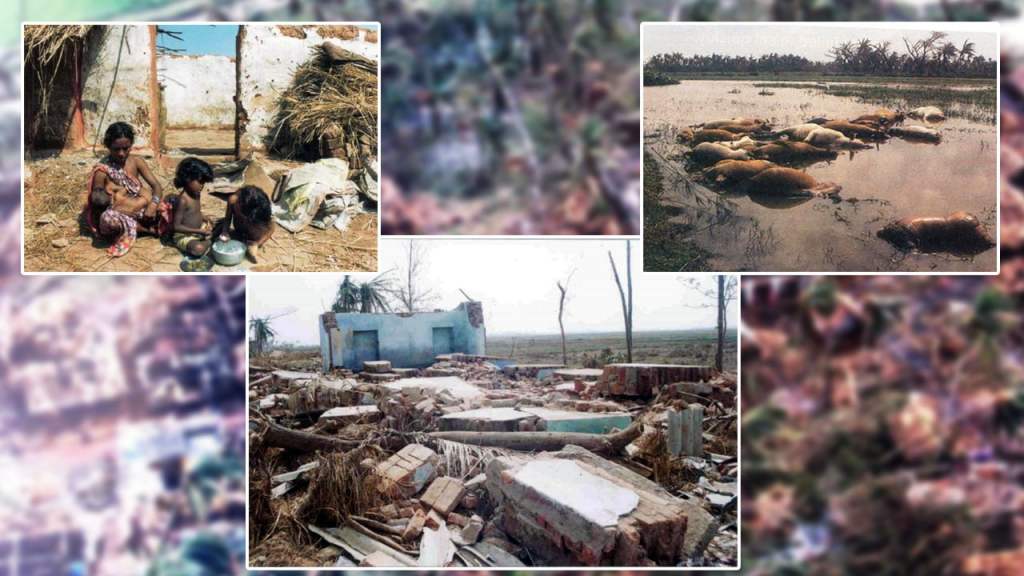
Odisha Super Cyclone 1999 (29/10/1999): 12.9 million people were affected by the storm. The India Meteorological Department indicated that around 9,887 were killed, 40 persons missing and 2,507 others injured. Photo from: Public Domain

The book, which traces the history of cyclones in Odisha in the past one hundred years, says: “The rise in sea levels due to climate change and the increased intensity of storms pose a threat to coastal infrastructure, including cyclone shelters and evacuation routes. Regular maintenance and improvement of these structures are essential to minimize the impact of climate change.”

Health Sector

While there is a need to ensure full-bodied evacuation drills, shelter maintenance, and emergency response planning more frequently, the prevalence of water and vector-borne diseases like malaria and dengue fever is worsened by climate change. The author suggests, “[T]he health sector must incorporate climate change considerations into health policies, enhance disease management, and implement measures to mitigate the impact of heat waves.”

With changes in monsoon patterns and more frequent cyclones resulting in widespread food and nutrition insecurity, the book has some precise suggestions; “Disaster preparedness efforts should prioritize ensuring access to nutritious food and promoting sustainable agricultural practices. Raising awareness about climate change and being prepared require ongoing community involvement and capacity building. This involves training volunteers, promoting safe migration practices, and increasing media coverage of climate change issues.”

Economic Impact

On the impact of the economy, the book says: “Climate change can negatively impact economic growth and exacerbate poverty. Disaster preparedness strategies need to address these economic risks by encouraging sustainable industries, renewable energy, and climate-resilient infrastructure.

“Odisha’s disaster preparedness strategies must evolve to ensure effective response and mitigation measures. This requires ongoing investment in disaster preparedness and response measures, as well as efforts to address the underlying causes of climate change. By taking proactive steps to mitigate the impact of cyclones and adapt to changing climatic conditions, Odisha can better protect its coastal region and ensure its safety and well.”

East Coast

The book emphasises financial investment in measures to reduce disaster risk and adapt to climate change is essential for the East Coast of India. This includes funding for the development and maintenance of early warning systems, the construction of resilient infrastructure, and community preparedness initiatives. Investment in research and development of new technologies and strategies for cyclone mitigation is crucial in building a more resilient and adaptive East Coast community.

Underlining the need for effective disaster management strategies and resilient infrastructure to protect the vulnerable populations of Odisha, we are told: “In the face of a cyclone, communities must come together to prepare and respond to the impending disaster. Early warning systems and evacuation plans can help to minimize the impact of a cyclone, saving lives and reducing property damage. In the aftermath of a cyclone, communities must work together to rebuild and recover, showing resilience in the face of adversity.”

(First Published in Political And Business Daily, Odisha)

Bijoy Ketan Mehta is the resident editor of Political and Business Daily. He can be contacted at bijoykm1259@gmail.com.

.

PLEASE NOTE: ARTICLES CAN ONLY BE REPRODUCED IN OTHER SITES WITH DUE ACKNOWLEDGEMENT TO BORDERLESS JOURNAL

Click here to access the Borderless anthology, Monalisa No Longer Smiles

Click here to access Monalisa No Longer Smiles on Amazon International

Categories
Essay

Wisdom of the Wild

By Ratnottama Sengupta

Protima could not believe her eyes when she got back home from the shelter after the super cyclone had spent itself. Her milch cow was standing on the pukka road that led to the river Mani — one of the many arms of the Hooghly before it flows into the Bay of Bengal. Right next to the cow stood Lalu and Bhulu, the two pariah dogs who had made her courtyard their home. All three wagged their tails as she approached them. But she stopped short as she looked towards the pile of hay stacked next to her kuccha* hut: On top of the pile, were the hen and the ducks!

Protima was amazed. They had stood there all through the stormy night of rain and gale, as Amphan churned the water of the Bay and flooded the land on both sides of the river that flows 50 meters from her house. They did not run amok when the hurricane winds blew away the thatch roof off her mud walls…The television channels had been blurting the news for days and days that the government had alerted the state about the cyclone that was to land at a speed of 160 kmph. How fast is that? Who knows! Even cars, if they come to this remote corner of West Bengal, don’t run at more than 40 kmph.

The panchayat had organized for the villagers to seek shelter in the local school which was a double storeyed structure. That’s where Protima had followed her husband just before the wind started its tandava* in the afternoon; he with his nonagenarian father on his back, she holding the hands of her younger twins and her elder daughter clutching the free end of her sari. Only, even as they were fastening the doors before rushing out of the hut, she had unlocked the coop to let out the hens and untied the rope around the neck of the cow. That proved a saving stroke: the cow moved away from the house far enough to be safe from the flying roof, yet close enough for Protima to find her when she came back home.What is more, the two dogs followed the cow and not only kept her company — they even held on to her tail and sought the support of her hind legs to keep their noses in the air when the salt water of the ocean came riding the fresh waters in high tide.

Although it came up to her belly and chest, the cow stood stock still and did not kick the canine members of the assorted family. The ducks too did not ditch the hens. They could have paddled away in the flooding water. They didn’t. They inchoately knew that the hens do not swim. They had all come out of the coop and assembled on top of the haystack — quacking and clucking, clucking and quacking even when the birds on the swirling trees had stymied their cheeping.

Miles away from Raidighi, Protima’s mother Chhabi was reminded of the earlier severe cyclone Aila that had struck precisely eleven years ago. That day the second named cyclone of the North Indian Ocean had come at a speed of 110 kmph leaving a million souls homeless. That time too, all the members of her neighbour, Haran Sardar’s family had scurried off to seek the safety of the only concrete structure — the middle school — in the village on the vicinity of Gangasagar in the Sunderban region.

In the haste stemming from their anxiety, they didn’t notice that their father, an old man in his seventies, had lagged behind to secure their meagre belongings and beddings. However, as the strong winds coincided with the high tide, the water rose faster than he expected, and cut him off from the safe house. But Haran Khuro* was a wood cutter whose feats are still narrated to the younger lot. He looked around him and swiftly climbed up on the nearest tall tree and, at the fork of two sturdy branches, secured himself with his coarse cotton gamchha*.

A while later, as the swift waters rose further, he noticed a black keute — Bengal krait — emerge out of the whirling white and slither up the bark of the same Hetal tree. The old man at once untied his gamchha, clambered up a few notches and found himself a perch in the highest of boughs.

As the water kept rising higher still, he noticed a tiger emerge out of the cluster of Sundari trees. Swiftly, though, noiselessly the feline came and seated itself at the foot of the very same tree that had already given shelter to a venomous snake and and an infirm biped. “Oh God!” Haran Khuro thought to himself. “I climbed up the tree to be safe from the flood — but where can I go to save my life now?” Sheer helplessness got the better of him and he fainted then and there, fastened to the tree by the gamchha around his waist.

That may have saved his life. Or was it the innate instinct of animals — wild, venomous, or social — not to be hostile and fight with another being faced with the same wrath of Nature, but to live peaceably? For, two hours later, when the waters receded, the tiger ambled back into the forest, the keute slid down the tree trunk and returned to its hole in the ground; and Khuro‘s sons rowed down in a fishing boat with a search party looking for the father.

He? He was still tied to the tree with his worn-out gamchha…Young Sujata had yet another story about the coevality and harmonious sharing of the living space by the humans and wildcats of the region that is the breeding ground of crocodiles. Kaal Baisakhis are a routine feature here. These Nor’westers frequent the southern tip of Bengal in the summer months of April and May, often with violent hurricane-speed winds, causing tornadoes. Just before sunset or immediately after it thick dark clouds appear in the southern sky foretelling gale-speed winds and torrential rains.

After one such evening Sujata and her younger siblings had gone off to sleep on the floor of the hut while their parents had retired to the sole cot in the room after making their Grandpa comfortable in the apology for a veranda that had no side walls but still had a roof overhead. Next morning the mother was woken up by the old man’s voice. “Ei byata, where has this dog come in from? Jaa! Go make yourself comfortable elsewhere. Hey! Why lean on me? You’ll crush my frail bones by your weight! Go away…”Alarmed by the monologue, she hurriedly opened the door. And froze. Nudged by the sleepy old man, the cub Panthera Tigris had got to its feet and was stretching itself out of its slumber.

It turned its head at the sound of the door opening, looked into the eyes of the lady of the house that had sheltered him from thunderous sleet, and sauntered away towards the jungle…..As I listened to these ladies from Bon Bibi‘s* domain, a single line from the Hollywood movie Black Panther kept playing in my mind: ‘In times of crisis the wise build bridges while fools build barriers…’

How very true! In the face of tidal waves and hurricane winds, tigers and snakes, cows and dogs, hens and ducks exist in harmony. But our political netas?! They sharpen their knives and reach for arms. The BJPs and INCs, TMCs and CPMs, SJDs and DMKs, the Republicans and Democrats, the Tories and Labours of the world can’t stop bickering, they all try to score over their opponents. Why do they only think of fishing in troubled waters?

*Kuccha — impermanent, mud hut

*Tandava — Shiva’s dance of rage

*Khuro — Uncle

*Gamchcha — A light strong absorbent piece of cotton, often used like a towel

*Bon Bibi — Forest queen

*Netas — Politicians

Ratnottama Sengupta turned director with And They Made Classics, on the unique bonding between screenwriter Nabendu Ghosh and director Bimal Roy. A very senior journalist, she has been writing for newspapers and journals, participating in discussions on the electronic media; teaching mass communication students, writing books on cinema and art, programming film festivals and curating art exhibitions. She has written on Hindi films for the Encyclopaedia Britannica; been a member of CBFC, served on the National Film Awards jury and has herself won a National Award. The former Arts Editor of The Times of India is also a member of the NFDC’s script committee. Author of Krishna’s Cosmos and several other volumes, she has recently edited That Bird Called Happiness (2018/ Speaking Tiger), Me And I (2017/ Hachette India), Kadam Kadam (2016/ Bhashalipi), Chuninda Kahaniyaan: Nabendu Ghosh (2009/ Roshnai Prakashan).

.

Disclaimer: The opinions expressed are solely that of the author.

.

PLEASE NOTE: ARTICLES CAN ONLY BE REPRODUCED IN OTHER SITES WITH DUE ACKNOWLEDGEMENT TO BORDERLESS JOURNAL.

Categories
Poetry

Double dread

By Madhu Srivastaw

.

Corona cries all around

Amphan raged destruction             

Yet I am me

Living on day to day

Settling my daily scores

Domestic, parental chores

Transferred money to PM fund

Gave food to beggar that came home

Wrote a poem or two

As Amphan screeched it’s belly out

Wrenching people’s life in tears

Rendered roofless by a spat of wind

Precious trees breathing life

Uprooted, broken, lying low

Immersed in darkness of night

With cyclone screaming raging rife

I kept the kids with me in bed

Diverting them in singing sprees

My mother with her heart in mouth

Kept her fingers clasped in prayers!

It diminished slowly…flew apart

Taking away our comforts fast

Electricity snapped; network gone

At least we had our homes intact

Yet we cribbed, sulked, complained

Though hundreds had lost their homes

Torn apart by Amphan’s fury

Coastal areas lost their lives

Electric poles all headlong down

Uprooted shrivelled trees abound

Government help haplessly seek

Only God can save us now

As though Corona was not enough

He sent Amphan to double the dread!

.

Madhu Sriwastav is Assistant Professor of English. She is based in Kolkata. She is a poet, translator, critic and reviewer. She has published poems in various national and international journals and anthologies. She has performed poetry in several poetry festivals. She writes on anything that touches her. She is working on her upcoming book of poems.

.

.

PLEASE NOTE: ARTICLES CAN ONLY BE REPRODUCED IN OTHER SITES WITH DUE ACKNOWLEDGEMENT TO BORDERLESS JOURNAL. 

Categories
Musings

Amphan Stories: Uprooted Trees & Broken Nests

By Devraj Singh Kalsi

The giant tree was pulled away from the bosom of the Earth after an intense struggle that lasted for several hours in the dark. It was razed to the ground much like the vandalized bust of a dictator overthrown in a coup.  

The birds in all their wisdom had chosen to build their nests in the sturdy tree that came with the implicit assurance of a safe haven. The tree that listed several encounters of surviving severe cyclones in its resume had caved in this time after four decades of brawny existence.

Birds asleep quite like passengers in long-distance trains that collide in the middle of the night – a big jolt wakes them up to discover their world turned upside down. Something similar must have rattled the birds when they found themselves closer to the ground through the thick foliage of leaves that cushioned their unceremonious fall. 

Imagine those moments of confusion and hopelessness when they extricated themselves from the wreckage to fly off to nearby safety. The swaying electric wires clutched their nervous feet as they tried to make sense of the world during the incessant downpour, vigorously shaking their rattled heads to puff up resilience in their wings, waiting patiently and calling out other members of the family to unite. 

In the wee hours of the morning, I woke up to hear fresh new voices in the garden. As I opened the window of my study, the reality outside and my imagination matched like the blood group of two strangers. The guava tree was the makeshift home where the homeless birds had now gathered and perhaps united with their loved ones. Their chirping was probably their excited conversation to chalk out the future plan of rehabilitation. More birds flew in and sat beside their families, sharing updates of empty spaces available in the mango and jackfruit trees where they could build new nests. Agile and faster than human beings in rebuilding homes, some were already flying around carrying pieces of straw and wires in their beaks as the new foundation for cosy, durable nests to cuddle in.  

Quite a few of their flock sat still and gazed at the uprooted tree, perhaps fondly recollecting the good times they enjoyed up there. Like us, they were probably fond of living in grandeur. Maybe they were also proud of having an opulent residence in a giant tree that looked like a mansion. With no other tree of such magnificence around, they would now have to settle down with some modest options.   

I joined the birds in observing the uprooted tree. The vacant space was brimming with strange, unfamiliar brightness. What stood hidden behind the tree all these years was now clearly visible. The balcony of the neighbour was in full view. The death of the tree had brought us visually closer. I was not too happy with the new reality and I do not think he would be happy either to reveal the colours of his innerwear left to dry on the balcony railing every day.

I was habituated to look in that direction because of the giant tree. I looked at it whenever I was thinking of ideas. The circle of leafy delight energised my mornings. The sight of the tree stirred and stimulated creativity. Now the neighbour would think I was gazing at him or waiting for the beautiful women of his household to stage an appearance there. He would go further to call it an invasion of privacy – the arousal of voyeuristic tendencies.

I suspect my repeated gaze would make him erect a glass window to cover up the balcony area, to stay safe from my ogling. I would still be looking at the giant tree because it is planted in my mind forever. I would still look at it through my inner eye and seek inspiration. Difficult to make people understand that creative folks often fix their gaze at something but they think of something completely different.    

The relief team arrived with a truck – hearse to ferry the mortal remains of the tree. They were more brutal than the cyclone as the dead tree was axed further, chopped into small logs to be sold as timber. Only the tree trunk was left behind and people gathered to click its photos for their social media feeds. Some strangers passing by stood silent to mourn its demise more sincerely than the residents around. The uprooted tree created no signs of emotional distress in the people who lived in its vicinity. Perhaps it is true that the death of a family member does not necessarily cause much agony to the survivors in the family – people who have no blood relationship are also likely to shed more tears.  

A fleeting thought of grafting its small branch in my garden – with a concrete slab to perpetuate its memory – did cross my mind. And the epitaph recording the cause of its death: Amphan. Does a tree deserve to be immortalised? Does a tree become evergreen in history? Or it remains just like us ordinary mortals who come and go? Enlightenment makes all the difference. We are all uprooted from time to time, in so many different ways. The uprooted tree left behind a lot for me to dig up within.  

.


Devraj Singh Kalsi works as a senior copywriter in Kolkata. His short fiction and essays have been published in Kitaab, The Bombay Review, Deccan Herald, The Assam Tribune, The Sunday Statesman, Earthen Lamp Journal, and Readomania. Pal Motors is his first novel.

.

PLEASE NOTE: ARTICLES CAN ONLY BE REPRODUCED IN OTHER SITES WITH DUE ACKNOWLEDGEMENT TO BORDERLESS JOURNAL. 

Categories
Musings

Cyclone Amphan & Lockdown

As cyclone Amphan fireballed and ripped through Kolkata, Nishi Pulugurtha gives a first hand account of how she survived the fear and the terror of the situation

Forecasts and news did not prepare us for the actuality of it all till it actually happened.  We had taken all necessary precautions but what happened on the evening of the 20th of May 2020 rattled and disturbed a lot. Cyclone Amphan was moving slowly over the Bay of Bengal and was expected to make a landfall in the southern parts of Bengal and lash the city of Kolkata as well.

News of this nature is troubling and more so in times of the pandemic. As it is we are all at a loss, stuck at home, worried about how things would turn out. As news kept pouring in about the cyclone which turned in to a super cyclone, the common refrain was why now. Things seem to be getting worse. At a time when we needed to maintain social distancing, people were being evacuated into cyclone shelters. This had to be done, the cyclone would wreak havoc and arrangements had to be made for lives to be saved.

At home, I heard my mother’s carer, Kajal, talking constantly about it over the telephone. She was calling up home and talking to her family members about it. Her home is in Namkhana, South 24 Parganas which would bear the brunt of the cyclone very strongly. Her sister who lives in Bakkhali by the coast, had been evacuated well in advance before the cyclone made a landfall. 

Kajal kept telling me that this was worse than the cyclone Alia as there had been announcements in Namkhana and Bakkhali about how high the waves of the Bay of Bengal would lash out as well. As it began to rain she spoke to her folks, they were all at home, and expecting the river waters to rise had moved everything at home to higher places. Her home is just beside a river. The last time she spoke to her family members was when it was lashing the place. The asbestos sheet that was their roof had been blown away and they were unable to move out of the house as three trees had fallen on the house and one was blocking the door. There were tears in her eyes as she said there was no way anyone could come to rescue her folks.

At about four o’clock I decided to venture out a bit just to have a look at what was happening outside and that is the first time I heard the sound of the wind. It was loud, real loud, of the kind I do not recall hearing in recent times.

It began raining heavily in Kolkata and at home we began securing the glass windows. The intensity of the wind began increasing and we readied candles and match boxes. I even made dinner early as I was sure the electricity supply would go off. I made arrangements for water, both for drinking and use too. Living with someone who is in an advanced state of Azheimer’s, I needed to be prepared with how to deal with things. Living in the moment is something that dementia instills into us.

Friends and cousins started enquiring about how we were holding on. Holding on is something that Amma and I have been doing since her diagnosis had come in. And it is something that every one of us is doing in times of Covid-19. As the storm raged on, the sound and intensity kept increasing.

The tumult of it all was frightening and scary. I opened a window to look out to see how things were outside and that is when I could hear even more loud noises. Many houses in the neighbourhood had fibre sheds on the terraces and as the wind raged, the tins intensified the roars. The sound was fiery and nightmarish. Within our compound was a two storied house that had such a shed on its terrace. As I looked out from the window, I saw a fibre sheet rip off and fly. It frightened me out of my wits.

What if it should hit someone outside. It would lash against electric poles and wires too. It was getting dark too. It was a scary scenario. I closed the window and rushed to be with Amma. She does not speak at all now for some years, the ravages wrought by Alzheimer’s, but it was clear that she was very perturbed. We were enclosed in darkness. I started speaking to her and sat beside her, comforting her. We sat huddled up together not knowing what would happen.

At about 7.30 pm, it seemed that the noises were less. I opened a window again to look out. The wind was no longer raging though it was still raining. My neighbours were out in their verandahs, torches and mobile flashlights on, trying to make some sense of the damage that had been done.

It was too dark to make sense of how things were but we did see our whole compound was waterlogged.  It was important be indoors, to try and be calm. I asked Kajal for news about her family and the state of her village. The last she heard of them was when they had been evacuated and were lodged in a neighbour’s house, all safe. That was at about six in the evening. She said she was unable to get in touch with anyone after that. She tried calling all those whose numbers she had, not just of her family members but also of local villagers, but to no avail.

We had dinner in silence, the electric supply was restored. Amma was taken to bed but she was awake for most part of the night, making noises once in a while. She usually sleeps till twelve, is awake for some time and then falls asleep again. She slept in the wee hours of the morning. I went out to have a look at things in the morning, water all around, my small garden in a mess, the plants mostly bent, fibre sheds strewn around in the compound, glass pieces on my car parked outside.

Thoughts of the pandemic were pushed back, all of us in Kolkata and all over Bengal and Orissa were more concerned about the cyclone and all the devastation it has brought.

I got a call from the local grocer at 6.30 in the morning, I had ordered a few things yesterday before it started. He called up to say that they were on the way. I told him that he could wait. He replied that things were all ready for delivery, moreover I might be in need. The young boy who delivered them told me that there was knee deep water in places.

I asked Kajal if she had any news of her family. She said she had been trying throughout the night but to no avail. There was no news at all. She was with Amma as she usually is. They were holding each other’s hands.

Dr. Nishi Pulugurtha is Associate Professor in the department of English, Brahmananda Keshab Chandra College and has taught postgraduate courses at West Bengal State University, Rabindra Bharati University and the University of Calcutta. She is the Secretary of the Intercultural Poetry and Performance Library, Kolkata (IPPL). She writes on travel, film, short stories, poetry and on Alzheimer’s Disease. Her work has been published in The Statesman, Kolkata, in Prosopisia, in the anthology Tranquil Muse and online – Kitaab, Café Dissensus, Coldnoon, Queen Mob’s Tea House, The World Literature Blog and Setu. She guest edited the June 2018 Issue of Café Dissensus on Travel. She has a monograph on Derozio (2010) and a collection of essays on travel, Out in the Open (2019). She is now working on her first volume of poems and is editing a collection of essays on travel.

.

PLEASE NOTE: ARTICLES CAN ONLY BE REPRODUCED IN OTHER SITES WITH DUE ACKNOWLEDGEMENT TO BORDERLESS JOURNAL.