By Farouk Gulsara
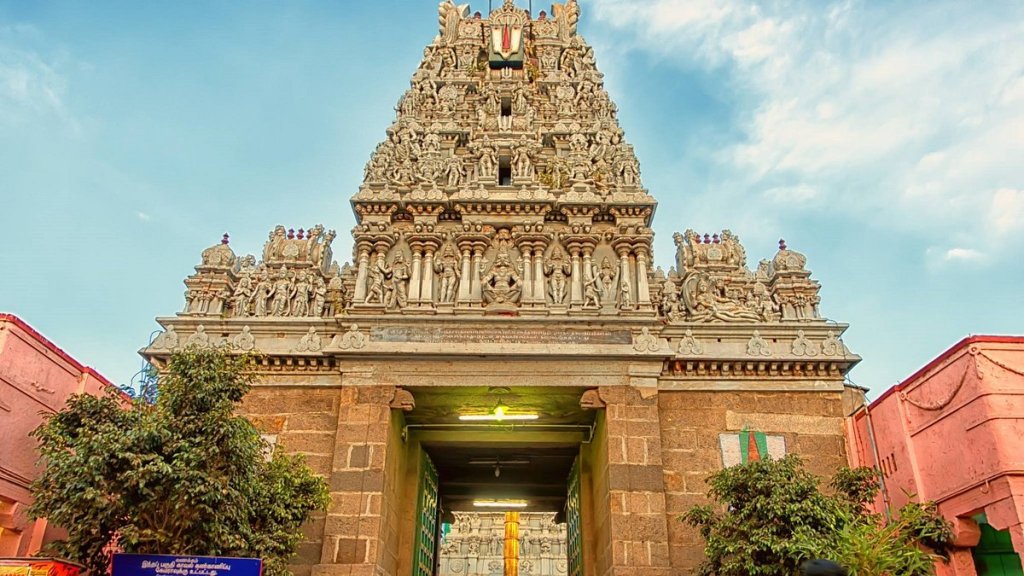
“Which part of India did your people come from?” asked the Tamil tour guide during our last trip to Chennai.
“I know my forefathers came from Tamil Nadu, but, sorry can’t tell you which part of Tamil Nadu or village they came from,” I told him in Tamil. “I am a third generation Malaysian Indian. We lost touch with all the relatives back home.”
“Your Tamil is very good for someone out of this country. Judging from way you speak, you could pass off for someone from Thanjavur!” he went on.
“People from Malaysia have mostly left their original accent and have developed new ones with Malay and Chinese words in theirs, so you cannot pigeonhole them to any region in India anymore.” I replied.
In a philosophical tone, he paused, then said, “I am here in Chennai, and you are there in Malaysia, and the only thing that connects us is the Tamil language.”
Of course, there is the DNA that unites us, but the bond that draws us to India is independent of the language spoken or written.
Our little conversation reminded me of the 1980s music video ‘Down Under’ by the Australian rock band, Men at Work. In that scene, the singer goes around the world, and everyone recognises him with his characteristic Aussie mannerisms. “Do you come from a land Down Under?” is their first response.
My grandparents and parents believed that, despite moving away from their homeland due to increasingly hostile living conditions, it was necessary to pass down their culture and language. Perhaps it was the only language they knew. They did not turn their backs on Tamil Nadu, nor let their offspring immerse themselves solely in the local culture. They had no anger towards their country. They did not turn their backs on her. They understood their motherland was going through difficult times and that tides would eventually change. Maybe they thought that one day their descendants would return and boast about how their princes of the soil had succeeded in a distant land, even while still holding onto their ancestral roots – the mother tongue.
It looks like the sun has risen, and the country has awakened from her long slumber, continuing to pursue what she stopped in her glorious past. Even her children, who have spread across all corners of the Earth, have made her proud.
For the rest of my trip, I conversed in Tamil, checked into a four-star hotel, and even conducted transactions at a bank counter. At first glance, I am sure they could tell I was not local, with liberal use of the word ‘lah’[1] in my sentences and the distinctive sing-song manner Malaysians use when speaking Tamil, it seems. The Malaysians are also described as extremely courteous, unlike the locals there.
[1] Lah is a phrase used by Malaysians and Singaporeans in local parlance
.
Farouk Gulsara is a daytime healer and a writer by night. After developing his left side of his brain almost half his lifetime, this johnny-come-lately decided to stimulate the non-dominant part of his remaining half. An author of two non-fiction books, Inside the twisted mind of Rifle Range Boy and Real Lessons from Reel Life, he writes regularly in his blog, Rifle Range Boy.
PLEASE NOTE: ARTICLES CAN ONLY BE REPRODUCED IN OTHER SITES WITH DUE ACKNOWLEDGEMENT TO BORDERLESS JOURNAL
Click here to access the Borderless anthology, Monalisa No Longer Smiles
Click here to access Monalisa No Longer Smiles on Kindle Amazon International
 Borderless