Categories
Stories

Used Steinways by Jonathan B. Ferrini 

Jonathan B. Ferrini 

  “Where’s Momma?”

“Passed out cold from her morning fix.

“My gang members are lookin’ for a score and think there’s money inside a storefront full of old pianos.”

“How’s your gang going to steel a store full of pianos?”

“Those are Steinway pianos and handmade from the finest woods, metal, and copper. We’ll bust ‘em apart and sell the salvaged metal and wood. Get your ass over there and scope out the inside of the store for me.”

“You have until the end of the week or I’m throwin’ you out on the street.”

*

I never expected to find friendship in the most unlikely place, a dusty old piano store on Whittier Boulevard in an East Los Angeles barrio[1].

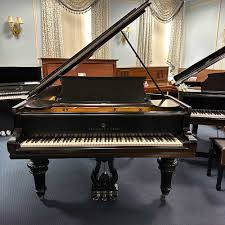
I stepped inside, greeted by the musty scent of wood and rusting metal. The store was quiet, almost sacred, and I was drawn to a black grand piano in the corner. As I pressed the keys, their voices rang out clear, strong, and unexpectedly comforting.

Suddenly, a head popped up from behind the piano.

 “What are you doing here?”

“I just came into look around, Sir.”

“I’m Saul Bernstein, the store’s owner and a piano tuner by trade.”

“I’m Lupe Jimenez.”

“Do you play the piano?”

“No, but I’m curious about all these pianos. Do you sell them?”

“I run an orphanage for Steinways. These orphans are used, broken, abused, and seldom sell. They have souls and require a home just like people.”

“Where do they come from?”

Some were rescued from burnt out homes, piano teachers with arthritic fingers who could no longer teach, and some from great performers who passed away. I gave them all a name. The gold grand Madame is ‘Goldie’. ’Red’ was owned by a famous singer songwriter who used it in his longstanding Las Vegas act. The others are called ‘Blackie’, ‘Ginger’, ‘Mira’ and ‘Rose’.”

Saul showed me the intricate insides of the Steinway, explaining how each string and key were crafted from beautiful wood and metals. The Steinways, he said, had personalities and stories including joy and tragedy just like lives. I watched as Saul spoke to them, dusted their keys, and shared memories of their former owners. In those moments, the store felt less like a place of business and more like a House of Worship.

Saul beckoned me over to “Goldie”, his hands steady as he opened the lid to reveal the intricate strings and hammers inside.

 “Tuning a piano isn’t just about tightening strings. It’s about listening to what each note wants to say.” He pressed the key, and a slightly sour note rang out.

“Hear that? It’s off. Now, watch.”

He placed the tuning hammer on the pin and gently adjusted it, his ear close to the strings.

“You don’t force it. You coax it, like you’re persuading an old friend to sing again.”

He invited me to try. My hands trembled as I fitted the hammer onto the pin. Saul guided my fingers, showing me how to turn just enough, then play the note again.

“Now, listen for the waves resemble a beating sound. When the waves slow down and disappear, you’re in tune.”

I listened, adjusted, and played the note. The sound grew clearer, steadier. Saul smiled. “That’s it…You’re tuning not just the piano, but learning patience, care, and respect for the instrument.”

Saul became my mentor and friend. He taught me how to tune pianos, how to listen to the subtle differences in sound, and how to care for each instrument as if it were alive.

His passion was contagious, and I found myself returning day after day, eager to learn more.

*

My uncle pressed me for information, convinced the Steinways were worth a fortune if stripped for their materials. Torn between loyalty to my family and my growing affection for Saul and his Steinways, I invented stories to delay any plans for theft. Each day, the risk grew, but so did my resolve to protect the store and the friendship I’d found there.

The bell rang above the doorway one day and an ominous looking man with arms of steel, full of tattoos, wearing a red cap embroidered with “Ace” approached the counter. I witnessed that look of desperation in a man’s face many times before and feared for Saul’s safety.

“Where’s Saul?”

“Saul is over here tuning ‘Blackie’. How may I help you?”

“I’m Ace Menendez. You sold me a piano on an installment plan for my little girl.”

“I seem to remember you and a friend came in a big truck and picked up the piano. Is the instrument out of tune?”

“No, Sir. I’ve come to apologize for being three payments behind and ask for more time to bring the account current. My trucking business hauling shipping containers is suffering due to the strike at the port, and all the truckers in the neighborhood are struggling financially. It would break my daughter’s heart if you came to repossess the piano. My wife and I fear that without the discipline and love for the piano; she’ll fall victim to the crime elements in our poor neighbourhood.”

“When you’re ready to settle your account, just stop by.”

“Thank you, Mister Berstein. You have a big heart.”

“Tell that to my family wanting me to sell this joint. Vaya con Dio’s, Ace.”

I came to learn, Saul, ever generous, offered installment plans and low interest rates, caring more about the music and joy the Steinways brought than about profit.

He lived a sparse existence upstairs with only a cot, hotplate, while surviving on canned food, crackers, fruit, and his love for the Steinways sustained him.

Saul shared stories of the Steinways he tuned over the years, each with its own history and quirks.

“Every piano has a soul. And every tuner leaves a little piece of themselves behind.”

With each lesson, I grew more confident not just in tuning, but of myself. The shop became a place of transformation, where the music we coaxed from the old Steinways echoed the changes happening within me.

Saul watched as I gripped the tuning hammer, my knuckles white with concentration. I turned the pin, but the note wavered, stubbornly out of tune. Frustrated, I pressed the key again, harder this time, as if force would tune it into harmony.

“You’re fighting the piano. It’s not about strength. It’s about finesse.”

He took the hammer from me and demonstrated his movements slowly and deliberately.

“Hear those waves? That’s the sound of disagreement between the strings.Your job isn’t to overpower them, but to guide them into agreement.”

He handed the hammer back.

“Try again, but this time, breathe. Turn the pin just a hair, then listen. Let the sound tell you what it needs.”

I followed his instructions, turning the pin more carefully, my ear tuned to the subtle changes. The waves slowed, then faded. The note rang true.

“Remember, tuning a piano is a conversation, not a battle. If you listen, the piano will tell you when it’s ready.”

Saul wasn’t just teaching me about Steinways. He was teaching me patience, respect, and how to listen, not just to music, but to the world around me.

“Let’s tune ‘Mira’ who I rescued from a closed piano bar. She was soaked in decades of spilled booze and witness to trashy cocktail bar conversations.”

Saul watched as I struggled with the tuning hammer, frustration tightening my grip. The note wavered, refusing to settle. He gently placed his hand over mine, stopping me.

He took the hammer and demonstrated, his movements calm and precise. “Tuning a piano is like tending a garden. You can’t yank the weeds or drown the flowers. You have to be patient, gentle always giving each note what it needs to grow strong and true.”

He struck a key, letting the sound linger. “If you rush, you’ll miss the moment when the music is ready to bloom. But if you listen, really listen, you’ll hear when everything comes into harmony.”

He handed the hammer back to me. “This time, treat each string like a seed you’re coaxing to life.”

I breathed, relaxed my grip, and turned the pin with care. The waves in the sound slowed, then faded. The note rang clear and bright.

Saul smiled. “With patience and respect, you help the piano find its voice and your own along the way. Life is much the same. Sometimes, you can’t force things to happen.You have to listen to what life is telling you, make small adjustments, and trust that, with time, things will come into tune.”

I realized Saul wasn’t just teaching me about tuning a piano. Saul taught me how to live a life of harmony.

*

The next time my uncle pressed me for information about the store, I remembered Saul’s advice.“You have to listen to what life is telling you, make small adjustments, and trust that, with time, things will come into tune.”

I paused and listened to my conscience. I could make small, careful choices to protect what mattered. I lied telling my uncle that the store was under CCTV surveillance including a silent alarm system, a warning that steered him away without confrontation.

*

When I struggled at public school, frustrated by lessons that never seemed to stick, I recalled Saul’s metaphor. I stopped blaming myself for not learning as quickly as others. Instead, I adjusted my approach, asking for help, taking breaks, and celebrating small victories. Gradually, things began to make sense, and my confidence grew.  I was told I could earn a scholarship to college to study music. I wanted to share the good news with Saul.

After school, I ran to the store and found Saul on his knees gripping his chest. I phoned for help. The paramedics told me Saul suffered a heart attack and invited me to ride to the emergency room with them. Saul gripped my hand and smiled. “I’m as tough as piano strings. I keep a card inside my wallet with my family emergency contacts for the hospital.Remember what I told you, ‘…every tuner leaves a little piece of themselves behind.’I hope a little piece of me is left behind inside you, Lupe.”

The doctor informed me Saul passed away, and the family was on its way. He handed me the keys to the store saying Saul had instructed him to place them in my possession.

Saul took a big piece of me with him to the beyond and the fate of the Steinways hung in the balance. I faced a chorus of doubts and obstacles, remembering,“Don’t force, listen.”

*

I reached out to the community, listened to their ideas, and coordinated efforts with patience and care. I was told to visit the neighborhood parish and speak with the priest who took me to a school for developmentally disabled children.

It was a room of beaten up, out-of-tune, upright pianos with eager students stridently following the teacher’s instructions. Others simply tried their best, pounding on the keys.

“Piano music is a miracle and enables these learning-disabled children to find joy and a sense of accomplishment in playing the piano. I’ll make inquiries with fellow priests, and we’ll pray for a home for Saul’s Steinways. The logistics of moving those heavy Steinways may be insurmountable.”

I learned to trust the process, and to believe that, with time and care, even the most troublesome moments could come into harmony like Saul’s garden metaphor.

*

Night had fallen over Whittier Boulevard. The streetlights flickering outside the dusty windows of the piano store. I stood inside the store, surrounded by the silent witnesses of my transformation, Saul’s beloved Steinways.

My uncle’s voice echoed in my mind, his demand clear:

“Tonight is the night!”

The gang was waiting. All I had to do was unlock the door and let them in.

I gripped the tuning hammer Saul had given me, its weight familiar and comforting. Memories flooded back about Saul’s gentle guidance, his stories, the metaphor he’d shared: “Tuning a piano is like tuning your life. You can’t force harmony; you have to listen, make small adjustments, and trust that, with patience, things will come into tune.”

My heart pounded. I could betray Saul’s legacy, give in to fear and loyalty to my uncle, or I could honour the music, the lessons, and the hope these Steinways represented.

I closed my eyes and listened to the notes from each piano signaling my decision. I imagined more children, their faces alight with joy as they played the rescued Steinways. I remembered Saul’s faith in me, his belief that I could choose a different path.

With trembling hands, I locked the door from the inside and dialed the police. As sirens approached, I stood by the Steinways, ready to face the consequences of my choice.

The gang sped away, but I remained, surrounded by the instruments that had given me a second chance. In that moment, I understood Saul’s lesson fully, “Sometimes, the hardest notes to tune are the ones inside us. But with patience, courage, and a willingness to listen, even the most discordant life can find its harmony.”

*

Without Saul, the piano store no longer felt like a happy orphanage for rescued Steinways but a dark, soulless, graveyard. His family, overwhelmed by grief and unable to afford to move the Steinways, decided to dismantle them for scrap. The thought of those beautiful instruments, each with its own story, each witness to Saul’s kindness being destroyed was unbearable.

Desperate, I remembered Saul’s lesson: “You can’t force harmony; you have to listen, make small adjustments, and trust that, with patience, things will come into tune.”

I reached out again to the community and anyone who might care. The parish priest had found a network of schools inside Mexico in need of pianos. Word spread, and soon a group of neighbourhood truckers led by Ace volunteered their time and their trucks. The plan was bold: we would transport the Steinways to poor schools in Mexico, where children with learning disabilities and limited resources could discover the joy of the Steinways.

*

On the moving day, a procession of battered trucks lined up outside the store. Men and women from the neighbourhood, some who had never set foot in the shop before, worked together to carefully load each piano. The journey was long and uncertain, but the spirit of Saul’s generosity guided us.

The Steinways found new homes in schools where children’s laughter and music filled the halls. I watched as students, many barely able to speak, some communicating only in sign language, sat at the old Steinways and played with wonder and delight. The instruments, once gathering dust, now sang again.

After betraying my uncle and the gang, I couldn’t return home. The priest arranged for me to move into a parochial school with boarding facilities run by a nunnery.

*

Years passed. I grew up carrying Saul’s lessons with me. Eventually, I returned to one of those schools, this time as a teacher. On my first day, I walked into a classroom filled with the very Steinways we had rescued. Their familiar shapes and worn keys greeted me like old friends.

“Hello, class. I’m Ms. Jimenez, your piano teacher. I was once a young person like you sitting in front of a grand piano called a Steinway. Don’t fear it’s size or complexity. Make it your friend, trust it, and it will take you on a journey into happiness you can’t yet realise.”

I realised that Saul’s legacy lived on inside me, not just in the music, but in every child who found their voice through these instruments. The harmony I had sought for so long was engrained inside my soul and spilled into the lives of those who needed it most.

And in the quiet moments, when the sun set over the schoolyard and the last notes faded, I would whisper a thank you to Saul, knowing that, together, we had tuned not just Steinways, but futures.

“With patience and respect, you help not just a piano, but your own life, find its voice.”

From Public Domain

[1] Spanish quarters in a town.

Jonathan B Ferrini has published over eighty stories and poems. A partial collection of his stories has been included in Heart’s Without Sleeves: Twenty-Three Stories available at Amazon. Jonathan hosts a weekly podcast about film, television, and music, titled “The Razor’s Ink Podcast with Jonathan Ferrini”.  He received his MFA in motion picture and television production from UCLA and resides in San Diego, California.

.

PLEASE NOTE: ARTICLES CAN ONLY BE REPRODUCED IN OTHER SITES WITH DUE ACKNOWLEDGEMENT TO BORDERLESS JOURNAL

Click here to access the Borderless anthology, Monalisa No Longer Smiles

Click here to access Monalisa No Longer Smiles on Kindle Amazon International

Categories
Nature's Musings

Photo Essay: Birds & Us

Photo essay by Michael B Wilkes And Penny Wilkes: Text by Penny Wilkes

White Pelicans

We share a variety of words with bird activities and sounds.  

             Stop that squawking. Start feeling chipper. 

                      If a pelican . . . so can you. 

White Pelicans

Wake up and feel fine feathered.

White Headed Sparrow

Or, maybe you’re just winging it today?

Black Phoebe

Michael Wilkes, my husband and a retired architect, used to take photographs of the built environment. I asked him to take a photo of my favorite bird, a black phoebe. He did and won first place at the San Diego Fair. Ever since he has enjoyed taking bird photographs with his big lenses. 

Saying one is feather-brained is a compliment.

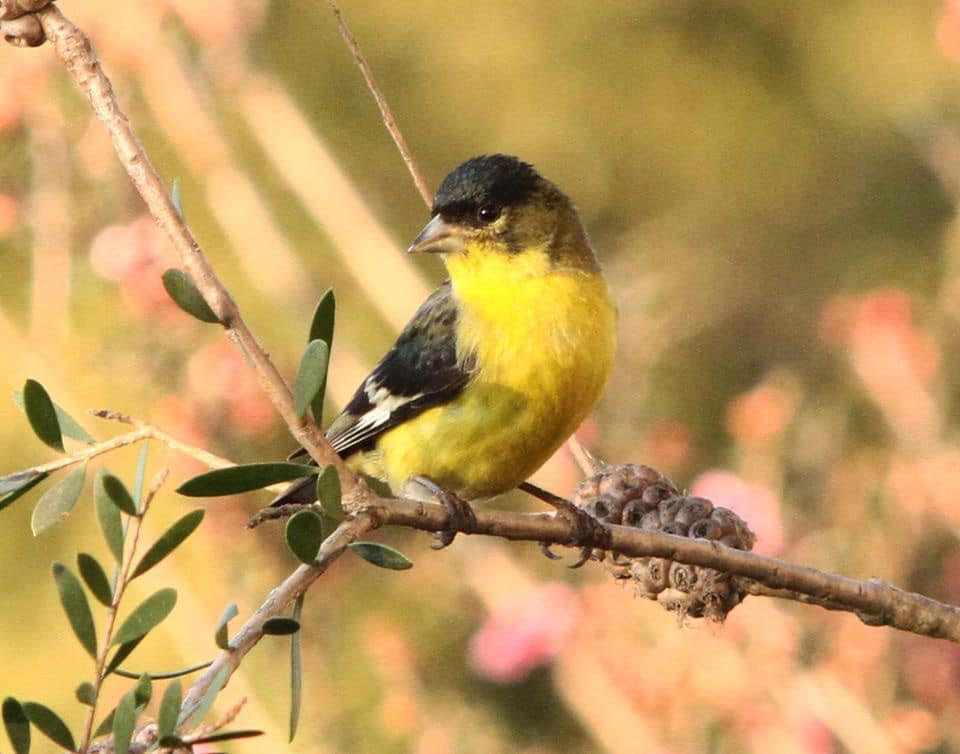
Lesser Golden Finch
Seagulls

Just keep your beak up. Don’t get in a twitter unless it turns into a trill of birdsong. Stay Tweet.

An Osprey

Spend time on the fly.

If you feel peckish, find your favorite snack.  Then keep your head down and work. 

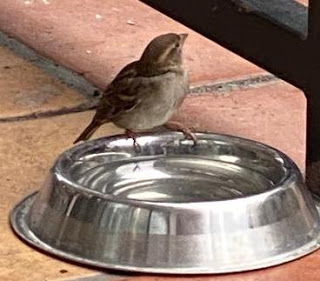
A house sparrow

We had moved to an apartment while we remodelled our house. I spent free time at a park next door writing. A black bird kept flying by. When he flew upside down in  twirls, I noticed a heart on his chest. The next day I brought him seed and he paid no attention. He cocked his head at me as if I really had no clue. Which I didn’t.  That night I searched and discovered he was a flycatcher and ate bugs.

Black phoebe (flycatcher)


I watched him for days until he brought a friend and did a flying dance in the middle of the park. I got close but not too close. They led me to a nest with little heads popping up.

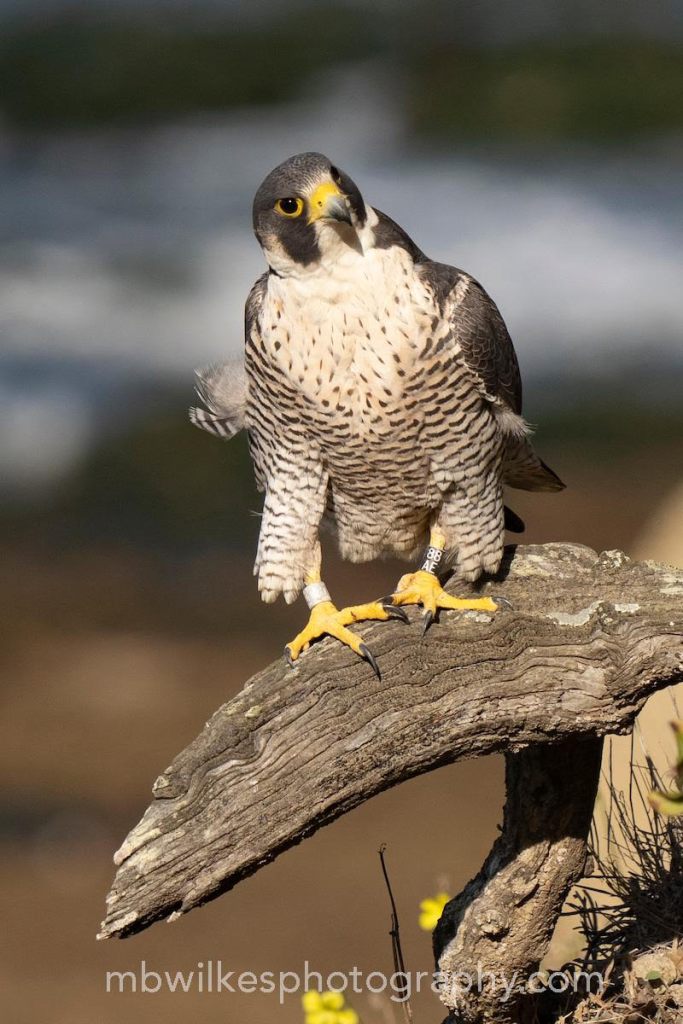
Peregrine season is about to begin where the pair romance, build an aerie, and take turns minding the nest. When the fledges toddle out, the parents teach flying and hunting lessons. I love to watch what I call, “flying fisticuffs” where the fledges  attack one another in mock battles as they learn self-defense. We have lots of photos of their activities.

A pair of romancing peregrines

Lady Jane was frustrated with her mate because he did not bring food as he just wanted to romance her.  Eggs are due soon. Then he will have to focus on the nest and feeding and all that . . . beyond the fun he enjoys.

A solo peregrine

I prefer to photograph with my cellphone. I want “moments in movement” so I do not have to set up a tripod or carry a huge camera around. As for the challenges of bird photography, one word: patience. Today I heard a woodpecker and chased him for two blocks. No photo. During my morning runs, a black phoebe flies and lands and flies away again. They hunt for insects and are called flycatchers. I enjoy photos I can take. The eyes enjoy what the camera cannot capture. Then when I least expect it, a fun opportunity arrives like the photo below.

This is an example of what I love to capture. A finch landed on a photograph of a bird. 

A finch perched on a bird picture

Sing beyond a peep. Get raven about your successes. 

Raven

Don’t duck opportunities and challenges. 

Ducks with ducklings

You don’t have to get all your ducks in a row to find success and have fun…

Penny Wilkes,  served as a science editor, travel and nature writer and columnist. An award-winning writer and poet, she has published a collection of short stories, Seven Smooth Stones. Her published poetry collections include: Whispers from the Land, In Spite of War, and Flying Lessons. Her Blog on The Write Life features life skills, creativity, and writing:  http://penjaminswriteway.blogspot.com/ and at penjaminswriteway.blogspot.com. My photoblog is @: http://feathersandfigments.blogspot.com/

Michael B Wilkes is an award winning architect and  photographer who has collaborated on three books of poems with his wife Penny Wilkes. On two occasions he has received recognition among the 100 Most Influential peoples in San Diego by the San Diego Daily Transcript. Michael B Wilkes site:  http://mbwilkesphotography.com

.

PLEASE NOTE: ARTICLES CAN ONLY BE REPRODUCED IN OTHER SITES WITH DUE ACKNOWLEDGEMENT TO BORDERLESS JOURNAL