Categories
Bhaskar's Corner

Can Odia Literature Connect Traditional Narratives with Contemporary Ones?

By Bhaskar Parichha

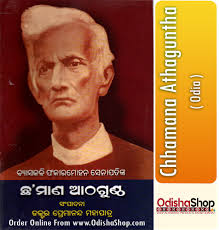
Odia literature is characterised by a profound tradition of classic narratives, with notable examples such as Fakir Mohan Senapati’s timeless Chha Mana Atha Guntha[1].  This literary corpus is further enhanced by an array of mythological and folk narratives that hold significant importance in the cultural legacy of Odisha.

These narratives persist through time because they reflect universal human experiences, encompassing themes such as land, power, family, and morality, all while being intricately linked to the historical context and cultural identity of the region. They serve not only as stories but also as reflections of society, having been shaped and refined over the years.

Readers are consistently attracted to these literary works for reasons similar to those that draw us to the writings of Shakespeare or the epic narrative of the Mahabharata: their themes are enduring, and the insights they provide remain pertinent. Similarly, publishers and curators, even at the national level, often revisit these classic tales, a trend that is entirely justifiable.

However, it is the transition to contemporary matters that strikes a significant chord. Odia literature has been progressing, albeit perhaps not as prominently or visibly as certain other Indian literary landscapes. Modern voices are addressing current issues—urban isolation, the influence of technology, caste relations, and environmental deterioration. The change is evident, yet it remains less pronounced than it has the potential to be.

What accounts for this? There may be multiple reasons.

The literary tradition of Odisha is profoundly embedded in its heritage. Classic literature is not only revered and taught but frequently eclipses modern works. Both publishers and readers exhibit a conservative inclination, preferring established texts. This trend is not unique to Odia literature; for example, Tolstoy remains a central figure in Russian literary discourse. As a result, this inclination obstructs the acknowledgment of new authors.

Modern Odia literature faces considerable challenges in its distribution. In contrast to Bengali or Tamil literature, which benefits from larger urban readerships and established translation networks, Odia books often struggle to reach broader audiences.

While digital platforms are making significant strides in this domain, the overall development is still sluggish. Without a strong market, numerous authors may opt to concentrate on more conventional themes that are viewed as more commercially viable.

The demographic composition of Odisha is primarily rural, where numerous readers find a stronger connection with stories that delve into village life or ethical dilemmas, as opposed to genres like cyberpunk or themes focused on existential angst. Although there are urban Odia authors, their readership is frequently limited in range. As a result, contemporary themes may seem alien to those who maintain a deep bond with traditional cultural settings.

The literary language of Odia typically possesses a formal tone, significantly influenced by its classical roots. This can lead to a conflict with modern terminology and global themes, posing challenges for writers who wish to innovate without jeopardising their connection to the audience. In contrast, languages such as Hindi and Malayalam readily incorporate colloquial expressions, which thrive in contemporary literature.

Nonetheless, modern Odia literature is dynamic and progressing. Short story writers are exploring a variety of topics including religion, science fiction, feminism, leftist ideologies, and climate change. Prominent authors such as Sarojini Sahu, Satya Mishra, Rabi Swain, Sadananda Tripathy, Jyoti Nanda, Bhima Prusty, Janaki Ballabh Mohapatra, Ajaya Swain, Biraja Mohapatra, Sujata Mohapatra and young writers like Debabrata Das  are actively investigating these contemporary themes. Publications like Kadambini, Rebati, and Katha are offering platforms for these creative narratives.

Despite this, the main obstacle remains the need to improve visibility. Social media and over-the-top (OTT) platforms have the potential to revolutionise this landscape—just picture an Odia adaptation of Black Mirror[2]!

There is an immediate need for greater investment in Odia storytelling to effectively bridge the gap between traditional and modern narratives.

.

[1] Six acres and a Third, a novel by Fakir Mohan Senapati(1843-1918) published in 1902

[2]Black Mirror is a British dystopian science fiction television anthology series that started in 2011 and is still on the run.

.

Bhaskar Parichha is a journalist and author of Cyclones in Odisha: Landfall, Wreckage and ResilienceUnbiasedNo Strings Attached: Writings on Odisha and Biju Patnaik – A Political Biography. He lives in Bhubaneswar and writes bilingually. Besides writing for newspapers, he also reviews books on various media platforms.

.

PLEASE NOTE: ARTICLES CAN ONLY BE REPRODUCED IN OTHER SITES WITH DUE ACKNOWLEDGEMENT TO BORDERLESS JOURNAL

Click here to access the Borderless anthology, Monalisa No Longer Smiles

Click here to access Monalisa No Longer Smiles on Amazon International
Categories
Review

To her Great Grandfather from a Great Granddaughter

Book review by Bhaskar Parichha

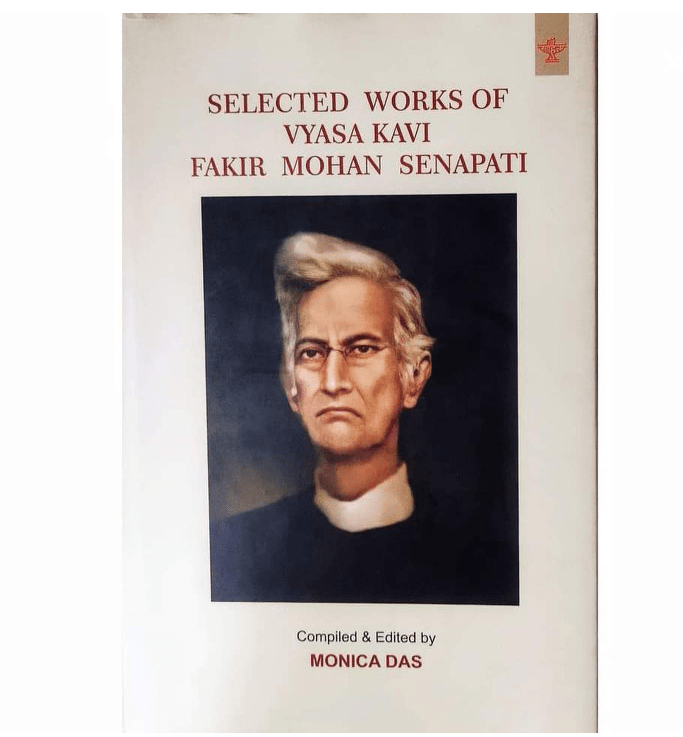
Title: Selected Works of Vyasa Kavi Fakir Mohan Senapati

Editor: Monica Das

Publisher: Sahitya Akademi

Fakir Mohan Senapati (1843-1918) is a prominent figure in Indian literature and a key advocate for Odia nationalism. Born in Mallikashapur, Odisha, he faced significant hardships, losing both parents by age two and being raised by his grandmother with limited education.

Senapati is celebrated for his pioneering works, including the first modern Odia short story, “Rebati,” and novels like Chha Mana Atha Guntha (Six Acres and a Third) , Mamu (Uncle), and Prayaschita (Atomement), which address social issues and the lives of ordinary people, emphasizing social justice and peasant struggles.

His impact transcends the realm of literature; he was instrumental in promoting the unique identity of the Odia language during times of external challenges. His literary contributions facilitated the de-Sanskritisation of Odia, thereby rendering literature more accessible to the general public. He continues to embody the pride and cultural identity of the Odia people.

Selected Works of Vyasa Kavi Fakir Mohan Senapati by Monica Das is characterised by its relevance and authenticity. The compilation and editing, originating from Sahitya Akademi, reflect a high level of quality, with the editor having meticulously attended to every detail.

Monica Das is an Associate Professor of Economics at Gargi College, University of Delhi, and a fellow at the Developing Countries Research Centre. Her research focuses on feminist economics, and she is involved with the International Association for Feminist Economics (IAFFE). Her own works include Tales of the Girl Child in India and The Other Woman, which examine the socio-economic impacts of underage marriage and polygamy on gender development. She also produced the film Anwesan, highlighting the life of her great-grandfather, Fakir Mohan Senapati. She oversees the Fakir Mohan Foundation, which promotes Odisha’s cultural heritage and addresses social challenges, particularly those affecting women.

Putting together a collection can be quite a challenge. It has to open up different viewpoints and styles for readers, deepening their grasp of literature and culture. Curators have to also add introductions that give context to the works, making it easier for readers to see the importance of each piece in the larger literary scene. Monica Das has successfully met these expectations. This Selection highlights Senapati’s creations that established a framework in which the ordinary individual became the focal point.

Says Monica in the introduction: “Fakir Mohan Senapati is a giant in the field of Indian literature, who belonged to Odisha. He brought about a revolution in novel writing by departing from romance and writing on social realism. His portrayal of the common man and his concerns predated those of Premchand and Rabindranath Tagore, the other giants of Indian literature.

“His writing had elements which, apart from promoting secular attitudes, helped bring about social changes, to which he also contributed directly as the Dewan of some of the princely states of Odisha in British India. Odisha is the first state in India to have been established on the basis of language, for which he laid the foundation.”

Fakir Mohan distinguishes himself from his predecessors in the field of Odia prose through his unique use of language: “His liberal use of terse proverbs and the folksy style of his writings is what catches the reader’s immediate attention. Besides this, it adds to the rustic wisdom of his characters. In his stories, one cannot miss the underlying concern with social reform. He always took care to depict an honest view of life. Though he takes a didactic stance in his writings, he took care to see that this did not militate against realism and the smooth flow of the narrative. Fakir Mohan’s characters were drawn from ordinary life from among peasants, weavers, barbers, milkmen, revenue clerks and teachers. Very few belong to the higher ranks of the society. He set the tone of the common man. For the first time, ordinary readers were touched by the fact that stories were written about them, about their concerns, their agonies, exploitations and bitter-sweet experiences. Fakir Mohan was indeed a consummate artist with a keen eye for minute details.”

The Selected Works of Vyasa Kavi Fakir Mohan Senapati spans approximately four hundred pages and presents the intriguing perspective of a remarkable individual. He was more than merely a writer; he was a social reformer, a patriot, and a cunning strategist, serving as the dewan of the princely states of Odisha during the period of colonial rule.

Concludes Monica in the book: “It’s a strife-torn world that we live in today. Fakir Mohan’s works, considered unparalleled internationally, hold even greater significance now because of the centrality of humane modes that form the essence of his writings. The compilation in the Selection presents all this and more.”

The volume serves as a comprehensive and curated resource on Fakir Mohan’s literary works, significantly enhancing the current body of literature dedicated to the father of Odia literature.

.

Bhaskar Parichha is a journalist and author of UnbiasedNo Strings Attached: Writings on Odisha and Biju Patnaik – A Political Biography. He lives in Bhubaneswar and writes bilingually. Besides writing for newspapers, he also reviews books on various media platforms.

.

PLEASE NOTE: ARTICLES CAN ONLY BE REPRODUCED IN OTHER SITES WITH DUE ACKNOWLEDGEMENT TO BORDERLESS JOURNAL

Click here to access the Borderless anthology, Monalisa No Longer Smiles

Click here to access Monalisa No Longer Smiles on Amazon International