Categories
Musings of a Copywriter

The Amateur Professional 

By Devraj Singh Kalsi

I am never too confident about those who label themselves ace professionals. Such grandiose claims, often based on degrees or years of experience, deliver substandard outcomes. A professional photographer near my residence ranks high in the list of pseudo-professionals I have known all these years. As the sole proprietor of SN Studio1, his roster of clients comprises the dead, the alive and the half-dead types like me. He offers a long list of services – as evident from the signage emblazoned with his debonair picture for better brand recall.   

The dead queued for the last click are, perhaps, the coolest customers for him, offering the rare luxury of stillness he seeks from those he photographs. Only the dead can satisfy his need for immobility and dollops of patience. The restlessness of those alive and kicking and seeking to expedite the clicking process annoys him. He often behaves like an artist, as if he is engaged in creating a classic portrait instead of taking a photograph, and the conspiratorial world is just not ready to allow his artistic blooms to create many splendored exhibits. Several customers decline the inventive touch he wants to add, admonishing him for being too tardy to freeze the fleeting moment.

His focus is pretty sharp on capturing the nostrils stuffed with cotton balls from a fresh angle, adding to the frame a member of the family touching the feet. No one notices or appreciates the special touch to bring the picture to life. Urged by those carrying the bier to make haste, he hurriedly clicks. The bier bearers set out for their last journey with the dead before the weather gods turn hostile, leaving our photographer friend with instructions to take only the good prints even though he spends the entire roll to immortalise the departed soul. It is reaffirmed beyond a strain of doubt that he shares an amazing chemistry with the dead. It is true the dead emerge the easiest to click, and he is at his best in the presence of the dead. Although the dead cannot get up to thank him for a great job, their survivors often do so by placing further orders for portraits.

He always clicks close-up pictures of the face and those weeping inconsolably and embracing the corpse while including strong, irreverent relatives wearing bright shades on sad occasions to suggest their undying spirit to live. Clicking their sons and daughters reflecting grief is what to him is a prize-winning candid shot that unfortunately escapes attention and admiration. He includes one such picture in his portfolio to remind himself of his professional acumen that remains untapped.   

Some people who started patronising him for passport-size photographs – much before the digital era arrived – often fail to obey his instructions. The make-up he applies makes them look strange. The talcum powder on his dressing unit is of the popular Dreamflower brand, and the brushes and puffs bring him closer to a moody make-up stylist. Under the harsh lights of the camera, beads of sweat appear on the forehead as the inexorable wait makes even the most saintly folks restless. By the time he takes a snap after tilting the head or lifting the chin for the perfect pose, I feel sapped. Like a film photographer with characteristic disdain, he makes bombastic pronouncements but falls short of meeting the expectation pitched high. Most of the passport-size pictures were meant for the dossiers such as identity card, library card, passport, or any other form-filling exercise where affixing a passport-size photo was mandatory.

Many of those who got clicked for matrimonial purposes remained unmarried for a long time. The reason behind the lacklustre response is understood quite late – more than a year. He frames what he considers to be beautiful shots and showcases them on the display board behind his counter. Applying for jobs with such pictures creates a bad impression on recruiters. Once upon a time, getting a chance to be auditioned for a TV serial excited me. I asked him to prepare two classy pictures to be sent for the competition. He made me wear goggles and then applied gel to my hair. I thought it was an audition for a hero’s role but my look impressed the selectors to shortlist me for a villain’s role. When he asked me whether I was chosen for the role a month later, I had nothing much to say. Before I could frame a reply, he sounded confident that the pictures were fabulous for the role of an anti-hero. I said I did not accept the role offered as the terms and conditions were exploitative. I said I was ready to wait for the right opportunity, for a bigger gig though it was not convincing enough as a newcomer is normally desperate to grab whatever comes his way.

I said I would be getting my portfolio made by a leading photographer. But I knew within myself, I would never again venture along this path. Some weeks later, I went to his studio and noticed my pictures pinned on the board. Sensing that I was about to object to this public display, he pacified me by saying some girls took an interest and sought my contact details. Hoping that this news would create a flurry of excitement in my heart, he offered to arrange a meeting with them at the studio. Smelling something fishy, I chose not to show any interest and stayed out of the trap. His offer of help to get me hitched was ditched and he was perhaps pricked beyond imagination that his selfless moves were scuttled in this dry, thankless manner.  

During those days he was scouting for a chance to film a Punjabi wedding for his portfolio. I did what he was expecting from me. I invited him to photograph my wedding. He was roped in with a clear clause mentioning that his photography during the Ladies Sangeet and the Mehndi ceremonies would decide whether he would qualify to cover the marriage and reception. During the Ladies Sangeet function, I sneaked in along with him. He was busy enjoying the performance so much that he forgot to click for half-an-hour. He got poor, dark, hazy, long shots, without any close-ups as he did not have the temerity to go nearer and click. He stayed away from the inner circle for fear of being snubbed. When asked why he did so, he explained timidly that the opportunity to create memories took centre stage and his mind was busy soaking in the gyrations forever. It seemed to be more of his desire to be present during an ostentatious Punjabi wedding for his entertainment than anything else.

The resultant effect was I declared that I would never patronise him for any occasion or event. As his client list thinned with the digital wave setting in, he did try to stage a comeback in a new avatar, by converting the studio into a photographer’s institute where he conducted highly affordable short-term courses and taught amateurs all about professional photography in various categories.

Devraj Singh Kalsi works as a senior copywriter in Kolkata. His short stories and essays have been published in Deccan Herald, Tehelka, Kitaab, Earthen Lamp Journal, Assam Tribune, and The Statesman. Pal Motors is his first novel.  


PLEASE NOTE: ARTICLES CAN ONLY BE REPRODUCED IN OTHER SITES WITH DUE ACKNOWLEDGEMENT TO BORDERLESS JOURNAL

Click here to access the Borderless anthology, Monalisa No Longer Smiles

Click here to access Monalisa No Longer Smiles on Kindle Amazon International

  1. Make-believe name ↩︎
Categories
Musings of a Copywriter

The Lost Garden 

By Devraj Singh Kalsi

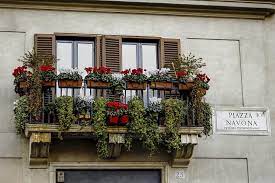
A balcony teeming with plants showcases the best efforts put in by flat owners to keep alive their connection with nature. Unlike those living in sprawling houses with plenty of open space to make a garden, flat residents have to live with a space crunch that makes them think of buying space-saving furniture all the time. It does not really matter whether the densely potted varieties in the balcony supply oxygen for an hour or not. The plants merely convey that the inmates carry a genuine love for nature, but the constraints of space in the cities prevent them from creating a full-fledged garden.

The other vital truth is that the miniature garden helps them assuage the guilt of causing environmental damage before the World Environment Day posters deliver ‘Save the Planet’ message every year. The air conditioner jutting out of the window next to the balcony garden proves they are equally culpable for impacting the planet’s health. But every inch of the balcony dotted with plants is the best frame that provides the opportunity to post candid pictures on social media and gather hundreds of likes for having green fingers despite the CFC generated by most air conditioners.  

In my ancestral home, I used to observe my father turn the soil every morning. As he worked with his garden tools, I took an interest in his hobby, thinking I would inherit his passion for the same. He created small beds, raised mounds of soil around tender plants to offer better support and strength, and watered them with a sprinkler with patience, making sure they were not too wet.

With the onset of winter, the saplings would be ready to deliver iridescent blooms and surprise us with their vibrant beauty. Pansies, dahlias, zinnias, carnations, roses, and petunias were some of the awesome floral feasts that occupied much of our garden beds though there were many others that were less popular and with scientific names that have elude my meory. As the first buds appeared, my parents would admire the lush garden and ask me to sit in front of those budding flowers with well-combed hair to strike a pose while my father clicked a series of random photographs.  

While I never found ample time to take up gardening, I made it a habit to water the plants in the evenings on alternate days after my tutorials. Slaking the thirst of others – whether humans, animals, birds or plants, gives the same kind of satisfaction. I was careful not to keep them thirsty for long and maintained a strict timeline for that – otherwise I would feel guilty and sleepless at night. If I would be absent for a few days, I would assign the duty to some other person. Along with plants, I was learning to be sensitive to others needs.

The blooming flowers generated the desire to possess beauty. I was told I should not pluck them but learn to admire them. It was another key lesson – to indulge in the appreciation of beauty instead of being ruthless about possessing the beautiful. Any piece of beauty, in any form, gets the same treatment. Admire instead of turning desperate to possess it or call it your own. Such treasure-worthy lessons last a lifetime. It is true nature teaches a lot many things to lead a good life. A garden full of colours of all varieties looked rich and tempting. My mother never plucked any of the flowers, never put them in a vase in the living room to make a statement. Such restraint amazed me. 

I was encouraged to plant some on my own – before the advent of the floral season. My initial reluctance petered out when I read many celebrities were pursuing it. The ones I planted were lucky if they survived. I felt sad and low when they did not survive. But when some of them bloomed well, negativity perished.

The first bloom made me glad and confident, encouraging me to look forward to planting more varieties the next year. The ones that perished were soon forgotten and my focus shifted to the survivors, wondering whether they found it easy to grow in their beds or if there was something I could have done better to ease their growth in the lush garden. 

My parents gave a nod of approval and okayed my efforts. It was deemed a good exercise to raise a garden, add manure or spray something and water them all.

After my father’s death, my mother brought saplings from the nearby nursery, expecting me to do what my father did. She would sit near the verandah and oversee the entire process. Her supervision continued and she derived satisfaction that she had managed to raise a child who was growing close to nature with each passing year. She was always the first person to spot the buds and had the habit of predicting the colours of the flowers before they bloomed. She conducted a tour of the garden every morning and would foretell which one would turn out to be yellow, red, or white. Most of the time, her guesses were right. It appeared I was under an expert. When the flowers bloomed, she would say such impeccable beauty is for the soul, as it makes you happy deep within.  

Blooming is so relevant a need for every creative person: to bloom with ideas that are fresh, appealing to the senses and fragrant. Tucking a flower in the vase in front of the writing desk is a serious effort to bring in visual freshness, and to feel positive. With creepers growing around, you feel the spread of ideas surround you, trying to reach higher and higher just like you keep trying to elevate your thoughts and consciousness. Even if the apartment does not offer a grand view of thirty feet-high Ashoka trees lined up outside my window, the mind’s eye still retains and cherishes its beauty while trying to find inspiration from the balcony garden, a poor substitute for the grandeur of the landed garden.

While living in an apartment does not offer a natural view, the truth is I am still writing and have yet to break up with nature. Whether memory continues to feed the imagination or the fear of writing without nature’s support leads to a premature loss of an intimate connection with nature will pan out in the coming years. Sometimes the loss agonises so much that one feels like writing tragedies especially if it is the death of loved ones. It remains to be seen what the permanent loss of a vast garden from my life brings forth. 

.

Devraj Singh Kalsi works as a senior copywriter in Kolkata. His short stories and essays have been published in Deccan Herald, Tehelka, Kitaab, Earthen Lamp Journal, Assam Tribune, and The Statesman. Pal Motors is his first novel.  


PLEASE NOTE: ARTICLES CAN ONLY BE REPRODUCED IN OTHER SITES WITH DUE ACKNOWLEDGEMENT TO BORDERLESS JOURNAL

Click here to access the Borderless anthology, Monalisa No Longer Smiles

Click here to access Monalisa No Longer Smiles on Kindle Amazon International

Categories
Musings of a Copywriter

Trees from My Childhood

By Devraj Singh Kalsi

Returning from school, dumping my school bag on the sofa, and rushing out to climb the litchi tree in the garden without changing out of my school uniform, was an everyday affair during the summer. The scenes flash in a carousel of slides before my eyes whenever I purchase a bunch of litchis from local fruit vendors. I cannot resist regaling them with lively tales of my adventures and expeditions during those fruit-bearing seasons that remain refreshing and fresh even after decades. 

While holding and admiring the colour and texture of litchis, I am prone to draw comparisons, celebrating the genetic superiority of the litchi tree from my past. Succulent nostalgia is inevitable as the litchis in my patch were rich in pulp, bereft of white worms creeping out during the peel-off process. 

Paying for the leaves and the litchis makes me lose my cool. The fruit vendors contend they do not sell litchis without leaves as their profit margin goes south. The delicate fruit has a low shelf life, which makes it worse for them. Keeping quiet, I pull off one litchi from the dangling bunch and peel it off in a single roll to show my expertise.  

I remember the long bamboo stick I used to twist the neck of a thick bunch to pull it in my direction, and the litchis fell on the white plastic sheet spread wide on the ground. I collected them all in a plastic tumbler and took them inside, inviting my parents to join me in the litchi feast. We sat on the red cemented floor and started peeling in silence. Although I never counted how many kilos I consumed, I am sure I gobbled up almost half the quantity within an hour. My parents never stopped me from having as much as I liked. Litchi was the first fruit that established my true love for fruits. I boasted in front of friends regarding my litchi consumption capacity. Some of them believed it, and some said it was untrue. Those who came over were surprised I was enjoying the bounty while they could only imagine such a royal privilege. 

People slot litchi based on region. For me, the litchi of my ancestral house in Bengal was the best variant though I never tried to find its origin or roots so long as it stood there. All that mattered was the bountiful harvest every year, and we distributed it in the neighbourhood. The leaves often crossed borders, and the branches spread out in several directions. The neighbours were kind enough to tolerate the intrusion and the extra chore of cleaning the fallen leaves as they loved getting bagfuls of litchis from us every season. They never complained, and we never objected if they plucked litchis from the branches spread out in their area across the boundary wall. The fruit cemented friendly ties as visitors and guests were gifted baskets full of litchis. We never sold the litchi fruit but distributed it as tokens of friendship. 

Making sacrifices for education is quite common. In my case, the litchi tree made the ultimate sacrifice. Axed to construct a study room for me. Today, when I have to buy litchis, I feel the curse of the litchi tree has befallen me. A study room built on the grave of a litchi tree is how it plays out in my mind. The episode haunts me. The insensitive axe that killed it now frightens me like the rising prices of the litchi fruit, reminding me of the best things I enjoyed for free. 

Another tree that played a stellar role in my early years was the mango tree planted on the day I was born. My father was in the process of planting the sapling when the news of my arrival reached him. It was nurtured well, like me, as if we were twins. He ensured the tree grew up well in the environment and the roots went deep, just as he wanted the cultural roots and the roots of decent upbringing to grow deeper in me. 

While mine was a doubtful case, the tree seemed happy in its place and grew up strong and tall very fast. During my childhood years, I sat beneath the cool shade and enjoyed the breeze. It started bearing fruit early, and my parents praised its qualities more than mine. Before the fruit-bearing season, I drew water from the hand pump and watered it. But I was told I should water it throughout the year. A good deed should not be limited to a selfish motive. To enjoy good fruit, I must nurture it around the year. Yes, the lesson was profound. The mango tree enabled me to catch it early in life. Whatever you do, work to achieve the goal with consistent efforts. 

The pressure to be result-driven was on me. It also generated a streak of jealousy. I did want to taste the home-grown mangoes and preferred the ones from the bazaar. When asked why I avoided the mango tree, I could not explain anything. But I began to accept its fruit with expressions that still did not indicate full approval. My critical views on the taste factor were forthcoming now and then. The mango tree perhaps heard the complaints and decided to improve its quality. With each passing year, the output became richer and tastier. I had nothing to complain about but render compliments. Soon bitterness made exit and I started plucking mangoes, storing them in boxes covered with hay to ensure quick ripening. 

The process of sharing it with neighbours gathered speed, just like in the case of the litchi tree. People began to compliment the taste. It was a matter of pride for my father who planted it. When asked, he did not specify the low-profile name of the variant. It was not the usual type available in the market like Himsagar or Langda, but it came with a rich taste and juicy pulp from some deeper pockets of a remote northern India town. 

While my grades left the scope for complaints and improvement in Science and Maths, the mango tree was the clear winner. I promised to beat the mango tree in performance without knowing the area of competition. Repeated failures came my way. I was disillusioned. But one truth stood out. My love of fruits was strong, and the mango tree drew me closer to nature.  

I started spending more time sitting and wondering about its journey into the future. The mango tree gave me the fruit I enjoyed aside from being the architect of my creative world. It gave me the idea of seed and its importance in writing. The seed of imagination grew. I began to learn valuable lessons outside the classroom. I began to search for the seed, to nurture it and develop it into a proper shape. My love for my writing got its first seed from the mango tree. I wrote my maiden short piece, a creative essay fashioned along those lines. I was inspired to add pulp and flesh out the idea well. The skin of the city as a character portrayed. Besides, adding a layer was also borrowed from the mango tree. The fruit imparted pleasure to the taste buds. I wanted to create something to deliver immense joy to those reading my creations and renditions.   

The mango tree and I found some common ground to compete. We were creating something beautiful for the taste buds and hoping consumers would relish the product — both the fruit of imagination and the mango fruit. Doing well in their ways. My writings drew praise from teachers and friends. The circle began to widen. I hoped my writing would become tasty like the mango relished by so many people worldwide.

While it was ambitious to find a large following of readers, I had found a purpose and direction to follow. I wanted my words to taste good as the mangoes in my garden. While the mango tree found early success, it has been a long, lonely struggle to find acceptance for my words – with natural sweetness added to the creative output. The lesson from the mango tree is to be rich like its fruit and have the same qualities in the writing output. Hopefully, one day my words will come closer to the sweet, rich, juicy taste of the mangoes that grew in my backyard.  

Devraj Singh Kalsi works as a senior copywriter in Kolkata. His short stories and essays have been published in Deccan Herald, Tehelka, Kitaab, Earthen Lamp Journal, Assam Tribune, and The Statesman. Pal Motors is his first novel.  


PLEASE NOTE: ARTICLES CAN ONLY BE REPRODUCED IN OTHER SITES WITH DUE ACKNOWLEDGEMENT TO BORDERLESS JOURNAL

Click here to access the Borderless anthology, Monalisa No Longer Smiles

Click here to access Monalisa No Longer Smiles on Kindle Amazon International

Categories
Musings of a Copywriter

The Reader

By Devraj Singh Kalsi

Courtesy: Creative Commons

A schoolmate was fond of creating a big impression of being an avid reader. He knew there were benefits of reading that were largely unknown to genuine book lovers. He fell in love with the idea of reading as he wanted someone to fall in love with him because of this good habit he cultivated. On the way to school, whether inside the bus or train, he always sat with a storybook, trying to cast a furtive glance and observe the bevy of girls noticing him engaged in this pedantic pursuit. He had faith that some girls would become curious and smitten very soon. 

With the fond hope of a conversation with them someday, he kept doing the same thing. The book covers kept changing. As he became desperate, he picked up a romantic novel to send the signal. When he did not have a storybook, he fished out a textbook. The compulsion to have some reading material in front of his eyes helped raise a façade of erudition. He wanted to be seen as a reader whenever girls were pottering around.    

The impact of reading was severe for him. He was classified and identified as a bookworm. The bespectacled first-rank holder in our class never read so much. Much to his disappointment, girls did not take an interest in him or his reading. It was scary for the fun-loving types. The guys who boarded a moving train at the last minute or disembarked from a speeding bus were heroes to them.  

Driven by fatigue for the first time, he was ready to flirt with other options. When he realised books were futile in winning fans or praise, he switched his strategy to something that involved more daring. He went and stood near the entrance door. Ignoring the warning sign ‘DO NOT LEAN OUT’ crafted capitals and in red, he put almost half of his body out of the train compartment, suspending his weight with the support of the hand railing above his head, hoping to be noticed by girls for his bravado.

Before he could realise what had happened, he was hit on the head and rushed to the nearest hospital at the next station halt. He underwent multiple stitches and survived a life-threatening experience. When he regained consciousness, no girls were waiting with bouquets and get-well-soon notes outside his cabin. He found just a few of us with fruit baskets. Such a misadventure, though unintended, did not elicit any wave of sympathy, but he ended up being famous as a silly boy who could not keep himself safe.   

Some girls enquired how he was after he rejoined, but it was a formal query devoid of affection. The one he had a soft corner for did not seek any update. The poor fellow failed miserably in reading as well as heroism. Now he was always made to sit inside the coach, never allowed to stand near the door. Some of us cracked jokes, but he often lost his temper after this brain injury. We read it as a change of personality traits. He sat with a bandaged head for some days expecting sensitive queries, but he had stopped being an object of curiosity or pity for the entire class.  

Inside the school, during the recess hour, he stopped playing indoor games like chess. He changed his strategy by approaching a lady teacher with suggestions for his reading list during lunch break. He went to the library and got some uncommon books issued, expecting that lady teachers would gauge him better, unlike the carefree girls. Inside the classroom, he raised irrelevant questions and drifted our attention to storybooks, making other students grumble as the lessons were incomplete.

When the copies arrived checked, he performed below average. Soon, the new English teacher understood his ulterior motive. He used difficult words to flaunt his vocabulary and to impress the woman English teacher. Most of us did not know the meaning of the words he used. He derived wicked pleasure as we were shown as ignoramous despite scoring better in English. He loved the idea that he was advanced in reading. He firmly believed someone would appreciate him better and attune themselves to his wavelength. Turning bespectacled before eighteen was a plus point for him as he thought readers looked like that. But the truth was that some vitamin deficiency had led to his poor eyesight.    

Most of us saw him spending time in the library scanning books. He would ask us the names of the author on his list. He recalled many names and titles unheard of as his memory appeared sharpened after the head injury. Since we failed to answer, he was pleased to find us ignorant. He mentioned some names to enlighten us. Most of us thought he would become a writer one day since he was discussing what we never bothered to know in such depth. Perhaps the system of education was not doing justice to him.

When we reached high school, a creative writing contest was organised in which the toppers took part. He was asked why he had stayed out of it. He was quiet for a while and then replied the teachers who were judging had not written anything in life, so he would not insult himself by writing for them and submitting to them for assessment. We did not know whether it was his arrogance, or his statement had an iota of truth attached to it. 

Years later, it was shocking for him to know I was dabbling in writing. He was still trapped in the world of books, as it appeared from the pictures he sent me of the sprawling library at his residence, and his various poses with books. I asked him what he was doing when Google did not list his name in the top five pages. He said he was doing a regular job for a living that gave him ample time and freedom to read and write. He also said he was the president of the local literary club for youth and a part-time social worker. Although he was eager to know what I wrote, he did not ask me anything as he feared being asked what he wrote all these years, I guess. I told him what I read, and he said he had finished reading those authors a long time ago – pretty advanced, as usual.

He mentioned without radiance that he wrote love poems in his mother tongue using a pen name. It must be for the girl he liked – who qualified as a doctor. Maybe, he still went around her old house on his bicycle to feel her presence though she had moved overseas to another country long ago. His unreciprocated love had many shades, and he kept it alive through poetry.

He forwarded me pictures of reading in the garden, terrace, recliner, et al. In this age of emojis, if you are seen reading, you get hundreds of likes. But in those days, you did not get a single like. These likes – for the book or his reading nook – would have made him confident then. The well-crafted image of being a pretentious reader he remains stuck with – despite no rewards. Possibly, these likes warm the cockles of his sad heart.  

I realised I owed him a few likes and pressed the love icon for some of his social media posts as an act of repentance. Being a friend, he deserved likes from me. He messaged me saying one like during those school days would have worked. Even though I praised him today, he understood I was faking like many others. True, I was always a miser when it came to showering praise.

Devraj Singh Kalsi works as a senior copywriter in Kolkata. His short stories and essays have been published in Deccan Herald, Tehelka, Kitaab, Earthen Lamp Journal, Assam Tribune, and The Statesman. Pal Motors is his first novel.  


PLEASE NOTE: ARTICLES CAN ONLY BE REPRODUCED IN OTHER SITES WITH DUE ACKNOWLEDGEMENT TO BORDERLESS JOURNAL

Click here to access the Borderless anthology, Monalisa No Longer Smiles

Click here to access Monalisa No Longer Smiles on Kindle Amazon International

Categories
Musings of a Copywriter

To be or Not to Be…

By Devraj Singh Kalsi

Courtesy: Creative Commons

Reading the nutrition chart on labels of packaged foods becomes the favourite pastime through your bifocals or progressive lens once you turn health-conscious after reaching a certain age. Those carefree days of feasting on anything in any quantity are gone. Anxiety shoots up after you gobble a gulab jamun. The glucometer starts ticking in your mind. You are smitten by guilt even if you are pre-diabetic. One gulab jamun pronounced the culprit for the imaginary spike in the sugar level.

It has become a successful business strategy to combine healthy with unhealthy these days. Restaurants and other eateries sell paneer roll but you know it is fried in oil. Since it has cottage cheese inside, you are told it is a good source of protein for your body to stay healthy. And you end up ordering a double paneer roll, ignoring the fact that oil is not good for the heart. Those big chunks of paneer allure you in the ads – and the visual treat tempts you for gastronomical excesses. Gradually, you convince yourself that cottage cheese is indeed good for the bones, and you need a good quantity of calcium from a vegetarian source to ensure they do not crack up under pressure from detractors. Expectedly, the frequency goes up as the paneer roll becomes your favourite ‘heaathy’ snack.

Having rummaged through articles on good sources of protein, you know the vegetarian diet has glaring deficiencies in this regard. Being a committed vegetarian, you do not try out animal sources. But the fear of protein deficiency haunts you, compelling you to dig up other vegetarian sources. If you need confidence to flex muscles in front of big bullies in your locality, you must have brawny biceps – not radish-shaped arms fit only to lift bathroom buckets. Protein shake becomes your predictable supplementary choice before you hit the gym floor.

Vegetarians often compromise when it comes to health though they hesitate to admit that. I have seen them almost puke at the sight of their vegetable chops being fried alongside fish cutlets in the same oil and pan. Such buddyhood is incompatible, intolerable and revolting for fanatics. But the same vegetarian folks pop cod liver oil capsules for stamina and justify it as a valid medical option to stay healthy. Likewise, animal fat is avoided but Omega-3 capsules are eagerly popped every day after lunch to keep mind and body in sound health.

Even though they know all about walnuts and their Omega content, they call it a hard nut to crack, preferring the cheaper alternative of medical supplements marked with a non-vegetarian symbol. Ask them why they are okay with that, and they are super quick to respond by saying their frail bodies need these. If the word goes around that non-vegetarian food is the ultimate secret behind longevity, will there be a sharp decline in the number of vegetarian folks? 

Take the case of those who do not consume eggs, but they love pastries and cakes with eggs even though eggless variants have flooded the bakeries. As the form of egg has changed in the preparation process, they do not feel it is a cardinal sin to try out this option. While there are many who eat vegetarian stuff at home, they are very fond of non-vegetarian stuff outside. Striking the perfect balance between vegetarian and non-vegetarian food keeps them healthy though this truth is rarely spoken in this fashion.

The population of vegetarian people also includes those who have eaten non-vegetarian food before their retirement from carnivore fare. Some give up give up their favourite fish, egg, and meat for spiritual succor. While they need applause for showing the strength to resist, they think they have done the right thing as their organs cannot take in rich food after a certain age. To prevent digestive problems, it is better to have a vegetarian diet. Once again it boils down to convenience. The desire to stay healthy governs this decision – just as they chose to eat non-vegetarian food more for strength rather than taste. 

There is perhaps another category of people who have switched from vegetarian fold to non-vegetarian diet in their old age. They say they have been quite cautious and avoided non-vegetarian food during their younger days but in old age they need solid strength that comes from animal sources alone. So, their decision to turn non-vegetarian after reaching sixty is right. Here, too, the desire to live healthy is the prime reason for the switch past their prime.  

The other day I was reading the health benefits of chia seeds, flax seeds, watermelon seeds, and fox nuts along with their nutritional value. Items not tried before also become the focus as the age sets in to get familiar with the best sources of staying healthy in mind and body, along with keeping a glowing, radiant skin. The search for super foods continues and the health freak seeks the daily dose of multi-vitamins to remind himself that he will remain healthy because he consumes it regularly now. Even if one consumes the most powerful sources of health, one has one’s own health challenges setting in due to aging. The fascination with reversing age inflates the budget and leads to growing stress instead of delivering effective results despite consumption of healthy items on a regular basis. 

Consuming fruits and vegetables is seen as a frail attempt to maintain health, but the tendency to strike out sweet fruits leads to explore other choices that are not well-balanced. A lifetime of rich diet based on vegetables and fruits should deliver the satisfaction of leading a healthy life but the presence of random fast food intake offsets the long-term benefits.  

So, it is perhaps, best to keep oneself undefined as a vegetarian or non-vegetarian because the need to stay healthy always decides what you prefer and for how long. In a lifetime there are several stages and there are several stages of being a pure vegetarian, a pure non-vegetarian and a mix of both based on convenience.

Devraj Singh Kalsi works as a senior copywriter in Kolkata. His short stories and essays have been published in Deccan Herald, Tehelka, Kitaab, Earthen Lamp Journal, Assam Tribune, and The Statesman. Pal Motors is his first novel.  


PLEASE NOTE: ARTICLES CAN ONLY BE REPRODUCED IN OTHER SITES WITH DUE ACKNOWLEDGEMENT TO BORDERLESS JOURNAL

Click here to access the Borderless anthology, Monalisa No Longer Smiles

Click here to access Monalisa No Longer Smiles on Kindle Amazon International

Categories
Musings of a Copywriter

Simian Surprises

By Devraj Singh Kalsi

Courtesy: Creative Commons

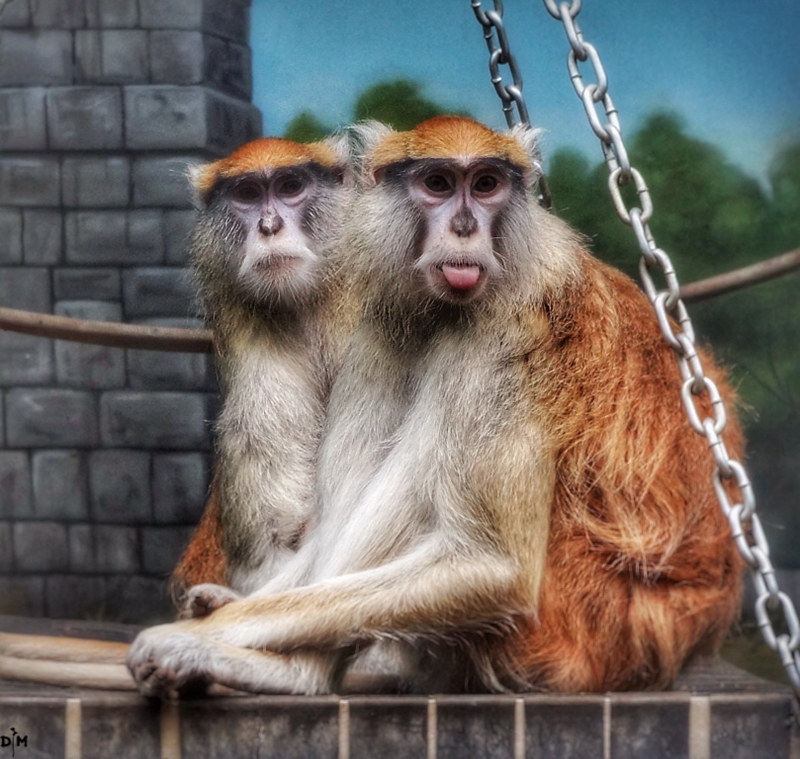
It is often said that monkeys do not like to see their face in the mirror. They tend to screech with explicit dental intimidation if they happen to find themselves in front of one. Whether it is outright abhorrence for narcissistic indulgences that eggs the simians to adopt such a stance or anything else remains unknown, but my litany of encounters with a few specimens illustrate that exceptions also prevail here as everywhere else. 

One sunny afternoon, a monkey sneaked in through the door left open by the domestic help who had stepped out to pick up woollens from the clothesline. Sensing positive vibes in the air, he proceeded into the living room and stood on his hind legs in front of a large full-length mirror, striking a confident, self-assured, and dignified pose to assess the overall look. When I lifted the curtain to have a full view of his antics, it was an invasion on his privacy and the facial expression of self-love melted into cheeky defiance. Before I could guess what would happen next, the monkey bared his clenched yellow teeth and raised a palm and gave a resounding slap that made a perfect landing on my face. 

As luck would have it, something more interesting caught his attention. The domestic help had just stepped in to discover my strange predicament. She genuflected at the threshold to pay obeisance to the unwanted guest. With such devotion on display, his mood changed from anger to happiness. While the monkey and my help gazed at each other, I quickly disappeared from the scene to arm myself with a stick for self-defence. When I returned, I found the monkey missing while my help was still lying prostrate. I had to bang the stick on the door to alert her and inform her that the monkey had left. She got up and looked around to check if he had gone out and concluded that the peaceful departure meant good luck for the house.

I said she was lucky he did not trample over her while exiting. I had missed his exit. I did not know whether the monkey swished his tail or made a quiet, unceremonious exit. The life-threatening experience was life changing as well. The domestic help kept on showering praise on the auspicious visit that would change my fortune soon. Perhaps the visit was too short – or it was the lack of gastronomic delight for the guest that deprived me of good luck. I should have served lemonade or cookies at least.

We were destined to meet again. On another afternoon, around the same time, I was caught unawares by the presence of another simian walking gracefully out of the open kitchen with a plastic jar of biscuits clutched firmly in one arm. I had just come out after having a bath when this scene exploded in front of my eyes. Though I was fully dressed to keep my assets safe, I was jolted by this free movement inside the house. What I could figure out without my spectacles was that this simian looked more feminine than the previous trespasser. Perhaps this was the companion, and she knew that this house had easy access and was worth visiting and exploring. While moving out, this one also made no rushed effort, as if familiar with the route. Was her memory sharper than mine? Honestly speaking, I often jumble up between exit and entry doors.

As soon as the monkey went out, some other of her flock descended from the roof and flanked her. She was quite skilled at pulling the lid off just like us. In no time, several hands took turns picking up digestive biscuits. Perhaps this good bonding has kept my clothes safe from any direct attack. Even if they are left out to dry, none of them make any mischief by pulling them off from the clothesline whenever they hop around in the compound in gay abandon. Before I could shout at any family member for this negligence, I was reminded there was no one else at home. I had been careless enough to have kept the door open when the courier arrived an hour ago. 

They had been to the living room and the dining space – also to the kitchen. The bedroom and the study escaped their notice till then. I was dusting my books. The door had been left ajar. It was the perfect occasion for another visitor to fall in love with reading. While I was busy shuffling and stacking up on the upper shelves, I turned around to see one monkey sitting in front of the computer, fiddling with the mouse and the wire. I was about to jump off the small ladder to save my gadget when the simian tapped on the woofer, identifying the source of soothing music. I descended quickly to pick up some fluffy cushions from the settee to hurl at his face and started to chase him away by making whoosh-whoosh noises. The monkey felt offended, lost interest in the gadgets and rose suddenly, hitting the keyboard with his behind, toppling it along with the music discs kept at the edge of the table. Once he left without creating a ruckus, I was relieved and hoped such an encounter would not occur again though this household was familiar territory for them. However, if surprises are in store, you cannot avoid them. 

On another day, when the puja ceremony for the vehicle was about to begin, a monkey came down from the parapet, picked up a coconut from the tray, and broke it into two right in front of our eyes. While he did the honours, the priest stood shell-shocked to witness the simian intervention that was timely, prompt, voluntary and intelligent to deserve a video reel that would go viral within hours. Wondering if he was trained for such impossible acts, he kept quiet. Sadly, not being prepared for this surprise deprived me of the opportunity to shoot a video.  I had to convince him that the monkey chose to do so out of his free will. We must appreciate his decision to help us during the auspicious occasion with active participation, to make ordinary mortals realise that they can also perform feats that humanity world thinks is only the human forte.

They still had the instinct to help though we have forgotten to help fellow humans and other creatures of this planet. It was a timely reminder that we need to wake up and start working towards making this world a better place again. On that sombre note, we concluded the brief ceremony and enriched our minds with a broader outlook. The priest would remember this all his life. As expected, the news of a monkey breaking the coconut bought many people to my gate, who came looking for darshan[1] of the trained resident monkey perched somewhere on the roof or a tree top.

[1] Holy vision

Devraj Singh Kalsi works as a senior copywriter in Kolkata. His short stories and essays have been published in Deccan Herald, Tehelka, Kitaab, Earthen Lamp Journal, Assam Tribune, and The Statesman. Pal Motors is his first novel.  


PLEASE NOTE: ARTICLES CAN ONLY BE REPRODUCED IN OTHER SITES WITH DUE ACKNOWLEDGEMENT TO BORDERLESS JOURNAL

Click here to access the Borderless anthology, Monalisa No Longer Smiles

Categories
Musings of a Copywriter

Camel Ride in Chandigarh

By Devraj Singh Kalsi

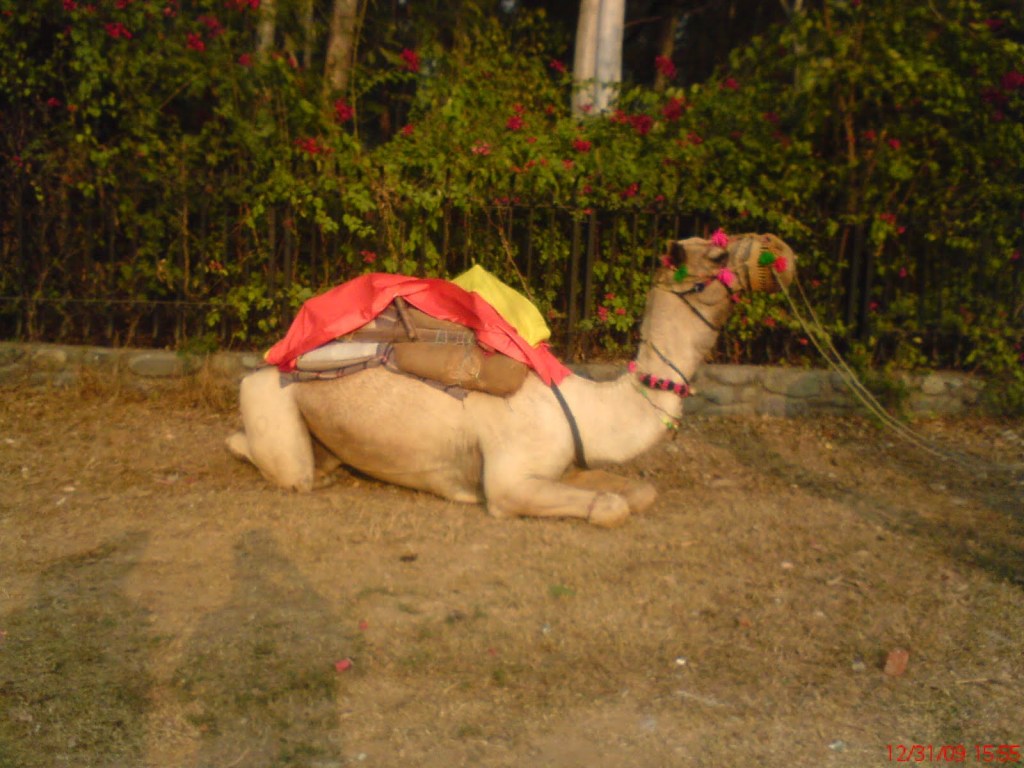
Camel in Chandigarh. Courtesy: Creative Commons

Many of us derive a high after a bout of successful bargaining without realising that the moment of euphoric win soon peters out, only to be replaced by an embarrassing defeat as we get snubbed without a dash of realisation that the same old game checkmates us at some point.  

Years ago, a bosom friend of mine found Rs 30 to be a whopping fee for a camel ride in Chandigarh. He did not add up the extra cost of transporting the animal from Rajasthan and denied the owner the legitimacy to charge at will, arguing that the owner would also be selling camel milk to recover its maintenance cost from Punjabis who would relish the refreshing change from the usual buffalo milk, without calculating the quantity of milk a single camel would deliver every day. He did not admit that the opportunity to experience what he would only get to ride in Rajasthan was made available in the local zone and, for that, he should be thankful to the entrepreneurial owner who preferred to bring a novelty item instead of a typical pony from the nearby hill state of Himachal Pradesh.

All he did was sit with the obedient camel tied to a pole, waiting for customers to approach him for a single round of a circular ride of the cemented garden track. My friend looked horrified when he had to shell out the fee before riding the camel, much like a pre-paid cab ride. As was his wont, he bargained hard and brought it down to Rs 20 before mounting the camel that observed the entire exchange in the sitting position, masticating something like chewing gum as the owner did and winking at him. After my friend had made himself comfortable, the owner whispered something, and the camel stood up without a fuss. My bosom friend looked confident and showed me a thumbs-up sign as if he was inside a fighter jet, ready to take the first solo flight. 

That the owner was up to some mischief became evident as the pick-up speed looked unusual. He pulled the strings and made the camel run faster along with him so that he could save some time to recover the loss in the ride fare. My friend’s growing discomfort was visible as the camel galloped faster than a horse. He closed his eyes and clutched whatever appeared in sight to prevent a fall. He was no trained horse rider either, and I ran behind the camel carrying my dear friend, like a morning jogger offering moral support, to grab him if toppled, requesting the owner to slow down and stop before something tragic happened. But he did not stop before the round was complete. 

When the camel reached a standstill position, the owner was breathless, and the animal waited for further instructions. My friend had started hurling slang words again to order the camel to sit down and enable him to dismount. Finally, after a while, the owner signalled in his preferred language set, and the obedient camel went down on his legs. My rattled friend came down with a hand on his back, almost ready to pounce on the camel owner for endangering his life, threatening him to report the matter and seek cancellation of his licence to operate the camel with tingling bells around the neck in the beautiful city of Chandigarh. I told him it was the direct fall-out of the bargaining process he did to invite this trouble. The camel owner asked him to disappear when another person approached him for a ride and paid the total amount. He went around the park in a slow, languid manner. This pleasant sight further angered my friend. He agreed that the owner took nasty revenge in this manner and threatened to get the camel seized by using his contacts. He tried mobilising the small crowd against him, called him a rough driver who would have been lynched, beaten up black and blue. But nothing happened as the people looked mighty impressed with the novelty and instead blamed him for bargaining with a poor man to be as offensive as cheating and exploitation. 

He narrated those terrifying minutes in greater detail as he felt it was a close shave with death. He saw the gates of heaven open up for him as he closed his eyes to envision a Saviour. The chances of a heart attack were the highest during this brief phase. What he expected to be a leisurely ride had turned out to be nightmarish, and he blamed me for not lending him vocal support. He had conveniently brushed aside the bargaining gaffe and concentrated on the life-threatening outcome. He asked the camel owner to pay for an ointment to heal his painful back, but he took small steps and slipped out to serve another customer who was ready to mount despite the dire warnings of my argumentative friend in accented Hindi. 

As it is clear, my bosom friend was taken for a bumpy ride no less thrilling than a giant wheel ride as he drove a hard bargain. The camel owner also applied his tricks to outsmart him, proving again that the best bargaining deal often invites trouble for the one who hails himself as the big winner but ultimately ends up as a big loser. 

.

Devraj Singh Kalsi works as a senior copywriter in Kolkata. His short stories and essays have been published in Deccan Herald, Tehelka, Kitaab, Earthen Lamp Journal, Assam Tribune, and The Statesman. Pal Motors is his first novel.  


PLEASE NOTE: ARTICLES CAN ONLY BE REPRODUCED IN OTHER SITES WITH DUE ACKNOWLEDGEMENT TO BORDERLESS JOURNAL

Click here to access the Borderless anthology, Monalisa No Longer Smiles

Categories
Musings of a Copywriter

Back to the Past

By Devraj Singh Kalsi

Courtesy: Creative Commons

It was a stage of life when we were friends without knowing the meaning of friendship. Just like that. As we grew up and grasped what friendship meant, we lost the capacity to nurture unconditional friendship. Although we rarely admit our incompetence to strike genuine bonds, we always make tall claims of being real friends for life. Utter one word that pricks a friend’s ego, and you are thrown out of the chat room with collective opposition to make you a pariah forever. It is the equivalent of being punished by the schoolteacher who made you stand outside the classroom for disturbing the entire class.

Attending a grand gala reunion organised by school friends offers an opportunity to revive and relive childhood memories — although the attendees are more engrossed in observing your receding hairline or the protruding belly. Your grey hair reassures those with jet-black hair and gives the scope to suggest effective herbal therapy. Your glowing skin stirs jealousy, and curious friends, eager to dig up the secret of your taut skin, surround you. Tell them you apply nothing to nourish it, and they conclude you are simply masking the truth.

If you have been stylish during childhood but now prefer simple clothes, get ready to be accosted by a friend who flaunts branded apparel and tries to draw your attention to his fancy imported jacket by raising its hood again and again.

Life is strange, and meeting childhood friends makes you realise this bitter truth. Those who were the most dignified and sober types have turned out to be drunkards. Those who never used a cuss word now hurl abuses as an energy booster. Those who wore tidy shoes have turned out to be careless about polish. Those who were always late have now become punctual in life. Those with a strict routine for everything have no routine to follow. Those who never laughed or cracked a joke in school have become humorists. Those who were toppers have become showstoppers of a different kind. Those fond of reading books now dread owning a bookshelf. The compulsive liars have become worshippers of truth. Those friends who never said prayers have now become staunch devotees. Life has its unpredictable ways of shaping people and their destinies.

In a reunion, you meet old buddies and see how they have changed, grown, or decayed in the intervening decades. Although I do not attend these reunions, it fascinates me to wonder how they get the wavelength right to connect. Dance, swing, or hop to revive bonhomie? Do they stand in a queue and pass through the school corridors? Do they enter the classroom and sit on the last bench? Do they fiddle with the chalk and duster to sign their flamboyant designations and titles? Do they revisit the loo where they discovered their youth? Do they stand or jostle near the tap to drink water and then splash it on friends for aqua fun? Do they huff and puff and yet run and climb the guava tree or dangle from its lowest branch in a brave and desperate show of fitness and agility that they have lost? Do they shake an arthritic leg with a fake smile? Do they try to appear healthy and hide their blood sugar levels by gorging on sweets? Do they sprinkle table salt on chops and cutlets to show hypertension has left them untouched? Well, it is a heroic attempt to present the best side with a smiling visage.

Such impulses get the better of you in your middle age when you realise the risk of dying of a sudden heart attack looms large. Before you depart, you wish to meet these childhood buddies and relive the lost innocence. You are back to your primary school — as those were the days you lived without stress and shared without ulterior motives. Life was good, but then you wanted a life of your choice — to carve a niche, rise, and race ahead. The world beckons you then, and now your town of birth makes you feel this had been heaven on earth. Yet, it was the place you were eager to leave to explore the world. Now you have done everything, so you want to return to where it all started. Just another wish like the one that made you navigate the world for golden opportunities.

Now you want to sit under a shady tree and philosophise whether you have lived a good life. Deep inside, you realise it has been a mixed bag, and the cycle is almost complete. You want to slow down and enjoy what you lost or left behind in childhood in a somewhat apologetic way, and you want the company of friends who share a similar worldview now. The future holds no promise of anything worthwhile. But there is a lot in the haystack of the past to cherish and relish. Remember the jam and jelly and butter toast in the tiffin you shared. Perhaps the joys of a simple life pull the heartstrings, and those childhood friends allow you to be yourself and help you recognise the person were and have left behind to a long forgotten past.

Devraj Singh Kalsi works as a senior copywriter in Kolkata. His short stories and essays have been published in Deccan Herald, Tehelka, Kitaab, Earthen Lamp Journal, Assam Tribune, and The Statesman. Pal Motors is his first novel.  


PLEASE NOTE: ARTICLES CAN ONLY BE REPRODUCED IN OTHER SITES WITH DUE ACKNOWLEDGEMENT TO BORDERLESS JOURNAL. 

Categories
Musings of a Copywriter

Of Mice & Men

By Devraj Singh Kalsi

Courtesy: Creative Commons

Waking up in the ambrosial wee hours of the morning to find my silk scarf dragged to the bathroom door sent shivers down my spine. I suspected the sneaky presence of a stranger in the house, most likely a petty thief who fancied this extravagant piece of clothing around his neck to rev up his vagrant style. Rattled by this intrusion, I turned around, with one eye stationed on the wall. I tried to track shadows lurking behind me to hammer my moderately creative head. Nothing appeared in sight or peripheral vision, so I looked up for open ventilators or any broken windowpane to unravel the mystery of the great escape of an agile thief who decamped with more valuable stuff than what had come to my notice so far. 

Picking up the scarf and dumping it in the woven basket, I retraced my steps to enter the bedroom and checked the cash box in the wardrobe. I was about to step in when something scurried very fast along the base of the wall in front of me, squeaking behind the refrigerator in search of a haven, probably feeling scared and jittery of a predatory attack and sending distress signals to its fraternity to stay holed up underground. 

The supposed culprit – a squeaking rat – had made a fleeting appearance. I confess I do not possess the olfactory vigour to smell its presence like many others do. But there was no denying the fact that there was a family of rats residing at my address without my knowledge and permission. The tell-tale signs were their droppings splattered on the marble slab in the kitchen and the dining space. One rat would surely not have such a bulky output even if it enjoyed a wholesome feast every night. Besides, dragging my silk scarf was a specimen of well-orchestrated teamwork.  

As the storytelling instinct does not let go of an opportunity to find a crack for a new narrative, the presence of a ghost could well be another strong possibility. Possibly the rat was not the culprit but the saviour to chase away the spirit in search of salvation or relief from the wintry chill as it rested on the mango tree in the backyard. Spirits enter and exit through closed doors and windows with ease, so this was another fascinating interpretation that engaged me for a while when I traced no sign of pilferage in my wardrobe. 

Since I had witnessed the presence of a shy rat lacking the courage to own up its mischief, I was inclined to go with this credible version. With another rat collaborating to displace my favourite scarf. It was quite a distinct possibility though I was yet to attach a motive to it. Were they just trying to foment trouble in the household? Were they having good fun with my scarf to end their boredom? I had checked the scarf for possible tears but it bore no sign of violence. 

I must praise their good behaviour and upbringing. Though they could have wreaked havoc on my belongings lying in the open, they exercised remarkable restraint. Or perhaps, they had damaged things I had not examined yet. Maybe, the cloth bags, the plastic containers on the kitchen shelf, the woollen carpet, or the backside of the leather sofa were what they preferred to bite into. On the upside, there was still no clinching evidence of their destructive avatar in the household. Playing the devil’s advocate, I thought the rats tried to take my scarf to the washroom and plunge it into the water drum to serve me a reminder. Washing it was a pending task for quite some time. The stubborn stains of tomato sauce on the scarf were unlikely to go away if there were any further delays.  

Instead of thanking them for the timely assistance, I chose to be thankless, like humans tend to do all the time. I preferred to place a rat trap with irresistible bait: jam cookies for dinner. With those tantalising pieces dangling from the iron hook inside the wooden box, a fool-proof trap was laid, like those gorgeous dresses displayed to entice shoppers into a store. The rat trap was not big enough for the pair to walk into comfortably without jostling for space. However, in the cover of darkness, I was sure at least one would go inside to fetch the gourmet food while the partner waited outside, just as a biker ducks into a takeaway snack counter and his pillion-riding girlfriend guards the bike. 

My concern regarding the safety of bestselling books was paramount though I was okay if they chewed the books written by me, to cut their teeth and gain experience of what they were best at. I was impressed with their perfect coordination, fighting like a healthy couple, making a big noise on piffling issues but staying united to stave off external attacks. 

Getting the rats out of their hiding place was a problem that plagued me. I hoped the bait would work as a talisman for me. But deep within, I thanked them for doing good work instead of damaging the items. This was a radical change that deserved praise instead of this brazen attempt to evict them. Human beings find innovative ways to eliminate rivals of all species. My eviction drive was a moderate and tolerant act though I had the freedom to snuff out their precious lives with a mild dose of poison sprayed on bread crumbs or try a glue mat that immobilise them once they have stepped on it accidentally and keep screeching for relief till their last breath.  

I thought the next morning I would push the wooden box out of the house, lift the cage door and set it free to roam the big, bad world instead of remaining cloistered here. But the rats were intelligent and clever to guess my moves. Staying close to books led to some transfer of knowledge. I saw the trap door still open and the jam cookies lying untouched. It proved to be quite a greed-resistant pair, unlike human beings. Let me not read too much into it. Maybe they were fasting that night, maybe the cookies were placed a bit too far beyond their reach, or maybe, they were having something yummier than what I had served them. 

The next day, I placed the same delicacy in a different spot. Closer to the cavity behind the door to shorten its travel distance and switched on a mellow yellow night bulb for ease of movement without stumbling in the dark. It would be quite a romantic setting for the couple to waltz for a while before getting inside the cosy cabin to feast on jam cookies.

I was growing impatient to get them inside the rat trap. By hook or by crook. Surprisingly, this time it worked. Early in the morning, I spotted a long tail swishing. Curious eyes looked at me with horror and betrayal. There was a tacit appeal to reciprocate goodness just as they had been good to my belongings even though they had the power to ruin everything. I dragged the box out of the house, wore the gloves of a gardener, and put on a mask as if I were about to perform a surgical experiment. I pushed the wooden box down the stairs and it was a tumble, a freefall, a deep dive like a car plunging into the deep gorge from a mountain road. 

The world of the rat also turned as topsy-turvy as mine. When he finally crashed and landed on the cement floor with a thud, the shocked rat recovered from the initial rude jolt and looked through the grille at the vast blue sky before establishing eye contact with me. I pushed the entrance door open to set him free. He came out quickly and vamoosed, taking a diagonal route to enter a pesky neighbour’s compound. This was my unintended gift to his house but I hoped the rat would make it hell for him, and settle scores on my behalf, for dumping all his dry waste in front of my house to keep his façade look super clean.  

I abandoned the gloves after the successful operation and washed my hands with anti-septic liquid before going for a breakfast of oats. A day of peace later, I found disturbing noises again. Deprived of its companion, the surviving partner in the household was making fervent screeching pleas to be reunited. I was afraid she would seek revenge this time so I should get it out at the earliest.   

I was mistaken in thinking trapping her would be a challenge. The rat was more than willing to be trapped as it knew this was the vehicle that carried its partner away. Placing a bit of walnut cake slice inside the rat trap allured the survivor though I knew she would have stepped in even without the bait. I found her lying inside listlessly the next morning, without any visible effort to move an inch. She was eager to be ferried out of the house. So, I did what was necessary.

When I finally set her free, she went in the same diagonal direction the earlier one had gone even though I did not provide any clues or hint of direction to proceed. She was rather quick and entered the compound of the same pesky neighbour who would now have two unwanted guests in his elegant villa. 

I know they would recollect memories of happy days spent in my humble abode and glorify my benevolence. I set them free, but they were destined to be united again. Even if the neighbour poisons the two after detecting their presence, they would still be happy to die together instead of living sad lives in separation. 

Courtesy: Creative Commons

Devraj Singh Kalsi works as a senior copywriter in Kolkata. His short stories and essays have been published in Deccan Herald, Tehelka, Kitaab, Earthen Lamp Journal, Assam Tribune, and The Statesman. Pal Motors is his first novel.  

PLEASE NOTE: ARTICLES CAN ONLY BE REPRODUCED IN OTHER SITES WITH DUE ACKNOWLEDGEMENT TO BORDERLESS JOURNAL

Click here to access the Borderless anthology, Monalisa No Longer Smiles


Categories
Stories

Till Life Do Us Part

By Devraj Singh Kalsi

Courtesy: Creative Commons

The Duggals had received their first invitation to attend a grand reception organised to celebrate the divorce of Upasana Malhotra, the only daughter of a reputed steel magnate diversifying into organic agribusiness. Having lived in the same colony before fortune ferried the Malhotras away from the middle-class neighbourhood to a posh locality teeming with industrialists, the Duggals were the only family they shared close ties with decades ago. The same affection remained in place even though their visits happened only on special occasions. So, it was a surprise for the Duggals to be invited again after three years to the same household where they had gone to bless the couple exchanging vows for continuing wedded for life.  

More startling was that the girl possessed the courage to throw a lavish party, inviting distinguished guests who came to her wedding party to re-appear, bless and congratulate her again for her decision to leave the Poddar surname attached in haste. After a breezy romantic courtship that blossomed in a top-notch US university campus, the much-talked-about marriage solemnised three summers ago hurtled to a premature end. The Duggals knew it was one of her crazy ideas to celebrate the mutual separation ostentatiously and showcase the event for public consumption, with attendees looking baffled about how they should behave on her D-day (read Divorce Day). 

As the Duggals were flabbergasted, they sought the help from Google to find out more about such parties. They could not find ample content to clarify their doubts, so they sought help from their tech-savvy son, Shamsher Duggal, who called up an event manager friend to dig up details about divorce parties. She said there were no separate rules to follow, and it was just held the way marriage parties are held, with much scope to innovate for the couple. The guests were expected to maintain the usual decorum and focus on wine, food and music to celebrate the bright future for the divorcees. Shamsher asked his parents to keep the Charh di Kala[1]approach in mind, to calibrate themselves with the equivalent of joie de vivre: stay indulgent, in high spirits to mint fresh memories of fun and enjoyment.  

Mr Duggal kept gazing at the invitation card delivered by courier, running his podgy fingers on the embossed letters. It was fancier than any marriage invitation card. The gold-plated card glittered, perhaps indicating the glittering future after the mutual separation that was to be formalised at an auspicious hour. The names of the couple and their families were mentioned along with the programme schedule, with the Lord’s name emblazoned on it to suggest this separation was being formalised with divine blessings, to thank Him for mercy and saving the couple from a boring life together. 

Freedom at midnight is always good as it heralds a new dawn. The midnight timeline for the divorce echoed in a similar strain. The couple would wake to a new life of freedom after their tryst with matrimony. The big idea behind the invitation was to come and bless the separating couple with tons of happiness in their post-divorce lives. The creative note was penned by a professional copywriter who gave it a spin and hyped it to such an extent that it seemed missing this event would be the biggest blunder for couples who had experienced the beautiful side of getting hitched but not the equally, if not more, wonderful side of getting ditched. When Mrs Duggal picked it up to read, those emotional lines struck a chord with her and filled the gaps in their marriage. She looked at divorce through the prism of optimism.  

Mr Duggal, yet to recover from the initial shock of being invited to attend the divorce party, found it challenging to customise his expressions to suit the occasion, to look happy like he did when Upasana married this guy three years ago. He remembered sharing with relatives and friends the video clip featuring their energetic Bhangra dance to show how charged they were as a doting, retired couple.   

“Do you think we are expected to bless them again? Isn’t it a farce? Grooving and smiling would be tough, isn’t it? Those vivid memories of blessing her would haunt me. What is the need to hold this function? What are they trying to prove? Mocking at the institution of marriage? Don’t you think they are making a grand show of putting up a brave face when misfortune looms large? Check the program list. Leading pop singers from the film world are going to perform live,” Mr Duggal went hammer and tongs.

“They are not going to sing sad songs of separation. Not your favourite dard bhare geet. They wish to celebrate divorce as a happy occasion – the harbinger of good times. A peppy show loaded with dance and masti[2]. Frankly, I am impressed with her plan, no matter what you say. Chalo[3], let’s not waste time. Choose my dress and matching jewellery, so much to do. Stop brooding and decide which suit you want to wear or buy something traditional,” Mrs Duggal showed her positive frame of mind for the special event they were privileged to attend. Finally, she would have something unique to discuss at her kitty party next week.

Mr Duggal was not in high spirits, unlike his wife who got another opportunity to look fabulous and interact with the upwardly mobile guests she had met at Upasana’s theme wedding. When he mentioned the name of the sensational singer, Mrs Duggal slipped into dance mode, visualising it to be awesome.  

“Our blessings are mere formality; did not mean much the last time and it is not going to matter this time again,” Mr Duggal tried to get her back on a serious track.

“Oh Sardarji, come on, you know it is all like that. Do not ruin the fun part. They have entertainment. We ate a gourmet dinner last time. Expect the same this time. They are sweetly mocking the institution of marriage so let them do it. Relationships are like that only today. Here, we carry dead relationships on our shoulders and try to revive them instead of ending everything on a bitter-sweet note,” Mrs Duggal offered her worldview without sounding preachy.

“So, you mean our marriage can also go to the rocks one day? Our four decades of marriage can crumble,” Mr Duggal expressed concern, “In case you have such intent, do let me know a year in advance so I can prepare and plan my future, and get check-ups done to avoid cardiac arrest. But if you decide suddenly – just give me a slow disclosure so that the shock does not upset my weak but vital organs,” Mr Duggal pleaded with her in a lighter vein.  

“Now stop worrying about your fate and go and ask if Shamsher would join us,” Mrs Duggal tried to reduce his anxiety.  

“Has he ever been anywhere with us in the last ten years? No point asking and getting the same standard reply,” Mr Duggal furnished his bland refusal.  

“He was not asked to accompany us to Upasana’s wedding. They were friends in childhood. Maybe now you can ask if he…” Mrs Duggal tried to persuade him.

“You remember so much. Anyway, since you insist, I am seeking his presence. Did he complain he was not asked to go last time?” Mr Duggal asked with curiosity.

Mrs Duggal kept mum, waiting for him to understand something without words.

Mr Duggal went and knocked at his son’s frosted glass door and asked if he would like to go.

Instead of refusing, he said he had an important presentation that evening so he would stay home for the project.

“I told your Mummy you are not a party-loving guy, but she insisted I should ask you to join us. When will your mother understand you as I do?”

*

Mr Duggal rummaged the wardrobe looking for a suitable blazer and trailed a volley of queries after informing her that Shamsher was not joining them.

“Do you have any idea how we are going to behave there? I mean do we look sad or happy? I am bad at faking, you know that. Are you going to give them bouquets separately?” Mr Duggal fired a big one.   

“Not decided. But yes, better if we give one each separately. You give to Upasana, your missed Bahu[4]. And I will give her divorcee hubby. Don’t think so much. They are happy to heal this way, so why should we grudge? We are invited – go and enjoy. Be practical like them. Just chill,” Mrs Duggal gave sound advice to make him comfortable.  

Mr Duggal was not okay with this whole idea. He thought this was intended to make fun of marriage although his wife and son were on the same page in this matter and hailed it as a progressive step.

“I am clear I am not going to bless them again,” Mr Duggal stressed with raised eyebrows, “I know the Malhotras will be upset doing this tamasha[5]but Upasana is forcing them to stage this show.”  

“Whoever has planned it, at least some people got work, some organisers, catering guys, bartenders, and DJs. Money is flowing out of the tycoon’s coffers for a divorce party that is just like a farewell party. Touchwood, I am super excited. I am going to wear a silk Sharara[6], and diamond jewellery for the divorce party,” Mrs Duggal revealed her plans.

Shamsher joined their discussion late and cheered for his mother and persuaded her to buy a flashy suit for his father, maybe a tuxedo.

When Mrs Duggal mentioned this divorce party, none of her friends reacted with excitement as they were not invited. It was a matter of privilege for the Duggal family to be invited. Upasana liked Duggal Uncle when her father was not super-rich. As good family friends, Upasana bonded well with Duggal Uncle who gave her strong lessons to be independent and brave like a boy child. This gender parity thing was a gift from Duggal Uncle who wanted her to be free in her choices.

“You are the one who put those modern ideas in her at that young age,” Mrs Duggal accused her husband of being the real culprit.

There was no denying the fact that Mr Duggal never discriminated against based on gender and encouraged girls to follow their dreams. He had encouraged his sister to join the medical profession. Considering Upasana to be just like his own child, he gave her genuine advice as her father was busy expanding his business empire.

*

On the day of reception, the Duggals walked in, decked in their best. Upasana spotted them from a distance and walked down the aisle to receive them and hugged them after touching their feet. She had not forgotten the traditions. Mrs Duggal congratulated her for being bold enough to walk out of a loveless marriage based on presumptions. Citing this as the most probable reason, she went ahead with examples of women from her community separating fast. As they reached the dais where the florally decorated, chairs for the split couple were arranged, her ex-hubby greeted them with folded hands and shook hands with Mr Duggal who almost squeezed it in true Punjabi style, and his smile almost dried up under pressure.  

“Nice, you are leaving Upasana, not made for each other type actually,” Mr Duggal said to the former groom, Puneet Poddar while releasing his hand from his firm grip. Mrs Duggal offered him a bouquet of roses and congratulated him on his quick release from the marriage cell with a sardonic smile and an avancular peck on his chubby cheek.   

Trying to appreciate her sense of humour, Puneet Poddar reciprocated with a half-hearted smile and claimed it was his idea to throw a party and seconded by Upasana. “The real purpose behind this party is to meet you, guys. All those who attended our marriage got the invite to this party – from both sides. Our families loved this idea and gave the go-ahead to end it on a happy note,” Puneet explained briefly to the Duggals and guided them to settle in the front row seats on the other stage put up for the gala musical night.   

Mr Duggal wanted to meet the Malhotras first and asked him, “Where are your parents and in-laws?”

Mrs Duggal went to reserve the best seats for the music show while her husband continued the chat with Puneet Poddar who informed their parents that were together, formalising last-minute plans of setting up a new company abroad.

“Son and daughter are separating but the parents are forging a new bond?” Mr Duggal looked stunned.

“That is the beauty of our separation, Uncle. No bitterness. They remain friends and come closer while we call it over. They clicked as business partners, but we did not as partners. Simple as that.”  

“This is something unique, never heard of, dear, business interest supreme,” Mr Duggal admitted, “very practical, beta[7], loving it now.”  

“Honestly Uncle, we all are happy, we are beginning new lives,” Puneet Poddar asserted with a dash of confidence.

“Where did Upasana vanish? Let me find her.”

“Must be busy with her girl gang inside,” Puneet said coldly.

Guests started trooping in with gift hampers and the band of musicians arrived on the stage. Mr Duggal looked around and found the best whiskey.  

Contrary to Mr Duggal’s expectation of tearjerker numbers, sad songs of the Rafi-Lata-Kishore era being played out in a remix version, or some Ghalib ghazals, the band started jamming on peppy songs of freedom and carefree living and travelling the world. Perhaps that was the brief: celebrate freedom and free living. The dance floor rocked, as couples of all age groups began to waltz. The laser beams flash here and there to create colourful images of a happy crowd enjoying every moment of the party, with dozens of cameras zooming and capturing the party from various angles.

The couple that was breaking up could be spotted together on the stage, flanked by their parents for the last photo-op. The press guys went click, click, click.

Mr Malhotra held the mike and spoke with verve, “We are glad to have you all with us on this happy day, to wish the separating pair the best for their future lives as independent people in their solo journeys.”  

He gave it to Puneet to utter a few words, and he trundled out a stirring speech. “It was a wonderful journey of three years, and we realised this is all we had to share. No question of remarrying but remaining focused on living as free souls. Marriage is not fit for our nature and temperament. I am not marriage material. I guess we both have this trait in common. These three years have convinced us. There are many more like us who keep quiet and continue. Not us because we have choices. I was lucky to have Upasana who realised the same, and we gave each other the best gift possible. Freedom. If marriage was wrong, divorce is right.”  

Puneet Poddar won a legion of admirers with his speech, and the guests expected Upasana to say a few words to surpass him.  

Upasana picked it up from where he left, “Yeah right, marriages don’t have to be dysfunctional and then end in a split. Even apparently peaceful and stable marriages can end without raising a flutter. When beautiful things unfold in our lives, more beautiful than marriage that impedes and dilutes the experience, marriage should give way to that beautiful future we cannot share. Our lives cannot be beautiful together, not as much as our separate lives can be, and we realised it,” Upasana poured forth, “perhaps we come across as selfish, but if the sole focus of marriage is to make two people happy forever, we felt we were not going to make it as a couple. Better to part ways as friends who tried out marriage but thankfully did not suffer in it.”  

The thunderous applause for her fiery words paled everything else into insignificance and glorified their divorce.  

*

The priest who had come to perform their marriage rituals had come for the divorce. His presence was needed to bless them again for a new phase. His holy presence would be seen as auspicious for their divorce. After blessing them on stage, he came down and went to have his quota of snacks and drinks.

Mr Duggal bumped into him and held his arm, “Arrey[8], Sharma, where are you running and with what?”

 There was a glass of drink in his hand, and he claimed it was nothing but a cold drink.

“When did I say you are having anything else?” Mr Duggal quipped.

“Sardarji, the couple took the right decision,” the priest confessed, before taking a sip, “Their stars did not match, but I got paid extra to match everything. There is a defect in the birth chart and a big chance of a fatal accident if they remain married for five years. This is the real reason for the split, I am telling you. But anyway, it is a new experience for me. I am enjoying a divorce party for the first time at fifty-five. I have performed hundreds of marriages, and many couples split up in courts, but nobody tried this. Congratulations to their families, and hope this inspires more couples planning to split, to follow suit.”

Mr Duggal was not the superstitious type, and such disclosures did not cut much ice with him. Polishing off the drink, the priest went to relish paneer butter masala[9]and kulchas[10]while Mrs Duggal remained busy in the chaat[11] stalls and savoured scoops of gelato ice cream.  

The parents of the divorcing couple ate together while the pair was busy with their bosom friends. Everybody seemed to enjoy the evening, except for Mr Duggal who felt a tad remorseful as this was not what he was expecting to happen. Since everyone seemed happy, he had no reason to feel sad. Puneet was a nice man and what more do you need than a nice person as a life partner? He could not answer that for himself and realised nobody knew for sure what they wanted in life but knew only what they wanted at a particular stage of life.

The priest disappeared to gorge more kulchas while Mr Duggal set forth to take charge of his wife, who was careless regarding her sugar intake. She seemed to have enjoyed the sweets — all alone. With Mr Duggal reminding her of dietary restrictions, she lost the sense of freedom and almost threatened to leave him, “Stay away, or there will be two divorces today. Let me indulge in what I like.” Mrs Duggal made it resoundingly clear.

Mr Duggal felt scared of divorce at his advanced age and let her have her way. He went to listen to the music band singing some peppy chartbusters from across the world. Soon after, they wanted to leave but the divorcing couple and their parents were nowhere around. They moved out quickly without informing anyone except the priest who trailed behind them to the exit gate. Mr Malhotra was already at the gate when he saw them. He gave a warm hug and apologised for being tied up during the entire evening, “Thanks for coming, yaar[12], our friendship from Model Town days survives despite everything. Upasana was closer to you than me. She still misses Bhabhiji ke Chhole Bhaturey[13].”   

On the way home in their hatchback car, Mr Duggal could not convince himself whether this was all real or fake.

“When people appear madly in love after marriage, it is also far from real,” Mrs Duggal hinted how a façade is always in place, “Forget everything, it was a good freak-out session. I enjoyed the music, golgappas[14], chaat and ice cream flavours like mint and paan[15], just wonderful. I remember that. Nothing else. Perhaps divorce is not a bad thing after this. The lesser burden on our courts. You have to admit they set an example. End it without scars and bruises, without social stigma. The same people who attended the marriage were present at their divorce, so hopefully, they will not badmouth them. I won’t be surprised if this catches up fancy and becomes a trend here like in the West,” Mrs Duggal gave her candid views while Mr Duggal focused on driving safely to negotiate the final bend near their house.   

“Perhaps you are right,” Mr Duggal agreed as he stopped the car at the entrance. Shamsher came out to open the gate and asked,” So how was your party, guys?”

“Oh, it was lovely, beta. You should have comewith us. I have something for you,” Mrs Duggal gave him the box of laddoos[16] they were gifted before leaving the party ground.  

While Mr Duggal parked the car in the garage, Shamsher opened the designer box and saw the printed photo of Upasana, with a thank-you note.

“Like Shaadi ka laddoo[17], this is divorce ka laddoo, taste it, beta,” Mrs Duggal teased her son who was unwilling to marry even though he was close to forty.  

When they entered the living room, Shamsher went to the upper floor and stood on the balcony. Mrs Duggal sent his father upstairs to check his emotional state. Mr Duggal came and placed his hand on his son’s shoulder.

“Did you like Upasana?”

Shamsher did not turn around to answer the question. In the meanwhile, Mrs Duggal came upstairs slowly with her arthritic knees, and responded on his behalf, “What will this coward say? He could never say it earlier. Always busy with computers.”

Finding him unusually quiet after this salvo for the first time in years, his parents left him alone to regain emotional composure. However, his silence answered a lot.   

 “You knew all this?” Mr Duggal asked her after reaching their bedroom.

“Of course, I am his mother. I can sense that. I know his feelings better than you do,” Mrs Duggal shot back with confidence.

“But you never said it to me. Maybe I could take it up with her,” Mr Duggal said.

“But I was not sure if she was also having the same feelings for him,” Mrs Duggal explained to justify her silence.

Shamsher recollected the three years he and Upasana studied in the same school together. Then she left the locality and was admitted to a girl’s convent. Later she left for the US to pursue higher studies where she fell in love with Puneet Poddar who was studying on the same campus. Some mutual friends kept offering updates though he never established contact with her.

Shamsher picked up one laddoo from the box without hesitation and put it in his mouth. The saffron flavour was awesome, cooked in desi ghee[18]. His smile of satisfaction grew wider as he stuffed another laddoo – to celebrate their divorce and gave a hearty laugh to release his residual feelings of childhood love.    


[1] High spirited

[2] enjoyment

[3] Come

[4] Bride, daughter-in law

[5] Show or event

[6] A loose trouser

[7] Son

[8] Oh!

[9] A preparation of cottage cheese

[10] A kind of Indian bread

[11] Savoury snacks

[12] friend

[13] Sister-in-law’s chickpea curry with fried flatbread

[14] Savoury snack

[15] Betel quid regarded as a digestive after a heavy meal

[16] Sweets

[17] Wedding sweets

[18] Homemade clarified butter

Devraj Singh Kalsi works as a senior copywriter in Kolkata. His short stories and essays have been published in Deccan Herald, Tehelka, Kitaab, Earthen Lamp Journal, Assam Tribune, and The Statesman. Pal Motors is his first novel.  


PLEASE NOTE: ARTICLES CAN ONLY BE REPRODUCED IN OTHER SITES WITH DUE ACKNOWLEDGEMENT TO BORDERLESS JOURNAL.