By Devraj Singh Kalsi
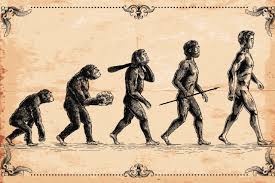
In the evolutionary journey, we have achieved a lot to feel proud of. In the gradual process, we have lost something that could have proved to be an asset. However, there is no human record of regret ever registered to mourn its absence or disappearance. Instead, the actual loss is interpreted as a tangible gain for the entire human race that would have suffered a slowdown if the tail had remained an organic hurdle attached to our lives and bodies. Getting rid of it before we acquired the present shape and structure is, therefore, considered a divine blessing except by some crackpots who indulge in overthinking to find novel ways of making the tail relevant to human lives once again and shift perception in its favour through a robust narrative listing its utility value in a tech-driven world.
The tail remains alive in our vocabulary as many fellow inhabitants from the animal kingdom continue to sport it with style. Some cricketers are called tail-enders and heads and tails phrase is still relevant when it comes to tossing a coin. The aircraft went into a tailspin and so did the share prices – thus, it’s used in popular parlance. We have plenty of examples in various cultures, communities, and languages where the tail is fondly quoted for wisdom and comic relief but the ideas of strength, flexibility, and relevance are always derived from its appearance and existence in other animals, big or small and meek or beastly, to feed our collective imagination.
The tail would have been cumbersome for people already struggling with time management in the fast-paced world. The extra weight and length would have complicated mobility and added to maintenance costs. While there are multiple benefits of being born without a tail, the presence of the long rope-like appendage would have added the excitement of improvisation and made human beings look more animal-like, although they are already fiercely competitive in displaying beastly behaviour. Since nobody finds the time to focus on the aesthetic appeal and the swag the possession of the tail imparts to an animal, the side of beauty of the furry extension gets completely overlooked and the possibility of its attachment to the human body sounds more like a scary proposition rather than a meaningful addition.
Thinking of the tail gives handle to wild ideas. Imagine a ramp walk – or a cat walk – with super models of all genders flashing the latest apparel and strutting the stage with a tail sashaying behind to make them resemble flashy fashion icons. It is just the beginning of how the tail would acquire space in the minds of the young generation and the extent they would go to bring it back to their lives – opting for artificial ones to make themselves look different from the rest. Such a trendsetting development would raise further demand for the tail and the universe would receive messages for its re-introduction.
Losing the tail has cut us off from the animal world but we still tend to commit bestial acts by calling ourselves distinctly different in appearance from other tail-bearing animals. We boast of getting rid of the tail that is common to four-legged creatures such as dogs, donkeys, cats, cows, elephants, pigs, horses, tigers, and lions. The loss of the majestic tail, if one looks intently at animals, stokes feelings of envy and deprivation at times. The movement of the tail reveals a lot: when the dog experiences joy, the wagging of the tail is natural, mirroring how the pet feels inside. But a smiling human face, even that of a close friend, hides true feelings and often misleads. Maybe, the tail attached to human beings would become a true indicator of the state of mind, a kind of lie detector that exposes everything that the human face hides.
The wild horse of imagination is galloping fast. Designers would get the chance to explore innovative ideas of how to cover or style up the tail. Had the prized object been foldable or a wrap-around-the-waist type, unique ideas of carrying it like a belt could have been tried out. For menfolk, the tail would be easier to flaunt as a stylish accessory. For women, having managed long, flowing hair reaching below the waist, they are naturally adept at sporting long tails without fuss. Besides, the tail promised to be a safety weapon. With spikes erupting on its surface to shield the female sniffing danger of any kind. The tail could stiffen at the right time and prevent episodes of harassment in public spaces, inside crowded trains and buses, acting as a preferred, reliable tool of self-defence.
The furry tail could open up new businesses, with the introduction of a new range of tail-care products that include shampoo, oil, cream, and moisturizers. The beauty parlours struggling for more revenue would get clients looking for professional tail grooming sessions. Tail colouring products of the herbal kind, tail combs and glittering tail clips would deluge the market. Colouring the tail to match the outfit would become the new craze. If the same colour provided by nature turned dull and boring or lost its sheen, the person would have the freedom to colour it differently again and again.
With global temperatures rising, the tail could possibly work as a natural coolant for the body, warmer in winter and cooler in summer, allowing adjustable options. Toilet seats and chairs of all kinds would be redesigned to accommodate the new part of the human body. This would perk up trade and business, with the introduction of newly designed furniture items – chairs for offices, schools and college desks, and benches in courts and eateries giving space to the tail. Travelling inside trains, cars, or flying by airplanes would also involve remodelling of seats, thus providing a big fillip to the global industry.
The tail could assist humans as a sensor to gauge a lot in advance. Maybe the tail would get a vibrational alert of imminent natural disasters and sense earthquakes and tornadoes. If we had a tail, we could also become sensitive and kind to animals. The tail could be short in length or long, depending on the height of the person, and the colour of the tail would be a natural contrast. The tail should ideally be darker if one is fair — giving a pretty fair idea of how black and white can combine at the same time, taking pride in neither and considering colour to be immaterial, subtle or pronounced. Fair-skinned people, both men and women, should get dark tails and vice versa, making this world less unequal, less discriminatory.
In the age of robots, when human look-alikes are designed, it is time for nature to spring a surprise and the tail could well be a surprise in this regard. Recalibration would be required to align with the new shape of human structure and if the new-borns come to life with this new add-on, it could well be a game-changer of sorts, with the adult world clamouring for similar attachments to match with the evolutionary pace of nature even if it leads to reversal.
The fun element of having a tail cannot be sidelined. It amuses a lot to see animals around swishing it in style. When humans get the tail, they would need to adjust accordingly, and find multiple uses to justify its existence for centuries. The fear of the tail getting caught while closing door would be painful for its owner. Banging of doors would stop forever as people would be more careful about anger control. Any injury might prove serious and a replacement of the tail would not be available like other prosthetics designed by medical experts.
Instead of checking the pulse in the traditional manner, the tail would suffice for medical examination. Test vitamin D, lipid, haemoglobin, glucose levels with a prick on the tail instead of drawing blood like a vampire through the syringe. Body temperature and fever could be checked by placing the thermometer on the tail and the soft touch of the fur could reveal the perfect degree.
As everything is basing itself on face recognition, technology could also develop tail-based tests to study life span, DNA, and bring tail recognition tools to conduct psychological tests for memory, and neuron health to study personality types and disorders in the brain. Already, we have doctors who suggest a strong link between gut health and brain health and so the possibility of tail health and brain health would not be ruled out as future researches could reveal a deeper interconnection.
The tail could become a reliable source of support, making animals feel less threatened and closer to humans. The tail could be a unifying factor in this regard. Besides, holding hands and exchanging warm greetings could get replaced by simply wagging the tail. For romantically-inclined types, the shape and movement of the tail could offer compatibility insights. Tying the tails of the couple could be the equivalent of tying the nuptial knot. Covering up the tail in silk, brocade, polyester, or cotton could make it look fabulous. Matching clothes would render it stylish, engaging fashion icons with refined taste to bring out offbeat variants of couture clothing during festive seasons. Instead of shaking a leg, the new mantra would be all about grooving and shaking the tail.
People with fancy tails would become the new normal, exercising better control over their lives as the tail would carry profound secrets of success in life. The tail would have hidden mysteries revealed to those who would understand and respect the tail. Academics and professors would look smart with their restless tails inside the classrooms.
During free hours, the tail could be used as a handy tool swat flies. Dusting off seats in public spaces with the help of the tail would suffice and attaching heavy luggage to the tail instead of dragging suitcases for hands-free comfort would be another big benefit for the future generations travelling across the globe without the fear of theft lurking in their information-loaded minds. With the tail emerging as a clear favourite with immense utility value for people across gender and class, this tale should engage readers to build a strong defence and show tell-tale signs of how this weird demand should gather further momentum even if the appearance or availability of the tail as part of humans remains a fanciful idea for centuries to come.

.
Devraj Singh Kalsi works as a senior copywriter in Kolkata. His short stories and essays have been published in Deccan Herald, Tehelka, Kitaab, Earthen Lamp Journal, Assam Tribune, and The Statesman. Pal Motors is his first novel.
PLEASE NOTE: ARTICLES CAN ONLY BE REPRODUCED IN OTHER SITES WITH DUE ACKNOWLEDGEMENT TO BORDERLESS JOURNAL
Click here to access the Borderless anthology, Monalisa No Longer Smiles
Click here to access Monalisa No Longer Smiles on Kindle Amazon International
 Borderless