By Devraj Singh Kalsi
Entering the sherbet shop introduced me to an ambience I was not au courant with at all. Not the usual, expectedly flashy interiors greeted my bespectacled eyes. Instead, I was transported to another era, a kangaroo leap of a century in time, to witness heritage stir up breezy nostalgia. With old-fashioned teakwood tables, carved chairs, and antique lamp shades, framed, sepia-tone portraits of legends decorating the distempered walls chipped at various places, it was not difficult to guess that the outlet had retained a robust connection with the hallowed past.
As I walked in with the curiosity of an aficionado exploring an art gallery, there was so much else to engage myself with – apart from the listings on the laminated menu card. Before I sat down and ordered something to gulp down my parched throat, I chose to update myself with a walking tour of the entire sherbet joint. Driven by thirst to find enriching inputs from knowledgeable sources, I finally settled down and asked for assistance from the gentleman who served. He looked eager to share anecdotes about the quaint little shop, tucked away in a small, congested lane, that had managed to retain its client base with support from young students who made it their favourite haunt despite the easy availability of snazzy food kiosks and juice corners proliferating around their college premises. That the present generation – and the several earlier ones – had realised the need to patronise this outlet as a historical and cultural link was truly worthy of appreciation.
I trooped in at different hours of the day, and found that most of the seats were occupied by college and university students who were also lovers searching for a comfortable, affordable space where they could sit for long hours, sip their favourite sherbet, and slow down the passage of time while holding hands and making lifetime commitments. As the straw pipes in the two glasses made empty noises, couples ordered another tall glass of sherbet, of an untried flavour, to keep alive the flow of their discussions and personal plans for some more time without feeling remorseful that they were adversely impacting the commercial profitability of the century-old outlet with their prolonged stay. This sensibility was rare but precious and the sherbet store staff never disturbed such couples who preferred the rear seats, keeping themselves away from public glare. The front benches were readily available for fleeting customers of our kind who walked in casually to enjoy the chilled sherbet and walked out with a vintage experience.
Leading luminaries from diverse streams such as politics, arts, and literature frequented this shop over time. Their portraits on the walls were not only tributes to their contribution but also a part of cherishing the close association with the change-makers. A small conversation with the manager revealed snippets from the past – passed down the generations as heirlooms. Refreshing tales energised customers who felt delighted to be present here. Imagining this century-old world was recreated by the culturally conscious owners, who brushed aside upgradation requests only to preserve as much of the past as possible. The giant ceiling fans circulated not much air. So an air-conditioning system had been installed. But the slowly whirring fans were not dismantled. The wooden deer head wall mount above the door was a silent reminder of how much had not changed despite the lapse of time.
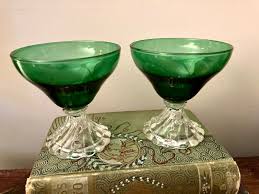
I chose to go with the manager’s recommendation – daab malai sherbet [1]– for a hot summer afternoon. He called it the favourite summer drink of a famous city-based author from the last century. I should have thanked him for offering it to another wannabe writer – even though he would not have been much impressed with this disclosure. At a personal level, the writer inside felt motivated that two authors, from two different centuries, enjoyed the same cooling drink under the same roof. Talking about the merits of the sherbet, it was amazing to taste: authentic and traditional. The flavour was different if not unique and this outlet was proud to offer it to those who valued the past. When I asked him if I could get this drink anywhere else in the city, he was reticent for a while. After poring over its faint possibility, he set me free to explore the city to find something remotely close and comparable to this drink. There was a smirk on his face, which suggested I would fail in my mission to get an equivalent to what I was served here.
He suggested grapes crush sherbet as another specialty I would relish, and its taste was unique this time, with crushed grapes floating around the fragmented ice cubes to lend an authentic appeal. After consuming these two flavours, the flavours of the past came alive in my mind. I felt really close to the great artists on the wall, feeling the immediate need to write creative stuff. This was working at another level: offering me loads of inspiration and motivation to write. It was more effective and quicker than attending motivational workshops or literature festivals to boost up creative energies and overcome my writer’s block. Tuning into great speeches by life coach experts often failed to resonate with the audience. But my brief visit here seemed to have worked wonders as I was already feeling charged up to go home and write something powerful to move the cold, insensitive generals of warring nations to embrace peace forever.
The rapid flow of ideas made me insecure about losing them on my way home and I regretted not carrying a notebook to jot them down. When I visited the place again, I made it a point to carry my diary and pen and sat for hours to draft a story outline. It was not a matter of shame as I found the serving staff look happy to see my passion, to be added to their new list of great patrons. As our familiarity developed further, they showed me newspaper cuttings mentioning the sherbet outlet – how some journalists kept them alive in the print editions just as the young crowd made their outlet famous on the social media, with hundreds of Instagram reviews and top ratings of the place.
This was just one outlet that motivated me but I was sure there should be more in the city, not just sherbet shops. I looked for other outlets that were part of the lives of the great artistes. I made it a quest to look for them in order to experience a surge of motivation that always does not come from sitting idle in front of an open window. As I began my search for similar outlets, I came across several of them still operating from modest spaces.
There was a bookstore on the first floor of a ramshackle building where some leading film directors came to buy imported books. Climbing the same stair case evoked feelings of nostalgia. In an era when many bookstores have shut down, this family-owned bookstore had over the generations expanded its list to include vernacular and academic books to stay commercially viable. The wooden shelves and the cash counter manned by a dhoti-clad septuagenarian gentleman keeping a hawk’s eye like a surveillance camera suggested retirement was still far away. I was informed by the gentleman regarding the operational presence of another stationery store where many freedom fighters came to buy pens and ink. Holding a fountain pen bought from the store located in the next street, hidden behind a paan shop basking in the glory of serving great musicians of the country, I walked home to begin a new story with it.
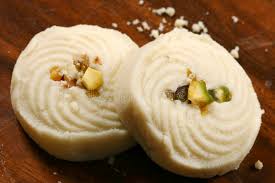
As I continued with my search for such outlets to stir the pot of motivation, I realised, to identify closely with such landmark establishments, was indeed a powerful way to fill myself with zest and zeitgeist. During my next journey, I came across a sweet shop specialising in a wide variety of sandesh and its owner, standing beside a pedestal clock that was functional since the nineteenth century, spoke of the days of glory, with the intellectuals of the city dropping in the evening to pack boxes of sweets. They continued to keep the freshness of the sandesh alive without any compromise in terms of quality. They are not affected by modern shops making false claims of serving high quality traditional sweets. They proudly say those who value good taste and can differentiate between fake and original are their clients, always ready to pay extra to buy pure and tasty stuff. The melt-in-the-mouth experience of their sweets was heavenly indeed. I made it my preferred shop to buy sweets from to celebrate all successes in life. For festive occasions, there could be other shops, but to celebrate success I chose to bring home sandesh from this shop alone, even if it meant going an extra mile for their delicacy. It has been quite a while since I last went there – because the occasions to celebrate successes have dried up in the recent years, with tragedies and setbacks mounting allied attack since the pandemic. While the sherbet store has helped me regain a lot of confidence in the writing process, I hope the sandesh shop will soon find me at their glass counter, to order packets of sweets to celebrate literary success.
[1] Coconut cream sherbet
Devraj Singh Kalsi works as a senior copywriter in Kolkata. His short stories and essays have been published in Deccan Herald, Tehelka, Kitaab, Earthen Lamp Journal, Assam Tribune, and The Statesman. Pal Motors is his first novel.
PLEASE NOTE: ARTICLES CAN ONLY BE REPRODUCED IN OTHER SITES WITH DUE ACKNOWLEDGEMENT TO BORDERLESS JOURNAL
Click here to access the Borderless anthology, Monalisa No Longer Smiles
Click here to access Monalisa No Longer Smiles on Kindle Amazon International
 Borderless