By Devraj Singh Kalsi
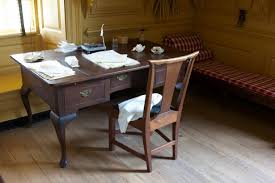
Since childhood days, I was offered what I believed to be an adult desk: a solid wood table with impressive dimensions suited for professionals instead of young learners. Introduced early to the grand furniture piece did not generate a sense of superiority until the day my close friend shot an envious look at it, ran his delicate hands on the smooth polished surface and rested his chubby cheeks to feel its naked coldness. Emulating him to derive similar pleasure from the wooden marvel, I realised the cold sensory bliss and fostered a special attachment to this possession, finding time in between the lessons to smother my hands on the table top or rub my thighs against its intricately carved supple legs. The sensuous awakening of entwined legs could be read differently but the innocence of the experience carried nothing except pure bliss.
The bonding with the study table was solid in more ways than one. A constant companion that absorbed my tears faster than any human hand could reach to wipe them off, the desk witnessed almost everything ecstatic and tumultuous that happened in those growing up years. It was the space that saw me pick up new tastes, new habits. From doodling on its surface with the dark pencil to highlight my drawing skills, the table allowed its body to be used as a springboard to catapult my imagination. I was immersed in the act of carving something new and permanent but most of my efforts shamed me, leaving me desperate to replace those with something funky, more in keeping with my inchoate artistic sensibilities.
Years of fiddling registered no marked improvement in my output but the flawless skin of the desk was bruised – and it never completely recovered from those childish, frivolous strokes. Both of us grew up together with scratches and bruises on the body – those on mine disappeared with the power of natural healing while those on the desk remained stark and etched, reminding me of what hell I had made it undergo just to keep myself engaged. Weird, non-existing creatures were brought to life even though I later felt shy to call them my creations or displaying them anywhere. I tried to hide those by spreading a tablecloth but the attractive wood looked marginalised with the desperate cover-up bid.
Adorning it with a tablecloth embroidered by my mother worried me as the tutors were often served hot and cold drinks on the desk. My academic guides were often retired. With their shaky hands they could spill a lot of liquid that would damage the fine cloth, making her clean it repeatedly and vigorously to restore its sheen. Such accidental brushes could also happen due to my exciting outbursts – while casually picking up or placing something on it. Such a protective measure to safeguard the desk would display the beautiful tablecloth, but it would also spike the probability of damage to it.
When I asked whether she was okay with the lurking fear and nagging anxiety of damage to her embroidered creation, she said she had never indulged in negative thinking. Even if it got damaged, she would not fret or fume but simply replace it with her new work. Her readiness to put in extra effort to create another piece was a sign of confidence suggesting that the creator should always have the faith to create beautiful pieces instead of worrying about safe upkeep. This triggered a different line of thinking. I could be a risk-taker and would expose myself to the dangers of damage to creations instead of worrying about it all the time. Now, I felt mentally at ease and free. It made me enjoy the process of creation and its output to the fullest.
Among other benefits, the desk with the chair enabled me to sit erect and sometimes generated a sense of authority. I felt empowered there with the pen within my grip. It made me feel close to writing classical tales or passing legal judgments. The presence of a pen-stand and the variety of pens with refills ranging from blue to green to red to black, with fountain pens and dot pens co-existing harmoniously, gave the freedom to write with any colour and then to correct with red ink, thus, combining the power of the learner and the examiner rolled into one. I loved to use red to strike out my verbose sentences like the teachers who used it to point out errors.
Resting my head on the desk amounted to brief lapses into the fantasy world as the mind journeyed to faraway lands. An hour of imagining a world where horses flew like birds and fish hopped on the grass could not rein in the wild impossibilities. The lack of logic provided laughter and immense joy – the world turned upside down was a thing of beauty as it strengthened my ability to make it grotesque. Sometimes I envisaged a cub sitting in front of me even though it was a cat pawing my geometry box. As I remained half-asleep and half-awake on the precious desk, I was navigating two precious but different worlds at the same time – the real and the unreal. The desk facilitated my first flight of imagination and inspired me to repeatedly indulge in that experience, nurturing the storyteller with half-baked ideas that required the firm support of reading to make a solid landing.
The desk witnessed the arrival of story books and allowed a dedicated space for non-academic texts. As the pile of relaxed reading material grew taller than the academic stuff, it was time for the family to express concern. A tough balancing act by pushing up the grades was the easiest way to address their fears, followed by inculcating a sense of responsibility that the syllabus was as important as the reading material for leisure.
The presence of current affairs and film magazines, apart from fables and mythological tales added genres to the desk, with my father stacking up his weeklies on my desk after he had finished reading them. I loved to spend more time occupying this space. Soon I began to indulge in writing pieces that matured from paragraphs to essays. I had convinced myself if I had to write something interesting and worthwhile I needed adopt a proper, dignified posture to think clearly and then jot down ideas on paper. Imposing this self-discipline was easier with the lure of the wooden desk. I could sit there for long hours at a stretch – the first crucial requirement before one thinks of pursuing writing.
The realisation that the desk was wooden but my writing should not be wooden came my way when I was struggling to produce a lively short piece. I found much scope to improve after the first draft, but I softened the nasty blow on my ego which was beginning to acquire a fearsome form. I showed the piece to my tutor who had his own critical take on a teenager’s struggle to write, signing off with a cryptic good-effort comment that left me craving for clarity. The thoughts were scattered like fluffy cotton balls floating in the air. I wished to acquire better control to put them together. To put it briefly, the desk witnessed the despair and repair and everything else that celebrates the slow churning of a small-time writer. Placing a decent piece in a reputed publication and displaying it on the wooden desk that housed many great works formed a vague dream that translated into reality much later.
The attached drawer was a convenient space to hide personal items such as love letters and adult magazines. Since nobody came here to check the space, it was suitable for stashing pocket money and everything else that required secrecy. Being lockable, I could utilise it with full security and safety. When the tutors or guardians noticed I was maintaining a lockable space, it was a clear sign that the boy was growing up with his pile of secrets. Nobody tried to unearth what I was squirreling away even though they had perhaps imagined the predictable and worst possible things. I did overhear the elders hatch a plan to detach the drawer. They solicited advice from a carpenter, seeking his opinion regarding how to do it without causing any damage to the antique table. His suggestion not to tamper with it was accepted without further argument since there was a high risk of damaging one of its legs. Before they could think of anything else, I chose to remove the lock and offered them full access with the key, showing signs of intelligence that made them feel assured I was not misusing it in any manner. While my idea was to keep the beautiful piece look complete instead of amputated, it was surely an outcome of my attachment to the wooden piece that I believed should remain in my possession so long as I am alive. As two companions engaged in a mission to produce the best creative work, we chose to stay together and work together with the fond hope that this partnership would produce some magical work.
Showing no signs of ageing, the sturdy table still flaunts a youthful look, as if it has been just crafted. The ability to remain fresh over the years should be there in writing as well –the reader should be able to relate to the work even after ages. Even when it is read generations later, it should always stay mint fresh.
With the passage of time, more gadgets had arrived on the desk and demanded space – like the desktop computer. Keeping almost half of it clean and vacant was not a challenge as it was quite long and wide. The tall glass of water or a cup of coffee and a fruit bowl also remain on it without giving a cluttered look. I did not have to make hard choices or compromises – what to keep and what to discard. It allowed me the space to write long-hand and then type it on the keyboard without tumbling other objects.
The finesse of the wooden desk inspired me to strive for perfection. The intricate wood carvings and the perfect finish made me feel the need to attach these qualities to my writing. Getting the structure ready was similar to framing the wooden structure first. Chiselling it further to make the rough edges look smooth made me think of doing the same in terms of writing. When everything gets joined, it looks no less than a wonder: just like joining sentences and then adding paragraphs. The process of carpentry bears strong similarities with the process of writing. The art of beautiful writing and beautiful carving in wood blended in my psyche. Using it to create chiselled work touched a chord.
I have been told the table looks vintage – although it has retained fresh appeal. I have been told to think of replacements. But I have been stubborn on the topic of retaining it – not falling prey to engineered wood and all that new stuff that lacks the indispensable feature of durability. Like solid wood furniture, the writing should also survive the test of time. The desk has subtly groomed me to be strong and resilient like it since childhood days.
Both of us are capable of surviving umpteen rejections and we have shared moments of sadness. The drawer was the place where the rejected pieces were dumped. If any member of the family ever raided the place for something shocking, he would have found several letters from editors, suggesting my temerity to approach them with my pieces that could not be carried for multiple reasons. The creative bug bit me here and then one thing led to another in a chain of events that sucked me into the world of writing. I always felt that the wooden desk was sorrowful and consoled me that these gems of failure would sparkle one day. A silent motivator that did not allow the termites of depression to infest my soul.
On days when I sat elsewhere to ideate or write, I did not feel in my element. As if I missed out something valuable and I must return to its fold at the earliest – inspired to create something beautiful like the table. With this soothing thought relaxing the nerves, I felt a surge of confidence – of writing something compelling and long-lasting like the wooden desk and displaying the content right there to match or surpass its excellence.

Devraj Singh Kalsi works as a senior copywriter in Kolkata. His short stories and essays have been published in Deccan Herald, Tehelka, Kitaab, Earthen Lamp Journal, Assam Tribune, and The Statesman. Pal Motors is his first novel.
PLEASE NOTE: ARTICLES CAN ONLY BE REPRODUCED IN OTHER SITES WITH DUE ACKNOWLEDGEMENT TO BORDERLESS JOURNAL
Click here to access the Borderless anthology, Monalisa No Longer Smiles
Click here to access Monalisa No Longer Smiles on Kindle Amazon International
 Borderless