By Devraj Singh Kalsi
The white cat cuddles up on the furry brown mat right outside the entrance door. After I lock the gate leading to the granite steps, it slips in through the iron grille, assured that this seat will ensure comfortable sleep at night. So long as it makes no noise to disturb me, this arrangement works fine. Sometimes when I wake up early, I forget to peep out through the glass window to check whether it is still there. My sudden opening of the door hits her legs and she quickly vacates the spot, turning back to stare and warn that my inhospitable disruption would draw a bloody scratch.
It is true she would have slept longer if I had not arrived on the scene. The feline is entitled to jump to the conclusion that I am the culprit who did not show a sensitive side by tendering an apology through expression. Making an effort to introspect mirrored how miserable I felt when I was groggy with sleep – head buried under the pillow – especially if a domineering member of the family pulled me out of the cosy comforter and rebuked me for being lethargic. My humble submissions for another fifteen minutes of restful sleep were always rejected like salary hike requests. Drawing this parallel provided the solace that I still had a functional ability to regenerate the tender side.
To make amends, I woke up late or delayed opening the door, allowing the cat the opportunity to snooze for a longer duration. Any kind of clatter inside the house could disturb her sleep so I took extra precautions to maintain peace in the kitchen. I chided myself for not being courteous enough to offer a bowl of milk to welcome the guest. These were clear indications that my sensitive side was kicking in!
The decline of the sensitive side usually gets overlooked in the rush to cope with daily commitments. When something awful and unexpected occurs, the journey to explore within and measure the decline begins all of a sudden. One tends to becomes extra vigilant, checks repeatedly the extent of damage and how to recover the lost ground. The natural ability to be sensitive and the efforts to restore it calls for consistent efforts that strengthen bonds with nature and its allies.
The other day I woke up late as I binge-watched a lot. It slipped out of my mind that the pigeons were waiting to be fed. When I reached the garden, most of them had taken flight. There were still a few of them hopping around. As I served foodgrains, there was a scramble to peck at it. They settled down to polish off whatever their eyes could find and then proceeded to spread their wings in the air. After their exit, smaller birds like sparrows descended from the branches of a guava tree to have their fill. The squirrels on the garage roof availed the hollow pipe to come down with alacrity, to search for remnants. I thought I should arrange something for them, probably nuts. It was a mere idea without any urge to act immediately. Some minutes later, I came inside to proceed with other chores but I kept thinking about the pigeons – about the ones who could not wait and those who stayed there.
The loss of patience was natural as the pigeons knew I was never so late. Instead of wasting time, they flew away to other options to have their fill. I could relate to this practical behaviour as I myself do not like being kept waiting to be served tea or coffee at home or in a café and have often shown the tendency to leave. Somewhere deep inside I relished the thought that those who waited for my arrival were close to me and shared a strong bond that I became aware of through this episode.
The packet of peanuts was torn, and it slipped out of my hands when I tried to fill them in a glass jar. A handful of nuts fell on the tiled floor. I gathered those nuts and opened the kitchen window to offer it to the squirrels still lounging in the garden. Perhaps the universe had communicated my thoughts to them. Within minutes, the squirrels vanished with the booty. Though it is widely believed that the food reaches for whom it is meant, it shows gross insensitivity when food is wasted or thrown away. How can it possibly be acceptable that some human beings are destined to scavenge for food in garbage bins?
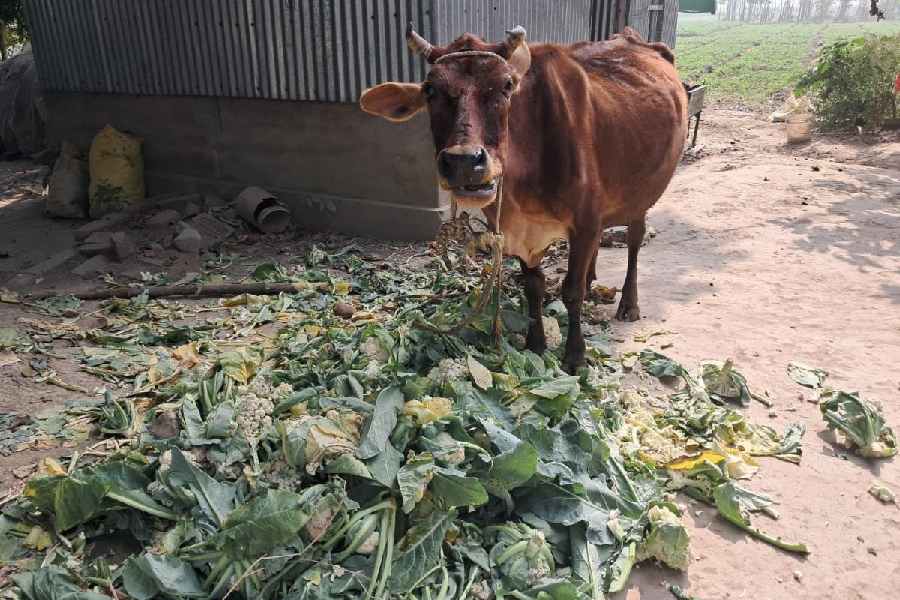
Some mornings are special as the sight of a herd of cows grazing on the grass outside the main gate motivates me to offer them greens such as cauliflower and cabbage leaves. Their mastication draws the attention of stray dogs who feel my act of preferential treatment cannot be overlooked. Their collective barking peaks, reminding me that I must offer them something as well. Serving biscuits is the easiest way to calm them. When I give them something to eat, their anger subsides.
Feeling left out is painful as I can recollect how miserable and low I felt when I was not considered fit for the school cricket team despite being a good player. The stray dogs tamed their resistance and allowed the cows to graze without any confrontation, following them like escorts. The sight of two different species bonding so well became an inspiration, making me wonder how I can emulate this example and make my house an abode for multiple creatures to co-exist and care for each other without any fear of competition.
I am not a regular when it comes to feeding the cows crossing my house. But I have noticed some of them slowing down their pace in front of my gate, anticipating something to be served to them. Now I intend to add breadcrumbs or chapatis or anything they like to eat, making it a regular practice to place something for them. Being quite punctual like pigeons, their arrival signals they have memorised my address and they take a break to stop and chew here. The neighbour has shown the competitive spirit to become sensitive by placing a tumbler full of water for all animals. Cows eat from my home and then proceed to quench their thirst next door. I should celebrate such healthy competition as the neighbour is playing a positive role to find his space in the connected world by becoming useful to other species.
Recently, I bought a bird feeder and decided to put it up in the garden, with the support of bamboo poles. Before summer sets in, the bird feeder should be installed. A little bit of digging of the soil is required and this tiresome activity slows me down. I made a resolution to hire someone to do the job if it proved too cumbersome for me. Although I am aware it’s getting delayed, I am not making any effort to complete it.
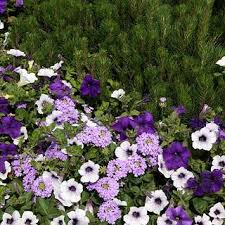
When I finally went to the garden on a Sunday afternoon, I saw dried-up, hardened soil and felt disappointed. Watering plants should be a priority. The petunias made my windows look beautiful, with the purple and white blooms. I was busy clicking photos and sharing them for likes but I was not ready to accept that these plants needed more attention to bloom better and for longer. I had seen them growing in other places during this season, in other bungalows, boulevards, and other cottages. I needed to be modest in accepting the fact that I had not shown a highly sensitive side when it came to nurturing them with love. If I could dedicate fifteen minutes every day, to water them early in the day, I would have shown better signs of care.
Nowadays, I am happy just watering them – whenever I find the time. There is a palpable loss of my sensitive side as I consider it is sufficient to water plants without thinking too much about fixing a timeline. I need to remember how quickly I reach out for a glass of water whenever I am thirsty. But in case of plants, I have concluded that watering them is enough – delaying it does not generate any smidgen of guilt.
The truth is that plants also need water regularly and performing this task early in the day is better. Before I consume the first glass of water, I must ensure the plants have quenched their thirst. I should stop comparing myself with those who do not water plants. I should not feel I am doing the plants any favour. When the plants grow healthy here, they create a positive environment for the residents to lead happier lives. Instead of taking pride in providing any noble service, I should change my mindset and think that there are hundreds of more ways to strengthen the sensitive side. These are some smalls steps as the awakening grows deeper. Knowing the depth of love knows no end. Similarly, the depth of sensitivity is never fully known. All we can do is keep growing sensitive to make this world a better place for all creatures.
Devraj Singh Kalsi works as a senior copywriter in Kolkata. His short stories and essays have been published in Deccan Herald, Tehelka, Kitaab, Earthen Lamp Journal, Assam Tribune, and The Statesman. Pal Motors is his first novel.
PLEASE NOTE: ARTICLES CAN ONLY BE REPRODUCED IN OTHER SITES WITH DUE ACKNOWLEDGEMENT TO BORDERLESS JOURNAL
Click here to access the Borderless anthology, Monalisa No Longer Smiles
Click here to access Monalisa No Longer Smiles on Kindle Amazon International
 Borderless
One reply on “All Creatures Great and Small… ”
The piece is beautifully written and reflects on our relationship with nature and animals.The author gently reminds readers that humans share the planet with many other living beings, and that we should live in harmony with them.Read this thoughtfully and meaningfully.
LikeLiked by 1 person