By Devraj Singh Kalsi
Since the idiomatic expression – hit the bottle – slipped into my word cabinet, I have woken up to the reality that certain words draw stunned silence from people when we falter in the usage because of misinterpretation or their striking closeness to other words or phrases. With my shaky command of the language, I visualised the violent act of hitting the bottle with a bare hand. But the brush with a newspaper article carrying the same headline made me sense its phrasal tipsy turn, prompting me to consult the dictionary.
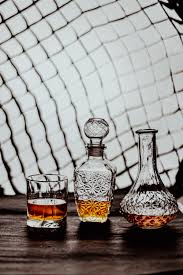
My attraction for bottles had always been there — except that I do not recall much about the feeding bottle. I suspect I have never been in a dry state of mind since my childhood. There is a natural bonding with bottles from a tender age — irrespective of the labels attached. The glass cabinet displayed bottles with slender shapes and fancy English names like Old Monk or Old Tavern, which expanded the vocabulary of a young learner. I remember asking my father the meaning of the words when I first saw him unboxing these. As the liquid with a golden tinge rapidly flowed into designer-cut glasses and hit the bed of ice cubes, I was brimming over with a strong urge to hold the aesthetic bottle and clink glasses with him and his friends before they struggled to hold themselves after gulping a few pegs.
I do not have pictures capturing those moments of unadulterated joy holding such bottles in my hand. There was just one photograph showing me busy with a bottle of Waterbury’s Compound. Before it gets mistaken as another fancy English name for a heady drink, let me clarify its status as an immunity booster offering relief from cough and common cold. Without a faint idea of its medicinal value, the red label of the bottle attracted me a lot. It was clear from this indulgence that, during my adult years, I would have an intense association with bottles of all shades and trades.
As I grew up, the bottles soon became conspicuous by their absence. The usual places of stocking them wore a deserted look, and perfume bottles replaced them. The small imported bottles continued to allure me for their sleek design, colour and looks. But I missed the earlier appeal of wine bottles. Perhaps, my parents grew aware of the possibility of my tasting liquor in their absence or smuggling the bottles out of the house for my friends. The steady disappearance of the cocktail cabinet made me fond of standing in front of wine shops in the neighbourhood – to admire the variety of bottles on the shelves. The fear of being seen by a familiar face dampened my enthusiasm as it would earn me the tag of a teenage drinker. Nobody would believe I was eyeing them with an artistic bent of mind. I would never be able to scotch the rumour that I was damaging the reputation of the family by queuing up in front of wine shops if some archrivist or detractor got the chance to tarnish my image with the liberty of distorting the reality by taking me to the wine counter, with outstretched hands for a pint.
The sight of newspaper advertisements flashing liquor was another source of vicarious excitement. The bottle was the real hero and not the couple in the advertisement. For me, the satisfaction of drinking cannot surpass the joy and thrill of admiring the art of wine bottles. Drinking fine wine has an aristocratic and classy appeal, but the art of looking at fine wine bottles drew me closer to advertising while in school. The catchy lines written next to the visual always made me think of penning similar lines that would intoxicate readers. When I fumbled and stumbled into advertising with the desire to view fresh images of wine bottles and craft copies, the ban on liquor ads dashed my hopes, leaving me high and dry. Not a single line for a surrogate soda or mineral water ads from any liquor brands to date is how the reality stands pegged.
There was a keen urge to hold a bottle and drink from it, but it was limited to aerated drinks. I indulged in heavy drinking of the soft variant until the intestinal walls revolted against the toxic overflow. When it was time to repair the damage, I preferred to go for syrup bottles instead of pills and capsules. Flaunting a shelf of syrup bottles of various shapes with varied tastes helped alleviate my suffering. During a bout of cough, cold, or allergy, I demanded syrup. If there was a need to boost vitamin levels, I chose syrup. Whenever the liver or any other dysfunctional organ needed care or relief, I would request the doctor, as much as possible, to provide me with the scope to drink syrup, preferably with a fruity taste. Sometimes, the kind doctor added a syrup bottle to the prescription to address flatulence when I disclosed my regular preference for oil-rich, deep-fried intake. Having syrup made me feel less sick. It was more of an energy drink that gave a feeling of stamina and wellness.
Though nothing in life generates the feeling of purity like a bottle of fresh, toned milk – the only bottle that reminds me of my childhood compulsion to gulp down its contents as it arrived from the nearby booth. Spotting the flavoured milk bottles in shopping malls generates a similar scary feeling even today. But I see health-conscious young people drinking chocolate and strawberry-flavoured milkshakes, holding a cigarette in the other hand to balance tradition and modernity as opposed to those days when something needed to be added to the milk to ensure children did not complain.
With the arrival of non-alcoholic beverage bottles made of dark coloured glass, bearing close resemblance to beer bottles, the style factor has gathered fizz. Aping young folks standing outside large-format stores, leaning against decorative lamp posts, with a bottle in hand, I also went in for a similar drink that would charge me like a bull, ready to attack the sight of anything red. A taxi driver waving his red cleaning cloth – perhaps to suggest the breakdown of his vehicle or alert pedestrians to any danger like potholes on the road – was not worth reacting to in anger. Holding the empty bottle in search of an empty bin, I walked up to his yellow cab briskly, and asked him politely, “Sealdah chaloge1?” Before I could get his reply, a stray dog came rushing my way, making me run and jump the railing for safety.
.
- “Will you go the Sealdah?” Sealdah is a neighbourhood in Kolkata ↩︎
Devraj Singh Kalsi works as a senior copywriter in Kolkata. His short stories and essays have been published in Deccan Herald, Tehelka, Kitaab, Earthen Lamp Journal, Assam Tribune, and The Statesman. Pal Motors is his first novel.
PLEASE NOTE: ARTICLES CAN ONLY BE REPRODUCED IN OTHER SITES WITH DUE ACKNOWLEDGEMENT TO BORDERLESS JOURNAL
Click here to access the Borderless anthology, Monalisa No Longer Smiles
Click here to access Monalisa No Longer Smiles on Kindle Amazon International
 Borderless