King Lear, Act I, Scene I (Cordelia’s Farewell) The Metropolitan Museum of Art. Pianting by Edwin Austin Abbey (1852-1911) From Public Domain.
DESPERATE LEAR

against all winds that blow
and all the rains that pour,
Old Lear still sought home
as we all do sooner or later—

home is where the heart is—
cardiac surgeons locate hearts
but the homes seem elusive
lost perhaps among the veins
and the pulse beats which sound
okay to all intents.

thus to be without home
ported lustlessness;
perhaps for some despair
too close for comfort
too close to acknowledge,

And so I roam without a home.
return to the heart,
the heart of all things,
and I realise and learn,
my heart is here with me.
inside and pretty safe,
despite some odd beats
hardening who knows what,

home is where the heart
returns after all the wandering
finally settling all debts
owed by the stomach
in desperate circumstances,

Old Lear challenged the gods
but the  duel was one-sided
no one wanted him
as he wrestled Nature
desperately needing Cordelia,

sometimes our Cordelias die
before they’re properly born-

I know for my Cordelia died
before she could be born--

she still struggles to learn
knowing its totally futile.

after all only in rare miracles
do we resurrect from the dead,

farewell, my sometime girl,
perhaps we shall meet
somewhere in our dreams
and realise all was a nightmare!


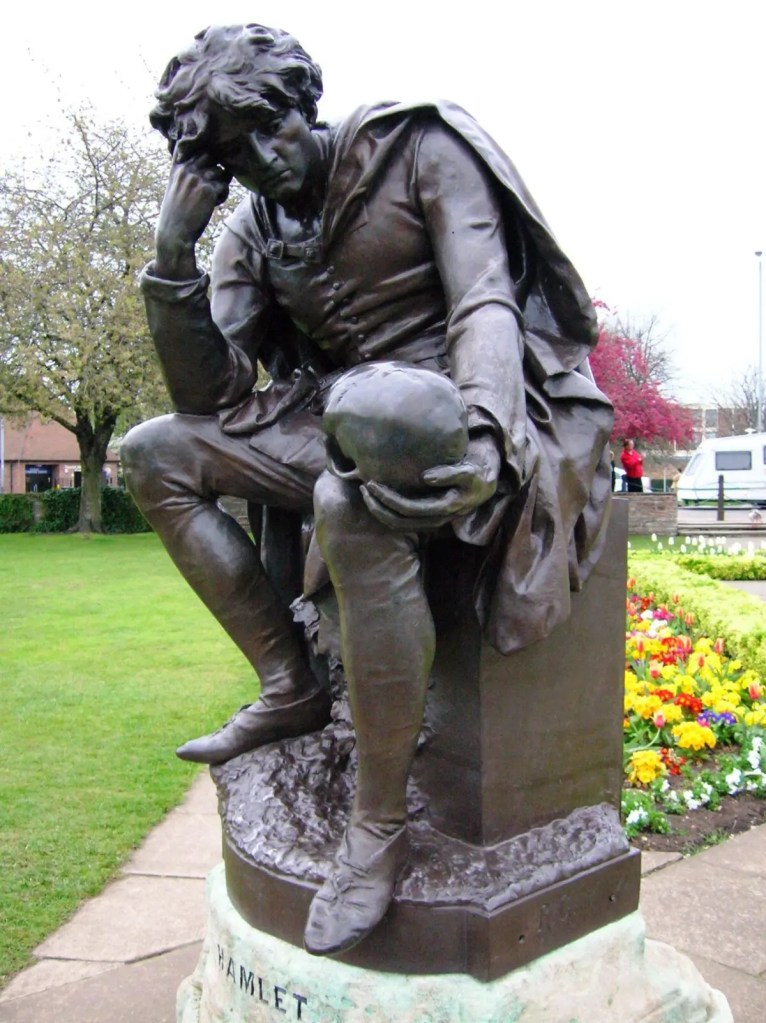
POOR HAMLET

Poor Hamlet
forgot poor Cordelia
in another realm
also where deceit,
cunning and corruption
ruined innocence, purity
and brought hell to bear.

these poor players
whose destinies pry
and fathom deep sores,
some known only alone,
challenge our premises,
contentment, pride, joy
and much else besides—

but who are we to probe
and pry and wonder?
think and cry and ponder
when it's the same
yonder and everywhere?

in my stillness, my friend
you who smile all the time
and beguile love
will never know anguish
nor the Joy of being
humanly correspondent
despite all hints and
references, nor in the
byways of escape
and neither in the grasp
of knowing and suffering
will you understand, know
and appreciate
value and truncated joy.

in the end, nothing much
matters more than smug
satisfactions of owning
even in this simple way,

forgiveness can be all!
Hamlet. From Public Domain.
Kirpal Singh is a poet and a literary critic from Singapore. An internationally recognised scholar, Singh has won research awards and grants from local and foreign universities. He was one of the founding members of the Centre for Research in New Literatures, Flinders University, Australia in 1977; the first Asian director for the Commonwealth Writers’ Prize in 1993 and 1994, and chairman of the Singapore Writers’ Festival in the 1990s. He retired the Director of the Wee Kim Wee Centre.
PLEASE NOTE: ARTICLES CAN ONLY BE REPRODUCED IN OTHER SITES WITH DUE ACKNOWLEDGEMENT TO BORDERLESS JOURNAL
Who would have thought it’s possible To undo centuries of traditions Trapped and shaped by norms galore?
On New Year Days, we wear black — Really — it’s the fashion these days! Even the Communists prefer black — Ditching the red to history’s dustbins!
Tough lessons History teaches, So we can make better judgments. Alas the mind resists and rejects Revisions which suggest undermining.
How weak our wills and our resolves!
I’M THE GOOD SHEPHERD
I bring you glory and a new life- History written in the Lamb’s blood And the Future assured in Love.
We hear and try to fathom meanings Written in blood — cold and hot, Alas, no revelations on the horizons And no blessings either in the making.
And so we toil and wait, Toil and wait for a new world, Where waiting will be no more And promises delivered on call—
Such, such shall be the Arrival Of a fresh understanding, Of what it means to be human, To know flesh and blood and the Soul’s search for a new heaven, And a new earth brimming, Sealing centuries of waiting, Fulfilling expectations of yore, Making past and present and future In a miracle beyond reckoning. This will come to pass as we sleep…
Kirpal Singh is a poet and a literary critic from Singapore. An internationally recognised scholar, Singh has won research awards and grants from local and foreign universities. He was one of the founding members of the Centre for Research in New Literatures, Flinders University, Australia in 1977; the first Asian director for the Commonwealth Writers’ Prize in 1993 and 1994, and chairman of the Singapore Writers’ Festival in the 1990s. He retired the Director of the Wee Kim Wee Centre.
PLEASE NOTE: ARTICLES CAN ONLY BE REPRODUCED IN OTHER SITES WITH DUE ACKNOWLEDGEMENT TO BORDERLESS JOURNAL
I arrive just as Spring begins — There are the usual songs And dancing which excite, Especially, the merry young.
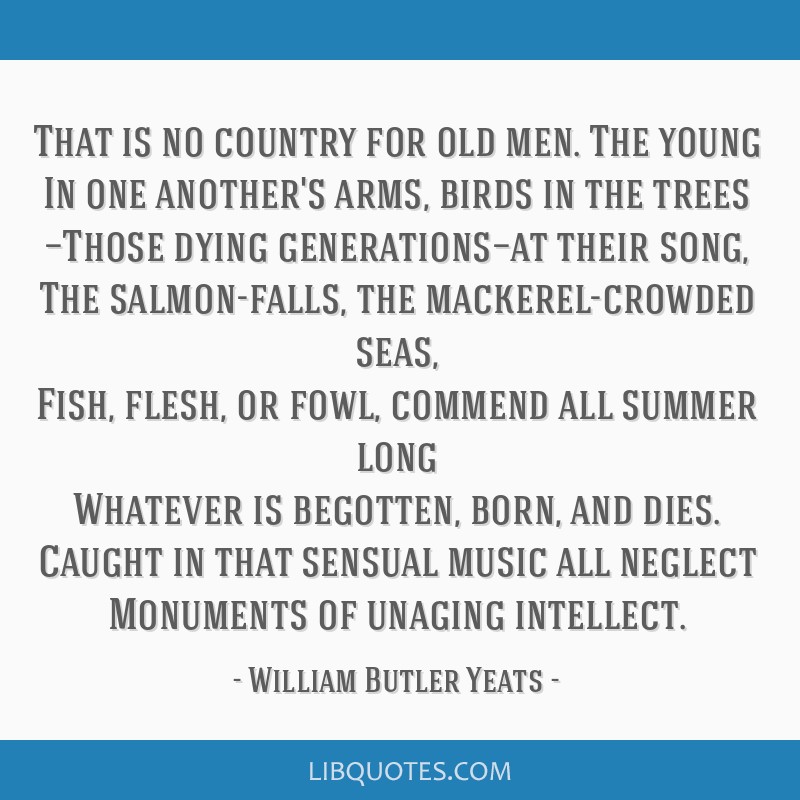
For oldies, like I, it’s nostalgia. I recall Yeats and his haunting line — The young in one another’s arms — What happened in my life? Where did my youth go?
It’s okay mutters a soft voice — You have other springs to enjoy!
Excerpted from WB Yeats’s ‘Sailing to Byzantium’ (1927)
Kirpal Singh is a poet and a literary critic from Singapore. An internationally recognised scholar, Singh has won research awards and grants from local and foreign universities. He was one of the founding members of the Centre for Research in New Literatures, Flinders University, Australia in 1977; the first Asian director for the Commonwealth Writers’ Prize in 1993 and 1994, and chairman of the Singapore Writers’ Festival in the 1990s. He retired the Director of the Wee Kim Wee Centre.
PLEASE NOTE: ARTICLES CAN ONLY BE REPRODUCED IN OTHER SITES WITH DUE ACKNOWLEDGEMENT TO BORDERLESS JOURNAL
They delight through their insistence Like some ill found friend, Who doesn’t know lines drawn, Keeping deeper knowing at bay.
These spastic breaths do worry Many, whose heartbeats are dire, Torn between duty and desire Lingering in-between in sadness.
Thus, do I thrust through my days, Keeping both vigil and dreams, Determined to preserve sanctity Of faith and resilience and Truth.
Someday, it’ll all make sense Especially to those who keep mum Fearing repercussions, hiding away Guilt and shame and sorrow.
Such intimate knowing is rare A precious gift to those chosen To know and bear the cross Burying in their end the Truth.
Kirpal Singh is a poet and a literary critic from Singapore. An internationally recognised scholar, Singh has won research awards and grants from local and foreign universities. He was one of the founding members of the Centre for Research in New Literatures, Flinders University, Australia in 1977; the first Asian director for the Commonwealth Writers’ Prize in 1993 and 1994, and chairman of the Singapore Writers’ Festival in the 1990s. He retired the Director of the Wee Kim Wee Centre.
PLEASE NOTE: ARTICLES CAN ONLY BE REPRODUCED IN OTHER SITES WITH DUE ACKNOWLEDGEMENT TO BORDERLESS JOURNAL
THESE DAYS

see me here and there—
many say I do nothing:
well they may be right.

what I do is hear and absorb —
both the natural fresh air
and the odour of foul chatter.

my people— sadly— live unaware
my presence taken for granted,
and my preemptions denied.


MEETING WITH A STRANGER

For some odd reason
I was halted in my tracts—
This strange man with nothing on
Wanted to know why I was dressed.

What could I say to him?
I smiled hoping he’d be satisfied.
But he persisted— “Why are you dressed?”

I smiled again and sheepishly said—
“Because being naked is a luxury,
One, I can’t afford, really.”

He smiled again, this time ruefully,
And said very confidently—
“Understand, good Sir, understand
The real meaning of the Fall.”
The Bard by Benjamin West (1738-1820)
Kirpal Singh is a poet and a literary critic from Singapore. An internationally recognised scholar, Singh has won research awards and grants from local and foreign universities. He was one of the founding members of the Centre for Research in New Literatures, Flinders University, Australia in 1977; the first Asian director for the Commonwealth Writers’ Prize in 1993 and 1994, and chairman of the Singapore Writers’ Festival in the 1990s. He retired the Director of the Wee Kim Wee Centre.
PLEASE NOTE: ARTICLES CAN ONLY BE REPRODUCED IN OTHER SITES WITH DUE ACKNOWLEDGEMENT TO BORDERLESS JOURNAL
Yes, electric is gone, now it’s plastic—
From sex to food to procreation
Plastic rules the day and rues our time
Making it all easy and oh so convenient!

All is plastic save, possibly, the brain;
This mass of nerves and neurons
Mirrors the bewilderment outside
Where people die and kill and cry

Where O where is the human
We crave for meaninglessly?
In the dust bins of our hearts
Mangled and confused, dying.

Save us O Lord, save us. Save.
Kirpal Singh is a poet and a literary critic from Singapore. An internationally recognised scholar, Singh has won research awards and grants from local and foreign universities. He was one of the founding members of the Centre for Research in New Literatures, Flinders University, Australia in 1977; the first Asian director for the Commonwealth Writers’ Prize in 1993 and 1994, and chairman of the Singapore Writers’ Festival in the 1990s. He retired the Director of the Wee Kim Wee Centre.
PLEASE NOTE: ARTICLES CAN ONLY BE REPRODUCED IN OTHER SITES WITH DUE ACKNOWLEDGEMENT TO BORDERLESS JOURNAL
COGITATIONS

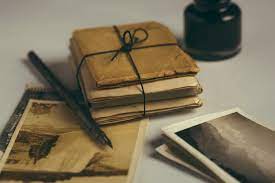
I read some of my old letters-
Friends and lovers and miscellaneous.
I wonder if I should keep any?

How does one preserve privacy
When one is told to donate
Private stuff to libraries?
Because- they flatter—
One is deemed to be special.

I struggle both for right words
And also right conduct!

In the end I’d probably succumb.
Do what my betters have done:
Donate but with time-limits
So the immediate won’t hurt.

What a privilege to have —
Choose between now or later!
Kirpal Singh is a poet and a literary critic from Singapore. An internationally recognised scholar, Singh has won research awards and grants from local and foreign universities. He was one of the founding members of the Centre for Research in New Literatures, Flinders University, Australia in 1977; the first Asian director for the Commonwealth Writers’ Prize in 1993 and 1994, and chairman of the Singapore Writers’ Festival in the 1990s. He retired the Director of the Wee Kim Wee Centre.
PLEASE NOTE: ARTICLES CAN ONLY BE REPRODUCED IN OTHER SITES WITH DUE ACKNOWLEDGEMENT TO BORDERLESS JOURNAL
The years 1964-66 were very interesting– not only because on 9 August 1965 we became the Republic of Singapore but also because of the events (some may even term these as “shenanigans”) surrounding to the lead-up to our final independence. I was a little more than fifteen years old and though not fully in the know or swing of things, it was pretty obvious real changes were afoot. The racial riots of 1964 left a deep impression– some may call it a “scar”—and many of us were truly worried and even frightened at what prospects lay in wait.
Nerves were running high and tension was palpable. Much as our teachers tried to hide hard truths, it was abundantly obvious that major changes were bound to usher a new and different ethos. My late Uncle was in the thick of things and though he did his best not to display anxiety, the various insinuations in the media– coming as they did from a variety of differing personalities with radically different perspectives — did not assure much comfort in what was to come. The hubbub left many wondering and many others questioning what had gone wrong. They demanded the “truth” be revealed.
And so it was. Mr Lee Kuan Yew addressed the nation and in-between wiping his clearly moist eyes told us that we had been kicked out of Malaysia! The shock took minutes even hours to sink home. Neighbours chatted across fences just to confirm what they had heard. But it was too late to do much by way of not accepting our fate: Singapore was now out of Malaysia and had to embrace the future alone, without the larger community that had formed in the two preceding years. It was the start of a new chapter in our short history– and a new beginning.
The new chapter in our history began with a clear glimpse of Lee Kuan Yew wiping his eyes. After all his long-cherished dream of a “Malaysian Malaysia” was now, in a sense, shattered. Whatever the details of that critical meeting that is said to have taken place in Cameron Highlands between the Tengku Abdur Rahman and Lee Kuan Yew one fact emerged: Singapore was on its own — no longer a part or partner of Malaysia.
Thus began the slow and arduous journey of our independent Republic of Singapore. In 1965, I was fifteen and though still a teen it was abundantly evident that a truly historic transition had taken place.
Whether it was Lee Kuan Yew’s oratory or his emotional self that made the impact, it was clear that most Singaporeans rallied behind him and resolved to ensure that we survived. Survival was our prime and major consideration, and all endeavours were directed to realising this goal. Crucial to this was the daily recitation of our National Pledge- “We the citizens of Singapore pledge ourselves as one united people…”. Whatever people may say our National Pledge remains sacred and sacrosanct.
As I look back at the tumultuous tensions and uncertainties we faced in those early years of our Republic’s nationhood, I can never state that we were despondent or unable to push forward. Yes, it will be folly to try and claim that everything was hunky-dory. No, far from it. But one thing was totally clear and universally accepted, as Mr Lee Kuan Yew said, we were now on our own and we had to shape our own destiny. All the doubts and unpredictable consequences notwithstanding Singapore was now the youngest new nation on planet Earth and her citizens were committed to ensure the nation survived.
And she did. Indeed, Singapore gloriously more than survived! She soared and within less than a decade of Independence– by 1975– we were showing ample signs of “earned success”, a reward that even opponents of Lee Kuan Yew had to acknowledge as “ real”.
There’s not much need for me to go into all the many new legislations and policies and rules and regulations that were mooted and passed in Parliament and embraced by all branches of our young Republic. The Legislature, the Executive and the Judiciary had to be built on strong and impartial foundations without regard to race or language or religion. It was for the young an exciting and sometimes bewildering phase of history. But Mr Lee kept sharing his vision of a thriving young nation bent upon making a mark in history. Slowly but surely, said Mr Lee, Singapore would build her muscles and demonstrate what is achievable when citizen and together in order not so much to “show off” but essentially to survive. Survival was the foremost goal– all else could come afterwards.
And so we worked hard– very hard — and despite all the trauma and pain, we pushed and pushed and soon began to experience for ourselves the fruits of our determination. More and more nations began to realise that there was indeed a new kid on the block in Southeast Asia and that this kid was unrelenting in its efforts to succeed and succeed with distinction.
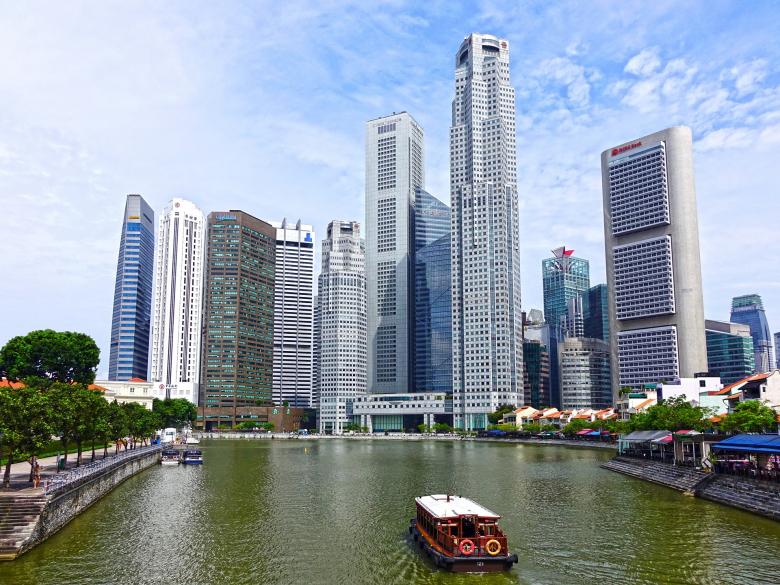
And so, today, as we celebrate our 57th year of Independence we can proudly claim to have surpassed all expectations and put to paid any misgivings anyone might have harboured.
Before Mr Lee Kuan Yew passed on, he said, movingly, while strolling through our Gardens By the Bay, that looking around he was glad we did what we did. He felt all his sacrifices were more than worth.
And so here we are celebrating our National Day in joy and even glee.
But we cannot ever forget or ignore the harsh lessons we learned along our journey to full and complete Independence. We live in a world crippled by numerous setbacks — the pandemic just being one.
It remains for others to evaluate the progress and strides our young and tiny island nation has taken. For my generation our Singapore is a miracle — a miracle realised through hard sacrifice and unwavering faith.
Kirpal Singh is a poet and a literary critic from Singapore. An internationally recognised scholar, Singh has won research awards and grants from local and foreign universities. He was one of the founding members of the Centre for Research in New Literatures, Flinders University, Australia in 1977; the first Asian director for the Commonwealth Writers’ Prize in 1993 and 1994, and chairman of the Singapore Writers’ Festival in the 1990s. He retired the Director of the Wee Kim Wee Centre.
PLEASE NOTE: ARTICLES CAN ONLY BE REPRODUCED IN OTHER SITES WITH DUE ACKNOWLEDGEMENT TO BORDERLESS JOURNAL





 Borderless