By Farouk Gulsara
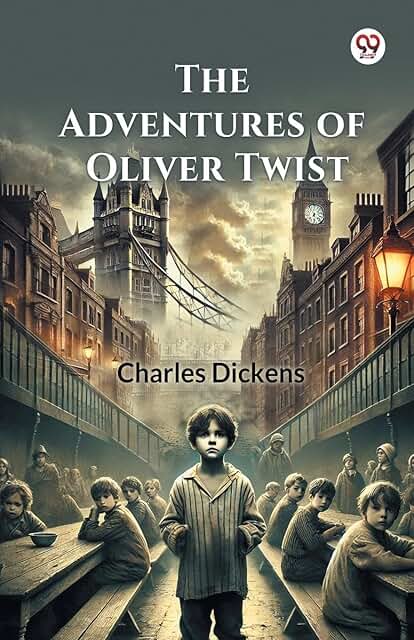
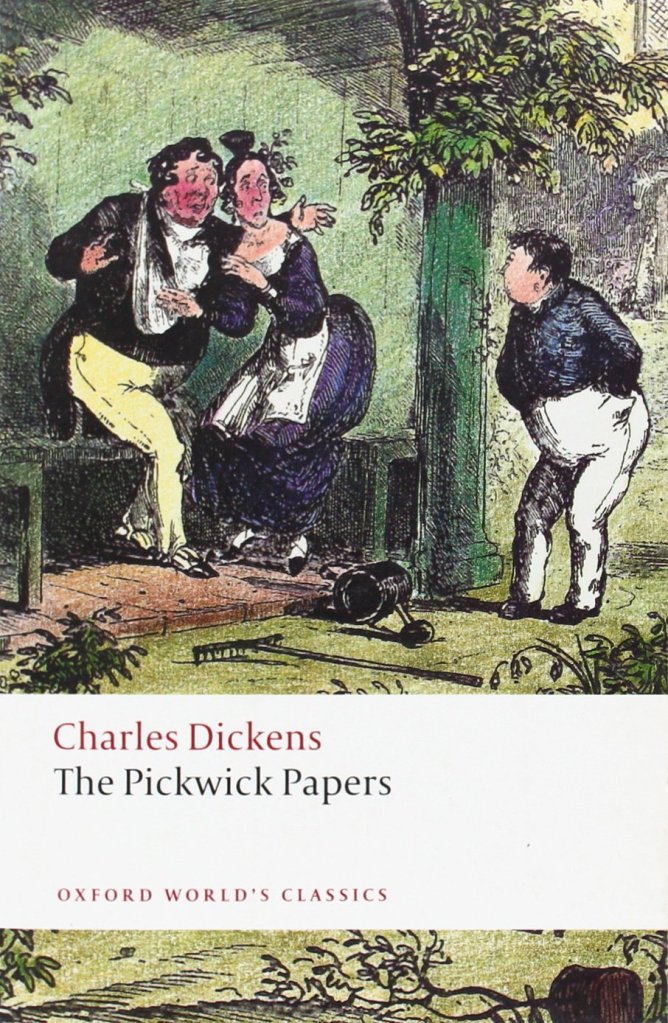
Charles Dickens was flying high by 1842. His books, Pickwick Papers and Oliver Twist, and periodicals were selling like hot cakes on both sides of the Atlantic. With so many fans over in America, he decided to pay them a visit. What he saw in the second-largest fan base upset him for two reasons. Firstly, there was the issue of royalty. Publishers in America were printing his work left, right and centre. He received none of the returns due to him. Secondly, he was upset with the level of racism and their cavalier attitude towards slavery, even amongst the northern states.
Dickens could not stomach the dehumanisation of the black Americans. The vocal and expressive writer, who drew his readers to his craft in the first place, wrote in one of his later articles about his trip to America. He did not twist his words when he wrote verbatim in his American travelogues of slaveowners’ advertisements about their runaway slaves. In one of these advertisements, it read, “Ran away, a negro woman and two children; a few days before she went off, I burnt her with a hot iron, on the left side of her face. I tried to make the letter M.”
A few years earlier, Britain had outlawed slavery, so the British felt a bit of moral superiority over the Americans.
The Americans did not take to this kindly. Dickens’ following few publications fared poorly.
Meanwhile, Britain was also changing.
It was industrialising as its Empire ventured far and wide to exotic lands. With that came the increasing gap between the poor and the rich. The poor remained short of money and short of education opportunities. With the development of science, religious belief took a back seat. Catholicism lost its favour. The Puritans were disillusioned with the material world.
The idea of Christmas and family togetherness was losing out. Work took up most of the time. There were no documented Christmas holidays. The ancient midwinter culture of Europeans had lost its lustre. Many of the Christmas iconographies were viewed as pagan in the UK and the US. The Puritans viewed life as hard, and having joy and fun was scorned. A small proportion of people still wanted to revive the spirit of Christmas.
Against this background, Dickens returned home. His following two books received a poor reception from readers. He resumed his social work, helping the marginalised. At that time, the prevailing view in the UK was that poverty was self-inflicted. The society felt that providing aid to the poor was counterproductive; it made them lazy. People deserved to go hungry for producing so many children, and the Malthusian theory that food demand would outstrip supply seemed to be coming true. The 1840s were known as the “hungry 40s.” Famine was looming.
Yet another layer of population, the reformists, took it upon themselves to help the downtrodden. Dickens was one of those souls. In Manchester, after giving an emotional lecture at a fundraiser to feed and educate poor children, he went for one of his famous long walks.
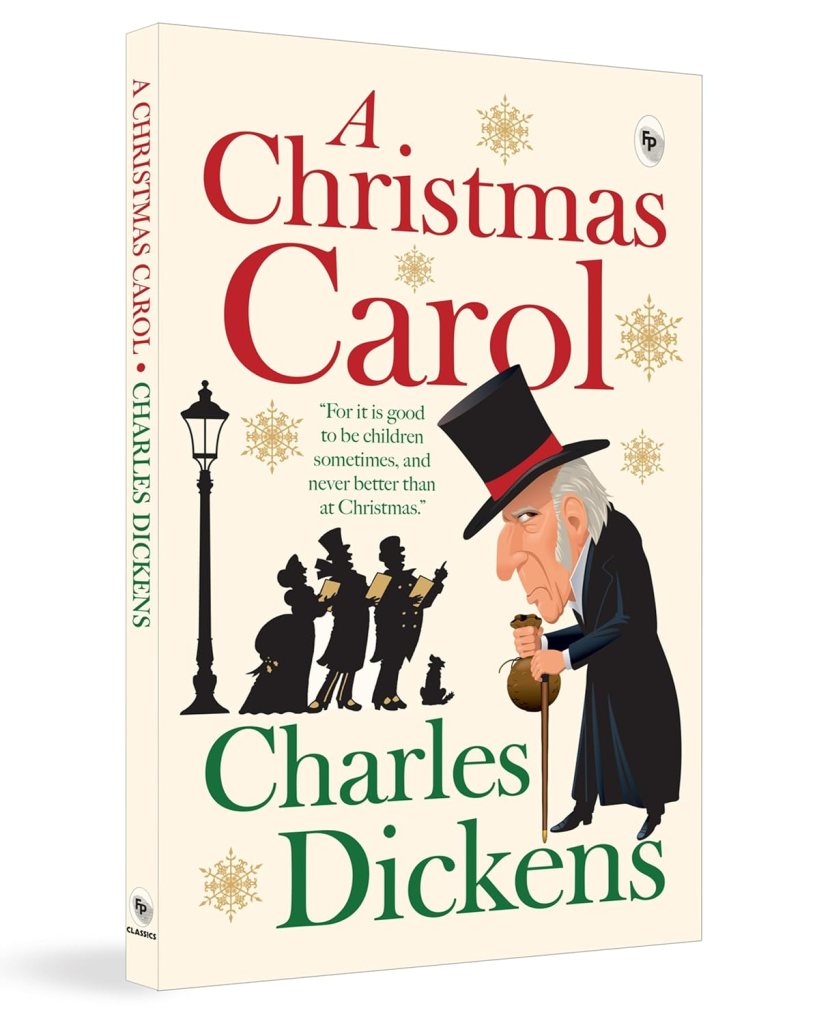
As he walked the streets, an idea struck him. He visualised a man who had lost all his compassion and had to be jolted back into a complete sense of his humanity. The story helped rebuild Christmas and the compassion that had been lost over the years. The rest, as they say, is history. A Christmas Carol reformed Victorian Britain.
Reference:
From Journey Through Time: 59. A Christmas Carol: The Book That Brought Back Christmas (Ep 1), 25 Dec 2025. Podcast
Farouk Gulsara is a daytime healer and a writer by night. After developing his left side of his brain almost half his lifetime, this johnny-come-lately decided to stimulate the non-dominant part of his remaining half. An author of two non-fiction books, Inside the twisted mind of Rifle Range Boy and Real Lessons from Reel Life, he writes regularly in his blog, Rifle Range Boy.
PLEASE NOTE: ARTICLES CAN ONLY BE REPRODUCED IN OTHER SITES WITH DUE ACKNOWLEDGEMENT TO BORDERLESS JOURNAL
Click here to access the Borderless anthology, Monalisa No Longer Smiles
Click here to access Monalisa No Longer Smiles on Kindle Amazon International
 Borderless