Categories
Interview Review

Can Climate Change Lead to More Cyclones?

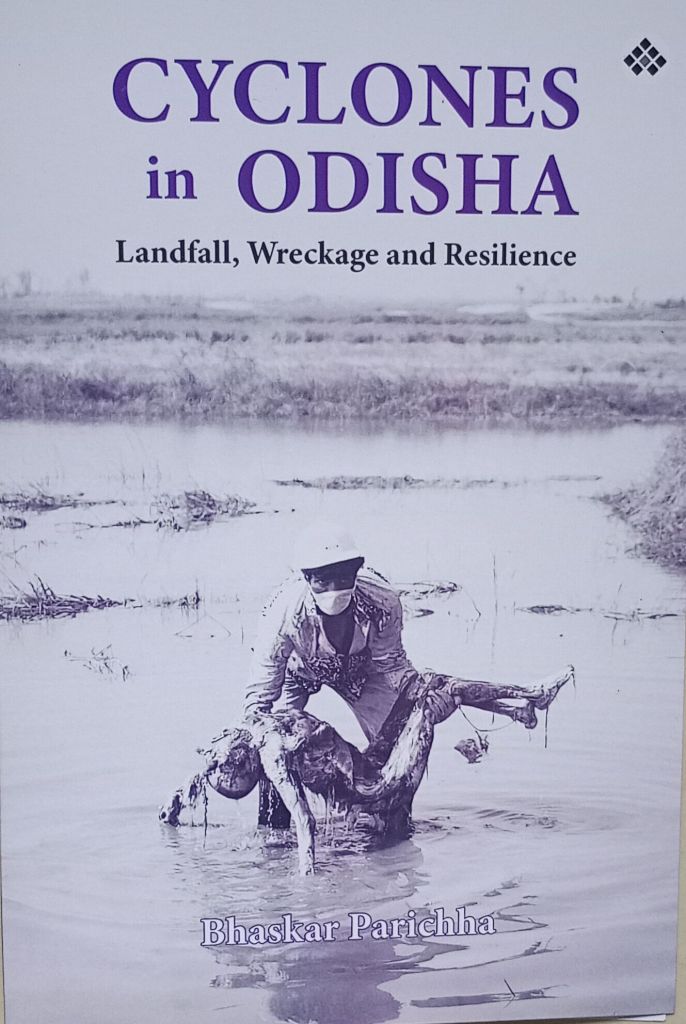
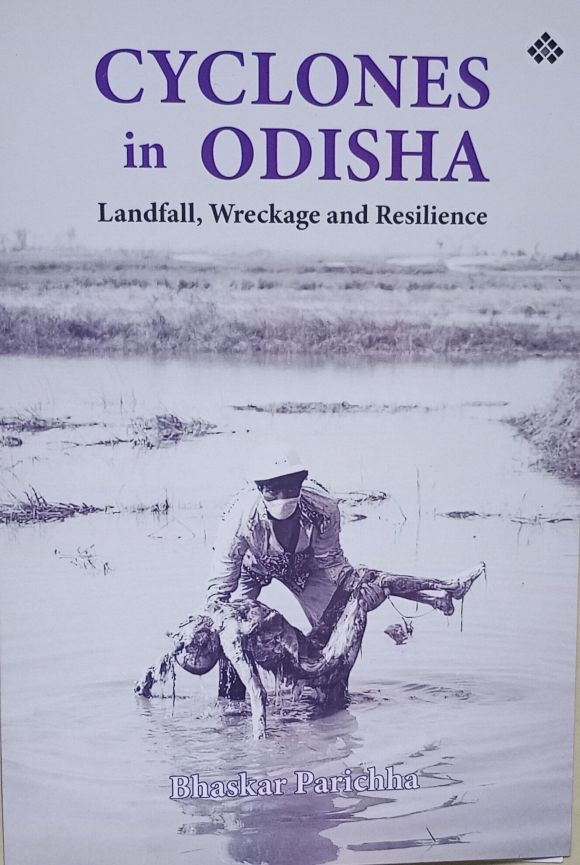
A discussion with Bhaksar Parichha, author of Cyclones in Odisha, Landfall, Wreckage and Resilience, published by Pen in Books.

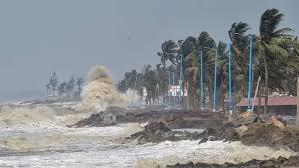
While wars respect manmade borders, cyclones do not. They rip across countries, borders, seas and land — destroying not just trees, forests and fields but also human constructs, countries, economies and homes. They ravage and rage bringing floods, landslides and contamination in their wake. Discussing these, Bhaskar Parichha, a senior journalist, has written a book called Cyclones in Odisha, Landfall, Wreckage and Resilience. He has concluded interestingly that climate change will increase the frequency of such weather events, and the recovery has to be dealt by with regional support from NGOs.
Perhaps, this conclusion has been borne of the experience in Odisha, one of the most vulnerable, disaster prone states of India, where he stays and a place which he feels passionately about. Centring his narrative initially around the Super Cyclone of 1999, he has shown how as a region, Odisha arranged its own recovery process. During the Super Cyclone, the central government allocated only Rs 8 crore where Rs 500 crore had been requested and set up a task force to help. They distributed vaccines and necessary relief but solving the problem at a national level seemed a far cry. Parichha writes: “As a result, the relief efforts were temporarily limited. To accommodate the displaced individuals, schools that remained intact after the cyclone were repurposed as temporary shelters.

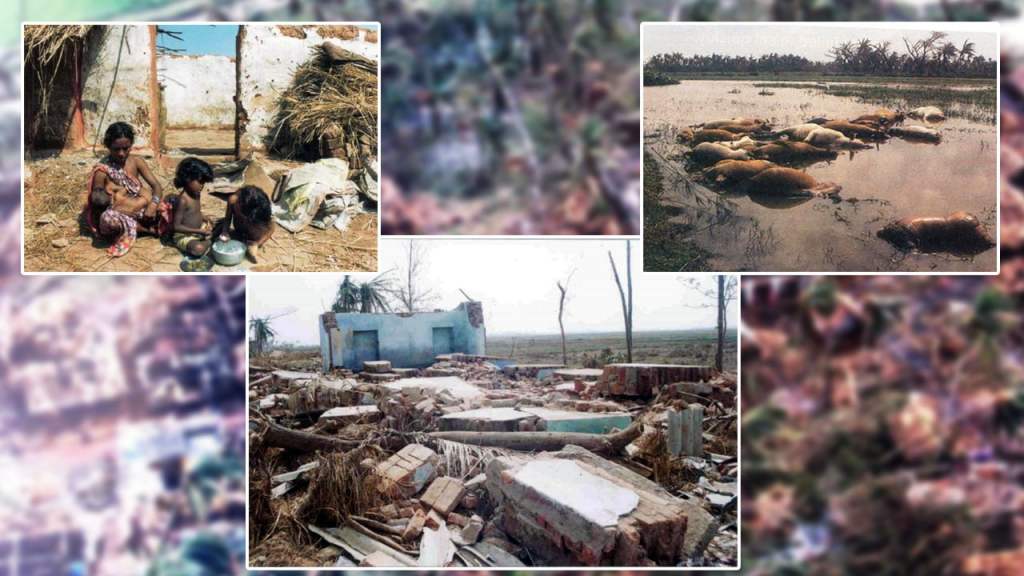
 “The aftermath of the cyclone also led to a significant number of animal carcasses, prompting the Government of India to offer a compensation of 250 rupees for each carcass burned, which was higher than the minimum wage. However, this decision faced criticism, leading the government to fly in 200 castaways from New Delhi and 500 from Odisha to carry out the removal of the carcasses.”

He goes on to tell us: “The international community came together to provide much-needed support to the recovery efforts in India following the devastating cyclone. The Canadian International Development Agency, European Commission, British Department for International Development, Swiss Humanitarian Aid Unit, and Australian Government all made significant contributions to various relief organisations on the ground. These donations helped to provide essential aid such as food, shelter, and medical assistance to those affected by the disaster. The generosity and solidarity shown by these countries underscored the importance of global cooperation in times of crisis.” They had to take aid from organisations like Oxfam, Indian Red Cross and more organisations based out of US and other countries. Concerted international effort was necessary to heal back.

He gives us the details of the subsequent cyclones, the statistics and the action taken. He tells us while the Bay of Bengal has always been prone to cyclones, from 1773 to 1999, over more than two centuries, ten cyclones were listed. Whereas from 1999 to 2021, a little over two decades, there have been nine cyclones. Have the frequency of cyclones gone up due to climate change? A question that has been repeatedly discussed with ongoing research mentioned in this book. Given the scenario that the whole world is impacted by climate disasters — including forest fires that continue to rage through the LA region in USA — Parichha’s suggestion we build resilience comes at a very timely juncture. He has spoken of resilience eloquently:

“Resilience refers to the ability to recover and bounce back from challenging situations. It encompasses the capacity of individuals, communities, or systems to withstand, adapt, and overcome adversity, trauma, or significant obstacles. Resilience involves not only psychological and emotional strength but also physical resilience to navigate through hardships, setbacks, or crises.

“Resilience is the remarkable capacity of individuals to recover, adapt and thrive in the face of adversity, challenges, or significant life changes. It is the ability to bounce back from setbacks, disappointments, or failures, and to maintain a positive outlook and sense of well-being despite difficult circumstances.

“Resilience is not about avoiding or denying the existence of hardships, but rather about facing them head-on and finding ways to overcome them. It involves developing a set of skills, attitudes, and strategies that enable individuals to navigate through difficult times and emerge stronger and more capable.”

He has hit the nail on the head with his accurate description of where we need to be if we want our progeny to have a good life hundred years from now. We need this effort and the ability to find ways to solve and survive major events like climate change. Parichha argues Odisha has built its resilience at a regional level, then why can’t we? This conversation focusses on Parichha’s book in context of the current climate scenario.

Bhaskar Parichha

What prompted you to write this book?

Odisha possesses an unfavorable history of cyclones with some of the most catastrophic storms. People suffered. My motivation stemmed from documenting this history, emphasising previous occurrences and their effects on communities, infrastructure, and the environment.

What kind of research went into this book? How long did it take you to have the book ready?

The idea for the book originated more than a year ago. It was intended for release to commemorate the twenty-fifth anniversary of the 1999 Super Cyclone and the cyclones that followed. Having witnessed the disaster first-hand and having been involved in the audio-visual documentation of the relief and rehabilitation initiatives in and around Paradip Port after the Super Cyclone, I gained a comprehensive understanding of the topic. The research was largely based on a thorough examination of the available literature, which included numerous documents and reports.

Promptly after you launched your book, we had Cyclone Dana in October 2024. Can you tell us how it was tackled in Odisha? Did you need help from the central government or other countries?

Cyclone Dana made landfall on the eastern coast on the morning of October 25, unleashing heavy rainfall and strong winds that uprooted trees and power poles, resulting in considerable damage to infrastructure and agriculture across 14 districts in Odisha. Approximately 4.5 million individuals were affected. West Bengal also experienced the effects of Cyclone Dana. After effectively addressing the cyclone’s impact with a goal of zero casualties, the Odisha government shifted its focus to restoration efforts, addressing the extensive damage to crops, thatched homes, and public infrastructure. The government managed the aftermath of the cyclone utilizing its financial resources.

Tell us how climate change impacts such weather events.

Climate change significantly influences weather events in a variety of ways, leading to more frequent and intense occurrences of extreme weather phenomena. As global temperatures rise due to increased greenhouse gas emissions, the atmosphere can hold more moisture, which can result in heavier rainfall and more severe storms. This can lead to flooding in some regions while causing droughts in others, as altered precipitation patterns disrupt the natural balance of ecosystems.

What made people in Odisha think of starting their own NGOs and state-level groups to work with cyclones?

The impetus for establishing non-governmental organisations and state-level entities in Odisha is fundamentally linked to the region’s historical encounters with cyclones, which have highlighted the necessity for improved community readiness. Through the promotion of cooperation between governmental agencies and civil society organisations, Odisha has developed a robust framework that is adept at responding to natural disasters while simultaneously empowering local communities.

What are the steps you take to build this resilience to withstand the destruction caused by cyclones? Where should other regions start? And would they get support from Odisha to help build their resilience?

Building resilience to withstand the destruction caused by cyclones involves a multi-faceted approach that encompasses infrastructure development, community engagement, and effective disaster management systems. Odisha has established a robust model that other regions can learn from. Odisha’s experience positions it as a potential leader in sharing knowledge and best practices with other regions. The state has demonstrated its commitment to enhancing disaster resilience through partnerships with international organisations and by sharing its model of disaster preparedness with other states facing similar challenges. Odisha can offer training programs and workshops based on its successful strategies, guide in implementing early warning systems, building resilient infrastructure and also collaborating with NGOs and international agencies to secure funding for resilience-building initiatives in vulnerable regions.

You have shown that these cyclones rage across states, countries and borders in the region, impacting even Bangladesh and Myanmar. They do not really respect borders drawn by politics, religion or even nature. If your state is prepared, do the other regions impacted by the storm continue to suffer…? Or does your support extend to the whole region?

Odisha is diligently assisting its impacted regions through comprehensive evacuation and relief initiatives, while adjacent areas such as West Bengal are also feeling the effects of the cyclone. The collaborative response seeks to reduce damage and safeguard the well-being of residents in both states. Odisha’s approach to cyclone response has garnered international acclaim.

Can we have complete immunity from such weather events by building our resilience? I remember in Star Wars — of course this is a stretch — in Kamino they had a fortress against bad weather which seemed to rage endlessly and in Asimov’s novels, humanity moved underground, abandoning the surface. Would you think humanity would ever have to resort to such extreme measures?

The idea of humanity seeking refuge underground, as illustrated in the writings of Isaac Asimov, alongside the perpetual storms on Kamino from the Star Wars franchise, provokes thought-provoking inquiries regarding the future of human settlement in light of environmental adversities. Although these scenarios may appear to be exaggerated, they underscore an increasing awareness of the necessity for adaptability when confronted with ecological challenges. The stories from both Kamino and Asimov’s literature act as cautionary narratives, encouraging reflection on potential strategies for human resilience in the future.

With the world torn by political battles, and human-made divisions of various kinds, how do you think we can get their attention to focus on issues like climate change, which could threaten our very survival?

A comprehensive strategy is crucial for effectively highlighting climate change in the context of persistent political conflicts and societal rifts. Various methods can be utilised to enhance public awareness, galvanise grassroots initiatives, promote political advocacy, emphasise economic prospects, frame climate change as a security concern, and encourage international collaboration.

Can the victims of weather events go back to their annihilated homes?  If not, how would you suggest we deal with climate refugees? Has Odisha found ways to relocate the people affected by the storms?

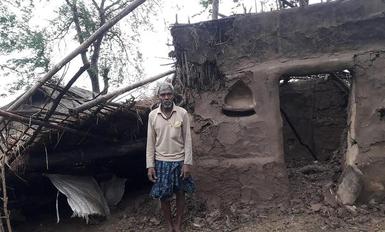
Individuals affected by severe weather events frequently encounter considerable difficulties in returning to their residences, particularly when those residences have been destroyed or made uninhabitable. In numerous instances, entire communities may require relocation due to the devastation inflicted by natural disasters, especially in areas susceptible to extreme weather conditions. Odisha’s proactive stance on disaster management and community involvement has greatly improved its ability to address challenges related to cyclones. The state’s initiatives not only prioritise immediate evacuation but also emphasize long-term resettlement plans to safeguard its inhabitants against future cyclonic events. For instance, residents from regions such as Satabhaya in Kendrapara district are being moved to safer locations like Bagapatia, where they are provided with land and support to construct new homes. This programme seeks to reduce future risks linked to coastal erosion and flooding.

Thanks for your book and your time.

(This review and online interview is by Mitali Chakravarty.)

Click here to read an excerpt from the book.

PLEASE NOTE: ARTICLES CAN ONLY BE REPRODUCED IN OTHER SITES WITH DUE ACKNOWLEDGEMENT TO BORDERLESS JOURNAL. 

Click here to access the Borderless anthology, Monalisa No Longer Smiles

Click here to access Monalisa No Longer Smiles on Kindle Amazon International
Categories
Excerpt

A Perpetual Struggle

Title: Cyclones in Odisha: Landfall, Wreckage, and Resilience

Author: Bhaskar Parichha

Publisher: Pen In Books

Chapter 10

 A Perpetual Struggle

“Humans and nature can never be friends! Nature will never hesitate to starve you in the drought, drown you in the rain, burn you in the sun, and kill you with an earthquake, a hurricane or a disease; and as such, nature should always be seen as an enemy not a friend.”
― Mouloud Benzadi

 Cyclones exert a significant influence on the economy and agricultural sector of Odisha, leading to considerable disruptions and enduring challenges for the region. Agriculture serves as a fundamental component of Odisha’s economy, accounting for approximately 26% of the Gross State Domestic Product (GSDP) and providing employment for around 85% of the rural populace. The occurrence of cyclones frequently results in severe crop damage, exemplified by the 1999 Super Cyclone, which led to the loss of nearly 2 million tons of rice and devastated approximately 18.43 lakh hectares of farmland. More recent cyclones, such as Fani in 2019, inflicted damage on about 60% of the paddy crop and had a detrimental effect on vegetable production.

The fishing industry, crucial for the livelihoods of local communities, also suffers significant setbacks due to cyclonic events. Damage to fishing infrastructure and interruptions in fishing operations result in decreased catch and income for fishermen, thereby intensifying the economic difficulties faced by coastal populations.

Cyclones inflict extensive damage on infrastructure, including roads, electricity, and housing. This destruction not only affects immediate livelihoods but also obstructs long-term economic recovery. For instance, Cyclone Amphan in 2020 caused widespread infrastructural damage, impacting millions of consumers and resulting in prolonged power outages.

Job Loss

The devastation wrought by cyclones leads to job losses, particularly affecting daily wage laborers and roadside vendors, who are often the most susceptible to economic disruptions. The reduction in employment opportunities further exacerbates poverty levels in a state that is already economically disadvantaged.

Research indicates that cyclones adversely affect local economic growth, with studies revealing a significant decline in the growth rate in the years following such events. For instance, after the catastrophic cyclones of 2013 and 2014, the growth rate plummeted to 1.8% in 2014-15, a stark decrease from 9.3% in the preceding year.

Cyclones result in flooding, soil salinization, and erosion, which significantly undermine agricultural productivity. Coastal areas, where a majority of agricultural activities are concentrated, are especially susceptible to these effects, resulting in diminished crop yields and heightened food insecurity. Farmers are compelled to adjust to the evolving climate and the rising occurrence of cyclones. This adaptation may involve altering planting schedules, implementing multiple cropping strategies, and enhancing irrigation systems to alleviate the impact of cyclones on their livelihoods. The financial challenges associated with recovering from cyclone-related damage can be daunting for farmers, many of whom do not possess sufficient insurance coverage. This economic pressure can perpetuate cycles of poverty and obstruct agricultural advancement in the region.

Ongoing Struggle

The ongoing struggle of the people in Odisha against the backdrop of cyclones is a complex interplay of psychological trauma, economic hardship, and the need for improved disaster management. While strides have been made in preparedness and response, the experiences of survivors underscore the necessity for continued support and infrastructure development to mitigate the impacts of future cyclones.

Resilience to cyclones involves implementing a range of strategies to minimize the impact of these natural disasters on communities and infrastructure. This can include building stronger and more resilient infrastructure, such as storm-resistant buildings and flood barriers, as well as developing early warning systems and evacuation plans. Investing in disaster preparedness and response training for communities can help them cope better with the aftermath of a cyclone. By taking proactive measures to increase resilience to cyclones, communities can reduce the loss of life and property damage caused by these powerful storms.

Incorporating nature-based solutions such as mangrove restoration and coastal vegetation can help absorb the impact of cyclones and reduce erosion. Building codes and regulations can also be updated to ensure that new construction is more resilient to extreme weather events.

 Promoting community engagement and participation in resilience-building efforts can help foster a sense of ownership and responsibility among residents. This can include educating communities on how to prepare for cyclones, providing resources for emergency supplies, and establishing communication networks to disseminate information during a crisis.

Resilience to cyclones requires a multi-faceted approach that involves collaboration between government agencies, non-profit organizations, businesses, and local communities. By working together to implement these strategies, we can better protect vulnerable populations and infrastructure from the devastating impacts of cyclones.

Livelihood Loss

The economic impact of cyclones is profound highlighting the broader economic devastation faced by many in the fishing and agricultural sectors. Initial estimates indicated that thousands of fishing boats were lost, and agricultural land became salt-encrusted, rendering it unusable for years. This dual loss of livelihood and resources has compounded the stress for displaced communities.

Survivors of Cyclone Fani, which struck Odisha in May 2019, have faced severe mental health issues, including stress disorders and depression. Many individuals expressed feelings of despair and anxiety about their future, struggling to cope with the trauma of the cyclone’s destruction. Mental health experts have emphasized the need for immediate interventions to address these issues, as the fear of future cyclones continues to haunt the affected communities.

Mental health professionals have been mobilized to assess the psychological impact of the cyclone. A study conducted a month after Cyclone Fani found that approximately 42.9% of participants exhibited probable PTSD, while 36.7% experienced severe anxiety and 16.5% showed moderately severe depression. Additionally, suicidal thoughts increased by 14% among the affected population. These findings underscore the urgent need for targeted mental health interventions.

Efforts are being made to enhance community-based mental health support. This includes training local volunteers to identify individuals in need of psychological assistance and providing them with referral support. Such grassroots initiatives are crucial for ensuring that mental health care reaches those who may not have access to formal healthcare services.

Despite these interventions, challenges remain. Many survivors continue to experience sleep deprivation and anxiety due to the trauma of the cyclone and the ongoing fear of future disasters. The presence of mosquitoes in temporary shelters has further exacerbated sleep issues, highlighting the need for improved living conditions during recovery.

Moreover, the long-term psychological effects of such disasters necessitate sustained mental health support beyond the immediate aftermath. Historical data from the 1999 supercyclone indicates that without adequate post-disaster psychological support, issues like PTSD can persist for years.

Government’s Role

Cyclones in Odisha lead to devastating impacts on local communities, including loss of life, destruction of homes, and significant economic losses. The recurrent nature of these disasters has resulted in long-term challenges, such as food insecurity and displacement among vulnerable populations. The state government has been working on improving cyclone preparedness and response mechanisms to mitigate these impacts.

Early warning systems play a crucial role in reducing the impact of cyclones on the East Coast of India. These systems involve the use of advanced meteorological technology to track and predict the path and intensity of cyclones, allowing for timely evacuation and preparation. Additionally, coastal defense infrastructure such as seawalls, breakwaters, and mangrove restoration projects can help mitigate the impact of storm surges and erosion caused by cyclones.

Initiatives to prepare and build resilience within the community are also essential in reducing the impact of cyclones. This includes educating the public about cyclone preparedness, conducting drills and simulations, and providing access to emergency supplies and shelters. Building resilient infrastructure, such as cyclone-resistant housing and public buildings, can also help minimize the damage caused by cyclones.

Despite these measures, the East Coast of India remains vulnerable to the devastating impact of cyclones. Continuous research into cyclone behavior, climate change adaptation strategies, and the development of innovative technologies are crucial in improving the effectiveness of measures to reduce disaster risk. Strategic planning at the national and local levels is also necessary to ensure that resources are allocated effectively and that policies are in place to address the long-term impacts of cyclones.

Climate Change

In recent years, there has been a noticeable increase in the frequency and intensity of cyclones in the region. This trend is believed to be linked to climate change, which is causing rising sea levels and warmer ocean temperatures. These changes create more favorable conditions for cyclones to form and intensify, posing a significant threat to the people of Odisha.

Climate change has a profound effect on Odisha’s disaster preparedness plans in a variety of ways. The increasing temperatures and sea levels are contributing to more frequent and severe disasters such as cyclones, floods, droughts, and heat waves. This necessitates more robust and frequent evacuation drills, shelter maintenance, and emergency response planning. The prevalence of water and vector-borne diseases like malaria and dengue fever is worsened by climate change. Consequently, the health sector must incorporate climate change considerations into health policies, enhance disease management, and implement measures to mitigate the impact of heat waves.

Changes in monsoon patterns and more frequent cyclones result in widespread food and nutrition insecurity. Disaster preparedness efforts should prioritize ensuring access to nutritious food and promoting sustainable agricultural practices. The rise in sea levels due to climate change and the increased intensity of storms pose a threat to coastal infrastructure, including cyclone shelters and evacuation routes. Regular maintenance and improvement of these structures are essential to minimize the impact of climate change.

Raising awareness about climate change and being prepared require ongoing community involvement and capacity building. This involves training volunteers, promoting safe migration practices, and increasing media coverage of climate change issues. Climate change can negatively impact economic growth and exacerbate poverty. Disaster preparedness strategies need to address these economic risks by encouraging sustainable industries, renewable energy, and climate-resilient infrastructure.

Given the changing impacts of climate change, Odisha’s disaster preparedness strategies must evolve to ensure effective response and mitigation measures. This requires ongoing investment in disaster preparedness and response measures, as well as efforts to address the underlying causes of climate change. By taking proactive steps to mitigate the impact of cyclones and adapt to changing climatic conditions, Odisha can better protect its coastal region and ensure the safety and well. Financial investment in measures to reduce disaster risk and adapt to climate change is essential for the East Coast of India. This includes funding for the development and maintenance of early warning systems, the construction of resilient infrastructure, and community preparedness initiatives.

Investment in research and development of new technologies and strategies for cyclone mitigation is crucial in building a more resilient and adaptive East Coast community.

As climate change continues to influence weather patterns, the frequency and intensity of cyclones in this region may increase, further highlighting the need for effective disaster management strategies and resilient infrastructure to protect the vulnerable populations of Odisha. In the face of a cyclone, communities must come together to prepare and respond to the impending disaster. Early warning systems and evacuation plans can help to minimize the impact of a cyclone, saving lives and reducing property damage. In the aftermath of a cyclone, communities must work together to rebuild and recover, showing resilience in the face of adversity.

Political Accountability

The impact of cyclones on political dynamics in Odisha has been significant, particularly following the devastating 1999 Super Cyclone. This event not only caused immense human suffering but also reshaped the political landscape and public sentiment towards various parties. The destruction prompted widespread criticism of the government, particularly regarding its preparedness and response to the disaster. Many survivors expressed dissatisfaction with the lack of support and infrastructure improvements in the years following the cyclone, leading to a sense of betrayal among the electorate.

In the years following the cyclone, political parties in Odisha, especially Biju Janata Dal and its leader Naveen Patnaik have faced scrutiny over their handling of disaster relief and infrastructure development. Although the BJD asserts that significant advancements have been made in the reconstruction initiatives, numerous inhabitants of regions impacted by the cyclone have indicated persistent challenges, including insufficient compensation and a shortage of cyclone shelters. This dissatisfaction has affected electoral choices in later elections, as those who survived the disaster frequently perceive a lack of attention from political figures who pledged assistance but did not fulfill their commitments. The political narrative in Odisha has continued to evolve, especially in light of more recent cyclones like Fani and Phailin. The BJD had maintained a significant foothold in the state, leveraging its disaster management initiatives as part of its campaign strategy. Opposition parties have capitalized on public grievances, framing their campaigns around issues of local pride and accountability in disaster management.

NGO’s Role

Non-Governmental Organizations (NGOs) play a crucial role in disaster mitigation and recovery efforts in Odisha. NGOs sensitize local communities about disaster risks and preparedness measures through awareness campaigns, mock drills, and training programs. They build the capacity of communities, especially vulnerable groups like women, children, the elderly, and the disabled, to cope with and recover from disasters. NGOs collaborate with the government in preparing disaster management plans at the district and state levels.

During disasters, NGOs are involved in rescue operations, providing temporary shelters, organizing health camps and setting up communication facilities.  They work closely with the government in relief distribution, ensuring equitable access to food, water, sanitation, and other essential supplies for affected populations. NGOs focus on protecting vulnerable groups and providing special care for pregnant women, lactating mothers, children, elderly, and disabled persons during emergencies.

In the recovery phase, NGOs support the rebuilding of damaged houses and public infrastructure and restoring the livelihoods of affected communities. They promote the use of disaster-resilient construction techniques and make rehabilitation efforts disability-friendly.  NGOs help in reviving local economies by providing livelihood support, forming self-help groups, and establishing market linkages.

NGOs coordinate their efforts with the government through dedicated coordination cells at the state and district levels. They advocate for inclusive and equitable disaster management policies that address the needs of marginalized sections of society. NGOs also collaborate with the private sector through CSR initiatives and public-private partnerships in disaster management.

The Government of Odisha recognizes the critical role of NGOs in building community resilience. The state has involved NGOs in its disaster management framework, leveraging their grassroots presence, flexibility, and innovative approaches to complement government efforts in protecting lives and livelihoods from disasters.

Media Coverage

The historical context of cyclones in Odisha is characterized by significant events, particularly during the late 20th and early 21st centuries. The Super Cyclone of 1999 stands out as one of the most devastating. This disaster prompted substantial reforms in the state’s disaster management approach, leading to the establishment of the “Odisha model” for disaster preparedness.

The evolution of media coverage regarding cyclones in Odisha has been notable, especially in the aftermath of catastrophic occurrences like the Super Cyclone. Reports increasingly focus on the state’s preparedness initiatives, including early warning systems and community-managed cyclone shelters, which have played a crucial role in significantly lowering casualties in recent cyclones compared to earlier incidents.

The relationship between media coverage, public awareness, and government preparedness has been instrumental in shaping Odisha’s response to cyclones. The proactive strategies adopted by the state, along with community engagement, have established a framework for disaster management that reflects a transition from reactive to proactive measures in addressing climate-related challenges.

Public Perception

In the wake of the 1999 disaster, the Odisha government launched a “Zero Casualty” initiative aimed at reducing fatalities in future cyclones. This strategic shift is evident in media narratives, which increasingly highlight the state’s proactive efforts, such as the implementation of early warning systems and community-based disaster preparedness programs. During Cyclone Fani in 2019, for instance, media coverage underscored the successful evacuation of more than 1.2 million people, illustrating the effectiveness of the state’s preparedness strategies and garnering international recognition for its response efforts.

Media narratives have progressively included discussions regarding climate change and its effects on the frequency and severity of cyclones. Reports indicate that climate change is expected to intensify the challenges encountered by Odisha, with predictions of more powerful cyclones in the future. This evolution signifies an increasing recognition of the wider environmental factors associated with cyclonic events and has led to demands for more effective climate adaptation measures.

The public’s perception of cyclones in Odisha has significantly transformed over the years, shaped by a blend of historical experiences, governmental actions, and improvements in disaster management practices.

Changing Paradigm

Odisha encounters several significant obstacles in upholding its high standard of disaster preparedness. Despite the establishment of extensive cyclone shelters and evacuation routes, the state’s power, communication, and transportation infrastructure are still at risk. Disruptions of these systems can lead to widespread consequences during disasters. The continuous challenge lies in investing in underground power lines and disaster-resilient infrastructure. A considerable portion of coastal housing in Odisha remains vulnerable to cyclone damage. The transition of at-risk families from straw huts to disaster-resilient homes is an area that demands sustained attention and investment.

The success of Odisha’s disaster preparedness efforts heavily relies on the mobilization of local communities and volunteers. Ensuring the maintenance of this level of preparedness and response capability along the state’s extensive coastline poses an ongoing challenge that necessitates consistent training and drills. With the escalating frequency and intensity of cyclones due to climate change, Odisha must consistently enhance its early warning systems, evacuation strategies, and disaster management approaches to proactively address evolving threats.

Despite the significant progress made by Odisha, disaster preparedness is a continuous process that demands unwavering commitment, innovation, and allocation of resources to tackle emerging challenges effectively. Sustaining the state’s prominent position in global leadership in this domain remains a persistent priority.

Odisha’s disaster management paradigm has evolved from a relief-centric model to a comprehensive, proactive, and integrated framework that emphasizes risk reduction, community participation, and efficient response mechanisms.

About the Book

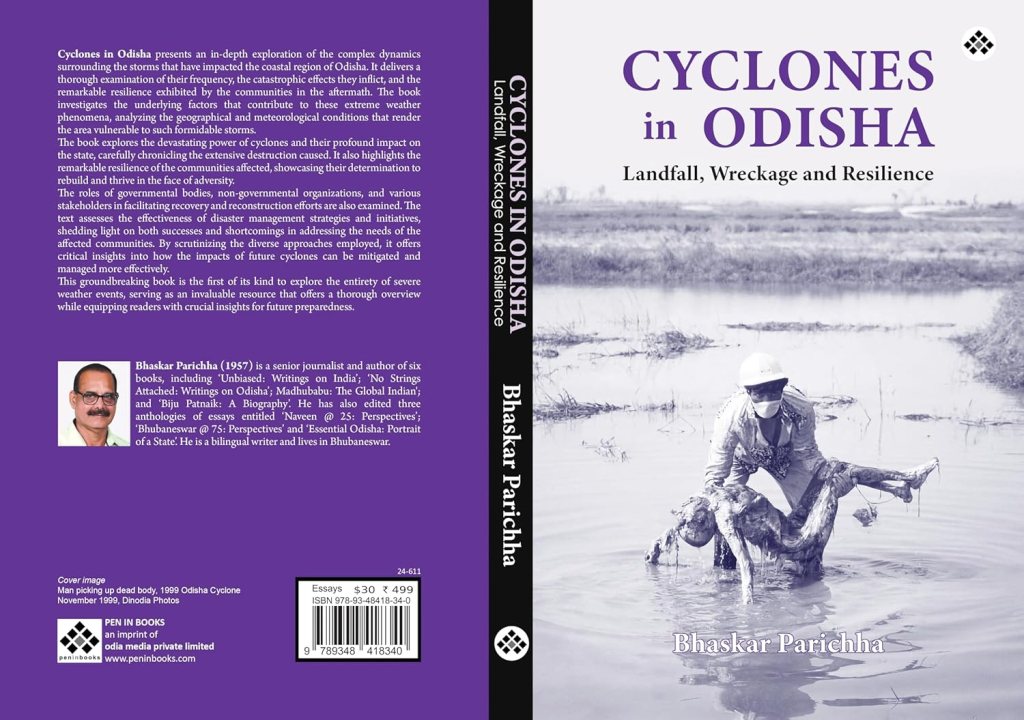
Cyclones in Odisha presents an in-depth exploration of the complex dynamics surrounding the storms that have impacted the coastal region of Odisha. It delivers a thorough examination of their frequency, the catastrophic effects they inflict, and the remarkable resilience exhibited by the communities in the aftermath. The book investigates the underlying factors that contribute to these extreme weather phenomena, analyzing the geographical and meteorological conditions that render the area vulnerable to such formidable storms. The book explores the devastating power of cyclones and their profound impact on the state, carefully chronicling the extensive destruction caused. It also highlights the remarkable resilience of the communities affected, showcasing their determination to rebuild and thrive in the face of adversity. The roles of governmental bodies, non-governmental organizations, and various stakeholders in facilitating recovery and reconstruction efforts are also examined. The text assesses the effectiveness of disaster management strategies and initiatives, shedding light on both successes and shortcomings in addressing the needs of the affected communities. By scrutinizing the diverse approaches employed, it offers critical insights into how the impacts of future cyclones can be mitigated and managed more effectively. This groundbreaking book is the first of its kind to explore the entirety of severe weather events, serving as an invaluable resource that offers a thorough overview while equipping readers with crucial insights for future preparedness.

About the Author

Bhaskar Parichha (1957) is a senior journalist and author of six books, including ‘Unbiased: Writings on India’; ‘No Strings Attached: Writings on Odisha’; Madhubabu: The Global Indian’; and ‘Biju Patnaik: A Biography’. He has also edited three anthologies of essays entitled ‘Naveen @ 25: Perspectives’; ‘Bhubaneswar @ 75: Perspectives’ and ‘Essential Odisha: Portrait of a State’. He is a bilingual writer and lives in Bhubaneswar.

.

Click here to read more about the book and an author interview.

PLEASE NOTE: ARTICLES CAN ONLY BE REPRODUCED IN OTHER SITES WITH DUE ACKNOWLEDGEMENT TO BORDERLESS JOURNAL. 

Click here to access the Borderless anthology, Monalisa No Longer Smiles

Click here to access Monalisa No Longer Smiles on Kindle Amazon International
Categories
climate change

More Frequent Cyclones to Impact Odisha

Cyclones in Odisha – Landfall, Wreckage and Resilience by Bhaskar Parichha cannot be underestimated given the recent impact of Dana (October 2024) which despite being  less aggressive than Amphan (May 2020) disrupted life as we know it. Bijoy K Mishra writes about the book and its relevance.

Climate Change will increase the incidence of cyclones in Odisha. Rising sea levels and warmer ocean temperatures create more favourable conditions for cyclones to form and intensify, posing a significant threat to the people of the state.

This has been clearly stated in the book, Cyclones in Odisha – Landfall, Wreckage and Resilience by senior journalist journalist and author, Bhaskar Parichha, “[C]limate change has a profound effect on Odisha’s disaster preparedness plans in various ways. The increasing temperatures and sea levels are contributing to more frequent and severe disasters such as cyclones, floods, droughts, and heat waves.” Published by Pen in Books, the book was released on October 29th to coincide with the Super Cyclone that struck the Odisha coast twenty-five years ago.

Odisha Super Cyclone 1999 (29/10/1999): 12.9 million people were affected by the storm. The India Meteorological Department indicated that around 9,887 were killed, 40 persons missing and 2,507 others injured. Photo from: Public Domain

The book, which traces the history of cyclones in Odisha in the past one hundred years, says: “The rise in sea levels due to climate change and the increased intensity of storms pose a threat to coastal infrastructure, including cyclone shelters and evacuation routes. Regular maintenance and improvement of these structures are essential to minimize the impact of climate change.”

Health Sector

While there is a need to ensure full-bodied evacuation drills, shelter maintenance, and emergency response planning more frequently, the prevalence of water and vector-borne diseases like malaria and dengue fever is worsened by climate change. The author suggests, “[T]he health sector must incorporate climate change considerations into health policies, enhance disease management, and implement measures to mitigate the impact of heat waves.”

With changes in monsoon patterns and more frequent cyclones resulting in widespread food and nutrition insecurity, the book has some precise suggestions; “Disaster preparedness efforts should prioritize ensuring access to nutritious food and promoting sustainable agricultural practices. Raising awareness about climate change and being prepared require ongoing community involvement and capacity building. This involves training volunteers, promoting safe migration practices, and increasing media coverage of climate change issues.”

Economic Impact

On the impact of the economy, the book says: “Climate change can negatively impact economic growth and exacerbate poverty. Disaster preparedness strategies need to address these economic risks by encouraging sustainable industries, renewable energy, and climate-resilient infrastructure.

“Odisha’s disaster preparedness strategies must evolve to ensure effective response and mitigation measures. This requires ongoing investment in disaster preparedness and response measures, as well as efforts to address the underlying causes of climate change. By taking proactive steps to mitigate the impact of cyclones and adapt to changing climatic conditions, Odisha can better protect its coastal region and ensure its safety and well.”

East Coast

The book emphasises financial investment in measures to reduce disaster risk and adapt to climate change is essential for the East Coast of India. This includes funding for the development and maintenance of early warning systems, the construction of resilient infrastructure, and community preparedness initiatives. Investment in research and development of new technologies and strategies for cyclone mitigation is crucial in building a more resilient and adaptive East Coast community.

Underlining the need for effective disaster management strategies and resilient infrastructure to protect the vulnerable populations of Odisha, we are told: “In the face of a cyclone, communities must come together to prepare and respond to the impending disaster. Early warning systems and evacuation plans can help to minimize the impact of a cyclone, saving lives and reducing property damage. In the aftermath of a cyclone, communities must work together to rebuild and recover, showing resilience in the face of adversity.”

(First Published in Political And Business Daily, Odisha)

Bijoy Ketan Mehta is the resident editor of Political and Business Daily. He can be contacted at bijoykm1259@gmail.com.

.

PLEASE NOTE: ARTICLES CAN ONLY BE REPRODUCED IN OTHER SITES WITH DUE ACKNOWLEDGEMENT TO BORDERLESS JOURNAL

Click here to access the Borderless anthology, Monalisa No Longer Smiles

Click here to access Monalisa No Longer Smiles on Amazon International