Photographs and Narrative by Suzanne Kamata
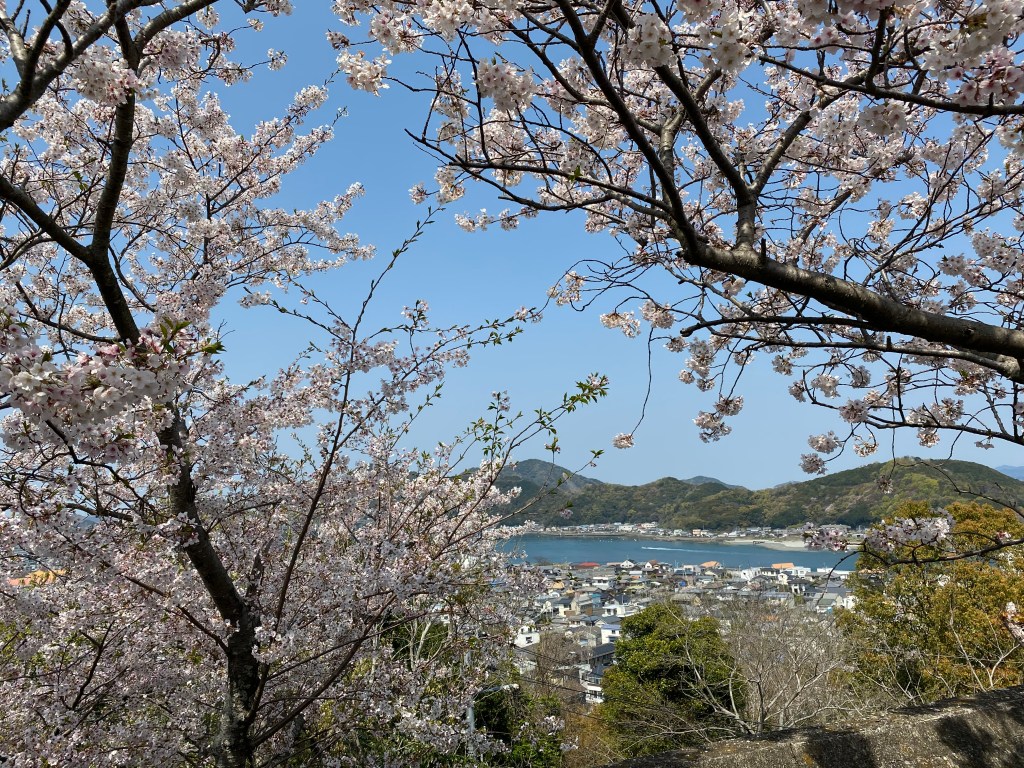
Nothing says “Japan” quite like cherry blossoms.
As I write this, the cherry trees on the campus of the university where I work are adorned with deep pink blossoms. There are several varieties of sakura, which bloom at different times. The earliest are the Kawazukura-zakura, which blossom as early as February in some parts of Japan. In a couple of weeks, the more commonly known frothy pale pink flowers of the Somei Yoshino will be seen. Usually, this timed to perfectly coincide with graduation ceremonies, and opening ceremonies welcoming new students. Every speech seems to begin with a mention of the ephemeral blooms.
Another kind, the Shidare-zakura (weeping sakura), is often found in traditional Japanese gardens. There used to be a Shidare-zakura across the street from my house. I enjoyed seeing the flowers, garlands swaying in the breeze, but, unfortunately, the owner of the property cut the tree down
My family and I used to make at least one outing each spring to roam among the cherry blossoms. Now, it’s just my husband and me, but as I previous years, we will probably visit a park or mountainside, transformed into a fairytale landscape, and take selfies while pondering the impermanence of youth and beauty.
Many people will gather on blue tarp spread under boughs to partake of lavish boxed lunches and drink beer. The park surrounding the former grounds of Tokushima Castle will be thronged with merrymakers. During the pandemic, Hanami (cherry-blossom-viewing) was frowned upon. At that time, the park was eerily vacant. I imagine that for many Japanese, not being able to participate in this traditional event was one of the greatest hardships of 2020-22.
In February, TV announcers are newspapers begin to forecast the passage of blossoms across the peninsula. It goes something like this:
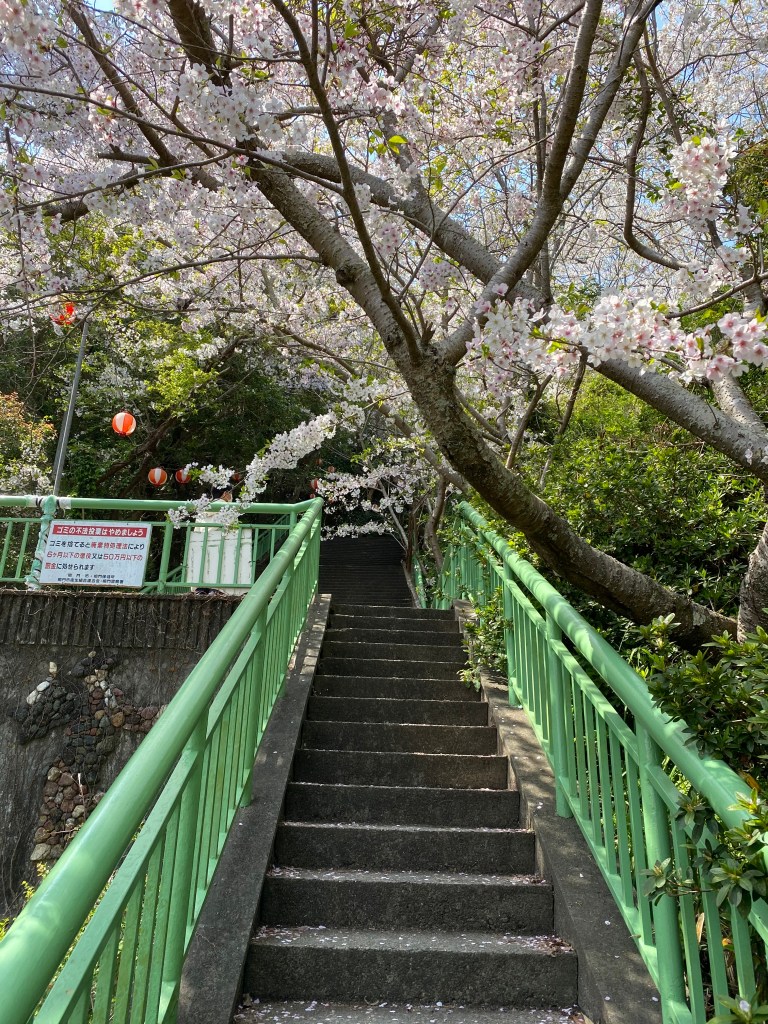
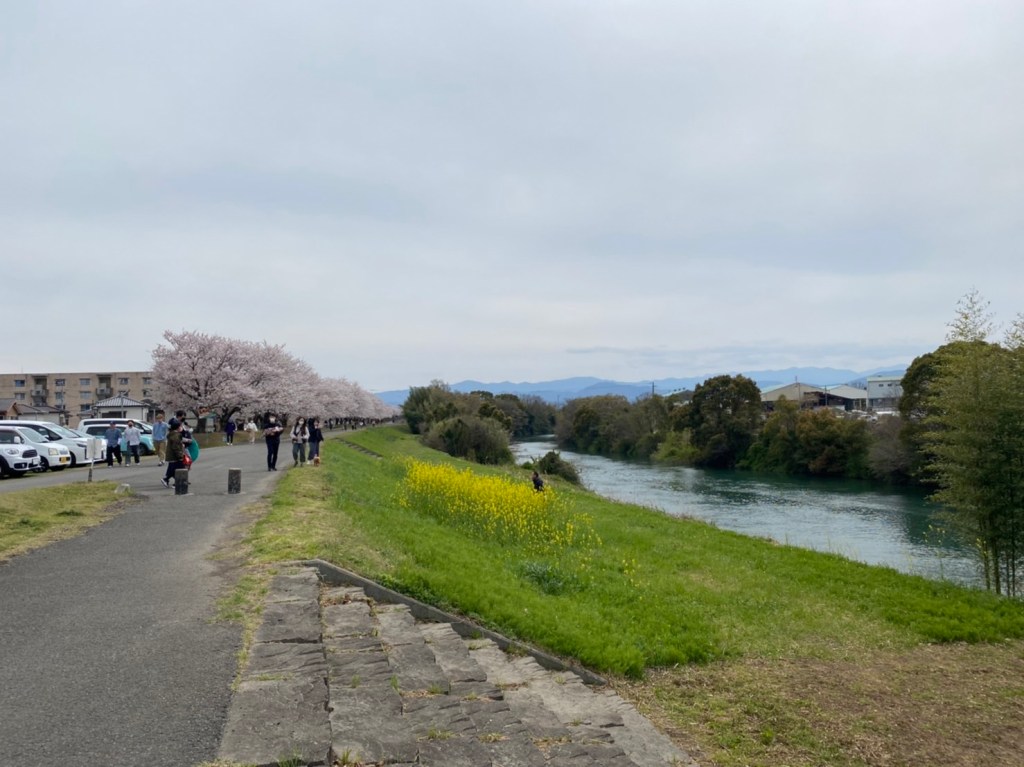
In northern Japan, snowflakes flutter and fall. Winter hangs on.
Cherry tree twigs stick out of bare branches like witchy fingers.
Every year meteorologists predict the appearance of cherry blossoms.
How do they know when the buds will release their blooms?
Well, from March, once a day, sometimes twice, someone checks on 58 designated barometer trees. One is near Yasukuni Shrine in Tokyo. Most people don’t know where the rest of the trees are. It’s a secret!
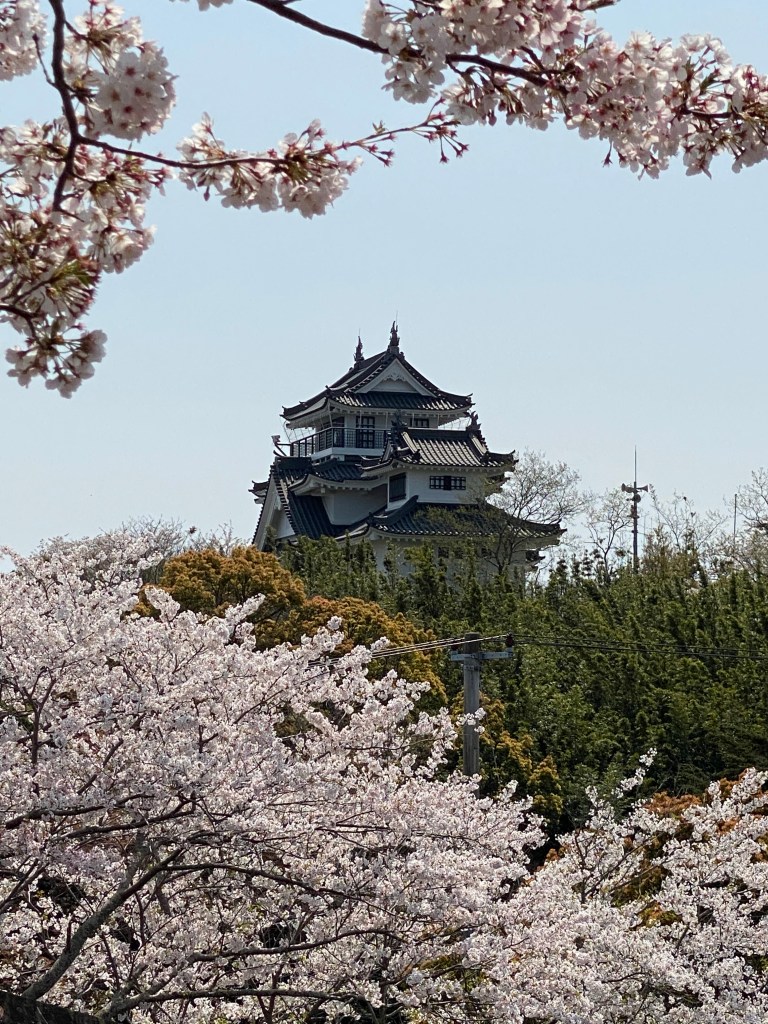
People from all over Japan send in photos of cherry blossom buds. Team cherry blossom examines all the photos and tracks the progress of the trees.
Tightly clenched buds mean it may be another month.
About ten days later, the tips change color – yellow-green.
And then, a deeper darker green, like moss in a forest.
When the tips become pink, get ready for cherry blossom viewing.
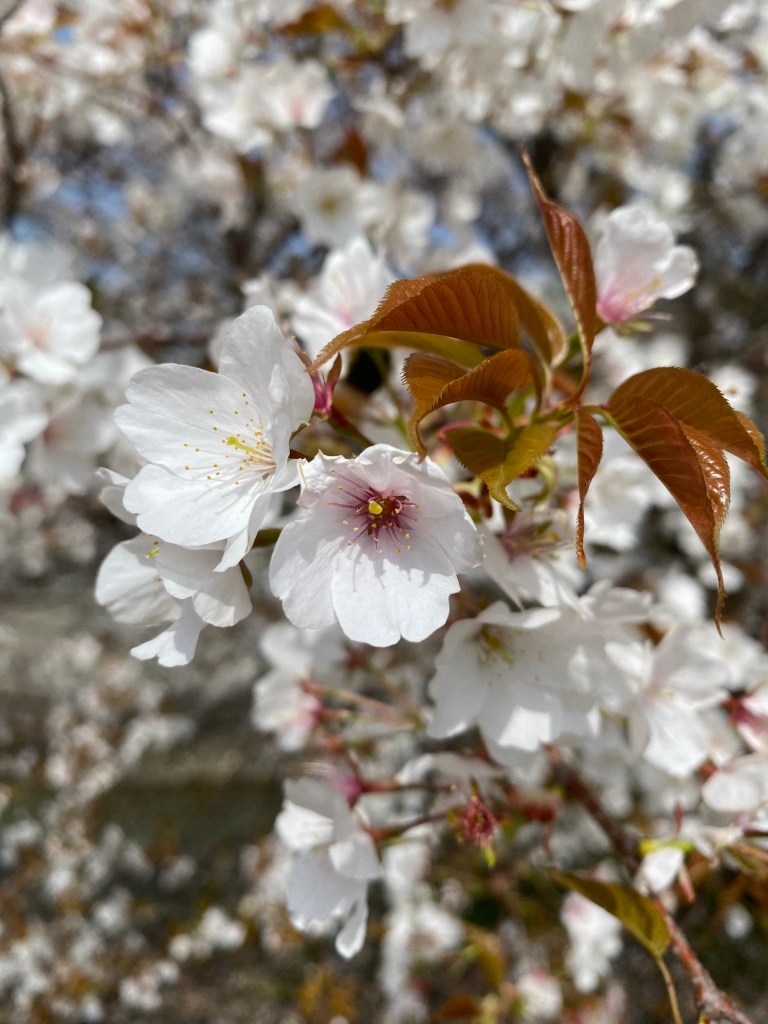
After five or six blossoms have appeared, the Meteorological Agency announces the start of the cherry blossom season.
In Kyushu, cherry trees may bloom in March. Gradually, buds open, releasing frothy flowers all the way up to Hokkaido, in a wave of pink and white.
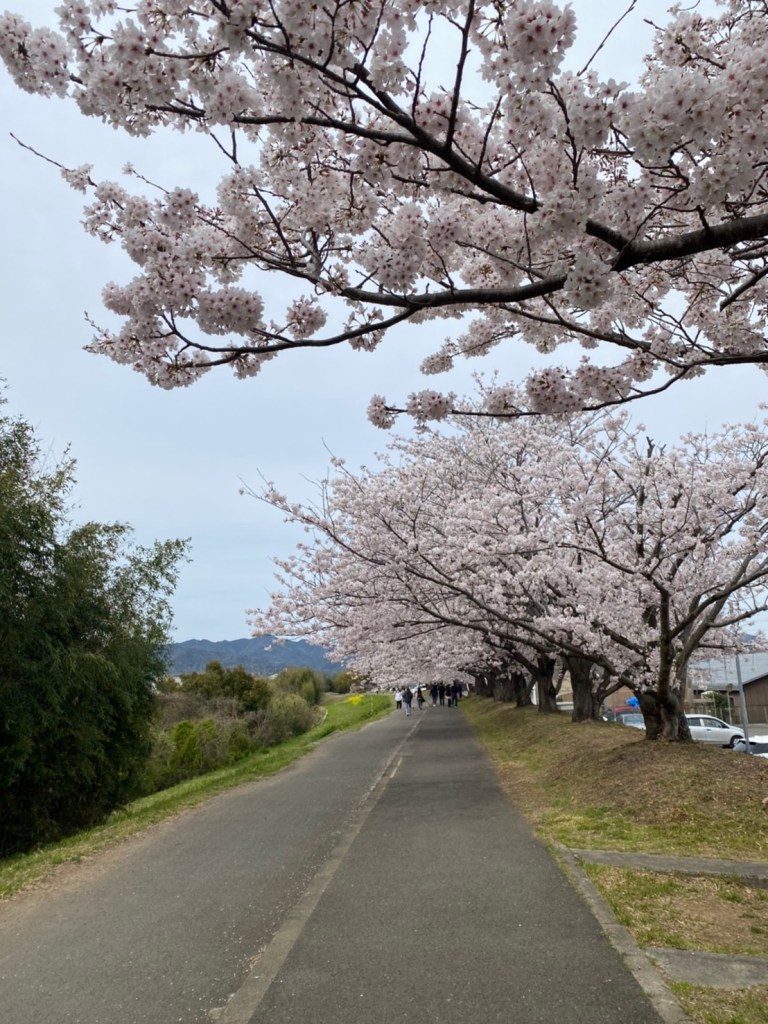
Cherry blossom petals flutter and fall.
Suzanne Kamata was born and raised in Grand Haven, Michigan. She now lives in Japan with her husband and two children. Her short stories, essays, articles and book reviews have appeared in over 100 publications. Her work has been nominated for the Pushcart Prize five times, and received a Special Mention in 2006. She is also a two-time winner of the All Nippon Airways/Wingspan Fiction Contest, winner of the Paris Book Festival, and winner of a SCBWI Magazine Merit Award.
PLEASE NOTE: ARTICLES CAN ONLY BE REPRODUCED IN OTHER SITES WITH DUE ACKNOWLEDGEMENT TO BORDERLESS JOURNAL
Click here to access the Borderless anthology, Monalisa No Longer Smiles
Click here to access Monalisa No Longer Smiles on Amazon International
 Borderless