By Suzanne Kamata
“Do you want to go out to eat?” my Japanese husband asks.
“Sure,” I say. After all, I’m feeling tired from a long day at work. It’ll be nice to relax while someone other than me deals with meal preparation.
We get into the car. “So what kind of restaurant shall we go to?”
I put in a vote for a nearby Indian restaurant. Or the pork cutlet place. Or the Taiwanese restaurant, or even Sushiro, where small plates are delivered by conveyor belt. But my husband wants to go to Yaki-Niku King, an all-you-can-eat grilled meat restaurant, where you have to eat a lot to get your money’s worth, and you have to cook the food yourself.
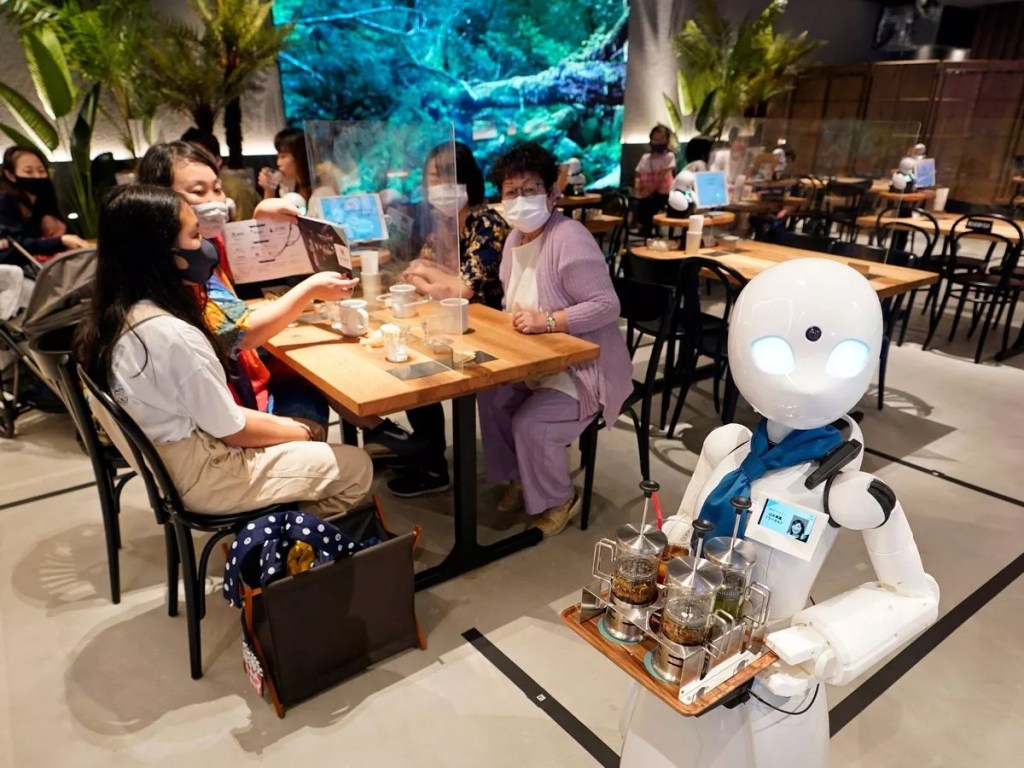
When we arrive at the restaurant, we are ushered to a grill and the server cranks up the heat. My husband grabs the tablet and orders the first round of meat. A few minutes later, a robot delivers a plate of raw cow tongues. I sigh, take up my chopsticks, and lay them on the grill.
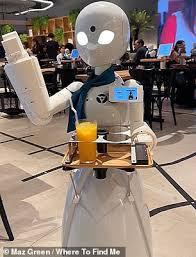
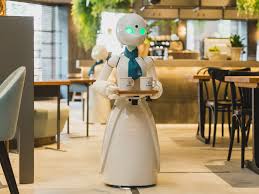
During my North American childhood, family dinners out were a treat, especially for my mother. If we were eating in a restaurant, she – and the rest of us – didn’t have to cook or clean up. Back in the kitchen, professionals prepared our meals, another person brought them to us, and we left without tidying up after ourselves. Forgive me for my entitlement, but that was the busboy’s job.
Dining out in Japan is a slightly different experience. As the primary cook in our family, I was always slightly dismayed when, on the rare occasions we ate out, my family chose DIY dining. Although I enjoy dishes such as okonomiyaki and shabu shabu – the savory pancakes filled with vegetables, meat, and cheese, and the thinly sliced beef dipped into boiling broth – we could not sit back and bask in the attentions of the wait staff. We had to cook the meal ourselves.
For my husband and kids, who didn’t spend a lot of time in the kitchen, this might have been fun. I’m sure it was also educational. Now that our kids live on their own, they can cook for themselves.
From a culinary perspective, preparing our food as we ate insured that our meal hadn’t been microwaved or sitting under a heat lamp for ten minutes. Everything was freshly prepared. The first time I went to this kind of Japanese restaurant, I, too, thought it was fun, but sometimes I don’t want to worry about whether or not my food is sufficiently fried – or overcooked.
Nevertheless, as the robot brings us plate after plate of meat, I duly add it to the grill. At one point, my husband accidentally cranks up the heat too much, and flames shoot up at the center of the table. Nevertheless, not wanting to waste, we divvy up the charred morsels and dig in. When our stomachs are full, we stack plate upon plate, arrange the glasses neatly, and wipe the table, just as I now do even after eating out in America.
Suzanne Kamata was born and raised in Grand Haven, Michigan. She now lives in Japan with her husband and two children. Her short stories, essays, articles and book reviews have appeared in over 100 publications. Her work has been nominated for the Pushcart Prize five times, and received a Special Mention in 2006. She is also a two-time winner of the All Nippon Airways/Wingspan Fiction Contest, winner of the Paris Book Festival, and winner of a SCBWI Magazine Merit Award.
PLEASE NOTE: ARTICLES CAN ONLY BE REPRODUCED IN OTHER SITES WITH DUE ACKNOWLEDGEMENT TO BORDERLESS JOURNAL
Click here to access the Borderless anthology, Monalisa No Longer Smiles
Click here to access Monalisa No Longer Smiles on Amazon International
 Borderless