By Snigdha Agrawal
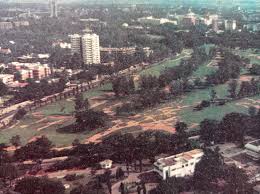
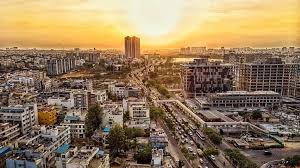
Right now, we are on the cusp between pre-monsoon and full-blown monsoon. The commencement of cool windy breezes and the partially cloudy skies comes as a welcome relief after the asphalt-melting summer heat, experienced this year. Just what is needed to uplift melting spirits. The mind has started recalibrating, the body readjusting, to the sudden dip in temperatures in the ‘Garden City’ of Bangalore, known for its salubrious climate right around the year. Defined by a short, short summer with the temperature barometer rarely rising above 34°C. December, January, and February, temperatures usually hover around 16°C to 18°C, a trend that has barely changed over the last thirty-plus years of my stay in the city. However, over these thirty-odd years, there have been several departures concomitant to the growth and evolution of the city.
The nomenclature “Pensioner’s Paradise”, has lost its significance with the progressive encroachment into virgin lands and lung spaces in the city getting systematically squeezed. A ‘Paradise lost’ and no hopes of it ever being regained. Road rollers, cranes, and crawlers are seen in every neighbourhood, slowly but surely picking the city clean of all its flora, fauna and water bodies. Justifiably nothing different from the growth path in other metros across the world but its impact on the environment, has become more and more evident. I can unequivocally say, that some of these major shifts have had a huge impact on both climate and the environment. The causative effect of overpowering greed hinged on profitability. The then Bangalore, a far cry from the now Bangalore. I will come to that later.
When I first relocated to Bangalore from Kolkata, a coastal city with a hot and humid climate, the sobriquet ‘air-conditioned’ City was not its only USP. It had earned the epithet ‘Silicon Valley’ that came about with IT companies/industries shifting their operations, lock stock and barrel to this much sought-after location, ergo necessitating a shift of manpower. The city thus, witnessed a massive exodus of techies/white-collar workers, moving in from various parts of the country to take up residence in the city. Dominique Lapierre’s City of Joy[1] saw the greatest pullout. Discarding the old for the new as some would think, was not so out of choice but for compelling reasons, following the shutdown of establishments, an antiquated work culture, and the government’s short-sighted policies; some of the contributing factors attributed to this attrition.
In June 1991, we moved into the city which surprised us pleasantly. First, there was no need to run ceiling fans. Strikingly different from Kolkata, where fans and air-conditioners did little to relieve the heat and humidity. Bangalore’s room air-conditioner vents remained tightly closed permanently, and by extension, contributed to a reduction in noise pollution. The susurration of the breeze, floating in through the windows was like being permanently plugged into music channels on YouTube. Therefore, it was unsurprising to that the figure for the first month’s electricity bill was a record low since the previous decade.
Natural lighting was more than abundant without anything to block it, eliminating the need to switch on the lights till well after sunset. The view from the 6th-floor apartment balcony on Richmond Road opened into an orchard of tall palm trees, beyond which stood the Good Shepherd Convent. Nuns walking in the coconut orchards while fingering the moving rosary beads had this effect of transporting one to a seaside setting, sans the sand and sea. Sublime. Often, I wondered if we had moved to a city at all! The ambience was so contrary to what one would conjure about big cities.
By the time, we moved out of the apartment, after a stay of twelve years, the view was curtained off. Gone were the tall trees. Felled indiscriminately. Spidery earth movers had taken over, raising noise pollution, and piercing through the ear drums. The heavily laden polluted air inhaled gave rise to frequent allergies. From the perspective of the locals, who resented the invasion of their paradise, parthenium was not alone to blame. Rightly so.
Funnily with the commencement of the academic year, my girls then twelve and eight were taken aback by the need to wear sweaters to school. “Woollens are for winter months, right Mamma?” True that. A strange phenomenon for the newly arrived Kolkata migrants precipitated the need to unbox the woollens, with naphthalene balls inserted between folds. Duvets and blankets intended to be unpacked during November and December got a premature release from their taped cardboard cartons. That was Bangalore weather then.
In a couple of years, as the girls moved from school to college, they were no longer layering during these monsoon months of June/July. The only conclusion drawn is either they had acclimatised to the Deccan plateau weather conditions or had become self-conscious during the growing up process, or was it a clear pointer to climate change? The latter seems more plausible. Supported by the fact that initially during the first few years, the bathroom geysers stayed plugged in for the entire day, to the subsequently reduced hours (one/two hours before shower time) stay highlighted with a bright marker on memory panels.
With the wiping out of tree-lined avenues and vintage colonial bungalows dotting the landscape, giving way to multi-storeyed offices and high-rise apartment complexes, the city soon acquired a garish makeover plastering the natural tone of the city’s face. Twelve years on Richmond Road, saw all this and more. Decentralisation was on its way. Moving out from the central district to the outlying areas, becoming inevitable. In 2003, we moved to our new apartment in Domlur Layout, still relatively pristine, with virgin forest cover. But not for very long. The tentacles of greed reached out grabbing all this, in justification of better civic amenities. In a couple of years, the inner ring road snaked its way connecting Indiranagar to Koramangala thus reducing travel time. Hailed as the best thing for commuters, at what cost? Filling up ponds, deforestation, levelling whole villages, and gobbling up military land as well — approvers of the city’s expansion worked tirelessly.
Water shortage was evident here with most residential complexes having to rely on tankers for water supply. A cost added to the already steep monthly maintenance fee paid by apartment dwellers as well as stand-alone homes. Unbudgeted. Dipping into pockets, water shortage was rearing its ugly head in the City of Thousand Lakes, conceived and built by Kempe Gowda. The bane of urbanisation, reportedly, of the eighty-one existing ‘live’ lakes Kempambudhi and Ulsoor dating back to the 16th century, have since shrunk in acreage. Many others have just disappeared from the landscape.
In our pursuit of green spaces and low noise pollution, we once again moved further to Whitefield, named the Electronic City, a neighbourhood in Bangalore developed explicitly for housing the electronics industry in 2017. Greens visible. Aha! This would be our paradise in a city turned inside out with ugly stitches showing up in the inner seams. Alas! A short-lived dream. The beautiful Vathur Lake, a huge water body, soon was seen foaming and frothing, spilling over to the adjacent lands as a consequence of chemical effluents pouring into the lake. Resulting in the discolouration of water and an unbearable stench, it became imperative for lake-side dwellers to shift residence. The lavender hyacinth blooms floating on the lake surface were permanently coffined and nailed down by concrete slabs. Roads ran over these. Voices were raised in protest. But who’s listening? Construction activities continued, all in the name of development, providing job opportunities, and housing for the increased growth in population. A city bursting at the seams.
This year summer took the worst toll, with temperatures peaking at 38.1°C on 2nd May, the hottest day in forty years. From no air conditioners being run in 1991 to sitting whole day in air-conditioned surroundings is riling for all. Faced with acute shortages, the city authorities clamped down on water usage, making it mandatory for apartment dwellers to install aerators on taps, to reduce the water flow. Failure to comply would invite heavy penalties, uniformly across the city. And they were deadly serious, warning of inspectors making surprise visits to homes to ensure compliance.
Now, in a two-member household, that to retirees, that made no sense. I confess to non-compliance and got away with it. Resorting to ‘bucket baths’ in place of standing under the shower, was a contribution in the right direction. With the rains, this mandate has been lifted. And that brought on chuckles rewinding to childhood memories of those bitterly cold winter months and Ma’s famous line ‘no kager chaan[2]’ before our baths and, most often, being sent back to repeat baths. Ma put up with no excuses for short-cut baths. But the writing on the wall is loud and clear. Heading to the apocalypse?
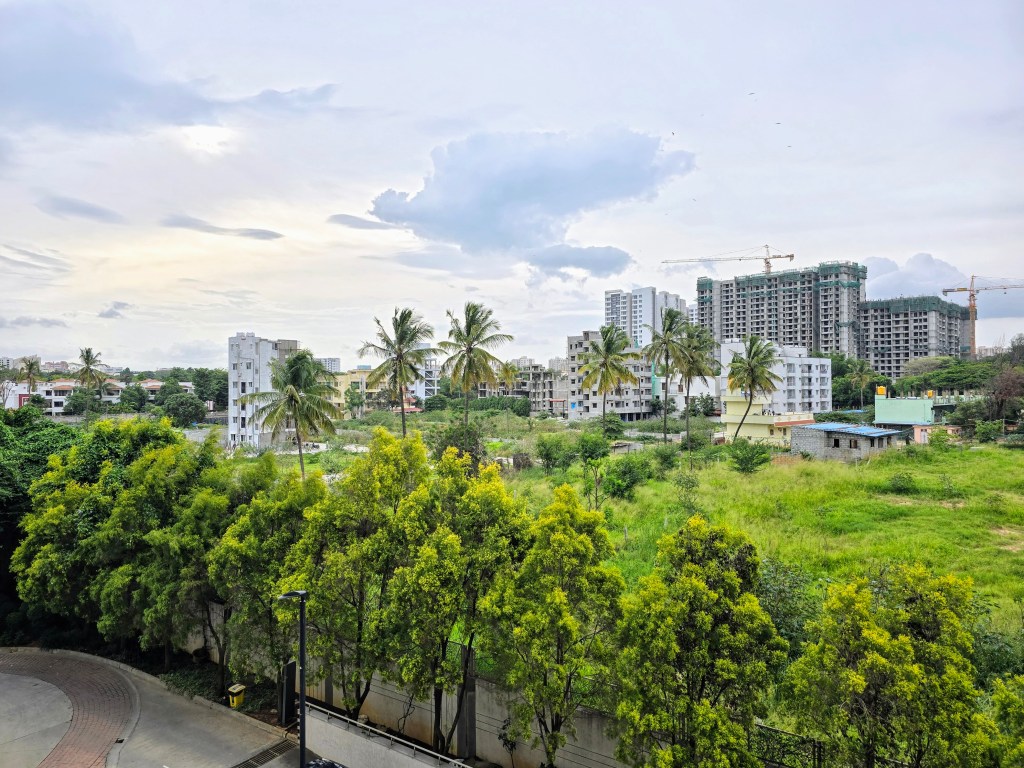
For the time being, I feel privileged that the green field outside my third-floor living room balcony, a disputed property, remains untouched. A treat for the old eyes. For how long is anybody’s guess?
[1] Kolkata. The City of Joy by Dominique La Pierre gave Kolkata that sobriquet
[2] Crow’s bath
Snigdha Agrawal (nee Banerjee) is a published author of four books and a regular contributor to anthologies published in India and overseas. A septuagenarian, she writes in all genres of poetry, prose, short stories and travelogues.
PLEASE NOTE: ARTICLES CAN ONLY BE REPRODUCED IN OTHER SITES WITH DUE ACKNOWLEDGEMENT TO BORDERLESS JOURNAL
Click here to access the Borderless anthology, Monalisa No Longer Smiles
Click here to access Monalisa No Longer Smiles on Amazon International
 Borderless