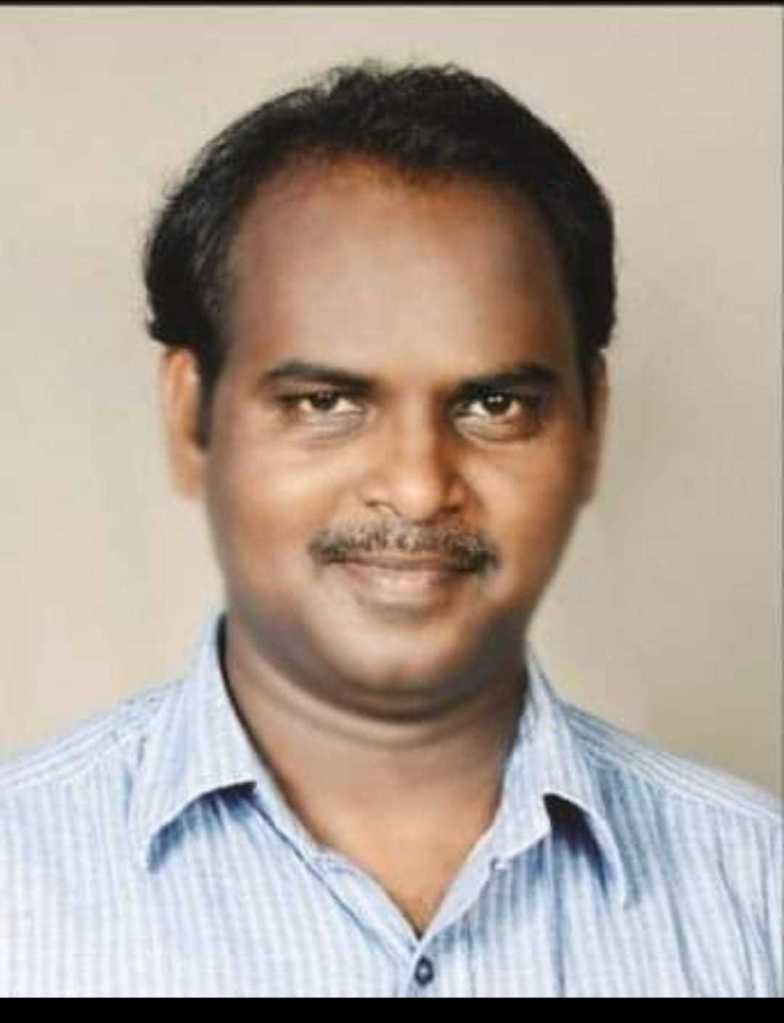
A story by Ammina Srinivasaraju, translated from Telugu by Johny Takkedasila
Chandu is a smart child studying in the ninth standard at a Government High School in Charla village. He excels not only in his studies but also enjoys playing games. Everyone in the School knows him for his intelligence and hard work.
Every morning, Chandu wakes up early and completes his work. He even helps with household tasks before going to school on time. In class, he pays close attention to his teachers and diligently completes his homework.
Chandu has a habit of thinking deeply about everything and seeking guidance from his elders whenever he has doubts. Sometimes, he recalls the words of his Telugu teacher, Mr. Satyanarayana, who had said, “The one who asks questions is the true student.”
Chandu had come across an article in the newspaper. It mentioned that “Madhuravani” had been honoured as the principal of the school because Chandu’s class had scored good marks and achieved the highest pass percentage in the entire district. However, Chandu felt confused when he read this news.
Chandu had never seen Madhuravani teach a single day. She would come to school and comfortably sit in her room under the fan, signing papers brought by the attender. Sometimes, she would briefly visit the classes and give moral lessons to the students in the morning. This was her daily routine, as Chandu observed.
Chandu knew how hard the teachers worked every day to teach lessons in the classrooms. They put in a lot of effort to ensure the syllabus was completed, and the students could study well. The teachers’ hard work was the main reason for the students’ good results. But something seemed different about the recognition Madhuravani received.
Unable to contain his curiosity, Chandu gathered courage to approach the principal with folded hands and humbly ask her to clarify his confusion.
Madhuravani smiled at Chandu and told him to come back after the evening classes for a detailed explanation during the prayer session.
After the evening classes, all the children gathered for the prayer session under the supervision of the physical education teacher. Madhuravani began sharing a meaningful message with the students. She said, “Children, let me tell you a story. In the past, people used a handmill to grind flour. They would rub one stone against the other to make fine flour. It seemed the stone on the top bore the brunt of hard work, while the one underneath remained still and seemingly comfortable. But in reality, all the effort was actually to churn the contents in the stone that lay below.”
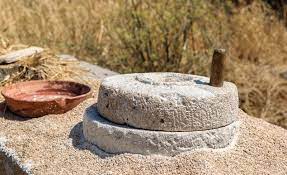
All the children looked surprised and curious.
Madhuravani continued, “Just like the top stone, in our school, the teachers work hard every day and give lessons to you. Their work is visible and evident. On the other hand, I may not give lessons like the teachers, but my role is equally important. I take care of the administrative tasks and ensure everything runs smoothly behind the scenes.”
Chandu finally understood why the district collector had honoured Madhuravani, the principal, even though she didn’t teach. Her invisible efforts were essential for the school’s success, just like the bottom stone in the grinding process. From that day onward, Chandu developed a newfound appreciation for all the teachers and the principal, realising that everyone’s efforts, whether visible or invisible, contributed to the school’s achievements.
.
Dr. Ammina Srinivasa Raju is a writer and essayist with more than 300 articles and over 100 stories published in various journals. Since the academic year 2009-10, the Maharashtra Government Curriculum (Sarala Bharati) has included the children’s story ‘Adavilo Andala Poti‘ in Class 7. In addition to these achievements, Dr. Raju has delivered many speeches on the Akashavani. In 2005, he received the Pothukuchi Vamsa Award from Vishwasahiti Hyderabad.
Johny Takkedasila is a popular young poet, storyteller, novelist, critic, translator, and editor in Telugu. In 2023, he received the Kendra Sahitya Akademi Award for his criticism book, Vivechani.
.
PLEASE NOTE: ARTICLES CAN ONLY BE REPRODUCED IN OTHER SITES WITH DUE ACKNOWLEDGEMENT TO BORDERLESS JOURNAL
Click here to access the Borderless anthology, Monalisa No Longer Smiles
Click here to access Monalisa No Longer Smiles on Kindle Amazon International
 Borderless