Sheeth or Winter was first published in 1909 in Tagore’s collection called Shishu (Children). The poem looks forward to winter giving way to spring using simple but eloquent verses.
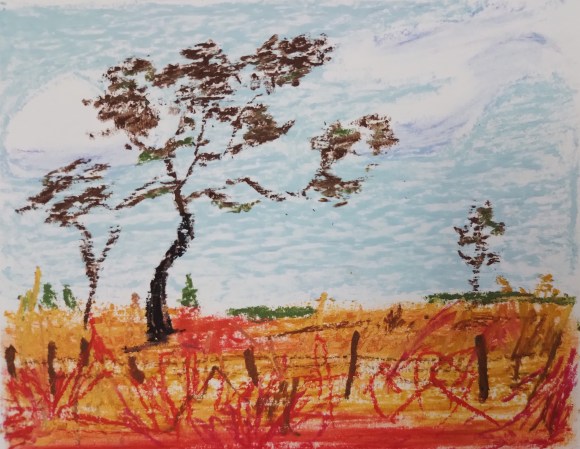
The bird says, “I will leave.”
     The flower says, “I will not bloom.”
The breeze merely says,
       “I will not flit across the woods.”
Young shoots do not look up,
   Instead, sprouts shrivel to shed.
Dusty bamboos loom
     To paint an untimely dusk.
Why do the birds migrate?
        Why do flowers not bloom?
Why has the agile breeze
    stopped romping in the woods?
The heartless winter
        Has a bleak outlook.
Wrinkled and harsh,
       She imparts hard lessons.
The gleaming moonlit night,
        The fresh fragrance of flowers,
The youthful sport of breeze,
      The cacophony of leaves —
All these she looks upon as sins,
       She thinks in nature,
The knowledgeable only sit
       Still like a picture.
That is why the bird bids “goodbye”.
     The flower says, “I’ll not bloom.”
The breeze merely says,
       “I’ll not run across the woods.”
But when Hope says, “Spring’ll come,”
        The flower says, “I’ll bloom.”
The bird says, “I’ll sing.”
         The moon says, “I’ll smile.”
The newly-fledged spring
       Has just started to awake.
He smiles at whatever he sees.
       He plays with everything.
His heart is full of hope.
          Unaware of his own desires,
His being runs hither and thither
         Looking for kindred spirits.
Flowers bloom, so does the child.
         Birds sing, so does he.
He hugs the caressing breeze
         To play vernal games.
That’s why when I hear, “Spring’ll come,”
    The flower says, “I’ll bloom.”
The bird says, “I’ll sing.”
         The moon says, “I’ll smile.”
Winter, why did you come here?
       Your home is in the north —
Birds do not sing there,
       Flowers do not bloom on trees.
Your home is a snowy desert
        That’s dark and lifeless —
Sit there alone, O knowledgeable,
         Spend your days contemplating.
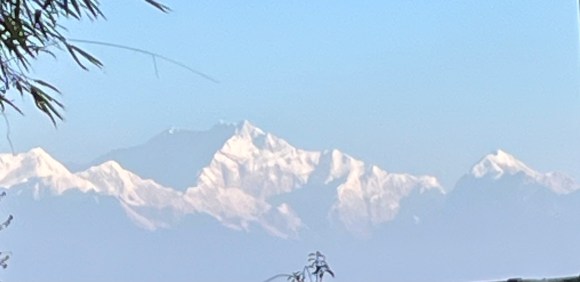
This poem has been translated from Bengali by Mitali Chakravarty with editorial input by Sohana Manzoor
.
PLEASE NOTE: ARTICLES CAN ONLY BE REPRODUCED IN OTHER SITES WITH DUE ACKNOWLEDGEMENT TO BORDERLESS JOURNAL
Click here to access the Borderless anthology, Monalisa No Longer Smiles
Click here to access Monalisa No Longer Smiles on Kindle Amazon International
 Borderless