Categories
Tagore Translations

Temple of Dust by Rabindranath Tagore

Dhoola Mandir (The Temple of Dust) was written by Tagore in 1910 and can be found in his collection, Sanchayita1. It is a poem that seeks to bridge social gaps.

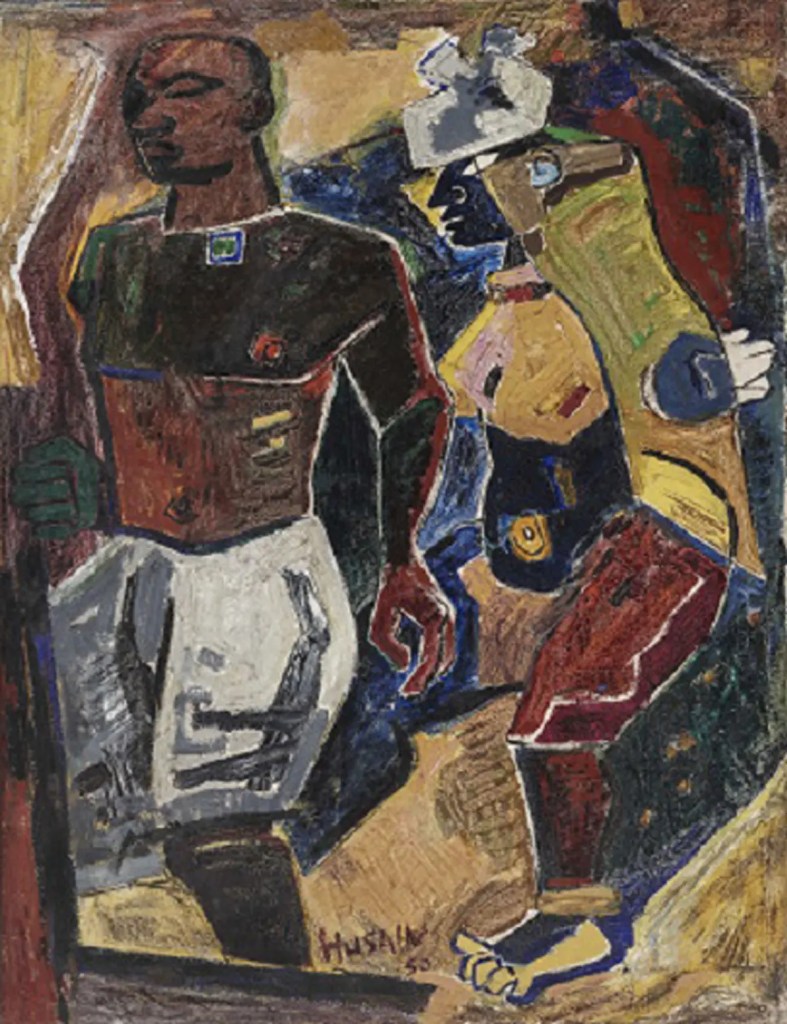
Peasant Couple (1950), painting by MF Husain (1915-2011)
Discard all prayers,
Meditation, hymns and rituals.
Why do you hide behind
Closed doors of temples?
In the darkness of the sanctum,
Who do you worship in secrecy?
Open your eyes and look,
There is no God in this house.

He has gone to visit the
Farmers who plough the hard ground,
The workers who break rocks for paths,
People who slog round the year.
He is there with them under the hot sun,
With dust-smeared hands;
Take off your garb of purity,
Join him in his dusty domain.

Nirvana? Oh! Where will you get it,
Where can you find freedom?
After Creation, our God,
Found himself bound to all of us.
Discard meditation, relinquish floral offerings.
Let your garments tear, your hands get dusty,
Join Him in His endeavours --
Free yourself of the rituals of religions.
  1. Sanchayita (literal meaning: collection) was published by Visva Bharati in 1931 to commemorate Tagore’s seventieth birthday. ↩︎

This poem has been translated by Mitali Chakravarty with editorial input by Sohana Manzoor 

.

PLEASE NOTE: ARTICLES CAN ONLY BE REPRODUCED IN OTHER SITES WITH DUE ACKNOWLEDGEMENT TO BORDERLESS JOURNAL

Click here to access the Borderless anthology, Monalisa No Longer Smiles

Click here to access Monalisa No Longer Smiles on Kindle Amazon International
Categories
Tagore Translations

Hide & Seek by Tagore

First published in Shishu (Children) in 1909, Lucko Churi (Hide and Seek) is also a part of Tagore’s collection called Sanchayita. It captures the endearing, playful relationship between a mother and her son as well as the innocence of the child.

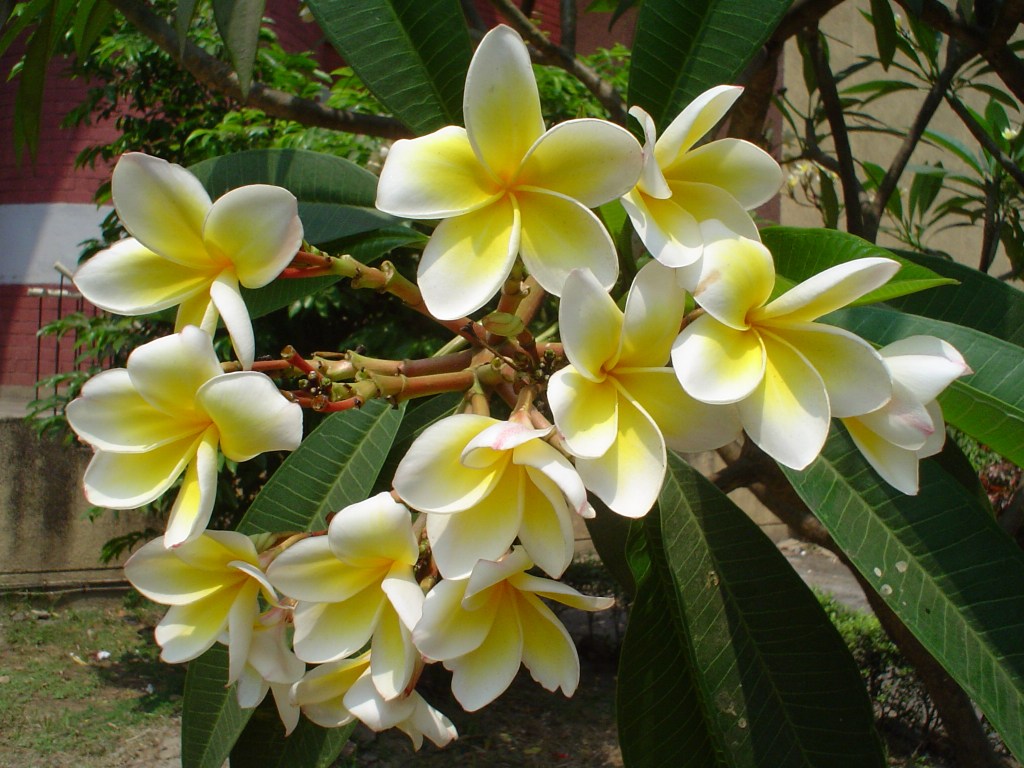
Champa flowers on a tree: Courtesy: Creative Commons
          HIDE AND SEEK
In a playful mood, if I were to 
      Bloom as a champa flower on a tree,
At dawn, O mother, I would frolic 
       Amidst the branches of young leaves.
I would win in this game of hide-and-seek.
         Would you have recognised me? 
You would call out, “Khoka, where are you? “
       I would only laugh silently. 

When you do your household chores
         I would watch from high above. 
After a bath, with your wet hair spread on your shoulder,
          When you would walk under the tree
To go to the prayer room
         While inhaling the perfume of the blooms —
You would wonder how
          Your Khoka’s scent mingles with the breeze! 

In the afternoon, after everyone has lunched 
            When you relax with a Mahabharat,
The shade of the tree by the windowsill 
            Would fall on your back and lap.
My tiny shadow would sway
           On the words of your book. 
But you would not know the shadow
      Of your darling wafts before your eyes. 

In the evening, after lighting a lamp,
       When you go to the cowshed,
I would finish my game 
       And drop down from the tree. 
Again, I would be your Khoka. 
        I would say,”Tell me a story.”
And you would ask,”Naughty! Where were you?”
      I would reply, “I will not tell you my secret.”

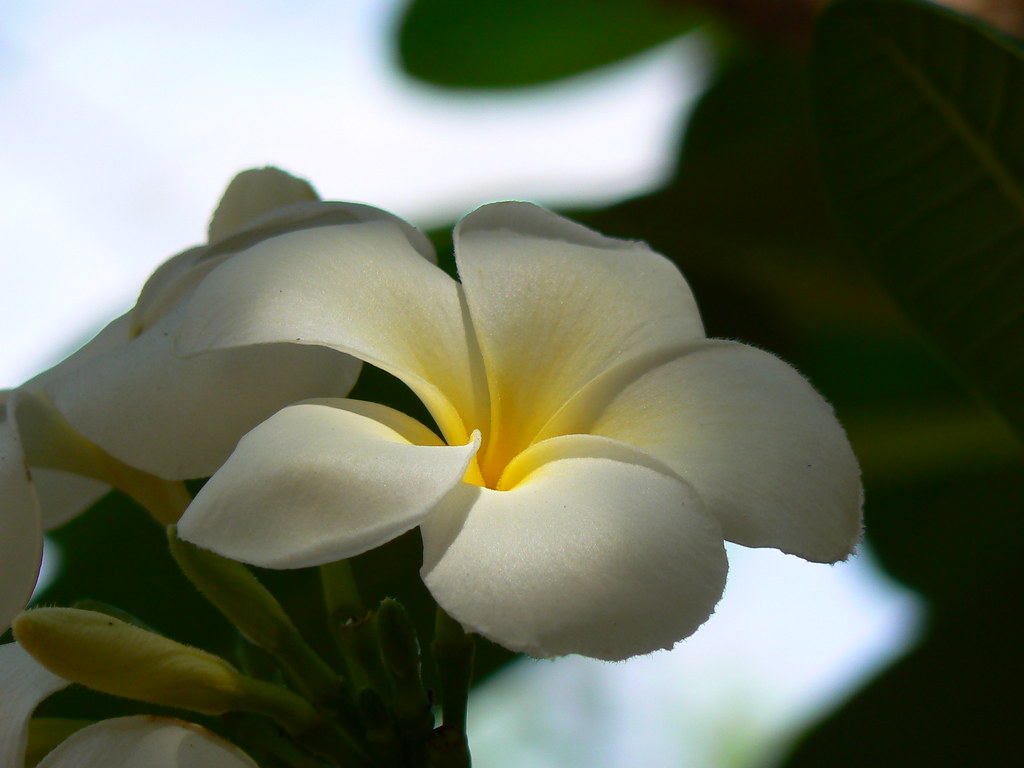
Courtesy: Creative Commons

(This poem has been translated for Borderless Journal  by Mitali Chakravarty with editorial comments from Sohana Manzoor and Anasuya Bhar.)

.

PLEASE NOTE: ARTICLES CAN ONLY BE REPRODUCED IN OTHER SITES WITH DUE ACKNOWLEDGEMENT TO BORDERLESS JOURNAL

Categories
Tagore Translations

Deliverance by Tagore

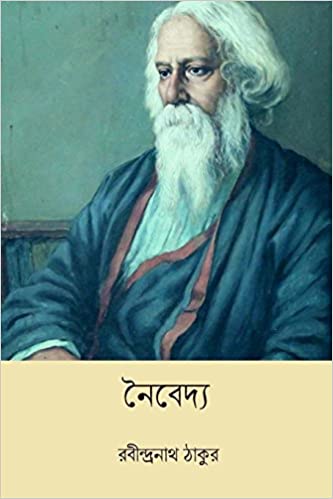
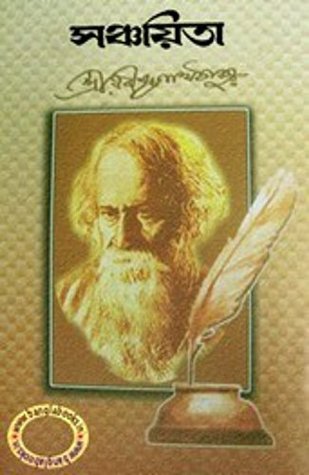
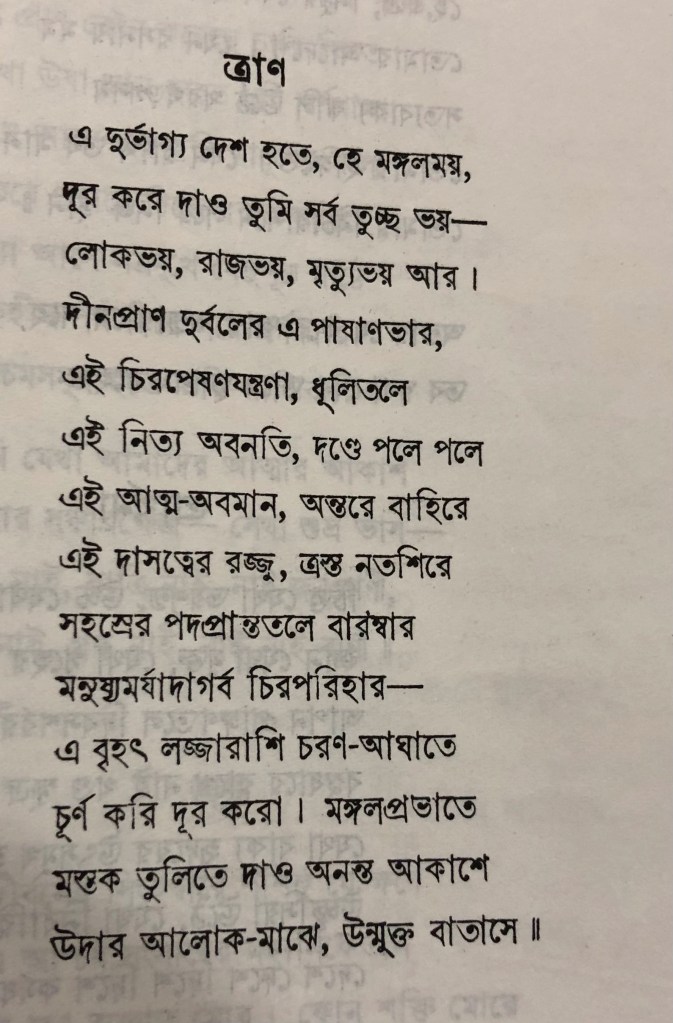
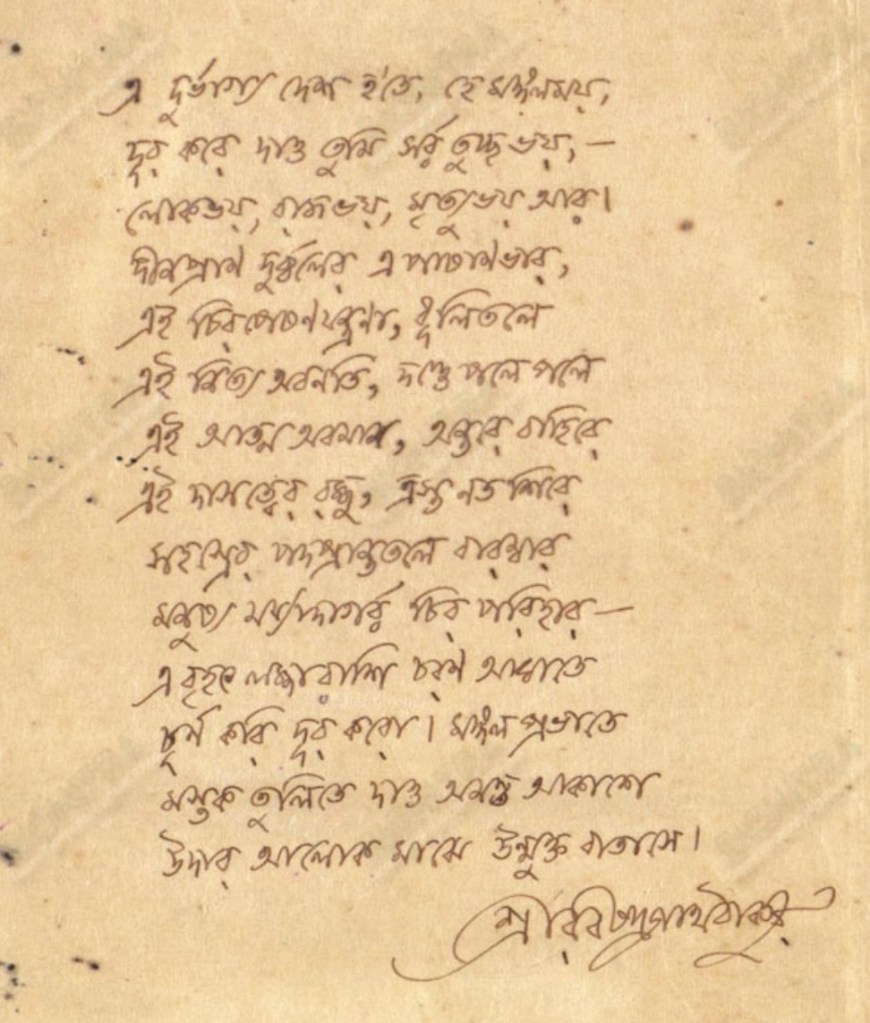
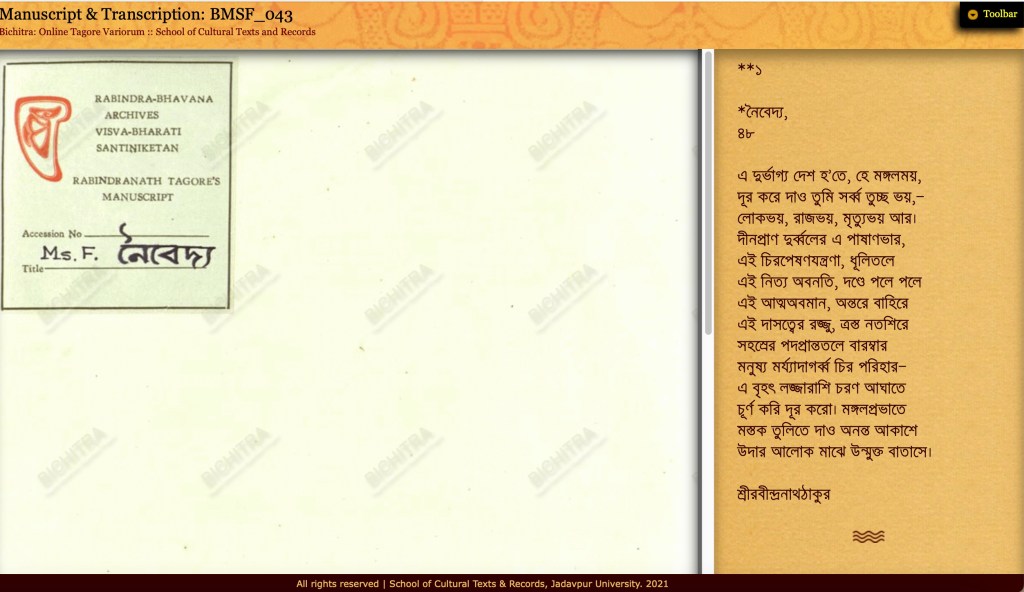
Tran (Deliverance)’ was first published in 1901 in a collection known as Naibedya (Offering to God). Here we present a translation from the Bengali poem as found in Sanchayita (Collection), a compilation of poems published by Visva-Bharati to mark the Tagore septuagenarian celebrations in 1931.

Art by Sohana Manzoor
Deliverance

From this hapless country, oh Benevolent One, 
Efface all petty fears —
Fears of society, governance and death. 
The rock-like burden borne by the impoverished and the weak,
This pain of being ground under dust, 
This endless abuse, reinforced each second,
This self-debasement, within and without,
This yoke of enslavement, terror, subjugation,
Is trod on again and again by many marching feet.
Beaten out of self-worth, pride —
Break this enormous pile of shame
With your foot. On this auspicious dawn,
Let us hold our heads high in the infinite sky 
Amidst the light of bounteousness and the heady breeze of freedom.

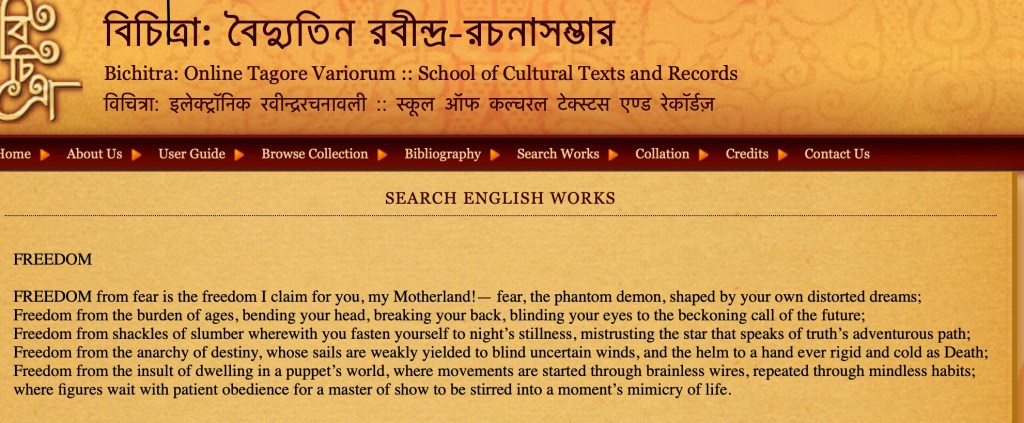
Subsequently, it was translated by Rabindranath Tagore himself as ‘Freedom from Fear’ and published in the Vishwa Bharati Journal in 1933; then, in Modern Review in 1934 according to Bichitra, an online Tagore valorium. It was first anthologised in Collected Poems and Plays of Rabindranath Tagore (Macmillan, London). The translation varies from the original Bengali poem with the last two lines missing completely.

(Translated by Mitali Chakravarty, edited by Sohana Manzoor on behalf of Borderless Journal. Thanks to Anasuya Bhar, Associate Professor of English and Dean of Postgraduate Studies, at St. Paul’s Cathedral Mission College Kolkata University, for helping with the research. Also thanks to Fakrul Alam and Aruna Chakravarti for their feedback.)

.

PLEASE NOTE: ARTICLES CAN ONLY BE REPRODUCED IN OTHER SITES WITH DUE ACKNOWLEDGEMENT TO BORDERLESS JOURNAL