Categories
Poetry

Mango

By Ra Sh

Mango
 
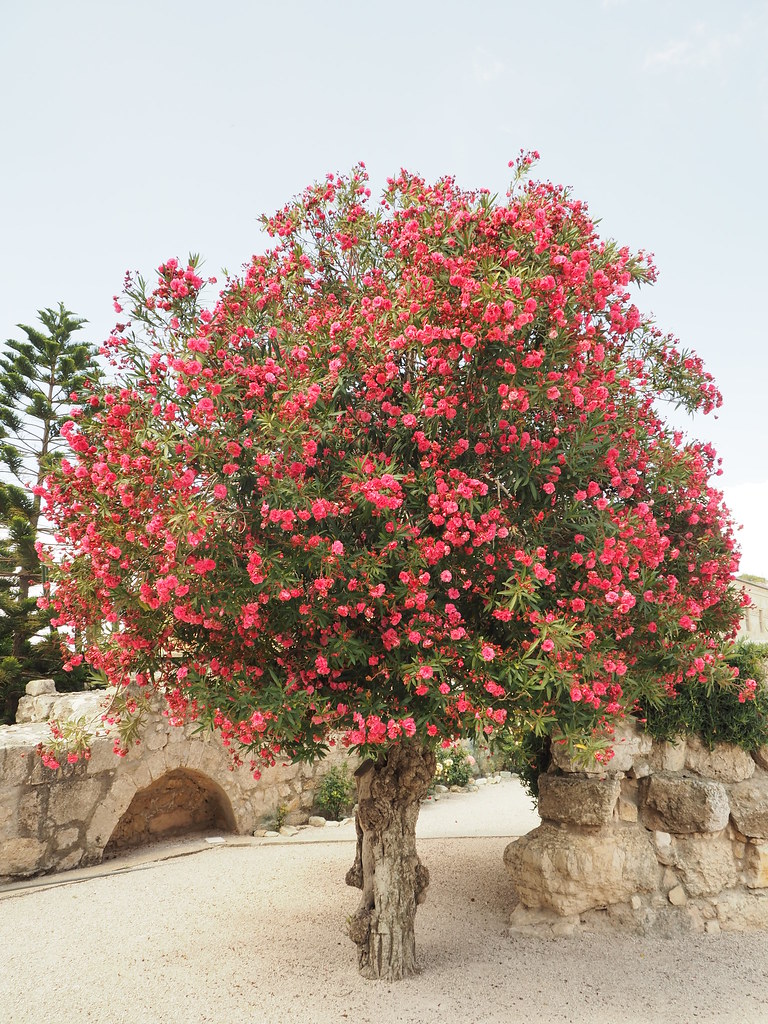
When I die, will you come with me?
I asked my mango tree.
She pondered for a while and replied wisely:

When I was a sapling,
You were not even a little sperm
Nor were your forefathers.
This house and this town
Were not even concepts.

I will go with you when the squirrels do so,
And these restless birds in my branches,
And the jagged piece of stone you see in my shade
Which was once a Goddess.

Ra Sh has published three collections of poetry – Architecture of Flesh (Poetrywala), Bullet Train and other loaded poems (Hawakal) and Kintsugi by Hadni (RLFPA).  Forthcoming books are The Ichi Tree Monkey and other stories (translation of Tamil Dalit writer Bama’s short stories) (Speaking Tiger) and Blind Men Write (a play) (Rubric).Rash’s English translations include Mother Forest (Women Unlimited) (from Malayalam), Waking is another dream (Navayana) (Srilankan Tamil poems translated with Meena Kandasmy), Don’t want caste (Navayana) (collection of Malayalam short stories by Dalit writers) and Kochiites (Greenex) (a book on different communities in Kochi.)

.

PLEASE NOTE: ARTICLES CAN ONLY BE REPRODUCED IN OTHER SITES WITH DUE ACKNOWLEDGEMENT TO BORDERLESS JOURNAL. 

Categories
Poetry

Without Leash

By Scott Thomas Outlar

Without Leash
	
Mellow is the fog hanging heavy with persuasion
all the doves are cooing near the edge of absolution

but nature doesn’t forgive without a bite

One more dance of light behind the optics of transcendence
curtains fall in layers pulled by wishes best kept silent

but dogs continue barking and chasing stars

Silver is the tongue babbling chaos in the blueprint
digging in the trenches for a shelter from the fallout

but blind decrees are riddled by the fools

Scott Thomas Outlar lives and writes in the suburbs outside of Atlanta, Georgia. His work has been nominated for the Pushcart Prize and Best of the Net. He guest-edited the 2019 and 2020 Western Voices editions of Setu Mag. Selections of his poetry have been translated into Afrikaans, Albanian, Bengali, Dutch, French, Italian, Kurdish, Persian, Serbian, and Spanish. His sixth book, Of Sand and Sugar, was released in 2019. His podcast, Songs of Selah, airs weekly on 17Numa Radio and features interviews with contemporary poets, artists, musicians, and health advocates. More about Outlar’s work can be found at 17Numa.com

.

PLEASE NOTE: ARTICLES CAN ONLY BE REPRODUCED IN OTHER SITES WITH DUE ACKNOWLEDGEMENT TO BORDERLESS JOURNAL. 
Categories
Poetry

Our Global Village & The Dawn after the Pandemic

By Obinna Chilekezi

Our global village
 
a global village indeed!
as while in school, we’re
warned of dangers of going global
for a big small village, but we thought only
of the passion and money, the beauty and trade

never before is man this caged, as
the wilds freely move daily activities, unconcerned!

never told to watch that one day
china would sneeze, the rest of 
the globe would catch virus
and locked down for days, and deaths
would rise to the mount and graves swollen

never before is man this caged, as
the wilds freely move daily activities, unconcerned!

here we are today, this virused world
revolving around in this global village
of national borders closed, states closing theirs too
even local authorities banging theirs strongly too


never before is man this caged, as
the wilds freely move daily activities, unconcerned!

can this be end of our global village
as the lights in the village went off, from house to house
to your tents O’ Israel, as local authorities banged their doors
and the villages return back to their huts
or could there be another rebirth of the globe, as we know it.

never before is man this caged, as
the wilds freely move daily activities, unconcerned!
The dawn after coronavirus pandemic

Loud smiles creep across the waves. Yes smiles were loud
At the meander of holding hands again together
All along the landscape of nesting
And the incredulous affectation, in the air
As we danced to the tune of the invigorated song of laughter

The weather in blue bright. Reminder of then days of isolation
From days of death, fear and rumours of
That deadly virus that swan across the
Gatepost of boundaries, darkly and oozing 
Out more deaths along every corners of the globe

The earth became sick. Sick of the deaths of its pride, mankind; 
our earth was sick, with its garters down, in the 
foam chest of doubt. Darkness became
The beginning of the morning sun, and love
Was kept at bay. Our lovely sandlot turned gray

Then this new dawn. This dawn
Became warn and grew like our Iroko of hope. And
It came as a time of relief, unimaginable
Or imagined - we all in unison said 
Bye bye to covid 19, bye bye to its death.

The Earth became sick. Sick of the deaths of its pride, mankind; 
our Earth was sick, with its garters down, in the 
foam chest of doubt. Darkness became
The beginning of the morning sun, and love
Was kept at bay. Our lovely sandlot turned gray

Then this new dawn. This dawn
Became warn and grew like our Iroko of hope. And
It came as a time of relief, unimaginable
Or imagined - we all in unison said 
Bye bye to COVID 19, bye bye to its death.

Loud smiles creep across the waves. Yes smiles were loud
At the meander of holding hands again together
All along the landscape of nesting
And the incredulous affectation, in the air
As we danced to the tune of the invigorated song of laughter

Obinna Chilekezi is a Nigerian poet and insurance practitioner whose poems have been published in journals and anthologies. He has three published collections which are: Son Chikeziri too died, Rejection and other poems and Songs of a Stranger in the Smiling Coast. One of his insurance texts won the 2016 African Insurance Organisation Book Award. He can be used on ugobichi@yahoo.com or obinnachilekezi1@gmail.com.

Categories
Poetry

Walking & Spring in my Grandma’s closet

WALKING


She is Rumki
No one knows whether she is a Muslim or a Hindu
She mops the floor in a sari shop in the city
Babu tells there are insects in the air
He closes the shop.
.
Rumki decides to go back to her village
Goes to the estation, the trains are closed
The buses are not plying
Decides to walk, she starts 
Walking.
.
The mid-day Sun at her head
 Makes her hungry,
Chews a green chili and drinks water
Kneads the maps of her village 
Cements the cracks.
.
Starts walking 
She will walk until she reaches her village.


Spring in My Grandma's Closet

Does it remind her of the cheli
she draped as a child bride?
.
Sunlight peeps through the window;
she giggles — her bare gum protrudes.
.
The breeze ruffles her white mane.
Grandma falters a step or two;
.
she gathers her thaan and soft bones
as she enters the verandah clutching the railing. 
.
Granny cranes her neck to find a primrose waiving at her.

By Sutanuka Ghosh Roy


Notes: 


Cheli:  small sari wore by little girls during marriage in the olden times in Bengal
Thaan: borderless white sari the widows wear

By Sutanuka Ghosh Roy

WALKING

She is Rumki

No one knows whether she is a Muslim or a Hindu

She mops the floor in a sari shop in the city

Babu tells there are insects in the air

He closes the shop.

.

Rumki decides to go back to her village

Goes to the estation, the trains are closed

The buses are not plying

Decides to walk, she starts

Walking.

.

The mid-day Sun at her head

 Makes her hungry,

Chews a green chili and drinks water

Kneads the maps of her village

Cements the cracks.

.

Starts walking

She will walk until she reaches her village.

.

.

Spring in My Grandma’s Closet

Does it remind her of the cheli

she draped as a child bride?

.

Sunlight peeps through the window;

she giggles — her bare gum protrudes.

.

The breeze ruffles her white mane.

Grandma falters a step or two;

.

she gathers her thaan and soft bones

as she enters the verandah clutching the railing.

.

Granny cranes her neck to find a primrose waiving at her.

.

Notes:

Cheli:  Small sari worn by little girls in Bengal

Thaan: Borderless white sari widows were forced to wear

.

Dr Sutanuka Ghosh Roy is Assistant Professor and Head Department of English in Tarakeswar Degree College, The University of Burdwan. She did her doctoral dissertation on Two Eighteen Century British Women Poets: Hannah More and Lady Mary Wortley Montagu. She has been teaching at the undergraduate and postgraduate level for years. She is currently engaged in active research and her areas of interest include Eighteenth Century literature, Indian English literature, Canadian Studies, Post colonial Literature, Australian Studies, Dalit Literature, Gender Studies etc. She has published widely and presented papers at National and International Seminars. She is a regular contributor of research articles and papers to anthologies, national and international journals of repute like The Statesman, Muse India, Lapis lazuli, Setu etc. She is also a reviewer, a poet and a critic.

.

PLEASE NOTE: ARTICLES CAN ONLY BE REPRODUCED IN OTHER SITES WITH DUE ACKNOWLEDGEMENT TO BORDERLESS JOURNAL. 

Categories
Poetry

Mulberry Tree

By Chandni Santosh

.

The day we returned from the mulberry tree,

You bought me a pair of gold anklets,

With the thirteenth symphony set inside,

The symphony of sadness.

.

When l walked,

I carried the weight of those days on my ankles,

And the river in my eyes,

Threatening to flood at times.

.

You sat me on your lap,

Dressed me in your favourite shirt,

Red prints on black,

Holding a wide mouthed glass of whisky,

With the ice cubes making

Gurgling sounds. Tinkling.

.

Your smoke swirls on my shoulder,

My mouth,

And the anklets melt on each other,

I sip at times from your glass,

And puke. 

Tell me where you buried

The child. You hide your face in my harassed hair,

Blow the blue smoke into its strands.

Tell me.

.

The lights have been switched off,

Only the night light pours in through the gauzy curtains,

Tell me. You clink the glass and blow the smoke

Into my hair, my mouth.

.

The mulberry tree is the marker. After l leave, 

Do not sit under any mulberry tree.

There is a light cardboard coffin 

Buried beneath it. 

.

Chandini Santosh is a novelist, poet and painter. Her poems have been published widely in solo collections, journals, anthologies and magazines. Her third novel, `Blood Brothers` is ready for release.

.

.

PLEASE NOTE: ARTICLES CAN ONLY BE REPRODUCED IN OTHER SITES WITH DUE ACKNOWLEDGEMENT TO BORDERLESS JOURNAL. 

Categories
Poetry

Double dread

By Madhu Srivastaw

.

Corona cries all around

Amphan raged destruction             

Yet I am me

Living on day to day

Settling my daily scores

Domestic, parental chores

Transferred money to PM fund

Gave food to beggar that came home

Wrote a poem or two

As Amphan screeched it’s belly out

Wrenching people’s life in tears

Rendered roofless by a spat of wind

Precious trees breathing life

Uprooted, broken, lying low

Immersed in darkness of night

With cyclone screaming raging rife

I kept the kids with me in bed

Diverting them in singing sprees

My mother with her heart in mouth

Kept her fingers clasped in prayers!

It diminished slowly…flew apart

Taking away our comforts fast

Electricity snapped; network gone

At least we had our homes intact

Yet we cribbed, sulked, complained

Though hundreds had lost their homes

Torn apart by Amphan’s fury

Coastal areas lost their lives

Electric poles all headlong down

Uprooted shrivelled trees abound

Government help haplessly seek

Only God can save us now

As though Corona was not enough

He sent Amphan to double the dread!

.

Madhu Sriwastav is Assistant Professor of English. She is based in Kolkata. She is a poet, translator, critic and reviewer. She has published poems in various national and international journals and anthologies. She has performed poetry in several poetry festivals. She writes on anything that touches her. She is working on her upcoming book of poems.

.

.

PLEASE NOTE: ARTICLES CAN ONLY BE REPRODUCED IN OTHER SITES WITH DUE ACKNOWLEDGEMENT TO BORDERLESS JOURNAL. 
Categories
Poetry

The World is Sneezing

By Ndue Ukaj

The world is sneezing

The world is sneezing in front of a virus
that has bound the earth and shakes it like a light toy.
 
People are panting like dogs after a long and aimless journey.
Everyone panting, and behind walls they compose a symphony of fear.
 
Ahead of us, more scary walls and glum news.
The planet - like a trembling heart - is shuttered
and is listening to lightning.
 
Tonight, the moon was beautiful but in the light of her face
I saw the troubled eyes of a weary world.
 
The day was sunny too.
I was sitting in the back seat of a car
snaking through silence and fear
and I saw nature breathing without humans.
 
The clockwise are slow now.
Girls take their time getting out of their pajamas.
Women say their rosaries for new time.
And men like me are terrified in front of the black glass.
 
(Also terrified are those who sit in huge castles and on high thrones.)
 
Beyond is silence like a raging ocean
where ships drown with longing -
and prisoners see Eden burning.
 
The clockwise move slowly now.
The news spreads fear faster than the virus.
One counts the hours of life ahead
and sees the final destination - death.
Younger ones pant like tired dogs
and put out cigarettes in their burning hands.
Children fill sacks with toys
and, confused, wait for a new day.
 
But there are also those who don´t need clocks and calendars:
that old man sitting under his beloved tree,
doctors who fight to save more lives.
Groups of reporters roam, like the wind that warns of worsening weather.
Bad news is growing they say
because some people have closed their windows on good news.


The media is full of sadnesses
and troubling reports
overflowing with viruses and microbes.
 
Humanity sneezes anxiously.
In this long night of frightening darkness.
I sit in the back seat and watch the evil hearted sneeze
but also hear kindhearted voices confessing on the altar of forgiveness.
 
But when the cathedral bells ring
everyone turns their eyes to heaven.
They sneeze again and pant,
and pray that tomorrow the world will get better
and celebrate a great mass of love.


Laura’s Sunday

In her city there is a ruined cathedral
in the midst of ruins
its choir is missing
and there is an “Ave Maria” song.
On the road edges, stones relieve pain
only the choir traces are together with dry
flower bouquets
There are many dogs, and trash

There is a large piano without its proper place.
 
In her city there is a ruined cathedral
longing for bells’ sounds to awaken her
she wears a beautiful dress, whispers Ave Maria
in solitude.

She has a sweet voice, every Sunday she goes into the ruins, talks with stones,
with flowers that do not blossom easy
Through ruins
and wipes her happy eyes without trying the voice in a choir.
It is Sunday and her delighted eye is resting
She sings Ave Maria in solitude.
With an eraser of love she erases time’s invoice
which leaves behind
while gathering her hands over her pretty breasts,
in silence opens the new page
and writes a senseless verse.
It is Sunday
she is awakened while dreaming a love temple
and song sounds.
 
Ave Maria is alive!
and waits for nature to become prettier,
the same as a flower is prettier with all its beauty,
and to join the choir of life.
She walks over the ruins of the cathedral and lights a candle
her pretty knees touch the solid stones.

Ndue Ukaj (1977) is an Albanian writer, publicist and literary critic.
His poems has been included in several anthologies of poetry, in Albanian, and other languages. He has published several books, including Godo is not coming, which won the national award for best book of poetry published in 2010 in Kosovo. He has also won the award for best poems in the International Poetry Festival in Macedonia and another prize. His poems and texts are translated into English, Spanish, Italian, Romanian, Finnish, Swedish, Turkish and Chinese. Ukaj is member of Swedish PEN.

Categories
Poetry

Karma

By Bibek Adhikari

Words dribble down from the corners
of your mouth. From within the temple, 

gods tremble with your frosty voice —
they now need a glass of moonshine.

The night is paused on LED screens.

The quietness of eating alone
in this rented room is too loud to bear.

Someone screeches—
a staccato bark of madness.
Is it your heartbeat?

There is pain that seeks its way out
through the crack in your heart.

This too shall pass as time goes by.

The overhead yellow light is on —
you are by yourself at the dinner table.

Pick up the pen, bleed poetry.

Bibek Adhikari is a poet and critic based in Kathmandu. A full-time technical writer for Deerwalk Inc., he divides his time between poetry and ‘unpoetic’ documentation. His poems and narratives have been published in some prints and online publications, including The Kathmandu Post, República Daily, and Annapurna Express. Currently, he’s working on his manuscript of poems.

.

PLEASE NOTE: ARTICLES CAN ONLY BE REPRODUCED IN OTHER SITES WITH DUE ACKNOWLEDGEMENT TO BORDERLESS JOURNAL. 
Categories
Poetry

No Warplane Has Ever Flown Like A Bird

(Translation of Karunakaran‘s Pakshi Pole Parannittilla Oru Yuddhavimanavum by Aditya Shankar)

Karunakaran
No Warplane Has Ever Flown Like A Bird

No warplane 
has ever flown like a bird,
has lost way like a bird,
has halted mid-flight reminiscing a bygone aroma.

A warplane
	has flown evoking a rage,
	beside a war-goddess-shaped cloud
	grunting in the memory of a rage, like an animal.

Not that,
a warplane has ever flown like a bird.

Karunakaran is a novelist, poet and story writer hailing from Pattambi, Kerala. Published works: Makarathil Paranjath(Stories, Pathabedham), Kochiyile Nalla Sthree(Stories, Sign Books), Paayakkappal (Stories, DC Books), Ekanthathayekkurich Paranj Kettittalle Ulloo (Stories, DC Books), Athikupithanaaya Kuttanveshakanum Mattu Kadhakalum (Stories, DC Books), Parasyajeevitham (Novella, DC Books), Bicycle Thief (Novel, Mathrubhumi Books), Yuddhakalathe Nunakalum Marakkombile Kaakkayum (Novel, DC Books), Yuvaavayirunna Onpathu Varsham (DC Books), Yakshiyum Cycle Yathrakkaranum (Poems, Green Books), Udal Enna Moham (Essays, Logos Books.

Aditya Shankar is a Pushcart and Best of the Net nominated Indian poet, flash fiction author, and translator. His work has appeared in international journals and anthologies of repute and translated into Malayalam and Arabic. Books: After Seeing (2006), Party Poopers (2014), and XXL (Dhauli Books, 2018). He lives in Bangalore, India.

.

PLEASE NOTE: ARTICLES CAN ONLY BE REPRODUCED IN OTHER SITES WITH DUE ACKNOWLEDGEMENT TO BORDERLESS JOURNAL. 
Categories
Poetry

Love Poems

By Dr Rumpa Das

Love 2020

Nowadays,
I don’t go anywhere near where you live –
Spring is elsewhere.
The flowers in your garden have wilted,
Creepers seek out fresh pastures,
They want to live and foster
Away from the putrefying aura
Your late love spreads.
My hesitant plant-heart
Fearful of renewed assault,
However, has shown grit.
Out of heaps of deep damp memories
It has blossomed forth
Into confident young greenery.
Fresh wafts of breeze blow
In my mind, and show —
How old love and betrayal
Can be great fodder for a brave new life.

.

Love beyond 2020

So you love me?
Just as the blue-green hillside
Loves the northern breeze
That smells of wild lilacs, rhododendrons
And the tales of throttled  lives
Which rolled over the precipice?
So you love me –
Because once upon a time
Your arms entwined mine
In a tepid moist embrace?
In a room that smelled of wine, cologne and deceit,
Even as a thousand flowers blossomed
To consecrate our love,
And a thousand incense sticks  burned themselves,
In solidarity with fruitless passion.
So, you love me still?
Even as I adjust a strand of unruly silver-grey hair
Behind  my  rimless glasses
And you look deep into
My eyes that smoked still
Of kohl , tears and long-lost promises.

Love isn’t love that alters, when it alteration finds.

.

Dr Rumpa Das, an alumnus of Dept of English, Jadavpur University, is Principal,  Maheshtala College, Kolkata. She has taught English for over two decades. She was former Deputy Secretary (Academic) at the West Bengal Board of Secondary Education. She has published widely in India & abroad, and spoken in more than thirty international, national & state-level seminars and conferences. Her areas of interest are Gender, Media and Culture Studies. She is  a poet, creative writer  and a reviewer.

.

PLEASE NOTE: ARTICLES CAN ONLY BE REPRODUCED IN OTHER SITES WITH DUE ACKNOWLEDGEMENT TO BORDERLESS JOURNAL.