There was a grand fair in the wide field outside our not-so-famous town. People waited for it all year – saving a little, just enough to enjoy a day with friends, with family, to see new things, to bring home something fancy, a bargain to cherish.
The circus was the heart of it all. I remember, as a child, a clown who mocked his own misfortune – his sorrow turned into laughter for everyone else. We laughed too, forgetting, for a while, the weight we carried. The next year, I went back, searching for that face – the vividly painted smile, his real face hidden beneath the colours that shaped a foolish grin.
But the clown was gone. There were the same acrobats, the stunts on bikes, the magician, the elephants parading as before.
Except now, there stood a parrot – clever, talking, outsmarting its master, earning the applause of everyone, who didn’t even notice the clown’s absence
Dr. Shamim Akhtar is an Assistant Professor in the Department of Management at ICFAI University Mizoram. He has recently authored a book titled Smoke and Society: The Culture, Consumption and Control of Tobacco in Mizoram. A researcher, writer, and passionate poet, he explores themes of memory, longing, and the human condition. His work often reflects a blend of lyrical sensitivity and deep introspection.
.
PLEASE NOTE: ARTICLES CAN ONLY BE REPRODUCED IN OTHER SITES WITH DUE ACKNOWLEDGEMENT TO BORDERLESS JOURNAL
I did not grow up wanting to be famous. I grew up wanting to read. Books entered my life quietly, persistently, and stayed. They were never mere ornaments on a shelf. They were companions, confidants, and windows to other worlds. I read late into the night, bent and underlined pages in hand, learning early that a book could be as vital as breath. Reading became a habit, then a need, then a lens through which I understood life itself.
But reading is not always easy. Even as a child, I struggled with the distractions of the world around me, the noise, the pull of tasks, and the sense that books were a luxury rather than a necessity. Many children grow up without sustained access to literature or quiet spaces to engage with ideas. Many adults, too, lose the habit of reading amidst digital noise, constant demands, and a culture that prizes speed over reflection. In such a world, cultivating a relationship with words becomes an act of devotion, of care, and of patience.
I read widely and without rules: fiction first, then mystery, later thrillers, philosophy, psychology, literary novels, family dramas, clean romance, cozy mysteries, science fiction, and books about the craft of writing itself. I read what interested me, what unsettled me, what slowed me down. Each genre teaches something different. Mystery teaches pacing. Literary fiction teaches restraint. Philosophy teaches patience. Psychology teaches observation. Good writing, no matter the category, teaches honesty. And yet, for many, access to books, time to read, and the encouragement to do so are rare privileges.
Reading and writing have always been companions. To write well, I must read widely. To read well, I must be attentive to language and nuance. When I read, I am listening to other writers. When I write, I try to answer, in my own way, the questions they pose on the page. Books that stay with me longest shape my own sentences, not by imitation, but by instilling rhythm, precision, and empathy.
Reading shaped the way I think and the way I write. It taught me rhythm. It taught me silence. It taught me that a sentence does not need decoration if it carries truth. Over time, reading stopped being separate from writing. One fed the other. I read to learn how others solved problems on the page. I wrote to see if I could do the same.
But the act of reading and writing is more than personal; it is communal. Stories, essays, novels, poems, reflections—they connect us. They allow us to see beyond our immediate experiences and inhabit others’ lives. They create empathy in societies that can often feel distracted or rushed. They challenge assumptions, expand understanding, and remind us of shared humanity. Yet, in a time when attention is fragmented, cultivating space for reading and writing is an ongoing challenge.
Writing arrived quietly. I began by writing notes to myself: observations, small scenes, feelings I could not explain out loud. Writing became a place to sit with things without having to perform. There was no audience then, just the page and me. Even a short paragraph, carefully written, could provide clarity where speech often failed. It could contain emotion without spectacle, simplicity without emptiness.
I am an English educator by profession. Over the years, I have guided students in navigating language, finding their voice, and understanding the weight of words. Teaching sharpened my attention. It made me careful with words. When you teach, you learn how fragile confidence can be. You learn how much words matter. You learn that clarity is kindness. The classroom has also taught me patience and observation, qualities essential to writing. Students’ struggles, triumphs, and quiet moments often inspire characters or scenes in my own work. More importantly, it has shown me that access to words, encouragement, and mentorship can transform lives, opening doors to reflection, creativity, and understanding.
My writing grew in that same vein.
I am drawn to ordinary lives, to quiet moments, to people who carry more than they say. I am not interested in spectacle. I am interested in what happens at the table, in the hallway, during a phone call that lasts too long. The smallest moments often reveal the most. A pause, a glance, a question left unasked often speaks louder than any dramatic event. Writing, I have discovered, is about noticing these details and offering them gently to the reader.
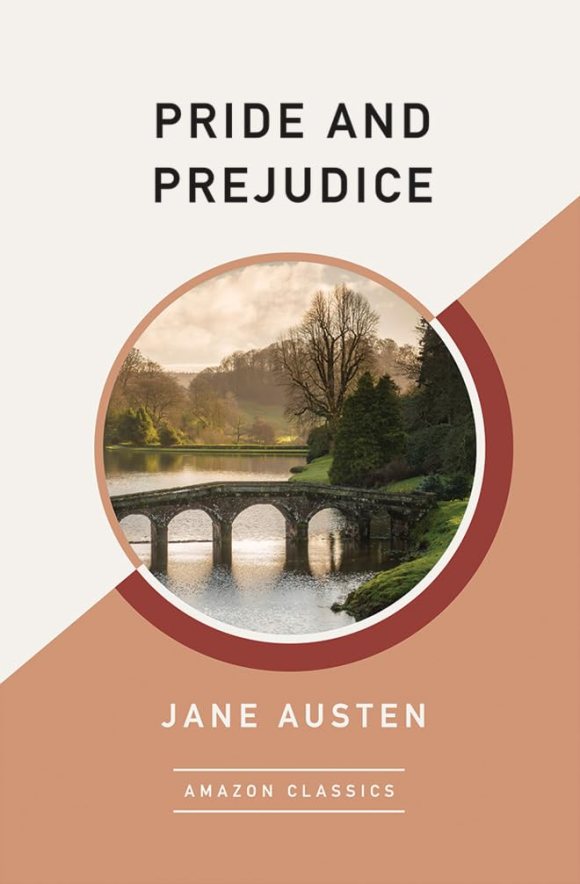
I read Jane Austen years ago and understood something important. You do not need to explain everything. You do not need to impress. You only need to tell the truth and step back. That lesson stayed with me. My writing aims for simplicity, not emptiness. Austen’s writing taught me that character, dialogue, and subtle observation can carry a story, even without dramatic plot twists. This resonates deeply as I try to develop my own voice.
I write literary fiction, family drama, and clean romance. I write about relationships between parents and children, husbands and wives, people and their inner lives. I am interested in homecoming, in belonging, in the idea of home as something emotional rather than geographical.
Many of my characters search for peace without naming it. They live in ordinary spaces yet carry extraordinary emotions. Through their stories, I explore love, hope, and resilience, not as abstract ideas, but as lived experience. These themes are not only literary; they reflect challenges we face in real life, in understanding each other, and in finding space for reflection, empathy, and connection.
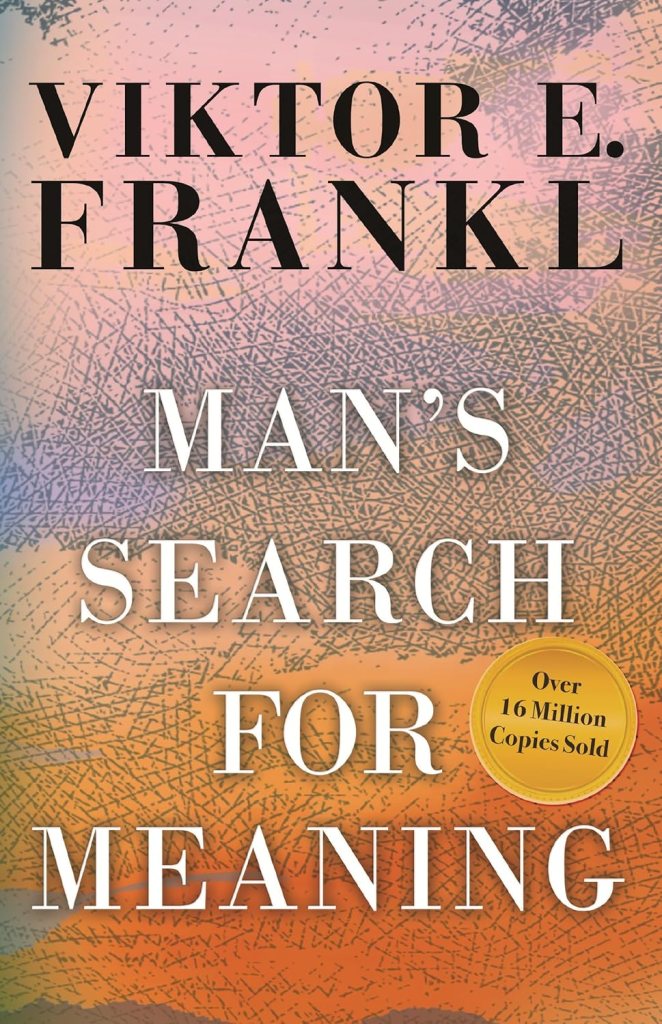
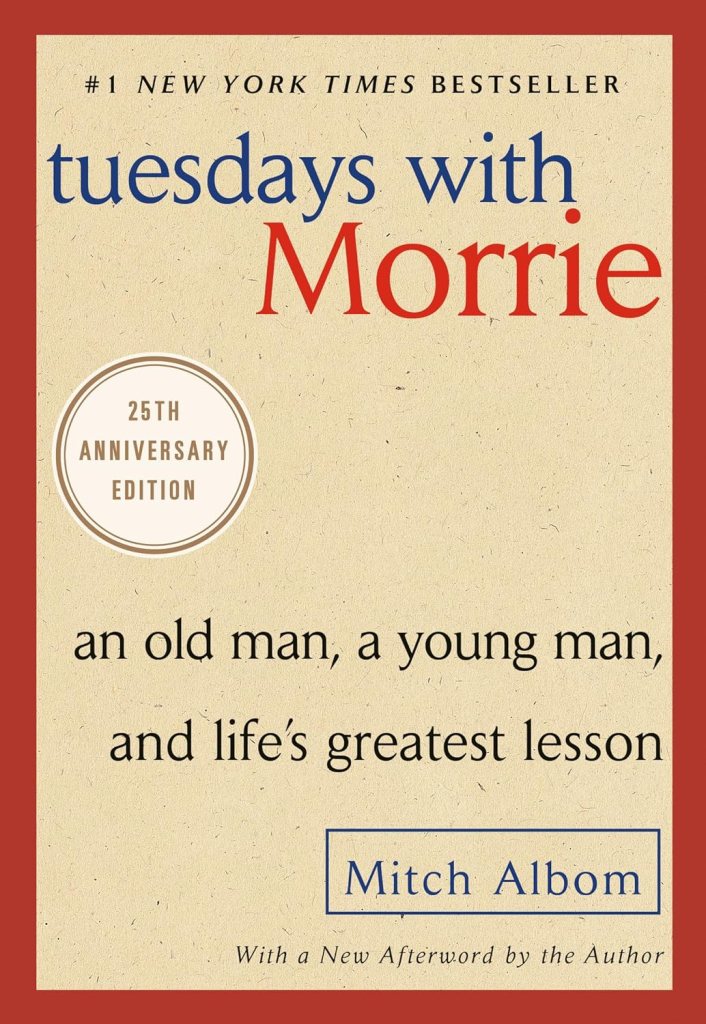
I read widely to guide my writing. I still read every day, sometimes for hours, sometimes only a few pages. I return often to books that once moved me deeply: Pride and Prejudice, Man’s Search for Meaning, Tuesdays with Morrie. Each rereading feels different. That is how I know books grow with us. Revisiting a familiar story allows me to notice things I had missed before, to understand new perspectives, and to refine my sense of narrative and character development.
I read craft books not to copy technique, but to understand intention. Why does this sentence work? Why does that scene linger? Reading teaches humility. There is always someone writing better, clearer, braver. Instead of discouraging me, that comforts me. It means the work is endless, and that is a good thing. There is always more to learn, always room to grow. This realisation keeps me grounded and committed to the long journey of writing.
I am part of some anthologies, and I have authored many articles over the years. These small contributions are part of my learning and practice, a way to keep writing while I work on larger projects. They are exercises in discipline and experimentation, testing different voices, formats, and perspectives. Each piece, no matter how short, teaches me something about structure, clarity, and the rhythm of language.
The life of a writer is not glamorous. Most of it is quiet. You sit. You doubt. You write. You delete pages you once loved. You rewrite. You keep going. There is no certainty, only commitment. Writing requires discipline more than inspiration. Inspiration visits. Discipline stays.
There were periods in my life when writing was the only stable thing I had. Work challenges, writer’s block, my daughter’s health issues, long waits—writing did not solve these problems, but it gave me a place to stand. It reminded me who I was when everything else felt fragile. Writing became a companion, a place to breathe, a way to make sense of the world. More than that, it showed me that writing, reading, and reflection are tools we all need, as societies and as individuals, to engage with ourselves and others.
My faith plays a central role in my life and writing. It teaches patience and surrender. Writing is similar. You do your part and let go of the outcome. You write honestly and accept that the work will find its reader when it is meant to. Writing, like prayer, requires consistency, trust, and humility.
I do not measure success by recognition. I measure it by sincerity. If a reader feels empathetic, the work has succeeded. If a sentence stays with someone longer than expected, that is enough. Every story, every paragraph, every sentence is a small offering, an attempt to communicate honestly, and that is enough.
I am still learning. Still reading. Still writing. That, for me, is a full life.
And it began, simply, with a book opened in silence.
Gowher Bhat is a a columnist, a freelance journalist, and educator from Kashmir. He writes about memory, place, and the quiet weight of the things we carry, often exploring themes of longing, belonging, silence, and expression. A senior columnist in several local newspapers across the Kashmir Valley, he is also an avid reader and book reviewer. He believes the smallest moments can carry the deepest truths.
PLEASE NOTE: ARTICLES CAN ONLY BE REPRODUCED IN OTHER SITES WITH DUE ACKNOWLEDGEMENT TO BORDERLESS JOURNAL
Mr. Williams lived in a town called Vinjamur. He owned several businesses and was well-known for being extremely careful with money. Whether at home or in his shop, he made sure that not even a single rupee was wasted.
One day, Mr. Williams had to go out on some work. Before leaving, he asked his fifteen-year-old son, Raman, to sit in the shop. While Mr. Williams was away, a group of devotees came to the shop asking for donations for the construction of a temple. Raman took Rs 100 from the cash box and gave it to them as charity.
When Mr. Williams returned and heard of Raman’s donation, he became very angry. He made his son sit in front of him and said sternly, “First learn how hard it is to earn money. Only after that should you think of charity. If you do this again, I will not tolerate it.”
Another incident happened sometime later. One day, when Mr. Williams was not at home, a beggar came asking for food. His ten-year-old daughter felt pity for the poor man. She fed him till he was full. She also gave him some rice to take home.
When Mr. Williams came to know about this, he was angry with his daughter as well. He warned her strictly never to do such a thing again.
Mr. Williams’ wife knew her husband very well. She never argued with him about money matters, but she warned the children to be careful and not to go against their father.
A few days later, an old man with an unshaven beard and torn clothes came to Mr. Williams’ shop. He asked the workers about Mr. Williams. Looking at his appearance, the workers assumed he was a beggar. Afraid that their owner would scold them if he saw the man, they asked him to leave at once.
But the old man did not go away. He waited patiently for a long time. After some time, Mr. Williams arrived at the shop. The moment he saw the old man standing there, he recognised him.
Mr. Williams immediately called him inside, made him sit on a chair, and offered him drinking water. When the old man said he was hungry, Mr. Williams arranged food for him. He sat in front of him until he finished eating. Before the old man left, Mr. Williams spoke to him privately and gave him ten thousand rupees.
The workers were stunned. They could not believe that their master—who never spent money easily—had given away such a large amount.
Just then, Raman came to the shop to deliver some things. He saw an unknown person eating in front of his father and, to his shock, saw his father give him a bundle of money. Raman could not believe his eyes.
He went to his father and asked,
“Father, you scolded me for donating just one hundred rupees, and you scolded my sister for giving rice to a beggar. Then how could you give ten thousand rupees to a stranger?”
Mr. Williams smiled and replied,
“He is not a stranger. He is someone I know very well. And he was once a very prosperous man. You don’t need to know anything more.”
Saying this, he returned to his work.
Confused by his father’s words, Raman went home and told his mother everything that had happened. Curious to know the truth, Mrs. Williams came to the shop.
“I know you never give anything away for free,” she said. “You ask for accounts even if ten rupees are spent. So, I cannot believe that you gave ten thousand rupees to a stranger. Who is he?”
Mr. Williams sighed and said,
“So, this matter has reached you as well? He is not a stranger. You know him very well. Do you remember how, soon after our marriage, our relatives cheated us and threw us out? We were on the streets with small children and not a single rupee in hand.”
“Yes, I remember,” she said softly.
“At that time,” continued Mr. Williams, “one great man gave us shelter. He fed us and even gave me some money to start a business. Do you remember him?”
“Yes,” she replied. “His name was Parandham. I can never forget his kindness.”
“The man who came today was Parandham,” Mr. Williams said. “His sons and daughters-in-law took away all his property and threw him out. He said his wife needs medical treatment and he needed money. The foundation of our success today was laid with the help he gave us back then. Today, I got the chance to repay that debt of gratitude.”
Mrs. Williams was deeply moved.
“Has he fallen into such trouble? If he comes again, please bring him home. We will look after him and feed him for as many days as he wants,” she said.
Mr. Williams agreed.
Turning to his son, who was watching everything with wonder, Mr. Williams said, “We have reached this position only after swallowing many hardships and humiliations. Every penny we earned came through hard work. That is why I know the true value of money. When we have nothing, we cannot beg anyone with an outstretched hand. So, when we have money, it must be spent carefully and thoughtfully. I scolded you earlier because you are still too young to understand charity. I did not want you to suffer the hardships we once faced.”
Raman finally understood. He realised that parents always think of their children’s welfare, and that every action of his father had a deeper meaning behind it. From that day on, he learned not to misunderstand his father’s actions, but to try to understand them.
Naramsetti Umamaheswararao has written more than a thousand stories, songs, and novels for children over 42 years. he has published 32 books. His novel, Anandalokam, received the Central Sahitya Akademi Award for children’s literature. He has received numerous awards and honours, including the Andhra Pradesh Government’s Distinguished Telugu Language Award and the Pratibha Award from Potti Sreeramulu Telugu University. He established the Naramshetty Children’s Literature Foundation and has been actively promoting children’s literature as its president.
.
PLEASE NOTE: ARTICLES CAN ONLY BE REPRODUCED IN OTHER SITES WITH DUE ACKNOWLEDGEMENT TO BORDERLESS JOURNAL
Persian poems written and translated by Akram Yazdani
UNTRAVELED SUITCASE

The suitcase never left.
Its lock held untold stories,
its corners heavy with silence.
Each day, the road waited, empty,
while unseen journeys
moved quietly beneath its lid.

MULTI-VOICED MIND

In his mind,
multiple voices whispered at once—
not to command,
not to warn—
but to open windows
that led to different times.

Moments
folded over one another,
like two seasons unfolding
simultaneously on a single page,
and every choice
breathed silently in the hidden world
before it could find a word.

There,
there were birds,
half-formed,
with feathers unaccustomed to the world,
yet knowing the weight of flight;
birds whose path
was neither toward sky
nor toward earth—
but somewhere between decision and fear.

He paused.
He breathed.
And gazed at the path passing through him.
And there, in the impartial silence,
one of those half-formed birds
called his name—
not from the past,
not from the future,
but from a moment yet to arrive,
already decided.
Akram Yazdani is a poet and writer from Mashhad, Iran. She writes her works in Persian and provides English translations for publication. Her writing explores silence, memory, and minimal moments of perception, seeking to connect personal reflection with shared human experiences.
PLEASE NOTE: ARTICLES CAN ONLY BE REPRODUCED IN OTHER SITES WITH DUE ACKNOWLEDGEMENT TO BORDERLESS JOURNAL
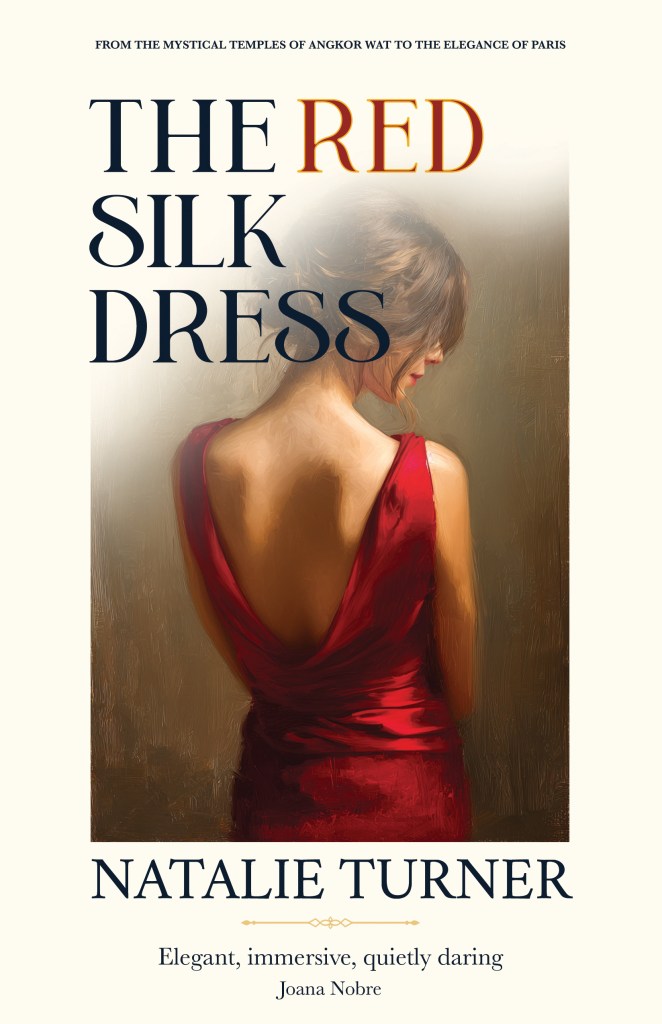
Keith Lyons in conversation with Natalie Turner, author of The Red Silk Dress
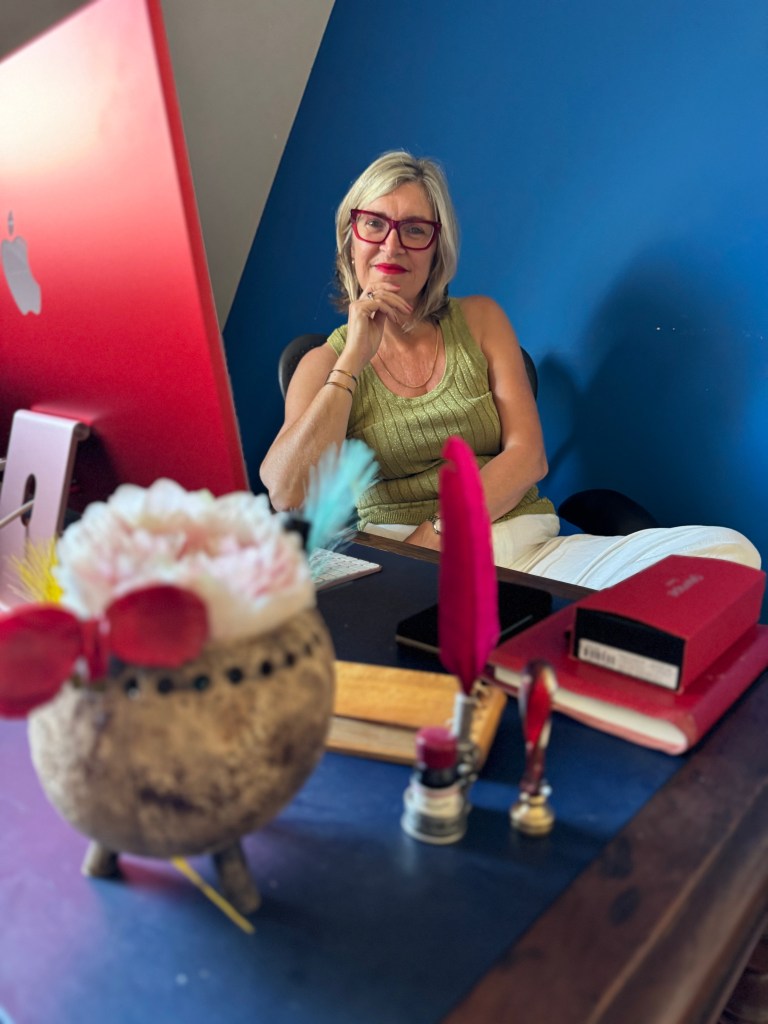
Natalie Turner in Lisbon
Tell us about your background and life. If you had to give a relatable elevator pitch to readers, what would you say?
I was born in 1968, a year of social upheaval, into a life shaped early by movement, belief, and questioning. My parents were Christian missionaries, so I grew up immersed in faith, travel, and a strong inner world. From a young age, I wanted to be a writer. I was also restless, resistant to fixed paths, and fiercely independent, which meant that desire took many shapes before it found its way home.
As a young adult, I travelled and worked across Asia and Latin America, experiences that expanded my worldview and quietly dismantled many of the belief systems I had inherited. I later studied politics, economics, and social psychology, worked in Parliament, and then moved into business and innovation, where I continue to help organisations navigate change. Writing stayed alive throughout, mostly through journals and ideas, even when it wasn’t centre stage.
The red thread running through my life has always been transformation. A willingness to question what no longer fits, and the courage to follow what is asking to emerge. Writing fiction felt like the most honest way to bring that thread home.
What first inspired The Red Silk Dress?
The inspiration came from living inside a world that looked complete from the outside but felt fractured beneath the surface. In Southeast Asia, I was surrounded by what’s often called the expat life, glamorous settings, elegant events, and success on display. Yet in quieter moments, especially in conversations with women, a very different story would surface.
Many were intelligent, capable, outwardly fulfilled, yet privately wrestling with a sense of loss. They had raised families and built impressive lives, yet somewhere along the way they felt they had misplaced themselves. The contrast between the polished exterior and the unspoken interior stayed with me.
At the same time, I recognised a parallel in myself. From the outside, my life also looked full and successful. Inside, I sensed something unfinished, something buried. The novel grew from that convergence. From the tension between what we show the world and what quietly asks for attention. Cambodia, and a writing retreat in Siem Reap, became the place where that question could no longer be ignored.
Why did you choose Claudette, a French woman living overseas, as the heart of this story?
I didn’t choose Claudette in a deliberate way. I wasn’t designing a character or thinking about nationality or backstory. She arrived. On the outskirts of Angkor Wat, during a writing retreat, surrounded by experienced writers and acutely aware of my own inexperience, this woman appeared fully formed in my imagination.
She was elegant and guarded, wearing a wide-brimmed white hat and dark glasses. She introduced herself as Claudette, from Paris, and asked me to write her story. When she removed her glasses, what struck me was the sadness in her eyes. That moment carried a quiet insistence. It wasn’t dramatic, but it was unmistakable.
I wrote the opening paragraph that day, and it remains the opening paragraph of the novel. Claudette wasn’t invented to make a point. She was the right vessel for the story that wanted to be told.
The novel explores longing, desire, and reinvention. What drew you to these themes?
Reinvention has always fascinated me because I’ve lived it. I’ve moved countries, changed careers, and rebuilt my life more than once. That capacity for agency, for choosing to become something new, has been a quiet through-line in my work and my thinking.
Longing and desire entered the novel more subtly. At the time, I was living in Penang, Malaysia, immersed in colour, texture, heat, and beauty. I began to experience desire not as something reckless or romanticised, but as a form of intelligence. A way back into memory, creativity, and the parts of us that go dormant when life becomes crowded with too much to do.
Longing, for me, is a signal. If we ignore it, we stay as we are. If we listen, it draws us inward, into an interior journey that can quietly change the course of our lives.
Is The Red Silk Dress a love story, or is it really about something deeper?
It’s about something deeper than a conventional love story. The love affair in The Red Silk Dress isn’t a romance in the usual sense, and it isn’t about escape or transgression for its own sake. It functions as a catalyst. Love, in Claudette’s case, is what wakes her up to herself.
What interested me was eros in its older meaning. A sensual awakening of the body and the senses, of attention and aliveness. A pause that draws us back into ourselves and allows us to inhabit moments more fully.
In that sense, eros doesn’t just awaken desire. It awakens attention. And sustained attention inevitably sharpens conscience. When we feel more alive, more present, more attuned, we become more aware of misalignment. Of what we are complicit in. Of what no longer feels bearable. That awareness naturally turns outward into questions of responsibility.
Places feel very alive in the book. Why were Cambodia, Malaysia, and Paris important settings?
The places are alive in the novel, as much a character as the people who inhabit it. Geography isn’t a backdrop for Claudette’s journey; it actively shapes it.
Cambodia is where the story begins because it is where her inner life is first disturbed and opened. I was deeply affected by Cambodia’s layers of history, from the ancient Angkor civilisation to the energy of contemporary artists, designers, and entrepreneurs rebuilding culture with pride and imagination. There is a sensuality and generosity in the country that opens Claudette.
Malaysia is her lived world. It is where I spent many years, moving between lush, gated communities, international enclaves, and the daily crossings into Singapore. That environment, with its contrasts between order and improvisation, privilege, and dislocation, shaped how Claudette learned to belong and not belong at the same time.
Paris represents origin and memory. It carries sensuality, identity, and an earlier version of herself. It is where Claudette must reckon with who she has been and who she is becoming, not nostalgically, but honestly.
And then there is Portugal, which sits quietly behind the book rather than inside the story. It is where the novel was edited, refined, and completed. After the intensity of Asia, it offered a different rhythm. More space. More listening. It was here that what had been awakened elsewhere could be integrated and shaped with patience.
For me, the locale is never decorative. Each country asks something different of Claudette. Cambodia opens her. Malaysia tests her sense of belonging. Paris calls her to reckon with her past.
What’s your connection with Malaysia, Cambodia, and Singapore, and what was your experience living and working there?
I moved to Singapore in 2010, initially for work. It was still a time when the traditional expat package existed, and the city was dazzling, ordered, and highly curated. I was fascinated by it, not because it was my life, but because of what it revealed about status, success, and performance.
We moved to Malaysia largely for practical reasons. In Johor Bahru, we became part of a more entrepreneurial, improvised community, shaped by people building lives across borders. I crossed into Singapore several times a week, so the contrast between those two societies became part of my daily rhythm.
Penang was where something settled. It was slower, textured, steeped in history. It was also where I returned fully to writing and committed to the novel. After years of living between worlds, Penang became the place where the book could finally be written.
You’ve lived and worked across many countries. How has that shaped the way you write about identity and belonging?
Living across countries has made identity feel less fixed and more relational. Belonging isn’t something you arrive at once and for all. It shifts depending on place, people, and season of life.
Being immersed in different cultures sharpened my sensitivity to belief systems, values, and the ways we construct meaning. Living now in Portugal has added another layer. After years of movement, it has offered a sense of feeling grounded without confinement. A rhythm where I can listen differently.
I now find myself writing more reflective cultural pieces that explore place, memory, and creativity. Belonging, I’ve learned, is not about fitting in neatly. It’s about learning how to be changed by place while remaining true to yourself.
You often write about moments when life quietly asks us to change. Where does that fascination come from?
From my own life. I’ve reinvented not just what I do, but how I think. What interests me most are the subtle moments when something no longer fits and begins to ask different questions.
Real change rarely arrives loudly. It comes as a discomfort, a quiet misalignment. Innovation, like personal change, requires the courage to step beyond conformity and tolerate uncertainty. I’ve always been drawn to that edge because it is where life becomes most alive.
Your professional work focuses on creativity and transformation. Did those ideas find their way into this story?
Yes, though not in a literal way. My work has always been about how change unfolds as lived experience. Claudette’s journey follows that inner arc. Awareness, awakening, investigation, and consequence.
Creativity also enters the novel through the senses. Fabric, silk, touch, style. I wanted creativity to live in the body, not just the mind. In that sense, the story becomes a meeting place between beauty and transformation.
Did writing The Red Silk Dress change how you see yourself or your work?
The act of writing, and the way the book moved me emotionally and sensorially, awakened a level of creative energy I hadn’t experienced before. When I finished the novel, I realised I had opened a door into a new phase of my life.
It also reoriented my work. I no longer separate creativity, leadership, and transformation into neat categories. They belong together. Writing the novel didn’t replace my previous work. It gave it a deeper centre.
In parallel, I continue my work with women in leadership, creating spaces where they can step back from performance and certainty and listen more deeply to themselves. In many ways, those spaces and the novel are in a subtle, mutually reinforcing conversation. Both are about reconnecting with agency, voice, and purpose, not as theory but as lived experience.
Who do you think this book is for?
It will likely resonate most strongly with women who are curious, reflective, and drawn to immersive stories. Readers who want to be transported into another world and enjoy discovering history, culture, and meaning through story.
That said, men have responded deeply too. Several have shared how meaningful it was to inhabit a woman’s inner world so intimately. While it is a woman’s journey, the relationships and portrayals of masculinity are layered and intentional.
At heart, it’s for readers standing at a threshold. Those who sense a quiet unease and are open to being moved by a story that stays with them.
If a reader recognises themselves in Claudette’s struggle, what would you want them to take from her story?
I would want them to pause first. To take a breath and turn inward. Claudette’s story isn’t a prescription or a manifesto. It’s an invitation to reflect.
If there is one thing I hope readers take from her journey, it’s the understanding that feeling trapped does not mean being powerless. Agency often begins quietly, with hope, courage, and a willingness to trust what is asking to emerge.
And that emergence isn’t just personal. It shapes how we show up in our families, our work, our communities. Change, in this story, is not about abandoning life, but about stepping back into it with greater responsibility for the world we are helping to shape.
What do you hope readers feel or reflect on after turning the final page?
Above all, I hope the book creates a pause. A moment of deeper listening. Not a rush to act or decide, but an invitation to sit with what is emerging.
What’s your advice to aspiring writers?
I think writing begins with attention. Being open to life, to what keeps circling at the edges of consciousness, to the story that wants to be told. Craft matters enormously, of course. Writing a novel asks for depth, endurance, and commitment well beyond beautiful prose. Technique only comes alive when it is in the service of something true, something rooted in vulnerability. Finding your story is about learning how to listen, and then having the courage and patience to give it form.
.
Keith Lyons (keithlyons.net) is an award-winning writer and creative writing mentor originally from New Zealand who has spent a quarter of his existence living and working in Asia including southwest China, Myanmar and Bali. His Venn diagram of happiness features the aroma of freshly-roasted coffee, the negative ions of the natural world including moving water, and connecting with others in meaningful ways. A Contributing Editor on Borderless journal’s Editorial Board, his work has appeared in Borderless since its early days, and his writing featured in the anthology Monalisa No Longer Smiles.
She stepped out of the limousine. The brim of her white Panama hat brushed the car door, and dust from the spinning wheels of a departing silver Mercedes hung in the air like a shroud. She shot an irritated glance at the receding car. Why did everything have to feel so rushed? She exhaled slowly, a familiar weight pressing against her chest. She looked down at her Jimmy Choos, now dusted with sand—a small detail, yet enough to deepen her annoyance. Determined to regain a sense of control, she pulled a tissue from her bag and stooped to wipe them clean. Shielding her eyes with oversized black sunglasses, she lifted her gaze to the sun.
Surrounded by meticulously manicured gardens, the Grand Hotel d’Angkor, an elegant cream mansion with a red slate roof and white veranda, stood before her. Its old-world charm softened her irritation. Finally, a touch of class. Claudette hadn’t realised just how much she had missed it.
Beside the limousine stood Andrew, her husband, his tall frame casting a long shadow. Wiping sweat from his freckled forehead, the lines on his face betrayed stress and fatigue. She knew it was the toll of his work, and she couldn’t help but feel a pang of sadness.
“I’ll check in,” he said, frowning. Pulling a handful of US dollars from the pocket of his sun-bleached khaki shorts, Claudette watched as he paid the driver, a knot of emotion tightening in her chest. There had been a time when he was light-hearted—playful even—but those days were long gone. Now his frown served only as a reminder of how distant they had become. His efforts to avoid meaningful conversation only deepened her frustration, and their relationship rarely stretched beyond the children’s schedules and his business travel plans.
“Monique, Pierre, wait!” she called to their ten-year-old twins. Overcome with excitement, they ignored her and sprinted up the hotel steps. Waving to catch their attention, she dropped her mobile. “Mon Dieu. Can you tell the children to stop for a moment?” Andrew turned his back and waved dismissively. Why does the burden of responsibility always fall on me? It was a familiar pattern. She was tired of feeling unheard and unimportant. Picking up her phone, she tucked a strand of long dark hair behind her ear and lowered her hat to shield her face from the sun. Following the twins up the steps, she entered the hotel.
“Ma’am.” A butler bowed as he offered a cold-pressed towel. Grateful for his attentiveness, she thanked him and pressed it to her face. Its cardamom-infused aroma lingered on her lips, and her fingers tingled from its cool, damp texture. Wiping her hands, she smiled and placed the towel on a small bronze plate. Determined to shake off her discomfort, she followed him into the cool, air-conditioned lobby and stepped into the lounge. Notes of Duke Ellington’s ‘Sophisticated Lady’ drifted through the air, accompanying her inside. It was one of her favourite songs. A wave of nostalgia, stirred by Sarah Vaughan’s mellow voice, carried her back to her days as a fashion student in a Parisian jazz bar. How she missed those days—when everything felt simple, possibilities stretching ahead like an open road. Days before she met Andrew, when her dreams were bright and believable. For a moment, the memories wrapped around her like a warm embrace. For a moment, she forgot where she was. She wanted more than the façade of a glamorous life; she longed to feel alive again. She sat down on a muted gold velvet sofa, hoping this weekend she might rediscover the Claudette she once was.
ABOUT THE BOOK
From the mystical temples of Angkor Wat to the glittering expat communities of Malaysia and the elegance of Paris, the novel is a story of longing, courage and transformation. Claudette, a French expat trapped in a loveless marriage, is captivated by Som, a charismatic Cambodian whose passion for his homeland awakens desires she thought were lost. Torn between duty and an awakening that promises freedom, but at a cost, Claudette must choose or risk losing the life calling her name. An intimate journey through the beauty and ache of second chances, the risks we take for love, and the secrets we keep, even from ourselves. For everyone longing to reclaim identity, this story will linger long after the final page.
ABOUT THE AUTHOR
Natalie Turner is a British author based in Lisbon. Her debut novel, The Red Silk Dress, is an upmarket literary exploration of longing, courage, and awakening, set across Cambodia, Malaysia, and Paris. Alongside her fiction, she writes a reflective cultural column exploring creativity, imagination, and the human dimensions of change. She is also the author of the award-winning non-fiction book Yes, You Can Innovate. Drawing on years living across Southeast Asia and Europe, she writes about women at thresholds, the landscapes that shape us, and the quiet moments where life begins to change.
The bag I carry to work everyday is a sole witness to my cheers and jeers.
Cheers.
Cheers to moments when a thought-provoking quote in discovered in a new book,
In Margret Atwood’s On Writers and Writings, enlightening my dim brain, feeling fogged in this northern nippy weather.
Cheers to spaces where marigolds are spotted gyrating to gushy chilled winds of January
In a lawn in front of my college library, shining in its morning dewy glory.
Cheers to lunch time when home-cooked food restores my faith in selfless love --
Love of my husband, who diligently cooks and packs and wraps and locks my lunch box.
Cheers to a noon, brimming with camaraderie of all who throng college --
The younglings, the chatty students, basking in the sun with all their trinkets and dogeared books.
Jeers.
There are many jeers too.
Jeers to the whims and fancies of a parent of two,
Her unmooring position with respect to the others, whiling away their day, nonchalantly.
Jeers to the mounting to-do lists of an aspiring poet,
The puerile blurbs or the clunky compositions being on the back burner for some time.
Jeers to the rising indifference and disdain among mortals,
The dereliction of what ought to be done and the celebration of the snivelling obscurity.
Jeers to the fact that your best friend lives in a far distant city.
The companionship and the tickles you shared are always remembered amidst the fissures and cracks of the day.
Jeers to the decreasing number of cold winter days,
The diminishing charm of winters, the apparently irreparable climate change taking its toll on all that is nature and human.
Jeers to the scouring it takes to cleanse the mind of daunted blankness and the silence of boredom.
The incessant frenzy of ever day hustle, and disorderly nests of imaginative abodes, far away from the maddening crowd.
The bag I carry to work brims with cheers and jeers,
Hopes and hues,
Sighs and trials,
And my relentless efforts to be better, calmer and quieter.
Alpana teaches in a government college of Gurugram, Haryana. She is a parent of two and is busy rummaging lost pieces of toys during her waking hours.
.
PLEASE NOTE: ARTICLES CAN ONLY BE REPRODUCED IN OTHER SITES WITH DUE ACKNOWLEDGEMENT TO BORDERLESS JOURNAL
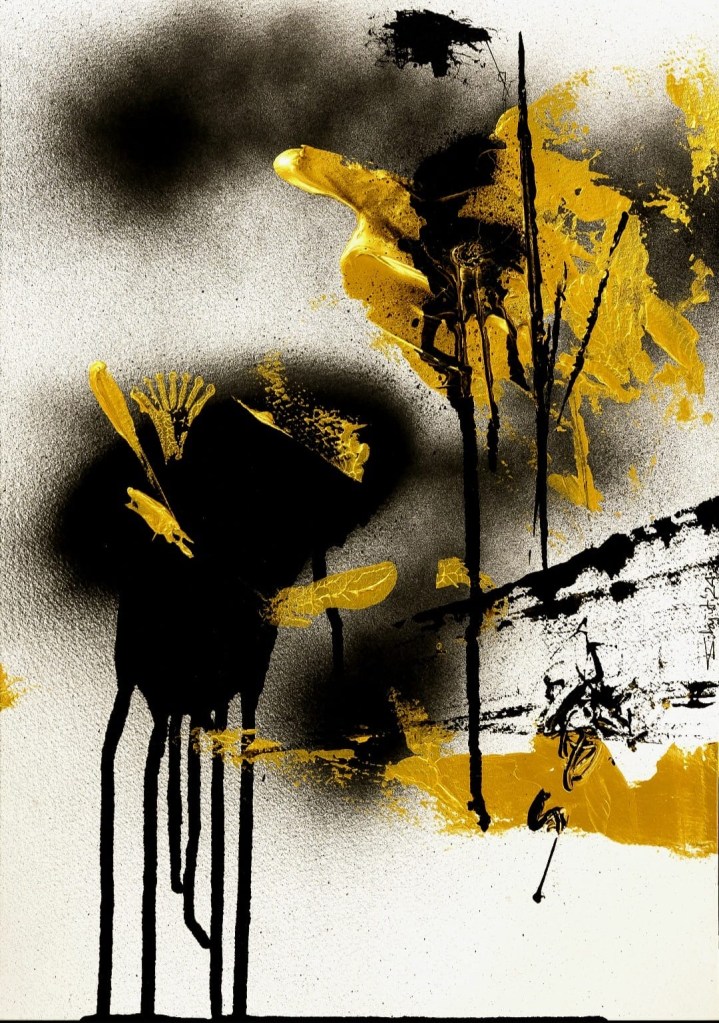
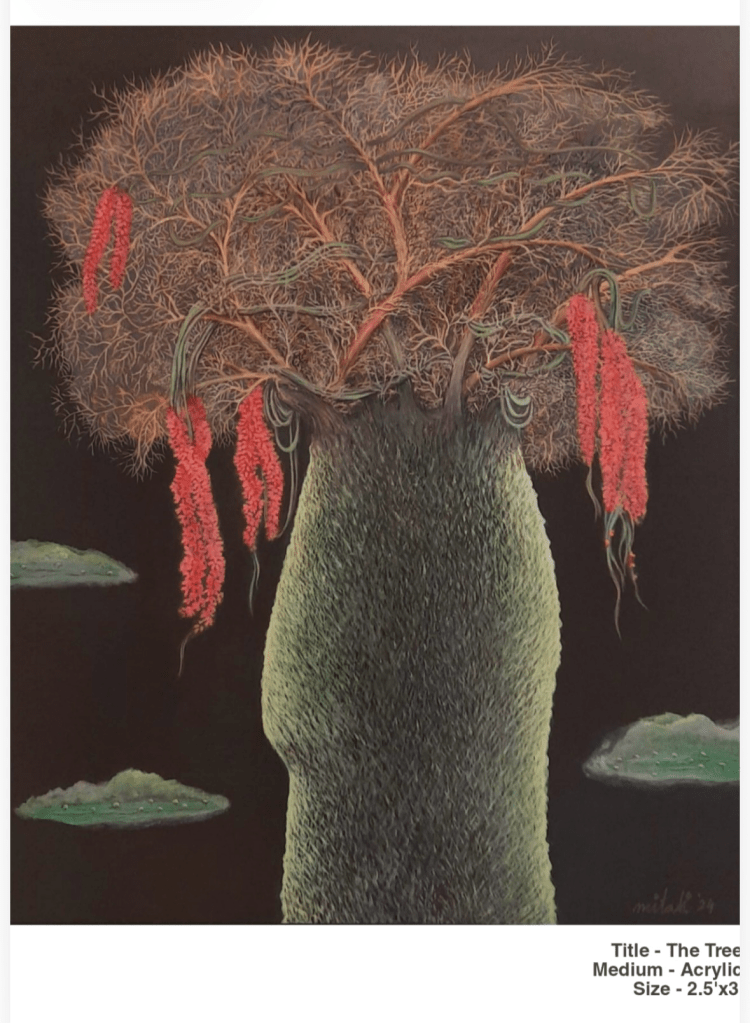
Painting by SilajitArt by Mitali GangopadhyayProvided by Ratnottama Sengupta
Varied. Appealing. Accomplished.
These, to me, are the hallmark of the works of these six artists: Abhijeet Bhattacharya, Maitreyi Nondi, Mitali Gangopadhyay, Shampa Bhattacharya, Silajit Ghosh and Vani Chawla, in alphabetical order. And I am delighted to bring this motley group living and working in diverse geographical points of the Indian map, in this exhibition, befittingly titled C’est la Vie![1]
Let me expand on my response.
Variety, they say, is the spice of life. Why so? Variety, the dictionary would have us believe, is the quality of doing the same thing in different ways. In other words, even if the six artists here were using the same medium – oil perhaps? Or acrylic? May be water colour? Or if they boast the same palette, or the same brand of paintbrush, or canvas of the same thickness — they are not doing the same thing.
And I am not limiting the observation to the broad classification of figurative painting, abstract images, or landscape art. If Mitali is painting landscapes, Abhijit is painting humans in a landscape. If Vani is painting detailed or surrealistic human forms, Shampa’s humans have their contours distorted, for stylisation. Or perhaps to make a certain statement. If Maitreyi’s statement is garbed in the signs of the zodiac, Silajit enunciates his thoughts through the sheer flow of pigments.
What makes for the difference in their visual expression? Their different experiences. If these make life more interesting, can it be any less for art?
The difference in experiences accounts for the changes in life, likewise it accounts for the changes in the forms that come alive on their framed spaces.
*
Maitreyi, a Bachelor of Visual Arts from the Rabindra Bharati University, has been expressing herself through dynamic images of humans and icons, gods and goddesses, and not excluding life embracing animals and symbolic creatures. The Feminine Mystique, the Nirbhaya incident that had jolted the nation, Prakriti and Mahamaya, Ganesh Janani or Durga, the dreams and reflections of women — yes, and of men too. Why not, when she expresses her homage to, say, the Kargil heroes? She finds acceptance then, with the Society of Oriental Arts as with Arts Acre, with Dhoomimal Gallery of Delhi as with the artists group led by Jogen Chowdhury.
Needless to add that the forms and focus of this artist are driven by a consistent striving to empower women. But the war she thus wages is fuelled by the power of storytelling. It is a creative energy that flows through her veins as she claims the lineage of Dakshina Ranjan Mitra Mazumder, the word-smith celebrated across the boundaries of age, or maps, for Thakurmar Jhuli and Thakurda’s Tales[2]. So, her art constantly tries to explore new ways of recounting lived experiences.
*
Abhijit, born in the tea gardens of Assam, and raised in Visual Arts at Agartala, now heads the Government College of Art and Craft of Tripura. His art practice revolves around dreams and memories — but it has also gained its punch from the time he spent working as an illustrator for publications and designer for advertisements.
His art weaves in elements of fantasy to create a surreal atmosphere that takes viewers away from the stresses of ground reality. It is a foliage dotted with orange kadamba flowers against which his Krishna plays a flute — and, in dalliance, his Radha sprawls herself out on a luscious bed of luxurious green.
Elsewhere, a Buddha merges with a tree and a tall tree grows into a halo that surrounds a form of divinity which protects a snowhite dove at the core of its being.
*
Vani is nudged by balmy nature to breathe life into her canvases. Flora and butterflies and birds too flit through her frames then, as do quadrupeds and bipeds. Women in particular are her protagonists: attired in starkly modern clothes, they share their space with elemental forms. But like the English poet who wrote, “God made the country, and man made the town[3],” Vani is irked by the drastic changes humans have wrought to the natural landscape.
This artist, who majored in the stream of Commerce, is saddened by the greed that is overwhelming the planet’s green foliage with brick and mortar, concrete and steel. Her surroundings are criss-crossed by skyscraping structures of high-rise buildings and six-lane flyovers. Is this the region, the soil, the clime we must change for heaven? This fog-filled gloom that is overshadowing the celestial light of blue skies? What happened to the happy coexistence that once marked the harmony of food chains and cycles of life? How can we chant the Biblical hymn of “Peace on earth, goodwill to men?” Or the Shanti Mantra of benevolence towards not merely humanity but every spec under the sun?
*
For Mitali, the bright flowers that change with every season and the silence of undulating hills are not merely decorative art nor purely landscapes. One stands for impermanence; another for stability of aeons. But in the curves and rhythms of these contrasting forces of nature, she finds a reflection of her outer and her inner self. And in the fragility of petals? She sees her own resilience!
Is this a quest for identity, or a desire to belong to the bounteous world of Nature? The latter, methinks. For, nature has endowed women with the blessing of motherhood. That is creativity of the highest form — in the entire universe.
*
When Shampa designed a Durga for the Pujas last autumn, the Third Eye of the Icon took the shape of a pen. “The pen is truly the sword in today’s world,” she believes. Realism clearly is a counter point for mysticism in her art. Naturally the inner radiance of the forms created by this figurative artist — also born in Assam, and shaped by an MA in Philosophy — transcend the external circumstances of their natural existence. Witness the series of darkened women she mounts here: their vibrant smiles spell hope. And resilience. In fact, they symbolise the triumph of inner strength over outward appearance.
This is a philosophical expression of her credo: There’s no absolute sorrow nor pure happiness, just as day and night are a continuum…
*
Silajit’s paintings are envisaged as a space for the cohesive bonding of sharp, vibrant, even strident colours. The colours flow much like the Ganga, from north to south. They zigzag through the canvas but their course does not meander. They are very much like this self-taught artist who does not claim adherence to any art school nor formal initiation through a hoary institution. They are an expression of his deepest mental state, his meditative best. Yet the visuals are heightened by a certain experiential detachment. Silajit seems to be contemplating on the concept of zero — or a state of absolute void. As he puts it, through these paintings he observes himself as a medium of creation, not the creator himself.
*
Nearly 250 years have passed since the English poet William Cowper wrote in ‘The Task’ that “variety gives life all its flavour.” The lines have gone on to become a proverb which underscores that unexpected turns make life more fulfilling. I would then urge all the artists who have gathered under the umbrella of C’est la Vie to try new experiences, venture into untrodden landscapes, and catch a glimpse of new vistas. I will egg them on to be so adventurous as to break the monotony of even ‘vibgyor’ and create new rainbows…
[2] Translation from Bengali. Grandmother’s Bag and Grandfather’s Tales: Folklores and children’s fairytales from Bengal.
[3] A line from ‘The Task’, a poem by William Cowper(1731-1800)
.
Ratnottama Sengupta, formerly Arts Editor of The Times of India, teaches mass communication and film appreciation, curates film festivals and art exhibitions, and translates and writes books. She has been a member of CBFC, served on the National Film Awards jury and has herself won a National Award.
.
PLEASE NOTE: ARTICLES CAN ONLY BE REPRODUCED IN OTHER SITES WITH DUE ACKNOWLEDGEMENT TO BORDERLESS JOURNAL
Five poems by Pravasini Mahakudahave been translated to English from Odia by Snehaprava Das. Click here to read.
A Poet in Exileby Dmitry Blizniuk has been translated from Ukranian by Sergey Gerasimov. Click hereto read.
Kalponik or Imaginedby Tagore has been translated from Bengali by Mitali Chakravarty. Click hereto read.
Pandies Corner
Songs of Freedom: The Seven Mysteries of Sumona’s Life is an autobiographical narrative by Sumona (pseudonym), translated from Hindustani by Grace M Sukanya. These stories highlight the ongoing struggle against debilitating rigid boundaries drawn by societal norms, with the support from organisations like Shaktishalini and Pandies. Click here to read.



 Borderless